DIY vs Guided Elk Hunting: Which Hunt Makes Sense?
DIY vs Guided Elk Hunting: Which Hunt Makes Sense?
There isn't one correct way to hunt elk.
Some hunters want to carry everything on their backs, find elk themselves and experience the satisfaction of putting together the entire hunt.
Others have waited years to draw a tag and don't want to spend the first half of the season figuring out where the elk went.
Some hunters have plenty of Western hunting experience but limited vacation time.
Others have money for an outfitter but would rather hunt independently.
That's why the real question isn't:
Are guided elk hunts better than DIY hunts?
It's:
Which approach makes the most sense for your particular hunt?
What Is a DIY Elk Hunt?
A DIY elk hunt means you're responsible for planning and executing the hunt yourself.
Depending on the hunt, that can include:
Choosing the state
Researching draw odds
Selecting a unit
Applying for the tag
E-scouting
Physical scouting
Finding access
Navigating public/private boundaries
Locating elk
Calling
Glassing
Setting camp
Recovering the animal
Packing meat
Managing travel
For some hunters, that's exactly the appeal.
The planning and problem-solving are part of the hunt.
Advantages of DIY Elk Hunting
Lower Cost
Cost is one of the biggest reasons hunters choose DIY.
You're eliminating the outfitter and guide fee, which can represent one of the largest expenses associated with a Western elk hunt.
You'll still have expenses such as:
Hunting license
Elk tag
Applications
Travel
Fuel
Food
Lodging or camp
Gear
Meat processing
Taxidermy
But a hunter who already owns suitable gear can potentially complete a DIY elk hunt for substantially less than a fully guided hunt.
Complete Independence
You make the decisions.
If you want to spend the entire day working one drainage, you can.
If you want to move camp, you can.
If you find elk somewhere unexpected, you're free to change the plan.
That freedom is a major part of the appeal for experienced DIY hunters.
You Learn Faster
A DIY elk hunt forces you to solve problems.
You have to learn:
Elk behavior
Terrain
Calling
Thermals
Access
Glassing
Maps
Weather
Hunting pressure
You'll make mistakes.
But those mistakes can make you a better elk hunter.
Greater Sense of Ownership
There's something different about finding the elk, making the plan, executing the stalk and packing the animal out yourself.
For hunters who value self-reliance, that can be more important than maximizing comfort or convenience.
Challenges of DIY Elk Hunting
DIY isn't automatically the better choice simply because it's cheaper.
The biggest cost is often time.
You Have to Find the Elk
An outfitter may spend weeks or months learning an area.
A DIY hunter arriving from another state may have:
Five to seven days.
Your first several days could be spent eliminating country.
That's especially difficult when elk have moved because of:
Weather
Hunting pressure
Feed
Water
Rut activity
Snow
Private-land pressure
E-Scouting Doesn't Tell You Everything
Satellite imagery and mapping applications are incredibly useful.
But a map can't always tell you:
Whether a road is actually passable
How much hunting pressure is present
Whether a trail receives heavy horse traffic
Where elk moved last week
Whether water is currently available
How difficult a pack-out really is
Local experience still matters.
Meat Recovery Can Be Difficult
Killing an elk can be the beginning of the work.
A mature elk is a large animal.
If you shoot one several miles from the truck, you need a realistic plan for:
Quartering
Game bags
Cooling meat
Multiple pack-outs
Elevation
Distance
Weather
Darkness
Don't build a DIY strategy around getting an elk down without thinking through what happens afterward.
What Does a Guided Elk Hunt Provide?
A guided elk hunt typically puts much of the hunt planning and field logistics into the hands of an outfitter and guide.
The exact services vary enormously.
Depending on the operation, a guided hunt may include:
Preseason scouting
Guide
Camp
Lodging
Meals
Transportation
Horses
Calling
Glassing
Meat packing
Trophy preparation
Never assume all of those services are included.
Ask before booking.
Advantages of a Guided Elk Hunt
Local Knowledge
This is arguably the biggest advantage.
A guide who spends an entire season—or many seasons—in the same country may understand:
Elk movement
Bedding areas
Feeding areas
Water
Escape routes
Hunting pressure
Access
Seasonal patterns
That information can save valuable hunting time.
Preseason Scouting
You might arrive two days before your hunt.
The outfitter may already have spent weeks scouting.
That doesn't mean the elk will remain exactly where they were.
But starting with current information can be extremely valuable.
Logistics
An outfitter can remove a lot of logistical burden.
Depending on the hunt, they may handle:
Camp
Food
Transportation
Horses
Meat recovery
Field care
For hunters traveling across the country, those services can be as valuable as the actual guiding.
Limited Vacation Time
Imagine you've waited years to draw an elk tag but can only take seven days off work.
Spending three days learning roads and eliminating empty drainages may not be how you want to use that opportunity.
A guide can help compress the learning curve.
Does a Guided Elk Hunt Have Better Success Rates?
Don't assume it automatically does.
A quality guide can provide meaningful advantages.
But there's no universal statistic showing that every guided elk hunt has a higher harvest rate than every DIY elk hunt.
Success depends on factors such as:
State
Unit
Season
Weapon
Weather
Elk population
Hunting pressure
Private/public access
Hunter ability
Physical condition
Outfitter quality
If an outfitter advertises a success rate, ask for context.
For example:
80% success over what period?
Was that:
One year?
Ten years?
Five hunters?
Fifty hunters?
Archery?
Rifle?
Public land?
Private ranch?
Bulls?
Any legal elk?
Numbers need context.
Guided Elk Hunts Don't Guarantee a Harvest
No legitimate free-ranging elk hunt should be treated as an automatic harvest.
Elk are wild animals.
Weather changes.
Bulls move.
Hunting pressure changes behavior.
Shots get missed.
Animals aren't always where scouting suggested they'd be.
A guide can put you in a better position to capitalize on an opportunity.
The guide can't control everything.
Does Hiring an Outfitter Improve Your Elk Draw Odds?
Usually, no.
This is an important distinction.
In many states, hiring an outfitter doesn't change your odds of drawing the same public elk license.
But there are exceptions and special systems.
For example:
New Mexico has a dedicated outfitter pool for qualifying applicants contracted with eligible outfitters.
Idaho has outfitter-allocated nonresident tags within its elk system.
Other states have private-land, landowner or voucher systems that can create different pathways.
That's why you shouldn't assume:
"I'm hiring a guide, so I'll get a tag."
Research the specific state's licensing system.
Start With the Elk Tag
This is where a lot of first-time Western hunters get things backward.
They start shopping for outfitters before understanding the tag.
Instead, first determine:
Where can I realistically hunt?
Look at:
State
Residency
Points
Draw odds
General opportunities
Limited-entry opportunities
OTC opportunities where available
Leftover opportunities
Private-land pathways
Then determine whether you want to hunt that opportunity DIY or guided.
Using TAGZ Before Choosing DIY or Guided
TAGZ was built to help hunters understand Western draw opportunities before they make those decisions.
Hunters can research opportunities using factors such as:
State
Species
Residency
Season
Weapon
License type
Point level where applicable
Historical draw information
Unit information
That's useful whether you're hiring an outfitter or sleeping in the back of your truck.
Explore the platform through TAGZ Product.
Built From Western Hunting Experience
TAGZ was started by hunters, guides and outfitters with firsthand Western hunting experience, including guiding and outfitting roots in Idaho.
That experience provides perspective from both sides of this question.
Guides can provide tremendous value.
But not every hunter needs one.
A hunter who understands the terrain, has enough time to scout, knows how to locate elk and is prepared for the pack-out may prefer DIY.
Another hunter may have waited years for a tag, traveled across the country and have only six days to make it happen.
That hunter may value an experienced local guide considerably more.
Neither approach is automatically right.
The hunt should dictate the decision.
Learn more about the experience behind the platform through About TAGZ.
How Much Does a DIY Elk Hunt Cost?
There's no universal number.
A DIY hunt can still become expensive.
Potential expenses include:
Application
Hunting license
Elk tag
Preference or bonus points where applicable
Fuel
Airfare
Rental vehicle
Hotel
Food
Camping gear
Hunting equipment
Meat processing
Meat transportation
Taxidermy
A hunter who already owns equipment and drives to the hunt may spend substantially less than someone flying across the country and buying an entire Western hunting setup.
How Much Does a Guided Elk Hunt Cost?
Guided elk hunt prices vary enormously.
The cost depends on:
State
Hunt length
Public or private land
Camp
Lodging
Meals
Horses
Guide ratio
Season
Weapon
Private access
Services included
Guided hunts commonly add thousands of dollars to the cost of an elk hunt, and premium private-land or highly serviced hunts can cost considerably more.
Don't compare outfitters using price alone.
Compare what the price actually includes.
Questions to Ask an Elk Outfitter
Before paying a deposit, ask:
What exact license or tag does this hunt require?
Do I need to draw the tag before booking?
Does the outfitter provide any legal tag pathway?
What happens to my deposit if I don't draw?
What unit are we hunting?
Is the hunt primarily public or private land?
How many hunters does each guide take?
What does the advertised success rate represent?
How many days is the hunt?
Are lodging and meals included?
Is transportation during the hunt included?
Is meat packing included?
Are horses used?
What's expected for gratuities?
What physical condition should I be in?
Get important answers in writing.
Public-Land Guided Elk Hunts
Hiring a guide doesn't necessarily mean hunting private land.
Many outfitters guide hunters on public land.
The value comes from their:
Local experience
Scouting
Knowledge of access
Understanding of elk movement
Logistics
But remember that other hunters may have access to the same public ground.
A public-land guide doesn't own the elk or the mountain.
Private-Land Guided Elk Hunts
Private-land guided hunts can offer different advantages.
Depending on the property, these may include:
Controlled access
Less public hunting pressure
Established lodging
Easier logistics
But private land doesn't automatically mean better hunting.
Elk move across property boundaries.
Ask:
How many acres?
Is the property contiguous?
How many hunters are booked?
Are elk resident or migratory?
What happens if elk leave the property?
Does the price include any required landowner authorization?
Understand what you're purchasing.
What Is a Semi-Guided Elk Hunt?
There's another option between fully DIY and fully guided:
Semi-guided hunting.
The exact definition varies by outfitter.
A semi-guided hunt might include:
Camp
Local information
Maps
Scouting information
Transportation
Meat recovery
while leaving the actual daily hunting largely up to you.
For an experienced hunter unfamiliar with the area, that can be a useful compromise.
What Is a Drop-Camp Elk Hunt?
A drop-camp hunt is another middle-ground option.
An outfitter may transport hunters and equipment into a backcountry camp and return later to retrieve them.
The hunters generally hunt independently.
Depending on the outfitter, services might include:
Horse packing
Established camp
Equipment transportation
Meat packing
Drop camps can reduce logistical headaches while preserving much of the DIY experience.
DIY vs Guided Archery Elk Hunting
Archery elk hunting places a premium on understanding elk behavior.
A hunter may need to understand:
Calling
Thermals
Bedding areas
Rut behavior
Wind
Setup positioning
A guide with extensive local archery experience can shorten the learning curve.
But experienced DIY archery hunters may prefer complete control over calling and setups.
DIY vs Guided Rifle Elk Hunting
Rifle hunts can present a different set of challenges.
Depending on season timing, elk may be:
Migrating
Responding to snow
Under heavy hunting pressure
Concentrated on private land
Far from September rut areas
Glassing and understanding seasonal movement can become extremely important.
Again, local knowledge can have significant value.
First-Time Elk Hunters
A first-time elk hunter doesn't automatically need a guide.
But be realistic about your experience.
Ask yourself:
Have I hunted mountains before?
Can I navigate without cell service?
Can I identify public/private boundaries?
Do I understand thermals?
Can I field dress and quarter an elk?
Can I pack 60–80 pounds through steep terrain?
Do I have a meat-recovery plan?
Can I safely hunt alone?
Do I understand elk behavior?
Do I have enough days to learn the area?
If several answers are no, consider either hiring help or hunting with an experienced elk hunter.
Experienced Western Hunters
An experienced hunter may gain less from a fully guided hunt.
If you've already:
Hunted elk
Packed elk
Navigated mountain terrain
Camped remotely
Called elk
E-scouted units
Managed Western logistics
you may be perfectly comfortable DIY.
In that case, paying for a guide may not provide enough additional value.
The Importance of Hunt Duration
Time matters.
A DIY hunter with:
14 days
can approach a hunt differently than someone with:
5 days.
Extra time allows you to:
Learn the unit
Relocate
Wait out weather
Find new elk
Recover from mistakes
Limited vacation time can make professional local knowledge more valuable.
Physical Ability Matters
Don't underestimate the physical difference between hunts.
A guided horseback hunt and a backpack DIY hunt can be completely different experiences.
Be realistic about:
Elevation
Vertical gain
Pack weight
Distance
Weather
Age
Conditioning
Injuries
Choose the hunt structure that matches what you can safely handle.
DIY Elk Hunting Makes Sense If...
DIY may fit you well when:
You enjoy planning
You're comfortable in Western terrain
You have sufficient time
You're experienced with elk
You have a reliable hunting partner
You understand meat recovery
You want to minimize cost
Independence matters to you
A Guided Elk Hunt Makes Sense If...
A guide may provide substantial value when:
It's your first elk hunt
You have limited vacation time
You've waited years for the tag
You don't know the area
The terrain is unfamiliar
Logistics are complicated
You're traveling a long distance
You want help with scouting and meat recovery
Semi-Guided May Make Sense If...
Consider the middle ground when:
You're an experienced hunter
You're unfamiliar with the unit
You want logistical support
You still want to hunt independently
You need camp or pack support
A fully guided hunt exceeds your budget
For many hunters, this option doesn't get enough consideration.
FAQ — DIY vs Guided Elk Hunting
Is a guided elk hunt worth the money?
It depends on the hunt and hunter. Local knowledge, scouting and logistics can provide substantial value, particularly when time is limited or the hunter lacks experience in the area.
Do guided elk hunts have better success rates?
Some individual outfitters may report higher harvest rates than general public statistics, but there isn't a universal guided-vs-DIY success percentage that applies across states, units and seasons. Evaluate the specific outfitter and hunt.
Does an outfitter guarantee I'll kill an elk?
No. A guide can help put you in a position to succeed, but free-ranging elk hunting doesn't come with a guaranteed harvest.
Does hiring an outfitter improve my draw odds?
Usually not for the same public drawing, although some states have outfitter allocations or systems that treat outfitted applicants differently. Research the specific state's rules.
Can a first-time elk hunter hunt DIY?
Yes. Plenty of first-time elk hunters hunt DIY. Preparation, realistic expectations, physical conditioning, navigation skills and a solid meat-recovery plan are critical.
Is DIY elk hunting cheaper?
Generally, yes. Eliminating the outfitter fee can significantly reduce total cost, although travel, tags, gear, lodging and other expenses can still make a DIY hunt expensive.
What's the difference between guided and semi-guided elk hunting?
A fully guided hunt generally includes direct guide assistance while hunting. Semi-guided services vary but often provide camp, scouting information or logistics while allowing hunters to hunt more independently.
What is a drop-camp elk hunt?
An outfitter transports hunters and equipment to an established camp, often using horses, while the hunters generally hunt independently.
Should I hire a guide for a once-in-a-lifetime elk tag?
It depends on your experience, budget, available time and familiarity with the area. For some hunters, local expertise is valuable on a difficult-to-repeat opportunity. Experienced Western hunters may prefer DIY.
Is private-land elk hunting better than public land?
Not automatically. Private land can provide controlled access and potentially lower hunting pressure, but elk movement, habitat, property size and hunting management all matter.
Should I book an outfitter before drawing my tag?
Only after understanding the outfitter's deposit and cancellation policies. Some outfitters accept conditional bookings, but you need to know what happens to your money if you don't draw.
How do I verify an elk outfitter?
Check the appropriate state's licensing or outfitter-registration system where applicable, request references, review the contract and verify exactly what services and access are included.
How much does a guided elk hunt cost?
Pricing varies substantially based on state, land access, hunt length, lodging, horses, meals, guide ratio and other services. Obtain current written quotes from outfitters rather than relying on one nationwide price.
Can TAGZ help me choose where to elk hunt?
Yes. TAGZ helps hunters research Western draw opportunities, historical draw information and unit-level data before deciding where and how to hunt.
Continue Planning Your Elk Hunt
The DIY-versus-guided decision should come after you understand the opportunity.
Start with:
Where can I hunt?
What can I realistically draw?
What does the tag cost?
How much time do I have?
What does the terrain demand?
Then decide how much help you actually need.
Use TAGZ to research Western elk opportunities and historical draw information.
Explore more Western hunting strategy through TAGZ Insights.
See how TAGZ helps hunters plan applications through TAGZ Product.
Learn more about the hunters, guides and outfitters behind the platform through About TAGZ.
TAGZ uses historical draw information as a planning tool. Historical draw results don't guarantee future drawing success. Always verify current hunting regulations, license requirements, season dates and outfitter requirements with the applicable state wildlife agency before applying or hunting.
Was this article helpful?
Previous
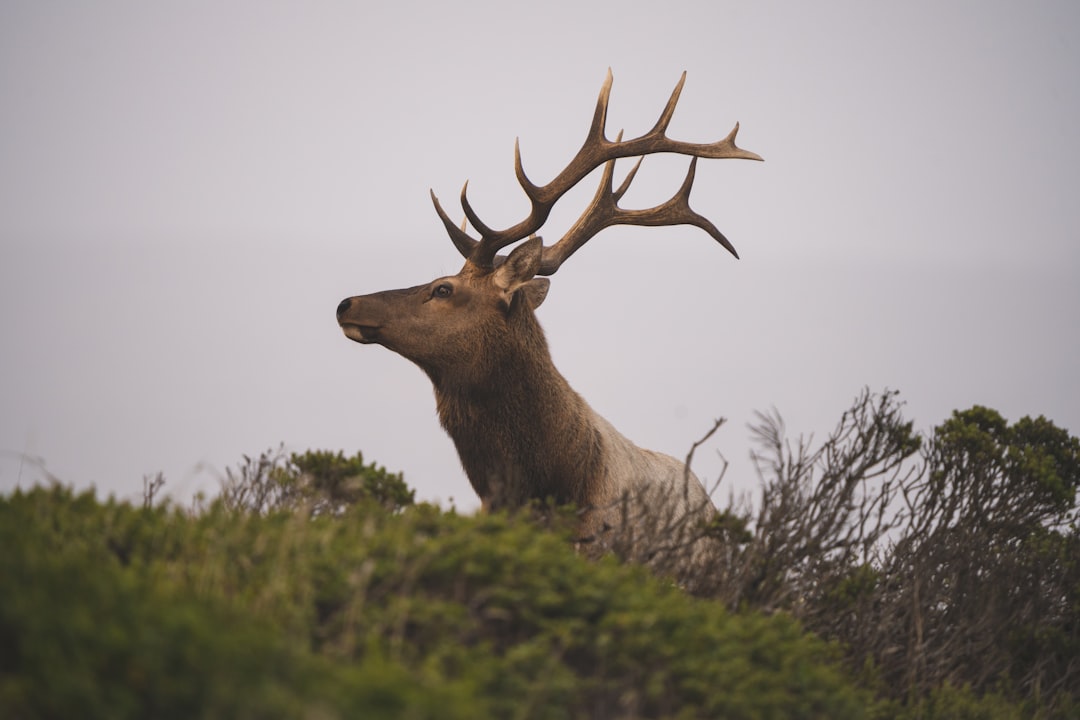
California Guided Tule Elk Hunts 2027: Tags & Odds
California is home to one of North America's most distinctive elk subspecies: the Tule elk. For hunters hoping to pursue Tule elk in 2027, the biggest challenge may be obtaining the tag. California's standard elk tags are distributed through the state's Big Game Drawing using a modified preference-point system. These are limited opportunities, and historical demand can greatly exceed available tags. Under the current system: Hunters must have a valid California annual hunting license to apply. Each hunter may submit only one elk drawing application per license year. California uses preference points for elk. Elk quotas are divided between preference-point and Draw-By-Choice portions according to the size of the hunt quota. Applicants who apply for elk and aren't drawn earn an elk preference point. A preference-point-only application is also available. California currently allows only one nonresident per license year to be drawn for elk statewide. The current Big Game Drawing deadline is June 2 at midnight. California also offers separate elk opportunities through the SHARE program on participating private properties. The final 2027 hunt quotas, dates, fees and regulations should be verified through the California Department of Fish and Wildlife when they're published. Historical draw information can also be researched through TAGZ when building a multi-state elk application strategy.
Next
Rocky Mountain Bighorn Sheep Hunt Cost 2027
A Rocky Mountain bighorn sheep hunt can range from a relatively affordable DIY public-land hunt if you draw a tag to a major five-figure investment when using an outfitter. The most important thing to understand is that there isn't one universal "bighorn sheep hunt cost." Your total depends on: State Residency Application strategy Tag cost Points Outfitter Travel Gear Hunt length Taxidermy Meat and trophy transportation Colorado provides a useful example. For the 2026 season, Colorado Parks and Wildlife lists its Rocky Mountain bighorn sheep license at: Resident: $385.66 Nonresident: $2,823.53 Application processing fees are currently: Resident: $8.93 Nonresident: $11.49 Hunters must also meet qualifying-license requirements, and applicable Habitat Stamp and preference/weighted-point costs can add to the annual application expense. Those are 2026 prices, not confirmed 2027 prices. Always verify final 2027 fees before applying.