California Guided Tule Elk Hunts 2027: Tags & Odds
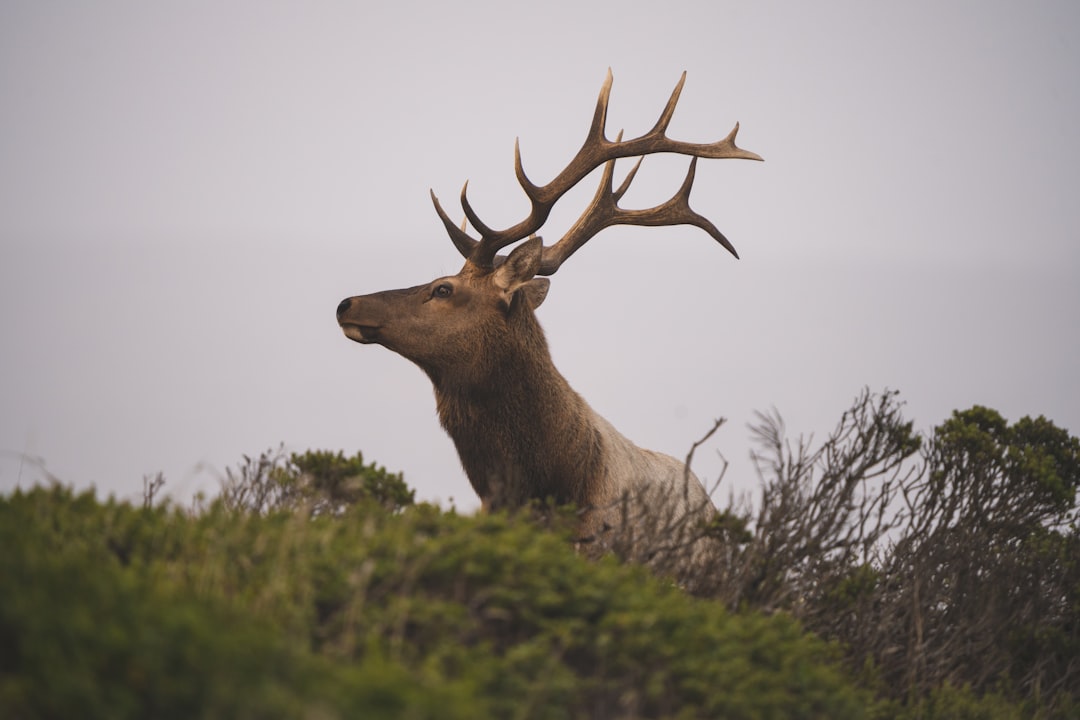
California Guided Tule Elk Hunts 2027
California isn't usually the first state Western hunters think of when discussing elk.
But it offers something most states don't:
Tule elk.
Tule elk are native to California and provide a distinctive hunting opportunity for hunters fortunate enough to obtain a tag.
The challenge is access to the opportunity.
California elk tags are highly limited, and the state's drawing system means hunters need to understand preference points, individual hunt quotas and the random component of the draw before committing to a guided hunt.
Hiring an outfitter can help once you have the opportunity.
It does not automatically improve your draw odds or guarantee you a Tule elk tag.
How California Tule Elk Tags Work
California Department of Fish and Wildlife manages Tule elk hunting through specific elk hunts with limited tag quotas.
California's elk program includes Tule elk opportunities in areas such as:
Lake Pillsbury
East Park Reservoir
Bear Valley
Cache Creek
Grizzly Island
San Luis Reservoir
Gabilan
Central Coast
Fort Hunter Liggett
La Panza
Owens Valley
California also lists a Mendocino Roosevelt/Tule opportunity.
The exact hunts, quotas, seasons and tag classifications can change, so hunters should use the current CDFW Elk Hunting information rather than assuming a hunt will remain identical in 2027.
California Does Not Have General OTC Tule Elk Tags
The original version of this article referred to a combination of "general and controlled" Tule elk tags.
That's misleading.
California's standard Tule elk opportunities are highly regulated limited-quota hunts.
You shouldn't plan a California Tule elk trip expecting to simply purchase a normal over-the-counter Tule elk tag.
The primary pathway is the state's Big Game Drawing, with additional specialized opportunities such as SHARE hunts operating under separate rules.
California Elk Preference Points Explained
California uses a modified preference-point system for elk.
This is different from both a pure random lottery and a pure preference-point system.
CDFW divides hunt quotas between a preference-point portion and a Draw-By-Choice portion.
For elk, the split depends on the number of tags available for that particular hunt.
One-Tag Elk Hunts
If a hunt has a quota of only one tag, that tag is awarded through the Draw-By-Choice portion.
Two-Tag Elk Hunts
If a hunt has a quota of two tags:
One goes through the preference-point drawing.
One goes through Draw-By-Choice.
Larger quotas are divided according to California's applicable regulations.
This matters enormously for Tule elk because some hunts have very small quotas.
Can You Draw California Tule Elk With Zero Points?
Potentially, yes.
California retains a random component through its Draw-By-Choice system.
That means a hunter with fewer preference points can potentially draw certain elk opportunities.
But that doesn't mean the odds are good.
The actual opportunity depends on the specific:
Hunt
Tag quota
Number of applicants
Preference-point distribution
Tag type
Draw structure
This is why simply asking, "What are the odds of drawing Tule elk in California?" doesn't provide enough information.
California Tule Elk Draw Odds for 2027
There isn't a responsible statewide percentage that can be used to describe California Tule elk draw odds.
The original claim that Tule elk draw success generally runs from 5% to 20% should be removed.
California publishes detailed historical drawing statistics for elk broken down by:
Hunt
Tag type
Preference-point level
Applicants
Available tags
Those numbers can vary dramatically from one opportunity to another.
Hunters should analyze the exact hunt they're considering rather than relying on a statewide average.
Historical results also don't guarantee future drawing success.
California Elk Preference Points
Hunters who apply for an elk tag and aren't drawn can earn a preference point for elk.
California also allows hunters to submit a preference-point-only application if they don't want to attempt to draw an elk tag that year.
Points are species specific.
Your California deer preference points, for example, don't become elk preference points.
Likewise, elk points can't be transferred to another hunter.
Do California Elk Preference Points Expire?
They can.
Under current CDFW rules, accumulated preference points for a species are reduced to zero if the hunter doesn't participate in the drawing for that species for five consecutive years.
That makes it important for long-term California applicants to continue participating if they want to preserve their points.
What Happens to Your Points If You Draw an Elk Tag?
Under the current system, receiving a California elk tag causes you to lose your accumulated elk preference points.
There are provisions for certain pre-season tag returns that can allow points to be reinstated when the requirements are met.
Hunters considering returning a tag should follow CDFW's current procedure rather than assuming their points will automatically be restored.
California Elk Application Deadline for 2027
The 2027 application period is not currently open.
Under California's current system, the Big Game Drawing deadline is:
June 2 at midnight.
For the 2026 season, applications for elk, pronghorn, bighorn sheep and premium deer were due June 2.
Hunters should verify the final 2027 calendar once CDFW publishes it.
Don't rely on old articles claiming California's elk deadline occurs in winter or early spring.
Does Applying Early Improve Your California Elk Draw Odds?
No.
Applying earlier within the valid application period doesn't improve your mathematical draw odds.
CDFW does recommend not waiting until the final days because application errors or account issues could cause you to miss the deadline.
Apply early for administrative reasons—not because it gives you a better random number.
How Many California Elk Applications Can You Submit?
Under current regulations, a hunter may submit only:
One Elk Tag Drawing Application per license year.
You cannot simply purchase multiple standard elk applications to multiply your chances.
That's another important correction to the original article.
California Nonresident Tule Elk Tags
California allows nonresidents to participate in its elk drawing.
However, the restriction is extremely important.
Under current regulations:
Only one nonresident per license year may be drawn for elk statewide.
That's one nonresident for the species—not one nonresident per Tule elk hunt.
For a nonresident considering a California Tule elk strategy, that limitation should be understood before investing years of time and money into the application process.
Can Nonresidents Build California Elk Preference Points?
Yes.
CDFW states that moving out of California does not cause a hunter to lose existing preference points.
Eligible nonresidents can participate in the elk drawing and build points under the applicable rules.
However, the statewide nonresident elk-tag restriction makes the nonresident drawing situation fundamentally different from the resident opportunity.
California Elk Application and Tag Costs
Don't confuse the drawing application fee with the actual elk tag price.
Under the current 2026 fee schedule, the:
Elk, Pronghorn and Bighorn Sheep Tag Drawing Application is $8.38 per application.
The actual elk tag is considerably more expensive.
Current 2026 elk tag prices are:
Resident Elk Tag: $610.20
Nonresident Elk Tag: $1,871.80
A valid annual California hunting license is also required to participate in the drawing.
These are current 2026 fees, not guaranteed 2027 prices.
Always verify final 2027 costs through the CDFW Hunting License Items and Fees page.
California SHARE Tule Elk Hunts
The standard Big Game Drawing isn't the only California elk opportunity worth understanding.
CDFW also operates the Shared Habitat Alliance for Recreational Enhancement — SHARE — program.
SHARE provides public hunting opportunities on participating private properties.
Recent SHARE elk opportunities have included Tule elk hunts on properties in counties such as:
San Benito
Monterey
San Luis Obispo
Colusa
Mendocino
The available properties and hunts can change annually.
SHARE elk applications also operate separately from the standard Big Game Drawing.
Hunters interested in these opportunities should review the current CDFW SHARE Elk Hunts page.
Does a California Outfitter Get You an Elk Tag?
Not automatically.
Hiring an outfitter doesn't bypass California's standard Big Game Drawing.
If the guided hunt you're considering requires a standard Tule elk drawing tag, you still need the appropriate tag.
That's why hunters should be cautious about paying large nonrefundable deposits before understanding exactly how the hunt is licensed.
Ask the outfitter:
What exact tag does this hunt require?
Is this a standard CDFW drawing tag?
Is this a SHARE opportunity?
Is another private-land program involved?
What happens to my deposit if I don't obtain the tag?
Get those answers before paying.
Choosing a California Tule Elk Outfitter
Once you have a viable tag pathway, choosing the right outfitter becomes important.
Look for an operation with direct experience hunting the exact area associated with your tag.
Ask about:
Licensing
Years operating in the area
Hunt location
Private vs public access
Guide-to-hunter ratio
Hunt duration
Transportation
Lodging
Meals
Field care
Meat recovery
Trophy preparation
Physical difficulty
Cancellation policy
Tag contingency policy
Avoid choosing an outfitter solely because of trophy photos.
How Much Does a Guided California Tule Elk Hunt Cost?
There's no official statewide price.
The original $8,000–$15,000 estimate is too narrow to present as a universal California price.
Private access, hunt structure, accommodations, length of hunt and services can substantially affect pricing.
A California Tule elk hunt can represent a major financial commitment once you combine:
Outfitter cost
California hunting license
Application fees
Elk tag
Travel
Lodging
Tips
Meat processing
Shipping
Taxidermy
For nonresidents, the elk tag itself is already a substantial expense under the current fee structure.
Get a written breakdown of what's included before booking.
Does a Guide Increase Your Tule Elk Draw Odds?
No.
An outfitter may help you understand the application process and identify the correct hunt.
But hiring a guide doesn't change your random number or magically create preference points.
The value of a guide generally comes after obtaining the opportunity through:
Local knowledge
Scouting
Access knowledge
Locating elk
Hunt strategy
Field logistics
Meat recovery
Keep draw probability and hunt execution separate.
Using TAGZ to Research California Elk Opportunities
TAGZ helps hunters research Western big-game draw opportunities using historical data and unit-level information.
For a state like California, that matters because looking only at a statewide elk percentage doesn't tell the full story.
Hunters need to understand the individual hunt and their position within the state's preference-point structure.
TAGZ allows hunters to research opportunities based on factors such as:
State
Species
Residency
Season
Weapon
License type
Point level where applicable
Historical draw information
Explore the platform through the TAGZ Product page.
Built by Hunters, Guides and Outfitters
TAGZ was started by hunters, guides and outfitters with firsthand Western hunting experience, including guiding and outfitting roots in Idaho.
That experience shaped the platform around one of the most frustrating parts of Western hunting:
Figuring out where you can realistically apply.
Western application systems can involve preference points, bonus points, random drawings, residency restrictions, hunt codes, changing quotas and multiple deadlines.
California Tule elk is a perfect example.
A hunter shouldn't have to piece together ten different sources just to understand the basic opportunity.
Learn more about the people and experience behind the platform through About TAGZ.
Planning a Guided California Tule Elk Hunt for 2027
Start with the tag—not the outfitter.
Step 1: Determine Your Residency
The California nonresident restriction dramatically changes the application picture.
Step 2: Check Your Elk Preference Points
Know exactly where you stand before selecting a hunt.
Step 3: Research Individual Hunts
Compare the actual Tule elk hunts rather than relying on statewide averages.
Step 4: Review Historical Drawing Statistics
Study applications, quotas and point distributions.
Step 5: Understand the Random Opportunity
California's modified preference-point system means some tags are available through the Draw-By-Choice portion.
Step 6: Research SHARE Opportunities
These operate separately and can provide additional ways to pursue elk.
Step 7: Talk to Outfitters
Find guides with experience in the specific area you're considering.
Step 8: Understand the Deposit Policy
Don't assume you'll draw.
Step 9: Apply Before the Deadline
Under the current system, California's Big Game Drawing deadline is June 2 at midnight.
Step 10: Verify 2027 Regulations
Final hunt codes, quotas, seasons, fees and rules can change.
FAQ — California Guided Tule Elk Hunts 2027
How do I apply for a California Tule elk tag in 2027?
Standard Tule elk tags are obtained through California's Big Game Drawing. You'll need an eligible California hunting license and elk drawing application. Verify the final 2027 application period with CDFW once published.
Is the California 2027 Tule elk application open yet?
No. As of September 2026, California hasn't opened its 2027 Big Game Drawing.
When is the California elk application deadline?
CDFW's current Big Game Drawing deadline is June 2 at midnight. Verify that date when the final 2027 regulations are published.
Does California use preference points for Tule elk?
Yes. California uses a modified preference-point system for elk.
Is California Tule elk a pure preference-point draw?
No. Depending on the hunt quota, California also awards elk tags through a Draw-By-Choice component.
Can you draw California Tule elk with zero points?
Potentially. The Draw-By-Choice portion provides a random component, although actual odds depend on the specific hunt and quota.
What are California Tule elk draw odds?
There isn't one meaningful statewide percentage. Draw statistics vary by hunt, quota and preference-point level. Research the specific hunt you're considering.
Can I submit multiple California elk applications?
No. Under current rules, each hunter may submit only one Elk Tag Drawing Application per license year.
Can nonresidents apply for California Tule elk?
Yes, but current California regulations allow only one nonresident per license year to be drawn for elk statewide.
Can nonresidents earn California elk preference points?
Yes. Eligible nonresidents can participate in the elk drawing and build preference points under California's rules.
Are California Tule elk tags available over the counter?
Standard Tule elk drawing tags aren't normal OTC elk tags. Hunters should also research separate opportunities such as the SHARE program.
What is California's SHARE elk program?
SHARE provides hunting opportunities on participating private properties through a separate application process. Some participating properties offer Tule elk opportunities.
Does hiring an outfitter improve my California elk draw odds?
No. A guide can help with planning and hunt execution, but hiring one doesn't change your drawing probability.
How much is a California elk tag?
For 2026, CDFW lists the elk tag at $610.20 for residents and $1,871.80 for nonresidents. Verify 2027 fees before applying.
How much does the California elk drawing application cost?
CDFW currently lists the elk drawing application at $8.38. A valid annual California hunting license is also required. Verify the 2027 fee schedule when published.
How much does a guided California Tule elk hunt cost?
There isn't a universal price. Hunt length, private access, accommodations, guide ratio and included services can cause prices to vary substantially.
Should I book an outfitter before drawing?
That depends on the outfitter's policy. If you reserve before drawing, understand exactly what happens to your deposit if you don't obtain the required tag.
Continue Planning Your California Tule Elk Hunt
California Tule elk hunting is a limited opportunity, and understanding the tag system should come before choosing an outfitter.
Research the exact hunt.
Know your preference points.
Understand the Draw-By-Choice opportunity.
And if you're a nonresident, pay close attention to California's statewide nonresident elk restriction.
Use TAGZ to research Western hunting opportunities and historical draw information.
Explore more draw and hunting research through TAGZ Insights.
See how TAGZ works through the TAGZ Product page.
Learn more about the hunters, guides and outfitters behind TAGZ through About TAGZ.
For official regulations and hunt information, always verify your application through the California Department of Fish and Wildlife Elk Hunting and CDFW Big Game Hunting pages.
TAGZ uses historical draw information as a planning tool. Historical results don't guarantee future drawing success. Always verify final 2027 hunt codes, quotas, fees, season dates and application deadlines with CDFW before applying or hunting.
Was this article helpful?
Previous
DIY vs Guided Elk Hunting: Which Hunt Makes Sense?
Choosing between a DIY and guided elk hunt comes down to more than money. A DIY hunt gives you maximum independence and can dramatically reduce the cost of the hunt, but you're responsible for everything from finding elk to navigating access and packing out the animal. A guided hunt can provide: Local knowledge Preseason scouting Hunt planning Calling and glassing experience Camp logistics Access knowledge Meat recovery assistance But hiring a guide doesn't guarantee you'll harvest an elk. It also doesn't automatically improve your odds of drawing a public elk tag. For many hunters, there's a third option: Semi-guided or drop-camp hunts. These can provide some logistical support while allowing the hunter to make many of the hunting decisions independently. The right choice depends on your experience, available time, budget, physical ability and the specific elk hunt you're planning.
Next
Rocky Mountain Bighorn Sheep Hunt Cost 2027
A Rocky Mountain bighorn sheep hunt can range from a relatively affordable DIY public-land hunt if you draw a tag to a major five-figure investment when using an outfitter. The most important thing to understand is that there isn't one universal "bighorn sheep hunt cost." Your total depends on: State Residency Application strategy Tag cost Points Outfitter Travel Gear Hunt length Taxidermy Meat and trophy transportation Colorado provides a useful example. For the 2026 season, Colorado Parks and Wildlife lists its Rocky Mountain bighorn sheep license at: Resident: $385.66 Nonresident: $2,823.53 Application processing fees are currently: Resident: $8.93 Nonresident: $11.49 Hunters must also meet qualifying-license requirements, and applicable Habitat Stamp and preference/weighted-point costs can add to the annual application expense. Those are 2026 prices, not confirmed 2027 prices. Always verify final 2027 fees before applying.