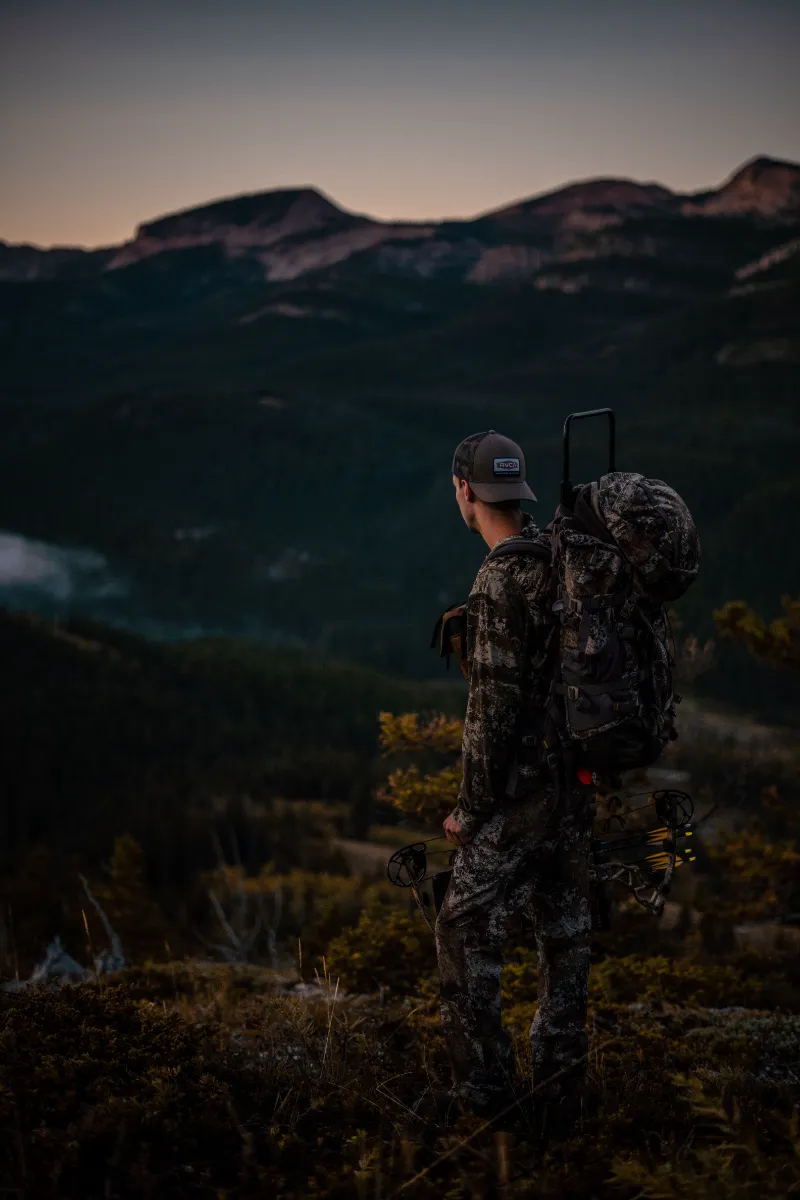
DIY Elk Hunt Planning: Real-World Strategies, Pitfalls, and Honest Expectations
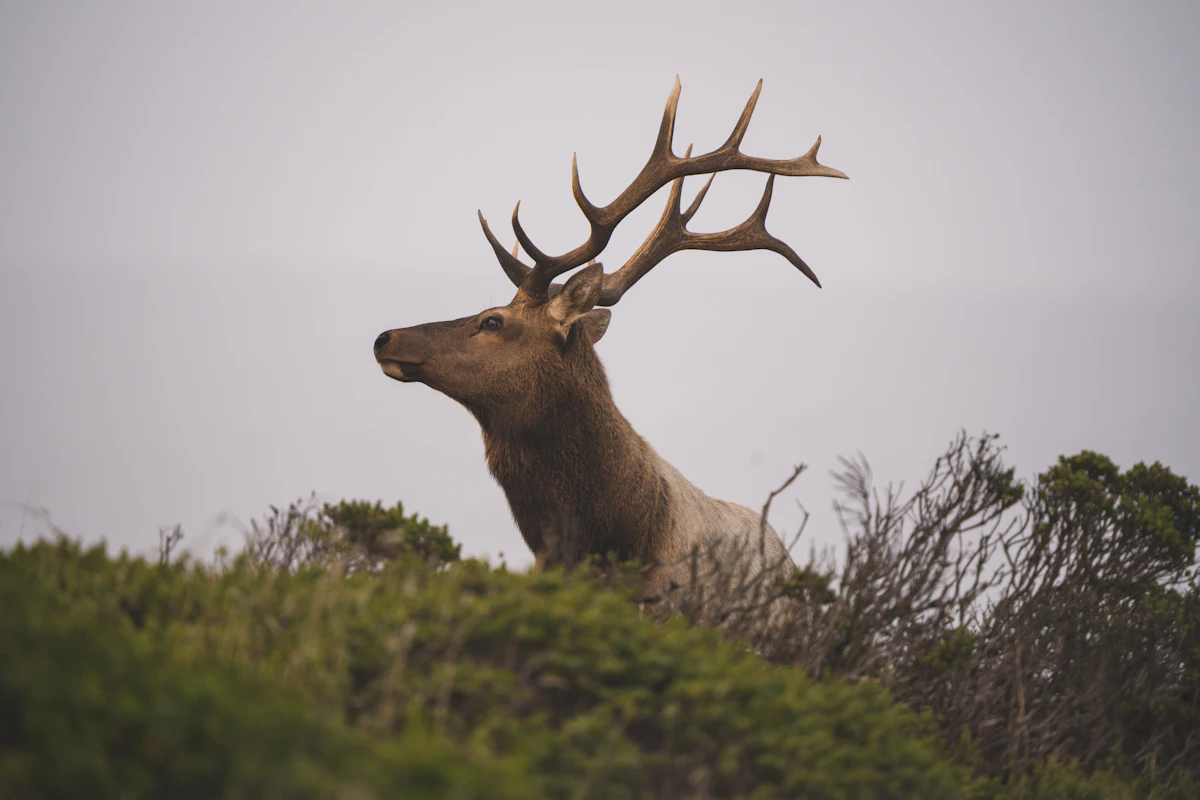
Planning your own DIY elk hunt isn’t rocket science, but it sure isn’t easy either. If you want a real shot at hanging your tag on a bull, you’ll need to put in some work, get real about your expectations, and make a plan that fits the terrain, pressure, and your own skills.
Breaking Down the DIY Elk Hunt Mindset
Before you start poring over maps and application stats, get clear on what a DIY hunt really means. You’re the guide, the packer, and the problem solver. That means every decision—from which unit to hunt to how you’ll get an elk out solo—lands on your shoulders. There’s freedom in that, but also responsibility.
Most DIY elk hunters bite off more than they can chew, chasing the dream of an easy OTC bull or a backcountry adventure without really understanding what goes into it. Be honest: are you after a raghorn in a busy OTC unit, or holding out for a mature bull where tags are tough? Your goals change everything from your map work to your boots-on-the-ground scouting.
Choosing a Unit: Pressure, Terrain, and Access
You’ve probably heard that picking a unit is half the battle—and that’s true. Look for places where elk actually live, but also where other hunters aren’t stacked like cordwood. Pressure is the #1 killer of DIY hunts, especially in over-the-counter states like Colorado or Idaho. Elk respond fast to pressure, so if you want a shot, you’ll need to outwork or outthink the crowd.
- Terrain: Steep, nasty country keeps out the lazy. Elk know it too. If you’re willing to hike farther or climb higher than most, you’ll find more animals and fewer hunters. But be realistic—packing out an elk solo in that stuff is no joke.
- Access: Easy road access usually means more pressure. Look for trailheads that are farther from towns, or try to use secondary trails and old logging roads. A little extra hike can make a world of difference.
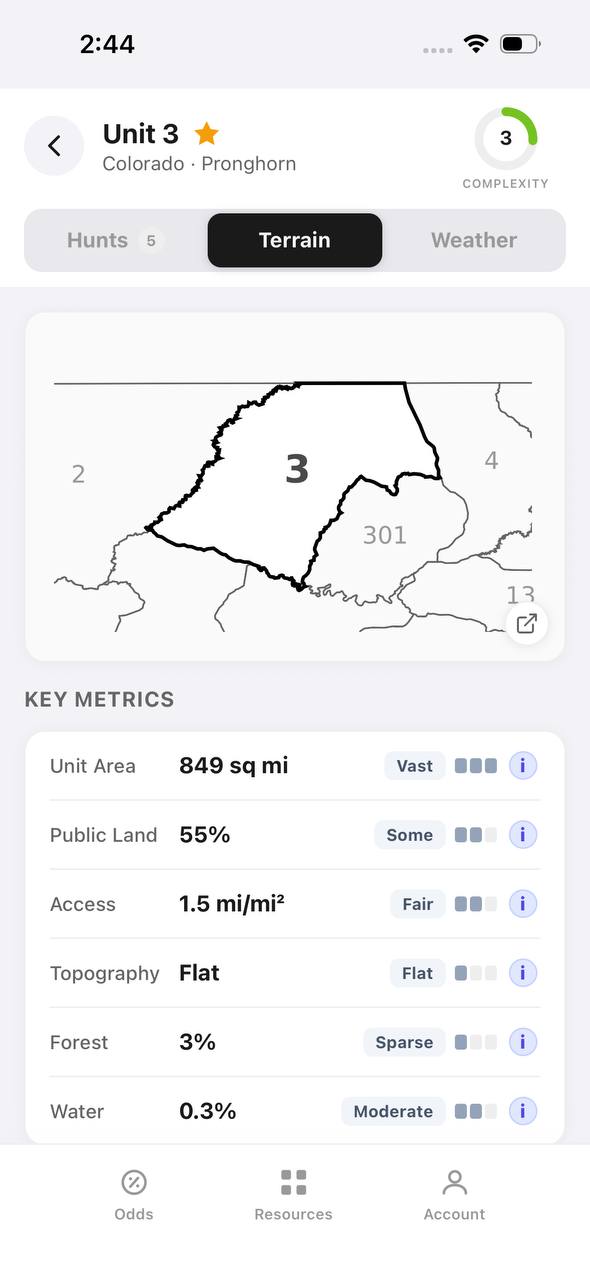
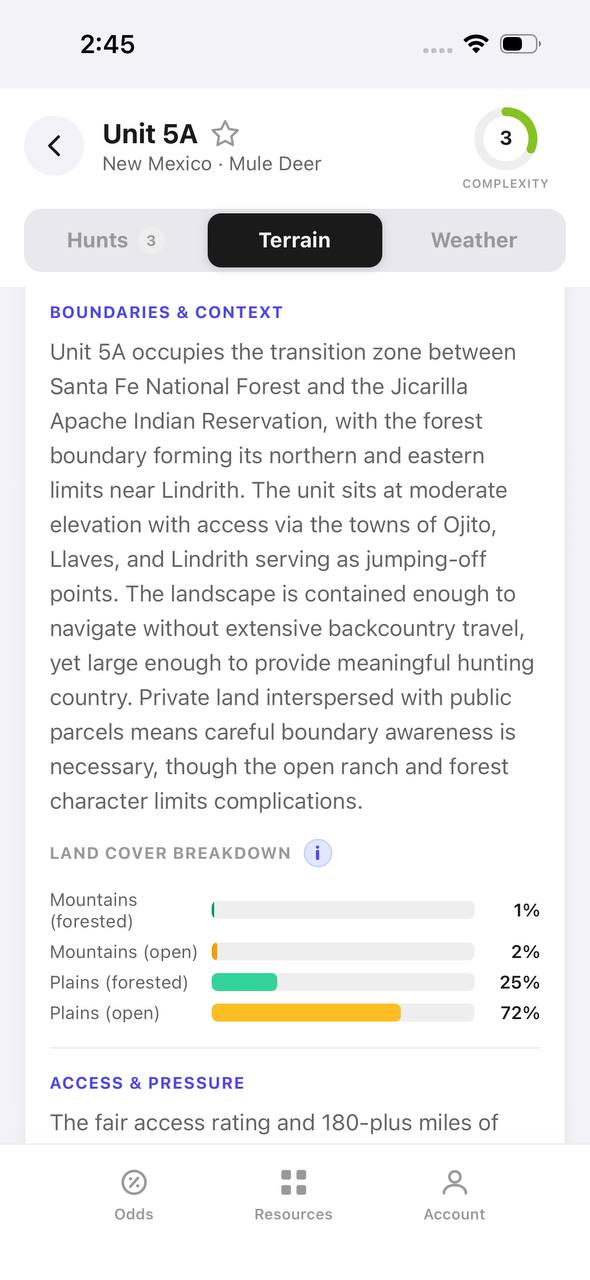
- Scouting: Digital scouting with OnX, Google Earth, and the TAGZ unit browser is huge, but if you can swing a summer trip, nothing beats boots on the ground. Find water, bedding cover, and escape routes. Mark hunter camps and glassing knobs.
Realistic Expectations and Hunting Tactics
Set practical goals for your hunt. If you’re heading into an OTC unit for your first elk, focus on learning the country and finding elk sign rather than filling the freezer on day one. Elk hunting is a grind, and most folks eat tag soup their first trip or two. Persistence and learning from each hunt is what pays off.
Hunt weekdays if you can, and be ready to move if pressure blows elk out of your first spot. Glass early, cover ground, and don’t be afraid to sit water or wallows mid-day. The more adaptable you are, the better your odds.
How TAGZ Simplifies DIY Elk Hunt Planning
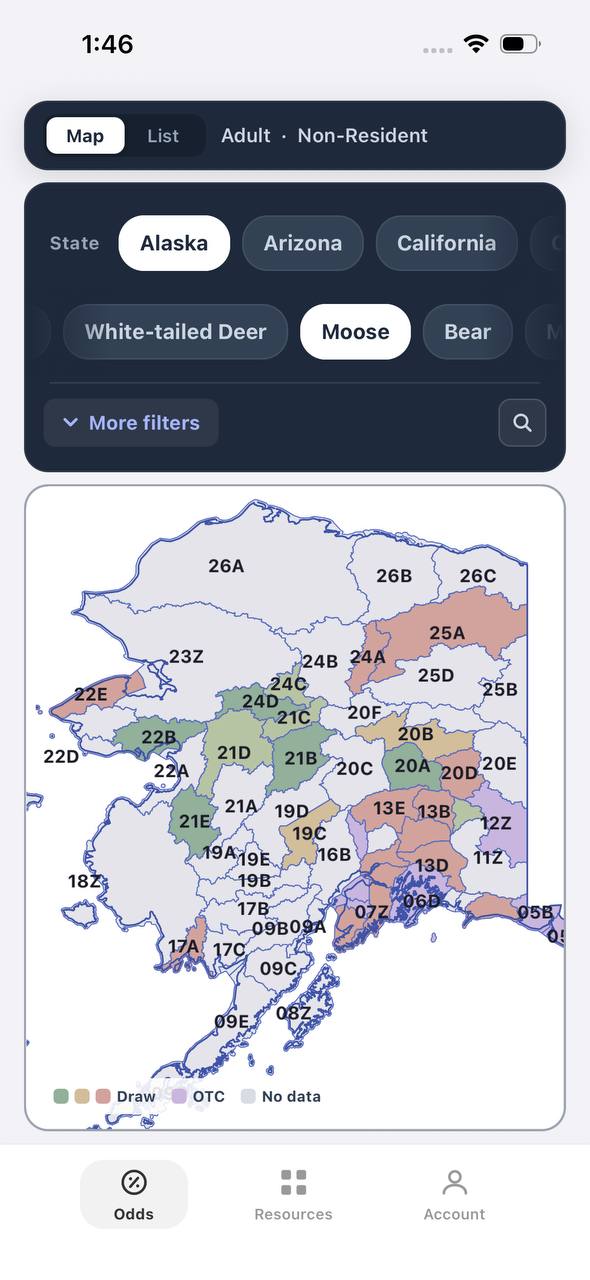
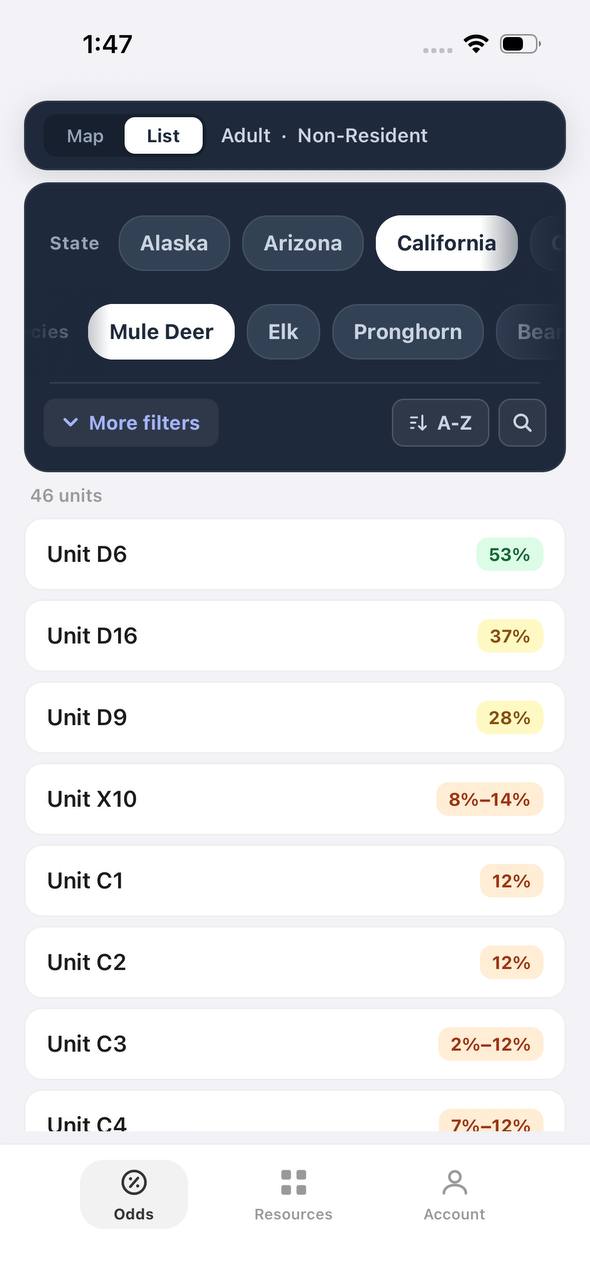
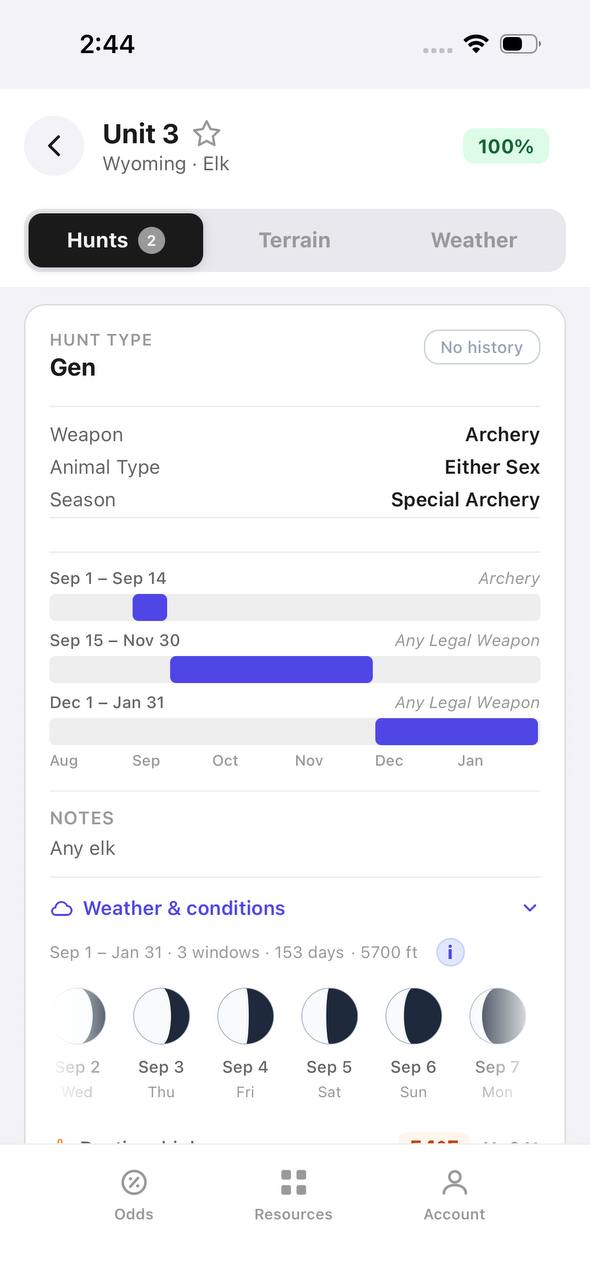
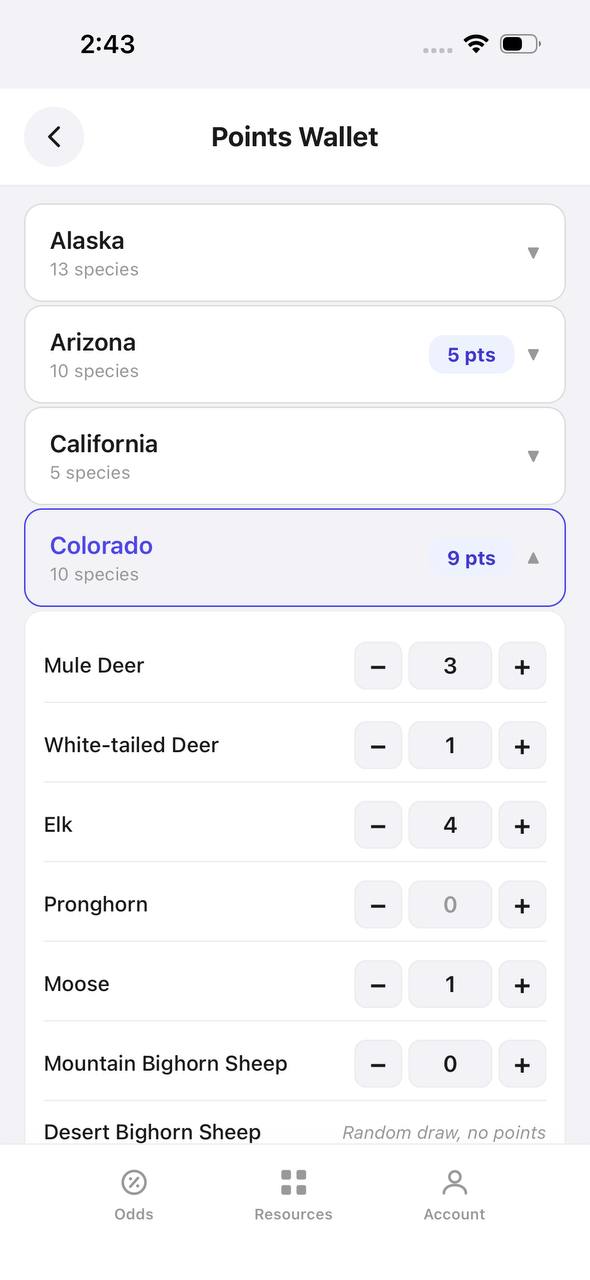
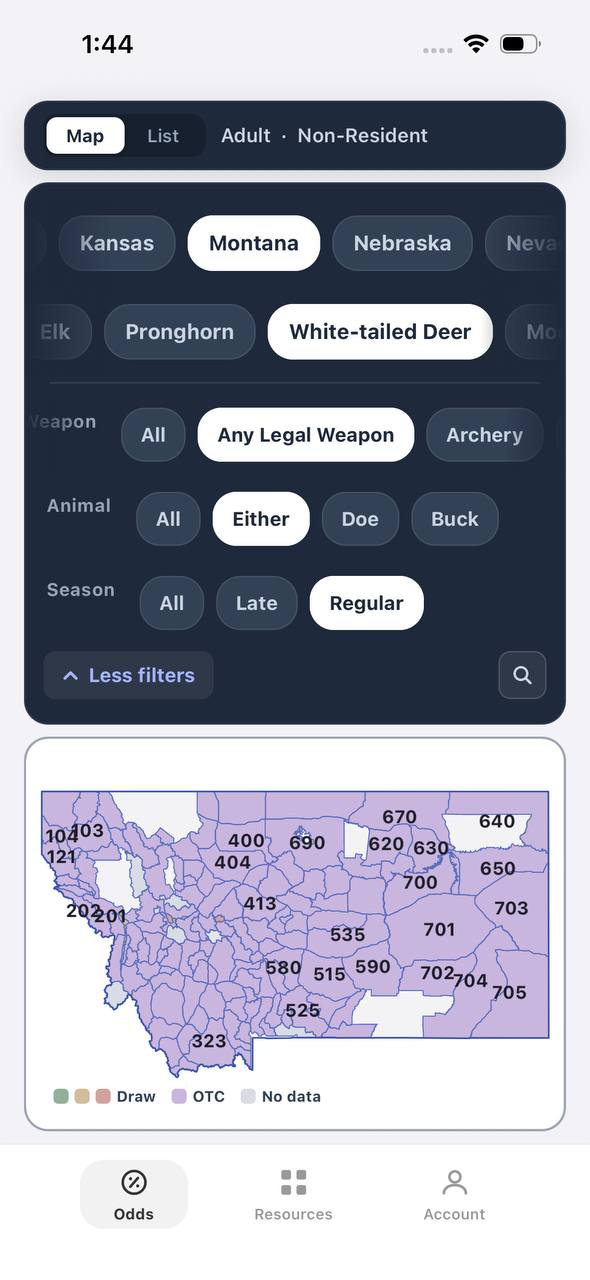
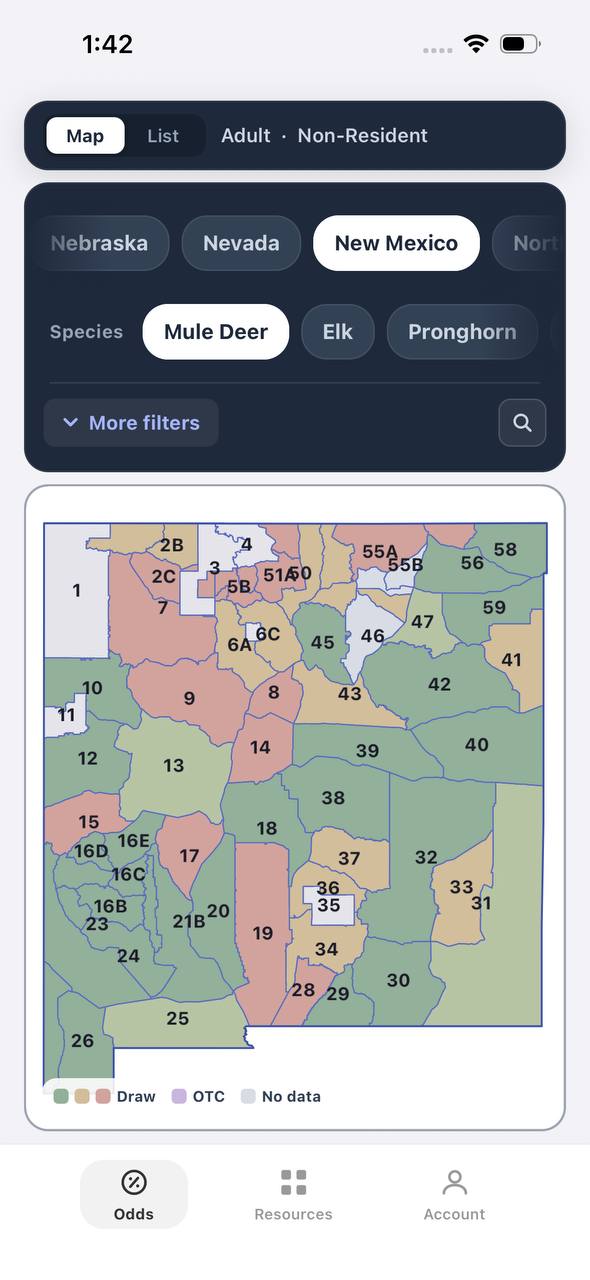
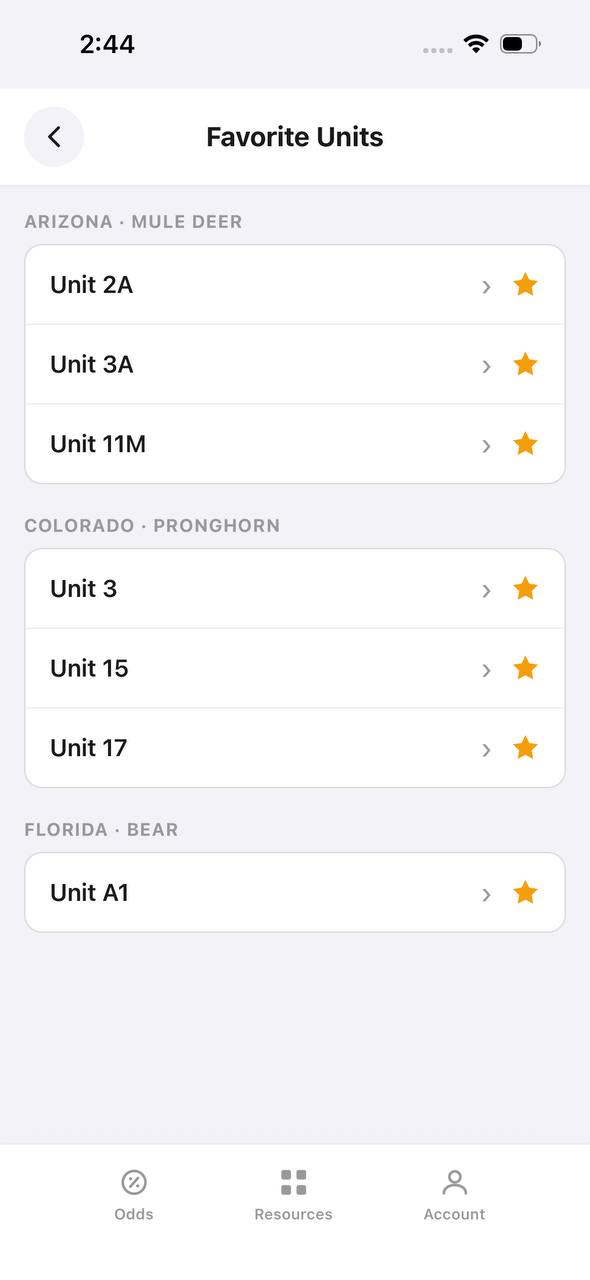
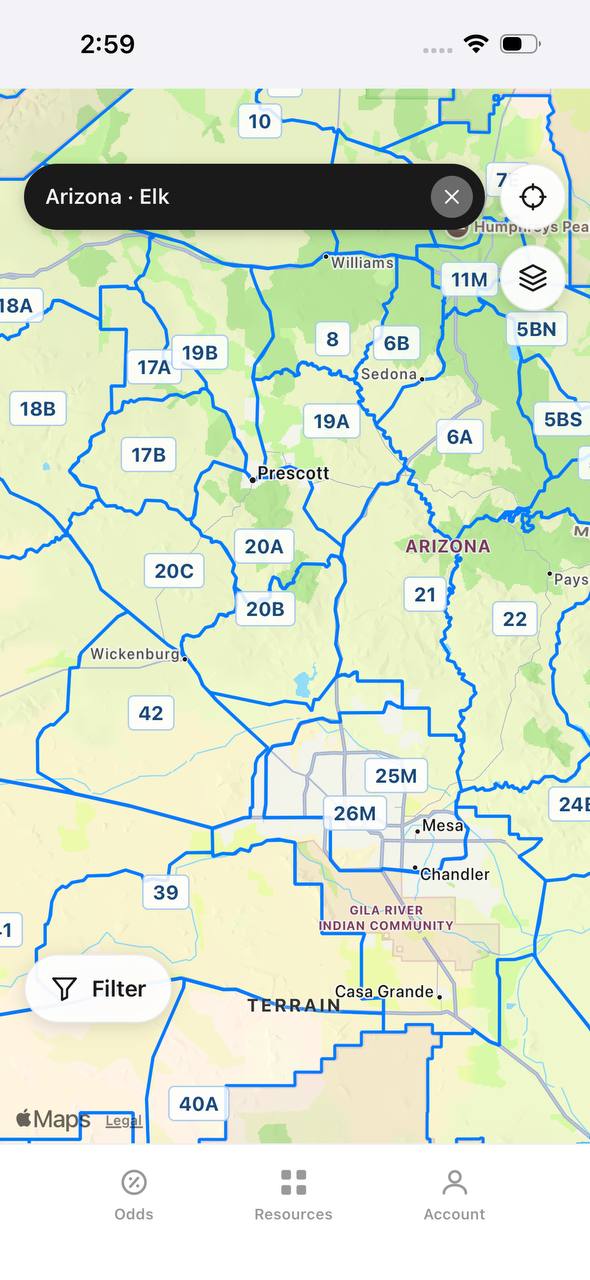
Sorting through draw odds, unit stats, and regulations can suck the fun out of planning. TAGZ takes the headache out, letting you compare units, break down pressure, and track application trends—all in one spot. That way, you can spend less time lost in spreadsheets and more time figuring out where you’ll camp and how you’ll hunt.
Free to join
Download mobile app
- Detailed draw odds
- Point tracking
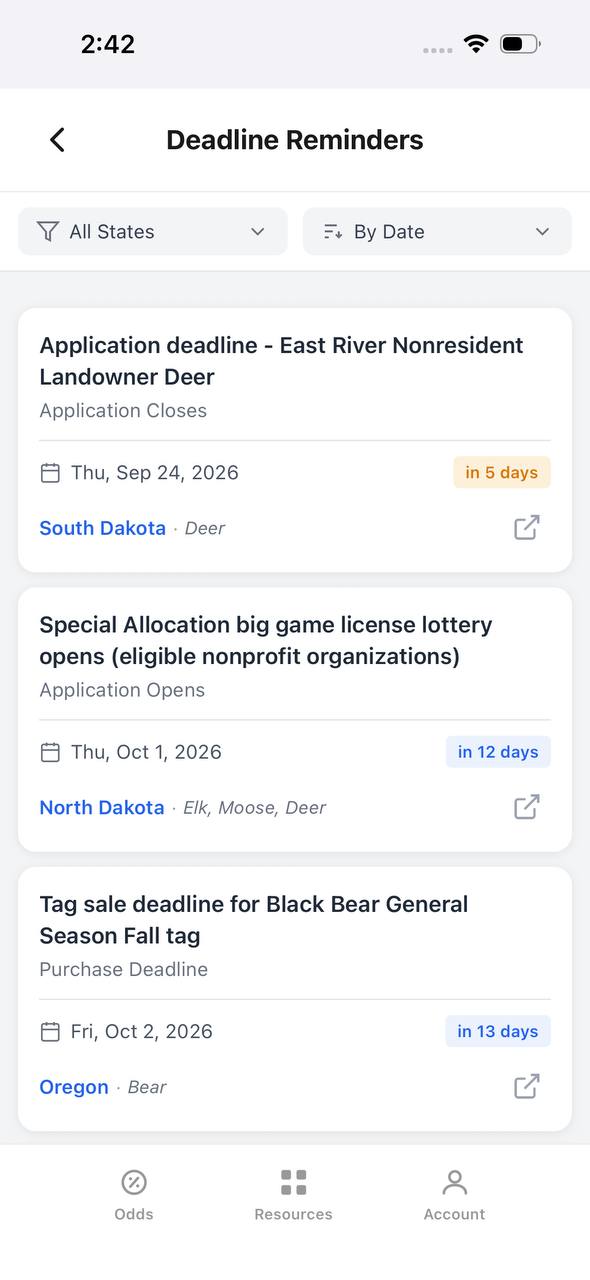
- Deadline reminders
- 18 states covered

Free to join
Download mobile app
- Detailed draw odds
- Point tracking
- Deadline reminders
- 18 states covered
Free to join
Download mobile app
- Detailed draw odds
- Point tracking
- Deadline reminders
- 18 states covered
DIY Elk Hunt Planning FAQ
How much time should I spend scouting before my hunt? If you can, plan at least one summer weekend in your unit. If not, put in serious hours with digital scouting tools and talk to local biologists or game wardens.
Is an OTC tag worth it for first-timers? OTC tags are a great way to learn, but expect heavy pressure and tougher hunting. Go in for the experience, not just the meat.
What gear is essential for a DIY elk hunt? Good boots, a solid pack, quality optics, and a meat-hauling plan. Don’t skimp on navigation tools or emergency supplies.
Where can I learn more? Check out our Elk Unit Selection Guide and Western Draw Odds Breakdown to dig deeper.
Was this article helpful?
Previous
Hunting North-Facing Slopes: Why Shade, Security, and Strategy Matter in 2026
North-facing slopes consistently hold game in the West. Here’s how to find, hunt, and make the most of them in 2026, with firsthand advice.
Related
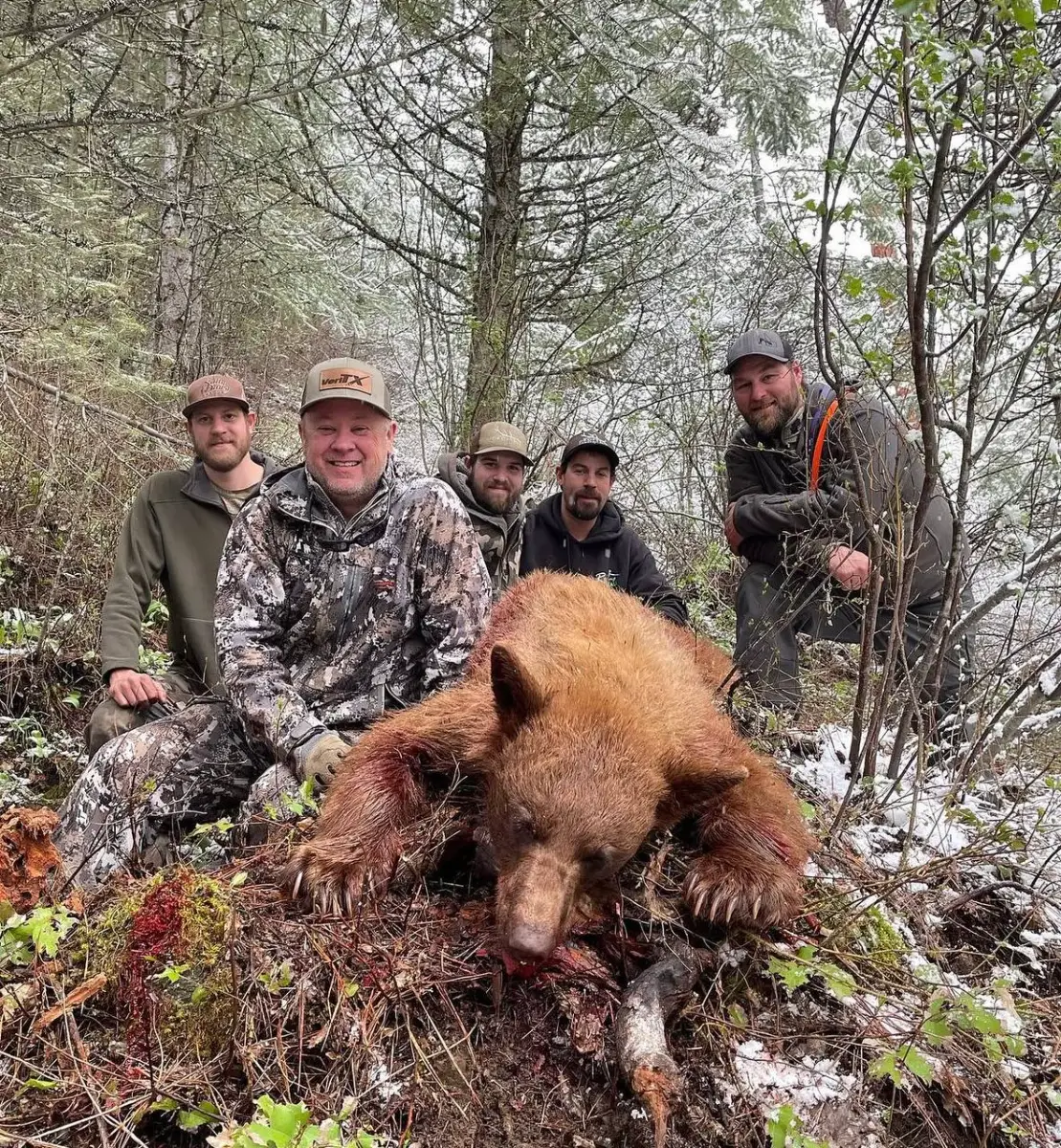
How to Field Judge Black Bears — Complete Bear Hunting Guide
Field judging black bears focuses on maturity indicators such as head shape, ear size, body structure, leg appearance, and belly profile. Understanding these characteristics helps hunters identify mature boars and make better decisions in the field.
Next
Why Most Hunters Fail Out West: Hard Truths and Smart Strategies
Western hunting is tough. Here’s why most hunters strike out, what the real challenges look like, and how to stack the odds in your favor.