Arizona Big Game Breakdown — Best Units for Residents vs Non-Residents (Elk, Mule Deer, Bison & More) 2026
Introduction
Arizona is one of the best trophy states in the West, but residents and non-residents are not playing the same game. The units are the same, the animals are the same, but tag availability changes everything. If you’re applying in Arizona, you need to understand which units matter for each species and how realistic they are depending on where you live.
Elk — Top Units (Resident vs Non-Resident Reality)
Arizona elk is elite, and the top units are the same no matter where you’re from. Units 1, 9, 10, and 23 are always at the top. Unit 9 and 10 are the most consistent for big bulls, while Unit 1 and 23 offer slightly different terrain but still produce top-end animals.
Units 3A/3C and 27 are strong secondary options that still hold quality bulls and can be slightly more realistic.
For residents, these units are still a long game, but you’re working with more tags and better odds overall. For non-residents, the cap on tags makes these extremely difficult to draw, especially in the best units. Most non-residents are realistically relying on the random portion of the draw unless they’ve been in the system a long time.
Mule Deer — Strip and Kaibab (Who It Favors)
The Arizona Strip, Units 13A and 13B, and the Kaibab, Units 12A West and 12A East, are the top mule deer units. These areas consistently produce giant bucks and are managed for age class.
For residents, these units are still difficult but within reach over time. For non-residents, these are some of the hardest tags in the country to draw. Tag numbers are extremely limited, and competition is high.
Units like 3A/3C and 27 are more realistic for both groups and still offer solid hunting with good bucks.
Bison — Extremely Limited for Everyone
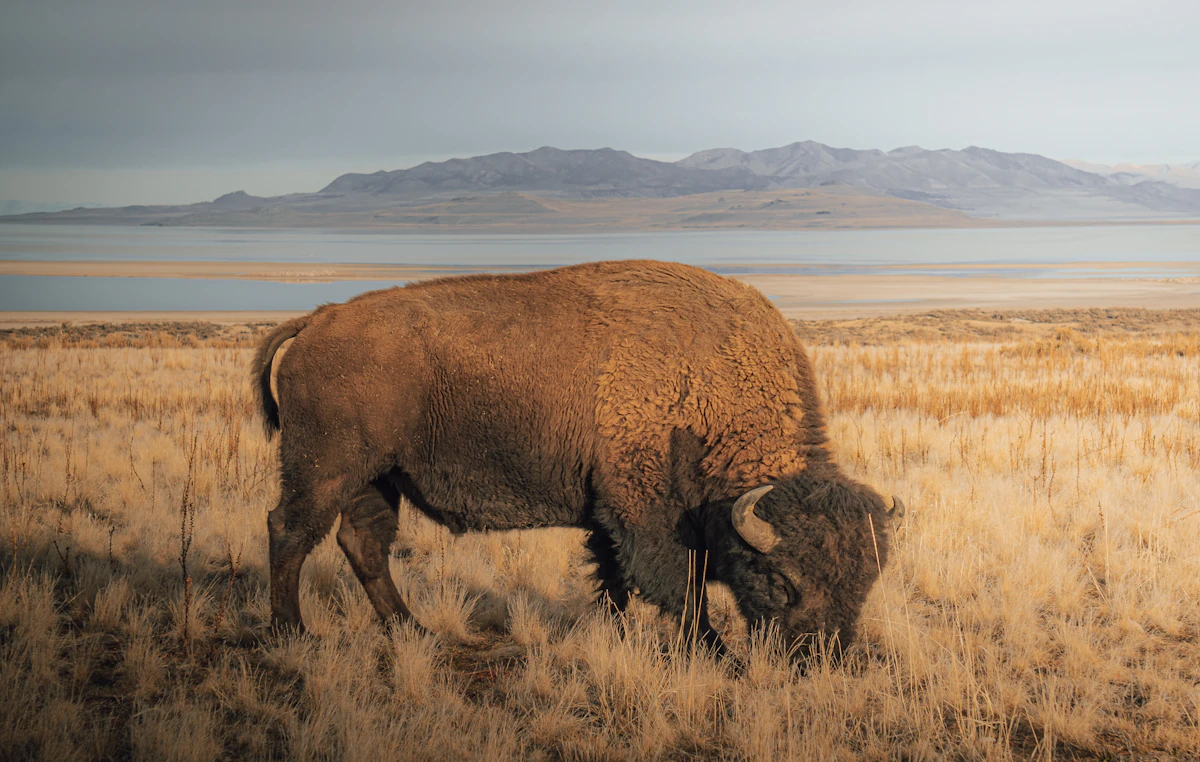
Bison tags in Arizona are rare across the board. Units 5A and 5B on the Kaibab Plateau are the main areas, along with the House Rock region.
For residents, odds are still extremely low. For non-residents, they’re even lower due to tag caps. This is one of those hunts where both groups are playing a true long shot.
Pronghorn (Antelope) — Better for Residents
Top pronghorn units include 1, 2B, 3A, 3C, and 10. These areas produce quality bucks and are tightly managed.
Residents have a clear advantage here with more tags available and better overall odds. Non-residents are dealing with very limited tag numbers, which makes drawing these units tough unless you get lucky in the random portion.
Desert Bighorn Sheep — Long Game for Everyone
Arizona is one of the best states for desert bighorn sheep, especially in units along the western desert and Colorado River.
For residents, this is still a once-in-a-lifetime type draw for most hunters. For non-residents, it’s even tougher due to limited tag allocation.
Both groups are playing a long-term strategy here, relying on bonus points and a little luck.
Rocky Mountain Bighorn Sheep
Northern Arizona holds Rocky Mountain bighorn sheep in select units near the Utah border. These hunts are limited and high quality.
Residents again have better odds simply because of tag allocation, but overall this is a tough draw for anyone.
Black Bear — More Opportunity for Both
Units like 1, 3A/3C, 4A, and 27 all offer solid bear hunting.
This is one of the few species where both residents and non-residents have more realistic access. Tags are easier to draw, and it’s a good way to stay active in Arizona while building points for bigger hunts.
Javelina — Best Bet to Hunt Arizona Often
Javelina is one of the easiest tags to draw in Arizona. Units across southern Arizona offer strong populations and consistent opportunity.
For residents, it’s a reliable hunt almost every year. For non-residents, it’s still very attainable and one of the best ways to actually get into the field in Arizona.
The Real Difference — Residents vs Non-Residents
The biggest difference in Arizona isn’t the units—it’s the number of tags.
Residents have access to the majority of tags, which gives them better odds across every species. Non-residents are capped at a smaller percentage, which makes already difficult units even harder to draw.
That’s why Arizona feels like a long game for everyone, but especially for non-residents.
Strategy — How to Play Arizona
For residents, the strategy is to stay consistent, build points, and take advantage of easier tags like javelina and bear to hunt more often.
For non-residents, Arizona should be part of a broader plan. Apply every year for premium species, but don’t rely on Arizona alone to get you into the field. Mix it with other states where you can hunt more frequently.
Either way, understanding the unit quality and how tags are distributed is what separates a smart application from just guessing.
Final Thoughts
Arizona offers some of the best big game hunting in the country, but it comes with a cost—time and patience. Residents have more opportunity, while non-residents are working with tighter limits.
If you stay consistent and understand which units matter, Arizona can pay off in a big way.
Was this article helpful?
Previous
New Mexico Big Game Draw — How It Works (Resident vs Non-Resident) 2026
New Mexico uses a random draw with no points. Residents have the best odds, while non-residents compete in smaller pools, with improved chances if applying with an outfitter.
Next
Best Elk Units You Can Draw With 0 Points (2026)
You can draw quality elk units with zero points across states like Colorado, Idaho, Wyoming, and Montana. The key is focusing on opportunity over hype and hunting smart.