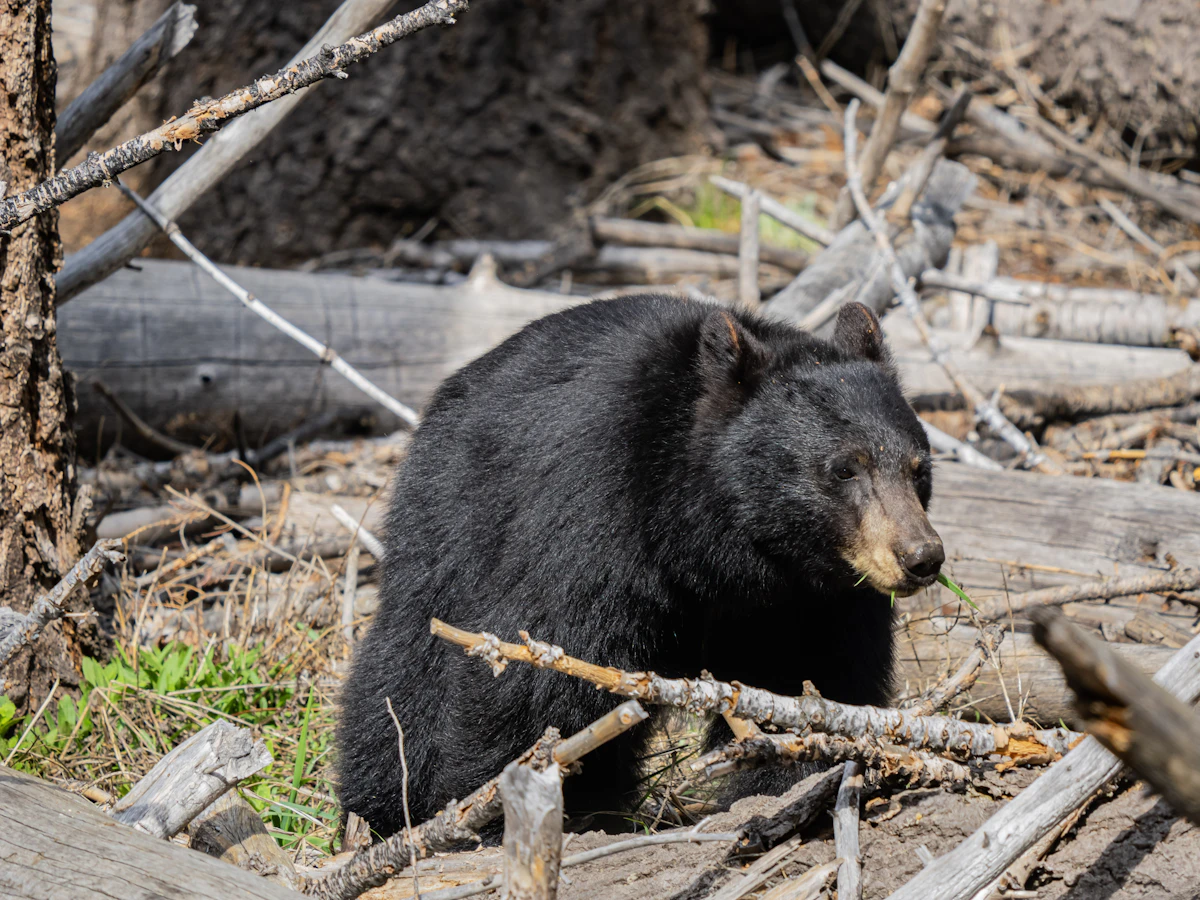
California Preference Point Strategy 2027: Draw Odds, Deer, Elk & Points
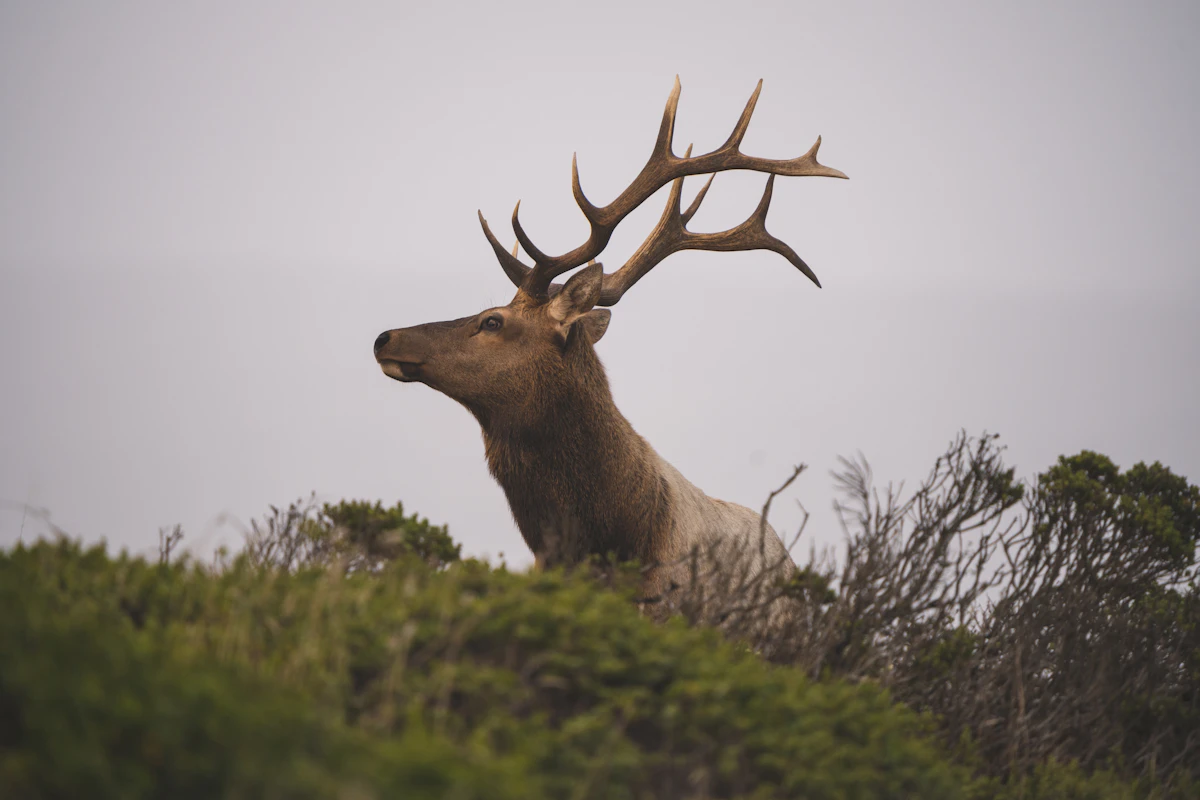
California Preference Point Strategy 2027: How to Build Points, Improve Draw Odds & Choose Better Hunts
California offers some of the most distinctive big game hunting opportunities in the Western United States. From high-country mule deer in the Sierra Nevada to Roosevelt elk along the North Coast, tule elk in the interior valleys, pronghorn in northeastern California, and desert bighorn sheep, the state provides hunting experiences found in few other places.
However, California's big game drawing system can be difficult to understand, especially for hunters applying for premium deer, elk, pronghorn, or bighorn sheep tags.
For hunters planning their California preference point strategy in 2027, understanding how points are earned, how tags are allocated, and when to use accumulated points can make a substantial difference.
California uses a preference-point system for premium deer, elk, pronghorn antelope, and bighorn sheep drawings. However, the allocation rules differ by species.
For premium deer tags, California generally awards 90% of available tags through preference-point priority and 10% through a random drawing. For qualifying elk, pronghorn, and bighorn sheep hunts, the state generally uses a 75% preference-point and 25% random allocation, subject to tag minimums and species-specific rules.
This creates two opportunities: drawing through accumulated preference points or receiving a tag through the random allocation.
This guide explains California's drawing system, how residents and nonresidents can build points, which hunts are worth researching, and how to create a realistic 2027 application strategy.
How Does California's Preference Point System Work?
California's big game drawing system awards tags through a combination of preference-point priority and random selection.
Hunters accumulate points by participating in eligible drawings without receiving certain first-choice tags or by applying for a preference point only.
The system rewards continued participation while maintaining opportunities for hunters with fewer points.
Step 1: Purchase a California Hunting License
Hunters must purchase a valid California hunting license before entering the applicable big game drawing.
This requirement applies to residents and nonresidents.
California also has hunter education requirements that applicants must satisfy.
Step 2: Submit a Big Game Drawing Application
Hunters select the appropriate species drawing and eligible hunt choices.
Deer applicants may rank up to three choices.
Elk applicants enter the applicable elk drawing.
Pronghorn applicants select eligible antelope opportunities.
Bighorn sheep applicants enter the applicable sheep drawing.
Step 3: California Allocates Preference-Point Tags
Premium deer: Approximately 90% of qualifying tags are awarded through preference-point priority.
Elk: Approximately 75% of qualifying tags are awarded through preference-point priority.
Pronghorn: Approximately 75% of qualifying tags are awarded through preference-point priority.
Bighorn sheep: Approximately 75% of qualifying tags are awarded through preference-point priority.
Applicants with the highest point totals receive priority within the preference-point portion.
Step 4: Remaining Tags Are Awarded Randomly
The remaining tags are distributed through the applicable random drawing.
This gives hunters with fewer points an opportunity to draw.
However, random allocations may be extremely small for hunts with limited tag quotas.
Step 5: Unsuccessful Applicants Earn Preference Points
Hunters who meet the eligibility requirements and do not receive the applicable tag generally earn a preference point.
The exact point-award rules differ between deer and the other species.
Step 6: Points Are Used When the Applicable Tag Is Drawn
Receiving a qualifying tag can cause the hunter's accumulated points for that species to reset to zero.
Hunters should understand when points are forfeited before submitting an application.
Official resource: California Department of Fish and Wildlife Big Game Drawing.
California's 90/10 Deer Draw System Explained
California's premium deer drawing generally distributes:
90% of tags: Through preference-point priority.
10% of tags: Through the random drawing.
This structure strongly favors hunters with accumulated points.
How Does the Preference-Point Drawing Work?
Hunters with the highest point totals receive priority for tags assigned to the preference-point phase.
For example, a hypothetical premium deer hunt with 100 tags might distribute approximately 90 through preference-point priority.
Applicants with lower point totals may have little chance of receiving a tag through that phase.
How Does the Random Drawing Work?
The remaining tags are distributed randomly among eligible applicants.
Hunters who do not receive a tag through preference-point priority remain eligible for the applicable random allocation.
This gives first-time and low-point applicants a chance to draw premium hunts.
Does the 10% Random Draw Mean You Have a 10% Chance?
No.
The 10% figure describes the share of tags assigned to the random drawing.
It does not describe an individual hunter's probability.
A premium deer hunt with hundreds of applicants and only one random tag may have very low individual odds.
Can You Draw a California Premium Deer Tag With Zero Points?
Yes.
Eligible hunters can potentially draw through the random allocation.
However, the actual probability depends on the hunt, number of applicants, and available tags.
California's 75/25 Elk, Pronghorn and Sheep Draw System
California generally uses a 75% preference-point and 25% random allocation for qualifying elk, pronghorn, and bighorn sheep hunts.
Preference-point allocation: Gives priority to hunters with the highest accumulated point totals.
Random allocation: Provides opportunities for eligible applicants who did not receive a tag through preference priority.
Small hunt quotas: Can result in different practical allocations because of species-specific minimum-tag rules.
Why Small Tag Quotas Matter
California's elk, pronghorn, and sheep hunts often have limited permit allocations.
For hunts issuing only a few tags, the state uses species-specific minimum-tag and allocation rules.
Hunters should not assume every hunt automatically awards one-quarter of its tags randomly.
Can Zero-Point Hunters Draw Elk or Sheep?
Yes, when the applicable random drawing provides an opportunity.
However, the probability can be extremely low.
A hunter should review the exact hunt's historical drawing report before applying.
Do More Preference Points Improve Random Draw Odds?
No.
California's random drawing is not a weighted bonus-point system.
Preference points improve priority in the preference-point allocation, not an applicant's weighting in the random portion.
Which California Species Use Preference Points?
California maintains separate preference-point balances for four major big game categories.
Premium deer: Deer preference points, generally using the 90/10 allocation.
Elk: Elk preference points, generally using the 75/25 allocation for qualifying hunts.
Pronghorn antelope: Separate pronghorn preference points.
Bighorn sheep: Separate sheep preference points.
Black bear: Does not use the conventional big game preference-point drawing.
Wild pig: Does not use the conventional big game preference-point drawing.
Hunters cannot transfer deer preference points to elk or sheep.
Each species has its own point balance and application requirements.
How to Earn California Preference Points in 2027
Hunters can earn preference points by participating in eligible drawings or applying for points only.
Option 1: Apply for a Hunt
Submit a valid drawing application for the species.
If unsuccessful under the applicable rules, the hunter generally earns a preference point.
For deer, the first-choice selection is especially important.
Option 2: Apply for a Preference Point Only
California provides preference-point-only application codes.
These allow eligible hunters to accumulate points without competing for a specific hunt tag.
Point-only applications are useful when a hunter wants to continue building points but cannot commit to hunting during the upcoming season.
Can You Buy California Preference Points Without Applying for a Hunt?
Yes.
However, hunters still need to:
Purchase the required California hunting license.
Pay the applicable drawing application fee.
Select the correct preference-point-only code.
Complete the application before the deadline.
Should You Apply for a Hunt or Buy a Point?
Hunters who are willing and able to accept a tag may prefer entering the drawing.
Those who cannot travel or hunt during the season may prefer a point-only application.
Official resource: CDFW Big Game Licensing and Preference Points.
California Deer Preference Point Strategy 2027
California's premium deer drawing is particularly important for hunters targeting high-demand mule deer and black-tailed deer opportunities.
The 90/10 allocation means accumulated points can have a substantial impact on drawing priority.
What Are California Premium Deer Tags?
Premium deer tags are limited-quota tags issued through the annual big game drawing.
These include certain X-zone hunts and other high-demand deer opportunities.
The exact list of premium hunts is published annually.
California Deer Zones Worth Researching
X1: Northeastern California mule deer country with mountain and forest habitat.
X2: High-desert and mountain deer habitat.
X3A: Northeastern California terrain with seasonal deer movement.
X3B: Mountain and forest deer habitat.
X4: Northern California mule deer opportunities.
X5A: Northeastern California mule deer country.
X5B: A highly competitive premium mule deer opportunity.
X6A: Sierra Nevada deer habitat.
X7A: Northern Sierra Nevada deer country.
X9A: Eastern Sierra mule deer hunting.
X9B: Eastern Sierra deer hunting opportunities.
X12: Eastern Sierra and high-desert mule deer habitat.
These are research examples, not a ranking of verified 2027 drawing odds.
How Many Points Do You Need for California X Zones?
There is no single point requirement for all X-zone deer hunts.
Each hunt has its own quota, applicant demand, and point distribution.
Some premium hunts may require substantial points to draw through preference priority.
Others may be attainable with fewer points.
Is X5B Worth Building Points For?
X5B is a well-known premium California mule deer opportunity.
However, highly competitive hunts can experience significant point creep.
Hunters should review historical point distributions and compare their current balance against applicants with higher totals.
Can You Draw X9A With Zero Points?
Yes, through the applicable random allocation.
However, the probability may be very low.
Hunters should use official drawing statistics rather than assuming the 10% random allocation represents their individual odds.
How California's First, Second and Third Deer Choices Work
California allows hunters to list up to three deer tag choices.
First Choice
Your first choice receives priority in your application strategy.
Premium deer preference points apply to the first-choice drawing.
Receiving a premium first-choice deer tag generally resets accumulated deer preference points.
Second Choice
Considered when the first choice is unsuccessful and tags remain available.
May provide another hunting opportunity.
Hunters can generally retain points when receiving an eligible second-choice tag.
Third Choice
Provides an additional opportunity when tags remain available.
Should be selected only if the hunter is willing to accept the tag.
Can help hunters continue hunting while building toward a premium first-choice opportunity.
Can You Draw a Deer Tag and Still Earn a Point?
Yes.
Under California's deer drawing rules, a hunter who does not receive their first-choice premium deer tag can generally earn a preference point even if awarded a qualifying second- or third-choice tag.
California Elk Preference Point Strategy 2027
California offers three elk subspecies:
Tule elk: Found in portions of California's interior valleys, foothills, and other managed populations.
Roosevelt elk: Primarily associated with northwestern California.
Rocky Mountain elk: Found in portions of northeastern California.
Elk permits are highly competitive because tag quotas can be small and demand is substantial.
California Elk Opportunities Worth Researching
Owens Valley: Tule elk opportunities with hunt-specific seasons and quotas.
Grizzly Island: Tule elk hunting with specialized access and management requirements.
Cache Creek: Tule elk hunting opportunities.
La Panza: Tule elk hunting in central California.
East Park Reservoir: Tule elk hunting opportunities.
Northwestern California: Roosevelt elk hunting opportunities.
Northeastern California: Rocky Mountain elk hunting opportunities.
The availability of particular hunts and legal-animal categories can change.
Can You Draw a California Tule Elk Tag With Zero Points?
Yes, where a random allocation is available.
However, many tule elk hunts are extremely competitive.
A zero-point hunter should treat these opportunities as long-shot applications.
Should You Build California Elk Points?
Building elk points can be worthwhile for hunters who want to pursue a specific California elk opportunity.
However, hunters should account for:
Annual hunting license costs.
Drawing application fees.
Limited tag availability.
Historical point requirements.
Point creep.
Travel and hunting expenses.
Are Bull Elk Tags Harder to Draw Than Cow Elk Tags?
Bull elk hunts often attract substantial demand.
Antlerless hunts may offer different drawing probabilities, but hunters should compare the exact hunt.
A cow elk hunt is not automatically easy to draw.
California Pronghorn Preference Point Strategy 2027
California pronghorn opportunities are concentrated primarily in northeastern portions of the state.
Permits are limited, and demand can be significant.
Why Are California Pronghorn Tags Competitive?
Pronghorn occupy a relatively restricted portion of California.
Hunt quotas are influenced by herd management objectives.
Habitat conditions and population trends affect available permits.
Some hunts have very small tag allocations.
Can You Draw California Antelope With Zero Points?
Yes, where the applicable random drawing provides an opportunity.
However, some hunts have very limited tag availability.
Is It Worth Building California Pronghorn Points?
It can be for hunters who want to pursue California pronghorn as a long-term goal.
Hunters should compare the annual cost of maintaining points against opportunities in other states.
California Bighorn Sheep Preference Point Strategy 2027
California offers highly sought-after desert bighorn sheep hunting opportunities.
These hunts are among the most competitive big game opportunities in the state.
How Does California's Sheep Draw Work?
Qualifying hunts use preference-point priority and a random allocation.
High-point applicants receive priority for the preference allocation.
Other eligible applicants may have a chance through the random drawing.
Small permit quotas can limit random opportunities.
Can You Draw California Bighorn Sheep With Zero Points?
Yes, where a random permit is available.
However, the probability can be exceptionally low.
Should You Build California Sheep Points?
Hunters interested in pursuing California bighorn sheep may choose to apply annually or purchase points.
However, the number of available permits is small, and accumulating points does not guarantee eventual success.
California Resident vs. Nonresident Preference Point Strategy
California allows eligible nonresidents to apply for qualifying big game drawings.
However, nonresident participation and tag allocations differ by species.
Can Nonresidents Apply for California Premium Deer Tags?
Yes.
Nonresidents can apply for premium deer tags and accumulate deer preference points.
Can Nonresidents Apply for California Elk?
Yes, subject to applicable eligibility and nonresident allocation rules.
Some elk hunts have very small tag quotas, which can limit nonresident opportunities.
Can Nonresidents Apply for California Bighorn Sheep?
Yes, subject to the state's eligibility and tag allocation restrictions.
Should Nonresidents Build California Points?
Nonresident hunters should evaluate:
Annual nonresident hunting license costs.
Drawing application fees.
Historical drawing probabilities.
Available nonresident tag allocations.
Point creep.
Their long-term hunting budget.
California can offer unique opportunities, particularly for tule elk and premium mule deer hunts.
However, point-building costs can become substantial over many years.
How to Read California Big Game Drawing Statistics
California publishes detailed drawing statistics for deer, elk, pronghorn, and bighorn sheep.
Hunters should examine:
Hunt code: Identifies the specific hunt.
Total tags: Shows the available quota.
Applicants: Measures demand.
Preference-point distribution: Shows competition by point balance.
Preference tags: Identifies point-priority allocations.
Random tags: Shows random opportunities.
Residency information: Helps evaluate applicable applicant categories.
Historical changes: Identifies shifts in demand and quotas.
Example: Understanding California Deer Draw Odds
Consider a hypothetical premium deer hunt with:
100 total tags.
90 preference-point tags.
10 random tags.
1,000 first-choice applicants.
A simple tags-to-applicants ratio of 10%.
Dividing 100 tags by 1,000 applicants produces a 10% ratio.
However, this is not an accurate individual drawing probability.
A hunter with enough points for the preference allocation may have a much higher chance than a hunter with zero points.
The random drawing operates separately.
Always evaluate point distributions rather than relying only on total applicants divided by available tags.
Official resource: CDFW Big Game Drawing Statistics.
What Is California Preference Point Creep?
Point creep occurs when the number of preference points historically needed to draw a hunt increases over time.
For example, a premium deer hunt that required approximately 10 points in one year may require 11 or more in a later year if demand increases or quotas decline.
Why Does Point Creep Happen?
More hunters accumulate points.
Tag quotas decrease.
Interest in premium hunts increases.
Wildlife population conditions change.
Hunting regulations change.
Applicants shift toward particular units or seasons.
How Can Hunters Manage Point Creep?
Hunters should compare several years of drawing reports and avoid assuming a historical point threshold will remain stable.
Some applicants may benefit from choosing a less competitive hunt rather than continuing to chase a premium opportunity whose point requirement increases every year.
California Preference Point Strategy by Hunter Experience
First-Time Applicants
Research random drawing opportunities.
Consider attainable deer hunts.
Understand point-only applications.
Review annual costs before starting a long-term point strategy.
Hunters With 1–3 Points
Continue building points when appropriate.
Compare lower-demand hunts.
Research second- and third-choice deer opportunities.
Monitor point creep.
Hunters With 4–7 Points
Compare historical point thresholds.
Identify hunts that may become attainable.
Review random opportunities.
Consider whether to continue saving or pursue another hunt.
Hunters With 8–12 Points
Identify hunts where preference-point priority may become competitive.
Compare several years of drawing results.
Avoid relying on one historical point threshold.
Evaluate hunt quality and access.
Hunters With 13 or More Points
Review exact point distributions before spending accumulated points.
Evaluate how many applicants have higher balances.
Compare premium and less competitive opportunities.
Consider whether the hunt justifies continued waiting.
These point ranges are planning examples, not guaranteed drawing thresholds.
California Preference Point Strategy: Apply, Build Points or Hunt Now?
Hunters should choose their strategy based on whether they prioritize a premium tag, regular hunting opportunities, or long-term point accumulation.
Strategy 1: Build Points for a Premium Hunt
This approach is appropriate for hunters who want a particular premium mule deer, tule elk, pronghorn, or bighorn sheep opportunity.
Advantages include increasing preference-point priority and preserving a long-term hunting goal.
The disadvantage is that point creep may make the desired hunt increasingly difficult to draw.
Strategy 2: Apply for a Premium Hunt Every Year
Hunters who can accept a tag may choose to apply for their preferred hunt annually.
If unsuccessful, they generally earn a point under the applicable rules.
This preserves a chance of drawing through the random allocation.
Strategy 3: Hunt Deer While Building Points
California's deer drawing allows hunters to pursue certain second- and third-choice opportunities while retaining preference points when they do not receive their first-choice premium tag.
This can be an effective strategy for hunters who want to hunt regularly while building toward a premium opportunity.
Strategy 4: Evaluate Other States Alongside California
Nonresident hunters should compare California's annual license and application costs against opportunities in other Western states.
California may be especially attractive for hunters interested in tule elk or particular mule deer opportunities.
But long-term point accumulation should fit the hunter's overall budget and hunting priorities.
California Big Game Application Deadlines for 2027
California generally conducts its annual big game drawing during the spring, with applications closing in early June.
For 2026, the main drawing deadline was June 2.
The exact 2027 application deadline must be confirmed through CDFW.
Important planning periods:
Applications open: Generally spring.
Main drawing deadline: Typically early June.
Drawing results: Generally June.
Preference-point applications: During the applicable drawing period.
Deer hunting seasons: Zone-specific.
Elk hunting seasons: Hunt-specific.
Pronghorn hunting seasons: Hunt-specific.
Bighorn sheep seasons: Hunt-specific.
Official resource: California Big Game Hunting.
How to Apply for California Big Game in 2027
Step 1: Purchase a Valid Hunting License
Obtain the required California hunting license and satisfy applicable hunter education requirements.
Step 2: Check Your Preference Points
Review your accumulated points for each species.
Deer, elk, pronghorn, and bighorn sheep points are tracked separately.
Step 3: Research Drawing Statistics
Use CDFW's historical reports to compare tag quotas, preference-point distributions, and random drawing opportunities.
Step 4: Select Your Hunt
Choose a hunt that matches your goals, experience, and available hunting time.
For deer, carefully evaluate your first, second, and third choices.
Step 5: Consider a Point-Only Application
If you cannot hunt during the upcoming season, a preference-point-only application may be more appropriate.
Step 6: Submit Before the Deadline
Complete your application through the California Online License Sales System.
Step 7: Confirm Your Application
Check your species, hunt codes, point balances, and payment confirmation.
Keep a copy of your application records.
Common California Preference Point Mistakes
Assuming preference points guarantee a tag: Even applicants with substantial points can face intense competition.
Confusing preference points with bonus points: California's random allocation does not award extra weighting for accumulated points.
Ignoring random opportunities: First-time applicants may still have a chance to draw certain premium tags.
Overlooking tag quotas: Small allocations can make drawing extremely difficult.
Ignoring deer second- and third-choice opportunities: Some hunters can continue building points while hunting.
Assuming all species use identical rules: Deer, elk, pronghorn, and sheep have important differences.
Ignoring point creep: Historical thresholds may increase.
Applying for a hunt you cannot complete: Consider travel, access, physical demands, and season dates.
Using outdated hunt codes: Regulations and hunt structures can change.
Missing application deadlines: A valid license and timely application are essential.
Frequently Asked Questions About California Preference Points 2027
1. How do California preference points work?
California awards most qualifying premium deer tags through preference-point priority, with a smaller random allocation. Elk, pronghorn, and bighorn sheep use separate allocation rules that also combine preference priority and random opportunity.
2. Can you draw California deer with zero points?
Yes. Eligible hunters can potentially draw premium deer tags through the random allocation.
3. How do you earn California preference points?
Hunters generally earn points by unsuccessfully participating in eligible drawings or submitting preference-point-only applications.
4. Can you buy California preference points without applying for a hunt?
Yes. California provides point-only application options, but hunters must meet the applicable licensing and fee requirements.
5. Do California preference points expire?
California has point forfeiture rules, including consequences for failing to participate in the drawing or purchase a preference point for five consecutive years. Hunters should verify the current rules and monitor their balances.
6. Does California use preference points for elk?
Yes. California maintains a separate preference-point category for elk.
7. Does California use preference points for bighorn sheep?
Yes. California's bighorn sheep drawing uses preference points under its applicable allocation rules.
8. Can nonresidents build California preference points?
Yes. Eligible nonresidents can accumulate points for qualifying species, subject to applicable regulations.
9. What happens when you draw your first-choice premium deer tag?
Receiving a first-choice premium deer tag generally resets your accumulated deer preference points to zero.
10. Can you draw a second-choice deer tag and keep your points?
Generally, yes. Hunters who do not receive their first-choice premium deer tag can retain accumulated points and earn a point under the applicable drawing rules.
11. How many points do you need for California X5B?
There is no guaranteed number. Hunters should examine current point distributions and historical drawing results for X5B.
12. Can you draw a California tule elk tag with zero points?
Yes, where a random drawing opportunity is available. However, the probability can be extremely low.
13. Are California elk points transferable to deer?
No. California maintains separate point balances for deer, elk, pronghorn, and bighorn sheep.
14. When is the California big game draw deadline for 2027?
The official 2027 deadline must be confirmed. The 2026 main drawing deadline was June 2.
15. What is the best California preference point strategy for 2027?
The best approach is to compare historical draw reports, understand the preference and random allocations, account for point creep, and choose hunts that fit your goals and budget.
Plan Your California 2027 Hunting Applications With TAGZ
California's preference-point system offers hunters a long-term path toward premium deer, elk, pronghorn, and bighorn sheep opportunities.
But building points alone does not guarantee a successful application.
Understanding point distributions, drawing allocations, hunt access, and changing tag quotas can help hunters make more informed decisions.
TAGZ was built by hunters, guides, and outfitters who understand the challenges of navigating Western big game drawing systems.
With roots in Idaho's guiding industry, TAGZ was created to make hunting research and draw planning more accessible.
Hunters can use TAGZ to research supported states and species, explore available draw information, organize application planning, and prepare for future hunting seasons.
Whether you're researching California X-zone mule deer, building tule elk points, or evaluating a bighorn sheep application, TAGZ can help bring your hunting research together.
Explore TAGZ:
Start planning your California 2027 hunting applications with TAGZ.
Official California Preference Point and Draw Resources
Editorial Note — October 2026
This article explains California's established preference-point drawing system and provides planning information for the 2027 hunting season.
The general 90/10 premium deer and 75/25 elk, pronghorn, and bighorn sheep drawing structures are based on California Department of Fish and Wildlife regulations. Actual allocations depend on species-specific requirements, available tag quotas, and minimum-tag rules.
The 2026 application deadline is historical reference information.
The exact 2027 application dates, tag quotas, hunt codes, license fees, and regulatory changes must be verified when CDFW publishes its applicable regulations.
Historical drawing results can help hunters evaluate opportunities but cannot guarantee future success.
Last editorial review: October 12, 2026.
Was this article helpful?
Previous
Alaska Hunting Draw Guide 2027: Dates, Odds, Tags & Applications
Alaska uses a random drawing system for limited-entry hunting permits rather than a preference-point system. Important information for the 2027 hunting season: Drawing system: Random lottery with no accumulated preference or bonus points. Application opening: November 1, 2026, under Alaska's established annual schedule. Application deadline: December 15, 2026, at 5 p.m. Alaska Standard Time, subject to the official 2027 supplement. Drawing results: Third Friday of February 2027, expected February 19. Applications per species: Generally up to six, with important hunt-specific exceptions. Standard application fee: $5 per entry for moose, caribou, sheep, goats, elk, black bear, and brown/grizzly bear. Bison and muskox application fee: $10 per entry. Preference points: None. Bonus points: None. Nonresident guide requirements: Generally required for brown/grizzly bear, Dall sheep, and mountain goat unless an eligible resident-relative exception applies. Nonresident aliens: Generally must be accompanied by a licensed Alaska guide for any big game species. Hunt-specific restrictions: May limit repeat applications, party applications, or eligibility. 2027 quotas and hunt numbers: Must be verified in the 2027–2028 Alaska Drawing Permit Hunt Supplement. The most effective Alaska draw strategy is to compare permit numbers with historical application demand, understand guide requirements, and select hunts that match your budget and logistical capabilities.
Related
Arizona Coues Deer Draw Odds 2027: Best Units, Bonus Points & Hunt Strategy
Arizona's Coues deer drawing offers opportunities for both residents and nonresidents, with drawing odds varying by hunt number and season. Key information for 2027: Species: Coues whitetail deer, a southwestern form of white-tailed deer. Primary habitat: Southern and central Arizona mountain ranges. Drawing system: Arizona bonus-point system. Preference points: Arizona does not use traditional preference points for deer. Bonus-point pass: Up to 20% of hunt permit-tags are allocated during the bonus-point phase, subject to drawing rules. Remaining permits: Distributed through subsequent random drawing phases. Nonresident allocation: Generally limited to no more than 10% of permits for a hunt number. 2026 deer draw deadline: June 2, 2026, at 11:59 p.m. Arizona time. 2027 deer draw deadline: Not yet officially announced. 2026 deer results: Released June 22, 2026. 2027 draw odds: Cannot be known exactly before the 2027 drawing. Best odds strategy: Compare individual hunt numbers, season dates, bonus-point distributions, and historical applicant demand. Popular Coues deer units: 6A, 21, 22, 23, 24A, 27, 29, 30A, 30B, 31, 32, 33, 34A, 34B, 35A, 35B, 36A, 36B, and 36C. Alternative opportunities: Some archery deer hunts are available through Arizona's nonpermit-tag system, subject to current rules and nonresident availability. Hunters should use the Arizona Game and Fish Department's official draw reports to compare opportunities rather than relying on generalized statewide odds.
Next
California Guided Black Bear Hunts 2027: Tags, Seasons & Costs
California offers guided black bear hunting opportunities across portions of Northern California, the Sierra Nevada, and other authorized hunting areas. Important information for 2027: Tag availability: California bear tags are generally sold over the counter without a preference-point drawing. Preference points: Not required for black bear tags. Resident and nonresident eligibility: Both can purchase bear tags if they meet licensing requirements. Minimum age: Hunters must be at least 12 years old. Bag limit: One bear per hunting license year. 2026 archery season: August 15–September 6, 2026. 2026 general season: Opens according to the applicable bear zone and deer season; scheduled to end December 27, 2026, unless the statewide harvest limit is reached earlier. Statewide harvest threshold: The 2026 general season closes early if 1,700 bears are reported taken. Guided hunt costs: Current published packages commonly fall around $3,500–$6,600, depending on duration and accommodations. 2026–27 resident bear tag: $62.90. 2026–27 nonresident bear tag: $397.60. 2026–27 resident hunting license: $64.54. 2026–27 nonresident hunting license: $225.46. Dogs: Hunting bears with dogs is prohibited. Bait: Hunting bears over bait is prohibited. 2027 dates and fees: Must be verified through the California Department of Fish and Wildlife (CDFW). A guided hunt can simplify scouting, access, logistics, and animal recovery, but no legitimate outfitter can guarantee a bear harvest.