Idaho keeps things refreshingly simple: no preference points, no bonus points. Most controlled hunts are decided by a straight random draw, and many general-season tags are sold first-come, first-served until they're gone. That combination makes Idaho one of the best states in the West for hunters who want to be in the field every year rather than banking points for a decade.
Idaho is one of the last true opportunity states left, and it hunts like it. Where much of the West asks you to spend years building preference or bonus points before a good tag is realistic, Idaho takes a simpler path: everyone starts with the same odds, every year. First controlled-hunt application or twentieth, you're treated exactly the same. For hunters who'd rather hunt often than wait forever, that's the whole appeal — and it's why Idaho earns a permanent slot in a lot of western rotations.
Idaho has no point system
The biggest thing to understand about Idaho is what it doesn't have. No preference points, no bonus points, no loyalty points — nothing accumulates. Every application starts fresh. Unlike Colorado or Wyoming, you never fall behind simply because you started applying later than the next hunter. It keeps the system refreshingly honest, and it keeps first-timers genuinely in the game.
Two kinds of hunts: general season and controlled
Almost all of Idaho's big-game hunting sorts into two buckets, and knowing which one you're dealing with is the key to planning a season here.
General-season hunts cover a lot of ground — elk, mule deer, whitetail, black bear, and mountain lion among them. These tags are generally sold on a first-come, first-served basis until they sell out, and the nonresident elk and deer tags in particular can move fast. There's no draw to win; there's a calendar to beat. Planning ahead and buying early is the entire strategy.
Controlled hunts require you to apply during Idaho's application window. Those applications go into a computerized random draw with no points, no preference, and no bonus weighting — every eligible applicant has the same chance. Once the deadline closes, Idaho pulls applications at random until the permits are issued. Don't draw? You simply apply again next year, with no lost ground.
Idaho elk hunting
Elk are the main event, and Idaho offers some of the most varied elk hunting in North America — high mountain wilderness, thick timber, river breaks, ag foothills, and deep backcountry all in one state. What hunters really value is the cadence: you can hunt elk regularly here instead of sitting out seasons to build points.
The general-season elk tags are the headline attraction, delivering annual opportunity, big public-land access, and true DIY and backpack hunting. Plenty of hunters build an entire western hunting life around them. The controlled elk hunts trade that annual availability for quality — less pressure, better season timing, higher bull potential, and capped hunter numbers — but they're a competitive random draw, so treat them as a bonus rather than a plan.
Deer, pronghorn, and the rest
Mule deer hunting is strong across much of the state, available through both general seasons and controlled hunts, with quality bucks showing up in multiple regions. Up north, Idaho's whitetail hunting is genuinely famous — high populations, long seasons, and public-land access that pairs perfectly with an elk trip. Pronghorn runs through controlled hunts; antelope isn't Idaho's headline species, but quality opportunities exist in several regions for hunters who look.
Free to join
Download mobile app
- Detailed draw odds
- Point tracking
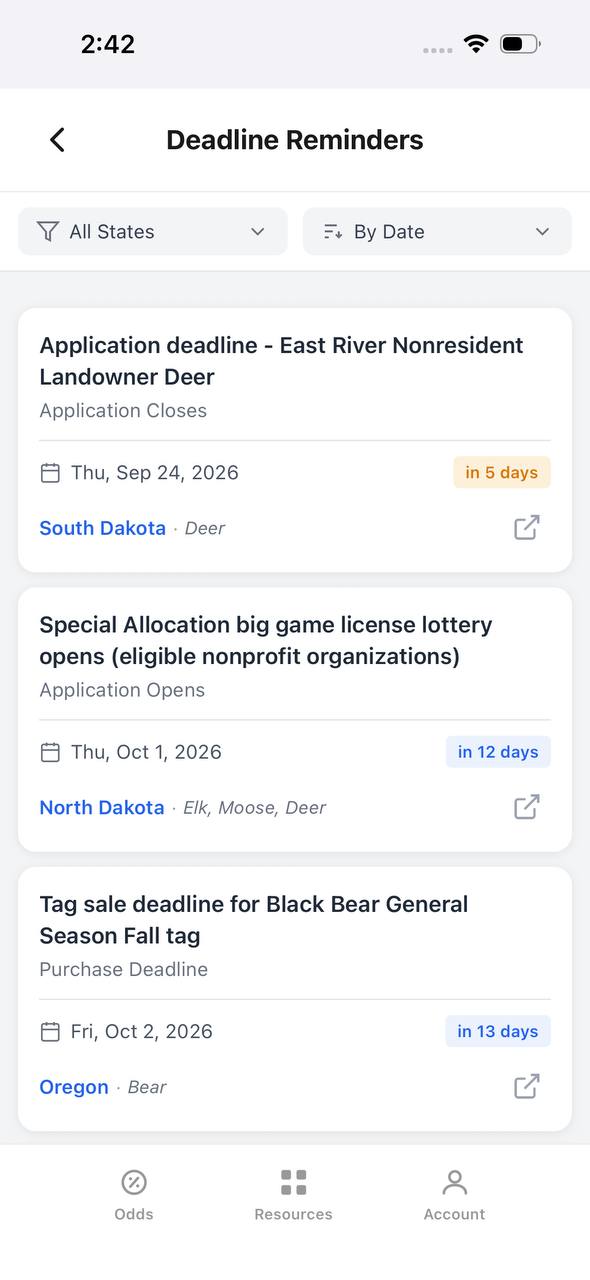
- Deadline reminders
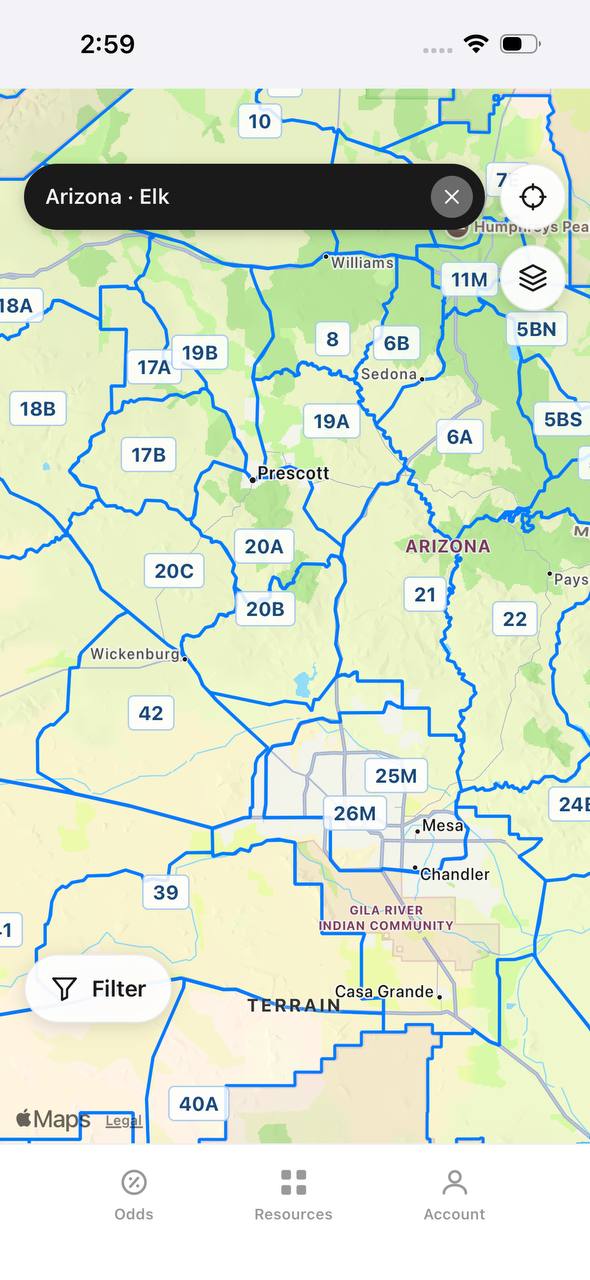
- 18 states covered

Free to join
Download mobile app
- Detailed draw odds
- Point tracking
- Deadline reminders
- 18 states covered
Free to join
Download mobile app
- Detailed draw odds
- Point tracking
- Deadline reminders
- 18 states covered
The once-in-a-lifetime tags
Shiras moose, Rocky Mountain bighorn sheep, and mountain goat are Idaho's toughest draws. There are no points and no guarantees — just an equal shot for every applicant, every year. The odds stay very low, and the hunts themselves demand serious fitness in steep, rugged country. But that equal-footing structure means a first-year applicant has the same chance as anyone, which is exactly the draw for a lot of hunters.
Predators and other opportunity
Idaho is also one of the premier predator and other-species states in the West. It's a top black bear destination with both spring and fall seasons, many of them available without a controlled draw. Mountain lion hunting is excellent, with generous seasons and good access across many units. And Idaho remains one of the few states offering wolf hunting — regulations and season structures vary, so always review the current rules before you plan around it.
Public land and wilderness
More than half of Idaho is public land — National Forest, BLM, state land, and vast designated wilderness — which makes it a DIY paradise. The wilderness hunts are the stuff of legend: the Frank Church River of No Return and the Selway-Bitterroot offer true backcountry adventures, the kind that can involve horses, backpacking, or even a bush flight to reach camp. These are experiences you won't find in many other places, and they reward hunters who prepare for them.
Worth watching, too: Idaho occasionally releases returned controlled-hunt tags after the initial draw. Hunters who keep an eye on the Idaho Fish and Game website can pick up extra opportunities that others miss entirely.
Common Idaho mistakes to avoid
Most Idaho misfires are avoidable. Hunters wait too long and miss general tags that sell out. They skip controlled hunts because "there are no points," forgetting the odds are equal and real. They overlook lesser-known units in favor of the famous ones, and they fail to research access before the trip. In a state built on opportunity, the best results still go to the hunters who plan.
How TAGZ fits into your Idaho plan
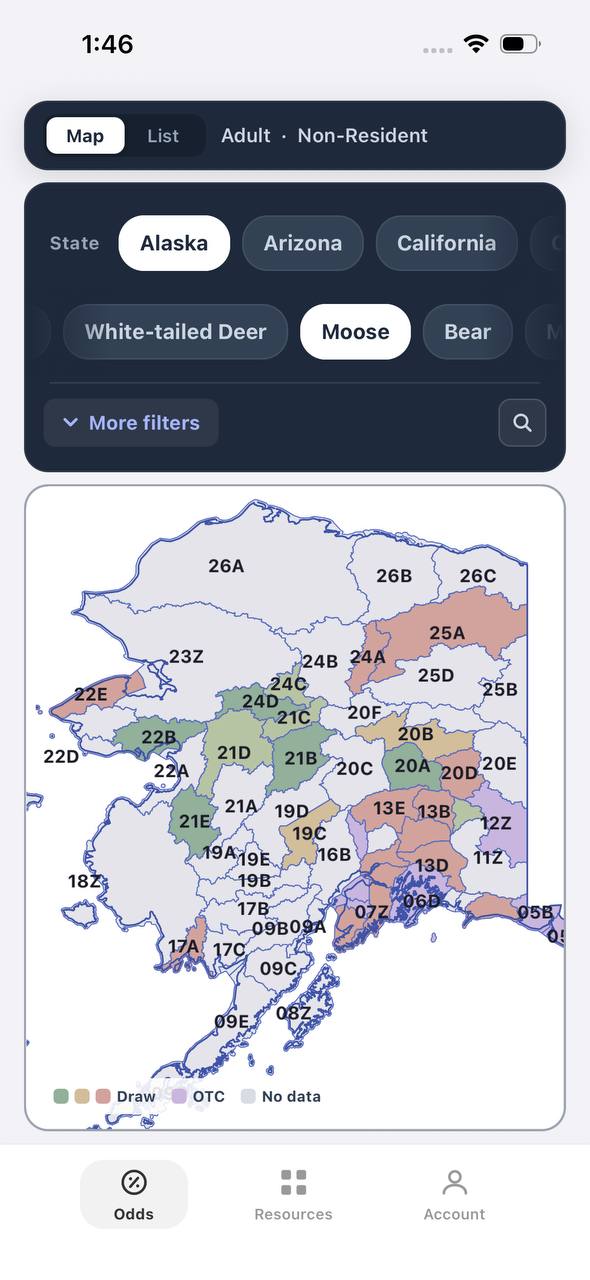
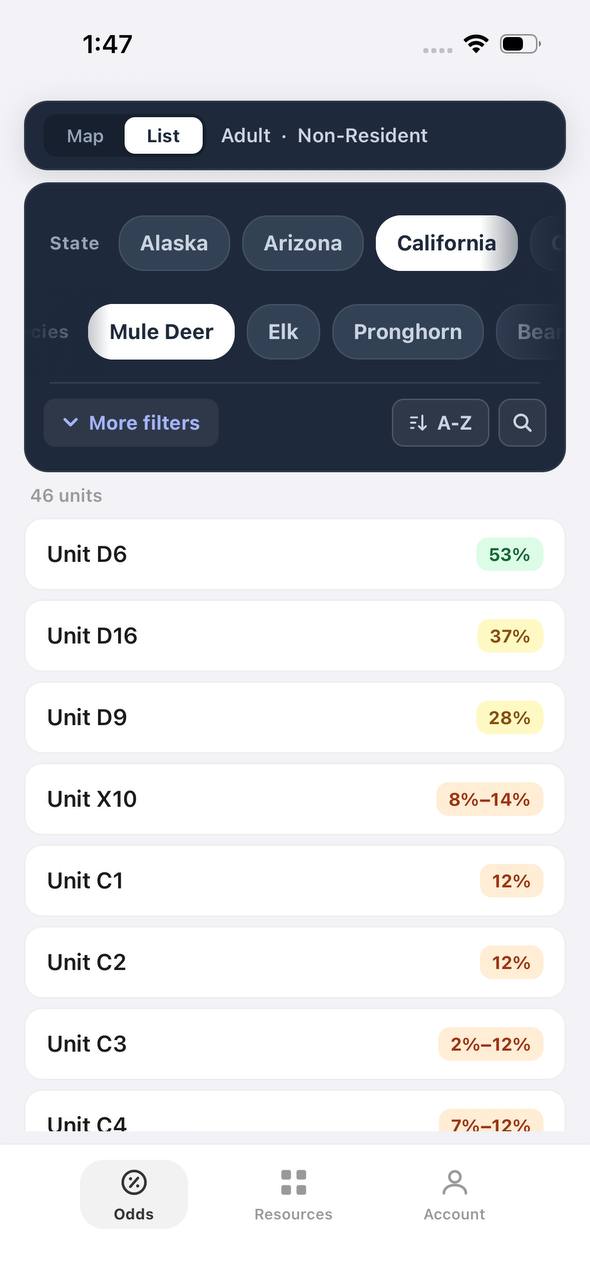
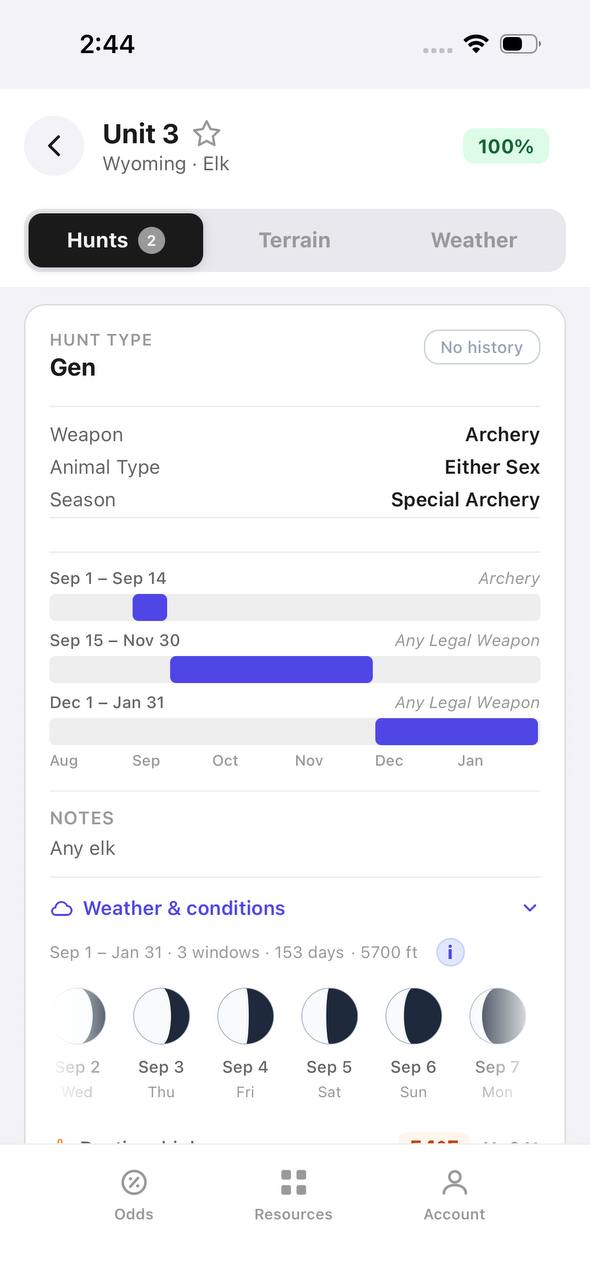
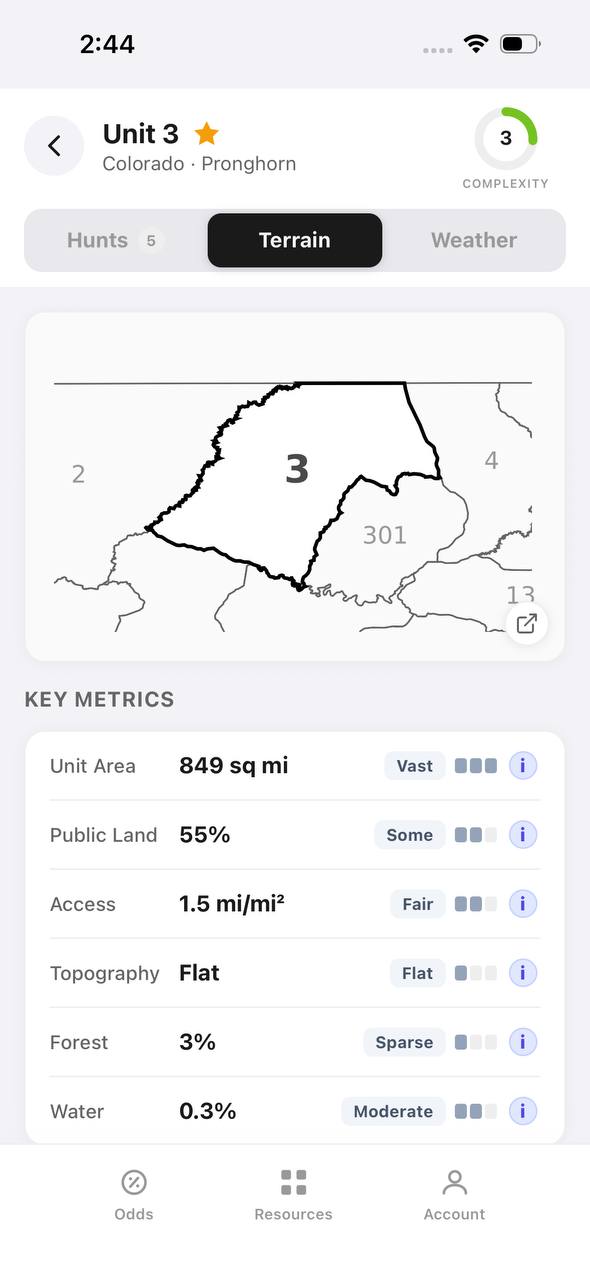
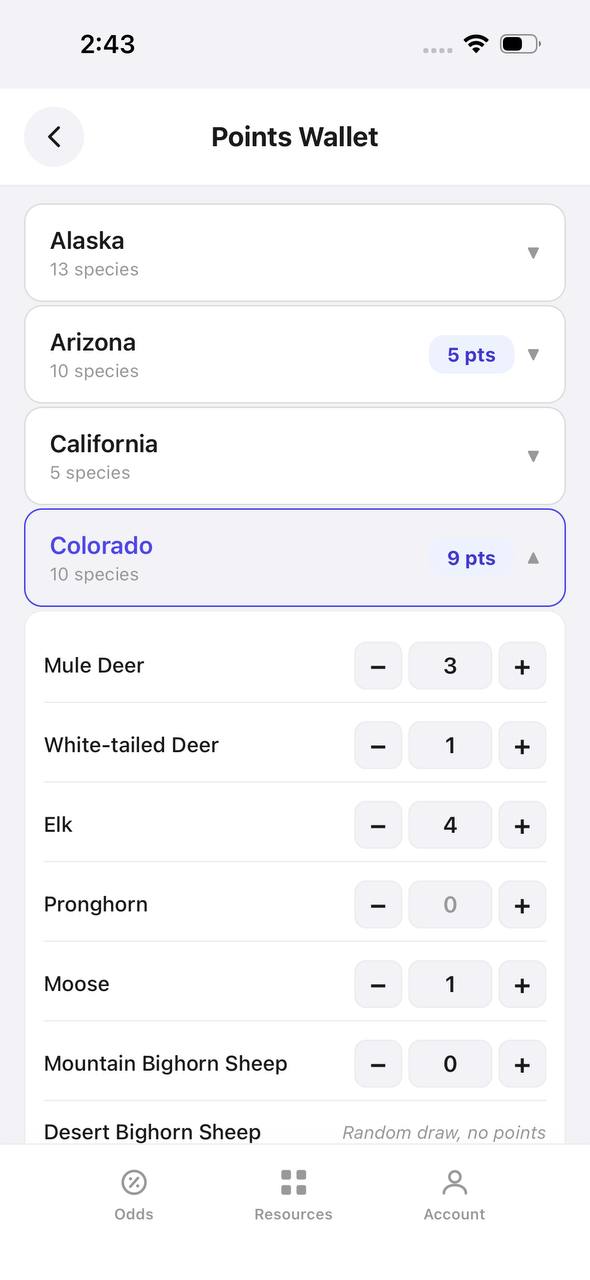
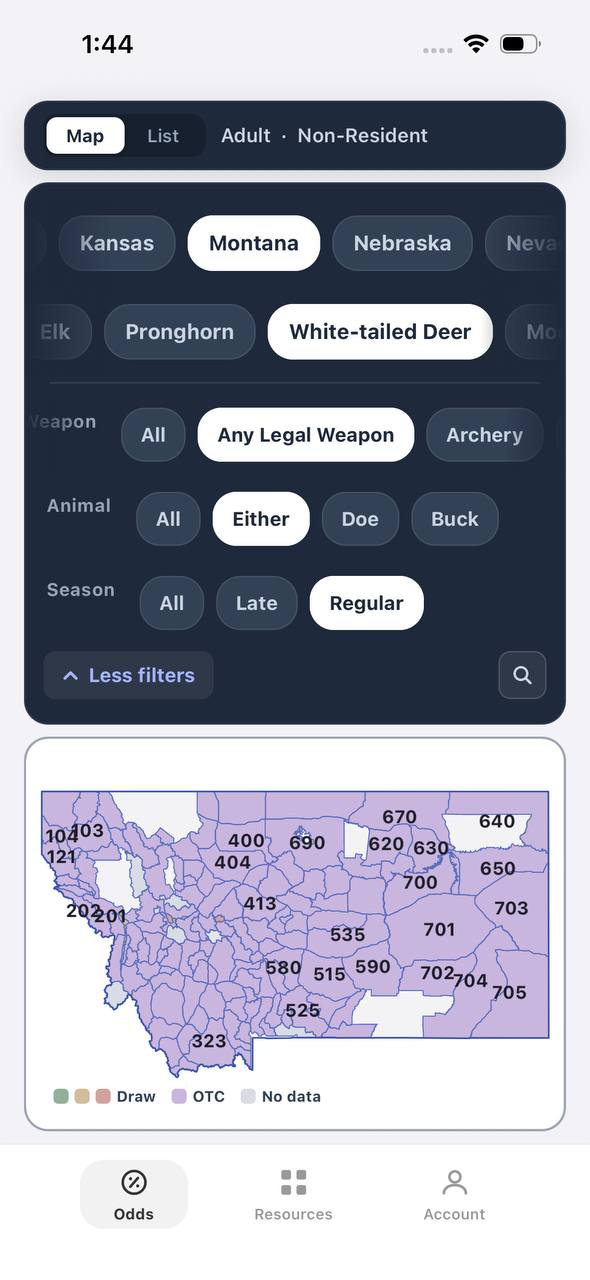
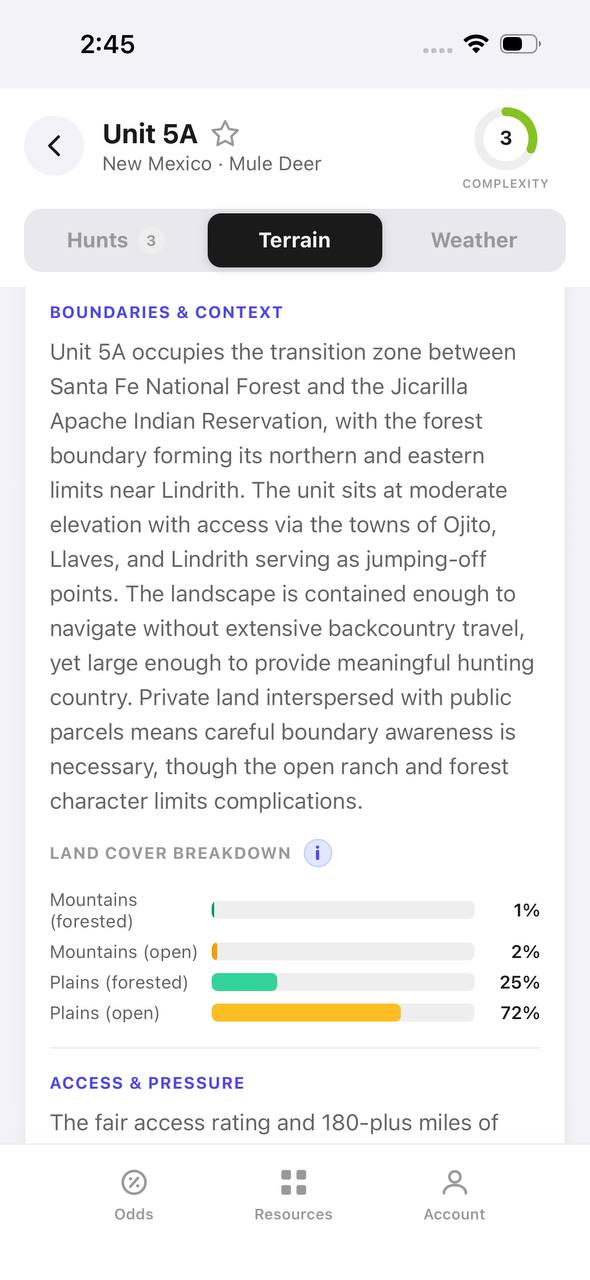
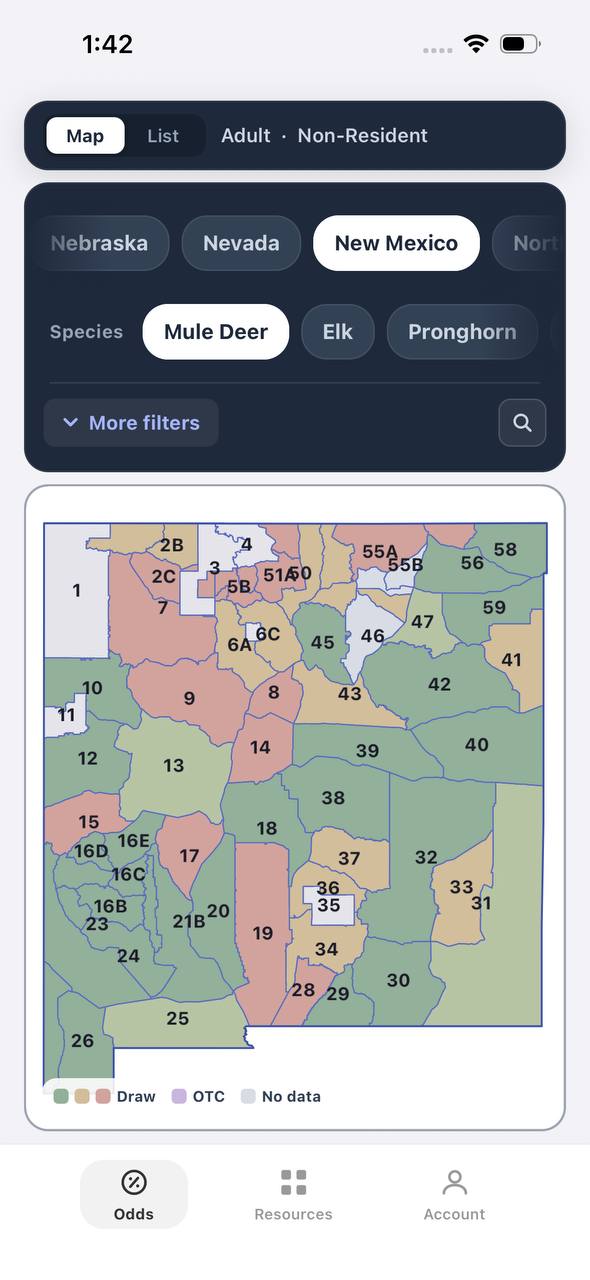
Because Idaho has no points to lean on, the edge comes from picking the right hunt and beating the right deadline — and that's where TAGZ earns its keep. It helps you compare Idaho units, read draw odds honestly, research hunt codes, track application and general-tag deadlines, and fit Idaho into a smart multi-state plan alongside states like Colorado, Wyoming, Utah, and Arizona. Whether you're chasing elk every fall or dreaming of an Idaho moose tag, it helps you hunt smarter.
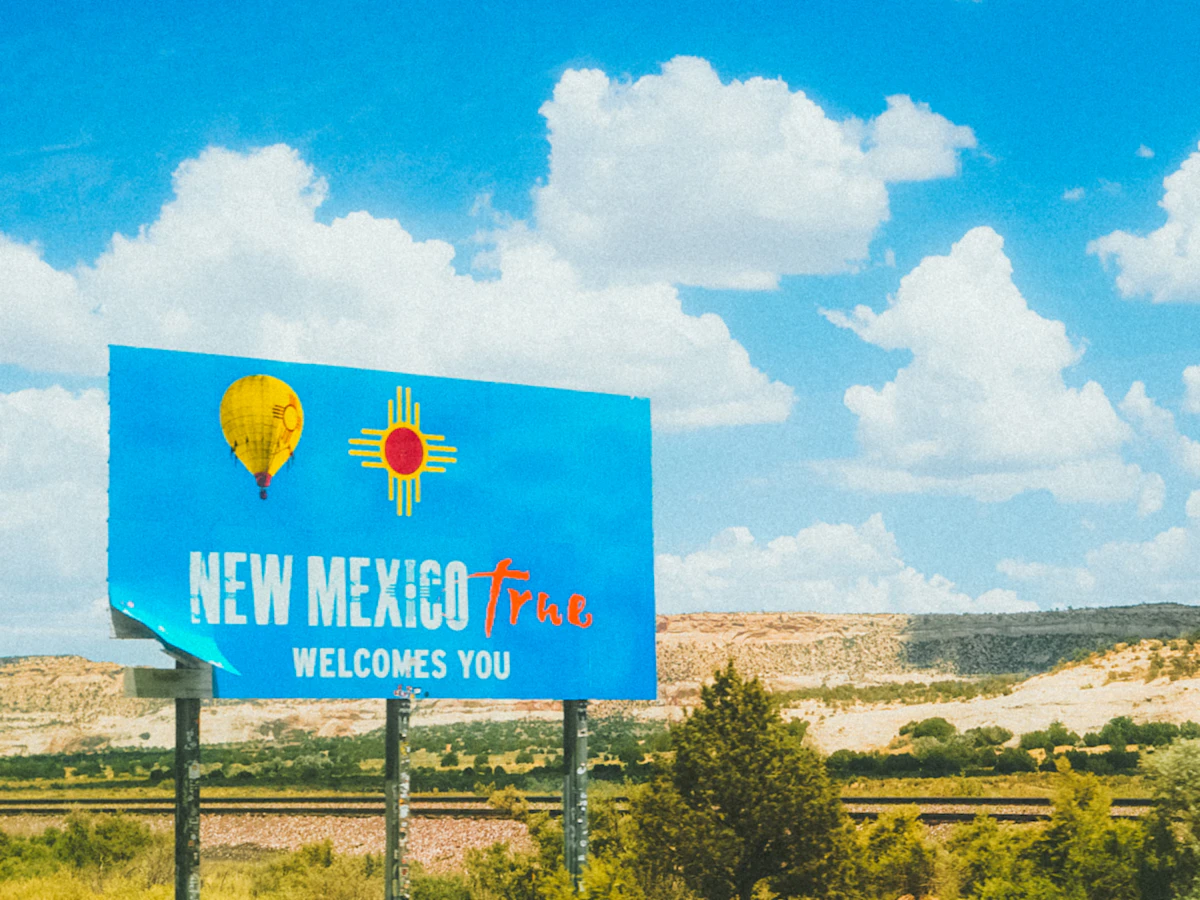
For a close comparison of another no-point state, see How New Mexico's Draw Works. Official nonresident tag quotas and rules live with Idaho Fish and Game.
FAQ — Idaho Draw System
Does Idaho have preference points?
No. Idaho uses neither preference points nor bonus points.
How do Idaho controlled hunts work?
They're awarded through a computerized random draw where every eligible applicant has the same chance.
Can nonresidents buy general elk tags?
Yes, but they're limited and sold first-come, first-served, so they can sell out quickly.
Is Idaho a good state for DIY hunters?
Absolutely. With more than half the state in public land and heavy wilderness access, it's one of the best DIY states in the West.
Why is Idaho so popular?
Because hunters can pursue elk and other big game every year without spending years building points.
Was this article helpful?
Previous
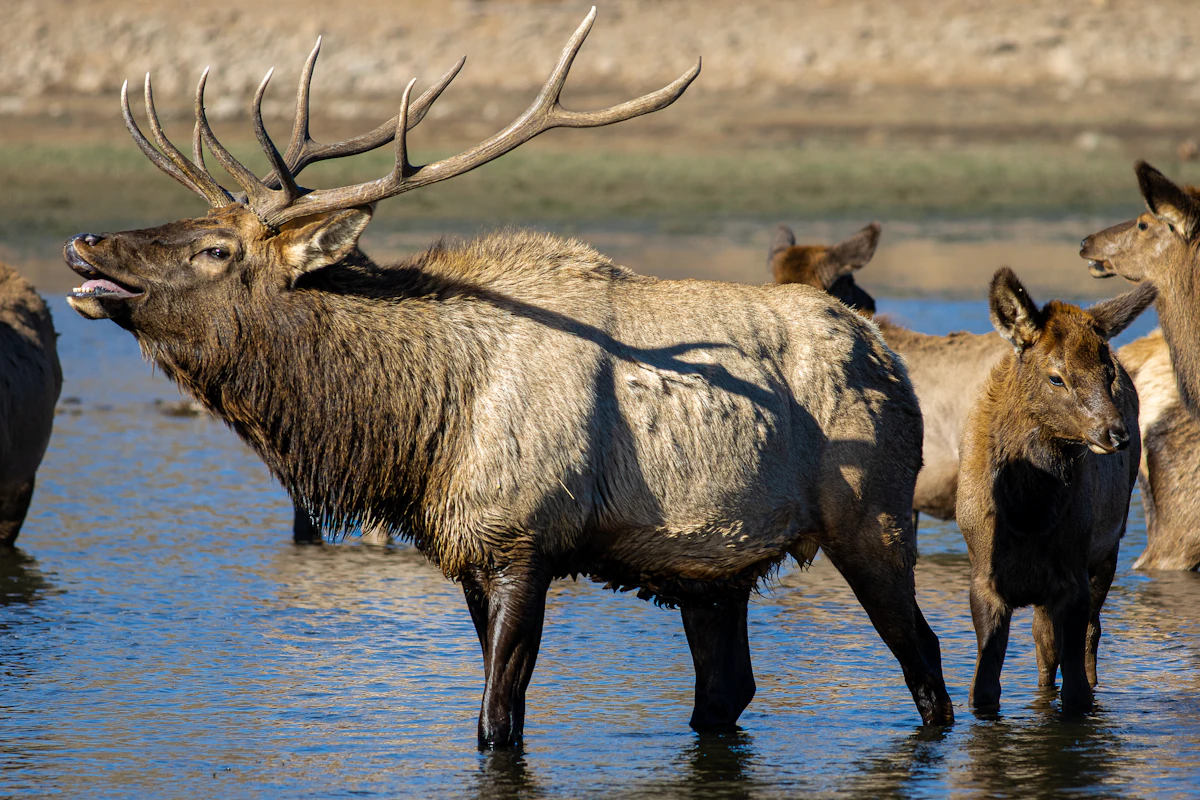
Understanding Elk Vocalizations: A Complete Guide to Cow Calls, Bugles & Bull Communication
Elk vocalizations vary by season, social status, and threat level. Learning to identify bugles, cow calls, barks, and chuckles gives bowhunters and rifle hunters a major advantage in locating, calling, and closing distance on bulls during September through November.
Related
How New Mexico's Draw Works | Complete Hunting Draw Guide
New Mexico's fully random draw makes it one of the most attractive western states for residents and nonresidents alike. With no preference or bonus points, every applicant has the same odds every year — so hunt selection is everything.
Next
How California's Big Game Draw Works | Complete Hunting Draw Guide
California's preference point system rewards consistent applicants while still offering opportunities for new hunters. From world-famous Tule elk to trophy mule deer, blacktail deer, pronghorn, and bighorn sheep, California remains one of the most diverse—and most overlooked—big game hunting destinations in the West.