Boat Setup for Florida Gator Hunting: Essential Gear and Configurations
Florida alligator hunting unfolds almost entirely from boats, sliding through dark swamps and shallow marshes where navigation mistakes escalate fast. Your boat setup determines whether the hunt goes smoothly or devolves into chaos when a big gator surfaces beside you at midnight. The wrong lighting leaves you blind, poor anchoring puts you at the mercy of current and wind, and inadequate safety gear turns manageable problems into emergencies.
This guide covers the gear, configuration, and maintenance strategies that keep Florida gator hunters safe and effective on the water. Most of these lessons apply to any nighttime predator hunt from a boat, but the specifics target the unique demands of wrestling eight-foot reptiles in tangled backwater channels.
Boat Selection for Gator Hunting
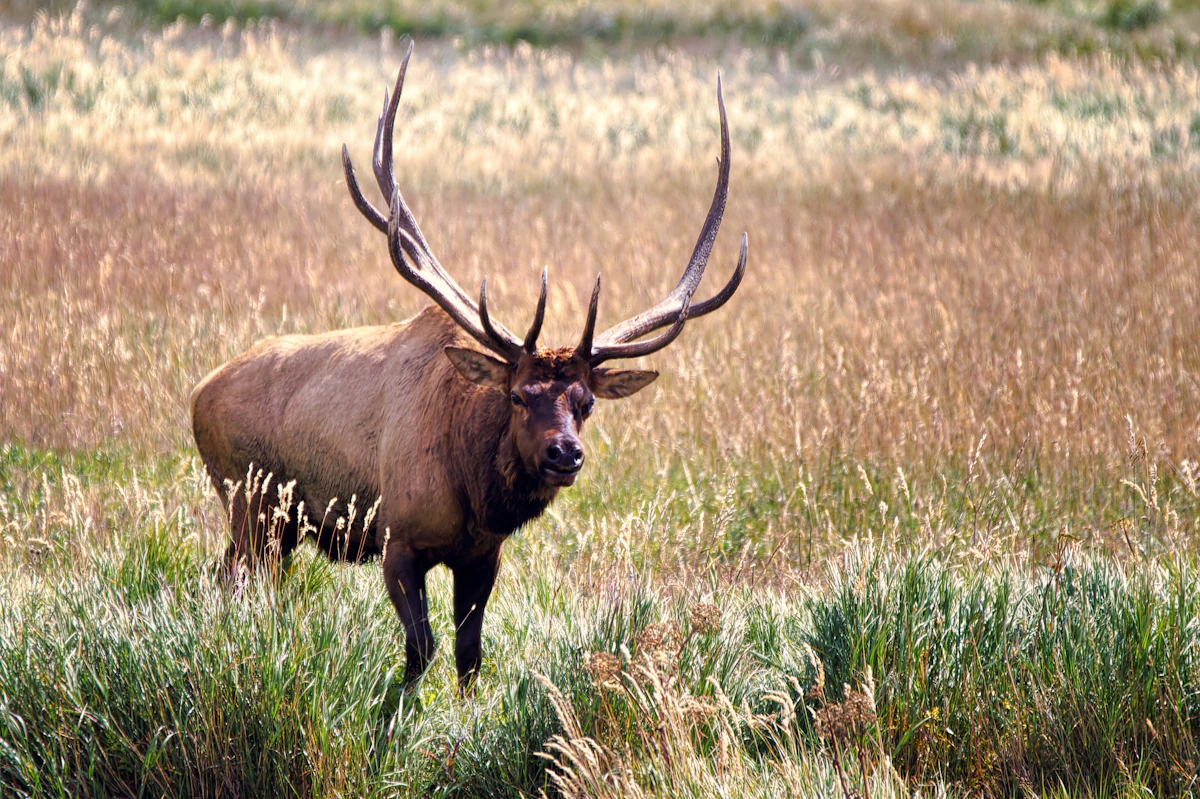
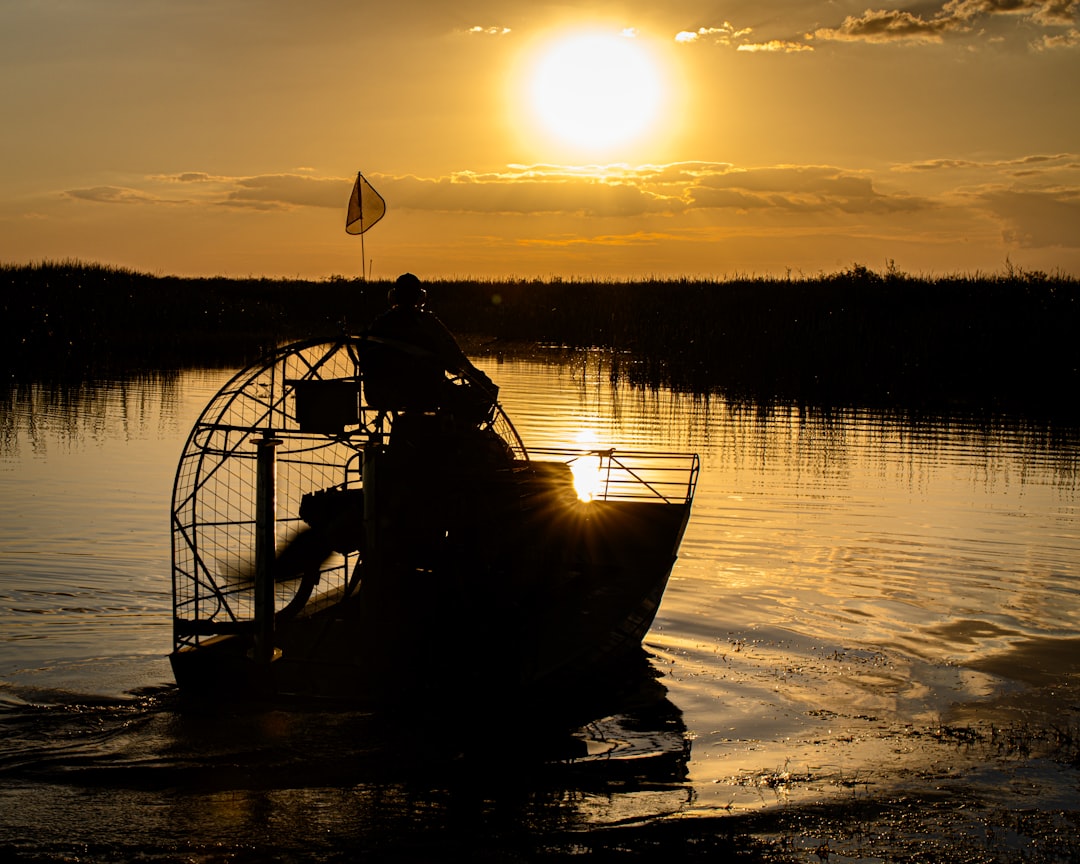
Flat-bottomed aluminum jon boats between 14 and 18 feet long dominate Florida gator hunting for good reason. They draft shallow, turn tight in narrow channels, and provide stable shooting platforms when anchored or drifting. Airboats work in extremely shallow grass flats but sacrifice stealth and make communication difficult over the engine noise. Bass boats and small center consoles handle open water fine but struggle in vegetation-choked areas where big gators hide.
Your boat needs to accommodate two hunters comfortably, provide secure footing when standing, and allow quick repositioning when a gator surfaces. Avoid overloading. A 16-foot jon boat with two hunters, gear, and a cooler sits low enough without adding unnecessary weight that compromises stability and performance.
Lighting Systems
Gator hunting happens at night, and your lighting system determines whether you spot gators or drift past them in the dark. A high-powered handheld spotlight with at least 1,000 lumens is non-negotiable. LED spotlights with rechargeable lithium batteries outlast older halogen models and produce a whiter, more penetrating beam that picks up eyeshine beyond 100 yards.
Mount a secondary spotlight on a swivel base at the bow so the shooter can scan independently while the boat operator navigates. Run both lights off separate battery sources so a single failure does not leave you blind. Navigation lights meet legal requirements and help you avoid other hunters, submerged logs, and shallow bars in unfamiliar water.
Red headlamps preserve night vision during rigging, baiting, and processing without spooking nearby gators the way white light does. Keep at least two headlamps onboard with fresh batteries.
Anchoring and Boat Control
Once you spot a gator, controlling the boat's position becomes critical. A heavy-duty anchor with at least 50 feet of rope lets you lock down in current or wind while setting up a shot. Mud anchors with wide flukes hold better in soft bottom than traditional river anchors. Keep the anchor rope coiled and ready to deploy without tangling.
A push pole moves you silently through shallow water without starting the motor and spooking gators. Aluminum or fiberglass poles in the 12-to-16-foot range work best. Graphite poles are lighter but more expensive. Practice push-poling in daylight so you can maneuver efficiently when a gator appears.
Electric trolling motors allow slow, quiet approaches in areas where push-poling is impractical. Mount a bow-mounted trolling motor with foot control so the shooter can operate the boat hands-free while the spotter scans with the light.
Essential Gear and Storage
Florida regulations require specific gear for legal alligator harvest: a harpoon or snatch hook, a restraining line rated for at least 600 pounds, and a firearm or bangstick for dispatch. Store harpoons and snatch hooks in secure holders along the gunwale where they are instantly accessible but will not shift or fall overboard during rough navigation.
Keep restraining lines coiled in a dedicated bucket or bag, not loose on the deck where they tangle around feet, gear, or the motor. Use heavy-duty carabiners or snap swivels rated well above 600 pounds to connect the line to the harpoon. Test every connection point before the season.
Bangsticks, firearms, and ammunition must stay dry and secure. Waterproof cases prevent corrosion and accidental discharge. Mount a gun rack or secure storage box within arm's reach of the shooting position. Florida allows firearms from .22 caliber up for alligator dispatch, but most experienced hunters prefer .357 Magnum or larger for reliable stopping power on big gators.


Free to join
Download mobile app
- Detailed draw odds
- Point tracking
- Deadline reminders
- 19 states covered





Free to join
Download mobile app
- Detailed draw odds
- Point tracking
- Deadline reminders
- 19 states covered






Free to join
Download mobile app
- Detailed draw odds
- Point tracking
- Deadline reminders
- 19 states covered

Safety Equipment and Communication
Every person on the boat must wear a Coast Guard-approved life jacket. Florida law requires one wearable PFD per person and one throwable flotation device onboard. Gator hunting involves leaning over gunwales, standing on slick surfaces, and working in the dark, conditions where falls happen. Inflatable PFDs designed for fishing are more comfortable than bulky foam vests and stay out of the way during shooting and harpoon throws.
Carry a marine-grade first aid kit with trauma supplies for deep cuts, punctures, and heavy bleeding. Gator teeth and thrashing tails cause serious injuries. Include a tourniquet, QuikClot gauze, and Israeli bandages. Keep a fully charged cell phone in a waterproof case for emergencies, but do not rely on cell service in remote swamps. A handheld VHF marine radio provides backup communication.
Fire extinguishers are required on boats with enclosed engine compartments or fuel tanks, but every gator boat should carry one. Gasoline, batteries, and electrical systems create fire risk.
For more on essential gear setups and field-tested strategies, check out best bear hunting gear for Florida conditions and best equipment for Florida alligator hunting.
Processing and Storage
Once you harvest a gator, you need a plan for securing and processing it. Large coolers filled with ice keep meat fresh during long runs back to the ramp. A 120-quart cooler handles a six-to-eight-foot gator if quartered properly. Bring heavy-duty tarps to cover the deck and protect the boat from blood and fluids.
Sharp fillet knives, bone saws, and cut-resistant gloves belong in a dedicated processing kit. Skinning and butchering on the water is messy work, and losing a knife overboard or cutting yourself in poor light ends the night badly. Some hunters prefer to secure the gator and process it at the ramp or home where lighting and clean water are available.
Navigation and Scouting Tools
GPS units and mapping apps prevent getting lost in sprawling marsh systems where channels look identical in the dark. Download offline maps before launching since cell service is unreliable. Mark productive areas, boat ramps, and hazards in your GPS during scouting trips. A handheld GPS with replaceable batteries provides backup if your phone dies.
Depth finders help avoid running aground in unfamiliar water, especially during low-water periods when sandbars and oyster beds lurk just below the surface. Budget fish finders under 200 dollars provide adequate depth and bottom-structure information for gator hunting.
Scout during daylight to identify gator habitat, learn channel routes, and mark hazards. Look for slides, feeding areas, and basking spots near deep holes. Gators move predictably between feeding and resting areas, so daytime scouting pays off when you return after dark. If you hunt western big game as well, the scouting mindset carries over; mountain safety for elk hunting covers similar principles for high-country terrain.
Boat Maintenance and Pre-Season Checks
Gator season in Florida runs late summer through early fall, when heat, humidity, and saltwater accelerate corrosion and mechanical failures. Inspect hull integrity, checking for cracks, loose rivets, and soft spots in aluminum or fiberglass. Test bilge pumps and drain plugs. A slow leak becomes a serious problem miles from the ramp.
Service outboard motors before the season. Change lower-unit oil, replace fuel filters, and inspect the water pump impeller. Carry basic tools, spare spark plugs, and an extra pull cord. Check battery terminals for corrosion and ensure batteries hold a charge. Electrical failures kill spotlights and trolling motors.
Inspect trailer bearings, tires, and lights. Getting stuck on a dark boat ramp at midnight with a trailer problem ends a successful hunt on a frustrating note.
How TAGZ Fits Into Hunt Planning
TAGZ specializes in western big-game draw odds and preference point tracking for elk, mule deer, and pronghorn across states like Colorado, Wyoming, and Montana. Florida gator hunting operates under a lottery system with no preference points. Successful applicants receive specific harvest areas and must complete mandatory training.
If you are planning western hunts alongside your gator pursuits, TAGZ helps you compare draw odds, track points across multiple states, and identify the best units for your weapon choice and experience level. Explore how TAGZ simplifies multi-state application strategy and hunt planning at https://www.getmytagz.com/.
For more hunting insights, tips, and state-specific breakdowns, visit the TAGZ blog at https://www.getmytagz.com/insights. Whether you are chasing Roosevelt elk in Oregon or planning your first Wyoming antelope hunt, TAGZ gives you the research tools to make confident application decisions before the draw deadline.
FAQ — Florida Gator Hunting Boat Setup
What size boat do I need for Florida alligator hunting? A 14-to-18-foot flat-bottomed jon boat works best for most Florida gator hunting. It drafts shallow, maneuvers tight waterways, and provides a stable platform for shooting and harpoon throws.
Is a spotlight required for gator hunting in Florida? Yes. Alligator hunting in Florida happens exclusively at night, and you cannot spot gators without a high-powered spotlight. A handheld LED spotlight with at least 1,000 lumens is essential for picking up eyeshine at distance.
Can I use a bass boat for gator hunting? You can, but bass boats are less ideal than jon boats. They work in open water but struggle in shallow, vegetation-choked areas where big gators hide. The higher sides also make harpoon throws and gator retrieval more difficult.
Do I need a trolling motor for gator hunting? A trolling motor is not required but highly recommended. It allows quiet approaches without spooking gators and gives you hands-free boat control while spotting and shooting. A push pole works in very shallow water but limits range.
What safety gear is required on a gator hunting boat in Florida? Florida law requires one Coast Guard-approved wearable life jacket per person, one throwable flotation device, navigation lights, and a fire extinguisher on boats with enclosed engine compartments or fuel tanks. Carry a first aid kit and communication devices.
How do I keep my boat organized during a gator hunt? Store harpoons in secure holders along the gunwale, coil restraining lines in dedicated buckets to prevent tangling, and keep firearms in waterproof cases within reach of the shooting position. Use tarps to protect the deck from blood and fluids after harvest.
Was this article helpful?
Previous
Afternoon Elk Bedding Patterns: Where Bulls and Cows Rest During Midday
Elk retreat to predictable bedding areas during afternoon hours to ruminate and escape midday heat. Understanding these patterns helps hunters position for evening movements and increases success during midday stalks.
Related
Why Herd Bulls Ignore Your Calls and What Actually Works
Herd bulls with cows have zero incentive to leave what they already have. Understanding their mindset reveals why standard calling fails and what tactics actually pull mature bulls off their harems.
Next
Best Draw Weight for Elk Hunting: What You Really Need
Choosing the right draw weight for elk hunting balances arrow energy, accuracy, and shooter comfort. Most adult hunters succeed with 60-70 pounds, but your ideal weight depends on draw length, shooting form, and practice commitment.