Why Herd Bulls Ignore Your Calls and What Actually Works
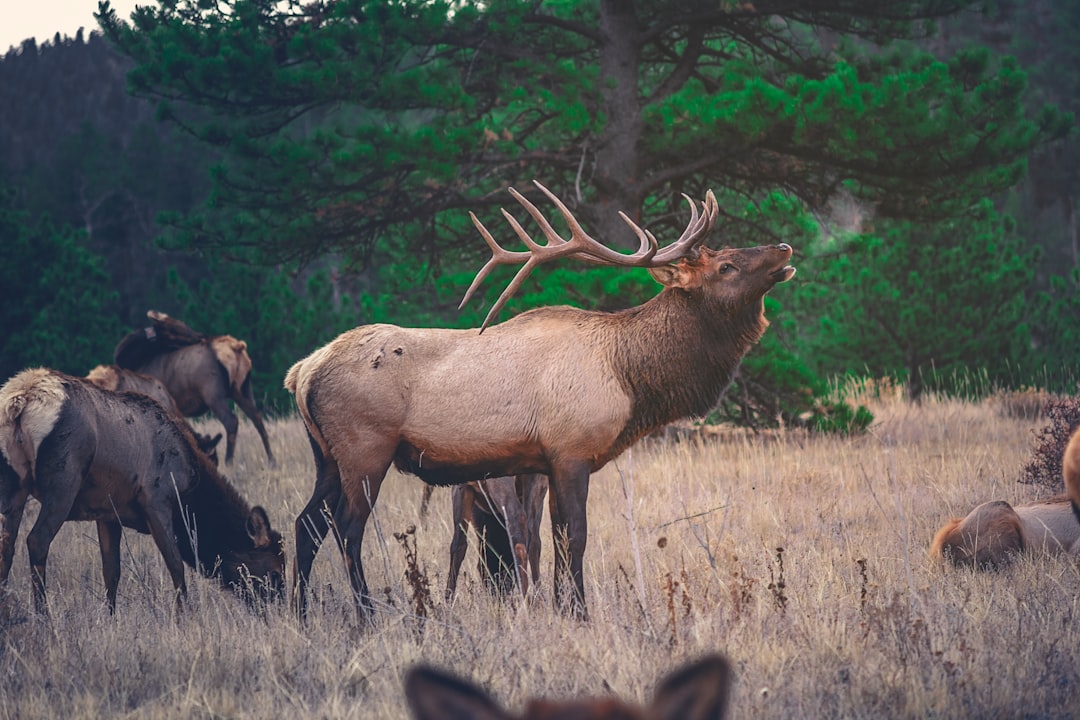
A herd bull standing in the middle of 20 cows has already won. He has no reason to leave what he spent weeks fighting to acquire just because you made a noise 200 yards away. This fundamental reality explains why most calling sequences fail on the biggest bulls in the basin, and why hunters who understand herd bull psychology fill tags while others blame bad luck.
The Economics of a Herd Bull's Attention
Every decision a mature bull makes during the rut comes down to energy economics. Fighting, chasing, and breeding drain calories he cannot easily replace. When a bull has already gathered a harem, responding to a distant bugle costs him something real: time away from breeding, risk of a satellite bull sneaking in, and potential injury from a fight he does not need.
Compare this to a satellite bull with no cows. That same bugle represents opportunity, not risk. He has nothing to lose and everything to gain. This is why raghorn five-points charge into setups while the 350-inch herd master barely lifts his head.
The math changes only when the perceived opportunity outweighs the cost. Your job is to manipulate that calculation, not just make elk sounds.
Why Standard Setups Fail on Herd Bulls
The classic calling sequence, bugling from a fixed position and waiting for a response, assumes the bull wants to come to you. Herd bulls almost never do. They bugle back not as an invitation but as a warning. They are announcing ownership and hoping you will leave.
Hunters misread this response as engagement. They bugle again, the bull answers again, and a frustrating stalemate develops. The bull sounds close because he is close. He is also not moving an inch. He is daring you to approach, not considering a visit.
This dynamic becomes obvious once you watch it unfold. The herd bull positions himself between his cows and the perceived threat. He may push the harem away from the sound. His bugles get shorter and more aggressive, not longer and more melodic. He is managing risk, not seeking a fight.
Tactics That Actually Move Herd Bulls
Pressure the Herd, Not the Bull
Since the bull's priority is keeping his cows together, the most effective tactic is threatening to scatter them. A cow call from behind or beside the herd creates chaos. Cows drift toward what sounds like another group member, and the bull must respond or lose control.
This requires getting close without detection. Circle downwind, inside 100 yards if terrain allows. Soft cow calls and estrus whines pull individual cows toward your position. When the bull notices his herd fragmenting, he often abandons his stationary defense and moves to gather them back together. That movement creates shooting opportunities.
The Subordinate Bull Approach
Herd bulls tolerate satellite bulls hovering at distance because chasing every one wastes energy. But a subordinate that crosses into the herd itself demands immediate action. Simulating this intrusion means moving aggressively toward the herd while calling.
Combine location bugles with cow calls and deliberate noise. Snap branches, rake trees, make the sounds of an elk physically entering the space. The message is not a challenge from afar but a subordinate bull brazenly entering the breeding group. Many herd bulls cannot ignore this, even when they would dismiss a standard calling sequence.
The Silent Close
Sometimes the best play is no calling at all. Once you locate a herd bull with cows, wind and terrain become your only tools. Close the distance using topography, get ahead of where the herd is drifting, and let them come to you.
Herd bulls move their harems throughout the day, pushing toward water, bedding cover, or feeding areas. A hunter who patterns this movement and sets up in the path often gets opportunities that calling never would. This demands patience and acceptance that you might watch the herd drift elsewhere. But when it works, you see the bull before he has any idea you exist.
Reading the Bull's Response
Not every herd bull is locked down. Some are still actively gathering cows. Others are dealing with real satellite pressure and primed for aggression. The key is reading responses accurately.
A bull that bugles and moves toward you, even slightly, is engaged. A bull that bugles and moves his herd away is defensive. A bull that bugles from the same exact location three times in a row has no intention of leaving.
Adjust tactics based on behavior, not sound. A screaming bull 300 yards away means nothing if he is walking the opposite direction. A bull that only grunts once but takes four steps toward you is the more killable animal.
Timing Matters More Than Calling Skill
Herd bulls become most vulnerable at specific moments: when a cow enters estrus and demands attention, when a legitimate rival arrives, when the herd moves through terrain that exposes the bull, or late in the rut when exhaustion erodes caution.
The first and last light periods see the most herd movement. Midday setups on bedded herds rarely produce action because the bull has his cows pinned in cover exactly where he wants them. Hunt the transitions, when herds shift between feeding and bedding, and you will catch bulls managing chaos rather than controlling it.
Using a tool like TAGZ to identify units with solid bull-to-cow ratios increases your odds of encountering multiple herd bulls, which creates the real competition that makes them callable. Units with skewed ratios often produce passive herd bulls that never face genuine pressure.
FAQ — Herd Bull Calling Tactics
Why does a herd bull bugle back but never come in?
He is warning you off, not inviting you closer. A herd bull with cows has no incentive to leave them and every reason to stand his ground.
Should I stop calling if the bull will not commit?
Yes. Continued calling from a fixed position teaches the bull exactly where you are. Go silent, reposition aggressively, or switch to a completely different tactic.
Do cow calls work better than bugles on herd bulls?
Often, yes. Cow calls threaten herd cohesion without triggering a direct confrontation. A bull may move to gather a drifting cow when he would never approach a challenging bugle.
How close do I need to get for calling to work?
Inside 150 yards typically. Beyond that distance, herd bulls easily dismiss calls as non-threatening. Closing the gap changes the calculation.
Is it better to hunt satellite bulls instead?
If your goal is punching a tag, satellites are far more responsive. If you want a mature herd bull, accept that the tactics are harder and success rates lower.
What time of the rut are herd bulls most vulnerable?
The last week of peak rut and the first days of post-rut see the most exhausted bulls. They have been fighting and breeding for weeks and their caution diminishes as fatigue accumulates.
Putting It Together
Herd bulls ignore calls because responding costs more than it gains. Change the equation by threatening what they value: the herd itself. Pressure from unexpected angles, simulate subordinates inside their space, or skip calling entirely and let terrain do the work.
Studying draw odds and unit data helps you find areas with genuine bull competition, which creates the pressure that makes herd bulls vulnerable. The combination of good hunting ground and smart tactics is what puts big bulls on the ground, not louder bugles from the same ridgeline everyone else hunts.
Was this article helpful?
Previous
Afternoon Elk Bedding Patterns: Where Bulls and Cows Rest During Midday
Elk retreat to predictable bedding areas during afternoon hours to ruminate and escape midday heat. Understanding these patterns helps hunters position for evening movements and increases success during midday stalks.
Next
Calling Mature Herd Bulls: How to Pull a Dominant Elk Away from His Cows
Calling mature herd bulls during peak rut requires a different strategy than bugling at satellite bulls. Learn how to use cow calls, challenge bugles, and tactical positioning to pull a dominant bull away from his harem without spooking the entire group.