Best States for DIY Rocky Mountain Bighorn Sheep Hunting
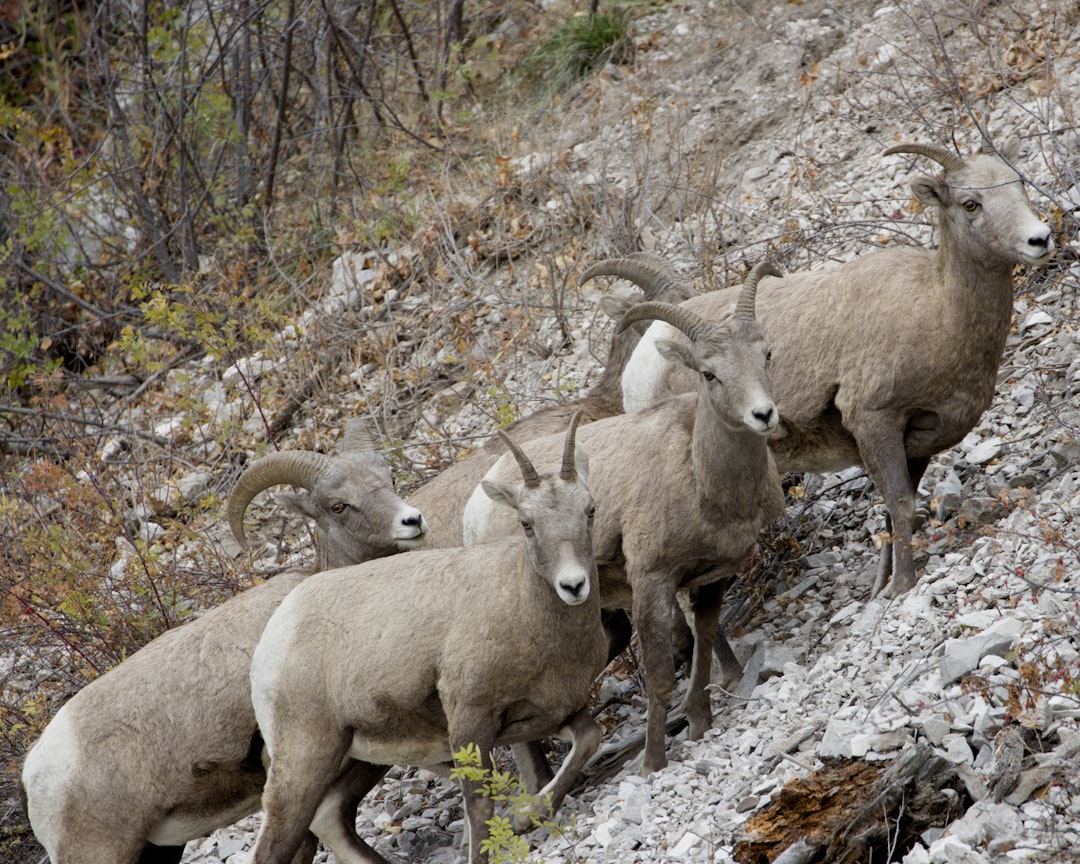
Rocky Mountain bighorn sheep tags are the hardest draw in Western hunting. Most applicants will wait 15 to 25 years, and many will never draw at all. But for hunters willing to commit to the long game, a handful of states offer realistic DIY opportunities where you can chase wild rams on public land without hiring an outfitter.
Colorado, Montana, and Wyoming consistently rise to the top for resident and nonresident hunters pursuing Rocky Mountain bighorns. Each state brings different draw mechanics, tag availability, and terrain, but all three reward those who invest in scouting, physical preparation, and patience.
Colorado: The Volume Leader
Colorado issues more Rocky Mountain bighorn sheep tags than any other state, typically 40 to 50 ram permits annually across roughly two dozen units. That volume creates slightly better draw odds than most sheep states, though "better" is relative when you are still looking at decades of applications.
The state uses a weighted preference point system, meaning your name goes into the draw once for each point you hold. A hunter with 20 points has 20 entries compared to one entry for a first-time applicant. This system favors long-term commitment but does allow lucky new applicants to occasionally draw.
Colorado's bighorn units span the Front Range, the Collegiate Peaks, and pockets of the San Juans. Most units have rugged alpine terrain above 11,000 feet, and public land access is generally strong. Units like S2, S9, and S49 historically produce quality rams, but harvest data varies year to year based on winter conditions and disease outbreaks.
For DIY hunters, Colorado's combination of tag numbers, public land, and unit diversity makes it the most accessible entry point into sheep hunting. Check our Colorado sheep draw odds breakdown for unit-by-unit analysis.
Montana: Hybrid Draw, High Reward
Montana runs a hybrid draw for bighorn sheep that splits tags between a preference point pool and a random pool. Roughly 75 percent of permits go to the highest point holders, while 25 percent are drawn randomly regardless of points. This structure gives new applicants a slim but real chance every year while still rewarding those who have waited.
The state issues around 20 to 25 Rocky Mountain bighorn tags annually, spread across hunting districts in the Absaroka-Beartooth Wilderness, the upper Missouri Breaks, and isolated mountain ranges in southwest Montana. Units like HD 300, HD 303, and HD 502 are known for producing mature rams, but access and terrain difficulty vary dramatically.
Montana bighorn hunts demand serious backcountry fitness. Many units require multi-day pack trips into wilderness where you will not see another hunter. For DIY applicants who want a true wilderness sheep experience, Montana delivers, but the draw odds are brutally long. How Montana's Preference & Bonus Point Systems Work | Complete Draw Guide | TAGZ Insights
Wyoming: The Points Race
Wyoming uses a straight preference point system for bighorn sheep, meaning the applicant with the most points draws first. Random luck does not factor in. This creates predictable timelines but also guarantees that new applicants face a 20-plus-year wait in most units.
The state issues roughly 25 to 35 Rocky Mountain bighorn tags per year across areas in the Absaroka Range, the Wind Rivers, and the Bighorns. Area 1, Area 4, and Area 5 are historically strong producers, with Area 1 near Dubois often requiring 24 or more preference points to draw.
Wyoming terrain is classic high-country sheep habitat: steep cirques, talus fields, and alpine meadows. Public land access is generally solid in wilderness areas, though some units have significant private land that can complicate logistics.
Wyoming rewards those who start early and stay consistent. If you begin applying in your twenties, you have a realistic shot at drawing a ram tag in your forties. For a deeper look at how Wyoming's system compares, see our Product Preview | TAGZ
Other States Worth Considering
Idaho, Nevada, and Oregon also offer Rocky Mountain bighorn tags, though with smaller quotas and longer odds. Idaho uses a lottery system with no preference points, meaning every applicant has the same chance, but only a handful of tags are available. Nevada runs a bonus point system that slightly improves your odds over time. Oregon has extremely limited permits concentrated in the Hells Canyon area.
For DIY hunters, these states are worth applying in as secondary options, but none match the combination of tag volume and public land access found in Colorado, Montana, or Wyoming.
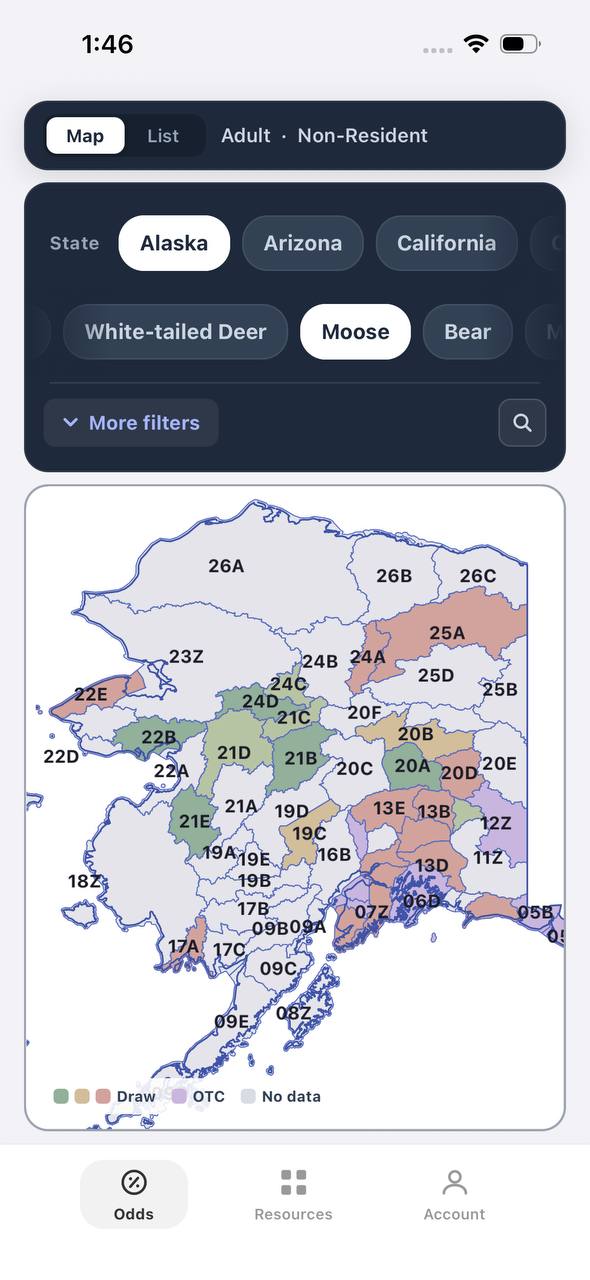
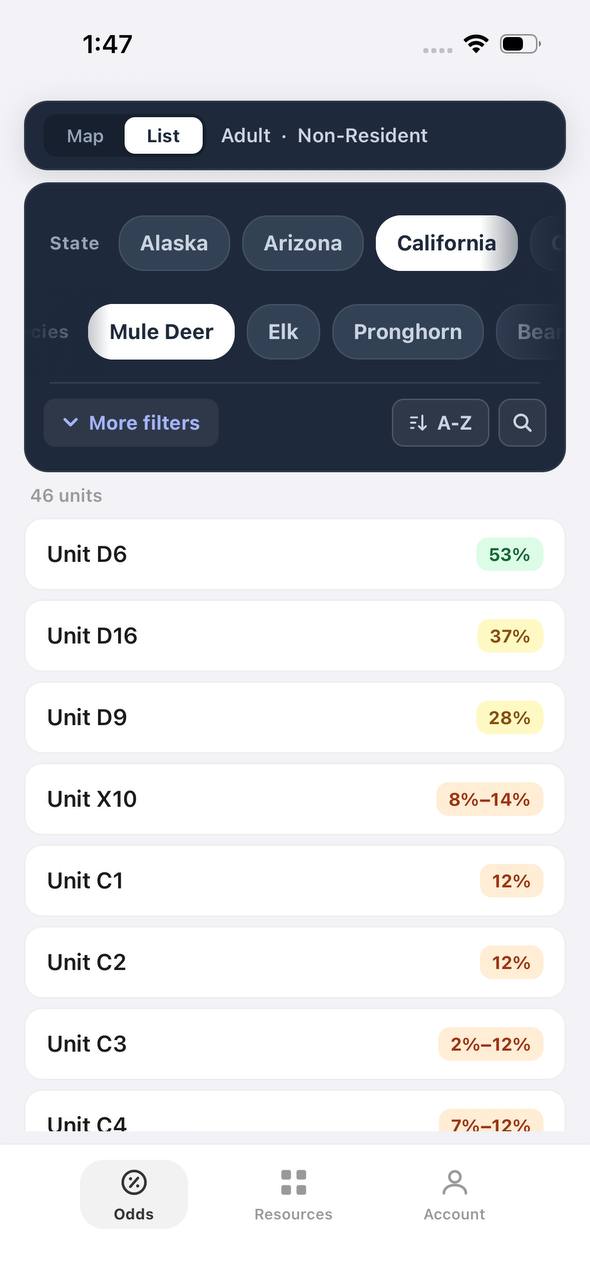
Free to join
Download mobile app
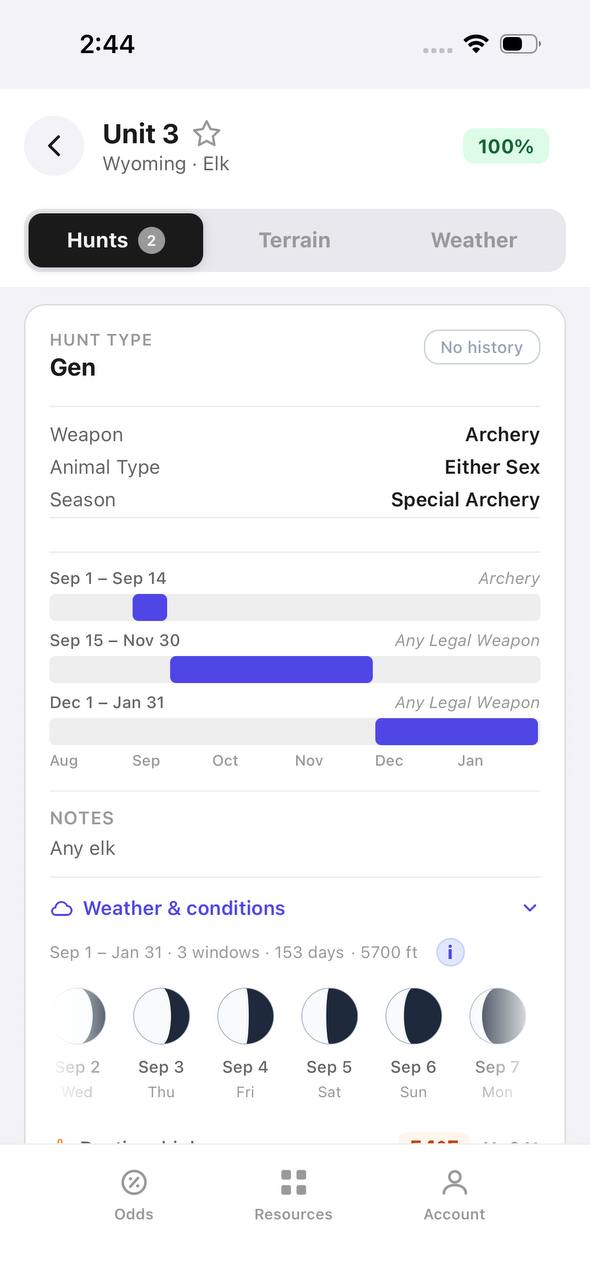
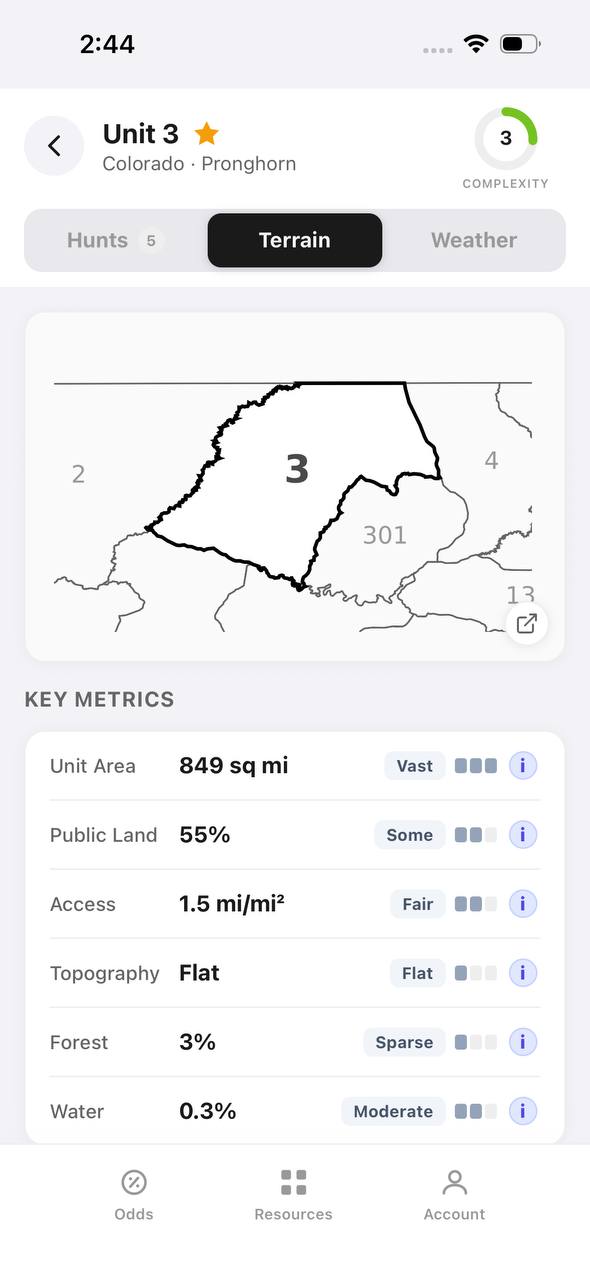
- Detailed draw odds
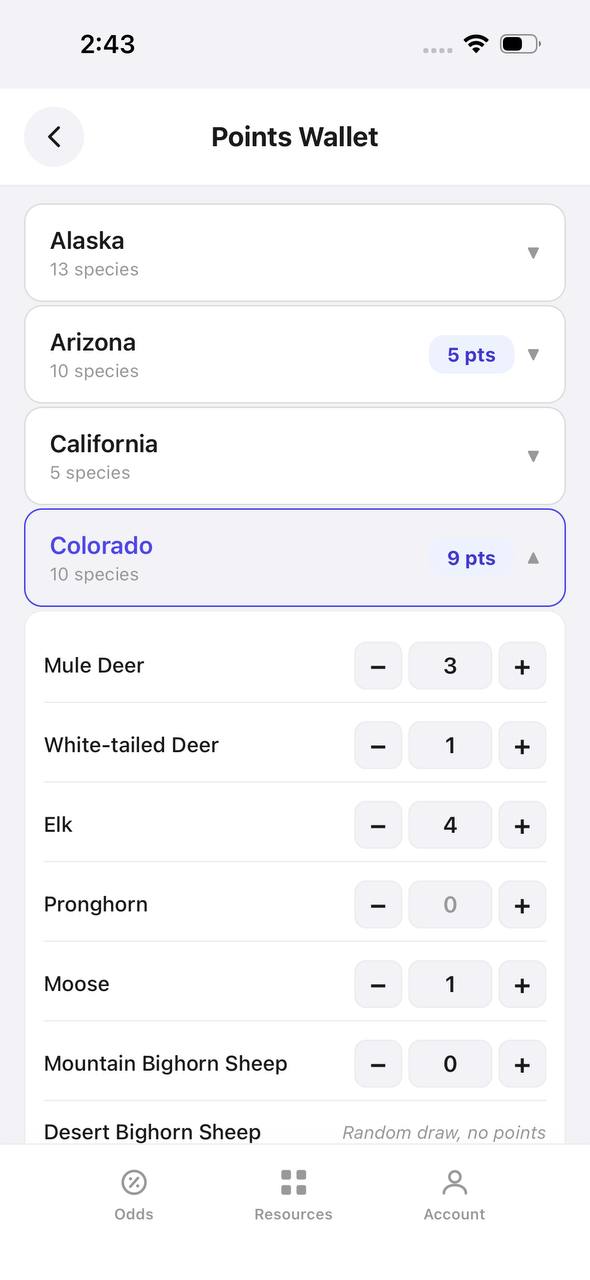
- Point tracking
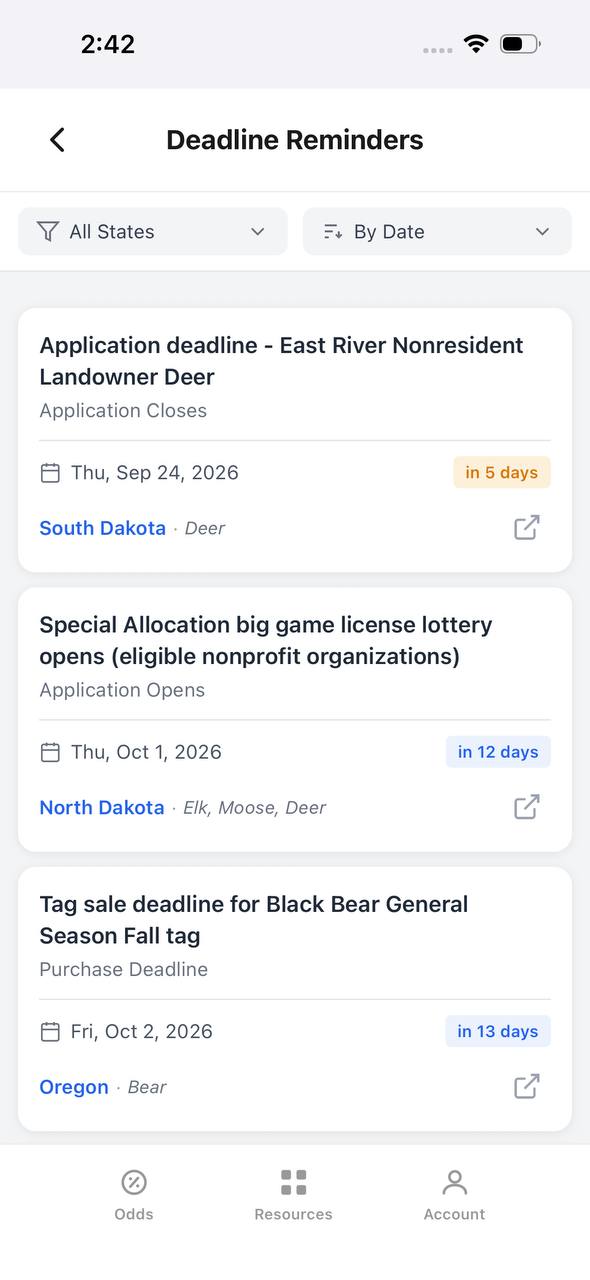
- Deadline reminders
- 18 states covered

Free to join
Download mobile app
- Detailed draw odds
- Point tracking
- Deadline reminders
- 18 states covered
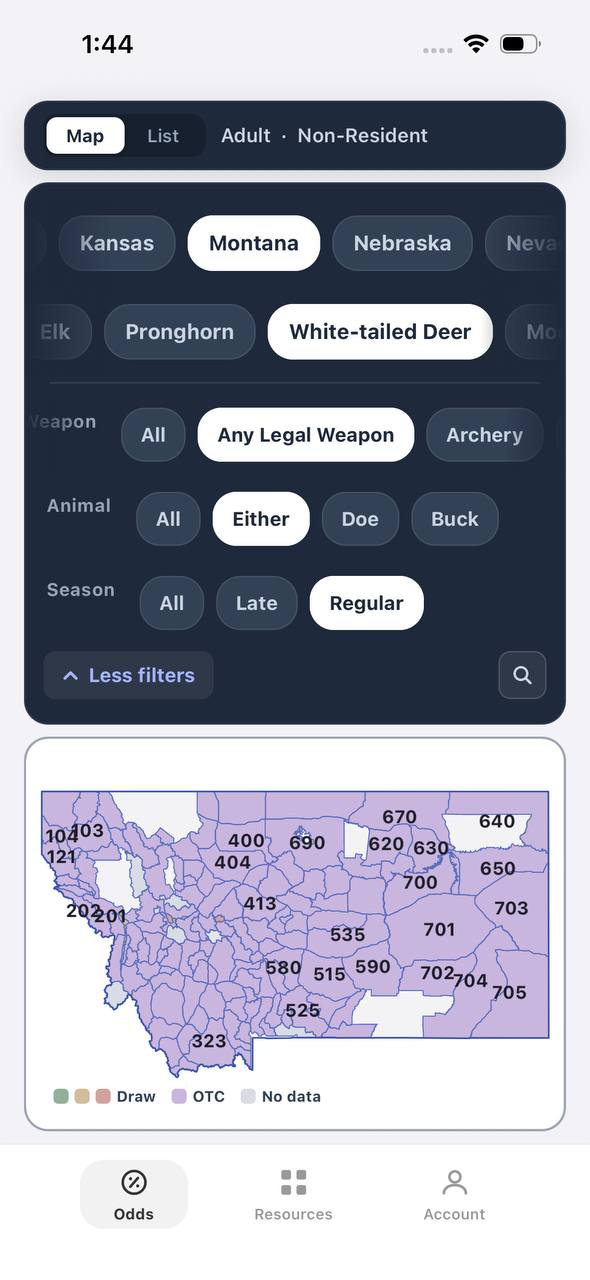
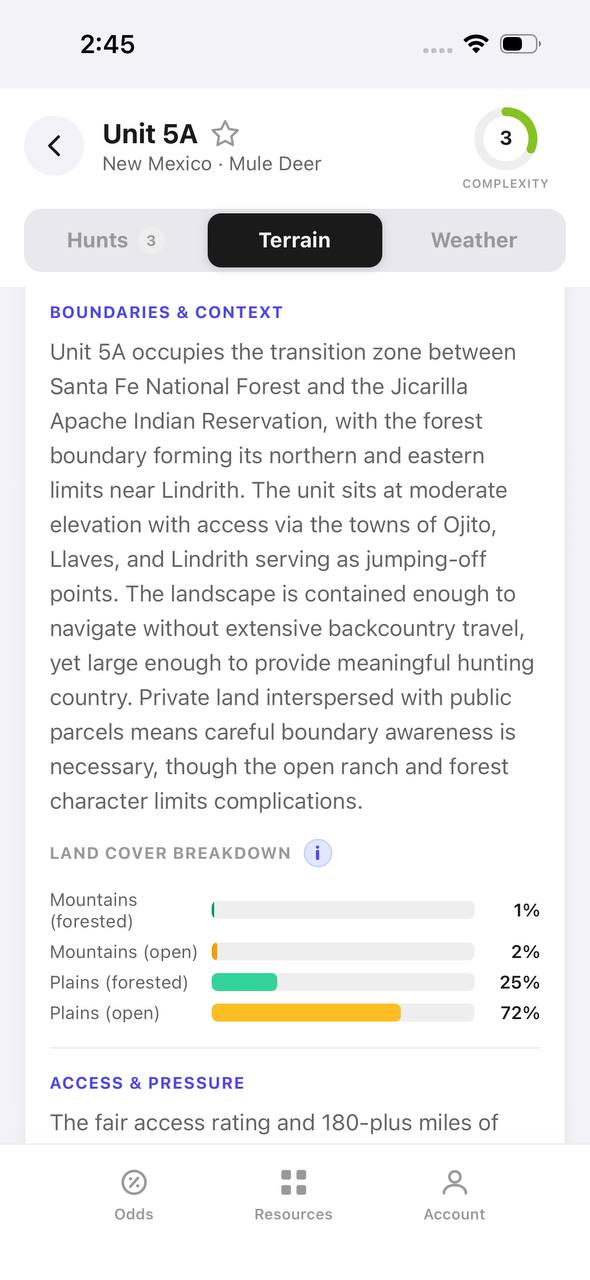
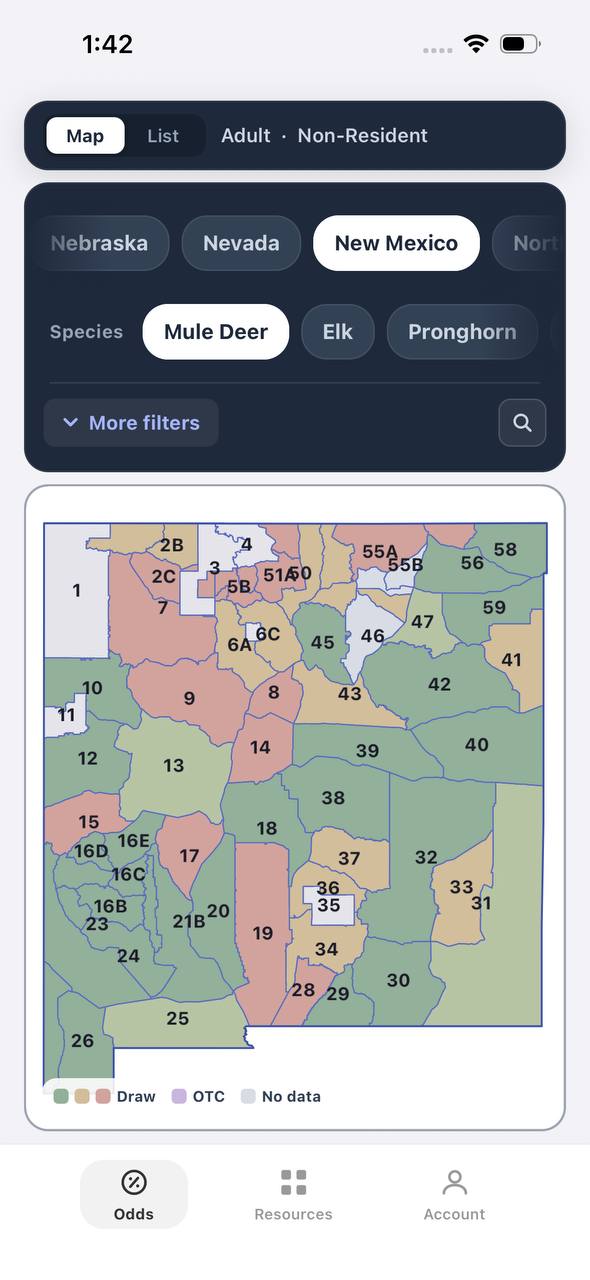
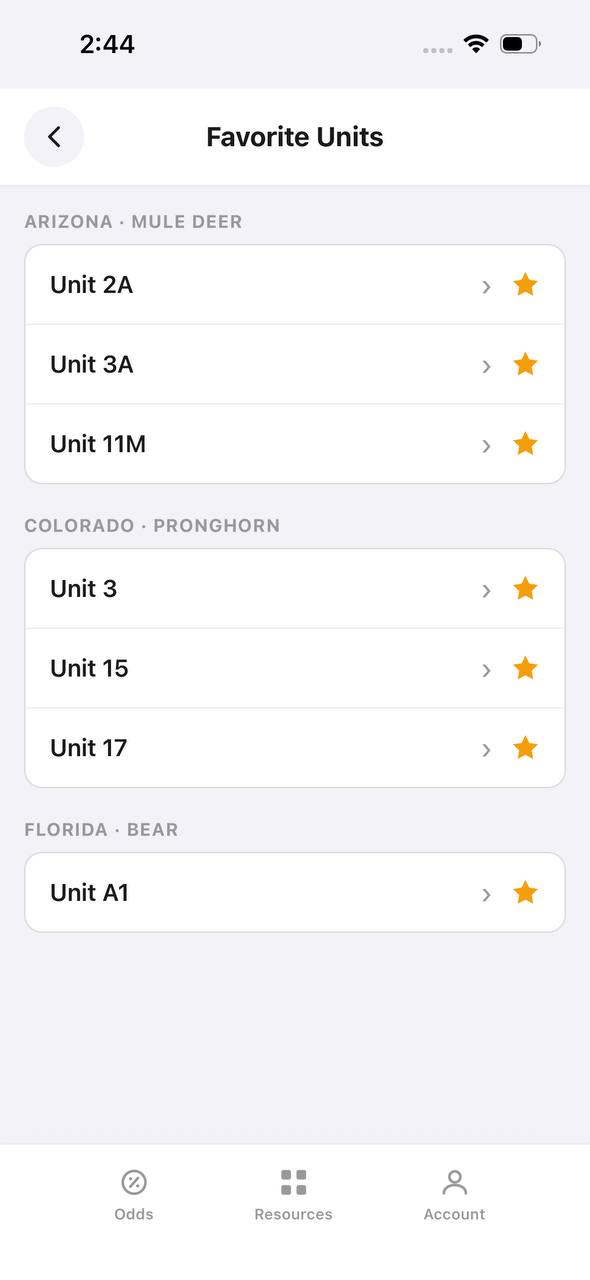
Free to join
Download mobile app
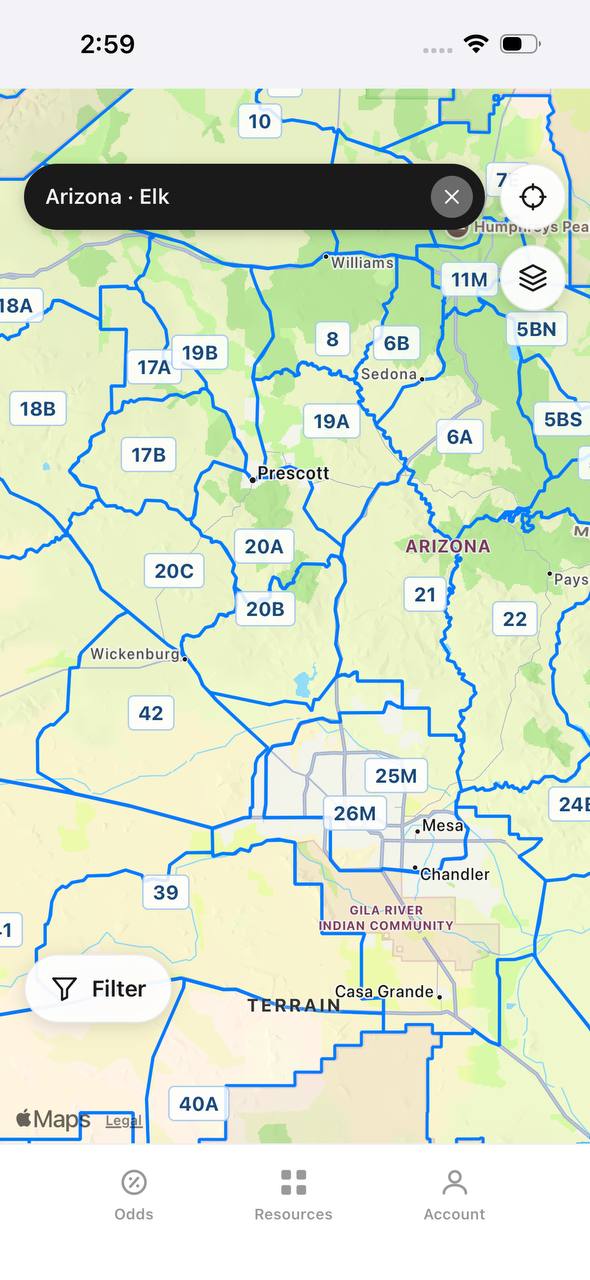
- Detailed draw odds
- Point tracking
- Deadline reminders
- 18 states covered
What Makes a DIY Sheep Hunt Realistic
Drawing a tag is only the first obstacle. Successfully hunting bighorn sheep on your own requires physical conditioning that rivals any hunt in North America. Expect to cover steep miles above 10,000 feet while carrying packs heavy enough for multi-day trips.
Scouting matters more for sheep than almost any other species. Rams use predictable summer and fall ranges, but finding them requires glassing from strategic vantage points and understanding how weather and hunting pressure move animals. Most successful DIY hunters spend multiple trips in their unit during the year or two before their hunt.
Optics are non-negotiable. Quality spotting scopes and binoculars let you locate rams from miles away, saving energy and avoiding spooking animals. Many sheep hunters glass more than they walk.
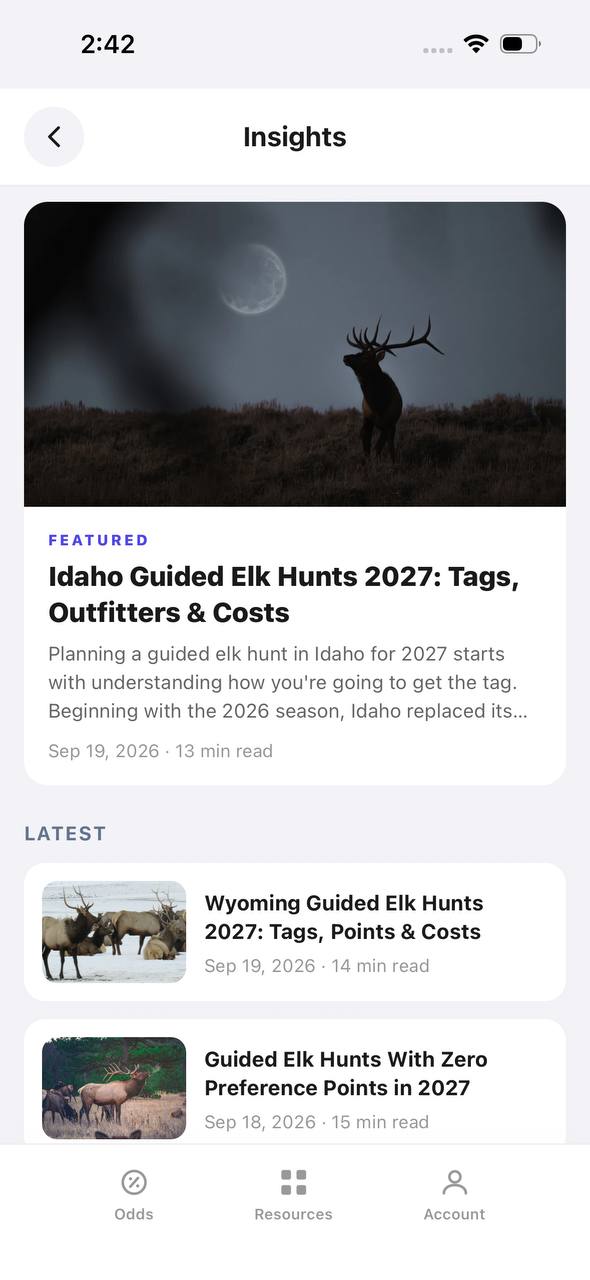
Gear failures in remote wilderness can end a hunt. Lightweight, durable equipment designed for alpine conditions is essential. Review your Backpack Hunting Gear List for Elk Hunters — Complete Guide | TAGZ Insightsbefore committing to a sheep unit.
How to Start Building Points Now
Bighorn sheep are a long-term commitment. If you are serious about hunting rams, the best time to start applying was ten years ago. The second-best time is now.
Begin by applying in Colorado, Montana, and Wyoming every year. Colorado and Wyoming charge point fees even if you do not submit a hunt application, making it easy to build points passively. Montana requires a full application but the random draw component means you always have a chance.
Consider adding Idaho and Nevada as secondary states. Neither requires points to draw, so you might get lucky early while you build points elsewhere.
Track your applications and point balances carefully. Use tools like Product Preview | TAGZ to monitor how many points top units require and when your accumulated points might put you in contention.
FAQ — Rocky Mountain Bighorn Sheep Hunting
Which state has the best odds for drawing a bighorn sheep tag?
Colorado offers the highest tag volume, which translates to slightly better odds than Wyoming or Montana. However, all sheep draws remain extremely competitive, with most hunters waiting 15 to 25 years.
Can a first-time applicant draw a sheep tag?
Yes, though it is rare. Montana's random draw pool gives new applicants a small chance every year. Colorado's weighted system also allows first-timers to draw, though the probability is low.
How physically demanding is a DIY sheep hunt?
Extremely. Expect steep terrain above 10,000 feet, multi-day backpack trips, and conditions that test even experienced mountain hunters. Cardiovascular fitness and leg strength are essential.
Is it worth hiring a guide for sheep hunting?
Guides improve success rates and reduce logistical stress, but DIY hunts are absolutely achievable with proper preparation. Most serious sheep hunters scout their unit extensively before the season.
How many years does it take to draw a sheep tag in Wyoming?
Most high-quality Wyoming units require 22 to 26 preference points. Starting today means a realistic draw sometime in the 2045 to 2050 range.
What is the biggest mistake first-time sheep applicants make?
Waiting to start. Sheep tags require decades of point accumulation in most states. Every year you delay adds another year to your wait.
Was this article helpful?
Previous
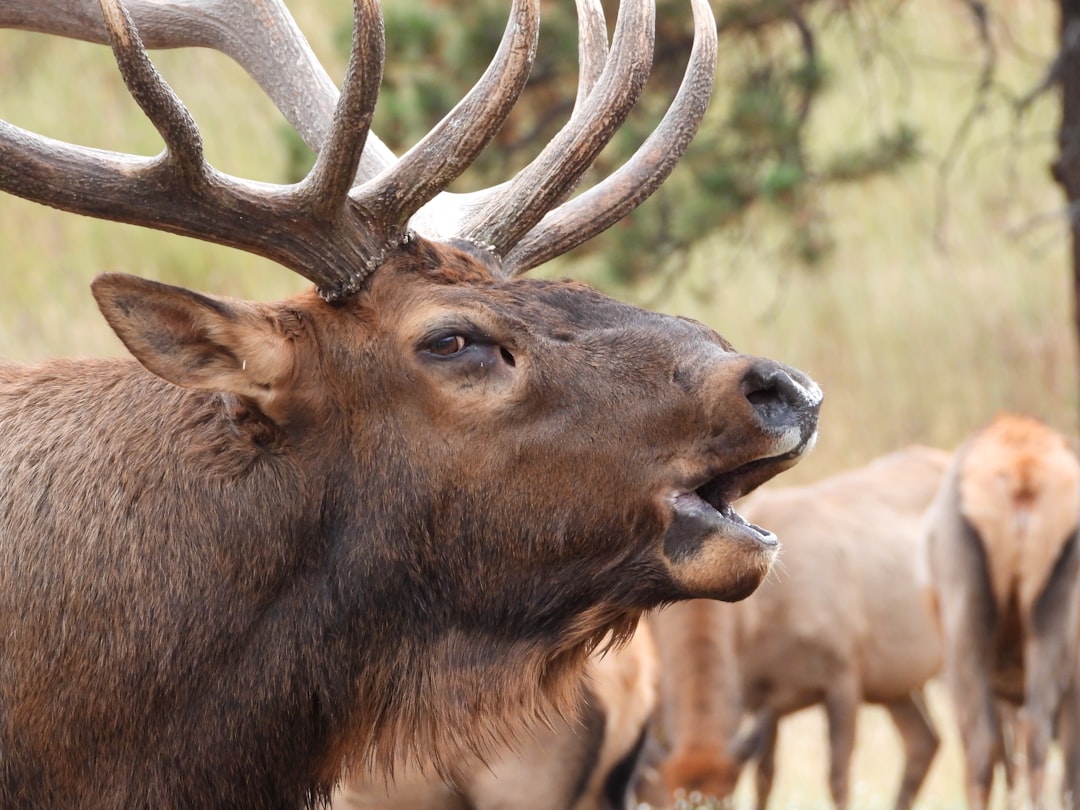
Understanding Elk Vocalizations: A Hunter's Guide to Bugling, Mews, and Barks
Elk communicate through a complex language of bugles, mews, barks, and grunts that reveal their location, mood, and intentions. Learning to interpret these vocalizations transforms your hunting strategy from guesswork into precision.
Related
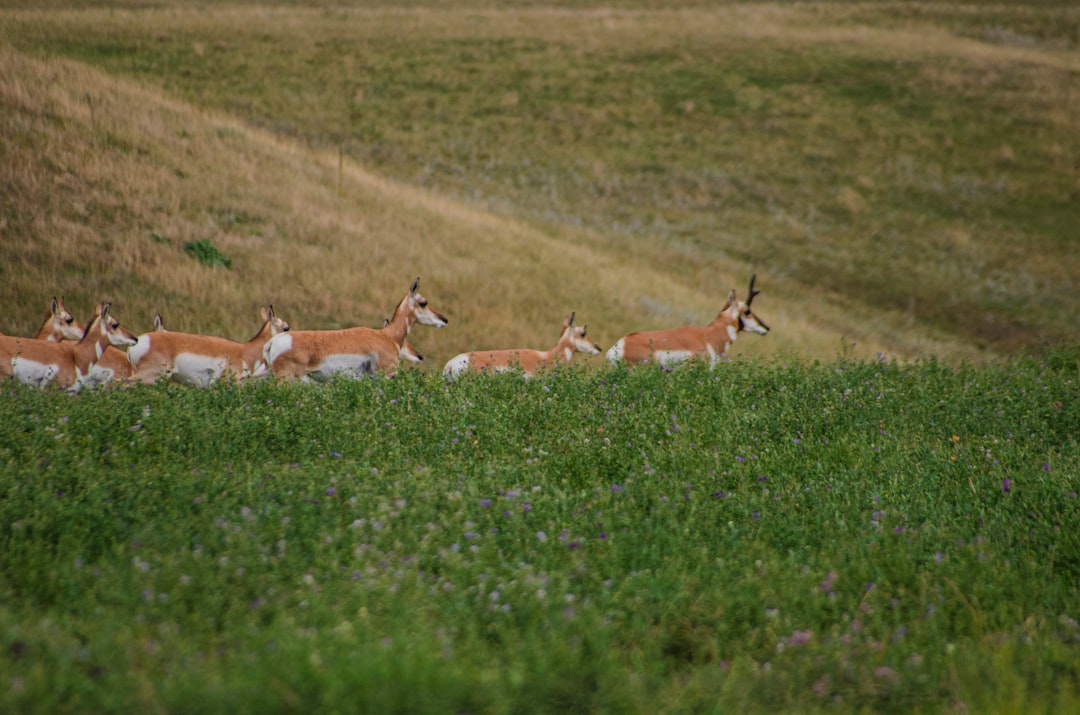
Best States for DIY Antelope Hunting: Top Public Land Pronghorn Destinations
Explore the top states for DIY antelope hunting on public land. Discover prime pronghorn habitats and tips for successful, budget-friendly hunts.
Next
Best States for DIY Black Bear Hunting in the West
A breakdown of the top Western states for DIY black bear hunting, comparing tag availability, success rates, terrain, and what it takes to fill your tag on a budget.