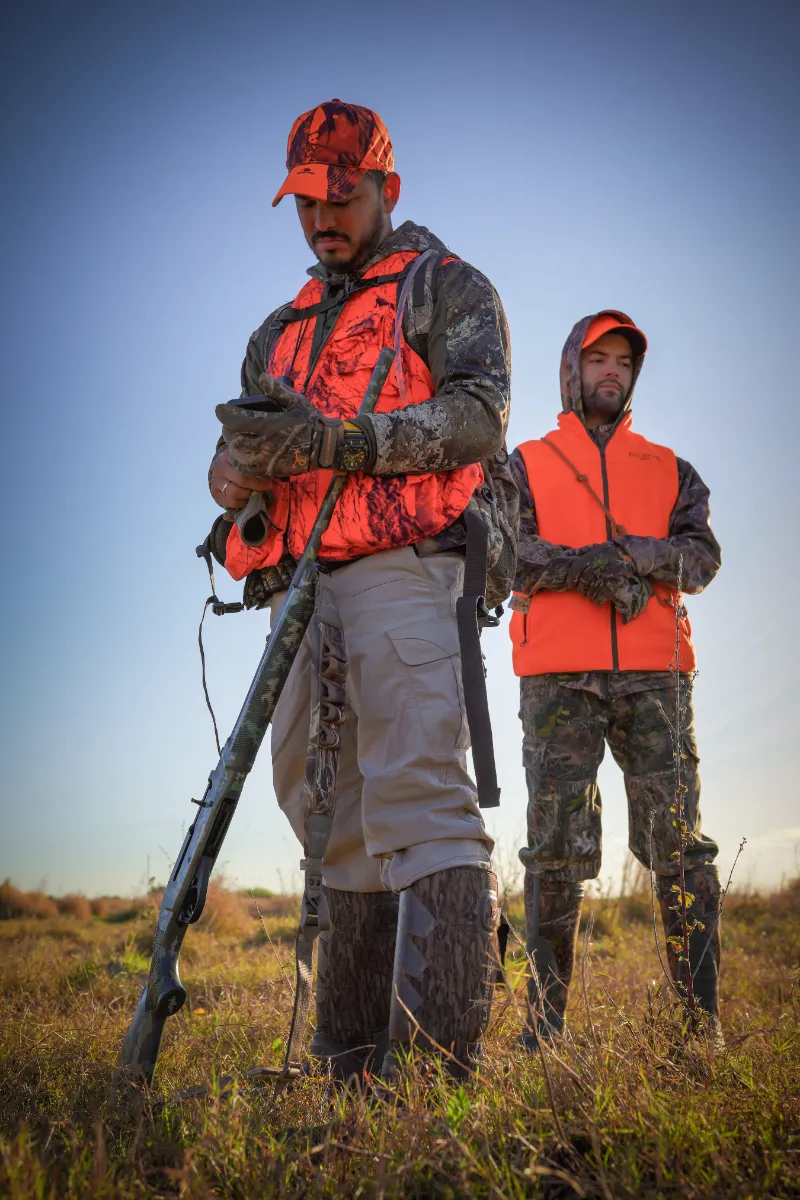
Backpack Hunting Gear List for Elk Hunters — Complete Guide
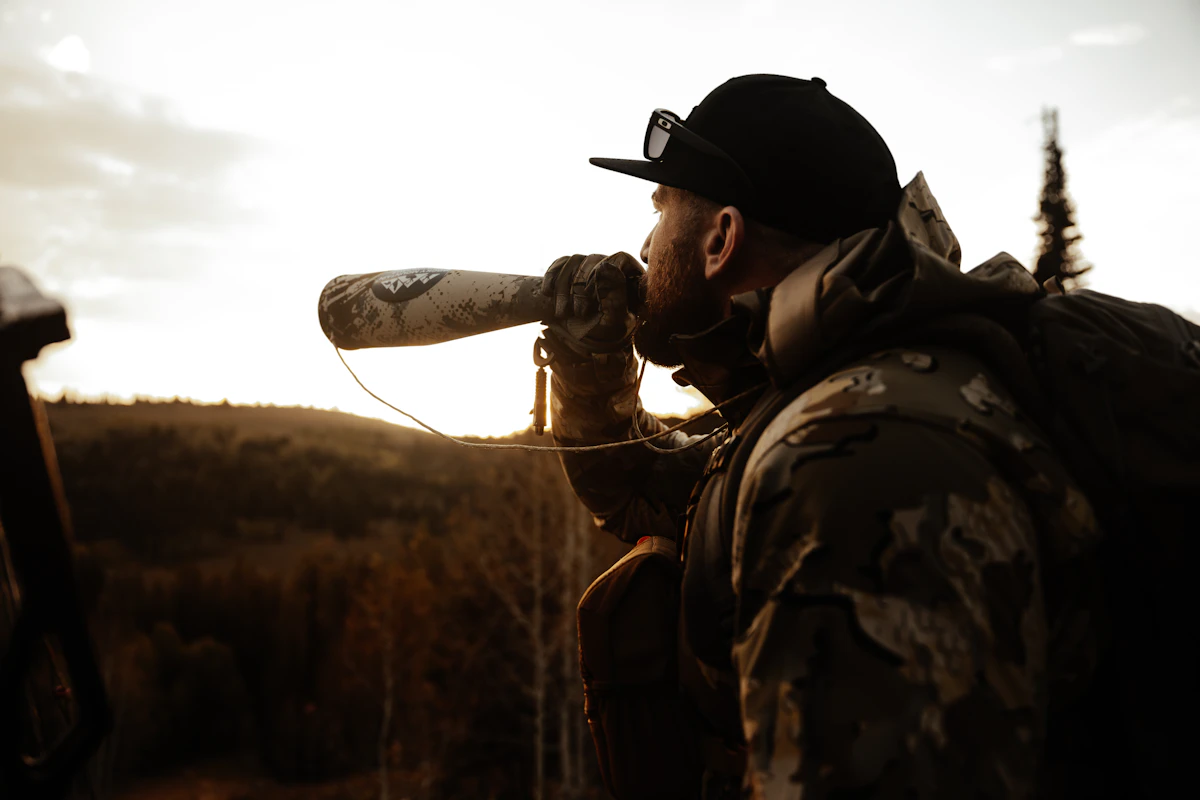
Few things ruin an elk hunt faster than poor gear. Carry too much and you suffer under a heavy pack; carry too little and you're miserable the moment conditions change. The whole challenge of backpack elk hunting is finding the balance that keeps you comfortable, safe, and effective for days at a time without hauling your entire garage into the mountains. Whether you're hunting Colorado, Idaho, Montana, Wyoming, Utah, or New Mexico, the fundamentals don't change: successful hunters prioritize mobility, reliability, and simplicity over gadgets.
Start with the pack
Your pack is the foundation of the entire system, because everything rides in it and everything depends on it. A quality pack carries comfortably, handles heavy loads, supports meat hauling, and fits your torso properly, so this is not the place to cut corners. Several brands dominate western hunting for good reason. Kifaru is known for heavy-load capability, durability, and modularity, a favorite among serious backcountry hunters. Stone Glacier was designed specifically for western hunting and is one of the most common packs in elk country thanks to its lightweight builds and excellent load hauling. Exo Mountain Gear is popular for comfort, simplicity, and meat-hauling performance, and Mystery Ranch is trusted by hunters and guides alike for its durable, comfortable suspension systems. For a deeper breakdown, see our complete pack guide.
Sleep, shelter, and layering
Your shelter should match your hunting style. A backpack tent is lightweight, quick to set up, and weather resistant, ideal for solo and early-season hunts, while a floorless shelter is lightweight, spacious, and stove compatible, a favorite among experienced western hunters. Many camps still revolve around a traditional wall tent for truck camps, extended stays, and group hunts. Sleep matters as much as shelter, since poor recovery wrecks your hunting, so match your bag to the season, roughly a 20-degree bag early, a 10-degree bag mid-season, and a 0-degree bag late, with down offering the best warmth-to-weight and synthetic performing better when wet. Don't overlook the sleeping pad either; a quality pad from Therm-a-Rest, Nemo, or Big Agnes adds insulation and comfort, and good sleep equals better hunting. Mountain weather changes fast, so layering is critical: merino wool base layers from First Lite, Kuiu, or Sitka manage moisture and odor, fleece or a light puffy adds insulation while glassing, quality rain gear is mandatory for wind, rain, and snow, and a packable puffy jacket is one item most hunters never regret carrying.
Boots, feet, water, and food
Few items affect success like footwear, because poor boots create blisters, fatigue, and misery. Crispi, Kenetrek, Schnee's, Lowa, and Hanwag are all popular, but proper fit matters more than brand, a point we cover in our western hunting boot guide. Carry extra socks, Leukotape, and moleskin, and consider custom insoles like Sheepfeet, which many hunters covering serious elevation call one of the best upgrades available for support and reduced fatigue. Hydration is just as critical: many hunters carry both bottles and a bladder, and you should never rely on untreated water, so pack a reliable filter such as a Sawyer Squeeze, Katadyn BeFree, or Platypus gravity system. For food, focus on calories, simplicity, and weight with freeze-dried meals, protein bars, trail mix, peanut butter, and tortillas, and remember that most hunters underestimate how many calories mountain hunting burns.
Optics, navigation, and the kill kit
Every western hunter should carry quality optics, with 10x42 binoculars as the minimum and a spotting scope and tripod depending on the hunt, which we detail in our optics and glassing guide. Because electronics fail, carry navigation tools such as a Garmin GPS, a compass, and physical maps. Every pack should also hold emergency gear that's rarely used until it's suddenly needed: a headlamp with extra batteries, fire starter, an emergency shelter, and a first aid kit. Your kill kit should include a replaceable-blade knife, a sharpener, game bags, gloves, and flagging tape, since a good kill kit saves both time and meat. Trekking poles round out the system as one of the most underrated tools in western hunting, reducing fatigue and improving stability on brutal pack-outs.
Weapon gear, the pack-out, and building over time
Archery hunters should carry a release plus a backup, broadheads, a rangefinder, and Allen wrenches, while rifle hunters want extra ammunition, ballistic data, a rangefinder, and a lens cloth, because preparation prevents problems. Remember that the real work begins after the shot: a mature bull can produce hundreds of pounds of meat, so plan for multiple trips, game bags, and cooling. The most common mistakes are carrying too much gear, ignoring footwear, bringing unnecessary gadgets, skipping physical preparation, and overpacking clothing, and the lighter you travel, the farther you can hunt. You don't need to buy everything at once, so start with good boots, a quality pack, and reliable optics, then upgrade gradually as experience teaches you what matters most. Most backpack hunters end up with packs between 4,500 and 7,000 cubic inches and aim for a 35 to 50 pound setup before meat. The best gear won't help if you're hunting the wrong area, which is where TAGZ comes in, helping you research units, analyze draw odds, and build hunt plans before you ever hit the trail.
Was this article helpful?
Previous
How Road Systems Shape Elk Pressure: What Western Hunters Need to Know
Get the real story on how road access impacts elk pressure, hunter behavior, and your success out West. Plus, practical tips for planning smarter.
Next
DIY Elk Hunt Planning: A Real-World Guide for Western Hunters
A veteran hunter’s real talk on planning a DIY western elk hunt, from picking a unit to dealing with pressure and scouting smarter.