If you want to chase black bears on public land without hiring an outfitter, the West offers more opportunity than anywhere else in North America. But not all states are created equal. Tag availability, season structure, hunting methods, and terrain vary wildly — and picking the right state can mean the difference between a freezer full of bear meat and a frustrating week of hiking empty ridges.
Here's a practical breakdown of the best Western states for DIY black bear hunting, based on tag access, success rates, and what you'll actually encounter in the field.
Idaho: The Gold Standard for DIY Bear Hunters
Idaho consistently ranks as the top destination for DIY black bear hunting, and for good reason. The state sells over-the-counter spring and fall tags to residents and nonresidents alike, with no draw required. That alone puts Idaho ahead of most Western states.
Bear densities are high across much of the state, particularly in the Clearwater, Salmon, and Panhandle regions. Spring seasons run from April through June in most units, coinciding with bears emerging from dens and feeding on south-facing slopes. Fall hunters can chase bears from August through November, often combining a bear tag with an elk or deer hunt.
Idaho also allows the use of hounds and bait in certain units, which significantly increases success rates for hunters willing to invest the time. Spot-and-stalk hunting is productive too, especially during spring when bears are visible on open hillsides. Nonresident tags run around $200 — a bargain compared to guided hunts elsewhere.
For a deeper look at Idaho's tag structure, see our guide to Product Preview | TAGZ
Colorado: High Volume, Accessible Tags
Colorado offers another strong option for DIY bear hunters. The state has one of the largest black bear populations in the Lower 48, estimated at 17,000–20,000 animals. Most bear licenses are available over the counter during the fall archery and rifle seasons, though some limited units require a draw.
The catch? Colorado prohibits the use of bait and hounds for bear hunting. That means spot-and-stalk is your only option, which demands more glassing time and patience. Success rates hover around 15–20% for archery hunters and slightly higher for rifle hunters, depending on the unit.
The best DIY opportunities are in the oak brush country of the Western Slope, where bears congregate on acorns in September and October. Units around Gunnison, the Grand Mesa, and the San Juans all hold solid bear numbers. Colorado's unlimited OTC tags make it easy to build a hunt around your schedule.
If you're planning a Colorado hunt, our article on How Colorado Preference Points Work — Complete Draw Guide | TAGZ Insights of
Arizona: Quality Over Quantity
Arizona isn't the first state most hunters think of for black bears, but it should be on your radar. Bear populations are smaller than Idaho or Colorado, but the state offers a genuine chance at a color-phase bear — cinnamon, blonde, and chocolate-phase bears are common in Arizona's sky island mountain ranges.
Most Arizona bear tags are allocated through the draw, with leftover tags sometimes available OTC. Spring and fall seasons are both productive, though the fall hunt coincides with acorn and juniper berry crops that concentrate bears in predictable feeding areas. The Kaibab Plateau, White Mountains, and Mogollon Rim are the primary bear zones.
Arizona prohibits bait and hounds, so spot-and-stalk is the only legal method. Nonresident tags are relatively affordable, and hunter pressure is lower than in states with OTC tags. If you're willing to invest in the draw system, Arizona offers a legitimate DIY trophy bear opportunity.
Montana: Underrated and Uncrowded
Montana flies under the radar for bear hunting, but it's a solid DIY option. Black bear tags are available OTC for both residents and nonresidents, and the state has healthy bear populations in the western mountains, particularly in the Cabinet-Yaak, Mission Mountains, and the Rocky Mountain Front.
Spring and fall seasons are both open, with spring offering the best spot-and-stalk opportunities on avalanche chutes and burned-over slopes. Montana allows the use of bait in specific regions, which can boost success rates if you're willing to put in the pre-season work. Hound hunting is also legal in certain areas.
Hunter pressure is generally lower than Idaho, and public land access is excellent. Nonresident bear tags are affordable, making Montana a smart choice for hunters who want to combine a bear hunt with other species.
For more on Montana's license structure, check out our breakdown of How Montana's Preference & Bonus Point Systems Work | Complete Draw Guide | TAGZ Insights
Free to join
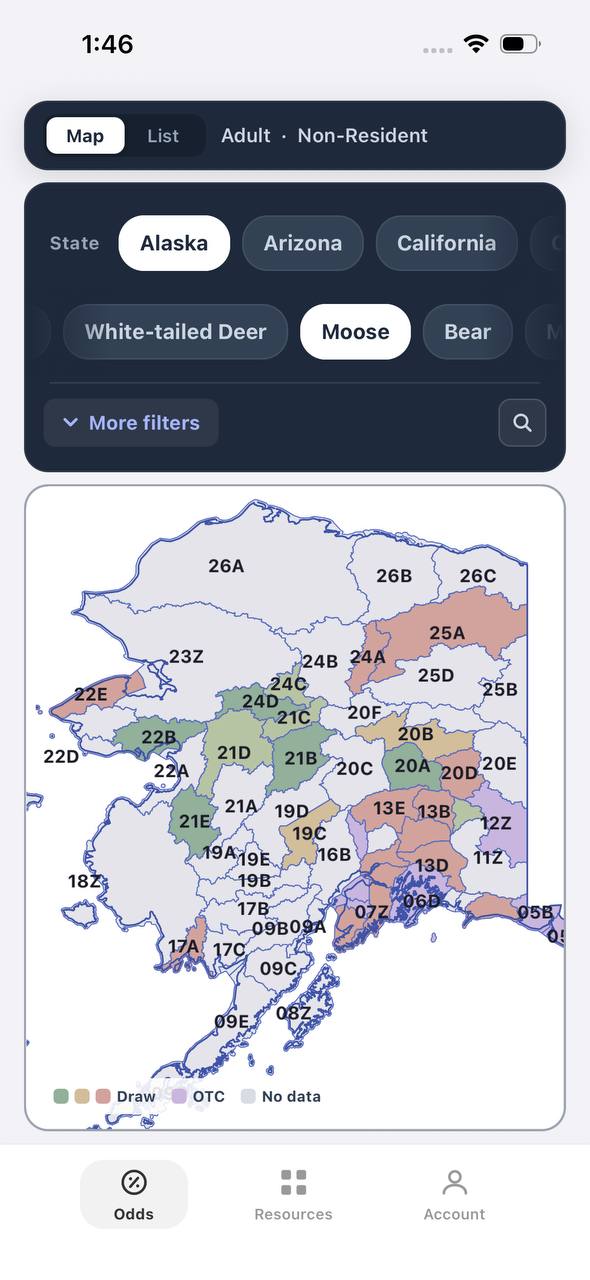
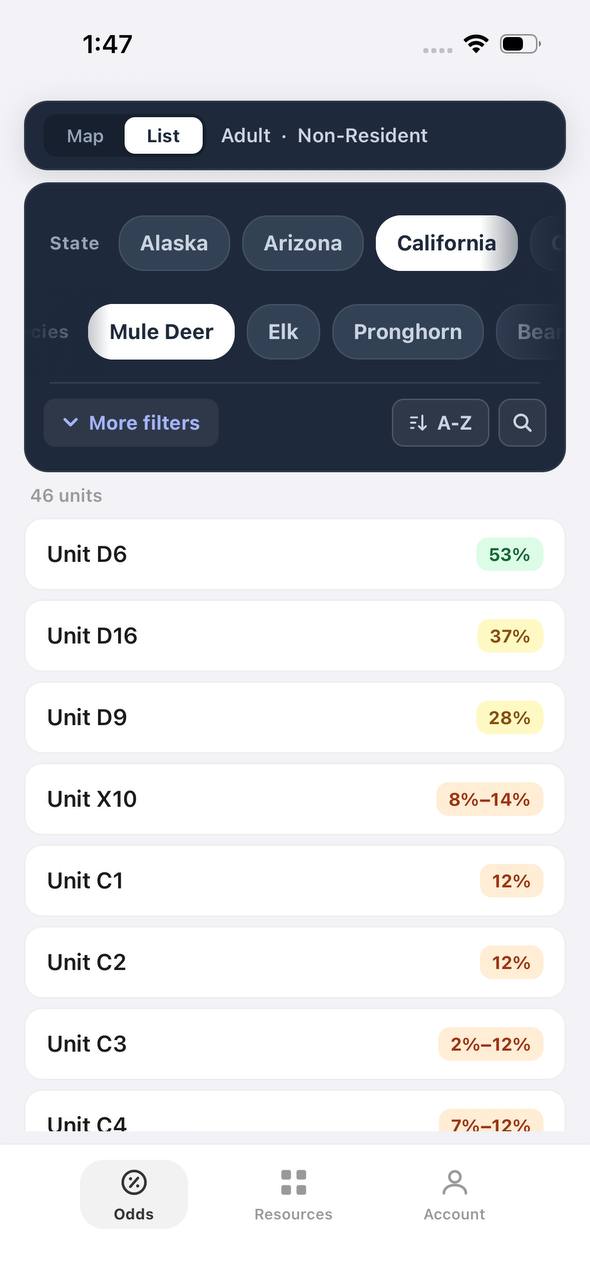
Download mobile app
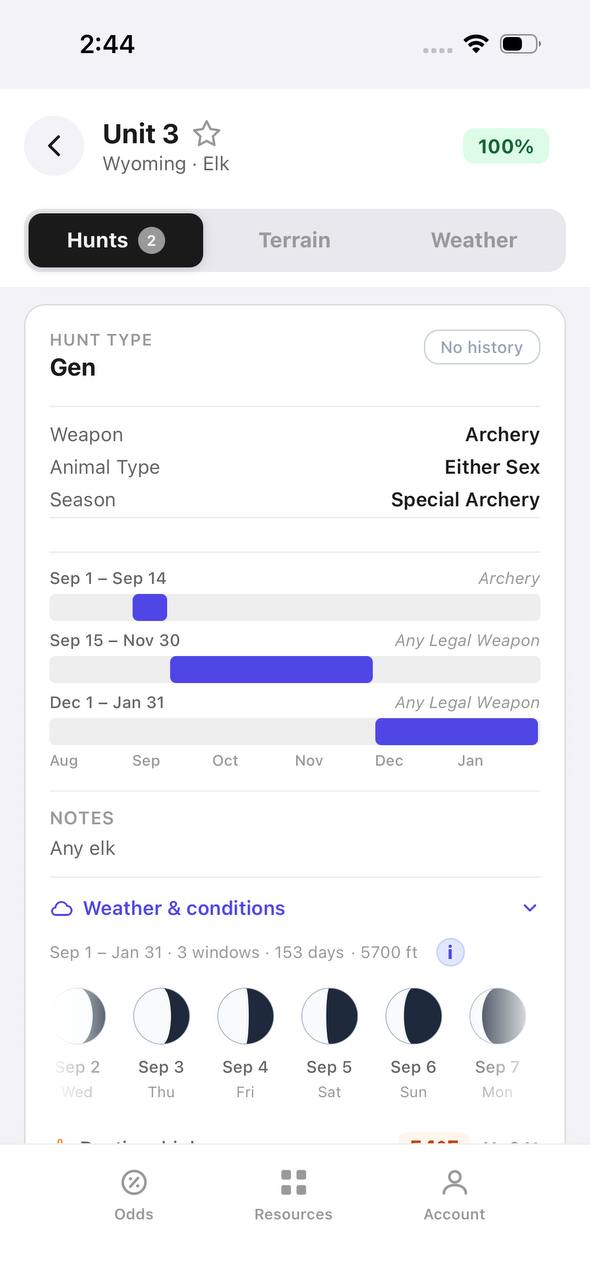
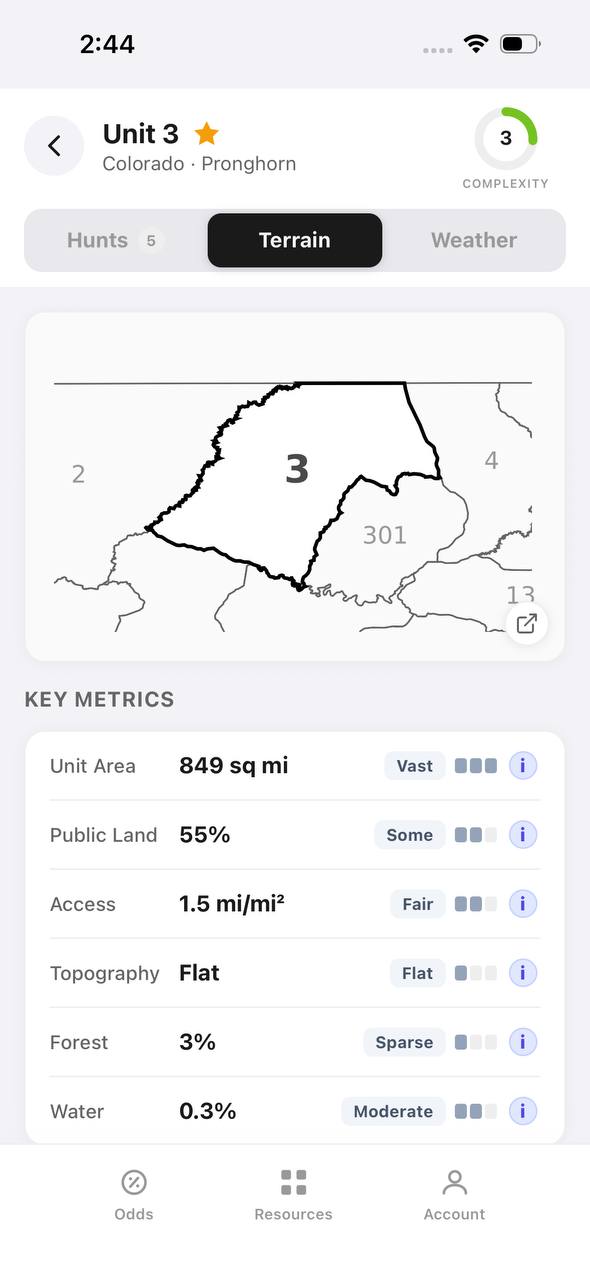
- Detailed draw odds
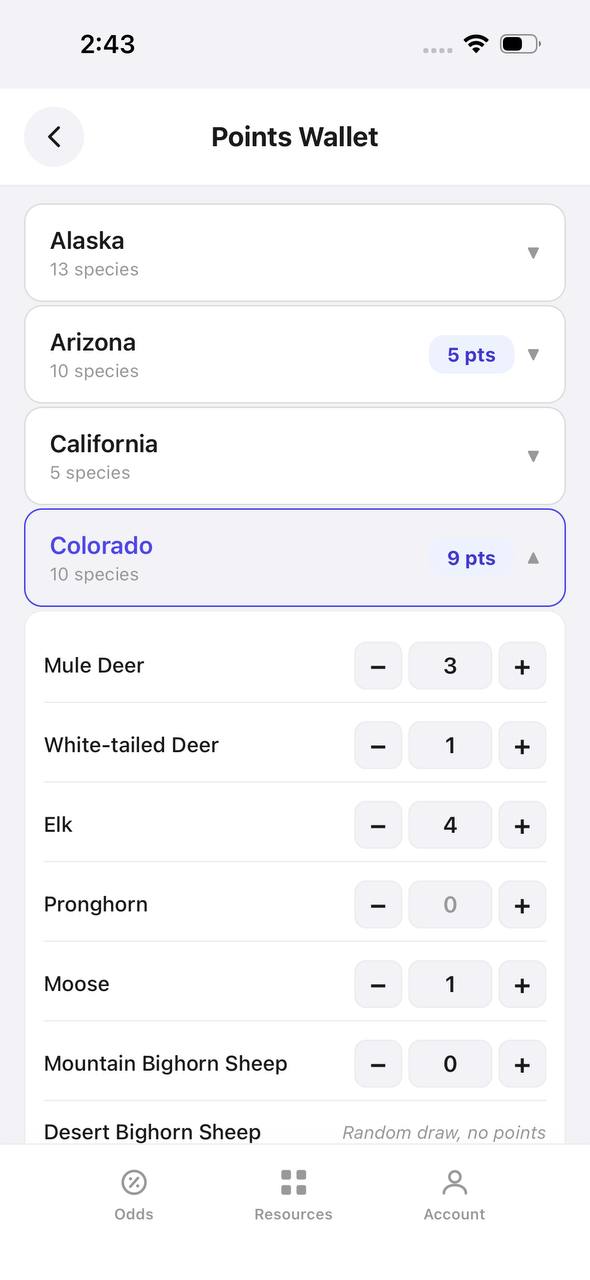
- Point tracking
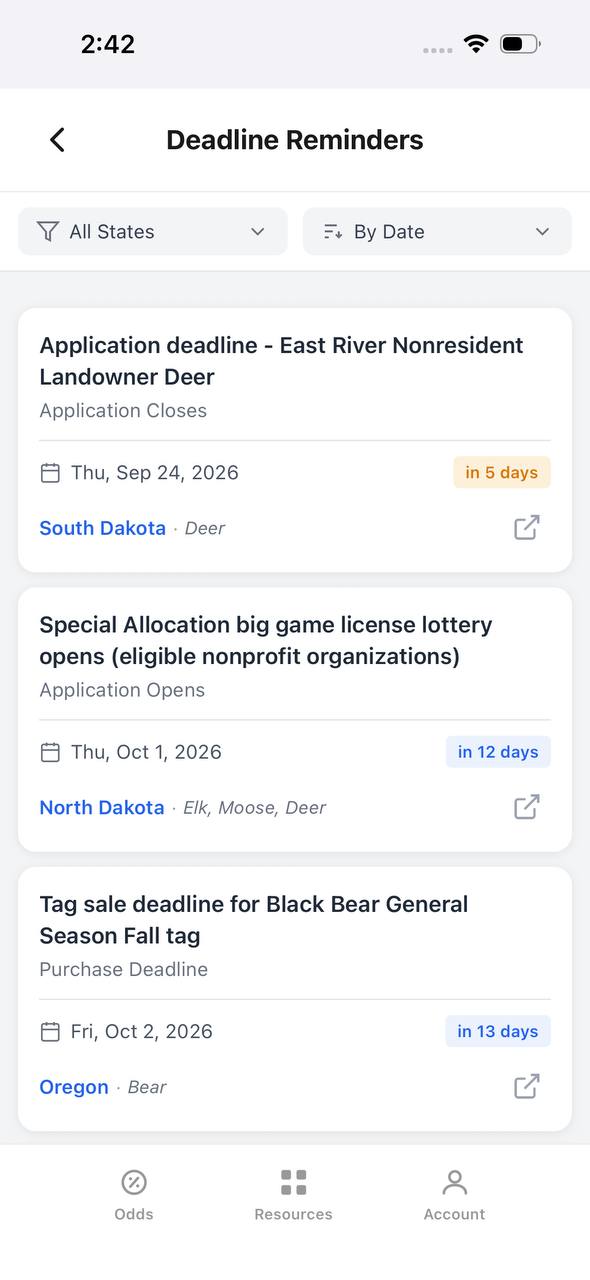
- Deadline reminders
- 18 states covered

Free to join
Download mobile app
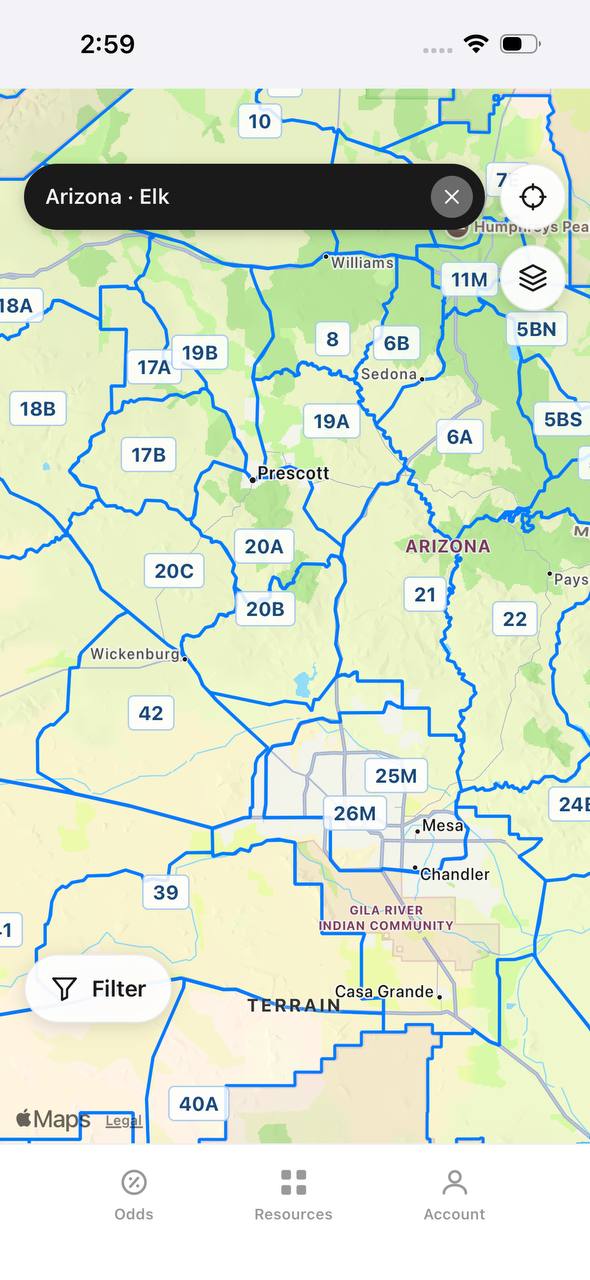
- Detailed draw odds
- Point tracking
- Deadline reminders
- 18 states covered
Free to join
Download mobile app
- Detailed draw odds
- Point tracking
- Deadline reminders
- 18 states covered
Oregon and Washington: Solid Options with More Restrictions
Both Oregon and Washington have huntable black bear populations and offer OTC tags, but regulations are more restrictive. Oregon banned the use of hounds in 1994 and bait in 1995, limiting hunters to spot-and-stalk methods. Washington has similar restrictions in most units.
That said, both states have good bear numbers in the Cascade Range and northeastern corners. Oregon's Coast Range is particularly productive, with high bear densities and thick vegetation that makes spring hunting on clear-cuts effective. Washington's Okanogan region and Blue Mountains also hold bears.
Success rates are lower than in states that allow bait or hounds, but dedicated spot-and-stalk hunters can fill tags with proper scouting. Both states are worth considering if you live in the Pacific Northwest or want to combine a bear hunt with other species.
What to Consider When Choosing a State
Beyond tag availability, several factors should influence your decision:
Hunting method: If you want to use bait or hounds, Idaho and Montana are your best bets. If you prefer spot-and-stalk, Colorado, Arizona, and Oregon are strong choices.
Season timing: Spring hunts offer the best visibility for glassing bears on open slopes. Fall hunts coincide with berry and acorn crops, which concentrate bears but can make them harder to spot in thick cover.
Tag cost: Nonresident bear tags range from $150 to $400 depending on the state. Idaho and Montana are among the most affordable.
Combination hunts: Many Western states allow you to tag a bear during a deer or elk hunt. This adds value to your trip and increases your time in bear country.
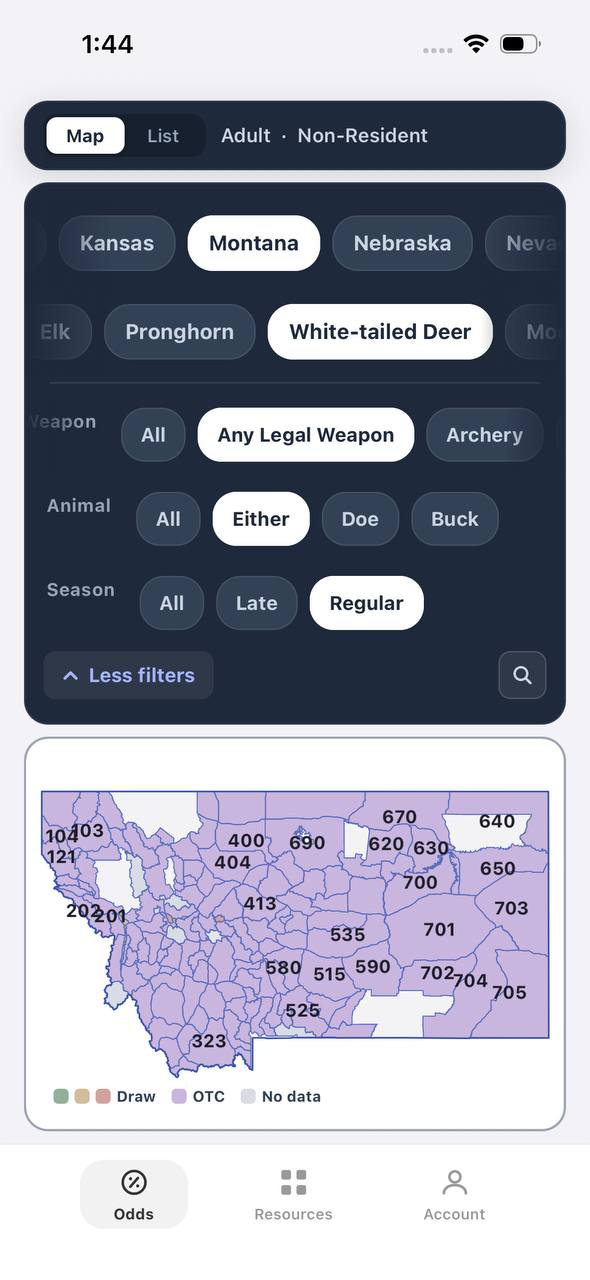
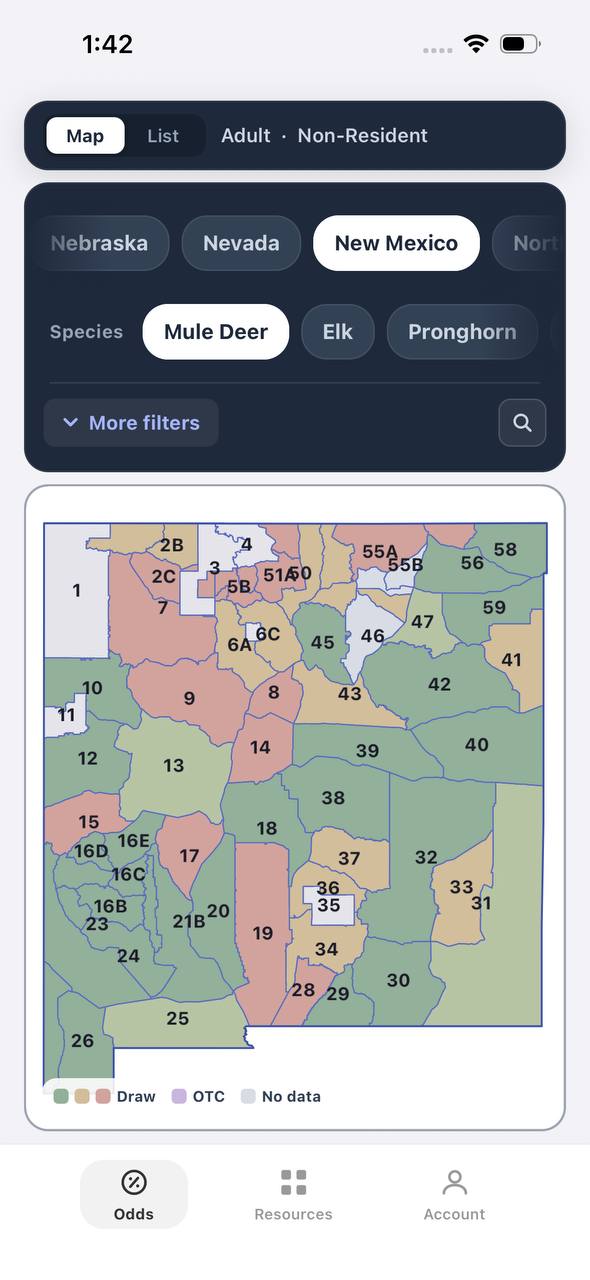
For help comparing draw odds and tag availability across states, use the Product Preview | TAGZ to plan your application strategy.
FAQ — DIY Black Bear Hunting in the West
Which Western state has the easiest bear tags to get?
Idaho and Colorado both offer over-the-counter bear tags with no draw required, making them the most accessible options for nonresidents.
Can I hunt black bears without using bait or hounds?
Yes. Spot-and-stalk hunting is legal in every Western state and is the only option in Colorado, Arizona, Oregon, and Washington. Spring seasons are ideal for glassing bears on open slopes.
What's the average success rate for DIY bear hunters?
It varies by state and method. Hunters using bait or hounds in Idaho often see success rates above 50%. Spot-and-stalk hunters in Colorado or Arizona typically see 15–25% success.
Is spring or fall better for DIY bear hunting?
Spring offers better visibility since bears feed on open south-facing slopes after emerging from dens. Fall hunts can be productive but require knowledge of food sources like berry patches and oak brush.
How much does a nonresident black bear tag cost?
Prices range from about $150 in Montana to $400+ in some states. Idaho and Colorado fall in the middle, typically around $200–250.
Can I combine a bear hunt with a deer or elk hunt?
Absolutely. Most Western states allow you to carry a bear tag during other big-game seasons, making it easy to add opportunity without a separate trip.
Was this article helpful?
Previous
Best States for Hunting Roosevelt Elk: Where to Chase the Biggest Bulls
Roosevelt elk offer the largest-bodied bulls in North America, but hunting them means navigating limited tags, thick rainforest terrain, and highly competitive draws. Here's a state-by-state breakdown of where to apply and what it takes to punch a Roosevelt tag.
Related
Understanding Elk Vocalizations: A Hunter's Guide to Bugling, Mews, and Barks
Elk communicate through a complex language of bugles, mews, barks, and grunts that reveal their location, mood, and intentions. Learning to interpret these vocalizations transforms your hunting strategy from guesswork into precision.
Next
Calling Elk in Open Country: Proven Strategies for Wide-Open Terrain
Calling elk in open country demands different tactics than timber hunting. Learn how to use terrain, wind, and strategic positioning to bring bulls into range when timber and cover are scarce.