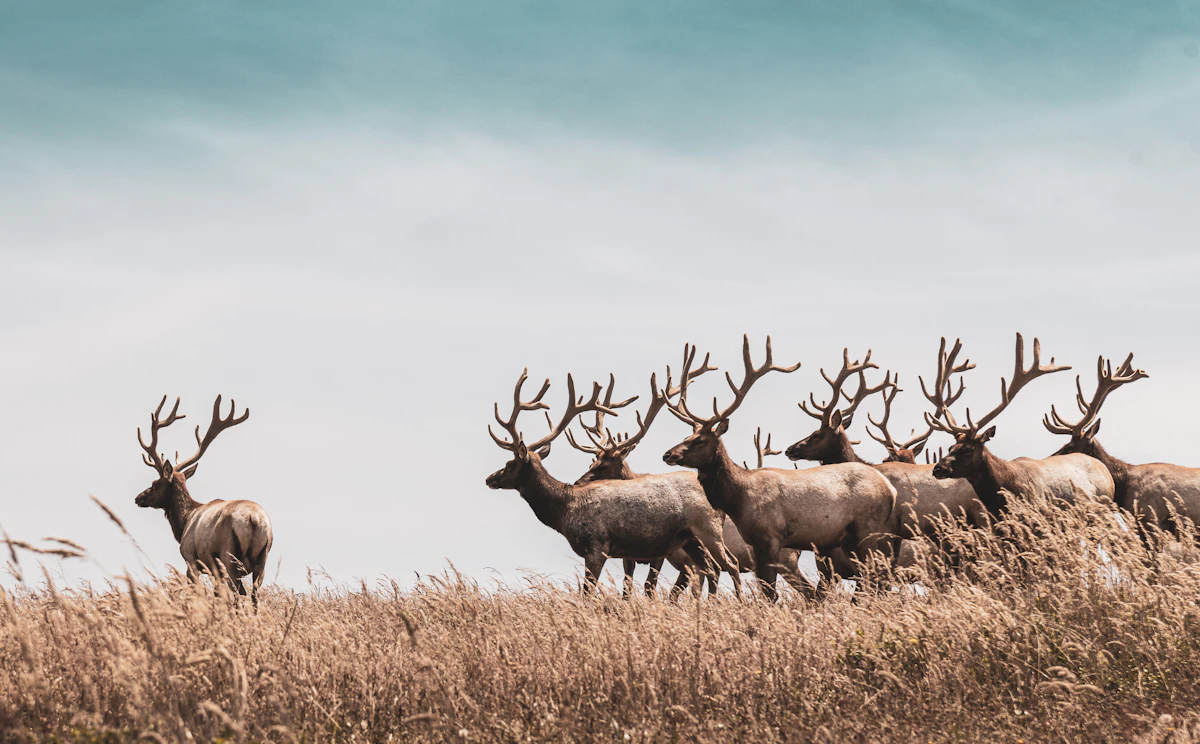
Backcountry Elk Hunting in Idaho 2027: Essential Strategies and Updates
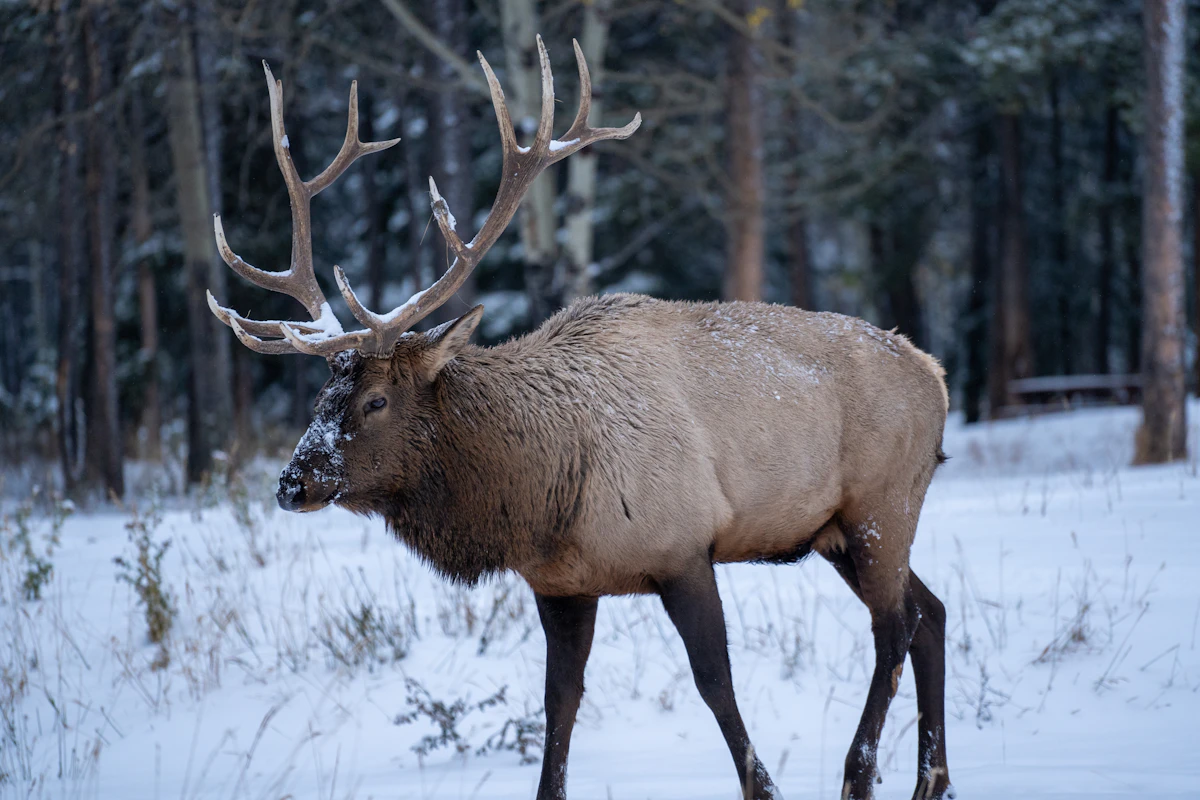
Idaho Backcountry Elk Hunting 2027: Planning a Remote DIY Hunt
Idaho remains one of the West's most interesting destinations for hunters looking for a remote, physically demanding elk hunt.
From heavily timbered mountains to steep river canyons and large stretches of public land, Idaho offers plenty of country where hunters can get away from easy road access. But "backcountry" isn't a specific Idaho tag type or official category of elk hunt.
Your actual opportunity depends on the elk zone, unit, tag, season, weapon restrictions, access, and current Idaho regulations.
For hunters planning an Idaho backcountry elk hunt in 2027, the first step is choosing the right legal hunting opportunity. The second is determining whether the terrain and access actually match the kind of hunt you're prepared to undertake.
Understanding Idaho Elk Hunting in 2027
Idaho offers both general-season and controlled elk hunts.
For nonresidents, the process for obtaining a general-season elk tag changed beginning with the 2026 season.
Idaho now distributes nonresident general-season deer and elk tags through an application and random drawing process rather than the old first-come tag sale.
For the 2027 season, Idaho Fish and Game lists two nonresident general-tag application periods:
First application period: December 5–15, 2026
Second application period: February 5–15, 2027
The second application period is for remaining nonresident tags after the first drawing and claim period.
Hunters must have a hunting license valid for big game to apply.
Use Idaho Game Units | TAGZ to begin researching Idaho hunting opportunities, and use Idaho Fish and Game's Nonresident Deer and Elk Tag Information for the official 2027 application process.
Idaho Controlled Elk Hunts
Idaho also offers controlled elk hunts with a limited number of permits.
These are separate from the new nonresident general-tag drawing.
For deer, elk, and pronghorn, Idaho's primary controlled-hunt application period is generally May 1 through June 5. Hunters should verify the 2027 dates before applying.
Most importantly:
Idaho does not use preference points for controlled elk hunts.
You don't accumulate elk points every year you fail to draw, and there is no minimum point requirement for Idaho's high-demand elk hunts.
Idaho's controlled-hunt process uses a random drawing rather than a traditional preference-point system.
Use Idaho Controlled Hunt Information to verify current controlled-hunt requirements and deadlines.
There Are No Official "Backcountry Elk Units"
Idaho doesn't classify certain elk units as official "backcountry units."
Instead, hunters should evaluate the terrain and access within the actual hunt area.
Some Idaho elk country can involve:
Large roadless areas
Federally designated wilderness
Steep river canyons
Dense timber
Long distances from vehicle access
Limited trail systems
Horse or foot access
Difficult pack-outs
But the presence of rugged terrain doesn't automatically make an entire unit remote.
Some units contain a mixture of roads, private land, trails, developed access, and remote country.
Research the specific hunt and the specific part of the unit you intend to hunt.
Don't Confuse Unit Numbers With Wilderness Areas
This is particularly important when researching Idaho online.
For example, Unit 54 is not the Frank Church-River of No Return Wilderness.
Idaho Fish and Game identifies Unit 54 as part of the South Hills Elk Zone in the Magic Valley Region, covering portions of Cassia and Twin Falls counties near the Nevada border.
Likewise, avoid assuming that a unit number automatically corresponds to the Selway-Bitterroot Wilderness, Frank Church-River of No Return Wilderness, Salmon River country, or another named geographic area.
Use actual unit boundaries and official land-management maps.
Choosing an Idaho Backcountry Elk Hunt
There isn't one universally "best" Idaho backcountry elk unit.
Instead, start by asking what kind of hunt you're prepared to do.
Consider:
General or controlled hunt
Archery, muzzleloader, or any-weapon opportunity
Season dates
Elk zone
Hunt number
Public-land availability
Legal access
Wilderness
Road density
Motorized restrictions
Terrain
Elevation
Pack-out difficulty
Historical harvest information
Historical draw information
Your physical condition
Number of hunting days available
You can begin comparing Idaho opportunities with Idaho Game Units | TAGZ and then verify individual hunts through the official Idaho Hunt Planner.
General Tags Can Still Produce Backcountry Hunts
Don't assume you need a highly competitive controlled tag to experience a remote Idaho elk hunt.
Depending on the elk zone and season, general hunting opportunities can include large areas of rugged public land.
For example, Idaho's general elk structure includes different A-Tag and B-Tag seasons within individual elk zones, with weapon types and dates varying considerably between zones and sometimes between units within the same zone.
That means the right question isn't:
"What's the best backcountry unit?"
A better question is:
"Which legal elk opportunity gives me the terrain, access, season, and hunting style I'm looking for?"
Research the Specific Hunt, Not Just the Unit
This is especially important with controlled hunts.
Idaho Fish and Game assigns controlled hunts individual hunt numbers.
Different hunts can overlap the same general area while having different:
Dates
Weapon restrictions
Permit numbers
Species or sex restrictions
Boundaries
Historical draw results
Idaho Fish and Game specifically instructs controlled-hunt applicants to use the complete hunt number rather than simply entering a unit number.
When researching Idaho, compare the actual hunt you're considering—not just the GMU.
Use Historical Draw and Harvest Data Correctly
Historical information can help you compare Idaho elk opportunities.
The Idaho Hunt Planner provides hunt-specific information that can include:
Applicant numbers
Permits
Drawing results
Harvest statistics
Hunt restrictions
Access information
Season information
But historical data should be treated as context.
Last year's drawing results don't guarantee next year's odds.
Likewise, historical harvest statistics don't guarantee future success.
Applicant numbers, tag quotas, weather, wildfire, access, regulations, elk distribution, and hunting conditions can all change.
E-Scout Before You Commit
Once you've identified several possible hunts, start evaluating the country.
Use dedicated mapping and satellite-imagery resources to study:
Roads
Trailheads
Wilderness boundaries
Public/private boundaries
Ridges
Saddles
Drainages
Basins
Burns
Timber
Open slopes
Water
Potential camps
Possible pack-out routes
The goal isn't to predict exactly where elk will be months before the hunt.
It's to understand the country well enough that you have multiple places to investigate when you arrive.
Understand Wilderness Access
Federally designated wilderness can provide extremely remote hunting opportunities, but wilderness designation also comes with restrictions.
Motorized vehicles and mechanized equipment are generally prohibited in federally designated wilderness, subject to applicable federal rules and exceptions.
That means access may involve:
Hiking
Horseback travel
Backpacking
Established wilderness trails
Remote camps
Don't assume every remote hunt requires horses, though.
Likewise, don't assume horses automatically make a wilderness hunt easier.
The best access method depends on the terrain, trail system, distance, experience of the hunter, and logistics of recovering an elk.
Always verify current access regulations with the federal or state agency managing the land.
Special Wilderness Rules for Nonresident Hunters
Idaho hunters should also pay close attention to rules associated with federally designated wilderness areas.
Some Idaho wilderness hunting situations have additional requirements affecting nonresidents and outfitted hunting.
Before planning a DIY hunt inside designated wilderness, verify the current Idaho rules and the regulations for the specific wilderness area you're considering.
Don't assume that because public land is open to hunting, every hunter can access and hunt it under identical rules.
Build a Realistic Pack-Out Plan
Killing an elk is only part of a backcountry elk hunt.
You also need to recover it.
Before hunting several miles from a road or trailhead, consider:
Terrain
Elevation change
Temperature
Distance
Number of people in your group
Pack capacity
Water availability
Meat care
Time remaining before dark
Emergency communication
Whether horse support is available
A location can look excellent on a map and still be a poor choice if you don't have a realistic way to recover an elk safely and legally.
Don't hike deep simply because "deep" sounds better.
Go only as far as your skills, fitness, equipment, and recovery plan realistically allow.
Backcountry Elk Gear
Your equipment should match your hunt rather than somebody else's packing list.
Depending on the season and terrain, useful equipment may include:
Quality binoculars
Spotting scope where appropriate
Reliable navigation system
Compass
Headlamp
Backup power
Satellite communication device
Water filtration or purification
Game bags
Pack capable of carrying meat
First-aid supplies
Emergency shelter
Weather-appropriate clothing
Durable boots
Sleep system
Food appropriate for the trip
Fire-starting equipment where legal and appropriate
Weight matters, but cutting weight shouldn't come at the expense of safety.
Don't Assume Optics Are Always the Most Important Tool
Some Idaho elk country lends itself well to long-distance glassing.
Other areas are heavily timbered.
In open terrain, quality binoculars and possibly a spotting scope can help you cover large amounts of country.
In dense timber, fresh sign, wind, listening, calling, and careful movement may be more useful than sitting behind a spotting scope all day.
Match your strategy and equipment to the country you're actually hunting.
Scouting Idaho Backcountry Elk
Digital scouting is the starting point.
Current information is what ultimately matters.
When scouting, look for:
Fresh tracks
Droppings
Beds
Rubs
Wallows
Trails
Feeding activity
Recent elk sightings
Fresh sign confirms recent use.
It does not guarantee elk will still be in that exact location when you return.
Elk can change areas in response to weather, food, breeding behavior, disturbance, hunting activity, and other conditions.
Calling Backcountry Elk
Calling can be effective when elk are vocal and responsive.
But there isn't one calling sequence that works everywhere.
Some situations may favor bugling.
Others may favor cow calling.
Sometimes closing distance quietly is the better option.
Pay attention to how the elk you're actually hunting respond.
Don't assume that simply being deep in the backcountry means bulls will be unpressured or easy to call.
Remote areas can still receive hunting pressure from:
Outfitters
Horse camps
Backpack hunters
Popular trail systems
Wilderness access points
Distance from a road does not automatically equal low hunting pressure.
Don't Build the Hunt Around a Fixed Rut Date
September is popular with archery elk hunters because many seasons overlap portions of the elk breeding season.
But there isn't one date when the rut simply "peaks" across all of Idaho.
Vocal activity and breeding behavior can vary with location, weather, herd dynamics, hunting activity, and other conditions.
Rather than planning around a claim that the rut always peaks during a specific week, choose the legal hunt that fits your goals and adapt to what the elk are doing when you're there.
Wind and Thermals
Wind is one of the most important considerations when hunting elk at close range.
Mountain terrain can make air movement complicated.
Cool air may drain downslope, warming slopes can create rising thermals, and prevailing winds can interact with terrain in ways that make actual scent movement different from the forecast.
Check the wind frequently.
Build multiple approaches into your plan so you're not forced to hunt a drainage when the wind is wrong.
Physical Preparation
Backcountry elk hunting can expose weaknesses quickly.
Depending on your hunt, you may encounter:
Long climbs
Steep descents
Loose rock
Deadfall
Thick timber
High elevations
Long days
Heavy pack-outs
Train for the hunt you actually plan to undertake.
Weighted hiking, cardiovascular conditioning, leg strength, core strength, and time spent moving over uneven terrain can all help.
But don't train around an arbitrary goal such as "I need to hike ten miles per day."
A steep five-mile day can be substantially harder than a longer day on easier terrain.
Don't Assume Remote Means Better
One of the biggest mistakes in backcountry elk planning is assuming that the farther you hike, the better the hunting becomes.
That's not necessarily true.
A remote drainage could have:
Little current elk sign
Poor feed
Heavy horse traffic
An outfitter camp
Popular wilderness trails
Difficult water access
A brutal pack-out
Meanwhile, productive elk habitat could exist much closer to legal access.
Use current elk sign and hunting conditions rather than mileage from the truck as your primary measure of whether an area is worth hunting.
Build Multiple Hunt Areas Into Your Plan
Never arrive in Idaho with one waypoint.
Your first-choice drainage could be affected by:
Wildfire
Smoke
Road closures
Trail closures
Weather
Hunting pressure
Livestock
Private-property access
Lack of fresh sign
Unexpected terrain
Develop several options before the hunt.
That allows you to adapt instead of wasting several days trying to force a location that isn't producing.
Understanding Idaho's 2027 Regulations
Some important 2027 information is already available.
Idaho Fish and Game has announced that the first 2027 nonresident general deer and elk application period will run December 5–15, 2026, followed by a second nonresident application period February 5–15, 2027.
However, Idaho's current 2026 big-game regulations state that additional information for the 2027 season will be available in October 2026.
That means hunters should not assume every 2026 season date, quota, hunt number, or restriction will remain identical in 2027.
Always verify the final regulations before applying or hunting.
FAQ — Idaho Backcountry Elk Hunting 2027
What are the best units for backcountry elk hunting in Idaho?
There isn't one universally best backcountry unit.
Look for a legal elk opportunity that matches the terrain, access, season, weapon, public-land availability, physical difficulty, and style of hunt you want.
Use Idaho Game Units | TAGZ to begin researching opportunities.
Does Idaho have designated backcountry elk units?
Not as a separate tag category. Idaho elk opportunities are organized around elk zones, units, general seasons, and controlled hunts. Some contain very remote country, while others contain a mixture of remote and developed access.
Does Idaho use preference points for elk?
No.
Idaho does not use a traditional preference-point system for controlled elk hunts.
When do nonresidents apply for 2027 general elk tags?
The first application period is December 5–15, 2026.
A second nonresident application period is scheduled for February 5–15, 2027 for remaining tags.
When do I apply for an Idaho controlled elk hunt?
Idaho's primary deer, elk, and pronghorn controlled-hunt application period is May 1 through June 5 under the current application calendar. Verify the 2027 deadline before applying.
Is Unit 54 in the Frank Church Wilderness?
No.
Idaho Unit 54 is in the Magic Valley Region and is part of the South Hills Elk Zone near Idaho's southern border.
Do I need horses for an Idaho wilderness elk hunt?
Not necessarily.
Some hunters use horses, while others backpack or hunt closer to trail access. The appropriate method depends on terrain, distance, experience, and your plan for recovering an elk.
Are motorized vehicles allowed in designated wilderness?
Federally designated wilderness generally prohibits motorized vehicles and mechanized equipment, subject to applicable federal rules and exceptions. Verify the rules for the specific area you're entering.
Does hiking farther mean I'll find less hunting pressure?
No.
Distance from a road can influence access, but it doesn't reliably predict hunting pressure. Horse camps, outfitters, backpack hunters, and popular trails can put hunters deep into remote country.
Is September the best time to hunt Idaho elk?
September includes many archery opportunities and can overlap significant rut activity, but there isn't one universally best period. Choose the hunt that fits your goals and adapt to current elk behavior.
Can I hunt Idaho elk without a guide?
Idaho has many self-guided elk opportunities, but hunters considering federally designated wilderness should verify all current Idaho requirements that apply to nonresident hunting in those areas before planning the trip.
Where can I find Idaho elk draw and harvest information?
Use the official Idaho Hunt Planner for hunt-specific information and historical data.
Can TAGZ help plan a backcountry Idaho elk hunt?
TAGZ can help with the hunt-selection and application side of your trip.
Use Idaho Game Units | TAGZ to research Idaho hunting opportunities and use TAGZ Insights for additional western hunting and application strategy.
For terrain, legal access, wilderness boundaries, roads, trails, and current field conditions, use dedicated mapping resources and the appropriate land-management agencies.
Continue Planning Your Idaho Backcountry Elk Hunt
A successful Idaho backcountry elk hunt starts with choosing the right hunt, not simply finding the most remote-looking unit on a map.
Compare season dates, tag availability, terrain, access, weapon restrictions, historical information, and the physical demands of the country before committing.
Start with Idaho Game Units | TAGZ to research Idaho hunting opportunities.
Explore additional elk hunting and western application content through TAGZ Insights, or learn more about the platform through the TAGZ Product Preview.
For official hunt numbers, historical information, seasons, and hunt details, use the Idaho Hunt Planner.
For the 2027 nonresident general-tag process, use Idaho Fish and Game's Nonresident Deer and Elk Tag Information.
For controlled-hunt rules and applications, use Idaho Controlled Hunt Information.
TAGZ helps you choose the hunt. Idaho Fish and Game provides the final regulations, and your scouting determines how you hunt the country.
Was this article helpful?
Previous
Can Nonresidents Hunt Wolves in Idaho in 2027?
Discover if nonresidents can hunt wolves in Idaho in 2027, including licensing requirements, season dates, and how to plan your wolf hunt in the Gem State.
Next
DIY Elk Hunting in Idaho 2027: Strategies and Tips for Success
Master Idaho's 2027 DIY elk hunt with expert strategies, scouting tips, and terrain insights to maximize your chances on public land in Idaho.