Essential Elk Hunting Tips — Proven Strategies for Success
Elk hunting demands more from hunters than most other pursuits. These animals cover massive territories, possess exceptional senses, and adapt quickly to pressure. Success requires equal parts preparation, patience, and tactical discipline.
The strategies that consistently produce results share common threads — thorough pre-season work, aggressive yet calculated calling, smart positioning based on terrain and wind, and the discipline to let poor opportunities pass. Whether you are hunting over-the-counter units in Colorado or chasing limited-entry bulls in Nevada, these fundamentals apply.
Scout Early and Scout Often
Pre-season scouting separates hopeful hunters from prepared ones. Elk shift their patterns between seasons, but certain terrain features hold animals year after year. Focus your efforts on locating fresh sign rather than chasing last year's memories.
Glass from high vantage points during the final weeks of August. Locate bachelor groups of bulls in their summer patterns, then identify the escape terrain they will use once pressure hits. Mark water sources, wallows, and heavily used trails on your maps. The more intel you gather before opening day, the faster you can adapt when conditions change.
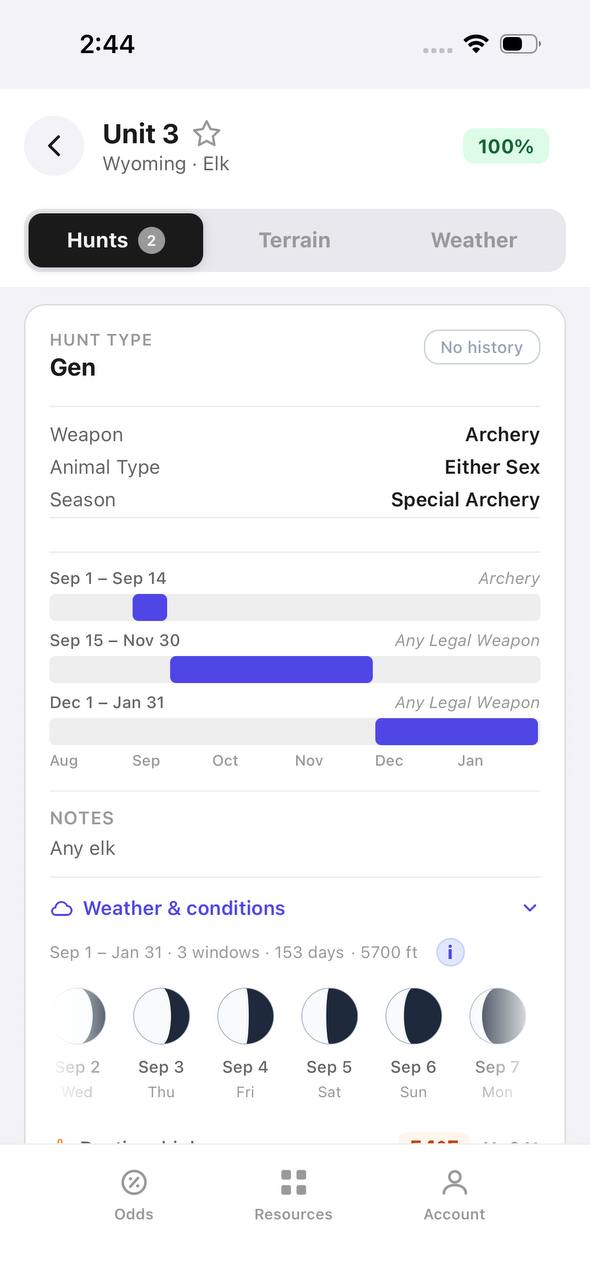
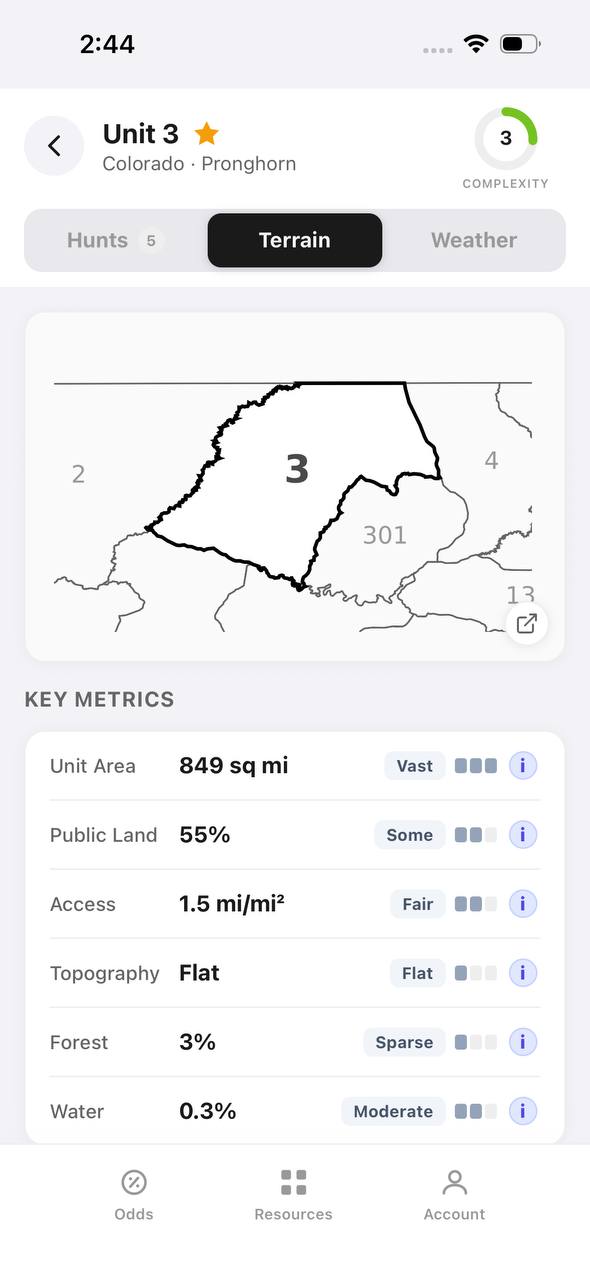
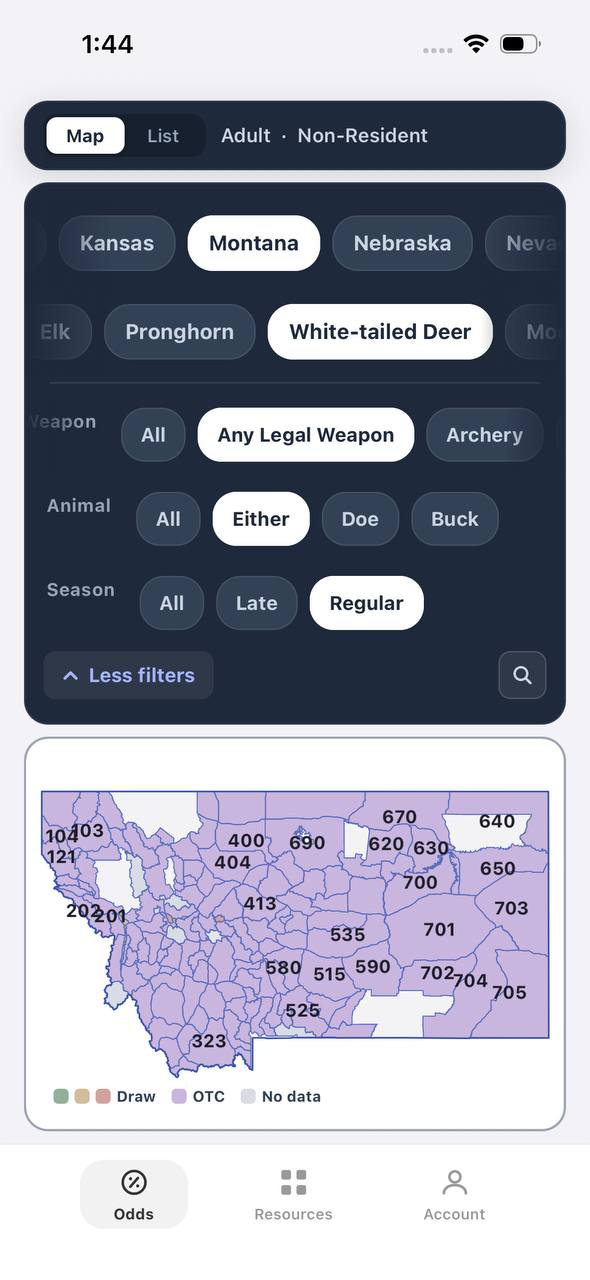
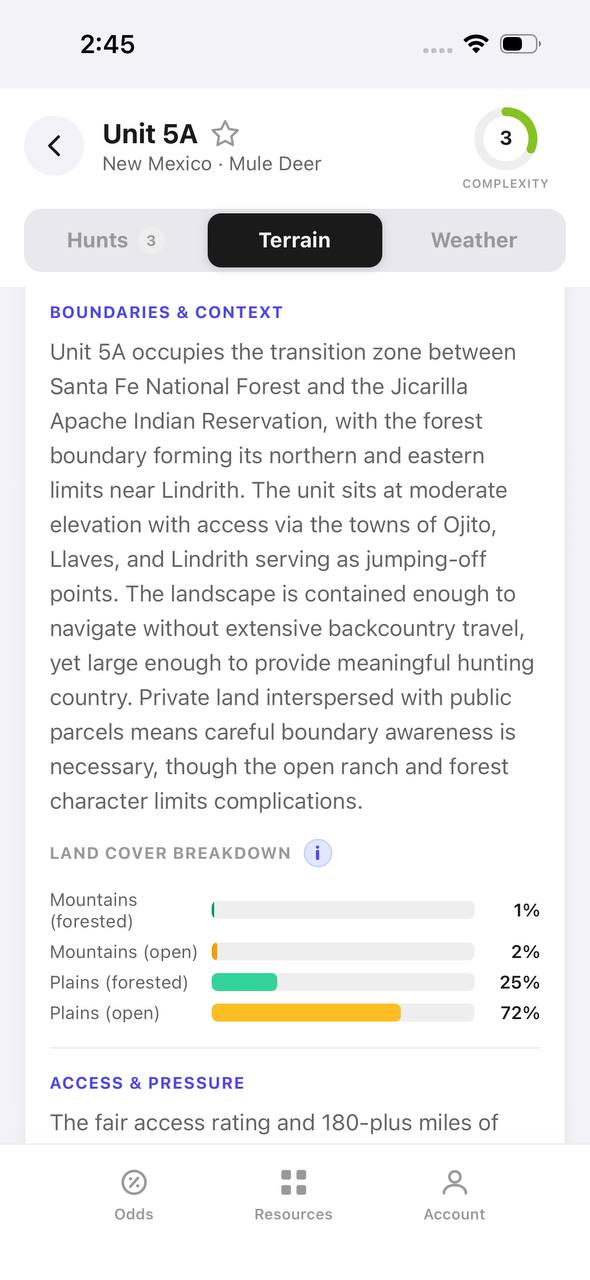
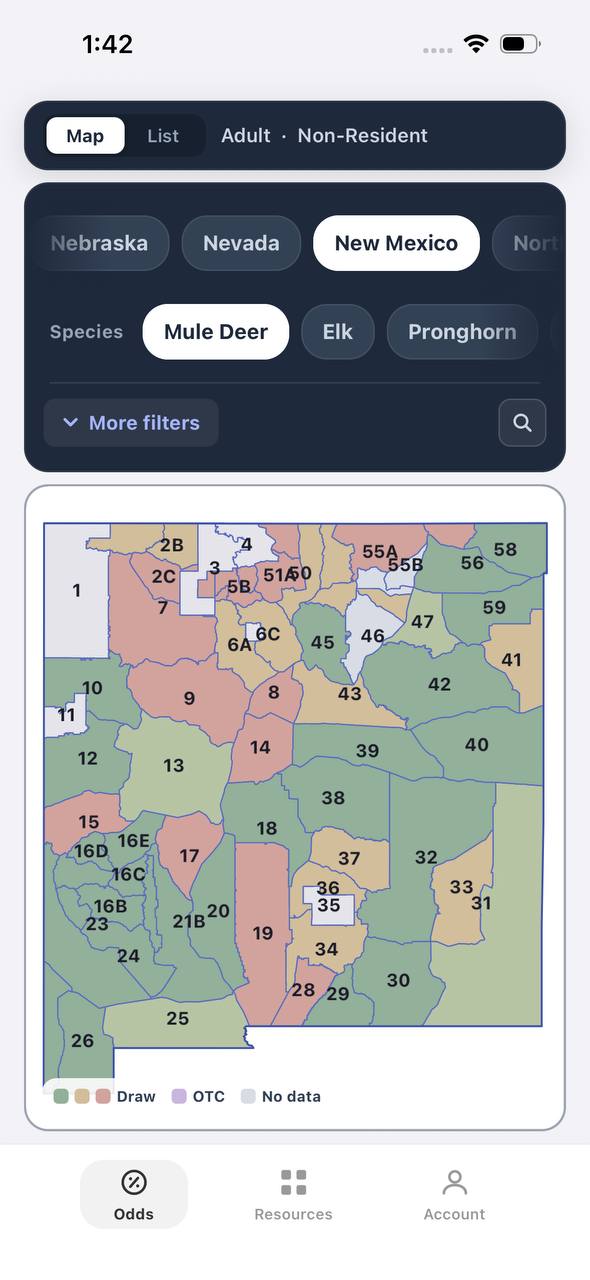
E-scouting complements boots-on-the-ground work. Use tools like TAGZ to study unit boundaries, terrain contours, and public land access points. Identify multiple backup areas before your hunt begins — your first choice may be crawling with other hunters.
Master the Wind Before You Master Calling
Elk rely on their nose more than their eyes or ears. The most perfectly executed calling sequence means nothing if your scent reaches the herd. Every move you make in elk country must account for wind direction and thermal currents.
Morning thermals rise as the sun heats the ground. Plan to hunt from below the elk, letting your scent drift away from bedding areas. Evening thermals fall as temperatures drop. Position yourself above where you expect elk to feed, allowing your scent to sink into the valley below.
When the wind swirls unpredictably, adjust your approach. Circle wider to attack from a better angle, even if it costs you an extra hour of hiking. Patience with wind always beats aggressive calling from a bad position.
Call Aggressively During the Rut
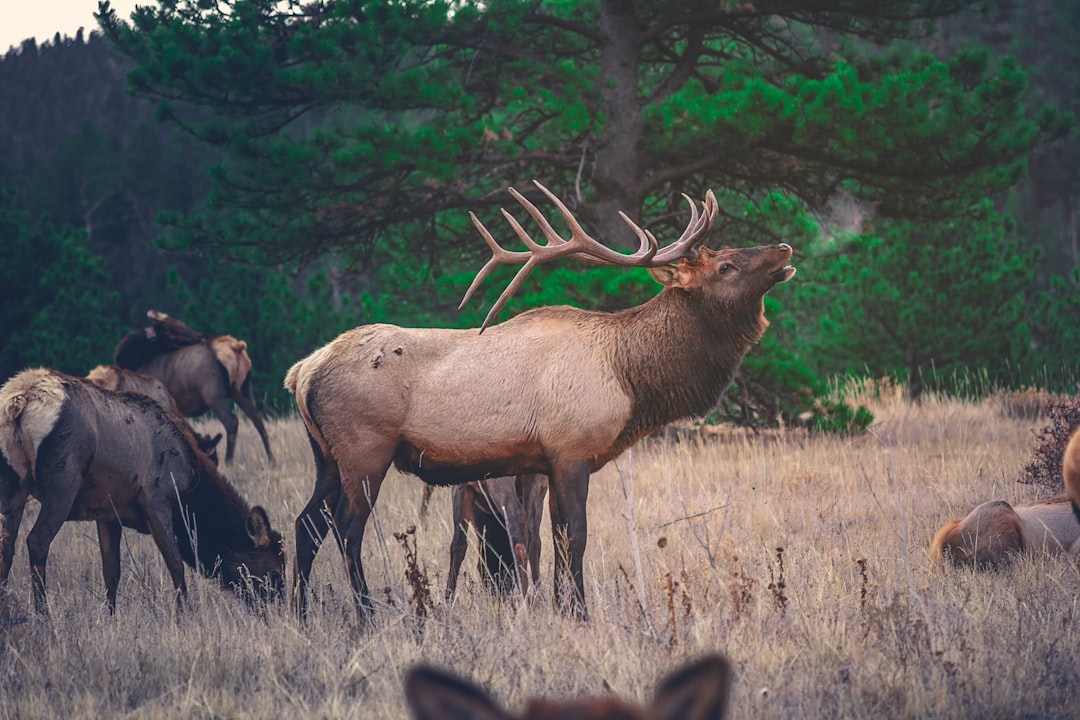
September transforms bull elk from cautious loners into vocal combatants. The rut creates opportunities for aggressive calling tactics that would spook elk during any other month.
Start your mornings with locator bugles from high points. When a bull answers, resist the urge to immediately close distance. Listen to his tone and cadence — is he screaming at every sound, or responding cautiously? Fired-up bulls often come running to aggressive challenges. Hesitant bulls require patience and softer cow calls to draw them in.
Cow calling works throughout September, especially when bulls go quiet mid-morning. A series of soft mews and social chirps reassures nervous elk and can pull satellite bulls away from herd masters. Alternate between excited estrus calls and calm feeding sounds to create realistic scenarios.
Avoid overcalling. Real elk do not bugle or mew constantly. Call, wait three to five minutes, then call again. Give bulls time to commit and cover ground toward your position.
Position Yourself Where Elk Want to Go
Chasing elk rarely works. Intercepting them almost always does. Study the terrain between bedding and feeding areas, then set up along the route elk naturally want to travel.
Morning setups should block the path between feeding areas and bedding cover. Elk typically feed in meadows and parks during darkness, then retreat to timber as daylight breaks. Position yourself 100 to 200 yards inside the timber edge where bulls feel secure.
Evening setups require patience. Elk bed throughout the day in dark timber, north-facing slopes, and dense pockets of cover. They emerge slowly as thermals shift and shadows lengthen. Set up where multiple trails converge near feeding areas, giving yourself shot opportunities at elk moving downhill toward evening groceries.
Saddles, benches, and ridge fingers concentrate elk movement. These terrain features funnel animals through predictable zones even when they vary their exact routes.
Free to join
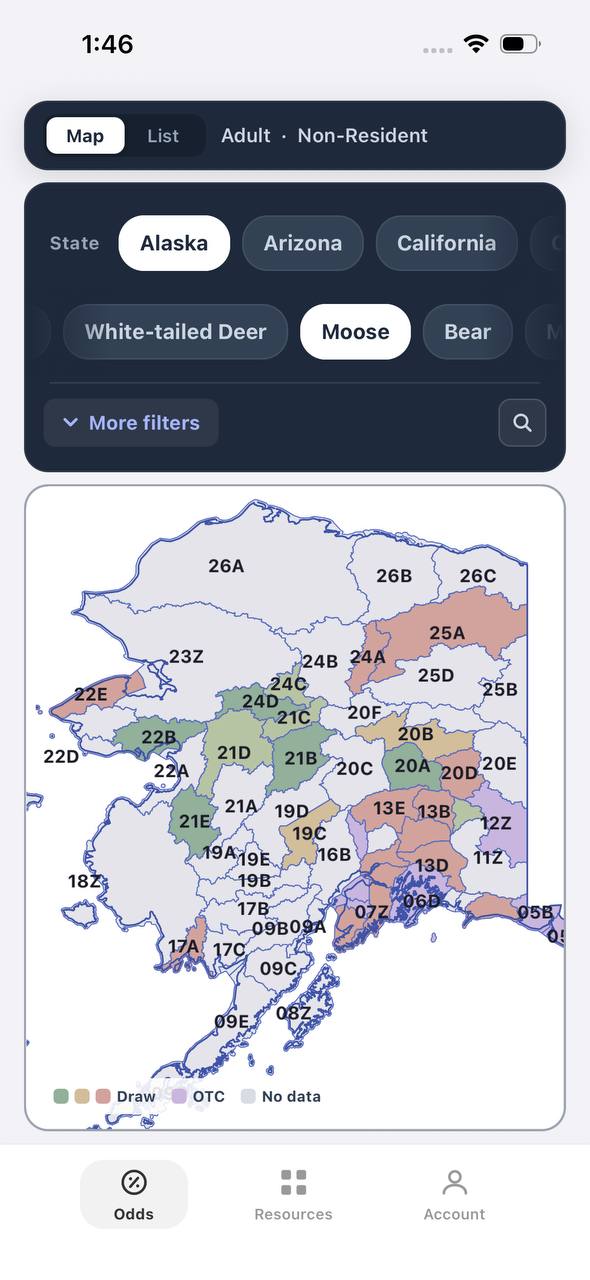
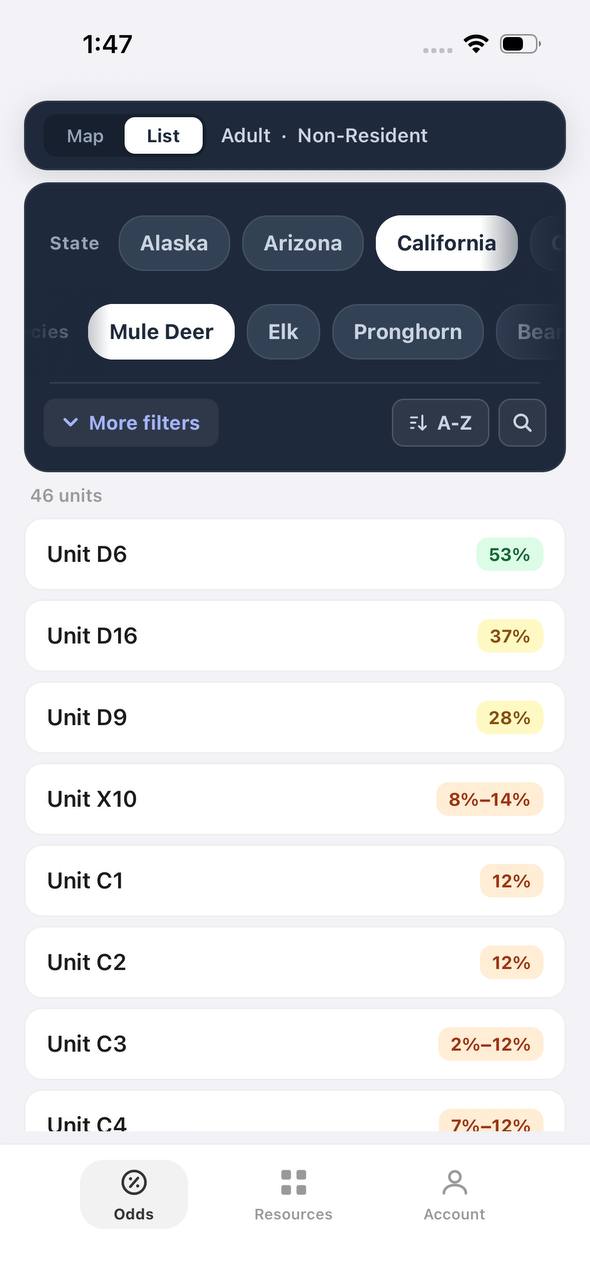
Download mobile app
- Detailed draw odds
- Point tracking
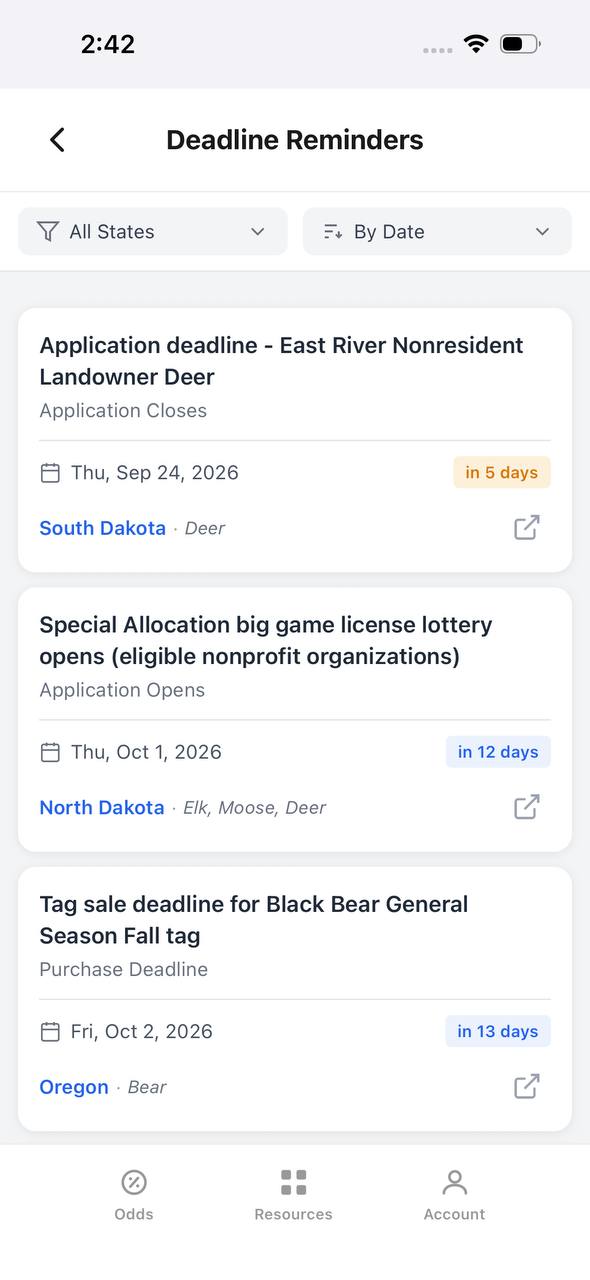
- Deadline reminders
- 18 states covered

Free to join
Download mobile app
- Detailed draw odds
- Point tracking
- Deadline reminders
- 18 states covered
Free to join
Download mobile app
- Detailed draw odds
- Point tracking
- Deadline reminders
- 18 states covered
Stay Ready for Quick Shots
Elk present fleeting opportunities. Bulls appear suddenly through timber, pause for seconds, then vanish into thick cover. Rifle hunters should keep their guns shouldered or resting on shooting sticks whenever they are in position. Bowhunters need to range multiple landmarks and keep a nocked arrow ready when elk are vocal or close.
Practice shooting from awkward positions before your hunt. You will rarely get the perfect broadside shot from a bench rest. Kneeling shots, standing shots through narrow shooting lanes, and quick offhand opportunities are far more common.
Know your effective range and stick to it. A rushed 400-yard poke at a moving bull creates wounded animals and ruined hunts. Wait for shots inside 300 yards with rifles, inside 40 yards with bows. Discipline wins over desperation.
Hunt Pressure Pushes Elk Into Unexpected Places
Opening weekend transforms easy-to-hunt elk into ghosts. Pressure from roads, trails, and popular camping areas pushes animals into sanctuaries hunters overlook. Find these pockets and you will find unpressured elk.
Look for terrain too steep, too thick, or too far from roads for casual hunters to bother with. Nasty blowdown thickets, cliffy north faces, and isolated timber pockets away from main drainages hold pressured bulls. Glass these areas from a distance before committing to a stalk.
Mid-day hunting becomes productive once pressure intensifies. While most hunters sit in camp between morning and evening sessions, elk move between bedding areas to escape disturbance. Stay on your feet through midday and cover ground quietly through heavy timber.
Shot Placement Matters More Than Caliber
Elk are tough animals that absorb poor hits and travel miles before expiring. A well-placed shot from a .270 Winchester kills faster than a poorly placed shot from a .300 magnum.
Broadside shots offer the largest margin for error. Aim for the crease behind the shoulder, one-third up from the brisket. This placement reaches both lungs and often clips the top of the heart. Quartering-away shots work well when the exit side remains unobstructed. Avoid quartering-toward shots unless you are confident in your bullet's penetration and your ability to thread the shoulder.
Bowhunters should focus on double-lung shots exclusively. Avoid shoulder blades, aim for the center of the vitals, and resist the temptation to shoot through heavy brush. One perfectly placed arrow kills more elk than three marginal hits.
After the shot, watch the elk's reaction and mark the last spot you saw the animal. Wait 30 minutes before trailing unless you are certain of a heart or spine hit. Elk pushed too soon can travel for miles. Patient tracking almost always shortens recovery distance.
Physical Fitness Determines How Much Country You Can Hunt
Elk live in steep, high-altitude terrain that punishes unprepared hunters. Lung capacity, leg strength, and mental toughness separate those who kill elk from those who watch them disappear over the next ridge.
Start training three months before your hunt. Focus on weighted hiking, stair climbing, and cardio that mimics mountain hunting. Ruck marches with a 40-pound pack build the exact conditioning you will need. Train at elevation if possible, or use an elevation training mask to simulate reduced oxygen.
Strength training prevents injuries. Focus on posterior chain exercises — deadlifts, squats, lunges — that stabilize your knees and lower back under load. Core work improves balance on uneven terrain and helps you hold steady during off-angle shots.
Mental toughness grows through deliberate discomfort. Push through training sessions when you are tired. Hike in bad weather. Learn to embrace suffering as part of the process. Elk hunting rewards those who keep moving when others quit.
Gear Checklist for Elk Hunters
Reliable gear matters more than premium brands. Your equipment must function in rain, snow, temperature swings, and rough country without failure.
Rifle hunters need a dependable rifle in .270 Winchester or larger, quality optics for long-range identification, and a solid rest or shooting sticks. Carry 20 rounds of ammo — you should not need more, but Murphy's Law applies in the mountains.
Bowhunters require a bow they can shoot accurately to 40 yards, fixed-blade broadheads, a reliable rangefinder, and practice arrows identical to hunting arrows. Bring twice as many arrows as you think necessary — mountain terrain breaks equipment.
Clothing should layer for temperature swings between 20 and 70 degrees. Merino wool base layers, an insulating mid-layer, a waterproof shell, and quiet outer layers for stalking cover most conditions. Pack extra socks and gloves.
Navigation tools include GPS with downloaded maps, paper topo maps, and a compass. Cell service disappears in elk country. Do not rely on your phone as your only navigation source.
Continue Planning Your Hunt
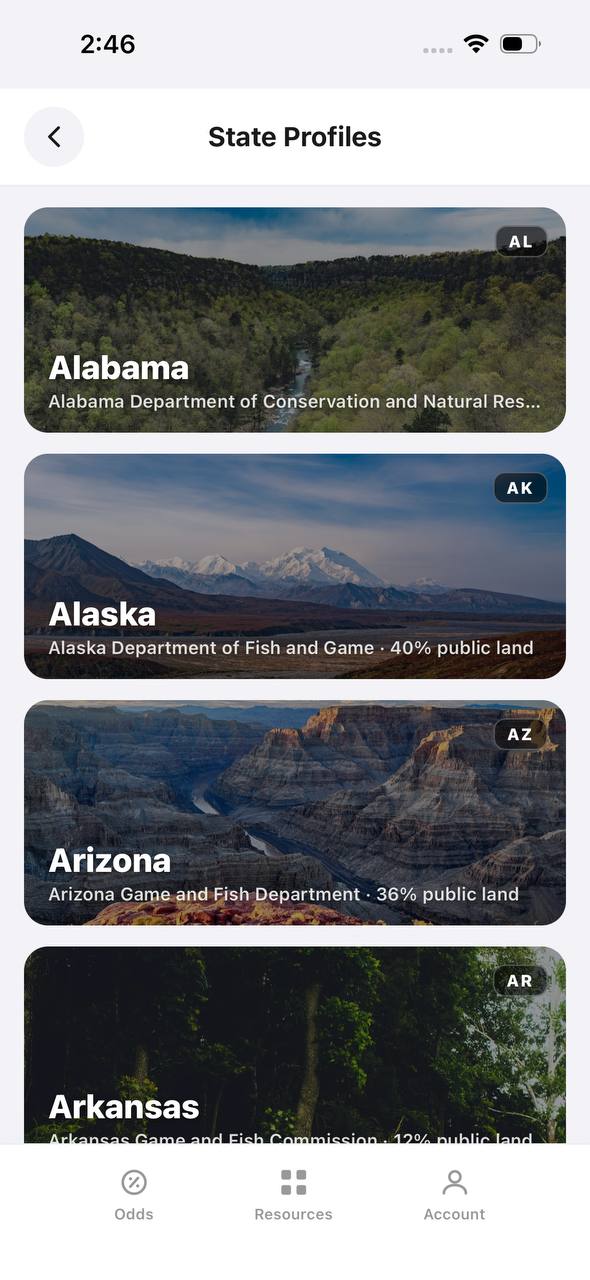
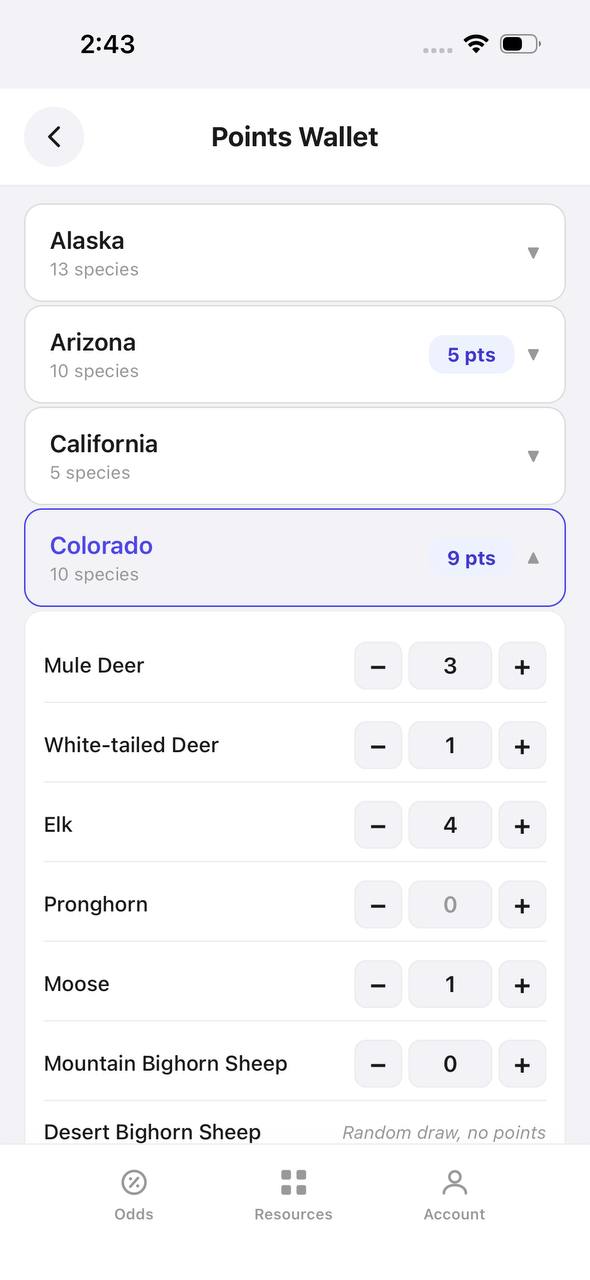
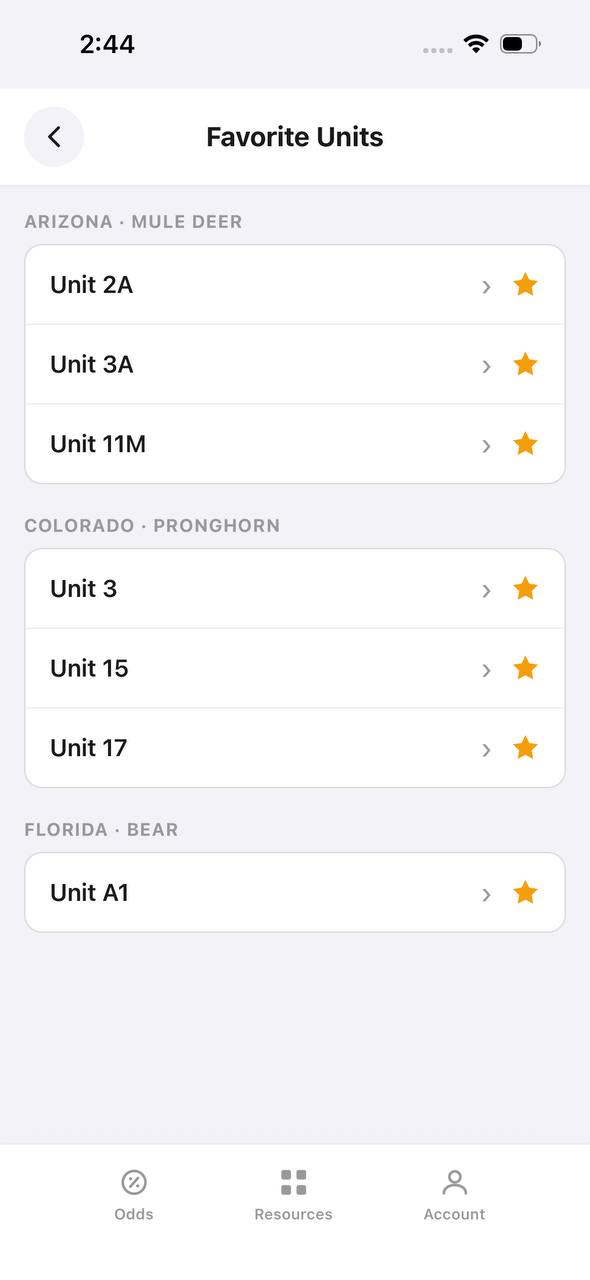
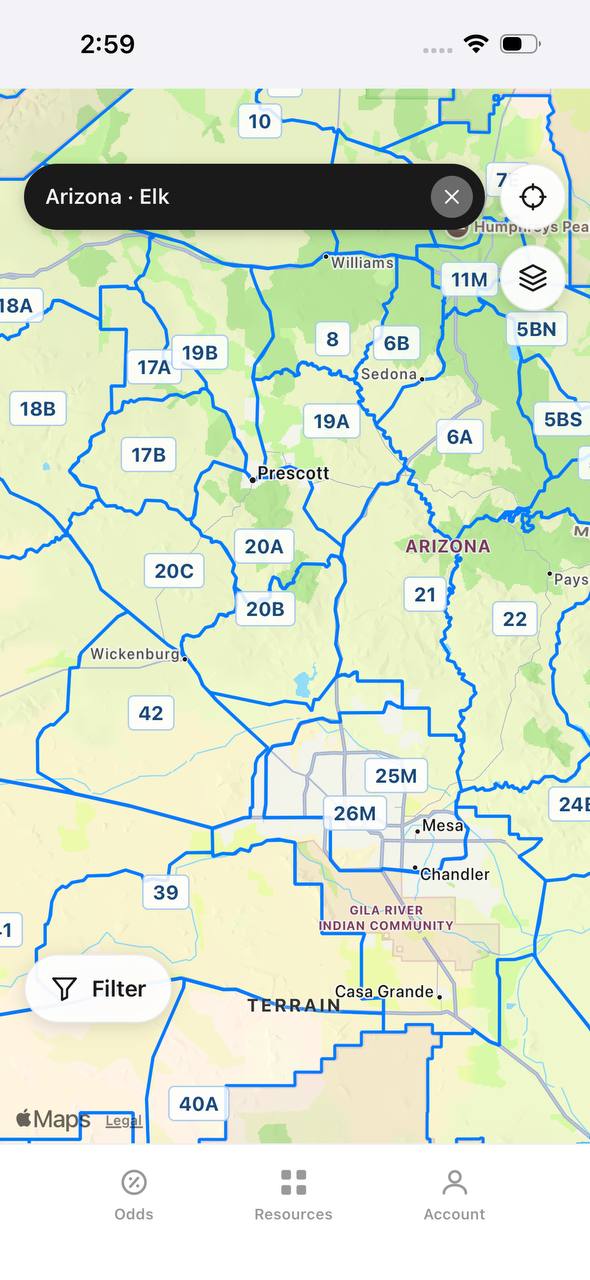
Elk hunting success builds on smart unit selection, point strategy, and application timing. TAGZ helps hunters compare draw odds across states, track preference points and bonus points, and identify units with the terrain and access that match your hunting style. Whether you are chasing OTC opportunities in Colorado or applying for limited-entry tags in Arizona, TAGZ gives you the tools to make confident decisions before you ever hit the trail.
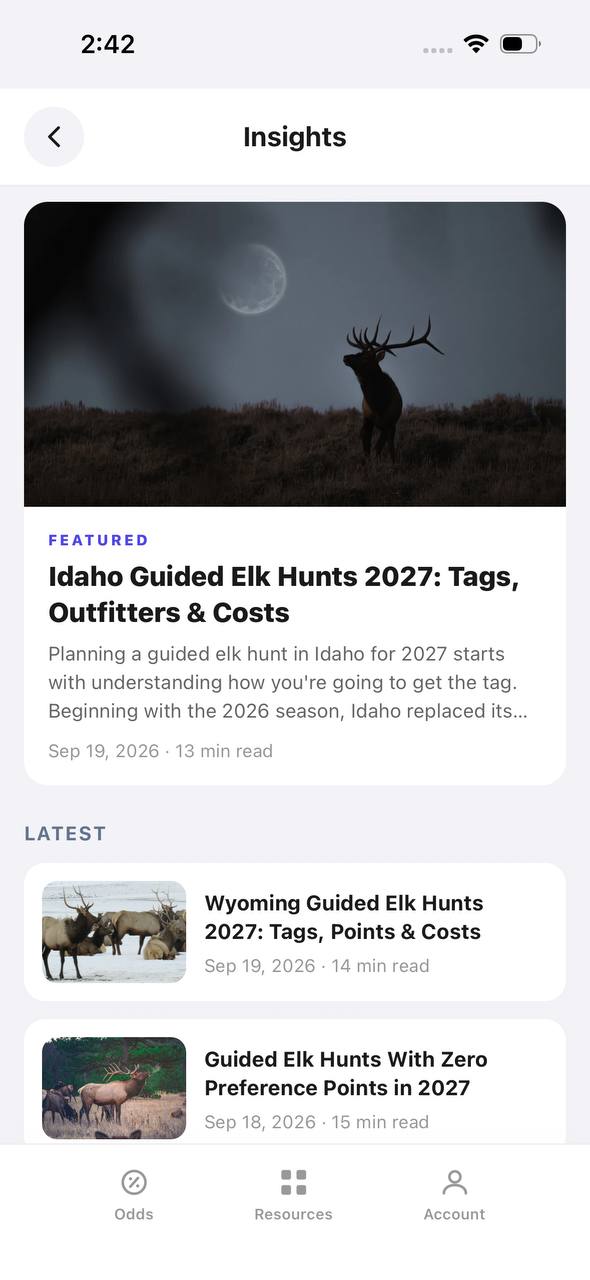
For more elk hunting strategies and unit breakdowns, explore the TAGZ Insights blog. Ready to start planning your next elk hunt? Visit the TAGZ product page to see how we simplify draw strategy and hunt planning.
FAQ — Elk Hunting Tips
What is the most important elk hunting tip for beginners?
Master wind and thermals before focusing on calling or stalking. Elk will smell you long before they see or hear you, so every approach must account for wind direction and thermal currents.
When is the best time to call elk?
The peak rut from mid-September through early October offers the most productive calling opportunities. Bulls respond aggressively to bugles and cow calls during this window, though they often go silent by late September in heavily pressured units.
How far will elk travel after being shot?
A well-hit elk with a double-lung or heart shot typically travels 50 to 150 yards before expiring. Poorly hit elk can cover several miles if pushed too soon, which is why patient tracking after the shot is critical.
Should I hunt elk in the morning or evening?
Both, but for different reasons. Morning hunts target elk moving from feeding areas to bedding cover. Evening hunts intercept elk leaving bedding areas to feed. Mid-day hunting becomes productive once hunting pressure increases.
What rifle caliber is best for elk hunting?
Any caliber from .270 Winchester through .300 Winchester Magnum works well for elk with proper shot placement. Focus on accuracy and confidence with your rifle rather than chasing maximum foot-pounds of energy.
How much does physical fitness matter for elk hunting?
Extremely. Elk live in steep, high-altitude terrain that requires strong cardiovascular conditioning and leg strength. Unprepared hunters cannot access the country where unpressured elk live, which directly limits their success rates.
Was this article helpful?
Previous
Public Land Elk Hunting: Strategy, Scouting, and Success Without Private Access
Public land elk hunting rewards preparation and persistence. Learn how to scout effectively, avoid crowds, and consistently fill tags on accessible terrain across the West.
Related
Elk Hunting Guide: A Complete Strategy for Planning Your Hunt
From understanding draw systems and scouting tactics to calling strategies and public land access, this complete elk hunting guide covers everything you need to plan and execute a successful western elk hunt.
Next
Western Elk Hunting Guide: Strategies for Success Across Public Land
Western elk hunting demands strategy, persistence, and adaptability. This guide covers essential tactics for calling, scouting, and planning hunts across prime elk country, from OTC opportunities to limited-entry units.