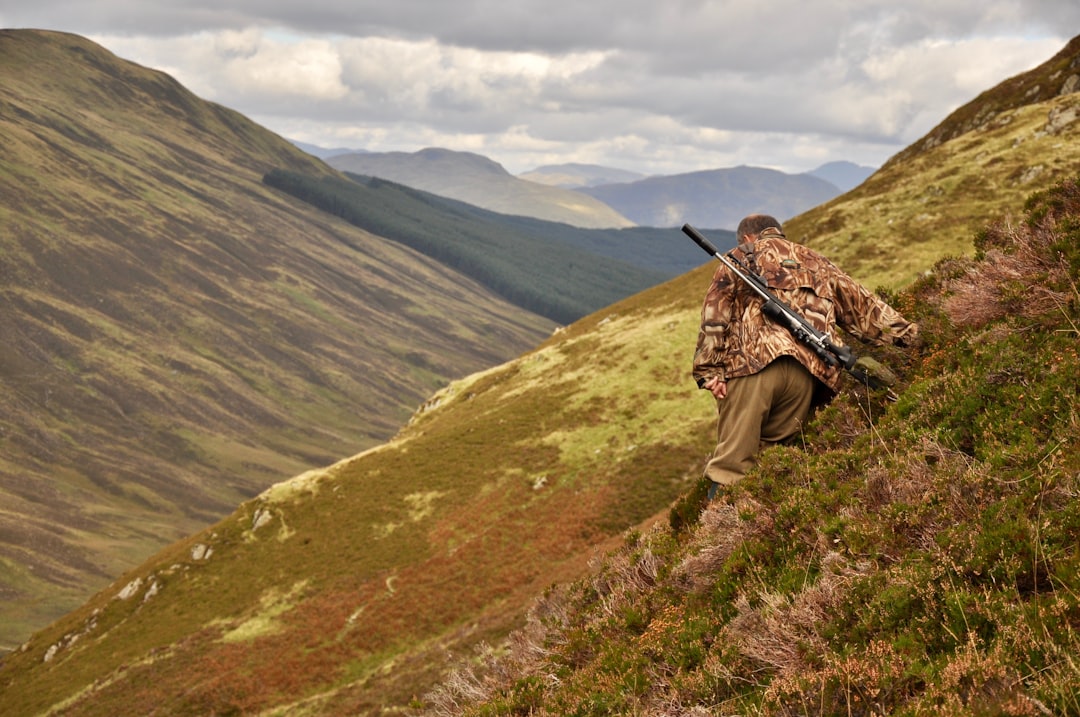
Elk Hunting Backpack Checklist 2026 — Essential Gear for Backcountry Success
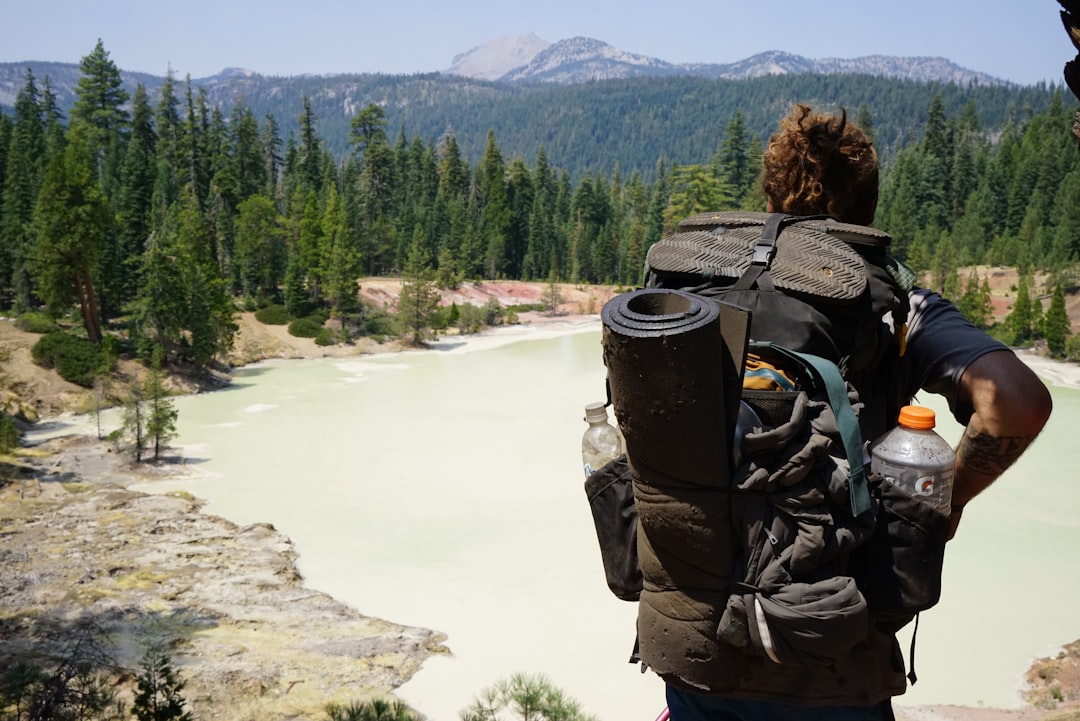
You have spent months planning your elk hunt, studying draw odds, and mapping units on TAGZ. Now comes the moment that separates the prepared from the struggling — loading your pack. A well-organized elk hunting backpack keeps you mobile in the mountains, ready for sudden weather, and capable of breaking down a bull five miles from the trailhead. This checklist covers everything you need for a multi-day backcountry elk hunt in 2026, organized by category so nothing gets left behind.
Survival & Navigation Essentials
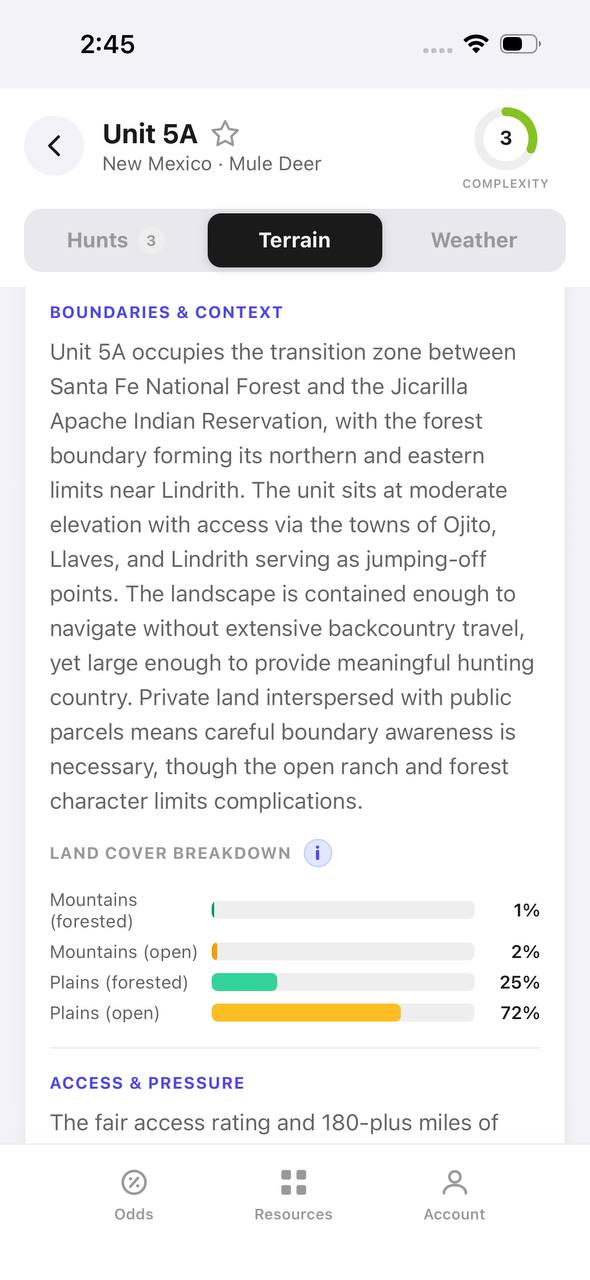
Your survival kit is non-negotiable. Even on a day hunt, weather can turn fast at elevation. Pack a fire starter — waterproof matches and a ferrocerium rod. Carry a lightweight emergency bivy or space blanket that packs down to fist-size. Include a headlamp with fresh batteries and a backup. For navigation, bring a GPS unit or smartphone with offline maps downloaded through apps like onX Hunt or the TAGZ product for terrain breakdowns and unit boundaries. Always carry a paper map and compass as backup. A whistle, signal mirror, and basic first-aid kit round out the essentials. This gear lives in your pack year-round.
Shelter & Sleep System
Backcountry elk hunts demand a shelter that balances weight and livability. A two-person ultralight tent keeps you dry and gives room to store gear. Pair it with a 20-degree sleeping bag rated for the coldest night you expect, and a sleeping pad with an R-value of 4 or higher for insulation. September hunts can see overnight lows near freezing at 9,000 feet. October archery hunts and rifle seasons demand even warmer bags. Test your sleep system at home before the hunt. A sleepless night at elevation kills your performance the next morning.
Clothing & Layering System
Layering keeps you functional across 40-degree temperature swings. Start with a moisture-wicking base layer — merino wool or synthetic. Pack a midweight insulating layer like a fleece or down jacket. Your outer shell should be windproof and waterproof with pit zips for venting during steep climbs. Bring a lightweight puffy jacket for glassing sessions and cold mornings. Pack extra socks — three pairs minimum — and a warm beanie. Do not forget gloves. Lightweight gloves for hiking and shooting, insulated gloves for glassing. A neck gaiter or balaclava handles wind. Keep one set of dry clothes sealed in a stuff sack. Wet gear in the backcountry is miserable and dangerous.
Optics & Glassing Tools
Elk hunting is a glassing game. Quality optics are worth the weight. Pack binoculars in the 10x42 or 12x50 range for scanning timber edges and meadows. A spotting scope (60-80mm) lets you judge bulls at distance and confirm legal antler points. Carry a lightweight tripod or trekking pole adapter for steady glassing. Rangefinder binoculars eliminate the need for a separate unit. If you run a standard rangefinder, keep it accessible in a chest harness. Spend hours behind glass every day — invest in clarity and eye relief. Use TAGZ terrain maps before the hunt to identify glassing points and elk travel corridors.
Free to join
Download mobile app
- Detailed draw odds
- Point tracking
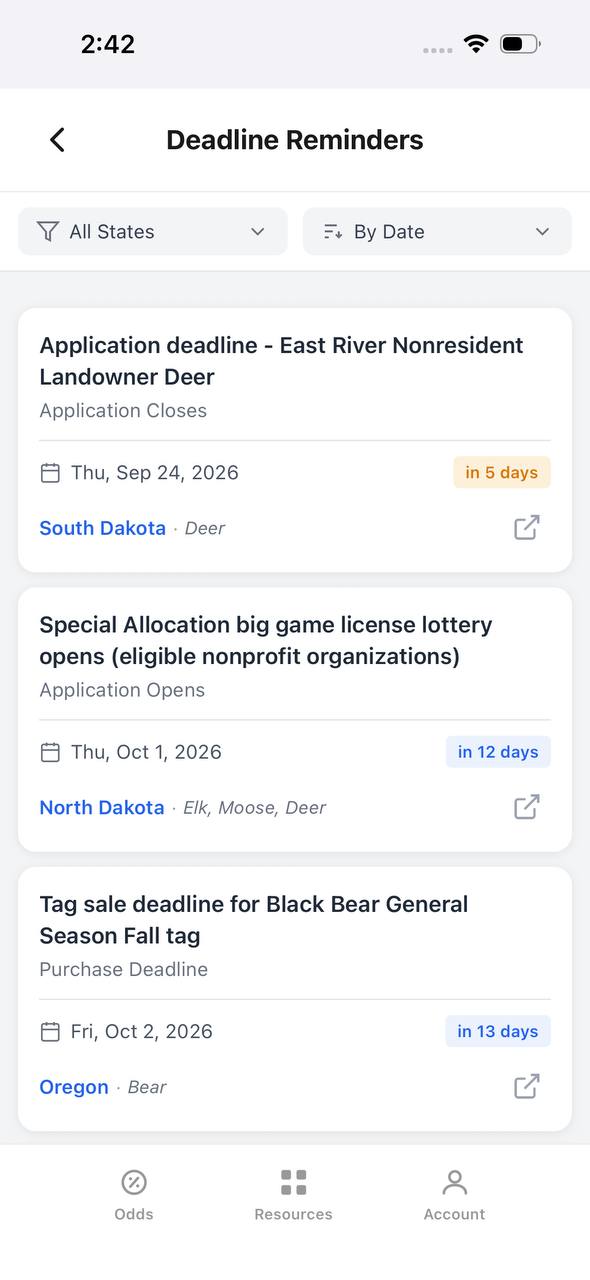
- Deadline reminders
- 18 states covered

Free to join
Download mobile app
- Detailed draw odds
- Point tracking
- Deadline reminders
- 18 states covered
Free to join
Download mobile app
- Detailed draw odds
- Point tracking
- Deadline reminders
- 18 states covered
Weapon & Ammunition
For rifle hunts, bring 20 rounds — enough for practice shots at camp, the hunt, and emergencies. Keep ammo in a waterproof case. Carry a bore snake or cleaning kit for quick maintenance. A rifle sling and shooting sticks stabilize field shots. Archery hunters need a dozen arrows, broadheads, and a backup release. Bring a bow press or allen keys for field repairs. Pack scent-eliminating spray and wind-checker powder. Run your weapon through a final check the night before opening day. Confirm zero at a local range after arriving in-state if you flew.
Meat Care & Game Processing
You are five miles deep when you kill a 700-pound bull. Meat care becomes the priority. Pack game bags — four to six lightweight mesh bags for quarters, backstraps, and loose meat. Bring a sharp knife, backup blade, and compact bone saw. A meat thermometer helps monitor internal temps during packouts. Paracord or heavy-duty rope lets you hang quarters for cooling. Trekking poles double as a makeshift frame for dragging quarters short distances. Always carry latex gloves. If you are hunting solo, plan on two to three trips to pack out a bull. Use TAGZ public land maps to identify the shortest packout route before you shoot.
Hydration & Water Filtration
Elk country has water, but you need a system to access it safely. Carry a 3-liter hydration bladder or two Nalgene bottles. Bring a lightweight water filter like a Sawyer Squeeze or LifeStraw. Purification tablets work as backup. Hydrate aggressively at elevation — dehydration kills endurance and judgment. Cache water at spike camps if you are hunting dry ridges. In desert units or late-season hunts, scout water sources ahead of time using satellite imagery and TAGZ terrain breakdowns. Plan your route around reliable water.
Food & Cooking Gear
Backcountry calories fuel your hunt. Pack freeze-dried meals for dinners — they are light and fast. Bring high-calorie snacks like trail mix, jerky, energy bars, and nut butter packets. Instant oatmeal or breakfast burritos cover mornings. A lightweight backpacking stove and fuel canister let you boil water and heat meals. Pack a titanium pot, spork, and small ziplock bags for trash. Do not skimp on calories. You are burning 4,000-5,000 calories per day hiking steep terrain. Hunger slows you down and clouds decision-making.
Free to join
Download mobile app
- Detailed draw odds
- Point tracking
- Deadline reminders
- 18 states covered
Free to join
Download mobile app
- Detailed draw odds
- Point tracking
- Deadline reminders
- 18 states covered
Free to join
Download mobile app
- Detailed draw odds
- Point tracking
- Deadline reminders
- 18 states covered
Calls & Scent Control
September archery hunts revolve around calling. Bring a diaphragm call, tube call, and cow call. Practice before the hunt until you can produce bugles and estrous mews that sound natural. Rifle hunters benefit from locator bugles and cow calls to stop bulls for a shot. Pack scent-eliminating spray for your gear and clothing. Use wind-checker powder to monitor thermals. Hunt with the wind in your face. Elk rely on their nose more than their eyes. One whiff of human scent sends them into the next drainage.
Camp & Miscellaneous Gear
Round out your pack with these items. Trekking poles reduce knee strain on steep descents and help you cross streams. A lightweight camp chair or sit pad makes glassing sessions bearable. Bring duct tape and gear repair supplies. Pack a small stuff sack for trash. Toilet paper and a small trowel handle backcountry bathroom needs. Sunscreen and lip balm prevent burns at elevation. A small notebook and pen let you log encounters and refine strategy. Keep your hunting license and tags in a waterproof pouch.
Electronics & Communication
A fully charged smartphone with offline maps is standard. Bring a portable battery bank or solar charger for multi-day hunts. If you are hunting solo or in grizzly country, carry a satellite communicator like a Garmin inReach for SOS and check-ins. Two-way radios help partners stay connected when split up. Keep electronics in waterproof cases. Turn your phone on airplane mode to conserve battery. Download TAGZ maps and unit data before you lose service.
Free to join
Download mobile app
- Detailed draw odds
- Point tracking
- Deadline reminders
- 18 states covered
Free to join
Download mobile app
- Detailed draw odds
- Point tracking
- Deadline reminders
- 18 states covered
Free to join
Download mobile app
- Detailed draw odds
- Point tracking
- Deadline reminders
- 18 states covered
Pack Selection & Weight Management
Your backpack is the foundation. Choose a pack with 4,500-6,000 cubic inches of capacity for multi-day hunts. It should have a load-bearing frame rated to carry 100+ pounds for meat hauling. Fit the pack to your torso length and adjust straps properly. Keep weight under 40 pounds for the hike in. Every ounce matters at 10,000 feet. Use compression straps to stabilize loads. Organize gear in stuff sacks by category — shelter, clothes, food, med kit. Pack heavy items like water and food close to your back. Keep essentials like your rangefinder, calls, and knife accessible.
Pre-Hunt Pack Shakedown
Two weeks before your hunt, load your pack and hike local trails with elevation gain. This shakedown identifies pressure points, missing gear, and unnecessary weight. Adjust straps and hip belt for comfort. Practice accessing critical items without fully unpacking. Run through scenarios — setting up your tent in wind, filtering water, calling a bull into range. Confidence in your gear translates to confidence in the field. Use TAGZ to finalize your unit strategy and mark glassing points on your maps during this period.
TAGZ Helps You Plan Beyond the Packlist
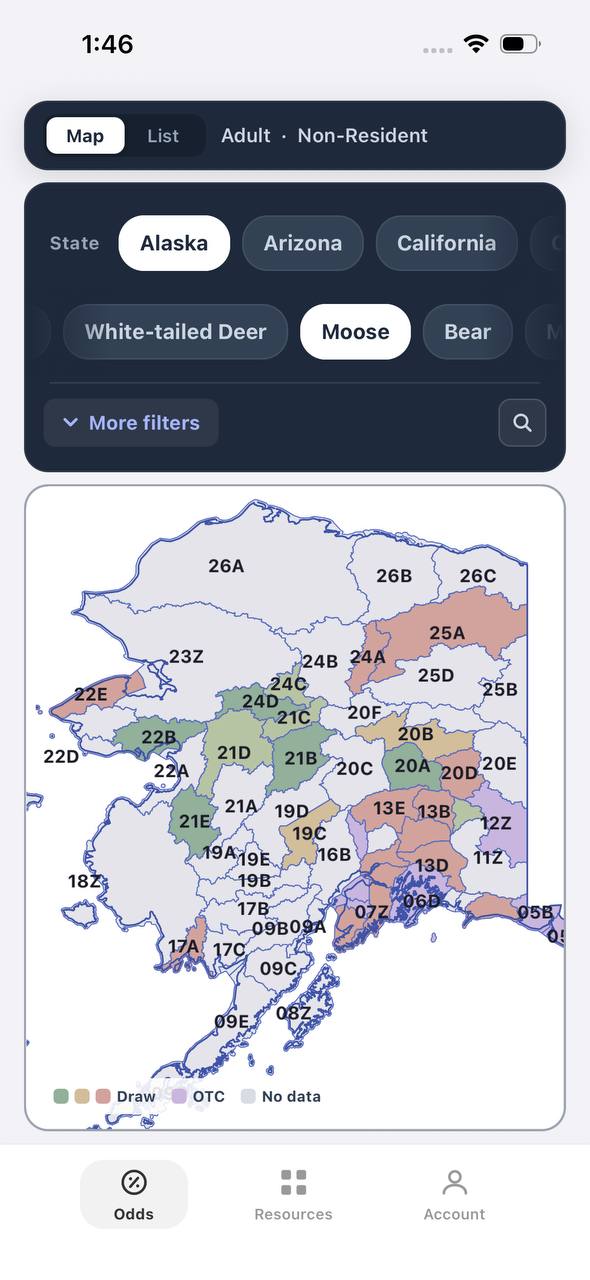
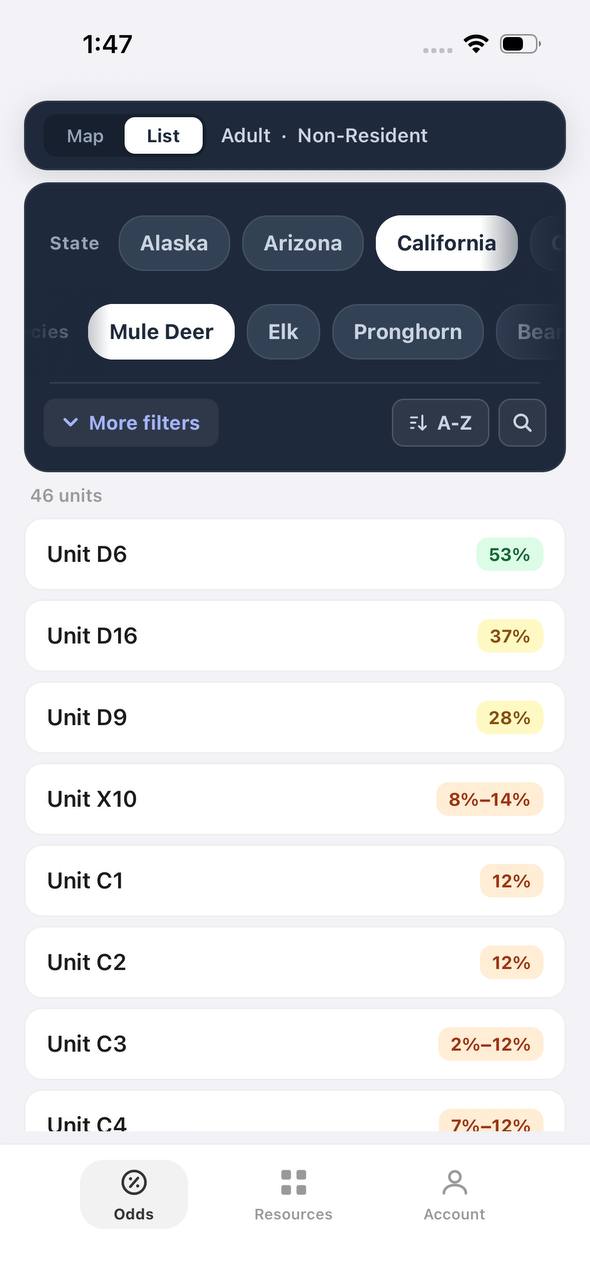
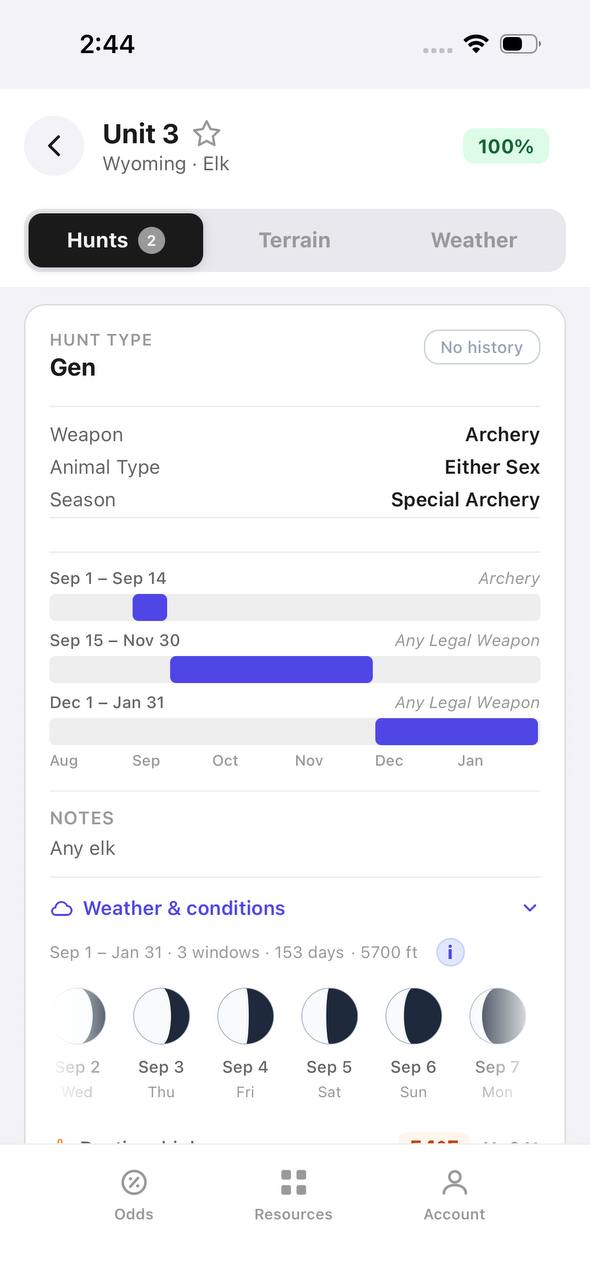
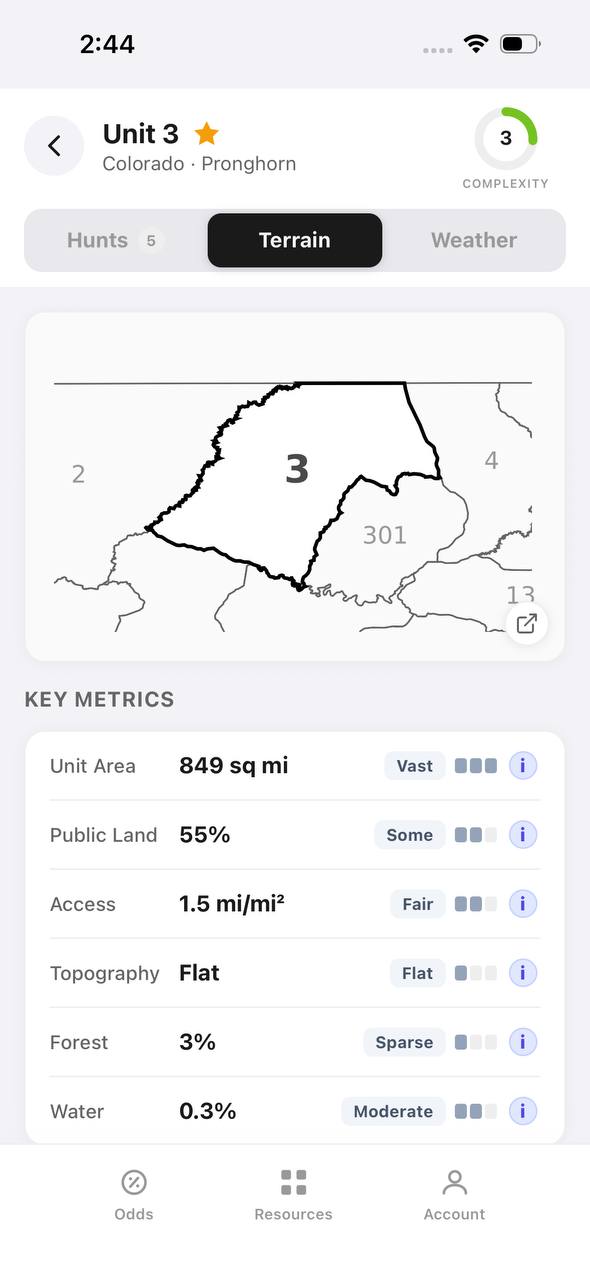
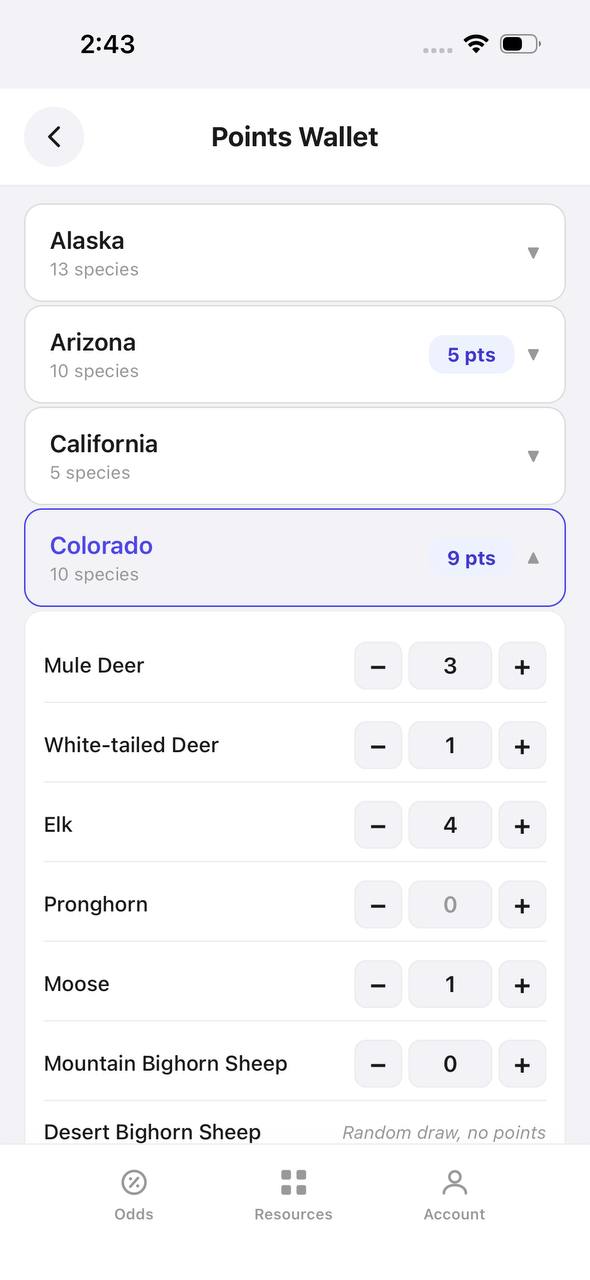
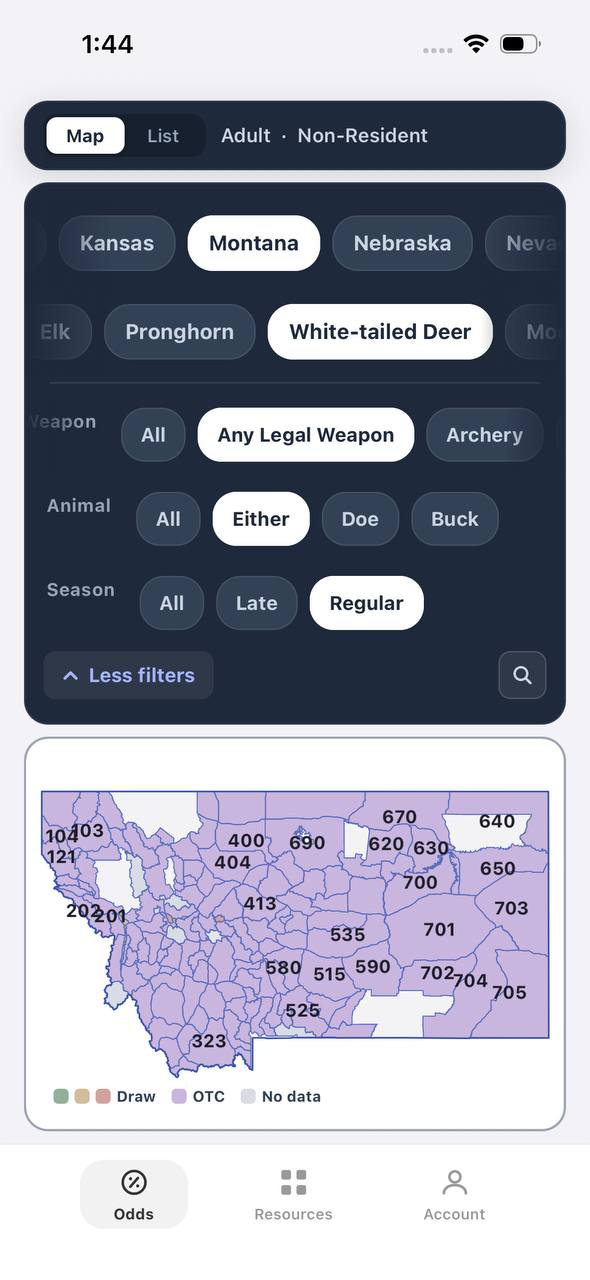
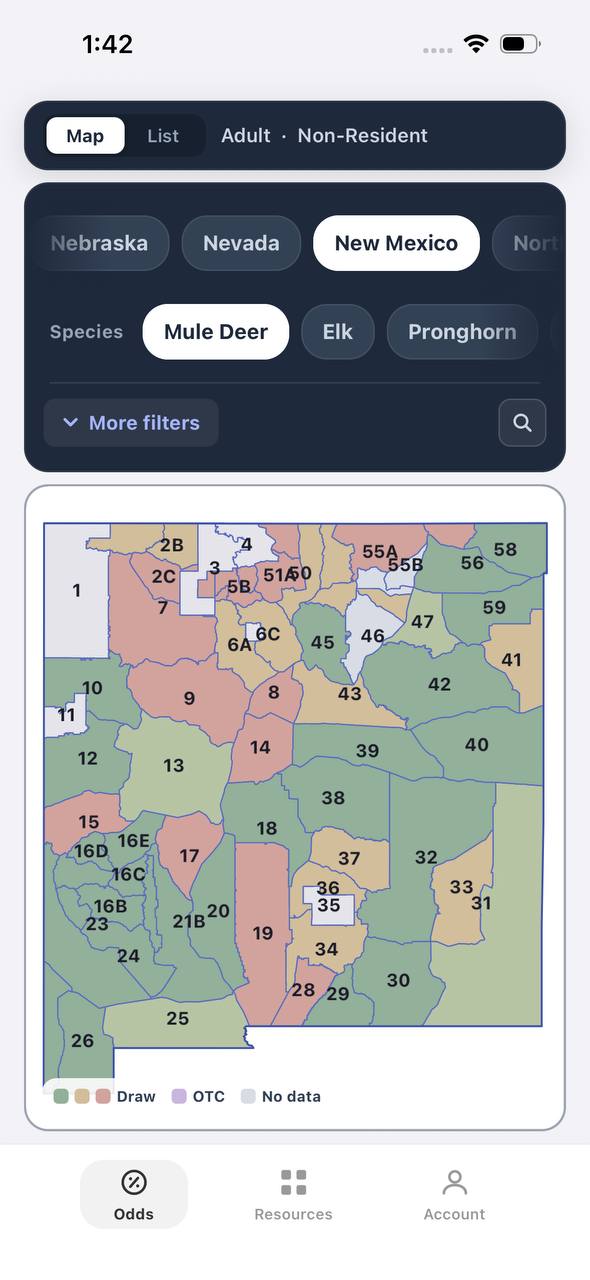
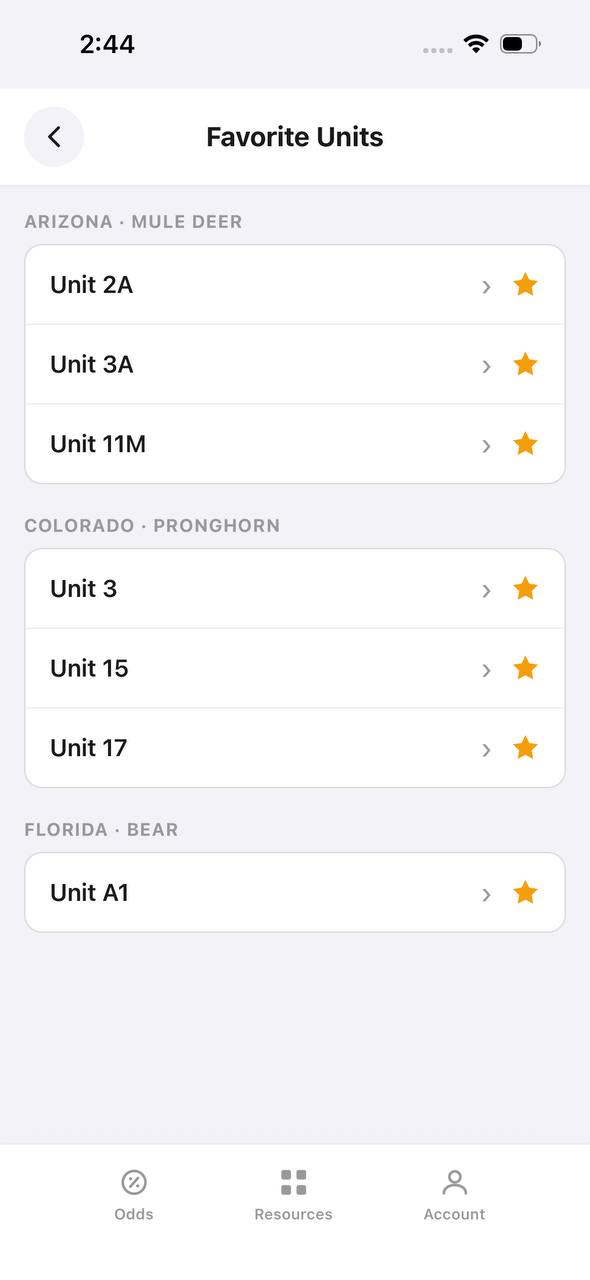
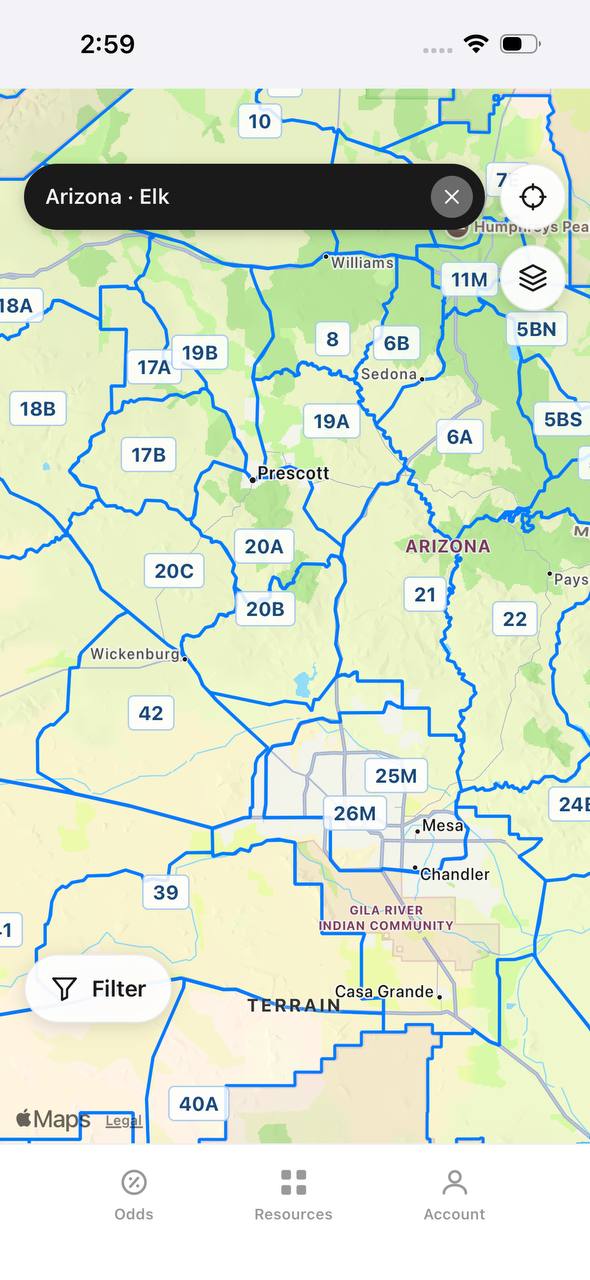
Packing smart is only part of the equation. TAGZ helps you compare units side by side using terrain maps, unit boundaries, and historical draw data. Track your preference points and bonus points across multiple states so you never miss a draw deadline. Whether you are chasing OTC tags or planning a trophy limited-entry hunt, TAGZ gives you the tools to make smarter decisions before you ever step into the field. Filter hunts by weapon, season, and species. Study public land access and terrain breakdowns to identify the best glassing points and travel corridors. Your gear gets you into the backcountry. Your homework with TAGZ puts you in the right drainage when the bulls are bugling.
FAQ — Elk Hunting Backpack Checklist
What is the most important item in an elk hunting backpack?
A survival kit with fire starter, emergency shelter, and navigation tools. Weather can turn deadly fast at elevation, and these items keep you alive if plans fall apart.
How much should a loaded elk hunting backpack weigh?
Aim for 35-40 pounds for the hike in on a multi-day hunt. Your pack will weigh 80-120 pounds on the packout with meat, so keep initial weight manageable to preserve energy.
Do I need a spotting scope for elk hunting?
Not required, but highly valuable for judging bulls at distance and confirming legal antler points. Quality binoculars (10x42 or 12x50) are the minimum for effective glassing.
How many days of food should I pack for a backcountry elk hunt?
Pack one extra day beyond your planned hunt length. If you are planning a five-day hunt, bring six days of food. Weather or a successful kill can extend your time in the field.
What is the best way to organize gear in my pack?
Use color-coded stuff sacks by category — shelter, clothes, food, med kit. Keep heavy items like water and food close to your back. Store essentials like calls and rangefinder in external pockets for quick access.
How do I pack out elk meat without a dedicated meat shelf?
Most quality hunting packs have built-in load-bearing frames. Strap deboned quarters and meat bags between the frame and main pack bag. Use compression straps to stabilize the load and distribute weight across your hips.
Continue Planning Your Hunt
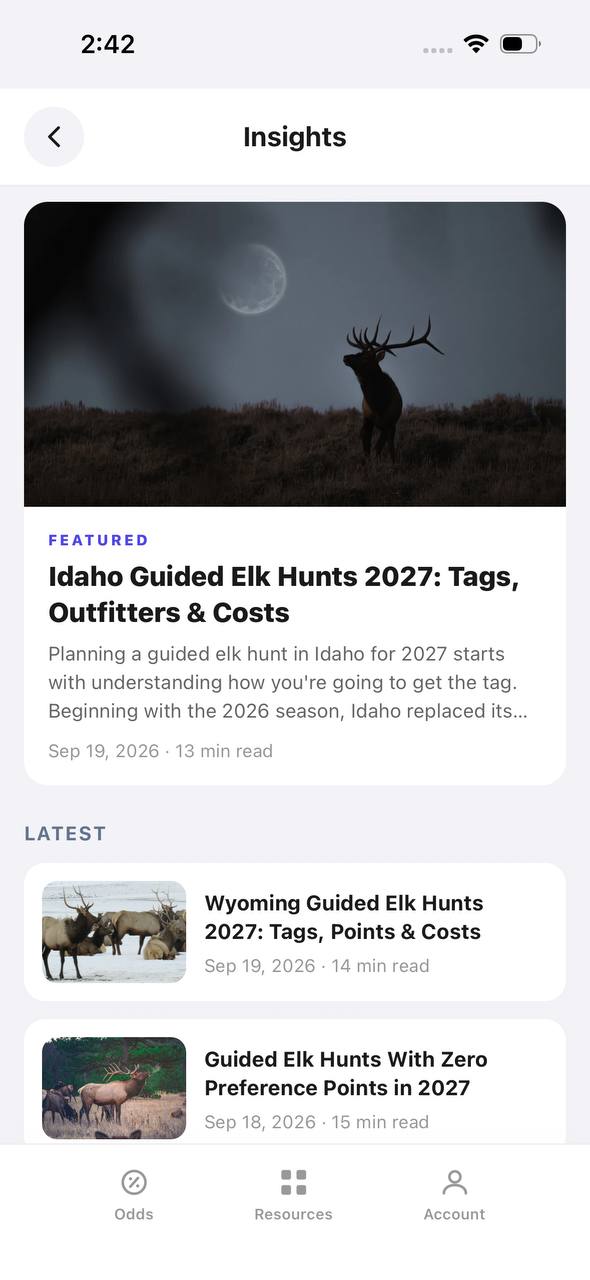
Your pack is dialed. Now refine your strategy. Visit the TAGZ Insights page for unit breakdowns, draw odds analysis, and season-specific tactics. Compare units and track draw deadlines on the TAGZ Product page. Ready to commit? Check TAGZ Pricing and start planning smarter hunts across the West. Everything you need to turn applications into filled tags starts at getmytagz.com.
Was this article helpful?
Previous
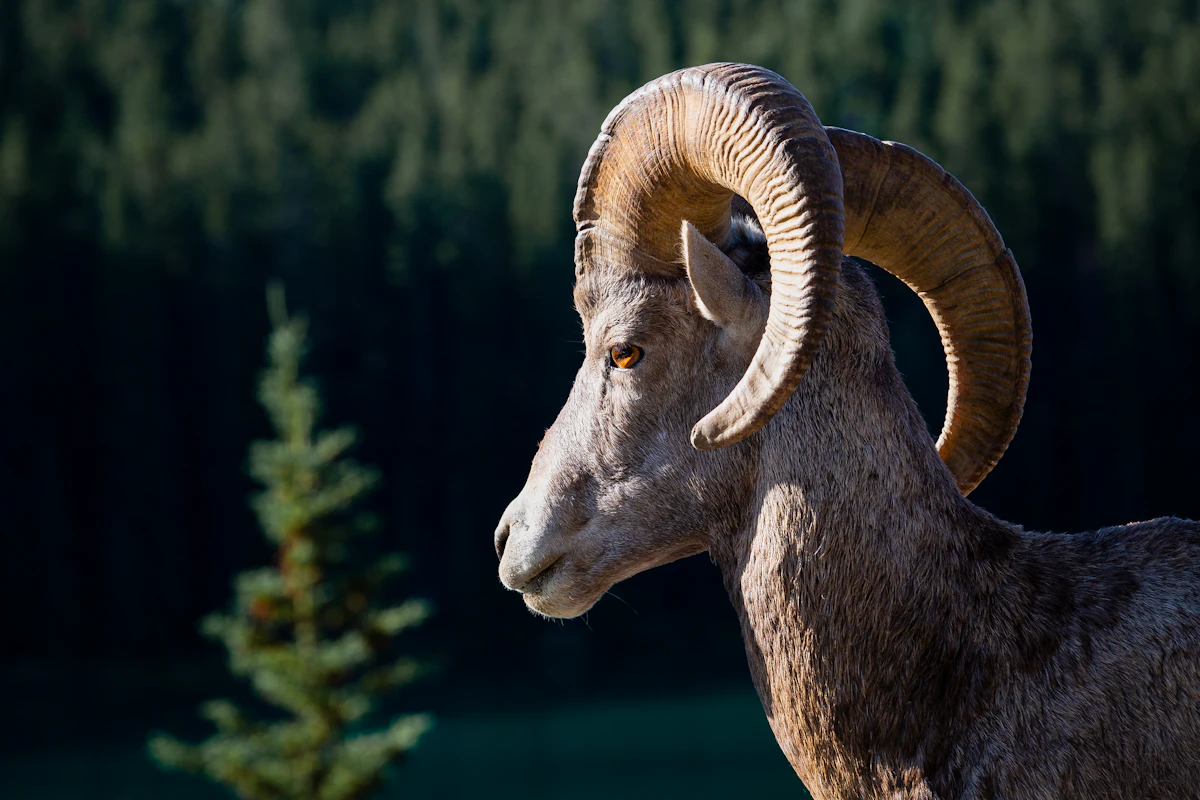
Ultimate Sheep Hunting Guide: Draw Strategy, Scouting, and Field Tactics
North American sheep hunting requires strategic draw applications, intensive scouting, and specialized high-country skills. This comprehensive guide covers bighorn sheep draw odds, physical preparation, glassing techniques, and field tactics for the hunt of a lifetime.
Related
Spot and Stalk Bear Hunting: Complete 2026 Guide for Western Hunters
Spot and stalk bear hunting demands glassing skills, patience, and smart unit selection. This guide covers terrain tactics, gear essentials, and draw strategies across the West for spring and fall 2026 bear seasons.
Next
Best Hunting Boots for Sheep Hunting: Choosing Footwear for High-Country Pursuits
Sheep hunting demands boots that excel in steep, rocky terrain at high elevation. This guide breaks down the critical features—ankle support, traction, weight, and waterproofing—and recommends top models for backcountry sheep hunters.