Alaska offers nonresident hunters a chance at Dall sheep through a random lottery draw with no preference or bonus points. The 2027 hunting season (Alaska Regulatory Year 2027, July 1, 2027, June 30, 2028) requires hunters to apply during a single window: November 1, 8:00 AM to December 15, 5:00 PM Alaska Standard Time, 2026. All nonresident sheep hunters must be accompanied by an Alaska-licensed guide or a qualifying Alaska resident relative. This guide covers the 2027 draw structure, verified permit allocations, guide requirements, fees, and how to prepare your application.
How does the Alaska nonresident sheep draw work?
Alaska uses a pure random lottery for sheep permits. When you submit an application for a draw hunt, the computer assigns each valid entry a random draw number. The lowest numbers receive permits until the quota is filled. There are no preference points, no bonus points, and no system that rewards repeat applicants. Every application for a given hunt has equal odds regardless of how many years you have applied. For more context on how draw systems work across western states, see our guide to Idaho's hunting draw.
You may submit up to six applications per species (individual and party applications combined), and you can apply for the same hunt number more than once if you want to increase your odds. Each sheep hunt application costs $5 (nonrefundable). If you are drawn for multiple hunts, you will be awarded only one permit per species per year, based on the choice order you selected when you applied.
The application window runs from November 1 (8:00 AM) through December 15 (5:00 PM) Alaska Standard Time. Applications must be submitted online; paper applications are not accepted. You must hold a valid Alaska hunting license (either a current-year license or a license for the draw year) to apply. Results are published by the third Friday in February (the exact 2027 date is not yet confirmed by ADF&G).
What are the nonresident sheep permit allocations for 2027?
Permit counts for the 2027 regulatory year (RY2027) have not been published as of October 22, 2026. The RY2027 Drawing Permit Hunt Supplement, which lists exact permit allocations, was not confirmed available at the time of research. Hunt pages for RY2027 instruct hunters to "refer to the 2027-2028 drawing hunt supplement," but that document was not yet posted.
The most recent verified data comes from the RY2026 hunt pages (the 2026 season, which ended June 30, 2027). Below are the RY2026 nonresident permit allocations for select hunts. These numbers may change for RY2027; check the official supplement when it becomes available.
RY2026 Nonresident-Relevant Draw Hunts
- DS102 (Tok Management Area, Units 12/13C/20D): Up to 1 nonresident permit + up to 9 resident permits. Season: August 10, September 20, 2026.
- DS205 (Delta Controlled Use Area, Units 20D/13B/20A): Nonresidents only. Permit count for RY2026 was not retrieved; RY2027 season is August 26, September 20, 2027.
- DS207 (Delta Controlled Use Area): Nonresidents only, up to 4 nonresident permits. RY2026 season: August 10, August 25, 2026. RY2027 season: August 10, August 25, 2027.
- DS230 (Unit 14C Northwest): Nonresidents only, up to 1 nonresident permit. Season: August 10, August 22, 2026.
- DS065 (Unit 13D East): Nonresidents only, up to 1 nonresident permit. Season: August 10, September 20, 2026.
- DS197 (Unit 19C, guided nonresidents only): Nonresidents only. RY2026 count not confirmed; RY2027 season is August 10, September 20, 2027.
- DS198 (Unit 19C, nonresidents guided by resident relative only): Nonresidents only. RY2026 count not confirmed; RY2027 season is August 10, September 20, 2027.
Additional hunts were listed for RY2026 in Units 14C, 13D, and 14A, but nonresident permit counts were not retrieved. Hunts listed for RY2027 as of October 22, 2026, include DS003, DS102, DS197, DS198, DS205, and DS207. Other hunts may be offered; verify with the 2027-2028 supplement.
Note: The Board of Game adopted regulations in March 2025 that closed the general season in Unit 19C and created drawing hunts DS197 (licensed guide required) and DS198 (nonresident with resident relative) for a two-year trial period beginning RY2026. RY2027 is the second year of that trial. Status beyond RY2027 is not confirmed.
What are the draw odds for Alaska nonresident sheep hunts?
Draw odds for the 2026 draw (applying in November-December 2025 for the RY2026 season) are unverified. Alaska Department of Fish and Game publishes draw results in a PDF supplement and an online results database, but neither source was accessible during this research session (as of October 22, 2026). The 2026 draw results page shows only a stub text, and the PDF link was not retrieved.
Without verified applicant counts or odds, it is not possible to state accurate success rates for individual hunts. Because odds data is not confirmed for the 2026 draw, and RY2027 applicant numbers are unknown, you should not rely on estimated odds when planning your application. Instead, focus on hunts that align with your budget, season dates, and access preferences. Apply for multiple hunts if you want to improve your chances of drawing any sheep permit. For more context on draw odds in other states, see our Colorado elk draw odds 2027 guide.
Why must nonresidents hunt sheep with a guide or resident relative?
Alaska law (AS 16.05.407) requires nonresident hunters to be personally accompanied by either:
- An Alaska-licensed guide, or
- An Alaska resident age 19 or older who is a second degree of kindred and holds a current Alaska hunting license.
The guide or qualifying relative must be within 100 yards when you are attempting to take a sheep. This rule applies to all Dall sheep hunts, including draw hunts and any general-season opportunities.
Second degree of kindred (2DK) is defined as father, mother, brother, sister, son, daughter, spouse, grandparent, grandchild, brother-in-law, sister-in-law, son-in-law, daughter-in-law, father-in-law, mother-in-law, step-parent, step-sibling, or step-child. If you hunt with a qualifying relative, you must select "2nd Degree Kindred" as your guide type on your draw application.
Most guided nonresident draw hunts require a signed guide-client contract at the time you apply. These hunts are marked with a "handshake" symbol in the drawing hunt supplement. Your guide must be registered for the Guide Use Area (GUA) where the hunt occurs. If you are hunting with a 2DK relative, a guide-client contract is not required.
Nonresident aliens (non-U.S. citizens) must hunt with a licensed guide for all big game species, including sheep, regardless of family relationships.


Free to join
Download mobile app
- Detailed draw odds
- Point tracking
- Deadline reminders
- 19 states covered





Free to join
Download mobile app
- Detailed draw odds
- Point tracking
- Deadline reminders
- 19 states covered






Free to join
Download mobile app
- Detailed draw odds
- Point tracking
- Deadline reminders
- 19 states covered

What are the fees for nonresident sheep hunting in Alaska?
Fees for the 2027 calendar year (covering the RY2027 season) have not been published. The following amounts are from the RY2026 regulations (calendar year 2026 licenses and tags). These fees are expected to increase annually, so verify the 2027 amounts with ADF&G before applying.
RY2026 Nonresident Fees (Calendar Year Valid)
- Hunting license (all game): $160
- Nonresident alien hunting license: $630
- Dall sheep locking tag: $850 (nonresident); $1,100 (nonresident alien)
- Draw application fee: $5 per sheep hunt entry (up to six applications allowed)
The Dall sheep locking tag must be purchased before hunting and is valid for the calendar year. You can substitute a sheep tag for an equal or lesser-value species tag if you do not fill your sheep permit. Nonresident military members stationed in Alaska pay no fee for a sheep locking tag but still must hunt with a guide or 2DK relative.
Draw application fees are nonrefundable, even if you are not drawn. For context on other western sheep hunts, see our Rocky Mountain bighorn sheep hunting in Colorado guide.
What is the legal definition of a full curl ram?
Alaska sheep regulations require nonresident hunters to take only full curl rams. A full curl ram is defined as a male Dall sheep whose horn tips have grown in a complete circle so that the tips are even with or past the base of the horn when viewed from the side. Some hunts also allow harvest of rams with "broomed" horns (broken tips), but the legal definition and measurement requirements vary by unit.
On many draw hunts, including some in the Delta Controlled Use Area and Unit 19C, nonresidents are restricted to harvesting a full curl ram every four regulatory years. This means if you harvest a sheep in RY2027, you cannot harvest another sheep on certain hunts for several years after that. The four-year restriction applies to specific hunt numbers, not all Alaska sheep hunts. Check the hunt page and supplement for each draw hunt to confirm whether the four-year rule applies.
After you harvest a sheep, you must have the horns sealed by an ADF&G office (typically within 30 days in some areas; check the hunt-specific requirement). You must also report the kill to ADF&G within 15 days. Failure to seal the horns or submit a harvest report can result in penalties and affect your future eligibility to hunt.
How do you apply for the 2027 Alaska sheep draw?
Follow these steps to submit your application for the RY2027 sheep draw:
Purchase a valid Alaska hunting license before the application deadline (December 15, 2026, at 5:00 PM Alaska Standard Time). You can buy a current-year license or a 2027 license. The license is required to apply, but you do not need to purchase your sheep locking tag until after you are drawn.
Log in to the Alaska Department of Fish and Game online licensing system (available at adfg.alaska.gov) during the application window (November 1, 8:00 AM, December 15, 5:00 PM AKST).
Select up to six sheep draw hunts you want to apply for. You may apply for the same hunt number more than once if you want to increase your odds. Enter your hunt choices in priority order; if you are drawn for multiple hunts, you will receive the permit with the highest priority.
Pay the $5 application fee for each hunt entry (nonrefundable).
Provide guide information or designate a 2DK relative. Most hunts require a signed guide-client contract at the time of application. If you are hunting with a qualifying Alaska resident relative, select "2nd Degree Kindred" as your guide type. Your guide or relative's Alaska hunting license information must be entered in the system.
Submit your application before the deadline. Late applications are not accepted, and fees are not refunded if you fail to complete your application correctly.
Applications are processed after the December 15 deadline. Results are typically published by the third Friday in February (the exact date for February 2027 is not confirmed). You can check your draw status online or by contacting ADF&G.
If you are drawn, you must purchase your Dall sheep locking tag before hunting. If you are not drawn, your application fee is not refunded, but you can apply again in the next draw cycle.
Free to join
Download mobile app
- Detailed draw odds
- Point tracking
- Deadline reminders
- 19 states covered
Free to join
Download mobile app
- Detailed draw odds
- Point tracking
- Deadline reminders
- 19 states covered
Free to join
Download mobile app
- Detailed draw odds
- Point tracking
- Deadline reminders
- 19 states covered
What should nonresidents know about access, terrain, and scouting?
Alaska sheep hunts cover remote, roadless terrain. Most draw hunt areas, including the Delta Controlled Use Area and Tok Management Area, require off-road access by aircraft, ATV, boat, or foot. Some hunts are in Controlled Use Areas where motorized vehicles, including aircraft, are prohibited after a certain date (typically early August). Plan your logistics and confirm transportation options with your guide or pilot well in advance.
Dall sheep live in high alpine country, often at elevations above 4,000 feet. Hunts typically open in early August and run through mid-September. Weather in August can be mild, but expect snow, freezing temperatures, and high winds by mid-September. Pack for cold, wet conditions, and bring layered clothing, a quality sleeping bag, and a reliable tent. Sheep hunting in Alaska is physically demanding, with long days of glassing, climbing, and stalking over steep, loose rock.
Scouting and preparation strategies
Scouting in Alaska is difficult for nonresidents because of the distance and cost. Most hunters rely on their guide to locate sheep and assess trophy quality. If you are hunting with a 2DK relative, consider pre-season scouting flights or online research using unit maps, harvest reports, and management reports. ADF&G publishes harvest statistics and population estimates in its Dall Sheep Species Management Reports, available at adfg.alaska.gov. These reports cover specific Game Management Units and provide context on sheep distribution, age class, and success rates.
Drawing a permit does not guarantee a harvest. Plan for the possibility of returning home without a ram, and focus on the experience of hunting wild, remote country. For insights on nonresident draw strategy in other states, see our Idaho nonresident big game draw guide 2027.
Understanding horn growth and trophy quality
Dall sheep are known for their distinctive curling horns. Rams typically begin developing the curl as they mature, and full curl rams are at least seven to eight years old. Horn growth slows in older rams, and the tips may "broom" (break off) from rubbing against rocks or fighting with other rams. Some hunters prefer broomed rams because they indicate age and maturity, but the legal definition of a broomed ram varies by unit.
Alaska regulations define specific measurements for legal rams, and these measurements can differ between units and hunt types. Always confirm the legal definition for your hunt before the season. Carry a measuring tape and familiarize yourself with how to judge horn curl in the field. If you are uncertain whether a ram is legal, do not shoot. Harvesting an illegal ram can result in citations, fines, and loss of hunting privileges.
How does trophy quality vary across Alaska sheep units?
Trophy quality in Alaska varies by unit. Some areas produce larger, heavier-horned rams, while others have smaller average horn size due to genetics, population density, or harvest pressure. Research the unit you are applying for by reviewing ADF&G management reports and speaking with your guide or other hunters who have hunted the area.
Free to join
Download mobile app
- Detailed draw odds
- Point tracking
- Deadline reminders
- 19 states covered
Free to join
Download mobile app
- Detailed draw odds
- Point tracking
- Deadline reminders
- 19 states covered
Free to join
Download mobile app
- Detailed draw odds
- Point tracking
- Deadline reminders
- 19 states covered
What are the differences between draw hunts and general-season sheep hunts?
Alaska offers both draw hunts (permit-only) and general-season opportunities for Dall sheep. The general-season harvest ticket (GS000) allows resident hunters to harvest a full curl ram in certain units without a draw permit. Nonresidents can participate in the general season only if accompanied by a licensed guide or 2DK relative.
Draw hunts are more limited and more regulated. They are used to manage harvest in areas with high hunting pressure or where sheep populations need conservative management. Draw hunts often restrict hunters to specific season dates, weapon types, and access methods. For example, the Delta Controlled Use Area hunts (DS205, DS207) prohibit motorized vehicles during certain periods.
Hunting pressure and season timing
General-season hunts are less restrictive but often more competitive. Resident hunters can hunt without a permit, and nonresident hunters (with a guide or 2DK) can hunt during the open season without drawing a tag. However, general-season areas tend to have higher hunter density.
Unit 19C general season was closed in RY2026. The Board of Game adopted regulations in March 2025 that eliminated the general season and created draw hunts DS197 (licensed guide required) and DS198 (resident relative 2DK) for a two-year trial period (RY2026 and RY2027). After two years, the board will reassess whether to continue draw hunts or reopen the general season.
Pressure varies by unit and season. Early-season hunts (August) often see more hunters because the weather is milder and access is easier. Late-season hunts (mid-September) can be less crowded but more difficult due to weather and snow. Some hunters prefer the challenge of late-season hunting, while others prioritize comfort and logistics.
If you want to hunt sheep in Alaska without applying for a draw permit, research the general-season units and regulations in the current Alaska Hunting Regulations booklet. Be prepared for remote access, high competition, and the need to locate your own sheep or rely on your guide's knowledge. For comparison with desert sheep hunts, see our desert bighorn sheep hunting in Colorado guide.
Plan Your Alaska Sheep 2027 Hunt With TAGZ
TAGZ helps you organize draw applications, track season dates, and compare permit allocations across multiple states. Use TAGZ to monitor the Alaska draw timeline, save hunt numbers you want to apply for, and set reminders for the November 1 application opening. Stop guessing. Start planning with TAGZ.
TAGZ does not predict draw odds or guarantee you will draw a tag. It is a research and planning tool that puts verified hunt information, deadlines, and unit details in one place. For hunters applying in multiple states, TAGZ simplifies the process of tracking applications and managing multiple draw cycles.
Learn more at getmytagz.com or explore the Insights library for state-specific draw guides, unit strategy articles, and species-focused research.
Official Alaska Hunting Sources
- Draw overview (application window, rules): https://www.adfg.alaska.gov/index.cfm?adfg=huntlicense.draw
- Draw FAQ (fees, six-application cap, party applications): https://www.adfg.alaska.gov/index.cfm?adfg=license.drawfaqs
- How the random draw works: https://www.adfg.alaska.gov/index.cfm?adfg=huntlicense.lottery
- Drawing hunt supplements page: https://www.adfg.alaska.gov/index.cfm?adfg=huntlicense.drawsupplements
- Draw results page: https://www.adfg.alaska.gov/index.cfm?adfg=huntlicense.drawresults
- Guide requirements: https://www.adfg.alaska.gov/index.cfm?adfg=hunting.guidereqs
- 2026-2027 Hunting Regulations (complete): https://www.adfg.alaska.gov/static/regulations/wildliferegulations/pdfs/regulations_complete.pdf
- Sheep hunt list (RY2026 + RY2027): https://www.adfg.alaska.gov/index.cfm?adfg=sheephunting.opportunities&performsearch=true&residency=N
- Alaska Statute 16.05.407 (guide law): https://www.akleg.gov/basis/statutes.asp?media=print&secEnd=16.05.407&secStart=16.05.407
- Residency and 2DK definitions: https://www.adfg.alaska.gov/index.cfm?adfg=license.residency
Last verified: October 22, 2026. This article uses RY2026 permit allocations and regulations because the 2027-2028 Drawing Permit Hunt Supplement was not confirmed published at the time of research. Draw odds for the 2026 draw (applying November-December 2025) are unverified because ADF&G draw results data was not accessible. Fees listed are for calendar year 2026; 2027 fees are not confirmed. Hunters must verify all permit counts, season dates, fees, and regulations with the Alaska Department of Fish and Game before applying. Check the 2027-2028 supplement when it becomes available and confirm the exact application deadline and results posting date.
FAQ — Alaska Nonresident Sheep Draw 2027
Can nonresidents hunt Dall sheep in Alaska without a guide?
No, unless accompanied by an Alaska resident age 19 or older who is a second degree of kindred and holds a current Alaska hunting license.
Does Alaska use a preference point system for sheep draws?
No. Alaska uses a pure random lottery with no preference or bonus points.
When is the deadline to apply for the 2027 Alaska sheep draw?
Applications close December 15, 2026, at 5:00 PM Alaska Standard Time.
What are the odds of drawing a nonresident sheep permit in Alaska?
Draw odds are unverified because ADF&G results data was not accessible during research.
How much does it cost to apply for Alaska sheep draws?
Each application costs $5 (nonrefundable). Dall sheep locking tags cost $850 for nonresidents in 2026, plus a $160 hunting license.
Was this article helpful?
Previous
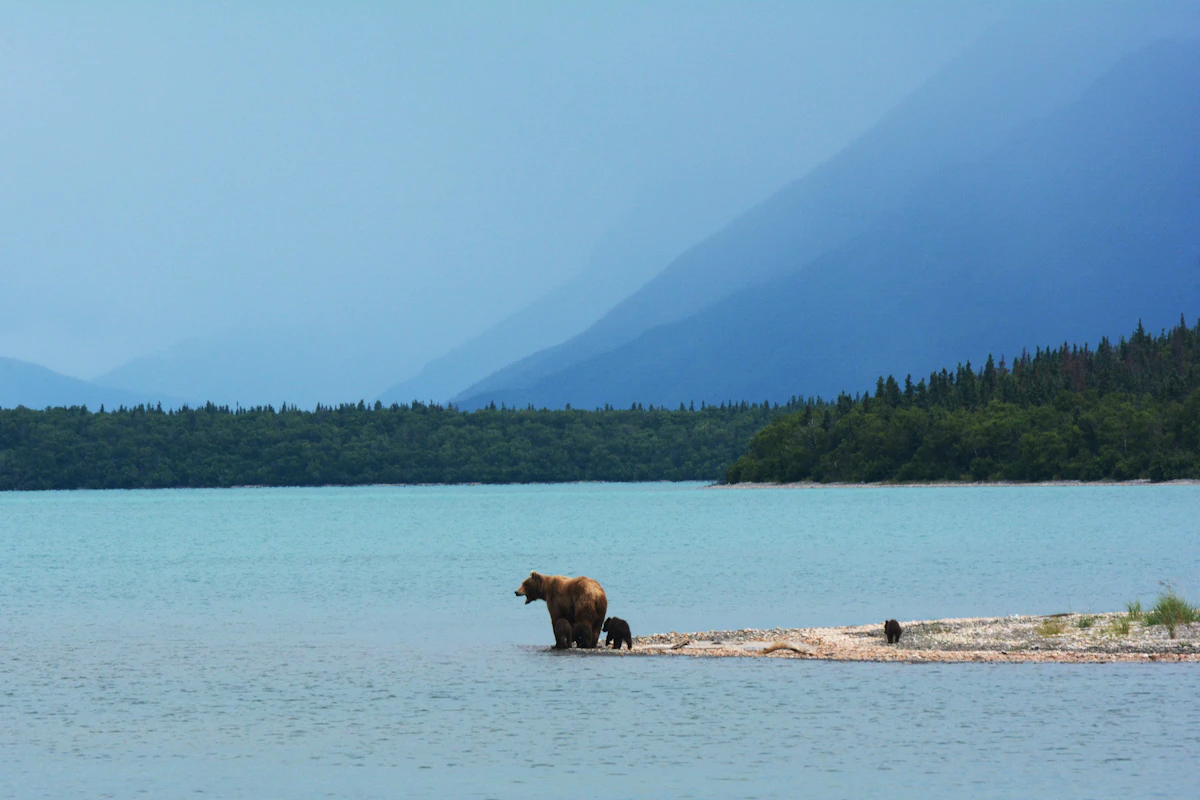
Alaska Brown Bear Draw Odds 2027
Alaska brown bear draw odds are unconfirmed for 2027, but recent undersubscribed hunts show opportunity exists alongside highly competitive Kodiak draws.
Related
Nevada Elk Draw Odds With Ten Points 2027
Nevada's 2025 elk draw gave ten-point nonresidents 101 entries per application, but only four of 97 tags went to that level; most winners had higher points or drew in less competitive hunts.
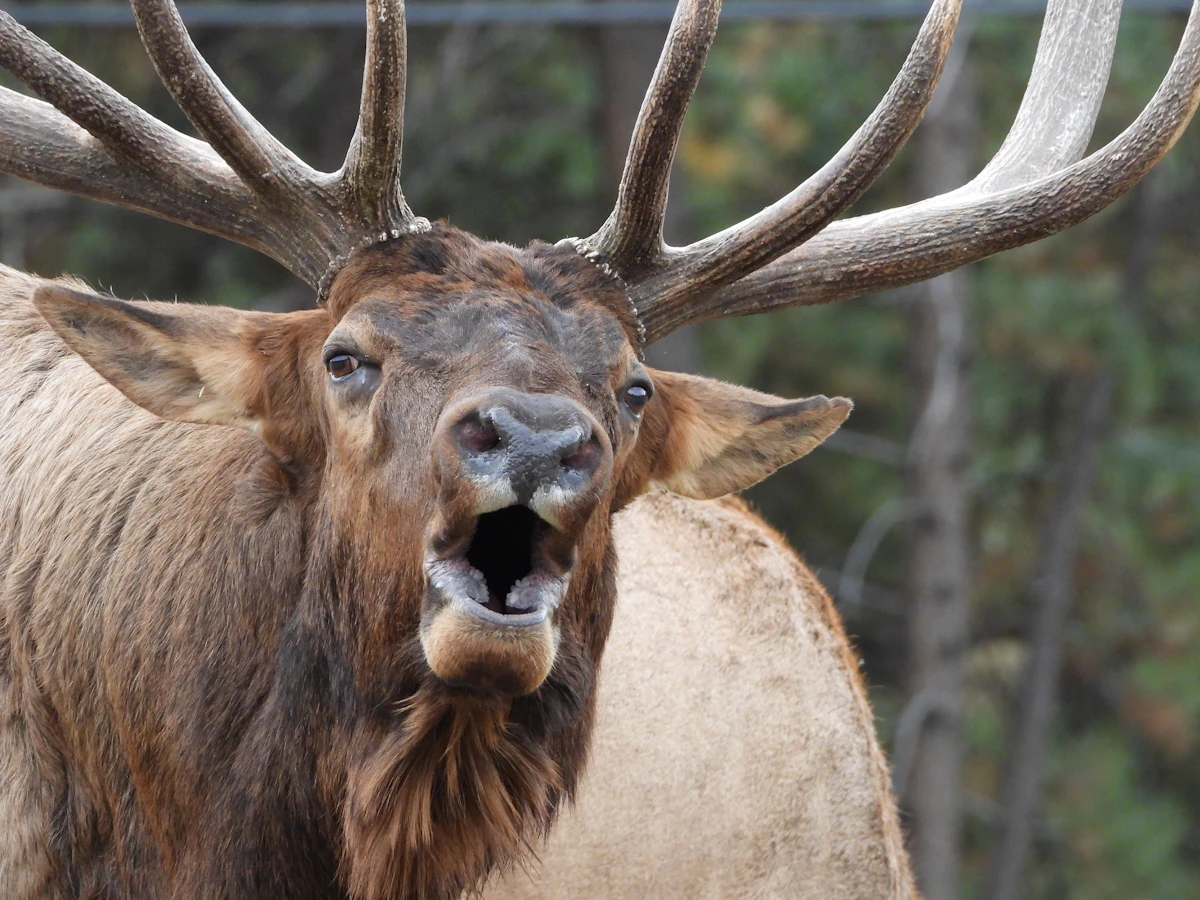
Next
Nevada Nonresident Elk Draw Odds 2027
Nevada's nonresident elk draw uses squared bonus points, with 2025 data showing top units requiring 10-25+ points while some tags went to 1-5 point holders. Learn how the system works, which hunts offer the best odds, and how to build points strategically.