Rocky Mountain Bighorn Sheep Hunting in Colorado: Units, Draw Odds, Seasons, Gear, and Strategy
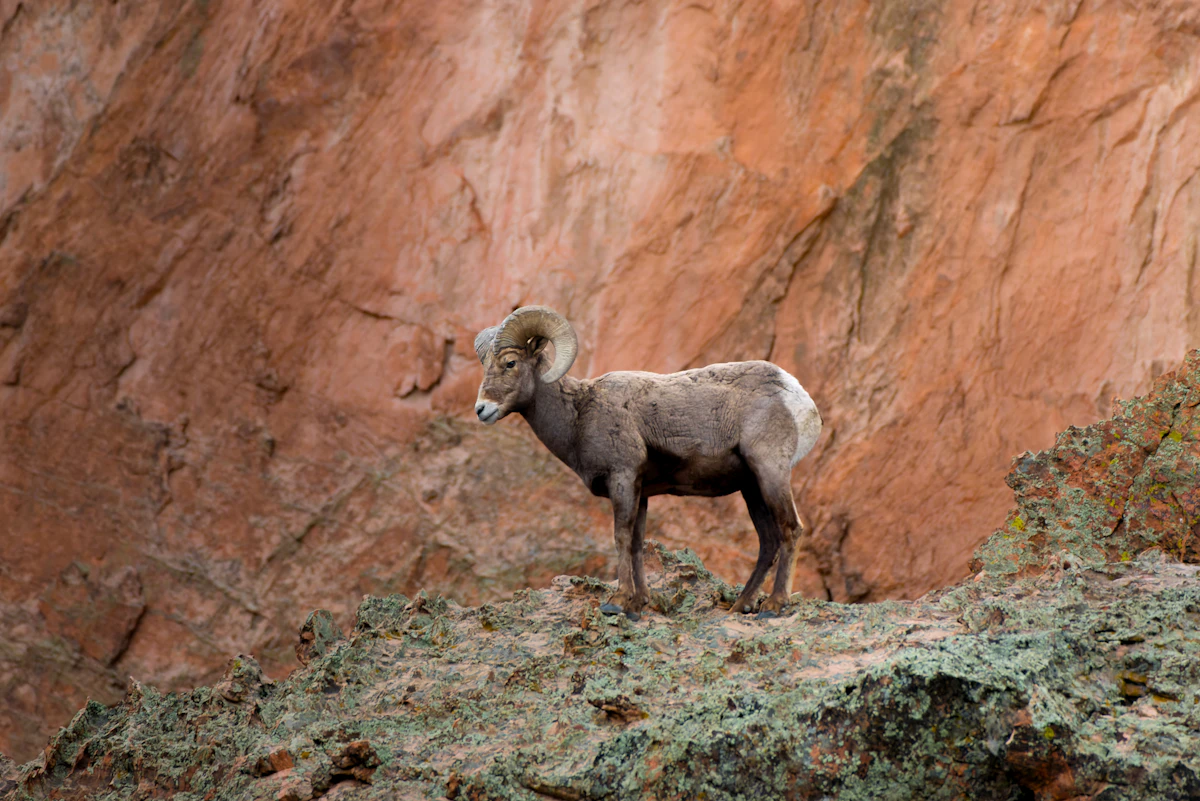
Rocky Mountain bighorn sheep hunting in Colorado is one of the most competitive and difficult tags to draw in North America. It is a hunt defined by extremely limited tag numbers, high demand, and a system that rewards long-term commitment but still offers no guarantees. For both residents and nonresidents, understanding which units you can draw, how the seasons are structured, and how to prepare for the hunt itself is critical if you want to turn a decades-long application process into a successful outcome.
Colorado manages bighorn sheep through a tightly controlled limited-entry system. Tags are issued across multiple units, but the number of permits in each unit is very small. In many cases, there are fewer than ten tags per unit, and often far less. These units are spread across the state’s mountainous regions, including the Front Range, central Rockies, and the San Juan Mountains. Each unit has different terrain, ram age structure, and draw difficulty, which is why unit selection plays such a major role in your overall strategy.
For residents, there is access to nearly all available units, but that does not make drawing a tag easy. High-demand units such as S6, S44, S49, and S58 are known for producing mature rams and attract applicants with decades of points. Even with that advantage, many residents apply for years without success due to the limited number of tags. Some hunters choose to chase these top-tier units, while others focus on units with slightly better draw odds, understanding that opportunity can outweigh waiting a lifetime.
Nonresidents face a much tighter allocation. Colorado limits nonresident tags heavily, and in many units there may only be one nonresident permit available, if any at all. Units like S6, S49, and S62 occasionally offer nonresident tags, but the competition is intense. In most cases, nonresident draw odds fall well below one percent. This makes it critical for nonresident hunters to study unit availability each year and adjust their applications based on real data, not assumptions.
Understanding how Colorado bighorn sheep seasons work is just as important as drawing the tag itself. Most sheep seasons in Colorado occur in the fall, typically running from late August or early September through October, depending on the unit. Early season hunts often take place in higher elevations where rams are still in summer patterns, spending time in alpine basins and open rocky terrain. These hunts can offer better glassing opportunities but may require more physically demanding access due to elevation and exposure.
As the season progresses into September and October, rams begin transitioning toward more rugged and sometimes lower-elevation terrain. Weather starts to play a larger role, and snow or storms can influence movement patterns. Later-season hunts can offer advantages in terms of locating rams in more predictable areas, but conditions can become more challenging. Wind, temperature swings, and changing access conditions all become factors that hunters must adapt to.
Colorado sheep seasons are typically long compared to many other big game hunts, often spanning several weeks. This gives tag holders the advantage of time, allowing them to scout, locate multiple rams, and wait for the right opportunity. However, that time can also be deceptive. Sheep hunting is not about constant action. It often involves long periods of glassing, hiking, and waiting, with only a few real chances to make a move.
Once a tag is drawn, preparation becomes the priority. Colorado bighorn sheep hunting takes place in steep, unforgiving terrain where physical conditioning is critical. Hunters should focus on building endurance, leg strength, and balance well before the season begins. Being able to move confidently in rocky, uneven ground is just as important as being able to hike long distances.
Gear selection needs to be precise. Boots are the most important piece of equipment, as they must provide stability and traction in steep terrain. Clothing should be layered to handle changing mountain weather, which can shift quickly even early in the season. Optics are essential, with 10x42 binoculars forming the foundation and a spotting scope often used to evaluate rams at long distances. A tripod system improves glassing efficiency and reduces fatigue over long sessions.
Your pack system should be built for both the hunt and the recovery. Lightweight packs that can carry heavy loads are necessary, as packing out a ram, including meat, cape, and horns, can be physically demanding and often requires multiple trips. Planning for that process ahead of time is critical.
Weapon choice should focus on reliability and precision. Rifle hunters should prioritize accuracy and know their effective range. A 200-yard zero is a practical standard, but confidence in your setup matters more than any specific number. Shots in sheep hunting can vary depending on terrain, and waiting for a high-percentage opportunity is always the right decision. Archery hunters face an even greater challenge, as getting within range of a ram in open terrain requires careful planning, patience, and near-perfect execution.
In the field, strategy revolves around glassing and patience. Sheep live in open, rocky terrain where they rely heavily on their eyesight. Finding rams requires time behind optics and the ability to break down large landscapes into manageable sections. Once a ram is located, the approach must be planned carefully, taking into account wind, terrain, and the ram’s position. One mistake can push sheep into areas that are difficult or impossible to access.
The biggest reality of Colorado bighorn sheep hunting is that opportunities are rare. You may spend days or weeks locating rams before making a move. When the moment comes, you need to be ready. This is not a hunt that allows for repeated chances.
For both residents and nonresidents, the challenge begins long before the hunt. Drawing a tag requires patience, strategy, and consistency. For residents, it may take decades. For nonresidents, the odds are even more difficult, often requiring persistence across multiple states. But for those who stay committed, the reward is one of the most iconic and demanding hunts in North America.
Was this article helpful?
Previous
Utah Big Game Draw — How It Works for Residents vs Non-Residents (2026)
How Utah's bonus-point draw actually works—including the 50/50 tag split—and the very different odds residents and non-residents face when applying for trophy hunts.
Next
Best Remaining OTC and General Elk Units Across the West (2026)
OTC and general elk hunting isn't dead—it's just changed. A state-by-state breakdown of the best remaining units in Colorado, Idaho, Wyoming, Montana, and Oregon for 2026.