Desert Bighorn Sheep Hunting in Colorado: Draw Odds, Units, Seasons, Gear, and Strategy
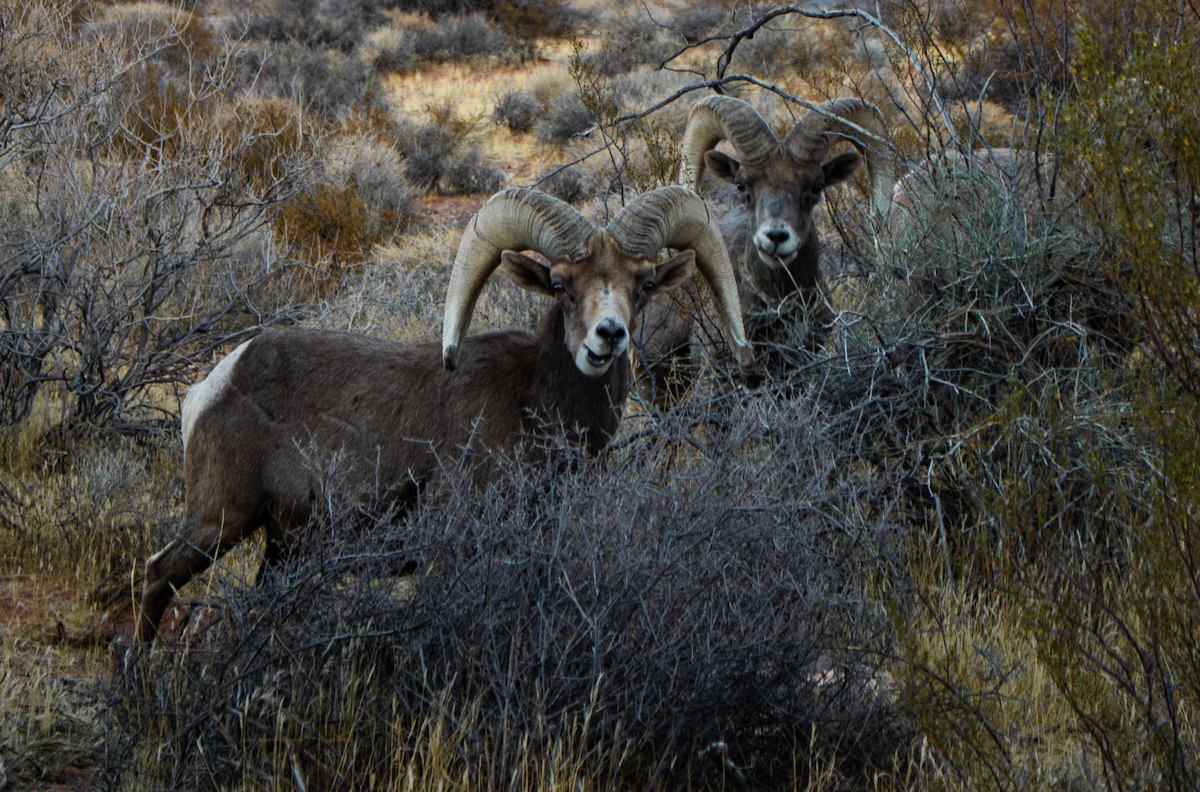
Desert bighorn sheep hunting in Colorado is one of the rarest and most difficult tags to draw in North America. While Rocky Mountain bighorn sheep get most of the attention across the state, desert bighorns are even more limited in both range and tag allocation. These sheep occupy a small portion of western Colorado, primarily in canyon country and arid desert environments. Because of that limited habitat and careful management, the number of tags issued each year is extremely low, making this one of the most exclusive hunts in the state.
Colorado manages desert bighorn sheep through a strict limited-entry draw system, just like Rocky Mountain bighorns, but with even fewer opportunities. In many years, total tags for desert bighorn units can be counted on one hand. That level of scarcity drives demand to an extreme level, with applicants building points for decades without ever drawing. For both residents and nonresidents, this is a true once-in-a-lifetime tag, and for many hunters, it remains out of reach.
The desert bighorn units in Colorado are concentrated in the western part of the state, primarily in units such as S62 and S56. These areas are defined by steep canyon walls, rimrock, mesas, and desert terrain that is vastly different from the high alpine environments associated with Rocky Mountain bighorns. Hunting these units requires a completely different mindset, as visibility, access, and movement patterns are shaped by the desert landscape rather than mountainous terrain.
For residents, there is access to these units through the draw, but the odds are still extremely low. With only a handful of tags available each year, competition among resident applicants is intense. Even hunters with decades of preference points are not guaranteed a tag due to the limited allocation and the way the draw system functions at such low tag numbers.
Nonresidents face an even more difficult challenge. Colorado restricts nonresident participation heavily, and in many years, there may be only one nonresident tag available for desert bighorn sheep, if any at all. This means nonresident hunters are competing for a single opportunity against applicants from across the country. Draw odds for nonresidents are often well below one percent, making this one of the most competitive hunts in the West.
Understanding how desert bighorn sheep seasons work in Colorado is key for those fortunate enough to draw a tag. Most desert bighorn seasons occur in the fall, typically running from September through October. These seasons are designed to allow hunters time to locate and evaluate rams across large, open desert landscapes. Early season conditions can still be hot, requiring hunters to manage heat and hydration carefully, while later dates may offer slightly cooler temperatures but still demand preparation for dry conditions.
Desert bighorn sheep behavior differs from their Rocky Mountain counterparts due to the environment they inhabit. These sheep are adapted to arid conditions and are often found in steep, rocky canyon systems where they can escape predators and observe their surroundings. Water sources, escape terrain, and feeding areas all play a role in where rams spend their time. Glassing is critical, as desert sheep are often located from long distances across open terrain.
Gear selection for a desert bighorn sheep hunt needs to reflect the environment. Lightweight and breathable clothing is essential for dealing with heat, while still allowing for layering during cooler mornings and evenings. Boots should provide strong traction on rocky surfaces but also remain comfortable in hot, dry conditions. Optics are one of the most important tools, with 10x42 binoculars forming the baseline and a spotting scope often necessary for evaluating rams at distance.
Hydration is a major factor in desert hunts. Carrying enough water and planning access to water sources is critical for both safety and performance. Unlike high-elevation hunts where cold can be the primary concern, desert bighorn hunting requires careful management of heat, exposure, and energy.
Weapon choice should focus on accuracy and reliability. Rifle hunters should be confident in their ability to make precise shots, as terrain can create challenging shooting angles and distances. A 200-yard zero is a practical baseline, but knowing your effective range is more important than any specific setup. Archery hunting for desert bighorn sheep is extremely challenging due to the open terrain and the difficulty of closing distance on highly alert animals.
Strategy for desert bighorn sheep hunting revolves around glassing, patience, and careful movement. Rams are often located from long distances, and once spotted, the approach must be planned using terrain features such as ridges, cuts, and rock formations to stay out of sight. Desert sheep rely heavily on their vision, and one mistake can push them into inaccessible terrain.
One of the biggest differences in desert bighorn hunting is the visibility. Compared to Rocky Mountain bighorns, desert sheep are often easier to locate due to the open landscape, but harder to approach due to the lack of cover. This creates a unique challenge where finding animals is only the first step, and closing the distance becomes the real test.
The reality of desert bighorn sheep hunting in Colorado is that drawing a tag is the hardest part. With extremely limited tags, intense competition, and long wait times, it is a hunt that requires patience and commitment. For residents, it may take decades. For nonresidents, the odds are even more difficult.
For those who are fortunate enough to draw, the reward is one of the most unique hunting experiences available. Desert bighorn sheep hunts combine rugged terrain, challenging conditions, and the pursuit of an iconic animal in one of the most remote and visually striking landscapes in the state.
Was this article helpful?
Previous
Idaho OTC and Controlled Hunt Tags — How It Works (And How to Actually Get a Tag) 2026
Idaho now requires non-residents to draw general elk and deer tags instead of buying OTC. A separate veteran draw gives additional opportunity, making planning ahead critical.
Next
Colorado Secondary Draw and Leftover Tags — How It Works (And How to Actually Use It) 2026
Colorado’s secondary draw and leftover tags give hunters a second chance at licenses after the primary draw. No points are used, and leftover tags are first come, first served, making it a key way to hunt more often.