Wyoming Elk Draw Odds With Three Points: 2027 Analysis
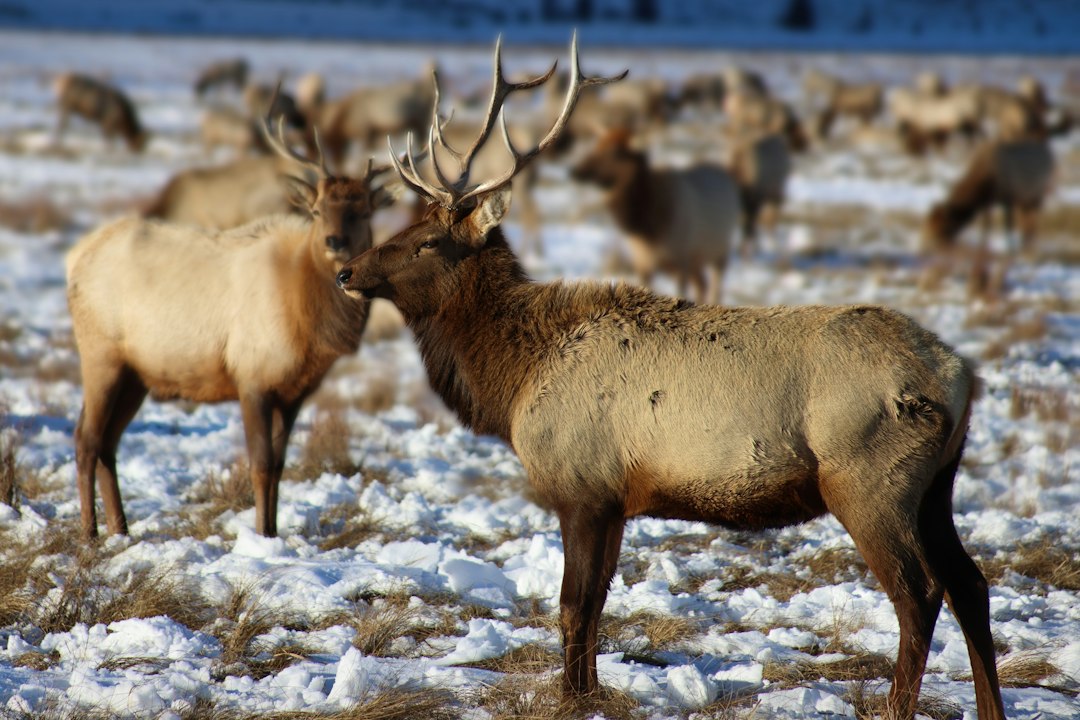
Three preference points put nonresidents in range for dozens of Wyoming elk tags in 2027. You can draw General tags in nearly every region and competitive Limited Quota hunts in underrated units where pressure remains light. The key is knowing which units reward mid-tier point holders and which demand patience.
Wyoming's preference-point system awards tags to the highest point holders first, making draw odds predictable. General tags dominate the opportunity landscape—most require zero to two points, but a handful of premium areas now ask for three or four. Limited Quota hunts span the full spectrum: some world-class units demand 20+ points, while sleeper hunts in accessible terrain go to applicants with five or fewer.
How Wyoming Elk Preference Points Work
Wyoming grants one preference point per year to nonresident applicants who either apply unsuccessfully or buy a point without applying. Points accumulate without a cap, and tags go to the highest point holders within each hunt code. Up to 75 percent of nonresident Limited Quota tags are allocated in the preference-point draw; the remaining 25 percent go to a random draw where every applicant—regardless of points—has equal odds.
General tags allow hunting across large regions with flexible boundaries. Limited Quota tags restrict hunter numbers in specific units and often deliver better bull-to-cow ratios. Nonresidents may apply for up to three hunt choices on a single application, ranked by preference. If you draw your second or third choice, you keep your points. Drawing your first choice consumes all points.
General License Draw Odds at Three Points
Most General elk licenses require zero to two points for nonresidents, but a few high-demand regions have crept into three-point territory. Type 1 (full-season any-elk) tags in popular areas like the Bighorn Mountains and parts of northwest Wyoming now pull applicants with three points. Type 6 (cow/calf) tags across most regions remain available at one point or less.
Region G (southwest Wyoming) and Region H (south-central) consistently offer Type 1 tags to applicants with two points, though draw statistics show creep toward three in recent cycles. Type 9 reduced-price cow tags in these regions often go to zero-point holders, providing a low-cost entry if you want guaranteed elk hunting while banking points for a future premium tag.
General archery tags (Type 2) see less point creep than rifle equivalents. Most archery hunters draw with zero to one point across all regions. If your goal is September elk hunting in the rut, three points position you well above the competitive threshold.
Limited Quota Hunts Within Reach
Three points open the door to mid-tier Limited Quota hunts that balance quality and accessibility. Hunt Area 100 (Owl Creek/Bridger Mountains) rifle tags have gone to applicants with two to four points in recent years, depending on hunt type. Hunt Area 7 (southeast of Yellowstone) archery and early rifle hunts occasionally drop into the three-point range when fewer applicants compete.
The Medicine Bow region (Hunt Areas 7, 16, and surrounding units) offers consistent opportunity for mid-point holders. These hunts see fewer applicants than the Bighorn Mountains or Jackson units, yet public land is abundant and bull quality remains solid. Late-season cow hunts in many Limited Quota areas require zero to two points, giving you a second tag option if you draw a General license as your first choice.
Some applicants overlook Hunt Area 5 (Laramie Peak) and adjacent units where archery and late-season rifle tags regularly go to three-point holders. Access is straightforward via national forest land, and elk densities support consistent hunting pressure without the crowding seen in more publicized zones.
Point Creep and 2027 Projections
Point creep continues across Wyoming's elk draw, though the rate varies by hunt type and region. General rifle tags in Regions A, D, and K (Sheridan, Pinedale, and Jackson areas) added roughly one point of required preference over the past three seasons. Limited Quota hunts in high-profile units like Hunt Area 100 Type 1 have climbed from three to five points over the same span.
The 2027 draw will reflect quota adjustments made in late 2026 based on herd surveys and harvest data. If quotas increase in undersubscribed units, three-point holders may see improved odds. Conversely, if General tag numbers drop in overachieving regions, more applicants will shift to Limited Quota hunts and accelerate creep in mid-tier units.
Nonresident applicants often misjudge how many others hold exactly three points. The largest cohort typically sits in the two-to-four-point range, creating sharp competition for hunts that require three or four points. Drawing at exactly three points means you likely applied in a year when slightly fewer than average applicants had the same count—timing and unit selection matter as much as the points themselves.


Free to join
Download mobile app
- Detailed draw odds
- Point tracking
- Deadline reminders
- 19 states covered





Free to join
Download mobile app
- Detailed draw odds
- Point tracking
- Deadline reminders
- 19 states covered






Free to join
Download mobile app
- Detailed draw odds
- Point tracking
- Deadline reminders
- 19 states covered

Strategy for Applicants With Three Points
First-Choice Selection
Use your first choice on a hunt you genuinely want to draw. If you list a low-point General tag first and a high-point Limited Quota hunt second, you will draw the General tag and lose your opportunity at the Limited Quota tag. Rank choices by preference, not by likelihood of drawing.
If three points puts you near the cutoff for a Limited Quota hunt you want, apply for it first. Review the previous three years of draw statistics and calculate the average points required. If three years show two, three, and four points, you sit at the median and have roughly 50-50 odds. If the trend is upward (two, three, four), expect four points in 2027. If the trend is flat or downward, three points may suffice.
Second and Third Choices
List a General tag or cow hunt as your second choice. If you fail to draw your first-choice Limited Quota hunt, you still have a chance at a tag in your second or third slot without burning points. This strategy lets you hunt elk in 2027 while keeping your points for another try in 2028.
Some applicants use all three choices for Limited Quota hunts at varying point levels, accepting the risk of drawing nothing. This makes sense if you plan to hunt elk in another state and want to focus Wyoming applications on premium tags only.
Special vs. Regular Draw
Wyoming offers a Special draw with higher license fees and better odds. The Special draw allocates a separate pool of tags to applicants willing to pay roughly triple the Regular draw fee. At three points, Special draw odds in competitive units often double or triple your chance compared to the Regular draw.
If you have three points and want to draw a hunt that historically requires three to four points in the Regular draw, the Special draw often tips the odds in your favor. Calculate the cost difference and decide whether the improved odds justify the expense.
Units to Target in 2027
Hunt Area 100 Type 9 (any elk, late season) has ranged from three to five points over recent cycles. Three points puts you in contention if quotas increase or applicant interest shifts to other units. Access via national forest land is excellent, and late-season bulls often concentrate near winter range.
Region G and Region H Type 1 General tags remain the most reliable options for three-point holders who want to hunt in the prime October dates. These regions cover vast public land in the Sierra Madre, Medicine Bow, and Wyoming ranges. Success rates hover near 30 percent, and you can scout effectively using digital tools before committing to specific basins.
Hunt Area 16 (Medicine Bow National Forest) Type 1 archery has bounced between two and four points depending on quota and applicant volume. Three points positions you competitively if 2027 quotas hold steady. The unit sees moderate pressure compared to areas near Yellowstone, and elk respond well to calling during the September rut.
Region A Type 2 (archery) in the Bighorn Mountains offers consistent draw odds at two to three points. The season opens during the peak rut, and public land comprises the majority of the unit. Bulls bugle reliably through mid-September, giving archery hunters multiple setup opportunities on vocal animals.
Comparing Wyoming to Other Three-Point States
Colorado's elk draw at three points delivers similar opportunity but with shorter seasons and higher hunter density. Wyoming's General tags span longer seasons and often include less-crowded units. Colorado's OTC archery tags require no points but restrict unit choice; Wyoming's archery draw gives you more control over where you hunt.
Montana's elk draw does not use preference points for most licenses. The combination license draw uses bonus points instead, where each point grants an additional entry but does not guarantee tag allocation by point total. Wyoming's preference system provides more predictability for mid-point applicants.
Idaho sells most elk tags over the counter or through controlled-hunt draws that use bonus points. Three points in Idaho's bonus-point system carries less weight than three preference points in Wyoming. If you want a known timeline to draw specific hunts, Wyoming's preference system rewards consistent application better than Idaho's or Montana's bonus-point structures.
FAQ — Wyoming Elk Draw With Three Points
Can I draw a General elk tag in Wyoming with three points in 2027?
Yes. Most General elk tags require zero to two points, and a few high-demand regions now require three. Three points puts you above the threshold for nearly every General license.
What are my odds of drawing a Limited Quota elk hunt with three points?
Odds vary by unit. Mid-tier Limited Quota hunts in areas like the Medicine Bow or Owl Creek regions often require two to five points, placing three-point holders in competitive range. Premium units near Jackson or in the Thoroughfare demand 15+ points.
Should I apply for the Special draw or Regular draw with three points?
The Special draw roughly doubles or triples your odds in competitive units because fewer applicants pay the higher fee. If three points puts you near the cutoff for a hunt you want, the Special draw often tips the balance.
Do I lose my points if I draw my second-choice hunt?
No. You only lose points if you draw your first choice. Drawing your second or third choice lets you keep your points for the following year.
How fast is point creep affecting Wyoming elk tags?
General rifle tags in popular regions have added roughly one point every two to three years. Limited Quota hunts in mid-tier units climb at a similar rate, while top-tier hunts near Yellowstone creep more slowly due to already high point requirements.
Is three points enough to hunt elk in Wyoming in 2027?
Yes. Three points qualifies you for most General tags and many Limited Quota hunts. Apply strategically, use your second choice for a backup General tag, and consider the Special draw for competitive units.
Was this article helpful?
Previous
Alaska Moose Draw Odds 2027: Unit-by-Unit Breakdown & Application Strategy
Alaska's moose draws are competitive, especially for nonresidents in high-demand units like 13B and 20A. Understanding tier systems, point structures, and resident-priority rules is key to planning a successful 2027 application.
Related
Nevada Big Game Draw Guide 2027: Deadlines, Bonus Points & Application Strategy
Nevada's 2027 big game draw opens in early March with applications due by the first Tuesday in May. Understand bonus points, resident/nonresident odds, and how to maximize your application strategy for elk, deer, pronghorn, and other species.
Next
Nevada Mule Deer Draw Odds and Tag Guide 2027
Nevada's 2027 mule deer draw is split between resident-only controlled hunts and nonresident-eligible archery and rifle tags, with bonus points improving odds in both systems. Most resident rifle hunts require 8-15 points, while nonresident archery tags often draw with zero points.