Alaska Moose Draw Odds 2027: Unit-by-Unit Breakdown & Application Strategy
Alaska offers some of North America's most sought-after moose hunting, but landing a tag requires navigating a complex draw system that favors residents, uses a tier structure for certain hunts, and allocates tags differently across 26 game management units. The 2027 drawing will follow Alaska's established regulatory framework, with nonresident odds heavily influenced by the 10 percent allocation cap and competitive pressure in premium units like 13B, 20A, and 16B.
How Alaska's Moose Draw System Works
Alaska does not use preference points or bonus points for moose. Every draw is random within each applicant tier. For registration hunts (Tier I and Tier II), the state prioritizes subsistence users first, then residents who have lived in specific areas, then all other residents. Drawing permits (DM hunts) follow a simpler structure: up to 90 percent of tags go to residents, and up to 10 percent go to nonresidents.
Applicants submit their choices during the annual drawing period, which typically opens in late October and closes in mid-December. The drawing occurs in late winter, with results posted by early spring. Unlike Western states with point systems, first-time applicants have the same odds as veterans in any given year, making Alaska an attractive option for hunters willing to accept lower draw probabilities in exchange for trophy potential.
2027 Nonresident Draw Odds by Unit
Nonresident success rates vary dramatically depending on the unit and hunt code. Units near road systems or with exceptional trophy quality see the heaviest competition. Based on the most recent published draw statistics, nonresident odds in popular units include:
Unit 13B — One of the most sought-after units for trophy bulls. Nonresident odds typically fall below 5 percent due to limited tag allocation and heavy application pressure from hunters targeting Alaska Range giants.
Unit 20A — Road-accessible from Fairbanks, this unit draws thousands of applicants. Nonresident odds hover around 3 to 8 percent depending on the specific hunt, with early-season archery draws slightly less competitive.
Unit 16B — Alaska Peninsula moose hunts offer strong bull-to-cow ratios and high success rates once drawn. Nonresident odds range from 8 to 15 percent, making it one of the more attainable premium hunts for out-of-state hunters.
Unit 18 — Yukon-Kuskokwim Delta hunts are less competitive, with nonresident odds sometimes exceeding 40 percent. Access challenges and remote logistics reduce application volume despite healthy moose populations.
Residents drawing in these same units often see odds above 50 percent, reflecting Alaska's strong resident-priority allocation. Nonresidents should focus applications on units where tag numbers are higher or where access difficulty suppresses resident demand.
Tier I and Tier II Registration Hunts
Registration hunts (RM codes) do not require a draw application — hunters simply register during an announced period and receive a permit. However, when registration demand exceeds available permits, the hunt converts to a Tier I or Tier II drawing.
Tier I is restricted to Alaska residents who have lived in specific game management subunits or communities for at least 12 consecutive months prior to the drawing. This tier exists to preserve subsistence opportunities and local access.
Tier II opens to all Alaska residents if Tier I does not fill the quota. Nonresidents are never eligible for Tier I or Tier II hunts, regardless of how many tags remain.
If you are planning a 2027 moose hunt as a nonresident, ignore Tier I and Tier II hunts entirely when researching options. Focus only on drawing permit (DM) hunts, where the 10 percent nonresident allocation applies.
Application Strategy for 2027
Alaska allows moose hunters to apply for up to five hunt choices, ranked in order of preference. The system processes all first choices, then second choices, and so on. Strategic applicants balance high-demand trophy units with backup options that offer better odds.
Start by identifying your primary goal: trophy quality, meat harvest, or hunt experience. If you are targeting a 60-inch-plus bull, focus first choices on Unit 13B, 20A, or 16B despite low odds. If your priority is filling a tag, consider Unit 18, 19D, or 24B as early choices, where nonresident odds often exceed 30 percent.
Do not waste choices on units that exclude nonresidents or convert to Tier I/II hunts. Review the current hunt supplement carefully to confirm DM hunt codes and tag allocations before applying. Alaska regulations can shift based on population surveys and subsistence needs, so last year's hunt structure may not match 2027.
Consider applying for less competitive weapon types when appropriate. Archery-only hunts in some units draw fewer applicants than any-weapon permits, though success rates after drawing may be lower due to equipment limitations and early-season timing.
Free to join
Download mobile app
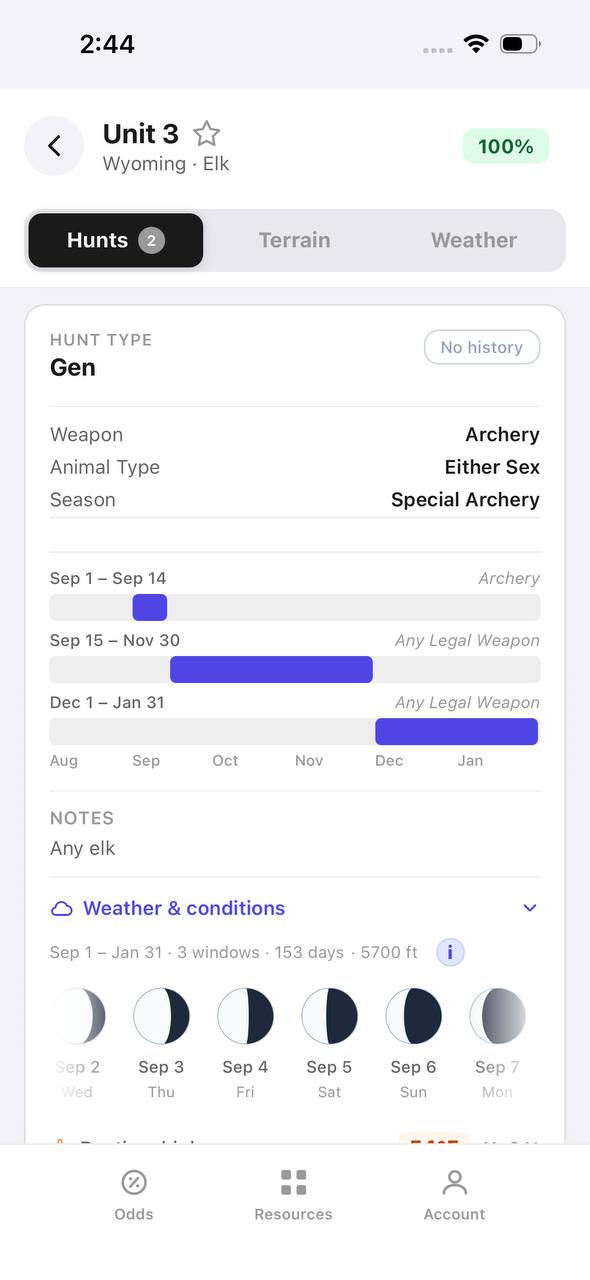
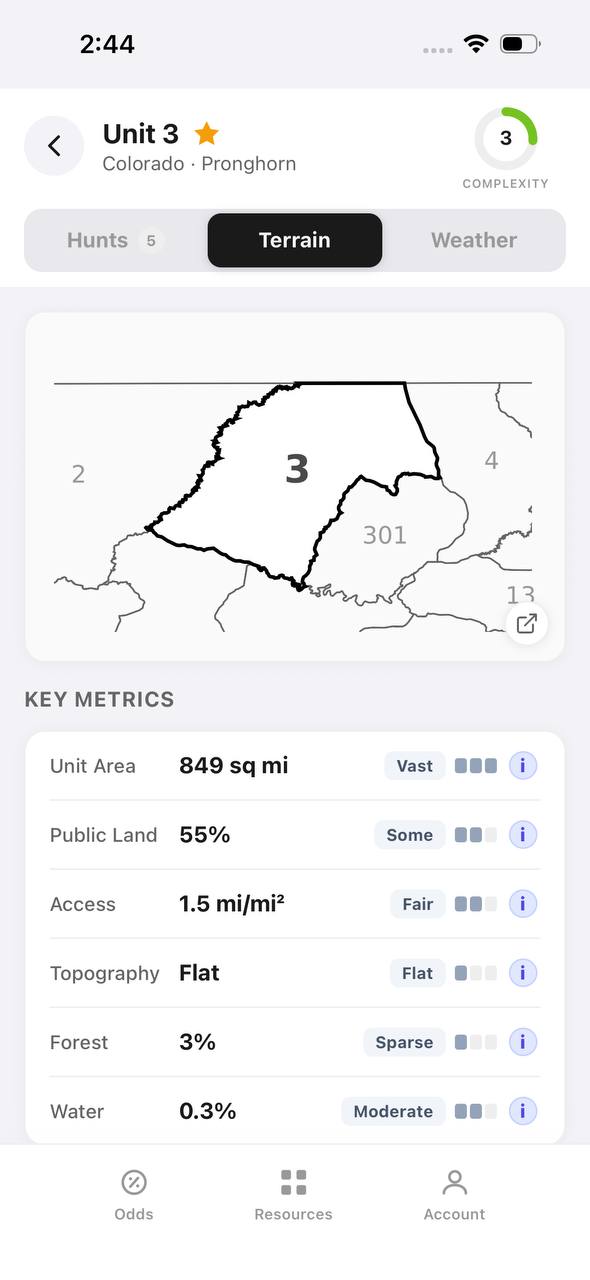
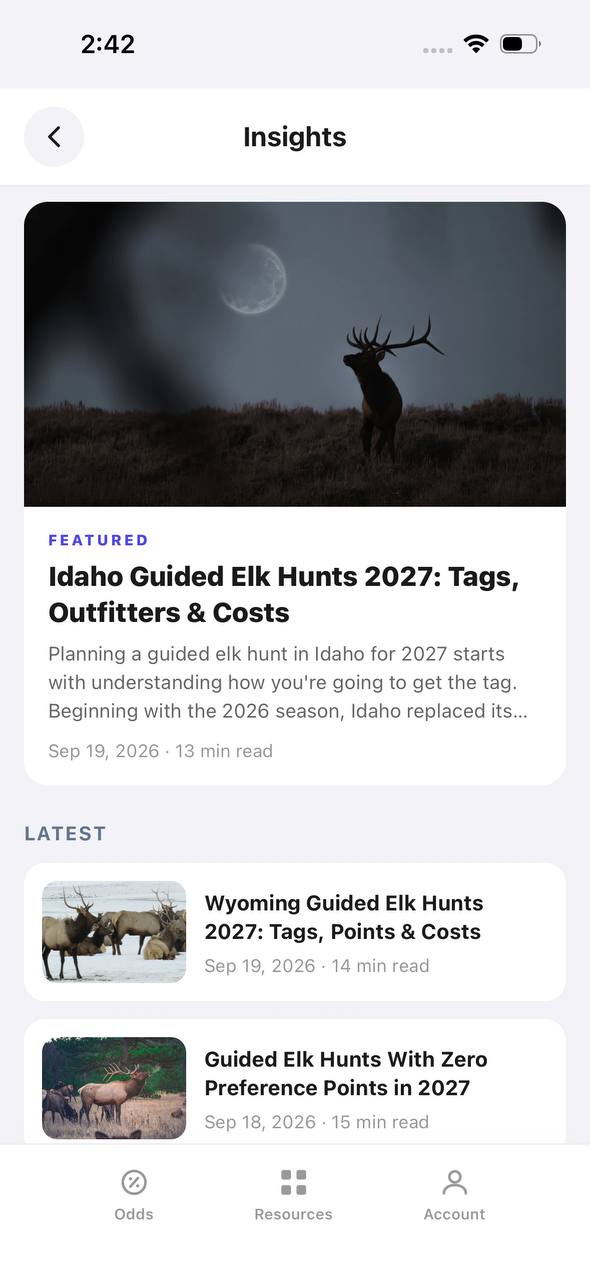
- Detailed draw odds
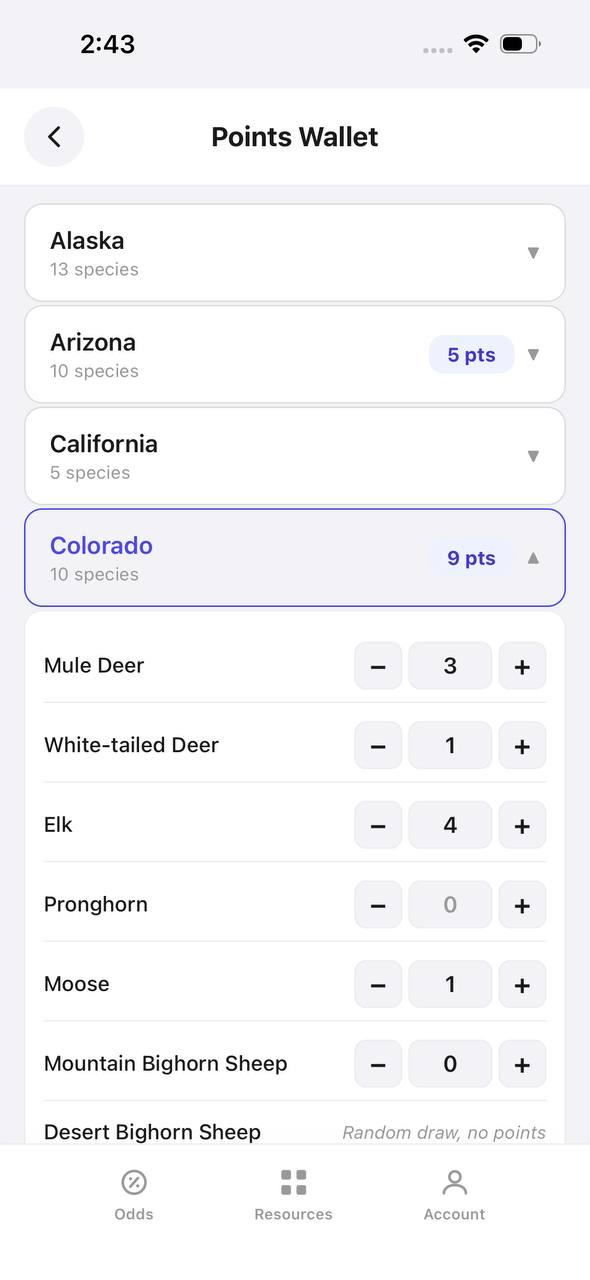
- Point tracking
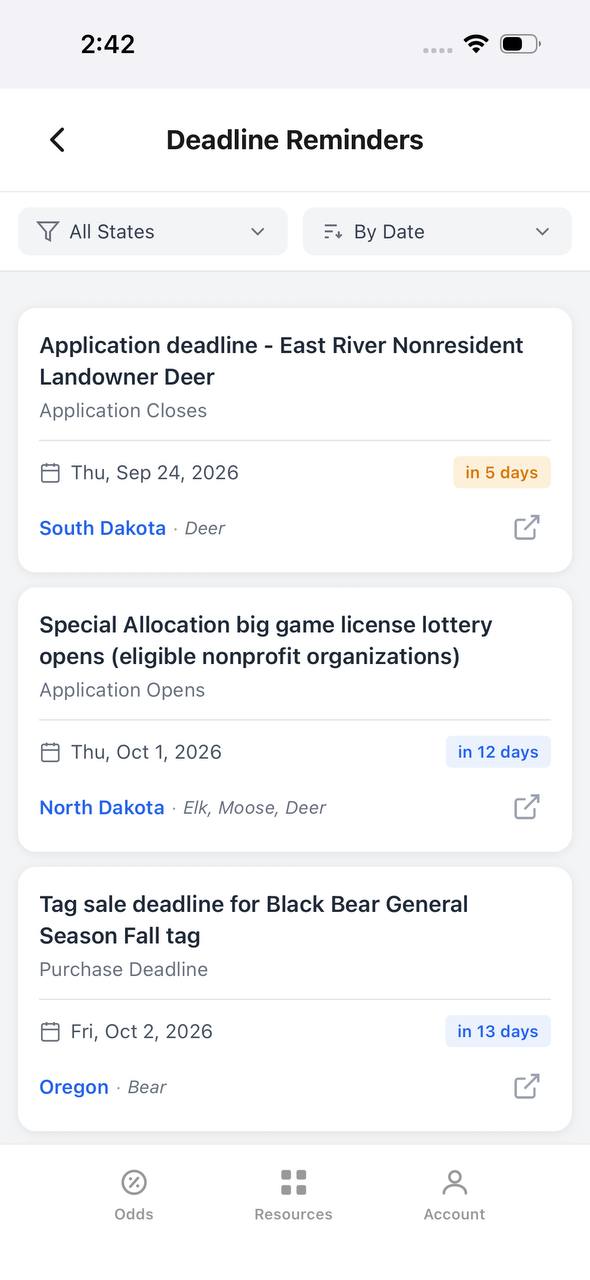
- Deadline reminders
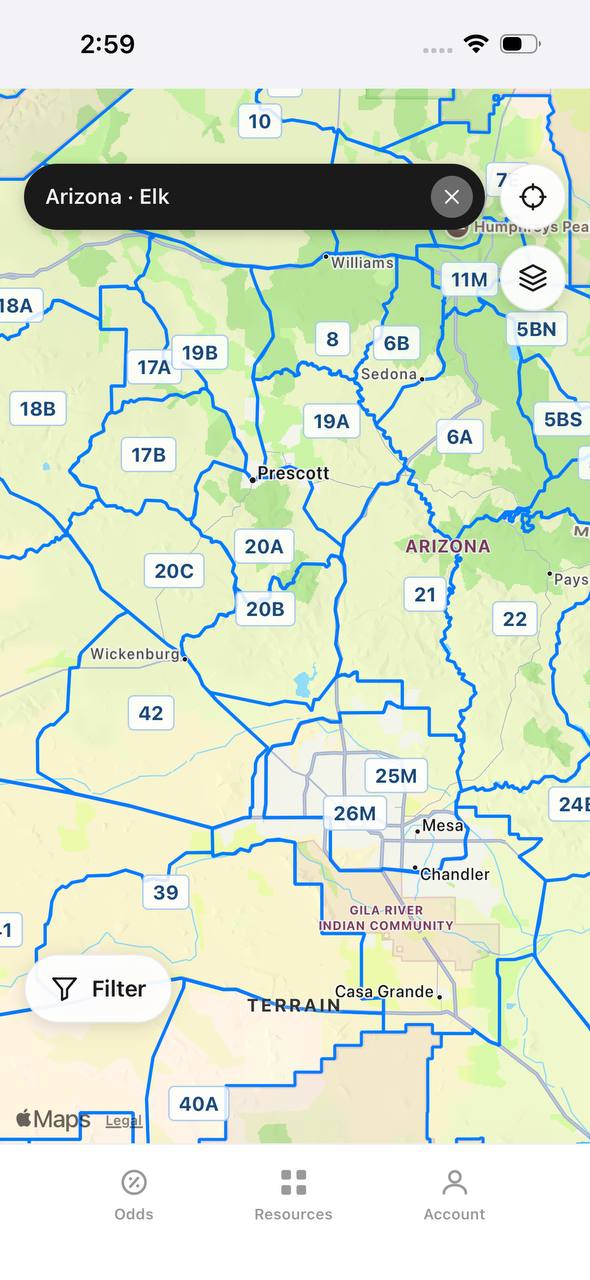
- 19 states covered

Free to join
Download mobile app
- Detailed draw odds
- Point tracking
- Deadline reminders
- 19 states covered
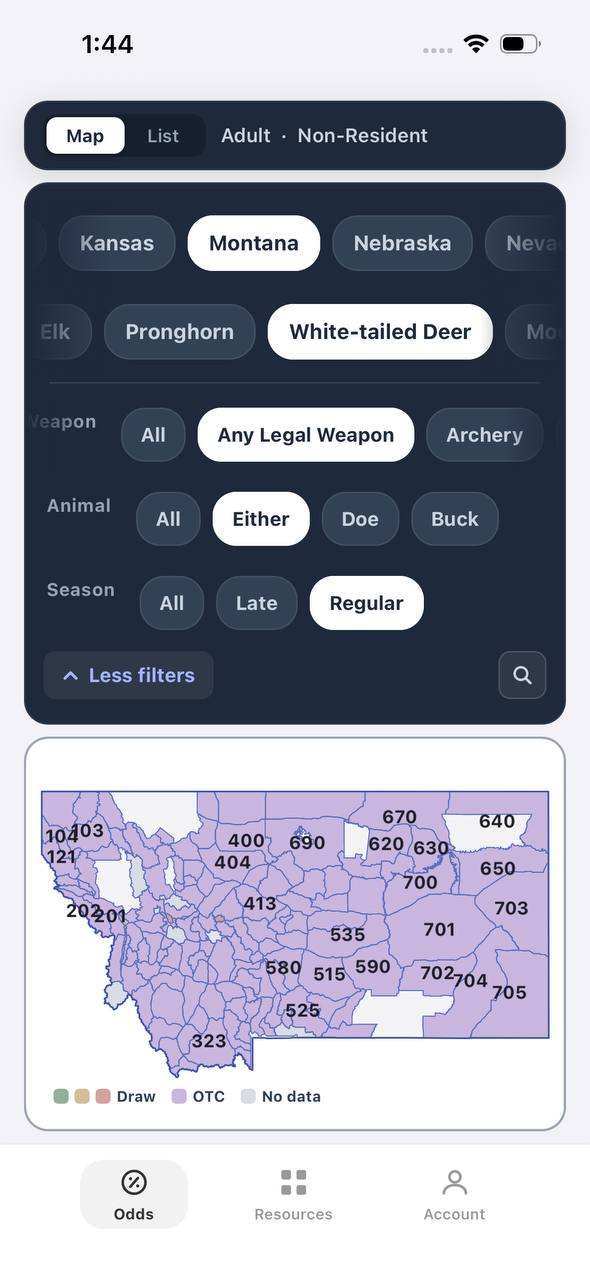
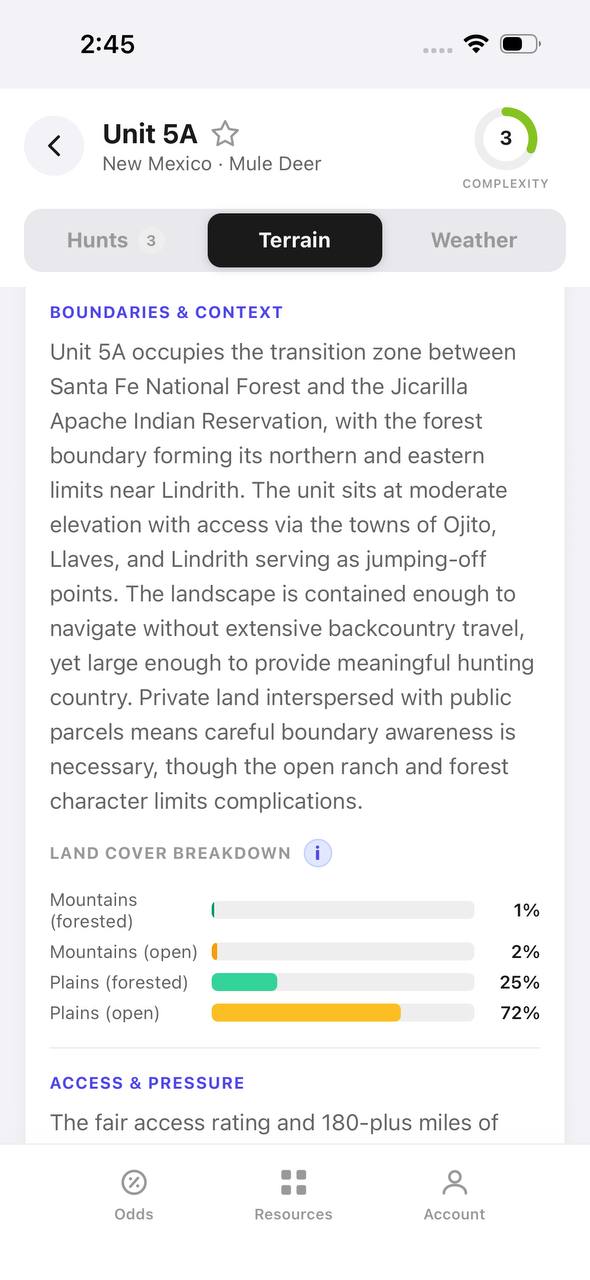
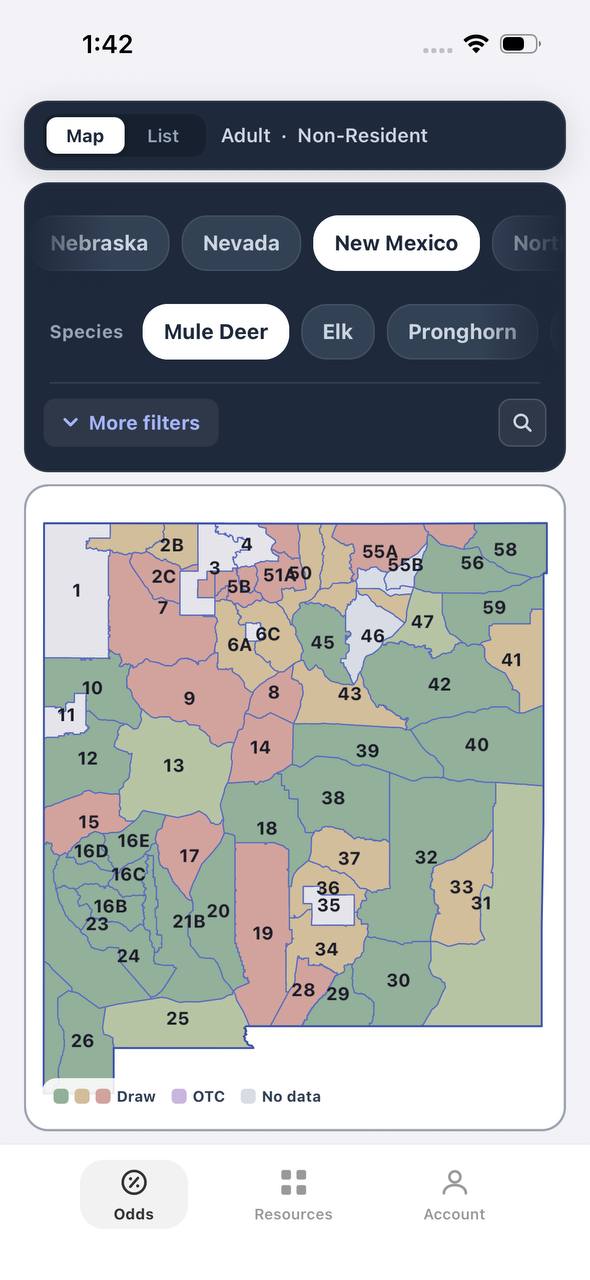
Free to join
Download mobile app
- Detailed draw odds
- Point tracking
- Deadline reminders
- 19 states covered
Resident vs. Nonresident Allocation Rules
Alaska statute caps nonresident participation at 10 percent of total tags for drawing moose hunts. In practice, this means a unit issuing 200 permits will allocate up to 180 to residents and up to 20 to nonresidents. If fewer than 20 nonresidents apply, the unused tags do not roll over to residents — the total issued remains below the cap.
This allocation structure creates a ceiling on nonresident opportunity regardless of application volume. In high-demand units, thousands of nonresidents may compete for fewer than 10 tags, while residents face far less competition for the remaining 90 percent.
Residents also benefit from being eligible for Tier I and Tier II hunts, registration hunts that do not convert to draws, and youth-only or other special permits unavailable to nonresidents. Establishing Alaska residency before applying significantly improves draw odds and expands hunt options, though residency requirements are strict and enforced.
Tag Costs and Licensing Requirements
Nonresidents applying for Alaska moose must purchase a nonresident hunting license before the drawing deadline. The 2026 nonresident hunting license cost $160, and tag fees for drawn moose permits were $800. Total upfront costs for applying (license only) are $160, with the additional $800 tag fee due only if drawn.
Residents pay significantly less: the 2026 resident hunting license was $45, and moose tags were $25. These fee structures reflect Alaska's policy of prioritizing resident access to fish and wildlife resources.
All applicants must also comply with hunter education and orientation requirements. Nonresident hunters born after January 1, 1986, must show proof of hunter education certification. No orientation course is required for moose specifically, unlike some sheep and goat hunts.
What to Do After Drawing a 2027 Moose Tag
Once you draw, shift focus immediately to logistics. Alaska moose hunts often require bush planes, boats, or off-road vehicles to access huntable country. Book your transporter or air charter service as early as possible — prime dates fill quickly, and weather delays are common in September.
Nonresident moose hunters are not required to hire a registered guide, unlike for brown bear, sheep, or goat. However, hiring an experienced transporter or guide can dramatically increase success rates, especially in remote units with challenging terrain.
Confirm your hunt dates, weapon restrictions, and any special permit conditions in the official hunt regulations closer to the season. Some units prohibit same-day-airborne hunting, restrict motorized access, or require specific reporting procedures. Violating these rules can result in forfeiture of your harvest and future hunting privileges.
Plan for meat care and transportation. A mature Alaska-Yukon moose can yield 500 to 700 pounds of meat. You will need game bags, a reliable cooler system, and a way to get meat from the field to a processor or freezer within days of harvest.
FAQ — Alaska Moose Draw Odds 2027
Does Alaska use preference points for moose?
No. Alaska's moose draws are random, with no preference point or bonus point system. Every applicant in a given pool has equal odds each year.
What are the best units for nonresident moose hunters?
Units 16B, 18, and 19D offer higher nonresident draw odds than road-accessible trophy units like 13B or 20A. Remote access reduces competition, though success rates and logistics vary.
Can nonresidents hunt Tier I or Tier II moose hunts?
No. Tier I and Tier II hunts are restricted to Alaska residents. Nonresidents can only apply for drawing permit (DM) hunts with the 10 percent allocation.
When is the 2027 Alaska moose draw application deadline?
The application period typically opens in late October and closes in mid-December, with results posted in early spring. Check the Alaska Department of Fish and Game website for exact 2027 dates.
Do I need a guide to hunt moose in Alaska as a nonresident?
No. Nonresidents can hunt moose unguided, unlike brown bear, Dall sheep, or mountain goat, which require a guide or second-degree relative.
How much does a nonresident Alaska moose tag cost?
The 2026 nonresident moose tag was $800, plus a $160 hunting license. Fees are subject to change, so verify current costs before applying for 2027.
Was this article helpful?
Previous
Nevada Mule Deer Draw Odds and Tag Guide 2027
Nevada's 2027 mule deer draw is split between resident-only controlled hunts and nonresident-eligible archery and rifle tags, with bonus points improving odds in both systems. Most resident rifle hunts require 8-15 points, while nonresident archery tags often draw with zero points.

Related
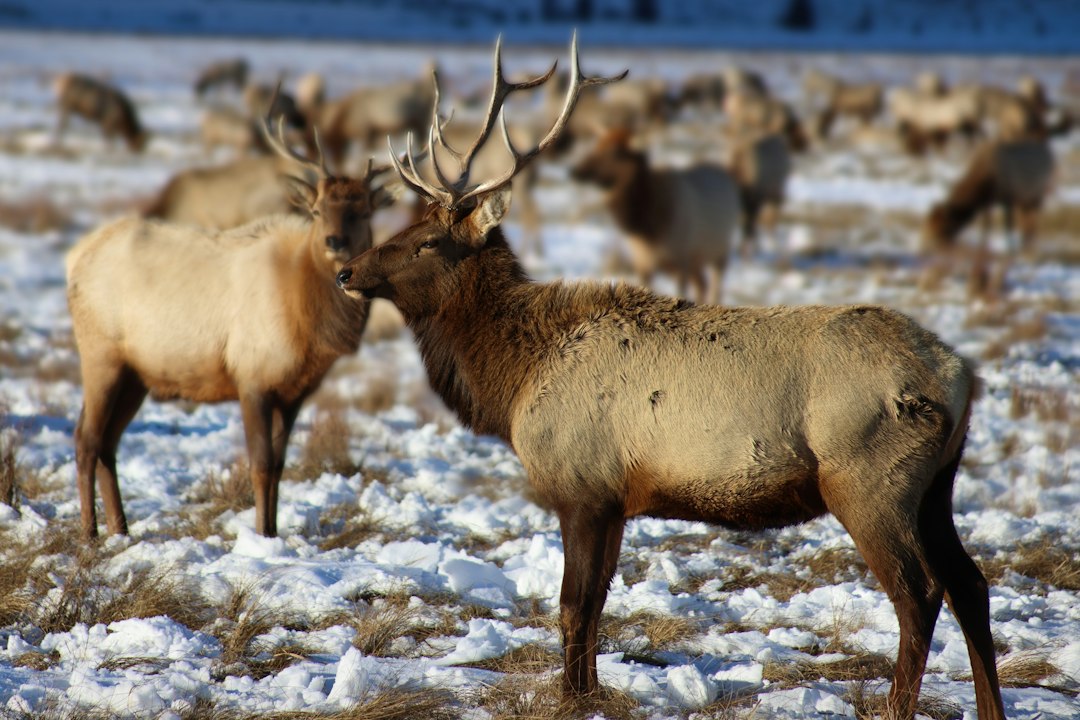
Wyoming Elk Draw Odds With Three Points: 2027 Analysis
Three preference points give nonresidents realistic odds in 25+ Wyoming elk units for 2027, including quality General tags and select Limited Quota hunts in underrated regions.
Next
Wyoming Leftover Draw Guide 2027: How to Score Tags After the Initial Draw
Wyoming's leftover draw offers a second chance at big-game tags after the regular draw closes. This guide explains how the system works, what tags typically remain, and how to maximize your odds in the 2027 leftover draws.