Wolf Hunting Regulations by State 2027
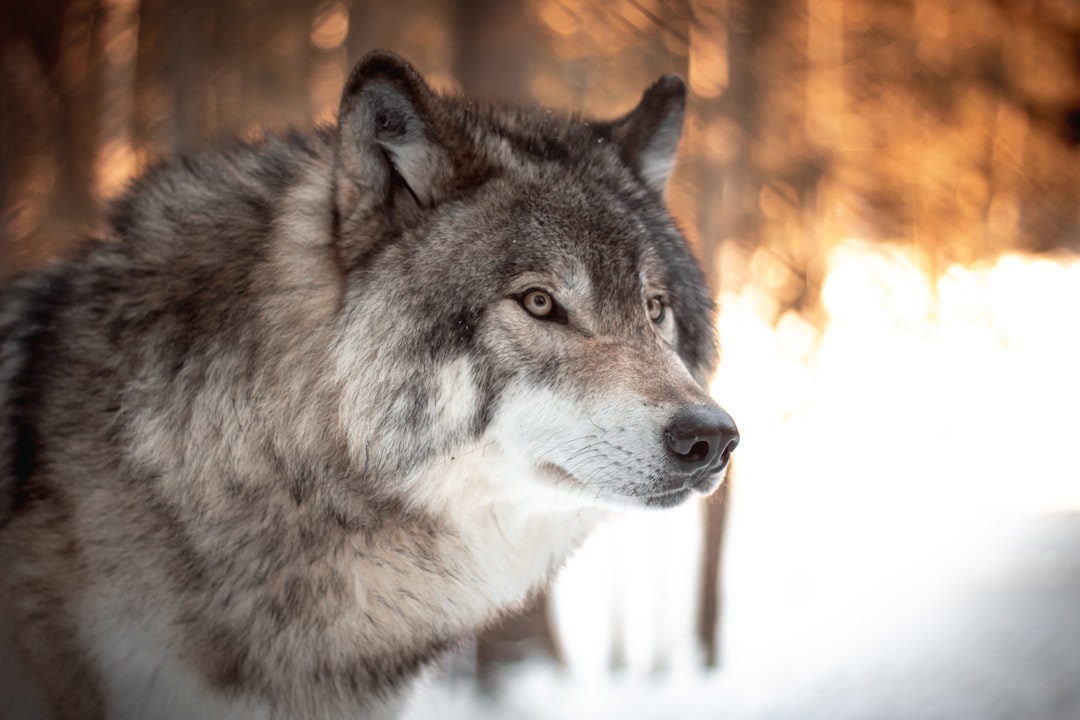
Wolf Hunting Regulations 2027: State-by-State Seasons, Tags, and Laws
Wolf hunting regulations in the United States vary dramatically depending on the state, location, federal status of the wolf population, and the specific season.
For hunters researching wolf hunting in 2027, one of the most important things to understand is that there is no nationwide wolf season.
Legal recreational wolf hunting opportunities are concentrated primarily in Alaska and portions of the Northern Rocky Mountain region, including Idaho, Montana, and Wyoming.
Meanwhile, wolves remain federally protected in states including Minnesota and Wisconsin, meaning those states do not currently have recreational wolf hunting seasons.
Regulations can also change through state wildlife commission actions, federal court decisions, and changes to federal protections.
Always verify the final regulations with the appropriate wildlife agency before hunting.
Where Can You Legally Hunt Wolves in 2027?
The primary states hunters should research for recreational gray wolf hunting opportunities are:
- Alaska
- Idaho
- Montana
- Wyoming
But even within those states, the rules are very different.
Idaho manages wolves as a big-game species with extensive hunting opportunities.
Montana has established wolf hunting and trapping seasons with license limits and mandatory reporting.
Wyoming's rules depend heavily on where in the state the wolf is located.
Alaska manages wolves at the Game Management Unit and subunit level, with seasons and bag limits varying significantly by location.
Minnesota and Wisconsin should not currently be presented as wolf-hunting states because recreational harvest remains prohibited under current federal protections.
Idaho Wolf Hunting Regulations
Idaho provides some of the most extensive recreational wolf hunting opportunities in the Lower 48.
But there is not one statewide Idaho wolf season with identical dates in every unit.
Wolf seasons vary by Game Management Unit, and certain areas have designated seasons allowing expanded hunting methods.
Hunters should verify the exact unit before planning a hunt.
Idaho Wolf Bag Limit
Idaho currently has:
No daily or season bag limit for wolves.
However, that doesn't mean one wolf tag allows unlimited harvest.
A hunter cannot take more wolves than the number of valid legal wolf tags they possess.
Either sex may be harvested.
This replaces the incorrect claim that Idaho has a five-wolf seasonal limit.
Does Idaho Have Wolf Harvest Quotas?
No.
Idaho Fish and Game eliminated recreational wolf harvest quotas beginning in 2017 after determining the quotas weren't necessary.
Hunters therefore don't need to worry about a statewide recreational wolf quota suddenly closing the season in the way the original article suggested.
Unit-specific season dates and other regulations still apply.
Idaho Wolf License and Tag Requirements
Wolf hunters need the appropriate Idaho hunting license and valid wolf tag.
Wolf tags purchased under a hunting license are valid for the calendar year.
Idaho also currently allows qualifying unfilled nonresident deer or elk tags to be used instead to take a gray wolf under specific circumstances when the applicable seasons and hunt areas overlap.
Hunters should read the exact regulation before attempting to use an unused deer or elk tag on a wolf.
Idaho Wolf Hunting Methods
Under Idaho's current general wolf regulations:
- Electronic calls may be used.
- Standard big-game weapon restrictions generally apply.
- Hunting hours generally run from one-half hour before sunrise until one-half hour after sunset.
- Dogs may not be used to pursue wolves under the standard current rules.
- Recreational hunting from aircraft is prohibited under federal law.
- Radio telemetry may not be used to take wolves.
- Poison may not be used by recreational hunters or trappers.
- Standard big-game baiting restrictions apply.
Idaho also has designated wolf seasons allowing expanded hunting methods.
Those seasons can provide additional legal methods that aren't permitted under ordinary big-game regulations.
Always check the exact unit and season.
Idaho Wolf Harvest Reporting
A successful Idaho wolf hunter must validate and attach the tag immediately after harvesting the wolf.
Within 10 days of the kill, the hunter must present the required skull and portion of the hide with evidence of sex attached to an Idaho Fish and Game conservation officer or regional office.
Idaho Fish and Game collects required biological information, tags the hide with an official state export tag, and completes the required mortality documentation.
This requirement should be part of your trip planning, especially if you're traveling to Idaho from another state.
Montana Wolf Hunting Regulations
Montana's current wolf season extending into 2027 is substantially different from the dates listed in the original version of this article.
For the 2026–2027 season, Montana currently lists:
Archery: September 5–14, 2026
General wolf hunting: September 15, 2026–March 14, 2027
Wolf tags go on sale beginning in August 2026.
Hunters should still check Montana Fish, Wildlife & Parks before hunting because regulations can be updated.
Montana Wolf Bag Limit
Montana currently allows a hunter to purchase up to 10 wolf licenses and harvest up to 10 wolves per season.
There is an important exception:
Region 3 has a five-wolf-per-hunter limit.
That's considerably different from saying Montana has a universal five-wolf limit.
Montana Wolf Licenses
Residents and nonresidents can purchase Montana wolf licenses.
The cost depends partly on whether the wolf license is associated with certain resident Sportsman or nonresident Combination licenses and whether it's the hunter's first wolf license or an additional license.
Hunters planning to harvest multiple wolves need the appropriate number of licenses.
Montana Wolf Reporting Requirements
Montana has strict mandatory reporting requirements.
A hunter or trapper who legally harvests a wolf must report the harvest within 24 hours.
The hunter or trapper must also present the wolf's hide and skull to a designated Montana Fish, Wildlife & Parks employee within 10 days of harvest.
FWP uses this process for hide tagging, tissue sampling, and tooth collection.
Montana Wolf Trapping
Wolf trapping is also legal in Montana under separate rules.
The current 2026–27 trapping dates differ geographically because portions of Montana are affected by a federal court order.
First-time wolf trappers must successfully complete an approved wolf-trapping certification course in Montana or Idaho before setting a wolf trap.
Hunters interested in trapping should research the trapping regulations separately rather than assuming wolf-hunting rules also authorize trapping.
Wyoming Wolf Hunting Regulations
Wyoming is one of the most complicated states to summarize because the legal classification of wolves changes depending on where the animal is located.
Wolves are managed as trophy game animals in specifically designated areas.
Wyoming Game and Fish uses Chapter 47 to establish gray wolf hunting seasons where wolves are classified as trophy game.
Those areas have defined:
- Hunt areas
- Season dates
- Mortality limits
- License requirements
- Reporting requirements
- Geographic boundaries
Outside Wyoming's designated trophy-game management structure, wolves can fall under a different legal classification.
That makes location critical.
Do not use a generic statement such as "Wyoming wolf season is September 1 through March 31 with a four-wolf limit."
Instead, determine exactly where you intend to hunt and then check the applicable Wyoming classification and regulations.
Hunters can review current rules through the Wyoming Game & Fish Department and its Wyoming Hunting Regulations.
Wyoming Trophy-Game Wolf Areas
Where wolves are classified as trophy game, hunters need to pay close attention to the specific hunt area.
These areas can have established mortality limits.
A season can therefore be affected by the number of wolves already harvested.
Before hunting, verify:
- Hunt area
- Season dates
- Current mortality-limit status
- License requirements
- Reporting requirements
- Legal methods
- Exact geographic boundaries
Wyoming's wolf-management geography makes checking a current map particularly important.
Alaska Wolf Hunting Regulations
Alaska provides extensive wolf-hunting opportunities, but it is inaccurate to summarize the entire state as:
"Year-round with no bag limit."
Alaska manages wolves at the Game Management Unit and subunit level.
Season dates and bag limits vary by location.
Some Alaska wolf seasons are extremely long and some areas allow hunters to take multiple wolves, but other units have different season structures and limits.
For example, Alaska regulations can establish a specific number of wolves that may be taken in a particular unit rather than an unlimited statewide harvest.
Hunters need to identify the exact Game Management Unit before determining:
- Season dates
- Bag limit
- License requirements
- Tag requirements
- Sealing requirements
- Legal methods
Alaska Wolf Sealing Requirements
Alaska can require harvested wolf hides to be sealed within a specified period.
The exact requirements should be checked for the Game Management Unit you're hunting.
Nonresident hunters should also verify Alaska's licensing and locking-tag rules for wolves rather than assuming the requirements are identical to other big-game species.
Minnesota Wolf Hunting Regulations
Minnesota should not currently be listed as having a recreational wolf season.
Gray wolves remain federally protected in Minnesota.
Therefore, there is no current recreational Minnesota wolf hunting season for hunters to participate in.
Historical Minnesota wolf seasons shouldn't be presented as current 2027 hunting opportunities.
If federal protection changes in the future, Minnesota could potentially establish state-managed harvest regulations, but hunters shouldn't assume a season will occur until it is legally authorized and officially announced.
Wisconsin Wolf Hunting Regulations
Wisconsin also does not currently have a recreational wolf harvest season.
Wisconsin law provides a framework for wolf hunting and trapping when wolves are no longer protected under federal or state endangered-species laws.
However, Wisconsin DNR currently states that wolf harvest and lethal depredation control are prohibited.
No wolf-harvest applications are currently being accepted.
Wisconsin law contemplates an annual wolf season when legal conditions allow it, but that shouldn't be confused with an active 2027 season.
Until the federal legal status changes and Wisconsin officially establishes a season, hunters should not plan on recreational wolf hunting there.
Federal Wolf Protection Matters
Wolf hunting legality cannot be understood solely by looking at state law.
Federal Endangered Species Act status can determine whether a state is legally able to conduct recreational wolf hunting.
This is particularly important in states such as:
- Minnesota
- Wisconsin
- Michigan
- Colorado
- Washington
- Oregon
- California
State management plans, state classifications, and federal protections can interact differently depending on the wolf population and location.
A state having wolves does not mean that state has a recreational wolf hunting season.
National Parks and Other Closed Areas
Even in states where wolf hunting is legal, hunters can't assume every piece of land within an open Game Management Unit or hunting district is legally huntable.
National parks and certain other federal lands can prohibit hunting.
Other restrictions can involve:
- Wildlife refuges
- State parks
- Tribal lands
- Private property
- Military installations
- Local closures
- Seasonal access restrictions
Always research both wildlife regulations and land-management regulations.
Electronic Calls for Wolf Hunting
Electronic calls are legal for wolf hunting in some states, including Idaho.
Rules vary elsewhere.
Electronic callers can reproduce:
- Wolf howls
- Other wolf vocalizations
- Prey-distress sounds
- Predator-calling sequences
Legal doesn't necessarily mean effective in every situation.
Wolves can respond vocally without approaching, approach silently, circle downwind, or show no obvious response.
Check the state's equipment rules before using an electronic caller.
Baiting Wolves
Baiting regulations vary considerably.
Don't assume that because bait is legal for one predator species it's automatically legal for wolves.
Idaho's standard big-game rules generally prohibit hunting wolves over bait, although designated expanded-method seasons can allow wolf baiting on private property under specific conditions.
Other states have their own regulations.
Always verify the applicable baiting rule before establishing or hunting a bait site.
Wolf Hunting With Hounds
Rules governing dogs also vary by state and sometimes by season or method.
Do not rely on an old article or a regulation from another predator species.
Check the wolf-specific regulation for the state and season you're hunting.
Wolf Hunting and Fresh Sign
Once you've determined where wolf hunting is legal, actually finding wolves becomes the next challenge.
Wolf populations can occupy enormous areas.
Useful evidence can include:
- Fresh tracks
- Multiple sets of tracks
- Recent scat
- Vocalizations
- Recent sightings
- Recent trail-camera activity where legal
- Prey concentrations
- Repeated use of travel corridors
Historical wolf presence tells you wolves have used an area.
Current sign gives you better information about whether they're using it now.
Snow Can Be an Important Wolf-Hunting Tool
Snow can help hunters locate and interpret fresh tracks.
A track can provide information about:
- Direction of travel
- Number of animals
- Recent movement
- Travel corridors
- Road crossings
- Drainages
- Ridge crossings
Instead of automatically walking behind a track, study where the wolves appear to be traveling.
Terrain may provide opportunities to reposition legally and watch a likely travel route.
Follow Prey, Then Look for Wolves
Wolves prey on ungulates including elk, deer, moose, and caribou depending on the ecosystem.
Prey distribution can therefore help narrow the search.
But finding elk or deer doesn't guarantee wolves are nearby.
Use prey as one piece of information.
Then confirm wolf activity through tracks, vocalizations, sightings, or other current evidence.
Wolf Regulations Can Change
Wolf management is unusually dynamic.
Changes can result from:
- State wildlife commission decisions
- Federal court decisions
- Federal listing status
- State legislation
- Population objectives
- Harvest information
- Management-plan changes
This makes old wolf-hunting articles particularly risky.
A regulation that was accurate several years ago may no longer apply.
How TAGZ Approaches Wolf Hunting Information
TAGZ was founded by hunters with experience in western hunting and outfitting, including experience in Idaho.
That background is part of why western hunting regulations, opportunities, and hunt planning are important subjects for TAGZ.
Learn more about the people behind the platform at About Us | TAGZ.
Hunters researching Idaho can explore Idaho Game Units | TAGZ.
For more western hunting information, visit TAGZ Insights.
TAGZ can help hunters research hunting opportunities, but the applicable state or federal wildlife agency remains the final authority for wolf-hunting regulations.
FAQ — Wolf Hunting Regulations 2027
What states allow recreational wolf hunting in 2027?
Current legal wolf-hunting opportunities are concentrated primarily in Alaska, Idaho, Montana, and portions of Wyoming. Exact seasons and regulations vary by location and can change.
Can you hunt wolves in Idaho in 2027?
Yes. Idaho provides legal wolf-hunting opportunities. Season dates vary by Game Management Unit, and hunters need the appropriate license and wolf tag.
How many wolves can you hunt in Idaho?
Idaho currently has no daily or season bag limit, but hunters cannot harvest more wolves than the number of valid legal tags they possess.
Does Idaho have wolf harvest quotas?
No. Idaho removed its recreational wolf harvest quotas beginning in 2017.
Can you hunt wolves in Montana in 2027?
Yes. Montana's current 2026–27 general wolf season runs through March 14, 2027. Hunters should verify any later 2027 season once Montana publishes the applicable regulations.
How many wolves can you hunt in Montana?
Under current 2026–27 rules, a hunter can take up to 10 wolves per season, except Region 3, where the hunter limit is five.
Can you hunt wolves in Wyoming?
Yes, but Wyoming's rules depend heavily on location. Wolves are managed as trophy game in specifically designated areas with hunt areas, seasons, mortality limits, and license requirements. Different legal classifications apply elsewhere.
Can you hunt wolves in Alaska?
Yes. Alaska offers extensive wolf-hunting opportunities, but season dates and bag limits vary by Game Management Unit. Alaska should not be described as universally year-round with no bag limit.
Can you hunt wolves in Minnesota?
Not recreationally under current federal protections. Minnesota does not currently have an open recreational wolf-hunting season.
Can you hunt wolves in Wisconsin?
Not currently. Wisconsin DNR states that wolf harvest is prohibited while wolves remain protected.
Are electronic calls legal for wolves?
It depends on the state. Idaho allows electronic calls for wolves, but hunters should check the regulations wherever they're hunting.
Can you bait wolves?
Rules vary by state, location, and season. Never assume baiting is legal simply because wolf hunting itself is open.
Do wolf hunters have to report their harvest?
Reporting requirements vary. Idaho requires a mandatory check within 10 days. Montana requires wolf harvest to be reported within 24 hours and the hide and skull presented within 10 days.
Can wolf seasons close early?
They can in jurisdictions using mortality limits, quotas, or other harvest thresholds. Hunters should check current harvest status where applicable before hunting.
Where should I check wolf hunting regulations?
Use the wildlife agency responsible for the location you're hunting and check both hunting regulations and any current emergency orders, court-related changes, or season updates.
Continue Planning Your 2027 Wolf Hunt
The biggest mistake a wolf hunter can make is assuming that rules from one state apply somewhere else.
They don't.
Idaho, Montana, Wyoming, and Alaska all manage wolf hunting differently.
Minnesota and Wisconsin currently don't provide recreational wolf hunting because wolves remain federally protected there.
Before planning a hunt:
- Confirm wolf hunting is legal in the state.
- Identify the exact management unit, hunt area, or district.
- Verify season dates.
- Check license and tag requirements.
- Understand the bag limit or mortality limit.
- Check legal weapons and methods.
- Verify bait, electronic-call, hound, and night-hunting rules.
- Research land-access restrictions.
- Understand harvest-reporting requirements.
- Recheck the regulations immediately before hunting.
Once the legal side is handled, focus on current wolf activity.
Fresh tracks, recent vocalizations, current sightings, prey distribution, and repeated travel patterns are generally more useful than simply knowing wolves historically occupied an area.
Learn more about the hunting background behind TAGZ at About Us | TAGZ.
For additional western hunting information, visit TAGZ Insights.
And always verify final regulations through the wildlife agency responsible for the state and area you're hunting.
Was this article helpful?
Previous
Gray Wolf Hunting and Federal Protection: What Hunters Need to Know 2027
Stay informed on the 2027 regulations for gray wolf hunting amid federal protection status, including legal changes, hunting opportunities, and management updates.
Next
Idaho Veterans Elk Tags and Tag Allocations 2027: Resident & Nonresident Guide
Explore Idaho's 2027 Veterans elk tag allocations, including resident and nonresident opportunities, application process, and strategic insights for hunters.