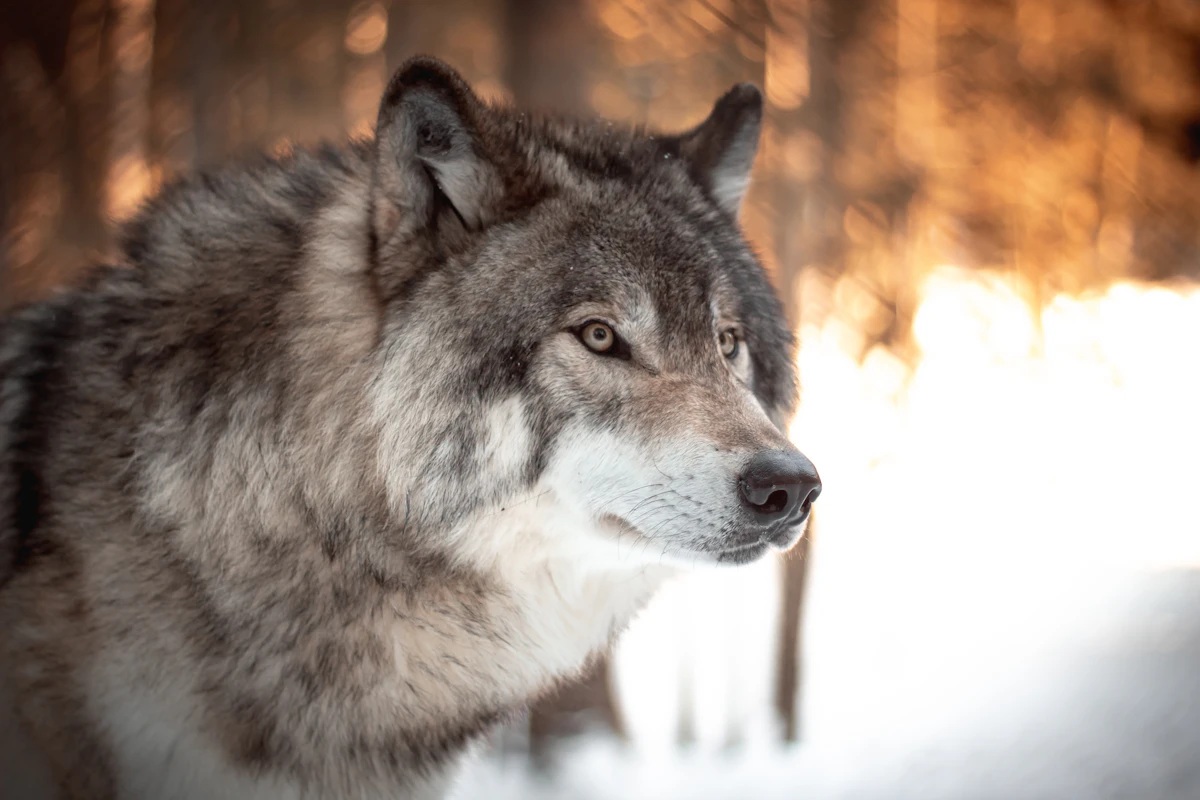
Gray Wolf Hunting and Federal Protection: What Hunters Need to Know 2027
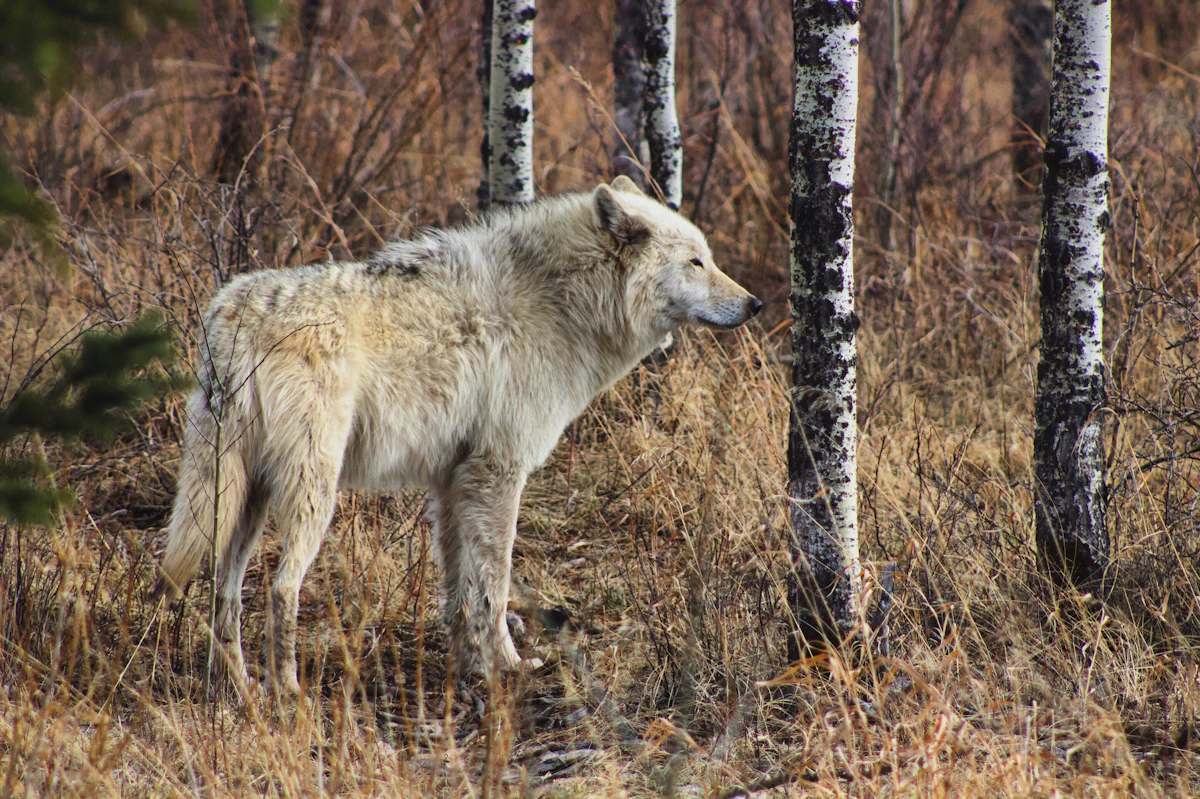
Gray Wolf Hunting in 2027: Federal Protection, Legal States, and Regulations
Gray wolf hunting in the United States is governed by a combination of federal protection under the Endangered Species Act and state wildlife regulations.
For hunters planning a wolf hunt in 2027, the most important distinction is geographic.
Gray wolves remain federally protected across much of the contiguous United States, while wolves in the Northern Rocky Mountain population—including Idaho, Montana, and Wyoming—are outside the federal Endangered Species Act listing and are primarily managed by those states.
That means a wolf hunt that is legal in Idaho, Montana, or Wyoming does not mean wolves can legally be hunted anywhere they occur in the United States.
Hunters should verify both federal status and current state regulations before planning a hunt.
Federal Gray Wolf Protection in 2027
The U.S. Fish and Wildlife Service currently states that, following a February 10, 2022 federal court order, gray wolves in the contiguous 48 states and Mexico are federally protected under the Endangered Species Act except for the Northern Rocky Mountain population.
Under the current federal framework:
Gray wolves are federally listed as threatened in Minnesota
Gray wolves are federally listed as endangered in the remaining listed areas
The Northern Rocky Mountain wolf population is outside that federal ESA listing
This distinction is critical for hunters.
Federal protection generally prevents recreational wolf hunting in areas where wolves remain listed under the Endangered Species Act.
The Northern Rocky Mountain states operate differently because their wolves are managed under state authority.
For the latest federal status, use the U.S. Fish and Wildlife Service Gray Wolf Recovery page.
Where Can You Legally Hunt Gray Wolves in the Lower 48?
For hunters researching legal wolf hunting in the Lower 48, three states are especially important:
Idaho
Montana
Wyoming
All three manage legal wolf hunting opportunities, but their regulations differ substantially.
Season dates, licenses, tags, bag limits, mortality limits, management classifications, legal methods, trapping rules, and reporting requirements can vary by state and hunting area.
Don't assume a regulation that's legal in Idaho is also legal in Montana or Wyoming.
Idaho Wolf Hunting in 2027
Idaho provides extensive gray wolf hunting opportunities under its current 2026–2027 wolf hunting regulations.
Idaho does not currently use wolf harvest quotas.
Idaho Fish and Game eliminated recreational wolf harvest quotas beginning in 2017 after previous quotas had not been reached.
Under Idaho's current regulations, there is also no daily or season bag limit for wolves.
However, a hunter cannot harvest more wolves than the number of valid wolf tags they possess.
Either sex may be taken.
Start researching Idaho hunting areas through Idaho Game Units | TAGZ.
Then verify the final season dates and regulations through Idaho Fish and Game Big Game Seasons and Rules.
Idaho Wolf Hunting Methods
Idaho's standard wolf hunting weapon restrictions generally follow the state's other big-game weapon rules.
Idaho also specifically allows electronic calls for attracting wolves.
Dogs may not be used to pursue wolves.
Standard big-game baiting rules generally prohibit hunting wolves over bait, although Idaho has designated expanded-method wolf seasons where additional methods can be legal.
During qualifying expanded-method seasons, wolf baiting can be allowed on private land with landowner permission and subject to additional restrictions.
Hunters need to check the exact unit and season they're hunting rather than assuming one statewide rule applies everywhere.
Idaho Wolf Harvest Reporting
A harvested Idaho wolf must be properly tagged.
Under Idaho's current regulations, a hunter or trapper who harvests a gray wolf must complete the mandatory check and reporting requirements within 10 days of the kill.
The required skull and portion of the hide with evidence of sex attached must be presented to Idaho Fish and Game.
Idaho Fish and Game removes a premolar tooth, places an official state export tag on the hide, and completes the required mortality report.
These requirements should be part of your trip planning, especially if you're traveling to Idaho from another state.
Montana Wolf Hunting in 2027
Montana also provides legal gray wolf hunting opportunities.
For the current 2026–2027 season, Montana lists:
Archery season: September 5–14, 2026
General hunting season: September 15, 2026–March 14, 2027
Montana's current regulations allow a hunter to purchase up to 10 wolf licenses and harvest up to 10 wolves per season, except in Region 3, where the hunter limit is 5 wolves.
Start researching Montana hunting areas through Montana Game Units | TAGZ.
Then verify current regulations through Montana Fish, Wildlife & Parks Wolf Regulations.
Montana Wolf Harvest Reporting
Montana requires hunters and trappers to report a harvested wolf within 24 hours.
A legally harvested wolf's hide and skull must also be presented to a designated Montana Fish, Wildlife & Parks employee within 10 days for tagging, tissue sampling, and tooth extraction.
That's different from Idaho's reporting system and is another reason hunters should research each state separately.
Wyoming Wolf Hunting in 2027
Wyoming uses a different wolf-management structure than either Idaho or Montana.
Gray wolves are classified and managed differently depending on where they occur within Wyoming.
In designated portions of the state, wolves are managed as trophy game animals, and Wyoming Game and Fish establishes specific hunting seasons, hunt areas, mortality limits, and other regulations.
Outside the Trophy Game Management Area and Seasonal Trophy Game Management Area, wolves can fall under a different state classification and management framework.
Because of this geographic distinction, hunters should never assume Wyoming has one statewide wolf hunting system.
Before hunting, verify:
The exact location
Wolf classification in that area
Current season dates
Hunt-area boundaries
License requirements
Mortality limits
Legal methods of take
Harvest reporting requirements
Start with the official Wyoming Game & Fish Department and review the current Wyoming Game and Fish Regulations, including the applicable gray wolf hunting regulations.
Idaho, Montana, and Wyoming Wolf Hunting Compared
The three states shouldn't be described as having the same quota-based management system.
Idaho
Idaho currently has no recreational wolf harvest quota and no daily or season bag limit beyond the number of valid wolf tags possessed.
Research Idaho hunting areas through Idaho Game Units | TAGZ.
Montana
Montana currently uses wolf licenses and hunter bag limits, including a hunter limit of up to 10 wolves, with a lower limit of 5 in Region 3.
Research Montana hunting areas through Montana Game Units | TAGZ.
Wyoming
Wyoming's system depends heavily on geographic location and the wolf's legal classification in that area.
Wolves managed as trophy game are subject to specific hunting regulations, hunt areas, seasons, and management requirements.
Use the official Wyoming Game & Fish Department to determine which regulations apply to the area you're considering.
Why Federal Wolf Status Matters to Hunters
The Endangered Species Act can determine whether recreational wolf hunting is legally possible in a particular part of the country.
Where wolves remain federally protected, recreational hunting is generally prohibited.
Where the applicable wolf population is outside federal ESA protection, state wildlife agencies can establish hunting seasons and management regulations consistent with applicable law.
That's why hunters shouldn't rely on headlines saying wolves were simply "listed" or "delisted nationwide."
The legal status depends on the population and geographic area.
Can You Hunt Wolves in the Great Lakes States?
Hunters should be especially careful when researching states such as Minnesota, Wisconsin, and Michigan.
Under the current federal framework, wolves remain federally protected in these areas.
Minnesota wolves are currently listed as threatened, while wolves in the other listed areas remain endangered.
A state may have a wolf-management plan or historical wolf hunting framework, but that does not automatically mean a recreational hunting season is currently legal.
Federal status comes first.
Can You Hunt Wolves in Colorado?
Colorado now has a reintroduced gray wolf population, but that does not create a recreational wolf hunting opportunity.
Hunters should not confuse the presence of wolves with legal authorization to hunt them.
Where wolves remain federally protected, hunters must follow the applicable federal protections in addition to state wildlife laws.
Wolf Hunting Licenses and Tags
Requirements differ by state.
Depending on where you're hunting, you may need:
A hunting license
A wolf-specific license or tag
Additional trapping licenses
Trapper education or certification
Multiple wolf tags for multiple animals
Mandatory harvest reporting
Mandatory inspection or pelt tagging
Never assume a standard big-game license automatically authorizes wolf hunting.
Check the exact state's regulations before hunting.
Wolf Hunting Season Dates
There is no nationwide wolf hunting season.
Season dates are established under the applicable state management system where recreational hunting is legal.
For example, Montana's current 2026–2027 general wolf hunting season runs from September 15, 2026 through March 14, 2027.
Idaho uses unit-specific wolf hunting seasons.
Wyoming uses its own area-specific regulations.
That makes broad claims such as "wolf season runs from September through March" unreliable unless a specific state and hunting area are identified.
Wolf Hunting Bag Limits and Quotas
Wolf management terminology matters.
A bag limit determines how many wolves an individual hunter may legally harvest.
A harvest or mortality limit can restrict total harvest in an area.
A quota can close or restrict hunting once a specified harvest level is reached.
Those systems aren't interchangeable.
Idaho eliminated its wolf harvest quotas beginning in 2017 and currently has no daily or season bag limit beyond the number of valid wolf tags a hunter possesses.
Montana currently uses hunter bag limits and regional restrictions.
Wyoming uses its own geographic and management-area structure.
Always read the actual regulations instead of assuming every wolf-hunting state operates under the same type of quota.
Wolf Trapping Regulations
Wolf trapping is legal under certain circumstances in some states where wolves are under state management, but trapping has its own rules.
A hunting license or wolf hunting tag does not necessarily authorize trapping.
Additional requirements can include:
Trapping license
Wolf trapping certification
Trap specifications
Setback requirements
Geographic restrictions
Season dates
Mandatory trap checks
Harvest reporting
Pelt inspection
Idaho and Montana both regulate wolf trapping separately from ordinary wolf hunting.
Wyoming hunters and trappers should use the Wyoming Game & Fish Department to verify the rules applying to wolves in the specific part of Wyoming they plan to hunt or trap.
Are Electronic Calls Legal for Wolf Hunting?
This depends on the state.
Idaho specifically allows electronic calls to attract wolves under its current regulations.
Hunters planning to use electronic calls elsewhere should verify that state's current regulations.
Do not assume electronic calls are prohibited—or legal—everywhere wolves can be hunted.
Is Wolf Baiting Legal?
Baiting regulations also vary.
Under Idaho's standard big-game rules, hunting wolves over bait is generally prohibited.
However, Idaho has expanded-method wolf seasons where baiting can be legal on private property with landowner permission and additional restrictions.
Other states have their own rules.
Always check the exact regulations for the state, area, and season you're hunting.
Hunting Wolves Responsibly
Legal wolf hunting requires more than knowing whether a state has an open season.
Hunters should:
Positively identify the animal before shooting
Know the applicable unit or hunt-area boundary
Understand federal and state regulations
Carry the required licenses and tags
Follow legal shooting hours
Respect private property
Understand public-land access
Follow harvest-reporting requirements
Know the legal methods of take
Verify current regulations immediately before hunting
Wolf regulations can be particularly important near state lines or management boundaries where legal classifications or hunting regulations can change.
Wolf Hunting and Wildlife Management
States that manage wolves under state authority establish regulations based on their wildlife-management frameworks, legal requirements, population information, livestock-conflict considerations, harvest information, and other management objectives.
Hunting can be one management tool in jurisdictions where recreational wolf hunting is legal.
However, the effects of hunting on wolf populations, prey populations, livestock conflicts, pack structure, and ecosystems can vary with harvest levels, geography, population size, timing, and other factors.
Avoid treating wolf hunting as a simple guarantee of either ecosystem improvement or livestock-conflict reduction.
How to Prepare for a 2027 Wolf Hunt
If you're considering a wolf hunt in 2027, start with the legal status before researching tactics.
Your planning process should include:
Determine whether recreational wolf hunting is legal in the state.
Check whether federal ESA protection applies to wolves in that area.
Review the current state wolf regulations.
Identify the exact hunting unit, district, or management area.
Confirm season dates.
Purchase the required license and tags.
Review legal methods of take.
Understand harvest-reporting requirements.
Research public and private land access.
Recheck regulations immediately before the hunt.
For Idaho, start with Idaho Game Units | TAGZ.
For Montana, research hunting areas through Montana Game Units | TAGZ.
For Wyoming, start with the official Wyoming Game & Fish Department and its Hunting Regulations.
FAQ — Gray Wolf Hunting and Federal Protection in 2027
Are gray wolves federally protected in 2027?
Federal protection depends on the wolf population and geographic area. Under the current federal framework, wolves in the contiguous United States outside the Northern Rocky Mountain population are protected under the Endangered Species Act. Minnesota wolves are listed as threatened, while wolves in the remaining listed areas are endangered.
Can you legally hunt gray wolves in the United States?
Yes, recreational wolf hunting is legal in certain states and areas where the applicable wolf population is under state management. Idaho, Montana, and Wyoming provide legal wolf hunting opportunities under their respective regulations.
Can you hunt wolves in Idaho in 2027?
Yes. Idaho's current 2026–2027 regulations provide legal wolf hunting opportunities. Season dates and applicable rules depend on the unit and season.
Does Idaho have a wolf hunting quota?
No. Idaho Fish and Game removed wolf harvest quotas beginning in 2017.
What is Idaho's wolf bag limit?
Under current regulations, Idaho has no daily or season wolf bag limit, but a hunter cannot harvest more wolves than the number of valid wolf tags they possess.
Can you hunt wolves in Montana in 2027?
Yes. Montana's current general wolf hunting season runs through March 14, 2027, subject to the state's current licensing, bag-limit, and other regulations.
How many wolves can you hunt in Montana?
Under the current 2026–2027 regulations, hunters can take up to 10 wolves per season, except Region 3, where the limit is 5.
Can you hunt wolves in Wyoming in 2027?
Yes, but Wyoming's wolf-management system varies geographically. Hunters need to determine how wolves are classified in the exact area they're hunting and follow the applicable regulations.
Where can I find Wyoming wolf hunting regulations?
Start with the official Wyoming Game & Fish Department and review the current Wyoming Game and Fish Regulations for gray wolf hunting requirements.
Can you hunt wolves in Minnesota?
Not recreationally under the current federal ESA status. Minnesota's gray wolves are currently federally listed as threatened.
Can you hunt wolves in Wisconsin or Michigan?
Not recreationally under the current federal ESA status. Wolves in these areas remain federally protected.
Can you hunt wolves in Colorado?
Colorado does not currently have a recreational gray wolf hunting season. Hunters must comply with applicable federal and state protections.
Are electronic calls legal for wolf hunting?
It depends on the state. Idaho currently allows electronic calls to attract wolves. Check the regulations of the state you're hunting before using electronic equipment.
Can you trap wolves?
Wolf trapping is legal under certain state-management systems, including regulated opportunities in Idaho and Montana, but separate trapping licenses, seasons, education requirements, and equipment regulations can apply.
Where can I check the federal status of gray wolves?
Use the U.S. Fish and Wildlife Service Gray Wolf Recovery page for current federal information.
Where can I research Idaho wolf hunting?
Start with Idaho Game Units | TAGZ, then verify the final rules through Idaho Fish and Game Big Game Seasons and Rules.
Where can I research Montana wolf hunting?
Start with Montana Game Units | TAGZ, then verify current regulations through Montana FWP Wolf Regulations.
Where can I research Wyoming wolf hunting?
Start with the official Wyoming Game & Fish Department and review its current Hunting Regulations before selecting a Wyoming wolf hunt.
Continue Planning Your 2027 Wolf Hunt
Gray wolf hunting in 2027 isn't governed by one nationwide set of regulations.
Federal protection remains the first question.
Under the current federal framework, wolves outside the Northern Rocky Mountain population remain federally protected in the contiguous United States, while states including Idaho, Montana, and Wyoming manage legal wolf hunting opportunities under their respective systems.
If you're researching an Idaho wolf hunt, start with Idaho Game Units | TAGZ.
For Montana, use Montana Game Units | TAGZ.
For Wyoming, use the official Wyoming Game & Fish Department and review the state's current wolf hunting regulations before planning your hunt.
For more western hunting planning and regulation content, visit TAGZ Insights or explore the TAGZ Product Preview.
Then verify everything through the appropriate wildlife agency before hunting:
TAGZ helps you research the hunting opportunity. Federal and state wildlife agencies provide the final legal status, seasons, licenses, and regulations.
Was this article helpful?
Previous
Idaho Veterans Elk Tags and Tag Allocations 2027: Resident & Nonresident Guide
Explore Idaho's 2027 Veterans elk tag allocations, including resident and nonresident opportunities, application process, and strategic insights for hunters.

Next
Idaho Wolf Bounty and Reimbursement Programs Explained
Explore Idaho's wolf bounty and reimbursement initiatives, how they work, who qualifies, and how hunters and landowners can benefit from these programs.