Idaho Wolf Hunting 2027: Strategies and Regulations for a Successful Season
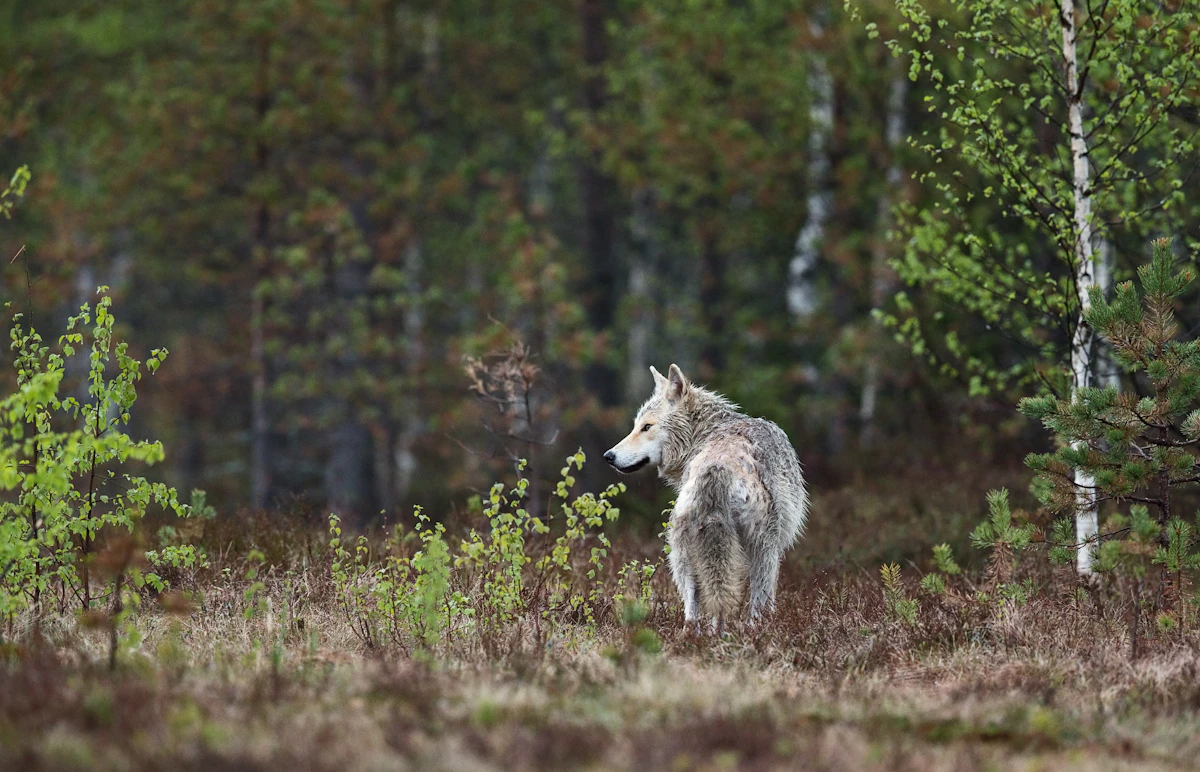
Idaho Wolf Hunting 2027: Regulations, Seasons, and Wolf Hunting Strategy
Idaho offers some of the most extensive gray wolf hunting opportunities in the Lower 48, but hunters need to understand the state's season structure, tag requirements, legal methods, expanded-method seasons, and mandatory harvest requirements before heading into the field.
Wolf hunting is also different from simply choosing an area where wolves have historically been present. Wolves can cover large areas, prey distribution changes, and old sightings don't necessarily tell you where a pack is today.
For 2027, hunters should start with Idaho's published 2026–2027 gray wolf hunting regulations and continue checking Idaho Fish and Game for corrections or changes before hunting.
TAGZ also brings first-hand western hunting experience to the subject. Members of the founding team have backgrounds in hunting and outfitting, including experience in Idaho, and the team includes hunters itself.
Learn more about the people behind TAGZ at About Us | TAGZ.
For legal requirements, always use Idaho Fish and Game Big Game Seasons and Rules as the final authority.
Idaho Wolf Hunting Regulations for 2027
Idaho classifies gray wolves as a big-game animal and allows regulated hunting and trapping.
The important thing to understand is that Idaho does not have one simple statewide wolf season with identical regulations everywhere.
Season dates and legal methods can vary by Game Management Unit, land ownership, and whether an area is operating under standard or expanded methods of take.
Before hunting, identify the exact unit you're planning to hunt and verify the regulations that apply there.
When Is Idaho Wolf Season in 2027?
There isn't one blanket statewide Idaho wolf season running from August 30 through March 31.
Wolf hunting seasons vary by Game Management Unit.
Some units also have designated periods where expanded methods of take are allowed.
That means two hunters pursuing wolves in different parts of Idaho could be operating under different season dates or legal-method rules.
Before hunting, verify:
Game Management Unit
Opening date
Closing date
Land ownership
Standard or expanded methods
Legal hunting hours
Legal equipment
Tag requirements
Access restrictions
Harvest reporting requirements
Research Idaho hunting areas through Idaho Game Units | TAGZ.
Then verify the actual season through Idaho Fish and Game Big Game Seasons and Rules.
Do You Need an Idaho Wolf Tag?
Yes.
A person hunting wolves must possess a valid Idaho hunting license and a valid wolf tag.
Wolf tags purchased under a hunting license are valid for the calendar year.
Wolf tags purchased under a trapping license operate under the applicable trapping-year rules.
Standard wolf tags are general-season tags rather than controlled-hunt tags.
Can Nonresidents Hunt Wolves in Idaho?
Yes.
Nonresidents can legally purchase Idaho wolf tags and hunt wolves during open seasons.
Nonresident hunters must possess the appropriate Idaho hunting license and wolf tag and comply with the same applicable unit, season, method-of-take, tagging, and harvest-check requirements.
Can You Use an Unfilled Nonresident Deer or Elk Tag on a Wolf?
Under Idaho's current regulations, an unfilled qualifying nonresident deer or elk tag can potentially be used instead to take a gray wolf.
However, conditions apply.
The wolf season must be open, and the deer or elk tag must correspond to the applicable hunt area, zone, or unit as required by the regulation.
Don't assume every unused Idaho deer or elk tag automatically becomes a statewide wolf tag.
Check the current Idaho Fish and Game rules before using a deer or elk tag on a wolf.
Idaho Wolf Bag Limit
Idaho currently has no daily or season bag limit for wolves.
However, this does not mean one tag allows unlimited harvest.
A hunter cannot take more wolves than the number of valid legal tags they possess.
Either sex may be taken.
If you intend to harvest more than one wolf, make sure you possess enough valid tags.
Does Idaho Have Wolf Harvest Quotas?
No.
Idaho previously used wolf harvest quotas, but Idaho Fish and Game removed the quota requirement beginning in 2017 after years in which the established quotas were not reached.
Wolves are therefore no longer tracked against recreational harvest quotas.
Hunters still have to comply with applicable season dates, tag requirements, legal methods, and other regulations.
Idaho Wolf Hunting Hours
Under standard big-game hunting regulations, legal hunting hours are generally:
One-half hour before sunrise to one-half hour after sunset.
However, Idaho's designated expanded-method wolf seasons can provide exceptions to normal shooting-hour restrictions.
That's an important distinction.
Don't interpret expanded-method rules as statewide permission to hunt wolves at night.
You need to know which rules apply to the exact location and season you're hunting.
Expanded Methods of Take for Idaho Wolves
Idaho has designated wolf seasons where expanded methods of take are permitted.
These regulations can differ significantly from ordinary big-game hunting regulations.
Depending on the location, season, land ownership, and applicable rules, expanded methods can provide additional legal options for wolf hunters.
This is one area where reading the current Idaho Fish and Game regulation booklet is particularly important.
Can You Hunt Idaho Wolves at Night?
Night hunting isn't simply legal everywhere in Idaho.
Standard big-game shooting hours generally apply during ordinary wolf seasons.
However, designated expanded-method wolf seasons can provide exemptions from normal shooting-hour restrictions.
Additional requirements can apply depending on whether the hunter is on public or private property.
Before attempting to hunt wolves at night, verify:
Whether expanded methods are currently open
Whether the unit qualifies
Whether you're on public or private property
Whether landowner permission is required
Whether additional authorization is required
Which equipment is legal
Never assume that an open wolf season automatically authorizes night hunting.
Thermal and Night-Vision Equipment
Idaho changed portions of its hunting-technology rules in 2026.
The restrictions affecting thermal imaging, night vision, transmitting trail cameras on government land, and drones for many big-game and game-bird hunts contain specific exceptions for wolf hunting.
However, that doesn't mean every possible use of technology is automatically legal everywhere or under every circumstance.
Wolf hunters should review the current technology rules alongside the specific wolf-season regulations before using thermal or night-vision equipment.
Can You Use Electronic Calls for Idaho Wolves?
Yes.
Idaho allows electronic calls to attract wolves.
Electronic calls can provide hunters with access to wolf vocalizations and prey-distress sounds without requiring the hunter to produce every sound manually.
But electronic calling isn't a guarantee.
Wolves may:
Respond vocally
Approach
Approach silently
Circle downwind
Remain where they are
Move away
Never respond
Use calling as one part of a broader scouting strategy.
Can You Hunt Idaho Wolves Over Bait?
Bait regulations depend on the circumstances.
Under standard big-game rules, hunters should not assume that hunting wolves over bait is legal.
Idaho's expanded-method framework can allow wolf hunting over bait on private land with landowner permission under applicable regulations.
Baiting rules are specific enough that hunters should verify the current regulation before establishing or hunting a bait site.
Can You Spotlight Idaho Wolves?
Spotlighting is another area where hunters need to distinguish standard hunting rules from expanded methods.
Expanded-method regulations can provide exemptions from normal shooting-hour restrictions and allow certain night-hunting methods.
Requirements differ between public and private land and can include landowner permission or other authorization.
Don't treat "Idaho allows spotlighting wolves" as a blanket statewide rule.
Check the exact regulations for the unit and property you're hunting.
Can You Use Dogs to Hunt Wolves?
Rules governing dogs and wolves have changed over time, making this another area where hunters should rely on the current regulation booklet rather than older articles.
Check Idaho Fish and Game's current wolf rules and any applicable rules governing the use of dogs before planning a hunt involving hounds.
Do not rely on an old Idaho wolf-hunting article to determine whether dogs are currently legal for the hunt you're considering.
Can You Trap Wolves in Idaho?
Yes.
Wolf trapping is legal in Idaho, but trapping operates under additional requirements.
A wolf trapper must have the appropriate:
Trapping license
Wolf Trapper Education validation
Wolf tag or tags
Trapping also has separate season dates, equipment rules, set requirements, and other restrictions.
A hunting license and wolf hunting tag alone should not be treated as authorization to trap wolves.
Can You Shoot Wolves From an Aircraft?
Recreational aerial wolf hunting should not be confused with authorized wildlife-control activities.
Federal law restricts airborne hunting.
Specific government-authorized wolf-control operations can operate under separate authority, but that does not give recreational hunters permission to pursue or shoot wolves from aircraft.
Mandatory Idaho Wolf Harvest Check
Successful wolf hunters have mandatory check requirements.
Within 10 days of the kill, the hunter must present the required skull and portion of the hide with evidence of sex naturally attached to an Idaho Fish and Game regional office or conservation officer and complete the required Big Game Mortality Report.
The required evidence of sex must remain naturally attached to the hide until the mandatory check.
Idaho Fish and Game uses the check to collect biological and harvest information and complete the required documentation.
If you're traveling from outside Idaho, account for this requirement before leaving the state.
Do Unsuccessful Wolf Hunters Have to Report?
Under Idaho's current reporting rules, unsuccessful wolf hunters are not required to submit an unsuccessful wolf-hunt report.
That's different from Idaho's reporting requirements for some other big-game species.
Successful wolf hunters still must complete the mandatory check within 10 days of harvest.
Other Important Idaho Wolf Restrictions
Wolf hunters also need to be aware of location-specific restrictions.
Under current regulations, restrictions include hunting, trapping, or pursuing wolves near active Idaho Fish and Game big-game feeding sites and hunting near designated dumps or sanitary landfills.
Other general wildlife laws, access rules, road restrictions, firearm laws, and land-management regulations can also apply.
Always review the complete regulation booklet rather than relying solely on a summary article.
Public Land Doesn't Automatically Mean Legal Access
Idaho contains enormous amounts of public land, but public ownership doesn't automatically guarantee legal access.
Before hunting, verify:
Land ownership
Legal road access
Private-property boundaries
Seasonal closures
Motorized restrictions
Wilderness regulations
Unit boundaries
Land-management rules
A piece of public land surrounded by private property may not have legal public access.
Always determine how you're legally getting into and out of the area before hunting it.
Understanding Idaho Wolf Behavior
Once the legal side is handled, wolf hunting becomes a problem of finding animals that can move through enormous areas.
Finding good-looking wolf habitat isn't enough.
The question is whether wolves are using it now.
Idaho wolves prey heavily on wild ungulates such as elk and deer, but prey selection and wolf movements can vary based on pack size, snow conditions, prey abundance, prey vulnerability, season, and other environmental factors.
Use habitat to determine where to start.
Use current sign to determine where to hunt.
Fresh Wolf Sign Matters
Look for:
Fresh tracks
Multiple sets of tracks
Scat
Recent kills
Vocalizations
Recent trail-camera photos
Recent sightings
Repeated activity along travel corridors
The age of that information matters.
A wolf photographed a month ago proves a wolf used that location a month ago.
Fresh tracks from this morning provide evidence of much more recent activity.
Tracking Wolves in Snow
Snow can turn an enormous search area into a more manageable tracking problem.
Fresh tracks can provide clues about:
Direction of travel
Number of wolves
Recent movement
Travel corridors
Road crossings
Drainages being used
Ridge crossings
Once you locate tracks, study the terrain ahead instead of automatically walking directly behind them.
Ask:
Where are these wolves going?
Then look at roads, saddles, ridges, drainages, and other terrain features that might allow you to reposition legally.
Follow the Prey, But Don't Oversimplify It
Elk and deer can help point hunters toward productive wolf country.
But "find the elk and you'll find the wolves" isn't a rule.
Instead, look for areas where prey concentrations overlap with current wolf evidence.
Useful areas to investigate can include:
Elk winter range
Deer winter range
Migration routes
Drainage systems
Travel corridors
Areas with repeated tracks
Locations with recent wolf sightings
Prey tells you where to start looking. Fresh wolf sign tells you whether to keep looking there.
Glassing for Wolves
Where terrain allows it, glassing can help hunters cover much more country than they could on foot.
Watch:
Open ridges
Burns
Meadows
Snow-covered slopes
Drainage openings
Opposite hillsides
Travel corridors
Areas holding elk or deer
Idaho Fish and Game has previously recommended glassing ridges where wolves may travel or bed as one wolf-hunting strategy.
Be patient.
A wolf crossing an opening may only be visible briefly.
Calling Idaho Wolves
Calling can help locate or attract wolves when animals are within hearing distance.
Potential approaches include:
Wolf howls
Lone-wolf vocalizations
Prey-distress sounds
Other legal predator calls
Howling can sometimes produce a response that gives away a pack's general location.
But don't assume a response means the wolves are coming.
They may remain where they are, move away, approach silently, or circle downwind.
Likewise, silence doesn't prove the drainage is empty.
Set Up for a Silent Approach
If you're calling, don't spend the entire setup staring toward the location of the last howl.
Wolves can move.
When terrain allows, choose a setup that lets you watch several possible approaches.
Pay attention to:
Wind
Downwind approaches
Visibility
Shooting lanes
Terrain funnels
Cover
Your silhouette
Once you're set up, unnecessary movement can hurt you.
Wind Matters
A wolf's sense of smell makes wind an important part of the setup.
Before calling or setting an ambush, determine:
Wind direction
Where your scent is traveling
Potential approach routes
Whether mountain thermals are changing
Mountain winds aren't always consistent.
Keep checking them.
Use Terrain to Understand Travel
Repeated wolf sign around terrain features can help hunters understand how wolves are moving through an area.
Look at:
Saddles
Ridges
Drainages
Creek bottoms
Forest roads
Game trails
Mountain passes
Natural funnels
One set of tracks doesn't establish a pattern.
Repeated fresh sign is much more valuable.
Don't Assume Remote Means Better
Remote country can hold wolves, but miles from a road doesn't automatically equal better wolf hunting.
Wolves can use rugged wilderness, roaded timber, livestock country, private land, and areas containing significant human activity.
Choose hunting areas based on actual evidence of wolf use rather than simply picking the most remote country available.
Trail Cameras and Wolf Hunting
Trail cameras can provide useful information where their use is legal.
They can help establish:
Whether wolves are present
Number of animals observed
Direction of travel
Frequency of use
Whether the same corridor is repeatedly used
But one picture isn't a pattern.
Repeated observations are more useful than a single photograph.
Idaho's hunting-technology rules changed in 2026, so verify the current rules governing the specific type of camera and how you're using it before relying on cameras for scouting.
Winter Wolf Hunting
Winter can make tracks easier to locate and interpret, but it also creates additional hazards.
Prepare for:
Snow-covered roads
Deep snow
Extreme temperatures
Short daylight
Avalanche terrain
Vehicle recovery
Longer travel times
Difficult access
Finding fresh tracks doesn't matter if you can't safely hunt the country.
Don't Chase Old Information
Wolf hunters can waste enormous amounts of time hunting yesterday's information.
Prioritize information by recency.
Fresh tracks, recent vocalizations, current trail-camera activity, and recent sightings generally tell you more about where wolves may be now than an old report.
Old information can identify historically productive country.
Current information helps decide whether you should hunt it today.
Why TAGZ Has an Idaho Hunting Perspective
TAGZ was built by people with direct experience in western hunting.
Members of the founding team have backgrounds in hunting and outfitting, including experience in Idaho, and the team includes hunters itself.
That first-hand background is part of why TAGZ focuses heavily on western hunting information.
Learn more about the team and story behind TAGZ at About Us | TAGZ.
TAGZ isn't the regulatory authority.
Idaho Fish and Game is the final authority for Idaho wolf seasons, tags, legal methods, and regulations.
Researching an Idaho Wolf Hunt
Hunters can start researching Idaho hunting areas through Idaho Game Units | TAGZ.
For additional Idaho and western hunting articles, visit TAGZ Insights.
Learn more about the people behind TAGZ at About Us | TAGZ.
Then verify the current legal requirements through Idaho Fish and Game Big Game Seasons and Rules.
FAQ — Idaho Wolf Hunting 2027
Can you hunt wolves in Idaho in 2027?
Yes. Idaho's published 2026–2027 regulations provide legal wolf hunting opportunities. Exact season dates and methods depend on the unit and applicable regulations.
Do you need an Idaho wolf tag?
Yes. You need the appropriate hunting license and valid wolf tag.
Do you have to draw an Idaho wolf tag?
Standard Idaho wolf tags are general-season tags and don't require a controlled-hunt drawing.
Can nonresidents hunt Idaho wolves?
Yes. Nonresident hunters can purchase wolf tags and hunt during legal open seasons.
Does Idaho have a wolf bag limit?
Idaho currently has no daily or season wolf bag limit, but a hunter cannot harvest more wolves than the number of valid legal tags they possess.
Does Idaho have wolf harvest quotas?
No. Idaho eliminated recreational wolf harvest quota requirements beginning in 2017.
Can you hunt Idaho wolves at night?
Standard big-game shooting hours generally apply during normal wolf seasons. Designated expanded-method seasons can provide exceptions. Check the exact regulations before attempting a night hunt.
Can you use thermal optics for Idaho wolf hunting?
Idaho's current technology restrictions contain specific exceptions for wolf hunting, but hunters should review the current wolf and technology regulations before using thermal equipment.
Are electronic calls legal for Idaho wolves?
Yes. Idaho allows electronic calls to attract wolves.
Can you bait wolves in Idaho?
Certain expanded-method opportunities allow wolf hunting over bait on private property with landowner permission and subject to applicable regulations. Do not assume baiting is legal everywhere.
Can you trap wolves in Idaho?
Yes, with the appropriate trapping license, Wolf Trapper Education validation, wolf tags, and compliance with Idaho trapping regulations.
Do you have to report an Idaho wolf harvest?
Yes. Successful hunters must complete Idaho's mandatory check requirements within 10 days of the kill.
Do unsuccessful wolf hunters have to report?
Under Idaho's current reporting system, unsuccessful wolf hunters aren't required to report an unsuccessful hunt.
Is snow good for wolf hunting?
Snow can make recent tracks easier to locate and interpret, which can help hunters determine whether wolves are currently using an area.
Where should I start looking for Idaho wolves?
Start by researching suitable wolf and prey habitat, then look for current evidence such as fresh tracks, scat, recent sightings, vocalizations, and repeated activity.
Where can I find official Idaho wolf regulations?
Use Idaho Fish and Game Big Game Seasons and Rules for the current official regulations.
Continue Planning Your 2027 Idaho Wolf Hunt
Successful Idaho wolf hunting starts with two things:
Know the regulations and find current wolf activity.
The regulations determine where, when, and how you can legally hunt.
Your scouting determines whether you're spending time where wolves are actually present.
Start with:
Confirm the unit and season.
Verify your license and tags.
Understand whether standard or expanded methods apply.
Check legal equipment and hunting hours.
Verify land access.
Find current wolf sign.
Use snow, tracks, glassing, calling, and prey distribution to narrow the search.
Understand Idaho's mandatory harvest-check requirements before hunting.
TAGZ's team includes hunters with western hunting and Idaho outfitting experience. Learn more about the people behind the platform at About Us | TAGZ.
Research Idaho hunting areas through Idaho Game Units | TAGZ.
For more hunting information, visit TAGZ Insights.
Then verify your hunt through Idaho Fish and Game Big Game Seasons and Rules before heading into the field.
Was this article helpful?
Previous
Gray Wolf Hunting and Federal Protection: What Hunters Need to Know 2027
Stay informed on the 2027 regulations for gray wolf hunting amid federal protection status, including legal changes, hunting opportunities, and management updates.
Next
Idaho Veterans Elk Tags and Tag Allocations 2027: Resident & Nonresident Guide
Explore Idaho's 2027 Veterans elk tag allocations, including resident and nonresident opportunities, application process, and strategic insights for hunters.