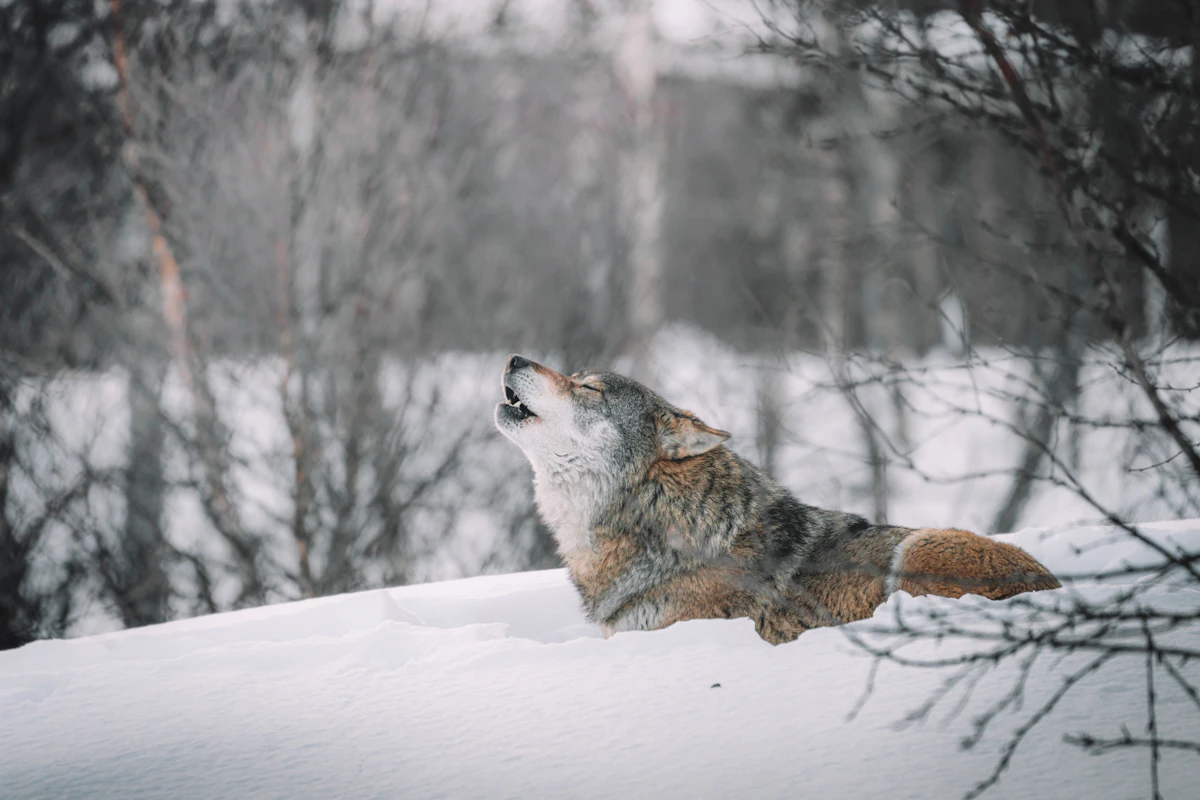
Wisconsin Wolf Population 2027: Latest Numbers, Trends, Management & Hunting Status
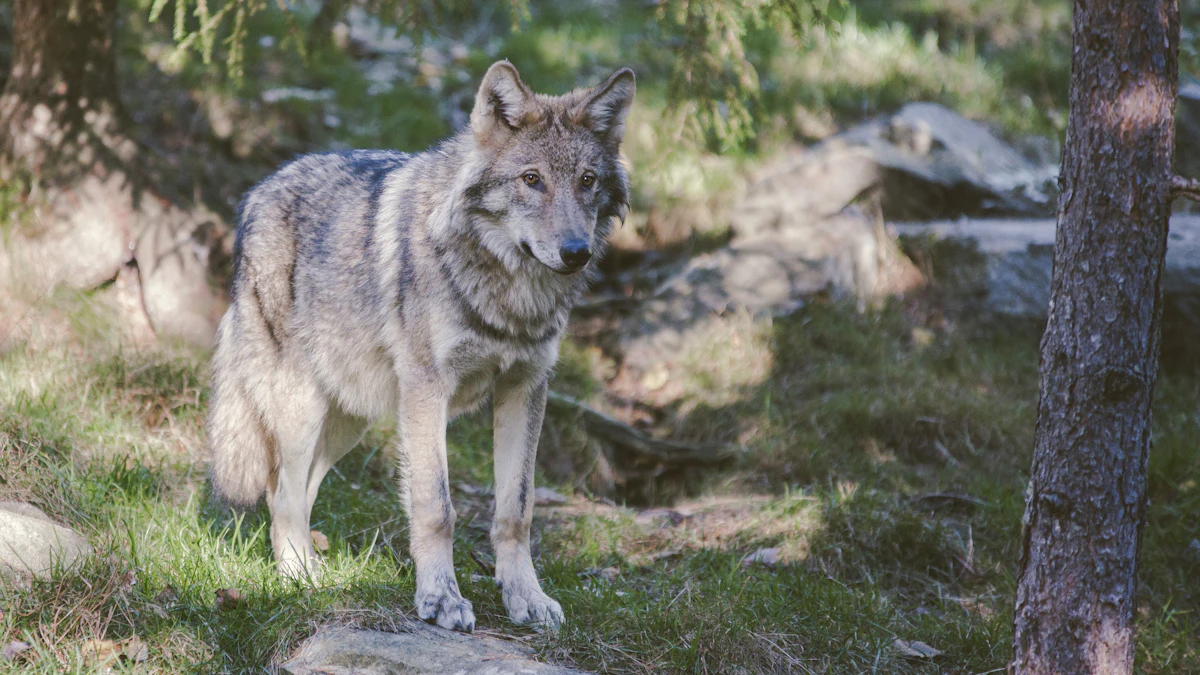
Wisconsin's gray wolf population has become one of the most closely watched wildlife management stories in the Midwest. Once eliminated from the state, wolves have recovered across northern and central Wisconsin in what many see as a major conservation achievement. That success brings its own challenges: livestock losses, conflicts with hunting dogs, debates over deer populations, and ongoing questions about how to share the landscape with a large predator. Heading into 2027, the conversation has shifted from whether wolves can survive in Wisconsin to how the state can maintain a healthy population while addressing real conflicts in the communities where people and wolves overlap.
The Wisconsin Department of Natural Resources (DNR) continues to monitor wolf abundance, pack distribution, and conflicts each winter. The most recent published statewide estimate places the population at approximately 1,226 pack-associated wolves, with an estimated range of 1,087 to 1,379. That figure reflects the winter of 2024–2025, not a completed 2027 count. Federal Endangered Species Act protections remain in place, limiting the state's authority to conduct public wolf seasons or implement lethal population control. Wisconsin's 2023 Wolf Management Plan provides the framework for long-term management, but federal status and future court or agency decisions will determine what tools wildlife managers can actually use in the years ahead.
How Many Wolves Are in Wisconsin Heading Into 2027?
The most recent completed statewide population estimate published by the Wisconsin DNR is 1,226 pack-associated wolves. That estimate covers the winter of 2024–2025. The modeled range is 1,087 to 1,379 wolves, and the estimated number of packs is 336, with a range of 299 to 373. These are statistical estimates, not exact counts of every wolf in the state. The DNR uses field monitoring, wolf tracking, GPS collar data, and statistical modeling to produce the figures. Winter monitoring is standard practice because snow conditions make wolf tracks easier to identify and distinguish. Winter also represents the low point in the annual population cycle; wolf numbers typically increase after spring reproduction and may decline through subsequent mortality and dispersal. The winter estimate should not be treated as the maximum number of wolves present at any point during the year.
Wisconsin Wolf Population Trends: Are Wolf Numbers Increasing or Decreasing?
Wisconsin's wolf population has increased dramatically over the past several decades as wolves recovered from a period when they had been eliminated from the state. The population expanded through northern Wisconsin and eventually established territories in portions of central Wisconsin. As wolves occupied suitable habitat, population growth began to encounter natural limits related to territory availability, food resources, and interactions among packs. The DNR has also changed its monitoring methodology over time, making direct comparisons between older minimum counts and newer statistical estimates difficult. The revised series shows that wolf abundance was lower in winter 2025 than in winter 2024, but that does not establish a sustained population decline. The DNR's updated methods also produced higher retrospective estimates for some earlier years than were originally reported. That distinction matters when interpreting claims about wolf population growth or decline.
Why Did Wisconsin Revise Its Previous Wolf Population Estimates?
Wolf monitoring is difficult. Wolves travel long distances, occupy large territories, and are challenging to observe directly in heavily forested landscapes. Traditional winter tracking methods can provide valuable information, but their effectiveness depends heavily on snow conditions. When winters produce limited or inconsistent snow cover, researchers may have fewer opportunities to document tracks and distinguish packs. The Wisconsin DNR has refined its population modeling to incorporate tracking observations, GPS collar data, and other monitoring information. These improvements resulted in revised estimates for previous winters. For example, updated modeling placed the winter 2023 estimate at approximately 1,283 wolves, compared with a previously reported figure of roughly 1,007. The difference does not mean hundreds of wolves suddenly appeared; it reflects a change in the method used to estimate the population. This is why wolf population discussions should identify the monitoring year, methodology, and uncertainty range rather than presenting one number without context.
How Many Wolf Packs Are in Wisconsin?
The Wisconsin DNR estimated approximately 336 wolf packs during the 2024–2025 winter monitoring period. The modeled range was 299 to 373 packs. A wolf pack is generally a social group occupying and defending a territory. Pack size can vary depending on reproduction, mortality, available prey, territory conditions, and seasonal movements. Not every wolf belongs to an established pack throughout the year. Some wolves disperse from their original packs and travel in search of mates or unoccupied territories. These dispersing animals help explain how wolves can appear in areas outside the state's established pack-occupied range. The DNR's statewide pack-associated estimate should therefore not be treated as a precise count of every individual wolf that could be present in Wisconsin at a given moment.


Free to join
Download mobile app
- Detailed draw odds
- Point tracking
- Deadline reminders
- 19 states covered





Free to join
Download mobile app
- Detailed draw odds
- Point tracking
- Deadline reminders
- 19 states covered






Free to join
Download mobile app
- Detailed draw odds
- Point tracking
- Deadline reminders
- 19 states covered

Where Are Wolves Found in Wisconsin?
Wisconsin's established wolf population is concentrated primarily in the northern and central forest regions. The northern forest landscape provides extensive habitat, relatively large blocks of forest cover, and access to prey such as white-tailed deer. Wolves also occupy portions of the central forest region, including areas with a mixture of public land, commercial forest, agricultural landscapes, and private property. Over time, wolf distribution has expanded beyond the areas where the earliest recovering packs became established. Northern Wisconsin contains much of the state's long-established wolf range. Large forested landscapes provide habitat for territorial packs and opportunities for dispersing wolves. However, the distribution of wolves is not uniform across every county or forest. Pack territories, prey availability, roads, development, and human activity all influence local abundance.
Wolves also occupy portions of central Wisconsin. These areas can contain a more fragmented mixture of forest, farmland, and human development. As wolves use these landscapes, the potential for interactions with livestock, pets, and hunting dogs can become an important management consideration. Individual wolves may occasionally disperse into southern Wisconsin, but a wolf sighting does not necessarily indicate an established breeding pack. Hunters and residents should distinguish between confirmed pack occupancy and reports of individual animals. For the most reliable distribution information, consult the Wisconsin DNR's wolf monitoring reports and range maps rather than relying solely on social media sightings.
Wisconsin's 2023 Wolf Management Plan: What Does It Mean for 2027?
Wisconsin's current management framework is based on the Wolf Management Plan approved by the Natural Resources Board in October 2023. The plan replaced the older management framework that had guided the state's wolf recovery for decades. A major change was the decision to use adaptive management rather than establish a single fixed statewide population goal. Under this approach, wildlife managers consider multiple biological and social factors when evaluating wolf management decisions. These include population sustainability, distribution, habitat, conflicts, and the interests of communities affected by wolves. A single statewide target can be difficult to apply across a landscape where wolf densities, habitat conditions, and conflicts vary substantially. A population level that is sustainable statewide does not necessarily mean every area experiences the same ecological or economic impacts. Wisconsin's updated plan instead emphasizes long-term population persistence and management decisions informed by local conditions. The DNR has described a projected overwinter population range of approximately 800–1,200 wolves under the plan's management framework, but that is not a rigid statewide population target or an automatic trigger for hunting. The plan recognizes that wolf abundance can fluctuate while the population remains sustainable.
Are Wolves Still Federally Protected in Wisconsin?
Yes. As of October 15, 2026, Wisconsin gray wolves remain federally protected under the Endangered Species Act. A federal court ruling on February 10, 2022, restored federal protections for gray wolves in Wisconsin and much of the lower 48 states. As a result, Wisconsin cannot currently conduct a public wolf hunting or trapping season. Federal protections also restrict lethal depredation control. The state's management authority depends heavily on the federal listing status. Although Wisconsin has an approved wolf management plan, the plan does not override the Endangered Species Act. The DNR must implement its management activities consistently with applicable federal and state law.
Will Wisconsin Have a Wolf Hunting Season in 2027?
A Wisconsin wolf hunting season in 2027 is possible only if the applicable legal conditions change, but no such season is currently authorized. Under Wisconsin Statute 29.185, the state is directed to establish a wolf hunting and trapping season when wolves are not listed as endangered or threatened under applicable federal or state law. The statutory season generally begins on the first Saturday in November and runs through the last day of February, although management zones may close earlier. However, federal Endangered Species Act protections currently prevent Wisconsin from implementing that season. The DNR also states that wolf harvest applications are not being accepted and wolf preference points cannot currently be purchased. The legal status of wolves would need to change in a way that permits state-regulated harvest. Wisconsin would then need to establish the applicable season regulations, quotas, management zones, and licensing procedures. A federal delisting decision alone would not establish the exact number of wolves available for harvest. Those decisions would depend on the state's management framework and the legal requirements in effect. Hunters should not assume that a wolf season will open in 2027 based solely on proposed legislation or political announcements.
Free to join
Download mobile app
- Detailed draw odds
- Point tracking
- Deadline reminders
- 19 states covered
Free to join
Download mobile app
- Detailed draw odds
- Point tracking
- Deadline reminders
- 19 states covered
Free to join
Download mobile app
- Detailed draw odds
- Point tracking
- Deadline reminders
- 19 states covered
What Is Wolf Delisting, and Why Does It Matter?
Wolf delisting refers to removing gray wolves from the federal list of endangered and threatened wildlife. The issue has generated years of legal, political, and scientific debate. Supporters of returning management authority to states argue that Wisconsin's recovered wolf population should be managed through state wildlife agencies using current biological data and established conservation principles. They also argue that federal restrictions limit the tools available to address livestock losses and other conflicts. Opponents of delisting have raised concerns about the long-term security of wolf populations, the adequacy of state management protections, and the potential consequences of renewed hunting and trapping. The debate is complicated by the fact that wolf populations and management conditions differ considerably among states. Wisconsin's population status cannot automatically be applied to every other state or region. Federal policy or court decisions could change wolf protections, but no future outcome should be treated as certain. Even if new federal action is announced, hunters and landowners should verify whether it has actually changed the legal status of wolves in Wisconsin. Proposed legislation, agency recommendations, final rules, and court decisions are different stages of the legal process.
How Do Wolves Affect Wisconsin's White-Tailed Deer Population?
Wolves are established predators of white-tailed deer in Wisconsin. Deer are an important prey species for wolf packs, particularly in the state's northern forest region. However, determining how much wolves affect deer populations requires more than comparing the number of wolves with annual deer harvest totals. Deer populations are influenced by multiple factors, including winter severity, habitat quality, food availability, reproduction, hunting mortality, disease, and predation. Wolf predation can be an important source of deer mortality, but its effect varies by location and environmental conditions. Wolves kill deer, and predation can influence local deer survival and abundance. The size of that effect depends on whether wolf predation adds to mortality that would otherwise occur or partly replaces mortality from other causes. For example, deer populations experiencing severe winters or poor habitat conditions may respond differently to predation than populations with high survival and strong reproduction. It would be inaccurate to claim that wolves have no effect on deer populations. It would also be inaccurate to attribute every decline in deer abundance to wolves without considering other factors. The most useful approach is to examine local deer population estimates, recruitment, winter conditions, predator abundance, and habitat trends together.
Hunters in northern Wisconsin should pay attention to local deer population conditions rather than relying only on statewide harvest totals. Areas with established wolf packs may experience different deer movements and survival patterns than areas without resident packs. However, wolf presence alone does not determine whether a hunting area will produce good deer hunting. Habitat, weather, hunting pressure, and local deer abundance remain important. For a deeper look at how predators shape deer dynamics in Wisconsin, see How Wolves Affect Wisconsin Whitetail Deer Populations.
Wisconsin Wolves and Livestock Depredation
Livestock depredation is one of the most significant sources of conflict involving wolves in Wisconsin. Cattle, sheep, and other domestic animals can be vulnerable to wolf attacks, particularly where livestock operations overlap established wolf territories. For affected producers, a confirmed depredation event can result in financial losses, injured animals, and additional costs associated with protecting livestock. The impact is not limited to the value of an animal that is killed. Producers may also face expenses related to monitoring, fencing, guard animals, and changes to livestock management practices. The Wisconsin DNR works with USDA Wildlife Services to investigate suspected wolf-related conflicts. Investigations can help determine whether wolves were responsible and whether an incident qualifies under applicable damage compensation programs. Nonlethal prevention measures may include improved fencing, livestock protection practices, and other deterrents suited to the property. However, federal protections restrict lethal control options. The DNR states that wolves cannot currently be killed for livestock depredation under the existing federal listing, except where action is necessary to address an immediate threat to human safety.
Livestock owners should promptly contact USDA Wildlife Services and preserve evidence when possible. The Wisconsin DNR provides the following contacts: Northern Wisconsin, 1-800-228-1368 or 715-369-5221; Southern Wisconsin, 1-800-433-0663 or 920-324-4514. These contacts are also appropriate for reporting suspected wolf attacks on pets or hunting dogs and concerning wolf behavior.
Wolves and Hunting Dogs in Wisconsin
Wolf interactions with hunting dogs are another concern in areas with established wolf packs. Wisconsin has a strong tradition of hunting with dogs, including hound hunting for bear and other legal activities. Dogs working through remote forest habitat may encounter wolves, especially near active pack territories. Wolves are territorial animals, and interactions with domestic dogs can become aggressive. Wolf attacks on dogs may involve territorial defense, competition, or other behavioral factors. Dogs traveling through an occupied wolf territory can trigger a response from resident wolves. The risk can vary seasonally and geographically. Hunters should not assume that every wolf encounter will result in an attack, but they should recognize that conflicts can occur. Hunters using dogs in wolf country should review available information about known wolf conflicts and recent depredation incidents. They should also understand the terrain, maintain communication with other members of their hunting party, and use appropriate tracking equipment. No single precaution can eliminate the risk. The DNR and USDA Wildlife Services remain important sources for reporting and investigating wolf-related hunting dog incidents.
How Do Wolves Affect Wisconsin's Ecosystem?
Gray wolves are native predators that influence the ecosystems they occupy. Their ecological role includes predation on deer and other prey, scavenger food availability through carcasses, and interactions with other predators. Wolves may also influence prey behavior and habitat use. However, the ecological effects of wolves vary by landscape. Research from one ecosystem should not automatically be applied to another without considering habitat, prey populations, climate, and human activity. In Wisconsin, wolf management must account for both ecological benefits and the practical challenges associated with wolves living near people, livestock, and hunting areas. A sustainable management strategy requires understanding those relationships rather than treating wolf abundance as the only measure of success.
Free to join
Download mobile app
- Detailed draw odds
- Point tracking
- Deadline reminders
- 19 states covered
Free to join
Download mobile app
- Detailed draw odds
- Point tracking
- Deadline reminders
- 19 states covered
Free to join
Download mobile app
- Detailed draw odds
- Point tracking
- Deadline reminders
- 19 states covered
What Is Wisconsin's Wolf Population Goal for 2027?
Wisconsin does not currently use a fixed statewide numerical wolf population goal in its 2023 Wolf Management Plan. Instead, the plan emphasizes adaptive management and long-term population sustainability. This is an important distinction from Wisconsin's older management framework. The updated plan does not establish a simple rule that wolves must be reduced to a particular number before management is considered successful. Instead, managers evaluate population trends, distribution, conflicts, and ecological conditions. The plan discusses expected population fluctuations and a projected overwinter range of approximately 800–1,200 wolves under its management framework. That range should not be confused with a mandatory target or a confirmed 2027 population estimate. Wisconsin's management approach also depends on the legal authority available under federal and state law.
What Could Wisconsin's Wolf Population Look Like in 2027?
There is no verified statewide wolf population count for winter 2026–2027. Future wolf abundance will depend on several factors, including reproduction, natural mortality, prey availability, disease, dispersal, habitat conditions, and human-caused mortality. Federal legal status and any future changes to state management authority could also influence population trends. Recent monitoring suggests Wisconsin supports an established wolf population that has fluctuated around roughly 1,200–1,300 animals under the updated estimation method. However, that historical pattern should not be interpreted as a reliable numerical forecast for 2027. A new population estimate could be higher or lower. The most responsible approach is to wait for the DNR's official monitoring results rather than assign an unsupported population number to a future year.
What Should Hunters, Ranchers, and Landowners Watch in 2027?
Three developments will be particularly important. First, the Wisconsin DNR's next population monitoring reports will provide updated information about wolf abundance, pack numbers, and distribution. Second, federal decisions concerning wolf protections could determine whether Wisconsin gains additional management authority. Third, continued implementation of the 2023 Wolf Management Plan will influence how the state addresses population monitoring, conflict prevention, and future management decisions. For deer hunters, local population trends and habitat conditions will remain important. For livestock producers, access to effective conflict prevention and timely depredation investigations will continue to matter. For conservation organizations, maintaining a sustainable wolf population and evaluating long-term ecological outcomes will remain central concerns. These interests deserve consideration through transparent, biology-based wildlife management.
TAGZ Perspective: Science-Based Wildlife Management and the Future of Wolves
TAGZ was founded by hunters, guides, and outfitters, with its roots in firsthand guiding experience in Idaho. That experience has provided an appreciation for wildlife conservation, the importance of healthy predator and prey populations, and the challenges faced by people who live and work in wildlife habitat. Wolves are an important part of Wisconsin's natural heritage. Their recovery represents decades of conservation work and a substantial change in the state's wildlife landscape. At the same time, the concerns of livestock producers, hunters, and rural communities deserve serious consideration. Effective wildlife management requires reliable population estimates, transparent decision-making, and the ability to respond to changing conditions. For Wisconsin, the challenge is maintaining a sustainable wolf population while recognizing that conflicts and ecological conditions are not identical across every region. TAGZ supports biology-based wildlife management informed by credible science, field experience, and the people directly affected by wildlife management decisions. That approach benefits wildlife, hunters, landowners, and the communities that share the landscape.
Federal wolf policy remains a moving target; for context on recent executive actions, see Trump's 2026 Wolf Executive Order. Meanwhile, other states face similar predator-management debates; Understanding Florida Bear Population Management offers a parallel look at balancing conservation and community concerns. For hunters considering other western opportunities, Idaho vs Montana for Wolf Hunting 2027 compares two states where wolf seasons remain open.
FAQ — Wisconsin Wolf Population 2027
How many wolves are in Wisconsin in 2027?
A verified statewide winter 2026–2027 population estimate is not yet available. The latest published statewide estimate is approximately 1,226 pack-associated wolves for winter 2024–2025.
Is Wisconsin's wolf population increasing?
Wisconsin's wolf population has increased substantially over several decades. More recent estimates show fluctuations, including a decline in the modeled population between winter 2024 and winter 2025, but that does not necessarily indicate a sustained downward trend.
Are wolves endangered in Wisconsin?
As of October 15, 2026, gray wolves remain federally protected under the Endangered Species Act in Wisconsin.
Can you hunt wolves in Wisconsin in 2027?
No 2027 wolf hunting season has been authorized. A future season would depend on applicable federal and state legal status and subsequent management decisions.
Do wolves affect Wisconsin deer hunting?
Wolves prey on white-tailed deer and can influence local deer populations. However, deer abundance also depends on winter severity, habitat, hunting mortality, disease, and other factors.
Can a farmer shoot a wolf attacking livestock?
Under the federal protections in place as of October 15, 2026, lethal depredation control is prohibited. The DNR identifies an exception for an immediate threat to human safety, not simply an attack on livestock.
Was this article helpful?
Previous
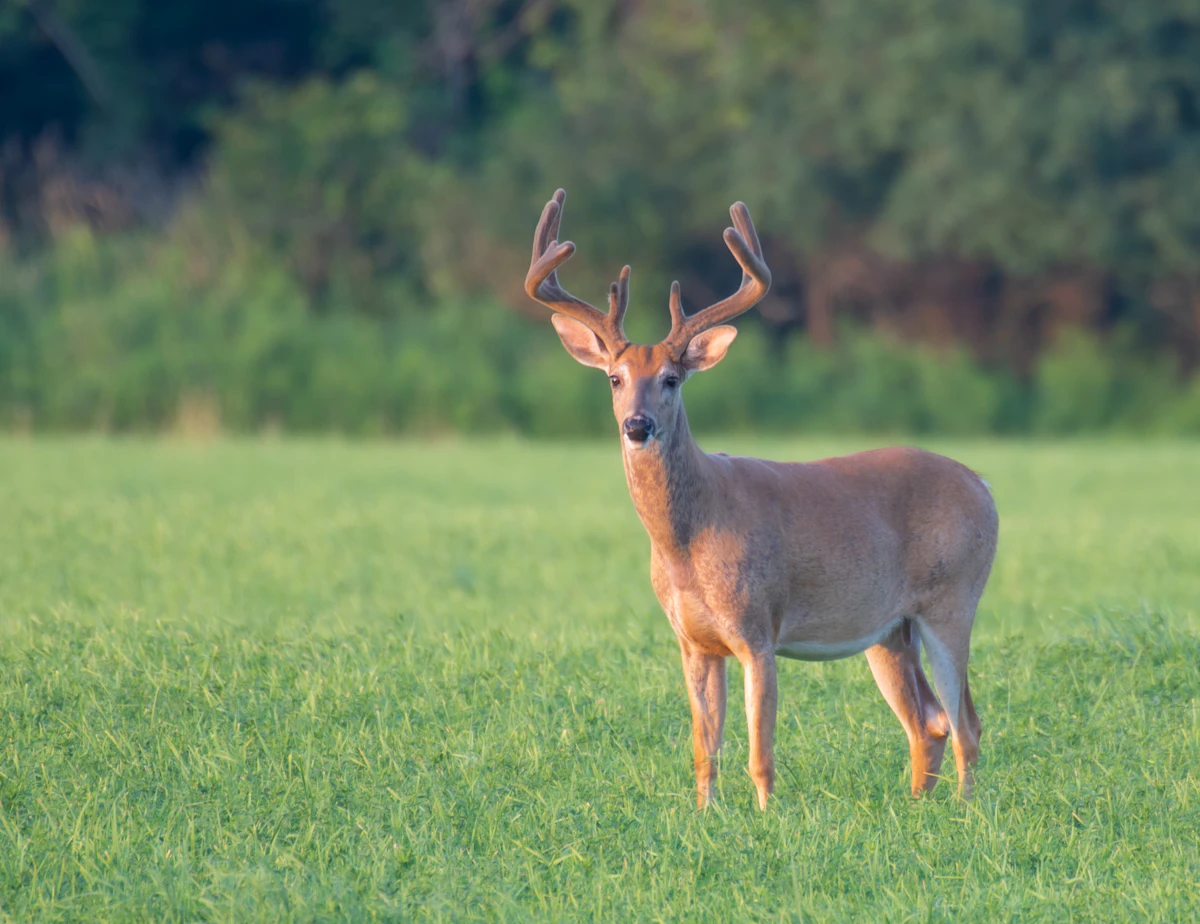
Planning a Whitetail Hunt Around the Rut 2027: Best Dates, States & Strategies
The whitetail rut varies significantly across the United States, with northern states peaking in November while southern populations may breed in December, January, or February, requiring hunters to research local timing and regulations.
Related
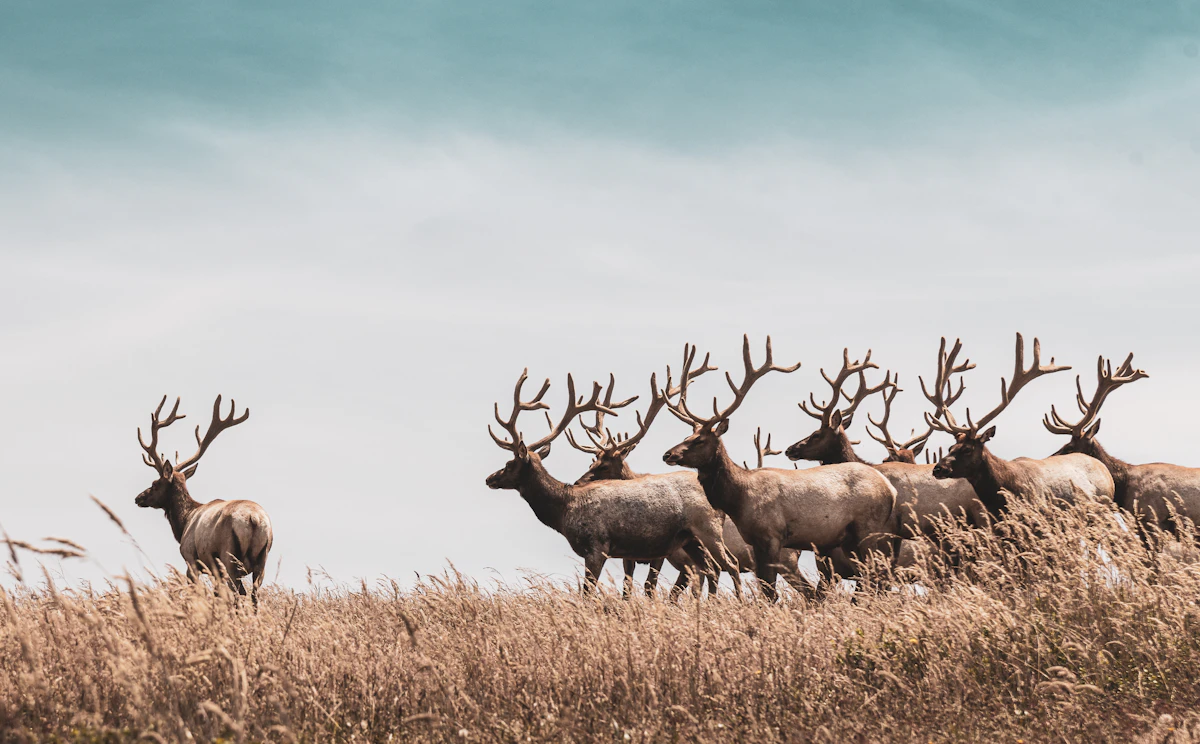
California Big Game Draw Guide 2027: Deer, Elk, Antelope & Sheep Tags
California's big game draw awards most premium tags through accumulated preference points while preserving random draw opportunities, covering deer, three elk subspecies, pronghorn, and bighorn sheep with applications typically opening April 15 and closing June 2.
Next
How Wolves Affect Wisconsin Whitetail Deer Populations in 2027: Predation, Hunting & Management
Wolves are a major prey predator of whitetail deer in Wisconsin, particularly in northern forests, with predation impacts varying by location, winter severity, and habitat conditions, while black bears and coyotes are also significant fawn predators.