Understanding Florida Bear Population Management: How the State Balances Conservation and Safety
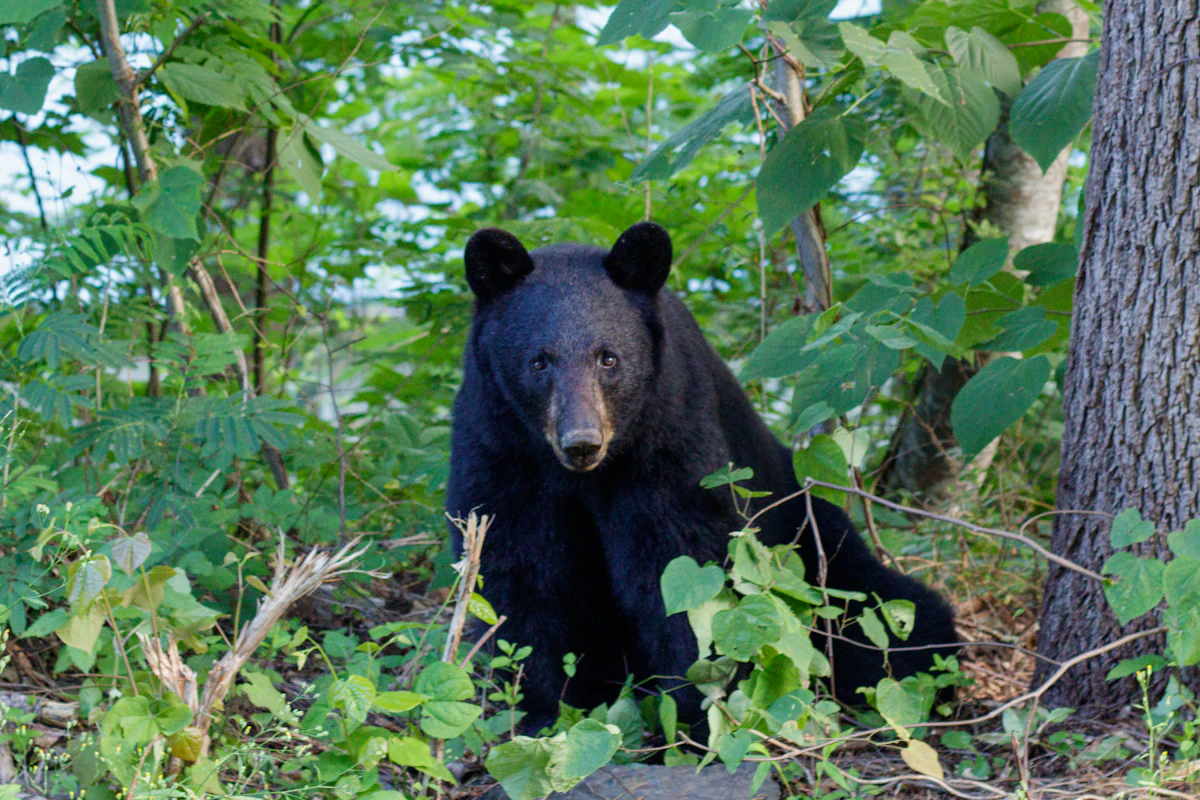
Florida black bears have made a remarkable recovery from near-extinction in the 1970s to an estimated 4,000 animals today. State biologists now face the complex challenge of managing a thriving population across a landscape increasingly shared with people. Understanding how Florida approaches bear management helps hunters and residents alike see the bigger picture behind regulations, hunting seasons, and conservation funding.
The Florida Black Bear Recovery Story
Florida's only bear species once numbered fewer than 500 animals statewide. Decades of habitat loss and unregulated hunting pushed black bears to the brink. The Florida Fish and Wildlife Conservation Commission (FWC) closed bear hunting in 1994 to allow populations to recover. By the early 2000s, bears rebounded in key habitats across central and north Florida. Today, the state tracks seven distinct subpopulations ranging from the Ocala National Forest to Big Cypress.
This recovery created new management challenges. Bears expanded into suburban areas. Vehicle collisions increased. Trash-related conflicts became routine in some counties. FWC shifted from pure recovery mode to active population management — balancing bear conservation with human safety and property protection.
How Florida Tracks Bear Populations
FWC uses multiple scientific methods to estimate bear numbers and monitor population trends. Biologists conduct mark-recapture studies using GPS collars and hair snare stations. Trail cameras capture individual bears based on unique markings. Genetic samples from hair and scat help track family lineages and population health.
The state divides Florida into seven Bear Management Units (BMUs). Each unit receives independent population estimates every few years. The Ocala BMU holds roughly 1,000 bears. The Central BMU, stretching from Orlando north through Ocala, contains another 1,100 animals. Big Cypress in south Florida supports around 350 bears. Smaller populations exist in the Apalachicola, Eglin, Osceola, and Chassahowitzka units.
Population monitoring drives all management decisions. FWC sets goals for each BMU based on habitat capacity, human development patterns, and conflict rates. When populations meet or exceed targets, regulated hunting becomes a management tool. When populations lag or face threats, FWC implements habitat protections and conflict mitigation programs.
Bear-Human Conflict Management
Florida's growing human population intersects with expanding bear range. Conflicts peak in central Florida counties where suburban sprawl pushes into bear habitat. Orange, Seminole, Lake, and Volusia counties report hundreds of bear calls annually. Most involve bears raiding trash cans, damaging property, or frequenting residential areas.
FWC operates a comprehensive conflict response program. The BearWise public education campaign teaches residents how to secure attractants like garbage, bird feeders, and pet food. Counties receiving state funding for bear-resistant trash cans saw conflict rates drop by 60 percent. FWC also employs wildlife officers who respond to nuisance bear reports, relocate problem animals when necessary, and remove bears that pose direct threats to human safety.
The state does not classify Florida black bears as dangerous predators. Attacks remain extremely rare. Most conflicts stem from bears seeking easy food sources. Removing attractants solves the majority of issues. When relocation fails or a bear becomes habituated to human food, FWC may euthanize the animal. The agency prioritizes non-lethal solutions but recognizes some situations require removal for public safety.
The Role of Regulated Hunting
Florida reopened black bear hunting in 2015 for the first time in 21 years. The one-week season allowed 3,778 permits statewide with specific harvest quotas for each BMU. Hunters killed 304 bears before FWC closed the season early due to high harvest rates. The hunt sparked intense debate. Supporters argued regulated hunting provides necessary population control and funds conservation. Critics claimed the state rushed the decision and lacked sufficient population data.
FWC did not authorize another bear season after 2015. The commission continues evaluating population data annually to determine if future hunts align with management objectives. Current population estimates suggest some BMUs could sustain limited hunting. The Central and Ocala units show stable or growing numbers. Other units remain below target densities.
Any future bear hunt would follow strict regulations. FWC would set conservative quotas based on the latest population science. Hunters would need to complete a bear identification course and pass a test before receiving a permit. The season would run during fall when bears are most active and before denning. Bait and dogs would likely remain prohibited to ensure ethical harvest and prevent over-harvest of females with cubs.
Habitat Protection and Connectivity
Long-term bear management depends on protecting and connecting habitat. Florida has permanently conserved over 10 million acres of public lands including national forests, state parks, and wildlife management areas. These core habitats support the bulk of the state's bear population. FWC works with land managers to maintain forest structure, control invasive species, and limit human disturbance in critical bear areas.
Habitat corridors linking these core areas allow bears to move between populations and maintain genetic diversity. FWC identifies priority corridors using GPS collar data showing how bears travel across the landscape. The state partners with conservation organizations to protect key corridors through land purchases and conservation easements. Highway underpasses and wildlife crossings reduce vehicle collisions in high-traffic areas.
Climate change adds uncertainty to long-term habitat planning. Rising sea levels threaten coastal bear habitat in south Florida. Changing rainfall patterns may alter forest composition and food availability. FWC incorporates climate projections into management plans to ensure bear populations can adapt to future conditions.
What Hunters Should Know About Florida Bear Hunting
Florida currently offers no bear hunting season. FWC evaluates the possibility each year as part of the annual species review process. Hunters interested in future opportunities should monitor FWC announcements and attend public meetings where bear management decisions are discussed.
If FWC authorizes another season, expect limited permits allocated through a lottery draw system. The 2015 hunt cost $100 for residents and $300 for nonresidents. Future seasons would likely use similar pricing. Applicants would need a valid Florida hunting license and complete the required bear identification course before applying.
Bear hunting differs significantly from deer or hog hunting. Florida black bears are intelligent, cautious animals that avoid human activity. Successful hunters scout extensively to locate feeding areas like oak hammocks producing heavy acorn crops. Bears move primarily at dawn and dusk. Still-hunting near active trails and feeding sites produces better results than stand hunting in random locations.
Field care requires immediate attention. Bear meat spoils quickly in Florida's heat. Hunters must field dress and cool the carcass within hours of harvest. FWC requires reporting all harvested bears within 24 hours and bringing the carcass to a check station for biological data collection. This data feeds directly into population models that guide future management.
Funding Bear Conservation
Wildlife management costs money. FWC operates on a user-pay, user-benefit model funded primarily by hunting and fishing license sales, federal excise taxes on outdoor gear, and grant programs. Bear management programs receive funding from multiple sources including general hunting license revenue, the federal Pittman-Robertson Act, and the Florida Panther license plate program.
Regulated bear hunting generates additional conservation funding. The 2015 season produced over $700,000 in permit sales that funded bear research, habitat projects, and conflict mitigation programs. Hunter dollars also support wildlife officers who respond to bear conflicts and educate the public about coexisting with bears.
Non-hunters also contribute through specialty license plates, private donations to FWC programs, and sales taxes on outdoor equipment. The state's conservation success depends on broad public support regardless of whether individuals hunt.
The Future of Florida Bear Management
Florida's bear population will likely continue growing in areas with sufficient habitat and low human density. Conflicts will persist in suburban areas where development meets bear range. FWC faces ongoing pressure to balance competing interests — hunters seeking opportunity, conservationists protecting bears, and residents demanding safety.
Science drives FWC's approach. Biologists collect population data, track conflicts, monitor habitat conditions, and model different management scenarios. Commissioners review this data during public meetings before making policy decisions. Transparency and public input remain central to the process.
Future management will likely include a mix of tools: habitat protection, conflict mitigation, public education, and potentially regulated hunting when and where populations support sustainable harvest. The goal is maintaining healthy bear populations across Florida while minimizing conflicts and ensuring public safety.
FAQ — Florida Bear Population Management
How many black bears live in Florida right now? FWC estimates approximately 4,000 black bears statewide distributed across seven management units. The Ocala and Central units hold the largest populations with roughly 1,000 bears each.
Can you legally hunt bears in Florida? No. Florida has not authorized a bear hunting season since 2015. FWC evaluates population data annually to determine if future seasons align with management goals, but no hunt is currently planned.
Why did Florida stop bear hunting after 2015? The 2015 season harvested 304 bears in one week, approaching quotas faster than expected. FWC chose not to authorize additional seasons while analyzing harvest data and refining population estimates to ensure future hunts would be sustainable.
What should I do if a bear gets into my trash? Secure all garbage in bear-resistant containers or keep trash indoors until collection day. Remove bird feeders and pet food. If bears continue visiting, report the issue to FWC's Wildlife Alert Hotline at 888-404-FWCC. Never approach or feed bears.
Are Florida black bears dangerous to humans? Black bear attacks are extremely rare. Bears naturally avoid people and conflicts typically involve property damage rather than aggression. Securing food attractants eliminates most conflicts. Give bears space and never corner or surprise them.
Will Florida open another bear hunting season? Possibly. FWC continues monitoring populations and could authorize limited hunting if data supports sustainable harvest. Any future season would require commission approval following public input and would use strict quotas to prevent over-harvest.
Continue Planning Your Hunt
While Florida currently offers no bear hunting, TAGZ helps western hunters research and plan hunts across states with active bear seasons. Compare draw odds for black bear hunts in Colorado, Montana, and Wyoming using detailed unit maps and historical success rates.
Track your preference points and bonus points across multiple states so you never miss a bear application deadline. TAGZ filters hunts by weapon type, season dates, and difficulty level to match your experience and schedule. Whether you are building points for a limited-entry hunt or targeting over-the-counter opportunities, TAGZ gives you the tools to make smarter decisions.
Explore more hunting insights and state-specific draw strategies on the TAGZ Insights blog. Create your free account today and start comparing units side by side using terrain data, public land boundaries, and harvest statistics. See how TAGZ simplifies western hunting applications from research through the hunt itself.
Was this article helpful?
Previous
Hidden Meadows Most Hunters Miss — Where Elk Actually Bed During Rifle Season
Most hunters glass parks and burn boot leather on obvious meadows while elk bed in hidden pockets 200 yards away. Learning to identify tucked-away benches, saddle meadows, and timbered openings changes everything.
Next
How to Hunt Dark Timber Elk — Tactics That Work When Visibility Drops
Dark timber elk hunting demands patience, precision, and a willingness to operate in low-visibility terrain where most hunters struggle. Learn proven strategies for calling, positioning, and staying confident in the shadows.