Wind Strategies for Whitetails: How to Hunt Every Condition
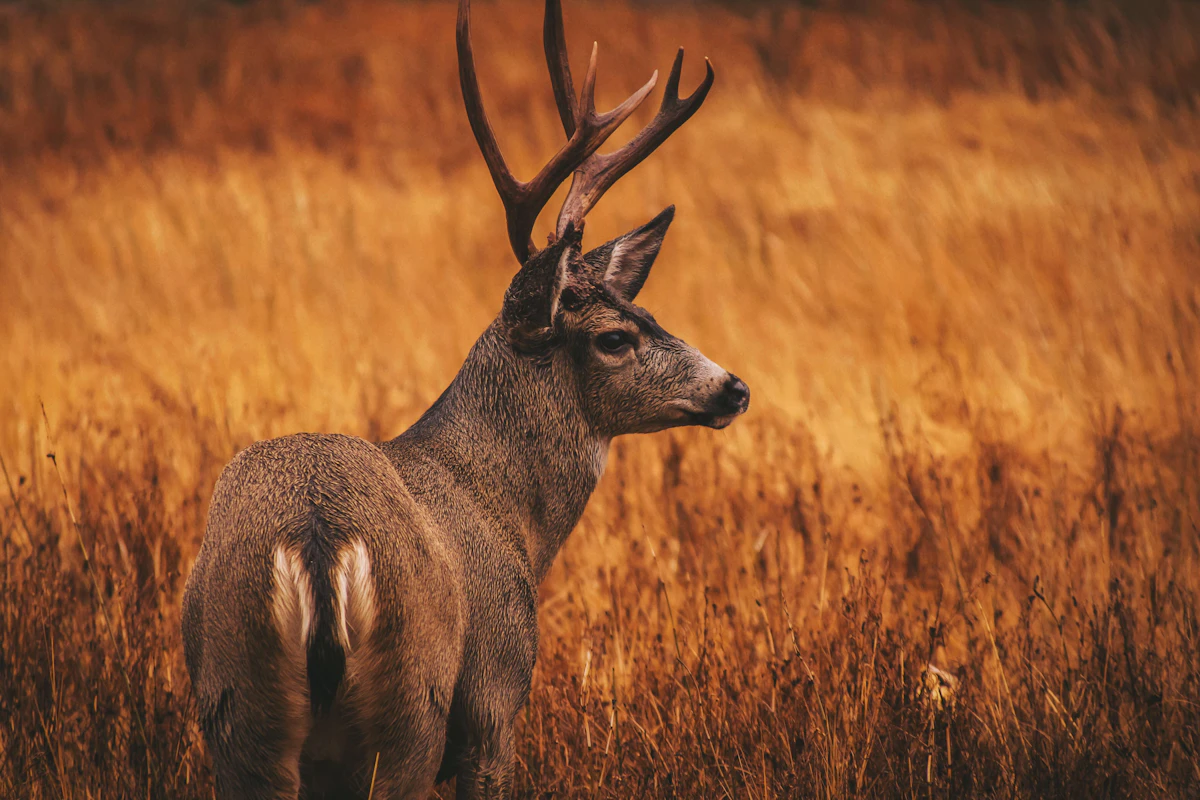
The wind dictates everything in whitetail hunting. Deer trust their noses above all other senses, and even a single whiff of human scent will send a mature buck into the next county. You can have the best trail camera intel, perfect timing during the rut, and a prime funnel location, but if the wind carries your scent into a bedding area or across a travel corridor, the hunt is over before it starts.
Successful whitetail hunters do not fight the wind. They read it, respect it, and build their entire stand strategy around it. That means having multiple stand locations for different wind directions, understanding how thermals behave at dawn and dusk, and knowing when to stay home instead of burning a stand site with bad conditions. This guide breaks down how to hunt whitetails in every wind scenario, from steady prevailing winds to swirling nightmare conditions that seem impossible to predict.
Understanding Whitetail Wind Awareness
Whitetails detect scent particles through their vomeronasal organ, which processes chemical signals far beyond what humans can imagine. A deer downwind of you is not just smelling your presence — it is reading your diet, your hygiene products, the gasoline you pumped that morning, and whether you are a threat. There is no cover scent or spray that completely eliminates human odor. The only reliable defense is keeping the wind in your favor.
Mature bucks move with the wind. They bed where prevailing winds carry scent from likely danger zones into their nose, and they approach food sources or doe groups from downwind. During the rut, a buck will often circle downwind of a hot doe trail or scrape line before committing. If your stand placement does not account for this behavior, you will see young bucks and does but rarely a shooter.
Wind awareness also varies by terrain. In open agricultural country, wind direction is more predictable. In broken timber or hill country, wind swirls, eddies, and shifts throughout the day as thermals rise and fall. You cannot hunt these areas the same way.
Choosing Stand Locations Based on Prevailing Winds
Every property has a prevailing wind direction based on geography and seasonal weather patterns. In much of the Midwest, fall winds blow from the west or northwest. In the South, you might see more southerly winds. Check historical weather data for your area during hunting season, then identify the most common wind direction.
Build your stand strategy around this prevailing wind first. If west winds dominate, position your primary stand locations so a west wind carries your scent away from bedding areas, trails, and feeding zones. That might mean sitting on the east side of a funnel, the west edge of a food plot, or the downwind side of a ridge where deer travel.
Once you have primary locations locked in for the prevailing wind, add backup stands for opposite or crosswind conditions. A mature buck might only be killable from one or two angles based on how he moves through the property. If you only have one stand and the wind is wrong, you either sit it and educate deer or stay home and waste a prime day.
Keep a wind rose or simple chart that shows which stands are huntable in which wind directions. Some hunters mark this on a map with arrows showing ideal wind angles for each location. When you check the weather the night before a hunt, you should know immediately which stand to hunt without second-guessing.
How Thermals Affect Morning and Evening Hunts
Thermals are rising or falling air currents caused by temperature changes, and they completely override wind direction in hilly or broken terrain. Understanding thermals is the difference between killing a buck and wondering why deer always seem to wind you at the last second.
Morning thermals fall. As the air cools overnight, it sinks into valleys, draws, and lowland areas. This means your scent drops with it. If you are sitting on a ridgetop or hillside in the morning, your scent will fall downhill no matter what the weather app says the wind direction is. Deer bedding below you will smell you. Morning hunts work best in low areas, valley bottoms, or when you are hunting uphill toward higher bedding zones.
Evening thermals rise. As the ground warms through the afternoon, air currents lift and carry scent upward. This is why evening hunts on ridges, bluff edges, and high saddles work better. Your scent rises away from deer moving uphill from feeding areas. If you sit in a bottom during the evening, your scent will rise and spread across the entire hillside above you.
Thermals are strongest on calm days with light winds. When the forecast shows 3 mph winds or less, assume thermals will dominate. On windy days with 10-plus mph, thermals still exist but the prevailing wind direction matters more. The transition period right at dawn and dusk is when thermals shift direction, which can create swirling scent and spook deer that were calm minutes earlier.
Hunting Swirling Winds and Variable Conditions
Swirling winds are the whitetail hunter's worst nightmare, but they happen constantly in timber, river bottoms, and anywhere terrain breaks up airflow. You can watch your wind checker blow three different directions in five minutes. These are the days most hunters assume are unhuntable, but mature bucks move during swirling conditions because they know most hunters stay home.
The key is picking stand locations where swirling wind still keeps you safe. Look for setups where every possible wind shift blows your scent into low-value areas — a cut cornfield, a marsh, a clearcut where deer rarely travel. Avoid stands where even a brief wind shift would push scent into bedding cover or primary travel routes.
Another tactic is hunting extremely tight to bedding areas on swirling days. If you can get within 50 to 75 yards of a bedded buck, swirling wind actually works in your favor. Deer expect some scent swirl in thick cover, and a brief whiff of human odor might not send them into full panic if they cannot pinpoint the source. This is advanced hunting and requires perfect entry and exit routes, but it can produce when nothing else will.
Some hunters use swirling conditions to hunt saddles, inside corners, or transition zones where deer pass quickly rather than linger. The idea is that even if a deer catches a faint whiff of scent, it is moving fast enough that you might get a shot before it processes the danger. This works better during the rut when bucks are less cautious.
Using Wind to Your Advantage on Stand Approaches
Getting to your stand without spooking deer is just as important as where you sit. Wind direction should dictate your access route, not just your shooting position. If you walk through a bedding area or upwind of a staging area on your way to the tree, you have already ruined the hunt.
Plan entry and exit routes that keep the wind in your favor the entire way. That might mean a longer walk, crossing a creek, or entering from a property boundary instead of the convenient path from your truck. Some of the best stand locations require a half-mile hike because the only safe access is a long loop that keeps you downwind of all deer movement.
Morning entries are more forgiving because deer are transitioning from feeding areas to bedding. You can often slip in before they settle. Evening entries are harder because deer are already bedded near your stand location. Pay extra attention to wind direction on evening sits, and do not be afraid to bail on a hunt if the wind shifts during your walk in.
Use the wind to mask your noise as well as your scent. A strong wind covers the sound of footsteps, branches breaking, and climbing into a stand. On dead-calm mornings, every sound echoes. If you have a choice between a windy day and a calm day for a high-pressure sit near bedding, take the wind.
What to Do When the Wind Shifts Mid-Hunt
The wind will betray you eventually. Even on a perfect forecast day, a front moves through, a thermal shift happens, or a local weather cell changes everything. When the wind shifts and starts blowing your scent toward deer, you have two options: adapt or leave.
If the shift is minor and temporary — a gust or brief eddy — stay put and stay still. Deer might catch a faint whiff of something but not enough to identify it as danger. Do not move, do not check your phone, and let the wind settle. If it swings back in your favor, you are still in play.
If the wind shifts hard and holds, you need to leave. Sitting a bad wind and hoping for the best is how you educate deer and ruin a stand site for the rest of the season. Mature bucks remember where they smelled human scent, and they will avoid that location for weeks. Climbing down and walking out might feel like quitting, but it protects your hunting spots for future sits.
Some hunters carry a climber or saddle setup so they can reposition mid-hunt if the wind shifts. This works on public land or large properties where you have room to move. If you are in a fixed stand and the wind goes bad, accept the loss and plan better next time.
Wind and the Rut: When Bucks Get Sloppy
The rut is the one time of year when wind matters slightly less, but it still matters. A buck locked on a hot doe will take more risks and tolerate marginal wind conditions, but he will not ignore a direct nose full of human scent. The difference is that a rutting buck might move through a setup faster, check downwind less carefully, or walk a trail he would normally avoid.
This is when you can hunt aggressive setups that would never work during early season. Sitting downwind of a primary scrape, a funnel between bedding and feeding, or a pinch point near a doe bedding area all become viable if the wind is even remotely in your favor. You do not need perfect conditions, but you still need the wind blowing away from the highest-odds approach.
During the peak rut, focus on wind direction at the shot location rather than along every possible travel route. A buck chasing a doe might come from any direction, but he will likely pass through a specific zone — a fence crossing, a ditch, a gap in thick cover. Set up so the wind is right for that kill zone, even if it means other parts of your shooting area have questionable scent control.
Post-rut hunting flips back to strict wind discipline. Pressured bucks that survived the rut are hyper-cautious and will revert to strict downwind checking before committing to any movement.
Scent Control vs. Wind Management
Scent control products, ozone generators, and carbon-lined clothing all help reduce human odor, but none of them replace wind management. Treat scent control as a secondary defense that buys you a few extra seconds when a deer crosses your scent stream at 60 yards instead of 20. It is not a replacement for hunting the right wind.
The most effective scent control measures are the ones that reduce odor before you ever step in the woods. Wash your clothes in scent-free detergent, store them in airtight bins with earth-scent wafers, and shower before every hunt. Avoid eating fast food or putting on deodorant that smells like synthetic fragrance. Keep your bow, pack, and boots outside or in a garage instead of inside your house.
Play the wind first, use scent control second, and never assume you can cheat wind direction just because you are wearing fancy clothes or sprayed down with scent killer. Mature whitetails have survived hunters using every gimmick on the market. What they have not survived is a hunter who never lets them smell him.
FAQ — Whitetail Wind Strategies
What wind speed is best for whitetail hunting?
10 to 15 mph is ideal. It is strong enough to cover noise and keep scent moving in one direction, but not so strong that deer refuse to move. Winds over 20 mph often keep deer bedded unless the rut is on.
Should I hunt if the wind is swirling?
Yes, if you pick the right stand. Hunt locations where every possible wind shift blows your scent into low-value areas like fields or clearcuts, not bedding cover. Swirling wind days can be excellent because fewer hunters are in the woods.
How do I know which way the wind is blowing in thick timber?
Carry a wind checker — either a puffer bottle of unscented powder or milkweed seeds. Check wind direction every 15 to 20 minutes while on stand, especially during thermal shift periods at dawn and dusk.
Do I need different stands for every wind direction?
Not every direction, but you need at least two or three options. At minimum, have a stand for prevailing west or northwest winds and a backup for opposite conditions. More stand options equal more huntable days.
Can I hunt a bedding area if the wind is perfect?
Yes, but only if the wind is absolutely perfect and you have a clean entry and exit route. One mistake will burn the spot for the season. Save bedding-edge hunts for mid-to-late season or the rut when the reward justifies the risk.
What should I do if the wind shifts while I am on stand?
If it is a brief gust, stay still and wait. If the wind shifts hard and holds in a bad direction, climb down and leave. Sitting a bad wind educates deer and ruins the stand location for weeks.
Continue Planning Your Hunt
Wind management is just one piece of the whitetail hunting puzzle. To consistently tag mature bucks, you need a system that tracks every detail — wind forecasts, stand locations, rut timing, and hunting pressure across the properties you hunt.
TAGZ was built to help whitetail hunters plan smarter hunts by tracking weather conditions, mapping stand locations with GPS coordinates, and logging wind direction for every sit. You can filter your stand history by wind direction to see which setups produced sightings and which ones got blown out by bad conditions. Whether you are hunting private ground or bouncing between public parcels, TAGZ gives you the tools to make better decisions before you ever climb a tree.
Explore more whitetail tactics, rut timing strategies, and public land breakdowns on the TAGZ Insights page. If you are ready to take your planning to the next level, check out TAGZ pricing to find the plan that fits your hunting style. For a full breakdown of how TAGZ tracks wind data, stand locations, and hunt history, visit the TAGZ product page.
The wind will always be unpredictable, but your response to it does not have to be. Hunt smarter, track better, and make every sit count.
Was this article helpful?
Previous
7 Elk Calling Mistakes That Cost Beginners Bulls Every Season
New elk callers make predictable mistakes that educate bulls and ruin setups. Learn the seven most common errors — from overcalling to poor positioning — and how to fix them before your next hunt.
Next
Best Whitetail Rifles: Top Picks for Eastern and Western Hunts
Choosing the right whitetail rifle means balancing accuracy, handling, and cartridge performance for your hunting environment. From timber stands to open sage, these proven rifles deliver consistent results across every whitetail scenario.