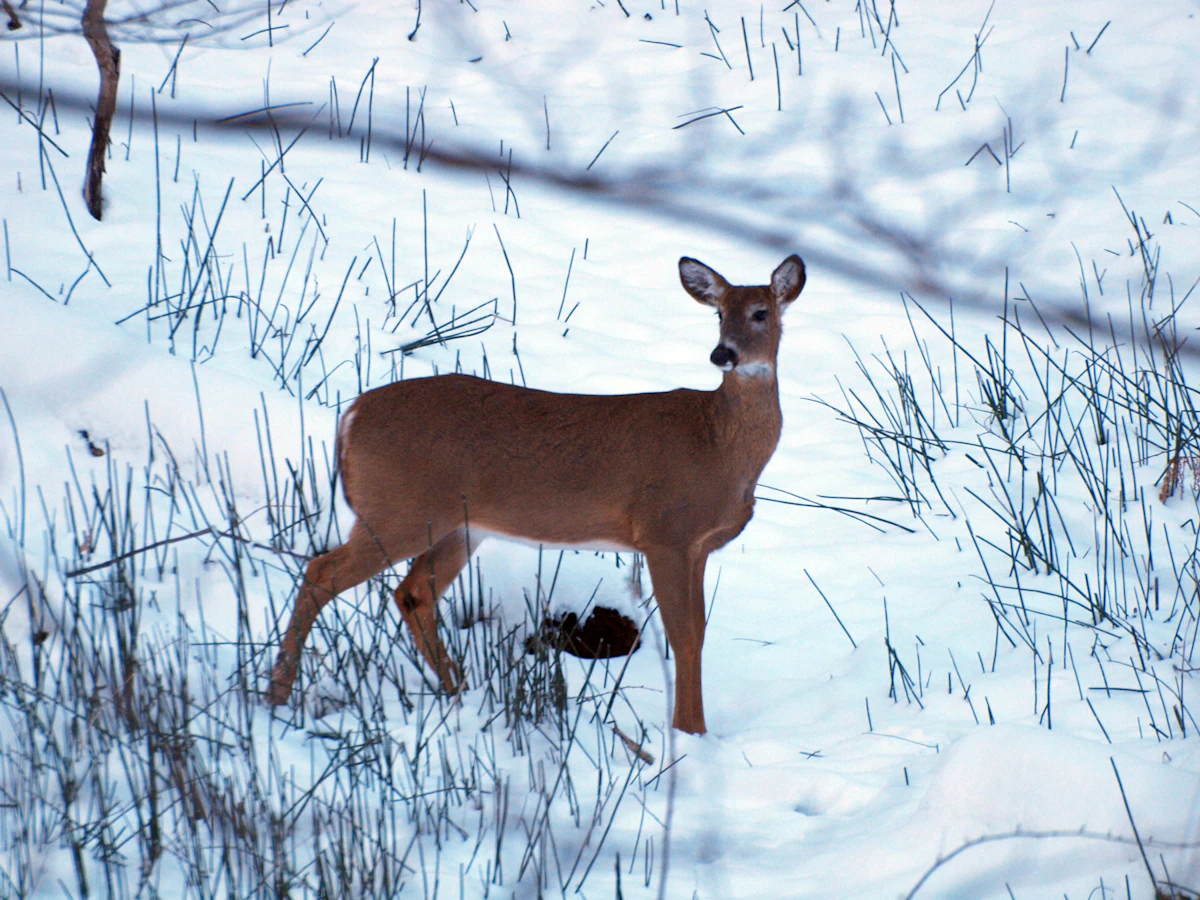
Decoy Hunting Whitetails: Proven Strategies for Rut Success
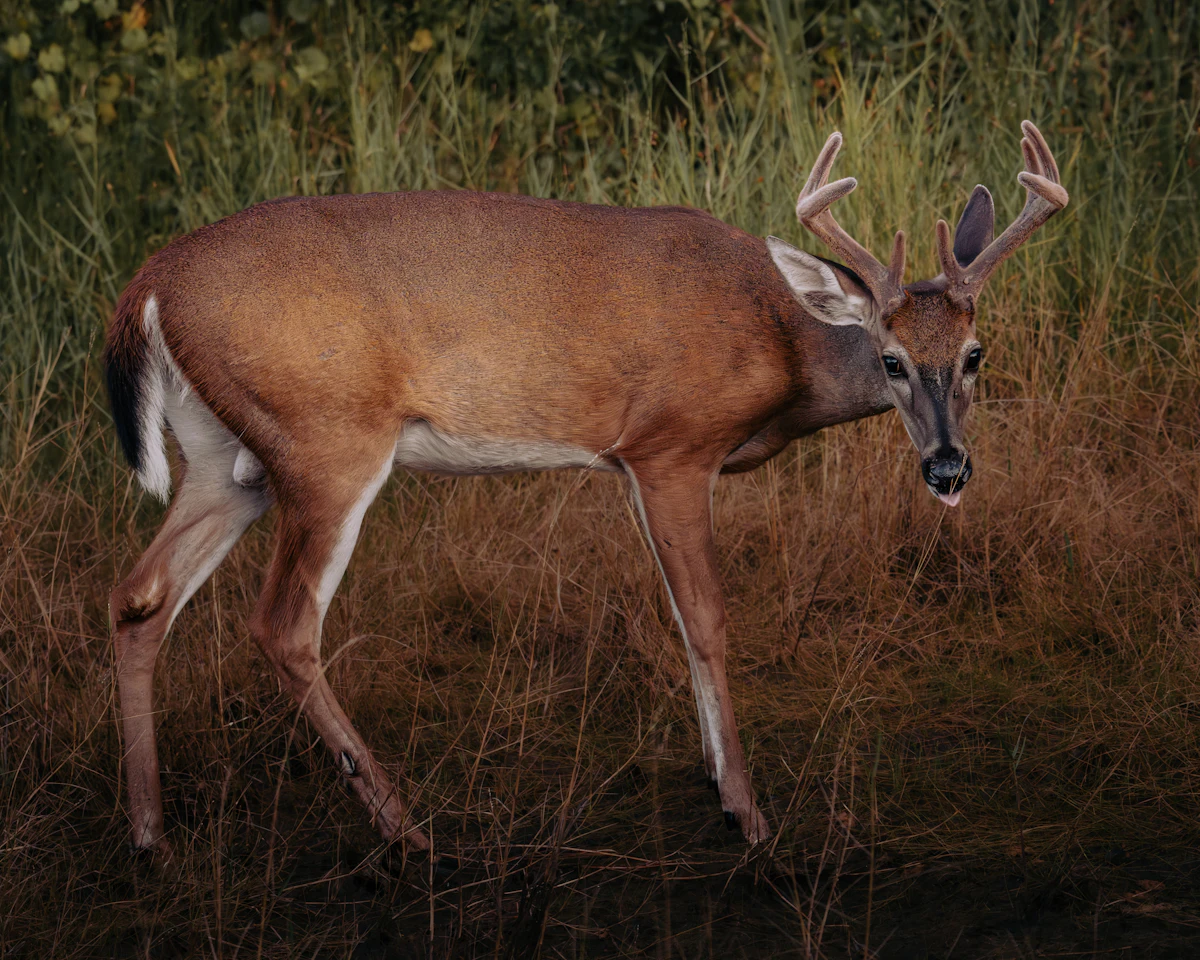
Whitetail decoys are polarizing. Some hunters swear they pull mature bucks into close range during the rut. Others claim decoys spook more deer than they attract. Both are right — because success with decoys depends entirely on timing, placement, and reading the specific phase of the rut you are hunting.
A decoy is not a magic bullet. It is a visual anchor that reinforces scent, calling, and terrain advantages you already have in place. Used during the wrong phase of the rut or set in the wrong spot, a decoy can turn a mature buck away before he ever commits. Used correctly during peak breeding, a decoy can be the visual trigger that pulls a cruising buck off his route and into your setup.
When Decoys Work Best
Decoys are most effective during the seeking and chasing phases of the rut, roughly 7–14 days before peak breeding. During this window, bucks are actively searching for estrous does and are more likely to investigate visual cues. A lone doe decoy positioned in a feeding area or along a travel corridor can pull a cruising buck into range as he investigates what he assumes is a receptive doe.
Buck decoys work best during the peak rut when mature bucks are aggressively defending breeding does and challenging rivals. A bedded or quarter-facing buck decoy placed near doe bedding areas or feeding zones can trigger territorial responses from dominant bucks who view the setup as a direct challenge. This tactic works because mature bucks are already amped on testosterone and looking for fights.
Decoys lose effectiveness after peak breeding wraps up. Once the majority of does are bred, bucks return to feed-and-rest patterns and are less likely to investigate a static decoy. Late-season bucks are survival-focused, not breeding-focused, and a decoy becomes just another strange object in the woods.
Doe Decoy Tactics
A single doe decoy works best when positioned in open cover where a cruising buck can spot her from 100–150 yards. Place the decoy quartering toward your stand so an approaching buck has to circle into your shooting lane to scent-check her head or rear. This forces the buck to commit to a predictable approach.
Avoid placing doe decoys in thick cover or directly on heavily used trails. Bucks approaching from downwind will scent-check the decoy before committing, and if they catch your wind first, the entire setup fails. Open terrain — edges of alfalfa fields, scrape lines in timber, or openings along ridge saddles — gives bucks confidence to approach in daylight.
Pair the doe decoy with estrous scent placed on her rear and light doe bleats or contact calls. The combination of visual, scent, and audio cues creates a scenario the buck believes is real. Do not overcall. Two or three soft bleats per hour is enough. Aggressive calling near a doe decoy can make the setup feel unnatural and spook wary bucks.
Buck Decoy Tactics
Buck decoys are high-risk, high-reward. A mature buck decoy positioned near doe bedding or feeding areas during peak rut can pull aggressive bucks into close range as they challenge what they perceive as a rival. But the same setup can send subordinate bucks the other direction if they do not feel confident enough to engage.
Use a bedded or relaxed-posture buck decoy rather than a full-strut or aggressive stance. A bedded buck suggests a rested, non-threatening deer — curious enough to investigate but not immediately ready to fight. This posture works better for pulling in bucks who are assessing the situation before committing.
Pair the buck decoy with rattling or aggressive grunt sequences. Start light and escalate only if the buck shows interest but hesitates. If a buck circles downwind and stalls, hit him with a short rattling sequence to simulate a sparring match. The audio combined with the visual often triggers the final commitment.
Never use a buck decoy in heavily pressured areas or on small properties where mature bucks are already skittish. In high-pressure zones, bucks avoid confrontation and will circle downwind to confirm what they are seeing. If they catch human scent or spot movement, the decoy becomes a red flag instead of a trigger.
Decoy Placement Mistakes
The most common decoy mistake is setting up too close to your stand. A decoy placed within 15–20 yards forces an approaching buck to walk directly toward you, increasing the chance he spots movement or catches your scent before you can draw. Place the decoy 25–40 yards away in a spot that pulls the buck parallel to your shooting lanes — not straight at you.
Another mistake is using too many decoys. A doe and fawn pair or a doe with a small buck can work, but three or four decoys creates an unnatural herd scenario that mature bucks often avoid. Deer are herd animals, but during the rut, mature bucks key in on individual does — not groups.
Failure to stake the decoy properly is another setup killer. Wind will rock a poorly anchored decoy back and forth, creating unnatural motion that alerts deer immediately. Use a stake driven into the ground or a weighted base that keeps the decoy stable even in 10–15 mph winds.
Combining Decoys with Scent and Calling
A decoy by itself is just a visual. The setup becomes deadly when you layer scent and calling to create a complete scenario. For doe decoys, apply estrous scent to the rear and use doe bleats or estrous bleats sparingly. For buck decoys, skip the scent and rely on rattling or aggressive grunts to sell the illusion of a rival.
Do not overcall. The decoy is doing the visual work — calling should reinforce what the buck already sees, not dominate the setup. One or two soft bleats every 20–30 minutes is enough for a doe decoy. For a buck decoy, rattle only when a buck is in sight and hesitating.
If a buck commits to the decoy but stalls at 60–80 yards, resist the urge to call him in. Let the decoy do the work. Bucks will often circle downwind to confirm what they are seeing — if your wind is right and your scent control is solid, he will close the distance on his own.
Decoy Safety Considerations
Never use a decoy during rifle season or in areas where you do not have exclusive access. A white flag or blaze orange vest draped over the decoy when moving to and from your stand is non-negotiable. Bowhunters have been shot at by rifle hunters who mistake movement near a decoy for a live deer.
Always carry the decoy in a collapsed or covered state. A hunter walking through the woods with a full-body deer decoy over his shoulder is asking to be mistaken for game. Decoys designed to fold flat or compress into a backpack are safer and easier to transport.
If you hear other hunters in the area, pull the decoy. The risk is not worth the reward when you cannot confirm where other hunters are positioned.
When to Skip the Decoy
Decoys are not worth the effort in thick timber where visibility is limited to 30–40 yards. Bucks in heavy cover rely on scent and sound more than sight, and dragging a full-body decoy into thick brush adds weight and complication without improving your odds.
Skip the decoy if you are hunting a known mature buck with a history of avoiding setups. Pressured bucks that have survived multiple seasons are hyper-alert to anything unnatural, and a static decoy can trigger avoidance instead of curiosity.
If the wind is wrong for your setup, do not use a decoy. Bucks will circle downwind to scent-check, and if they catch your scent before committing, the decoy becomes a liability. Wind direction dictates whether the decoy setup works — not the other way around.
Decoy Gear Recommendations
Full-body decoys like the Montana Decoy Miss Muley or Flextone Buck Commander are packable and realistic enough to fool mature bucks at close range. Look for decoys that collapse flat for backpack carry and include a stake or base for secure anchoring.
Avoid hard-plastic decoys that shine in sunlight or create unnatural highlights. Flocked fabric or matte-finish decoys blend into natural cover better and reduce the chance of spooking wary deer.
If you are hunting solo, stick with a single doe or buck decoy. Multi-decoy setups require more time and create more movement during setup and breakdown — both of which increase your scent footprint and risk of being detected.
FAQ — Whitetail Decoy Hunting
Do whitetail decoys actually work?
Yes, when used during the seeking and chasing phases of the rut in open terrain where bucks can see the decoy from 100+ yards. Decoys fail when timing, placement, or wind direction is wrong.
Should I use a buck or doe decoy during the rut?
Doe decoys work best during the pre-rut and seeking phase when bucks are cruising for receptive does. Buck decoys work better during peak rut when mature bucks are aggressively defending breeding territories.
How far should I place the decoy from my stand?
Place the decoy 25–40 yards away in a position that pulls approaching bucks parallel to your shooting lanes — not straight toward you. This reduces the chance the buck spots you before you can draw.
Can decoys spook deer?
Yes. Poorly placed decoys, decoys that move unnaturally in the wind, or decoys used in thick cover where bucks cannot see the full setup can trigger avoidance behavior instead of curiosity.
Do I need to use scent with a decoy?
Scent is not required but dramatically improves effectiveness. Apply estrous scent to the rear of a doe decoy or skip scent entirely with a buck decoy and rely on rattling and grunts to sell the setup.
Is it safe to use a decoy during rifle season?
No. Decoys should only be used during archery or muzzleloader seasons on private land where you have exclusive access. Always cover the decoy with blaze orange when moving to and from your stand.
Continue Planning Your Hunt
Whitetail decoy tactics are just one piece of a complete rut strategy. TAGZ helps western hunters research whitetail units across Montana, Wyoming, and the Dakotas using terrain maps, public land boundaries, and historical draw data. Whether you are planning a high-country mule deer hunt or a whitetail rut hunt on the prairie, TAGZ gives you the tools to compare units side by side and make smarter application decisions before draw deadlines close. Create a free account at getmytagz.com and start filtering hunts by weapon, season, and species.
For more whitetail and mule deer tactics, explore the full library of hunt planning resources on the TAGZ Insights page. Learn how TAGZ simplifies multi-state applications and preference point tracking on the Product page, or compare subscription options on the Pricing page.
Was this article helpful?
Previous
Complete Elk Calling Guide: Mastering Bugling, Cow Calls, and When to Stay Silent
Learn proven elk calling techniques for every phase of the rut and hunting scenario. This guide covers bugling fundamentals, cow call sequences, common mistakes, and when silence is your best strategy.
Next
Reading Whitetail Sign: A Complete Field Guide for Deer Hunters
Master the art of reading whitetail sign in the field. Learn to identify rubs, scrapes, tracks, trails, bedding areas, and feeding patterns that reveal where mature bucks move, bed, and feed throughout the season.