Florida Bear Meat, Hide Care, and Trophy Preparation — A Hunter's Complete Guide
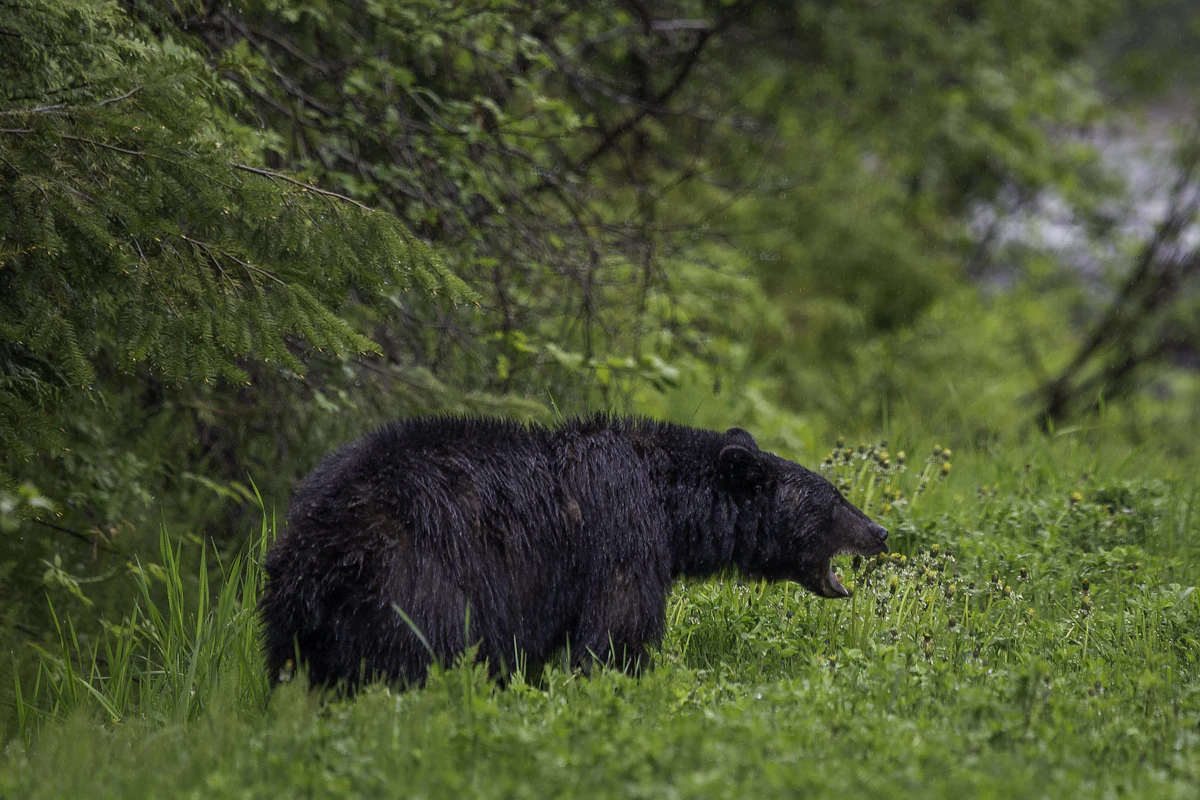
You worked hard for your Florida black bear tag. The state's limited quota hunts mean waiting years between opportunities, and when you finally punch your tag, proper care of the meat, hide, and skull determines whether you walk away with quality table fare and a trophy or spoiled mess. Florida's heat and humidity demand faster work and smarter decisions than hunters face in northern states.
This guide walks you through field care, butchering, hide preparation, and skull preservation so you maximize what you bring home from your Florida bear.
Field Care Starts the Moment Your Bear Hits the Ground
Heat is your biggest enemy. Unlike elk or mule deer hunts in cool mountain air, Florida bear season runs during October when temperatures regularly hit the 80s. Bacteria multiply fast in warm conditions, and bear fat insulates heat inside the carcass longer than lean game animals.
Get your bear gutted within 30 minutes if possible. Make your initial cut from the sternum to the pelvis, being careful not to puncture intestines or stomach. Remove all organs, then prop the chest cavity open with a stick to allow air circulation. If you are packing out whole, quarter the bear as soon as you reach your vehicle or a shaded staging area.
Pay special attention to removing all fat during initial butchering. Bear fat turns rancid quickly in warm weather and imparts a greasy, unpleasant flavor to meat stored nearby. Trim aggressively—you can always take more fat later if you want to render lard, but rancid fat ruins good meat.
Meat Handling and Processing
Bear meat quality depends entirely on how you handle it in the first 12 hours. Once quartered, get meat into a cooler with ice immediately. Layer ice between meat packages and drain melt water twice daily to prevent soaking. Wet meat spoils faster and loses flavor.
Plan to process or freeze bear meat within 48 hours of harvest. If you are taking your bear to a processor, call ahead to confirm they handle bear—not all Florida processors do. Ask specifically about their trichinosis protocols. All bear meat must be cooked to 160°F internal temperature to kill potential parasites, so knowing your processor understands this matters.
For home processing, keep these cuts in mind: backstraps and tenderloins for steaks, front and rear quarters for roasts or stew meat, ribs for smoking, and trim for sausage or ground meat. Bear meat is dark and rich, similar to beef but with a slightly sweeter finish when properly cared for. It takes marinades and dry rubs exceptionally well.
Vacuum-seal all cuts before freezing. Standard freezer paper works, but vacuum-sealing prevents freezer burn better and extends storage life to 12 months instead of 6.
Hide Preparation and Salting
If you plan to tan your bear hide or have a taxidermist create a rug, proper skinning and initial preservation determine whether the hair slips or the hide stays intact.
Skin carefully around the face, ears, eyes, nose, and lips—these areas require the most precision for a quality mount. Leave extra hide around paws for a life-size mount or rug. For a simple hide or rug, you can skin less precisely but still work slowly around delicate areas.
Once skinned, flesh the hide immediately. Use a fleshing beam or draped over a smooth log, scraping away all meat, fat, and membrane with a fleshing knife or draw knife. Florida humidity means hides deteriorate faster than in arid climates, so do not delay this step.
After fleshing, salt the hide heavily. Use non-iodized salt and apply a thick, even layer covering every inch of flesh side. Fold the hide flesh-to-flesh and roll it loosely. After 24 hours, shake off the wet salt, reapply fresh salt, and repeat. This second salting draws out remaining moisture and prevents bacteria growth.
Once properly salted, the hide can be stored in a cool, dry location or frozen until you deliver it to a taxidermist. If you plan to tan it yourself, research wet-tan or dry-tan kits designed for bear hides—they are thicker and oilier than deer hides and require different tanning chemistry.
Skull Cleaning and Preparation
A clean bear skull makes an impressive European mount. Florida hunters have two main options: beetle cleaning or maceration.
Beetle cleaning uses dermestid beetles to strip flesh and cartilage without damaging bone. This produces the cleanest results but requires access to a beetle colony or paying a professional. If you go this route, remove as much meat as possible from the skull first, then seal it in a container with the beetles for 3 to 7 days depending on skull size.
Maceration involves soaking the skull in water to let bacteria break down tissue. Place the skull in a plastic bucket filled with water, keeping it submerged. Change the water every few days and keep the bucket outside—the smell is powerful. After 7 to 14 days, soft tissue will loosen enough to scrape away with a wire brush and pressurized water. Wear gloves and work in a ventilated area.
After cleaning by either method, degrease the skull by soaking it in warm water with Dawn dish soap for several days. Change the soapy water daily until no grease leaches out. Then whiten the skull using hydrogen peroxide (3% to 12% concentration). Do not use chlorine bleach—it weakens bone and causes yellowing over time. Submerge the skull in peroxide for 24 hours, then let it dry completely in sunlight.
Taxidermy Considerations
If you want a shoulder mount, rug, or life-size mount, contact a taxidermist before you even harvest your bear. They will provide specific instructions for skinning and preserving the cape or hide based on the mount style you want.
Florida taxidermists experienced with black bears understand the challenges of working with hides taken in humid conditions. Ask to see examples of their bear work and confirm their timeline—quality bear mounts often require 12 to 18 months.
Expect to pay between $500 and $800 for a bear rug, $1,200 to $2,000 for a shoulder mount, and $3,000+ for a life-size mount. Prices vary based on size, pose complexity, and base or habitat additions.
TAGZ Helps You Plan Your Next Florida Bear Hunt
Florida black bear hunting operates on a strict quota system with limited draw opportunities. TAGZ lets you track application deadlines, monitor your Florida preference points, and compare bear management unit data so you know where to apply and when your odds improve. Filter units by weapon type, analyze historical harvest data, and map public land access before you ever submit your application.
Whether you are a first-time applicant or building points for a future hunt, TAGZ gives you the tools to make smarter decisions during Florida's bear application season.
Common Mistakes to Avoid
Do not leave your bear in the sun while you take photos or make phone calls. Every minute counts in Florida heat. Gut and cool the carcass first, then celebrate.
Do not skip the second salting on your hide. One salting is not enough in humid conditions—moisture re-enters the hide overnight and bacteria resume growing.
Do not freeze your skull if you plan to clean it later. Freezing pushes grease deeper into the bone, making degreasing much harder. If you must delay skull cleaning, keep it refrigerated instead.
Do not use bleach on your skull. Hydrogen peroxide whitens without damaging bone structure.
Final Tips for Success
Bring twice as much ice as you think you need. Bear quarters are large and hold heat longer than deer.
Pack heavy-duty game bags—bear quarters are heavy and sharp bone fragments can tear lightweight mesh.
Keep a sharp knife and honing steel with you. Bear hide dulls blades faster than deer or elk.
Document your hunt with photos before field dressing begins. Once you start working, blood and dirt make clean photos difficult.
Label all meat packages with the date and cut type. When you pull a package from the freezer six months later, you will want to know whether it is backstrap or stew meat.
FAQ — Florida Bear Care
Does bear meat taste gamey?
Not if handled properly. Bear tastes similar to beef with a slightly sweeter finish. Removing all fat immediately after harvest prevents the strong, greasy flavor some hunters associate with bear meat.
How long can I wait before skinning my bear in Florida heat?
Skin within 2 to 4 hours in temperatures above 75°F. The longer you wait, the higher the risk of hair slipping and hide spoilage. Gut immediately, then skin as soon as you reach a shaded work area.
Can I eat bear meat rare like venison?
No. All bear meat must be cooked to an internal temperature of 160°F to kill trichinella parasites. Use a meat thermometer and treat bear like pork, not venison.
How much salt do I need for a bear hide?
Plan on 10 to 15 pounds of non-iodized salt for a full bear hide. You will use roughly half during the first salting and the remainder for the second application 24 hours later.
Should I cape my own bear or let the taxidermist do it?
If you have never caped an animal before, let the taxidermist handle it. Poor skinning around the face, ears, and eyes ruins hides that could have been quality mounts. If you are experienced, follow your taxidermist's instructions exactly.
How long does bear meat last in the freezer?
Vacuum-sealed bear meat lasts 12 months in a deep freezer set to 0°F or below. Meat wrapped in freezer paper should be used within 6 months to avoid freezer burn.
Continue Planning Your Hunt
Florida bear hunts require years of planning and preparation. TAGZ helps you track application deadlines, compare bear management units, and monitor your preference points across all your western hunting applications. Whether you are chasing limited-entry bear tags in Florida or planning an elk hunt in Colorado, TAGZ gives you the research tools and draw data you need to make confident decisions.
Explore unit maps, filter hunts by weapon and season, and compare historical draw odds side by side. Sign up today and simplify your hunt planning at getmytagz.com.
Check out the TAGZ Insights blog for more hunt planning guides, draw strategy tips, and species-specific advice. Ready to take your hunt planning to the next level? View pricing options or explore the TAGZ platform to see how we help hunters across the West maximize their draw opportunities and plan smarter hunts.
Was this article helpful?
Previous
7 Elk Calling Mistakes That Cost Beginners Bulls Every Season
New elk callers make predictable mistakes that educate bulls and ruin setups. Learn the seven most common errors — from overcalling to poor positioning — and how to fix them before your next hunt.
Next
Best Whitetail Rifles: Top Picks for Eastern and Western Hunts
Choosing the right whitetail rifle means balancing accuracy, handling, and cartridge performance for your hunting environment. From timber stands to open sage, these proven rifles deliver consistent results across every whitetail scenario.