How to Hunt Whitetails: Proven Strategies for Deer Hunting Success
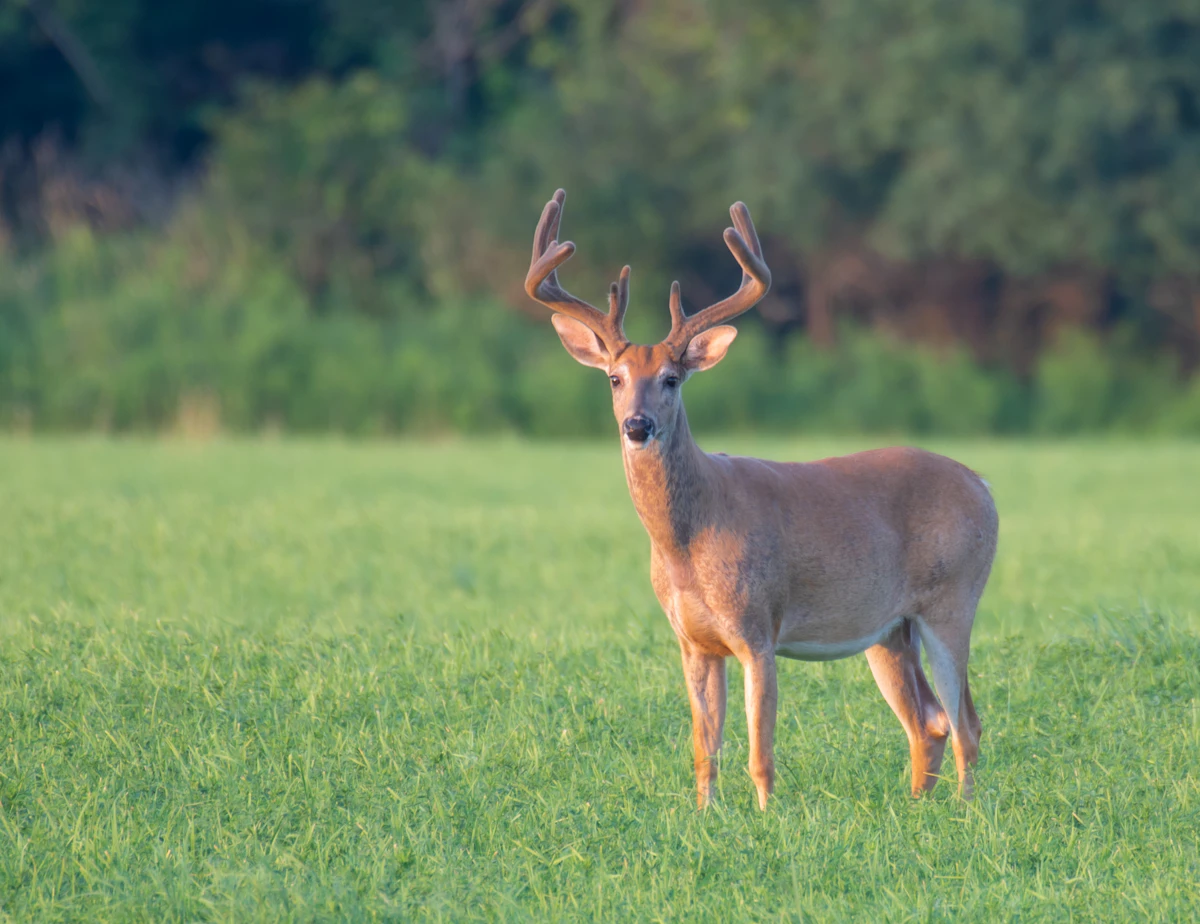
Whitetail deer hunting combines patience, woodsmanship, and strategic thinking. Whether you are hunting eastern hardwoods or western river bottoms, success comes down to understanding deer behavior and positioning yourself where opportunity meets preparation. The fundamentals never change, but applying them correctly in your hunting area makes all the difference between watching deer walk by and filling your tag.
Understanding Whitetail Movement Patterns
Whitetails live by routine during most of the season. Deer move between bedding areas and food sources along established trails, and your job is to intercept them during legal shooting hours. Morning hunts focus on deer returning to bedding cover after feeding overnight. Evening hunts target deer leaving bedding areas to feed before dark. The best stand locations sit between these two zones, close enough to intercept movement but far enough from bedding areas to avoid pushing deer out of your hunting area entirely.
Pressure changes everything. On public land or heavily hunted private ground, whitetails shift to nocturnal movement and use thicker cover during daylight. They still follow the same behavioral patterns, but they compress their daylight activity into narrower windows at first and last light. This means your stand needs to be closer to bedding areas to catch deer before they disappear into thick cover or after they emerge late in the evening.
Scouting and Reading Deer Sign
Effective scouting happens before season and continues throughout the fall. Look for tracks, droppings, rubs, and scrapes to confirm deer are using an area. Rubs show where bucks are marking territory and often indicate travel routes between bedding and feeding areas. Scrapes appear along field edges, ridgelines, and staging areas where bucks check for receptive does. Fresh sign tells you deer are actively using the area right now, not three weeks ago.
Trail cameras provide concrete intel without bumping deer. Set cameras on trails between bedding and food, at scrape lines, and along pinch points where terrain funnels deer movement. Check cameras sparingly during season or use cellular models to avoid leaving scent and alerting deer to your presence. The goal is inventory and pattern recognition, not daily updates that risk educating deer to human activity.
Stand Placement and Setup Strategy
Stand location determines whether you see deer or sit in the woods wondering where they went. Position your stand downwind of expected deer movement with shooting lanes cleared to at least 30 yards in multiple directions. Whitetails rarely cooperate by walking straight to your setup, so prepare for angled and quartering shots. Hang stands 15 to 20 feet high to stay above ground scent while keeping shot angles manageable. Higher is not always better if it forces steep downward shots that reduce your effective kill zone.
Pinch points and funnels concentrate deer movement and increase encounter rates. Look for terrain features like creek crossings, ridges between valleys, or narrow strips of cover connecting larger blocks of timber. These natural funnels force deer past your stand rather than giving them 200 yards of open ground to skirt your position. The tighter the funnel, the more predictable the shot opportunity.
Edge habitat where fields meet timber creates natural travel corridors and feeding areas. Bucks stage in the timber before entering open fields to feed, giving you shot opportunities while deer are still in range. Set up 20 to 50 yards inside the timber along trails entering the field. This puts you close enough to capitalize on early movement but far enough from the field edge that deer don't spot you against the skyline.
Scent Control and Wind Management
Whitetails have incredible noses and will bust you instantly if you ignore wind direction. Hunt stands only when wind carries your scent away from expected deer travel routes. No amount of scent control replaces proper wind management. If the wind is wrong, hunt a different stand or stay home. Educating deer to your presence costs you future opportunities all season long.
Scent control starts at home. Wash hunting clothes in scent-free detergent and store them in sealed bags. Shower with scent-free soap before every hunt and spray down with scent eliminator before entering the woods. Avoid contaminating your hunting clothes with food smells, fuel, or other odors during the drive to your hunting area. These steps reduce human odor but do not eliminate it, which is why wind direction still matters more than any spray bottle.
Timing Your Hunts for Maximum Success
The rut transforms whitetail behavior and creates the season's best hunting opportunities. Pre-rut activity peaks in late October through early November depending on your region as bucks increase daytime movement checking scrapes and searching for early estrous does. Mature bucks that normally move only at night become visible during daylight hours, making this the prime window for targeting older age class animals.
Peak rut occurs when the majority of does enter estrous. Bucks abandon normal routines entirely and chase does aggressively throughout the day. This chaos creates unpredictable but high-reward hunting. Sit all day during peak rut because deer movement can happen anytime. Bucks push does past your stand at midday just as often as dawn or dusk.
Post-rut hunting focuses on late-cycling does and bucks recovering from the breeding frenzy. Deer return to food sources aggressively to rebuild fat reserves before winter. Focus on high-calorie food plots, standing crops, and mast crops like acorns. Hunting pressure typically drops after the rut, giving you less competition and more relaxed deer behavior if you stay persistent.
Effective Calling and Rattling Techniques
Grunt calls and doe bleats bring curious bucks into range when used sparingly and at the right time. During pre-rut and rut, bucks respond to grunts because they signal other deer in the area and potential competition. Use short, subtle grunts when a buck is visible but out of range or walking away. Aggressive calling works when bucks are fired up during peak rut, but overcalling educates deer quickly and reduces effectiveness.
Rattling sequences imitate two bucks sparring or fighting and can pull dominant bucks from considerable distances. Rattle for 30 to 60 seconds, then wait five to ten minutes before rattling again. Bucks often circle downwind or approach cautiously after hearing rattling, so stay alert and ready. Rattling works best during pre-rut and peak rut when competition among bucks is highest. It rarely produces results outside this window.
Shot Placement and Ethical Hunting
Broadside and quartering-away shots offer the largest vital zone and highest probability of quick, clean kills. Aim behind the shoulder for a double-lung hit that drops deer within sight. Quartering-toward shots reduce the effective target area and risk hitting shoulder bone that stops arrows or deflects bullets. Avoid these shots unless you are confident in your equipment and shot angle.
Quartering-away shots allow your projectile to travel through both lungs and potentially the heart if angled correctly. This shot angle works well from an elevated stand because the downward angle increases penetration through the chest cavity. Wait for deer to take another step if the angle is too severe, giving you a better shot opportunity rather than forcing a marginal hit.
After the shot, note exactly where the deer was standing and wait at least 30 minutes before tracking unless you saw the deer drop immediately. Pushing a wounded deer too soon sends it running farther and makes recovery harder. Look for blood, hair, and sign of impact at the shot location to determine hit placement. Bright red blood indicates a lung hit and a short tracking job. Dark blood suggests liver or gut shots that require longer wait times before tracking.
Adapting Tactics to Hunting Pressure
Public land and pressured private ground require adjustments to standard tactics. Deer on heavily hunted properties become nocturnal quickly and avoid open areas during daylight. Hunt closer to bedding areas using terrain and wind to stay undetected. Access routes matter as much as stand location. Sneak into stands using routes that minimize noise and scent contamination along deer travel corridors.
Midday sits produce results on pressured ground when other hunters bump deer moving between safe zones. Position yourself between known bedding areas or along escape routes deer use when pushed. Deer moving at midday are often spooked by other hunters and moving quickly, so be ready for fast shots at unexpected angles.
Gear Essentials for Whitetail Hunting
Reliable equipment keeps you in the field longer and increases shot opportunities. Quality tree stands or saddles provide comfortable, quiet platforms for all-day sits. Safety harnesses are non-negotiable regardless of experience level. Binoculars let you identify deer and judge antler size before they enter shooting range. Rangefinders eliminate guessing on shot distance and improve accuracy on marginal opportunities.
Layered clothing keeps you warm during cold sits without overheating during the hike in. Merino wool base layers, insulated mid-layers, and windproof outer shells let you adjust as temperatures change throughout the day. Quiet fabrics matter more than insulation level because deer hear synthetic materials rustling from surprising distances. Invest in quality boots that keep your feet warm and dry through long sits and early-morning walks in wet conditions.
Mental Game and Persistence
Whitetail hunting tests patience and persistence as much as woodsmanship. You will have slow days, missed opportunities, and setups that do not produce. Success comes from staying in the stand when conditions are tough and maintaining focus during long sits when nothing is moving. Deer appear when you least expect them, often during the last ten minutes of shooting light after hours of inactivity.
Learn from every hunt regardless of outcome. Pay attention to deer behavior, movement patterns, and how they react to pressure. Adjust your tactics based on what you observe rather than repeating the same approach that is not working. Flexibility and willingness to move stands or change hunting times separate successful hunters from those who blame bad luck for empty tags.
Using TAGZ for Western Whitetail Hunts
Western whitetails live in river bottoms, agricultural edges, and transition zones that require different tactics than eastern forests. TAGZ helps hunters target western whitetail units by filtering hunts by weapon type, season dates, and draw odds. Compare units side by side using terrain maps and public land boundaries to find accessible hunting areas near water sources and crop fields where western whitetails concentrate.
Track your preference points and bonus points across multiple western states so you never miss draw deadlines for limited-entry whitetail tags. TAGZ gives you the tools to plan multi-state application strategies and identify units where your point totals give you realistic draw odds. Whether you are chasing Coues deer in Arizona or big-bodied whitetails in Montana, TAGZ simplifies the research and planning process so you can focus on the hunt itself.
FAQ — Whitetail Deer Hunting
What is the best time of day to hunt whitetails? First and last light produce the most consistent deer movement during early season and post-rut. During the rut, all-day sits maximize opportunities because bucks chase does throughout daylight hours.
How high should I hang my tree stand? Fifteen to twenty feet provides a good balance between staying above ground scent and maintaining effective shot angles. Higher stands increase visibility but create steeper downward shots that reduce your effective kill zone.
Do I need trail cameras to hunt whitetails successfully? No, but they help confirm deer patterns and provide inventory without pressuring your hunting area. Effective scouting using tracks, rubs, scrapes, and observation can achieve similar results if you read sign correctly and hunt accordingly.
What is the most important factor in whitetail hunting success? Wind direction. Proper wind management keeps deer from detecting your presence and allows you to hunt the same stands repeatedly without educating deer to human activity. No other factor matters if deer smell you before entering range.
How long should I wait before tracking a deer after the shot? At least 30 minutes for good lung hits where you saw the deer go down within sight. Wait two to four hours for liver hits and longer for gut shots. Pushing deer too early sends them running farther and makes recovery much harder.
Should I rattle and call during early season? Light calling can work during early season, but deer are less responsive before the rut. Focus on soft contact grunts and bleats rather than aggressive sequences. Save rattling for pre-rut and peak rut when bucks are actively competing.
What is the difference between hunting pressured and unpressured whitetails? Pressured deer become nocturnal quickly and use thicker cover during daylight hours. Hunt closer to bedding areas, use stealthier access routes, and focus on midday movement when other hunters bump deer between safe zones.
Can I hunt the same stand multiple days in a row? Yes, if wind conditions remain favorable and you access the stand without contaminating the area with scent. Vary stand locations every few hunts to avoid patterning yourself to deer and educating them to your presence in one specific location.
Was this article helpful?
Previous
7 Common Mistakes First-Time Elk Hunters Make (And How to Avoid Them)
Most first-time elk hunters make the same preventable errors that cost them opportunities. Learn the most common mistakes—from conditioning to calling—and how to hunt smarter from day one.
Next
Florida Black Bear Hunting: Complete Beginner's Guide
Florida's black bear season offers a rare opportunity for hunters willing to navigate a complex draw system and densely vegetated terrain. This guide covers everything from eligibility and draw odds to gear selection and field tactics for hunting one of the state's most elusive trophies.