Why Most Hunters Walk Past Elk (And How to Stop)
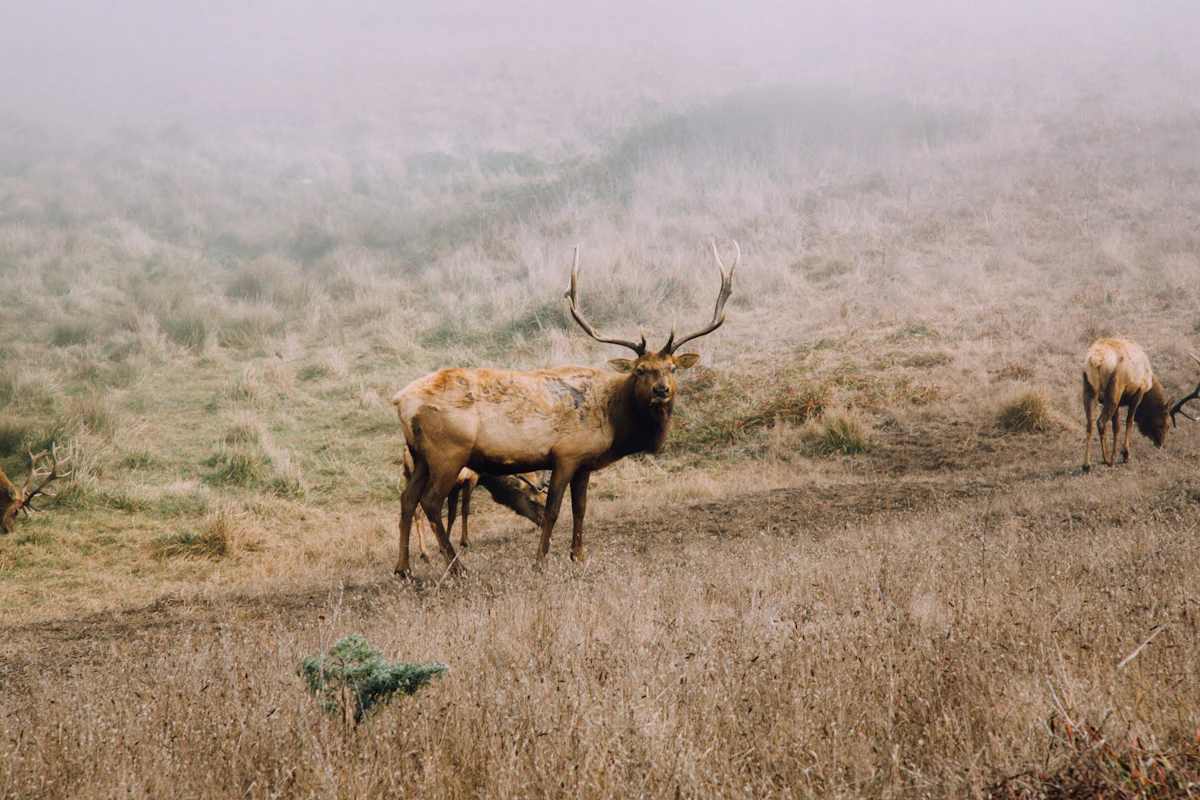
You've probably walked past more elk than you've ever seen. Most hunters have. A mature bull can bed down 40 yards off a trail and let you pass without flinching. Cows tuck into timber edges and watch you skyline yourself on ridges. The problem isn't that elk aren't there — it's that you're not recognizing the signs or looking in the right places.
Elk behavior revolves around three things: security, food, and pressure. When hunters flood the backcountry, elk adapt fast. They bed in spots that give them wind advantage, visibility on approach routes, and quick escape terrain. Most hunters focus on feeding areas and wallows, missing the transition zones where elk actually spend daylight hours.
Elk Bed Where They Can See or Smell You Coming
Elk don't bed randomly. They choose spots that let them monitor wind currents and watch approach routes. A bull will bed on the downwind side of a ridge finger, facing back toward the saddle or trail you're likely to use. Thermal currents rising in the morning push your scent uphill, and he smells you long before you crest the ridge.
Cows often bed in loose groups on benches just below ridgelines, where they can see downhill and catch updrafts. The herd bull beds slightly above or to the side, using the cows as an early warning system. If you're hiking a trail that contours a hillside, you're walking right through their detection zone — and they know it.
Dark timber is another favorite. Hunters assume thick lodgepole or spruce means no visibility, so they push through quickly. But elk don't need to see far in timber. They rely on sound and scent. A bedded elk in timber hears your boot snap a branch from 100 yards away. By the time you're in visual range, they've already decided whether to hold tight or bail.
You're Looking Too Far Ahead
Most hunters scan distant hillsides and openings, searching for antlers or movement. That works during early mornings and evenings when elk are feeding. During midday, elk are bedded close — sometimes within 50 yards — and you'll walk right past them if you're only glassing far.
Bedded elk are masters of concealment. A bull beds in a depression or behind a downed log, and only his back or part of an antler shows. Cows blend into oakbrush, sage, or mahogany thickets so well that you can be looking directly at them and not register the shape. Your brain filters out static objects, especially if you're moving fast.
Slow down and glass close. Stop every 50 to 100 yards and study the terrain within rock-throwing distance. Look for horizontal lines (a back or belly), shine (a wet nose or eye), or an ear flick. Use your binoculars even on close terrain. The magnification helps your brain break apart the visual clutter and spot an elk-shaped shadow in the brush.
Thermals Dictate Everything
Elk use thermals like an alarm system. In the morning, warming air rises uphill. Elk bed on the uphill side of feeding areas, letting the updraft carry your scent to them. In the evening, cooling air sinks into drainages. Elk move downhill to feed and rely on that downward air flow to detect danger from above.
If you're hiking uphill in the morning, you're pushing your scent straight into every bedding area ahead of you. Elk will leave before you ever see them. The better move is to circle above known feeding areas before first light and work downhill as thermals shift. You stay above their scent detection zone and have gravity on your side for a quiet stalk.
Paying attention to wind and thermals isn't optional. Elk trust their noses more than their eyes. You can skyline yourself on a ridge and get away with it if the wind is right. But if your scent drifts into a bedding area, the elk are gone. They won't wait around to confirm what their nose already told them.
Transition Zones Hold More Elk Than You Think
Most hunters focus on meadows, wallows, and big parks. Those are feeding and watering areas, not where elk spend the day. Elk bed in transition zones — the edge between dark timber and openings, the benches between ridge tops and creek bottoms, the fingers of cover that poke into sagebrush flats.
These spots give elk options. If danger comes from above, they drop into thick cover. If pressure comes from below, they push uphill into escape terrain. A bedded elk in a transition zone can monitor multiple approach routes and react before a hunter gets close.
Look for terrain features that create natural funnels or pinch points. A finger of timber extending into a meadow is a magnet for bedded elk. A bench halfway up a timbered slope, especially if it has a spring or seep, will hold elk through midday. The edge of a recent burn, where new growth meets standing timber, is prime bedding habitat.
Elk React to Hunting Pressure Fast
Opening weekend pushes elk into survival mode. They abandon their normal patterns and move into the nastiest, least accessible terrain they can find. That blown-down hell hole you avoid because it's a meat-packing nightmare? Elk love it. The north-facing slope choked with deadfall and no trails? That's where the herd bull is bedded with his cows.
Pressure teaches elk to avoid trails, ridgelines, and anywhere a hunter is likely to walk. They bed in spots that require serious effort to reach — thick cover, steep terrain, or areas where the wind swirls unpredictably. If you're hunting the same drainages and ridges as everyone else, you're hunting elk that have already been bumped.
The best strategy is to hunt where other hunters aren't. That might mean accessing a drainage from the opposite side, hiking farther than anyone else is willing to go, or glassing a timbered hillside that looks too thick to hunt. Elk use pressure to their advantage. If you're not thinking about where other hunters are pushing elk, you're missing the whole picture.
You're Moving Too Fast and Making Too Much Noise
Speed kills hunts. Most hunters cover ground like they're trying to make camp by dark. They crunch through leaves, snap branches, and breathe hard from the climb. Elk hear all of it. A bull bedded 80 yards off the trail hears you coming five minutes before you arrive. He doesn't spook — he just watches you walk past.
Hunting elk during midday requires a different pace. Move 100 yards, then stop and glass for five minutes. Pick apart the terrain ahead with binoculars. Listen for sounds — a branch breaking, a rock clattering, a cow bark. Elk aren't silent when they move, and a herd adjusting to your presence often gives itself away.
When you do move, place your feet deliberately. Avoid stepping on sticks, and test soft ground before committing your weight. Walk into the wind or crosswind, and stop frequently to listen. Elk can hear you, but if you move slowly and quietly enough, they might not identify you as a threat. A bedded bull that hears slow, irregular movement might hold tight, thinking you're another elk.
Skylines and Silhouettes Give You Away
Elk watch ridgelines. A bull bedded on a timbered slope below a ridge can see your silhouette against the sky from hundreds of yards away. You might never know he's there, but he sees you the second you crest the ridge. By the time you work your way down into his zone, he's long gone.
Stay off ridgelines during daylight unless you're deliberately glassing from them. If you have to cross a ridge, do it at a saddle or break in the terrain where your silhouette isn't visible from below. Move through timber whenever possible, using the canopy to break up your outline.
The same principle applies to open hillsides. Elk can spot movement across a canyon or drainage. If you're angling across a sidehill in the open, you're visible to every elk within a half-mile. Instead, move through fingers of timber or behind terrain features that block sightlines. If you have to cross open ground, do it quickly and get back into cover.
Learn to Recognize Elk Sign in Real Time
Fresh sign tells you elk are close. A pile of warm droppings, a fresh rub on a sapling, or a wallow that's been hit within the last few hours means you're in the right area. Most hunters gloss over sign or don't recognize it for what it is.
Beds are one of the most telling pieces of sign. Elk beds are oval depressions in the dirt or grass, roughly three feet long for a cow and larger for a bull. If the grass is still flattened and hasn't sprung back, the elk bedded there recently — possibly within the last hour. Multiple beds in a small area indicate a herd. If you find beds, the elk are close.
Tracks are another indicator. A track that's sharp-edged and hasn't filled with debris or water is fresh. If the dirt around the track is still moist or the edges haven't crumbled, the elk that made it is within a few hundred yards. Fresh tracks heading uphill in the morning or downhill in the evening tell you which direction the herd is moving.
Terrain Features Elk Favor for Bedding
Certain terrain features show up over and over in successful elk hunts. Benches halfway up timbered slopes are classic bedding spots. They offer flat ground for resting, visibility downhill, and escape routes uphill. If a bench has a spring or small creek, elk will use it heavily.
Saddles and ridge fingers are also magnets. Elk bed just below the crest, where they can monitor both sides of the ridge. Wind currents swirl through saddles, making it hard for predators or hunters to approach undetected. If you're working a ridgeline, assume elk are bedded just below the crest and approach accordingly.
North-facing slopes hold elk in warm weather. The cooler temperatures and denser vegetation make them ideal for bedding. South-facing slopes get more sun and heat, so elk avoid them during midday unless the weather is cold. In late-season hunts, elk shift to south-facing slopes to take advantage of solar warming.
How TAGZ Helps You Hunt Smarter
Understanding elk behavior is only half the battle. You also need to know which units hold elk, where public land access is best, and how terrain features shape elk movement. TAGZ gives you the tools to make those decisions.
With TAGZ, you can research units based on terrain type, public land percentages, and historical draw odds. The platform's unit maps show you exactly where elk habitat is concentrated, where access points are located, and how different drainages connect. You can filter hunts by weapon type, season, and success rates to find the best fit for your hunting style.
TAGZ also tracks preference points, bonus points, and draw deadlines across multiple states. Instead of managing spreadsheets or missing application windows, the platform keeps everything in one place. You can compare units side by side, see which tags are achievable with your current point totals, and build a multi-state strategy that maximizes your odds.
Walking Past Elk is a Skill Problem, Not a Luck Problem
Most hunters walk past elk because they're hunting the wrong terrain, moving too fast, or ignoring wind and thermals. Elk aren't ghosts. They're predictable animals that use terrain and wind to their advantage. Once you understand how they bed, where they bed, and how they detect danger, you'll start seeing elk you used to miss.
Slow down. Glass close terrain, not just distant ridges. Pay attention to thermals and wind. Hunt transition zones, avoid skylines, and recognize fresh sign. Elk are there — you just have to hunt like they're watching you, because they are.
FAQ — Walking Past Elk
Why do elk let hunters walk past them without running?
Elk conserve energy and avoid unnecessary movement. A bedded elk with wind in its favor will often hold tight, trusting its concealment and scent advantage rather than exposing itself by running.
What's the most common reason hunters miss bedded elk?
Hunters glass too far ahead and ignore close terrain. Bedded elk within 50 yards are often invisible if you're only looking at distant hillsides or openings.
How do thermals affect elk bedding locations?
Elk bed where rising or falling air currents carry scent toward them. Morning thermals rise, so elk bed uphill from feeding areas. Evening thermals sink, so elk move downhill and rely on cooling air to detect danger from above.
Where do elk go when hunting pressure increases?
Elk move into the thickest, most inaccessible terrain they can find — blowdowns, north-facing slopes, or areas with minimal trails. They avoid anywhere hunters are likely to walk.
What terrain features should I focus on for bedded elk?
Benches halfway up timbered slopes, ridge fingers, saddles, and transition zones between timber and openings. These spots give elk visibility, wind advantage, and escape routes.
Is it better to move fast and cover ground or go slow and glass?
Slow and glass wins for midday elk hunting. Moving fast alerts elk to your presence. Stopping frequently to glass close terrain and listen increases your odds of spotting bedded elk before they detect you.
Continue Planning Your Hunt
Elk hunting success isn't about luck — it's about preparation and using the right tools to make informed decisions. TAGZ helps you research units, track draw odds, and manage your applications across multiple states so you can focus on the hunt, not the paperwork.
Explore TAGZ Insights for more articles on draw strategies, unit breakdowns, and hunt planning tips. Ready to take control of your western hunting applications? Check out TAGZ Pricing to find the plan that fits your needs.
If you're serious about drawing better tags and making smarter hunt decisions, see how TAGZ works and start planning your next hunt with confidence. Your next elk tag is waiting — start here.
Was this article helpful?
Previous
Best States for DIY California Bighorn Sheep Hunting
California bighorn sheep tags are among the rarest in North America, but a handful of Western states offer realistic DIY opportunities. Here's where to focus your applications and what to expect from each state's draw system.
Next
Florida Bear Hunting Zones Explained: BMUs, Seasons & How to Draw a Tag
Florida divides black bear hunting into four Bear Management Units (BMUs) with separate quotas and season structures. Understanding how zone boundaries, harvest caps, and the limited-entry draw work is critical for applying successfully and planning your hunt.