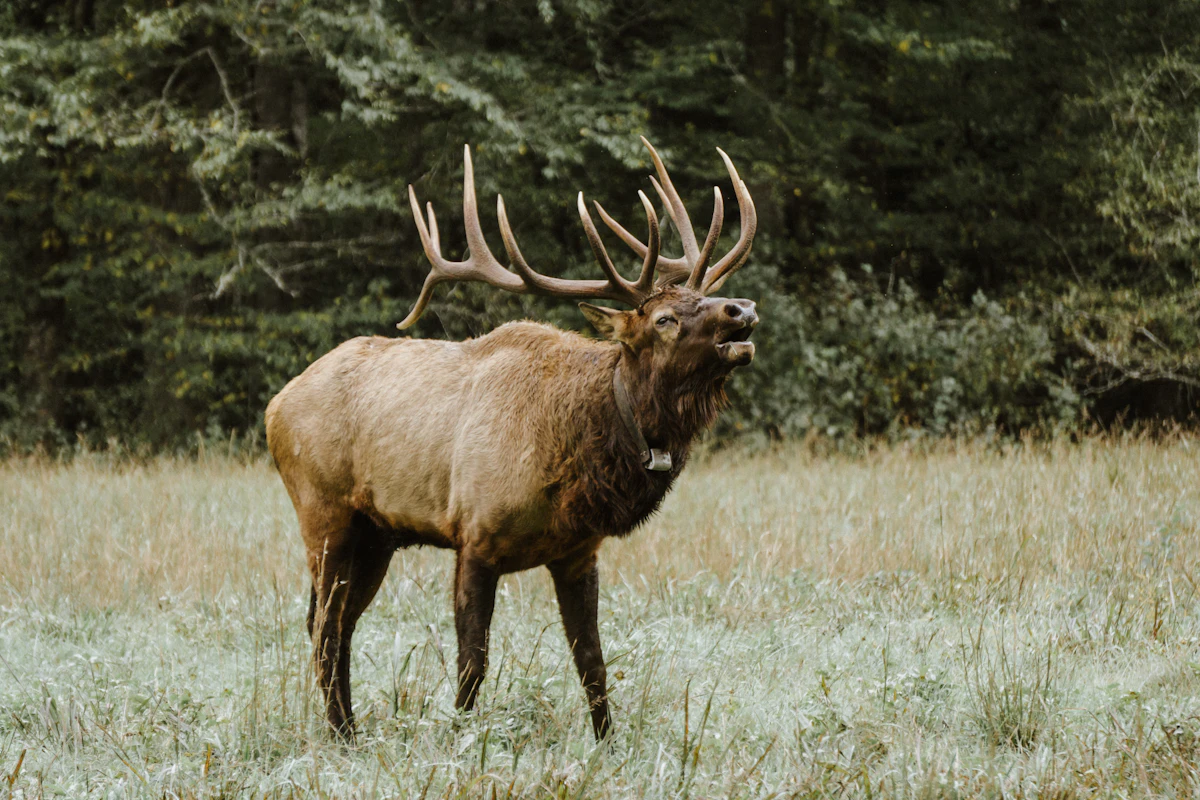
How to Call Silent Bull Elk During the Rut
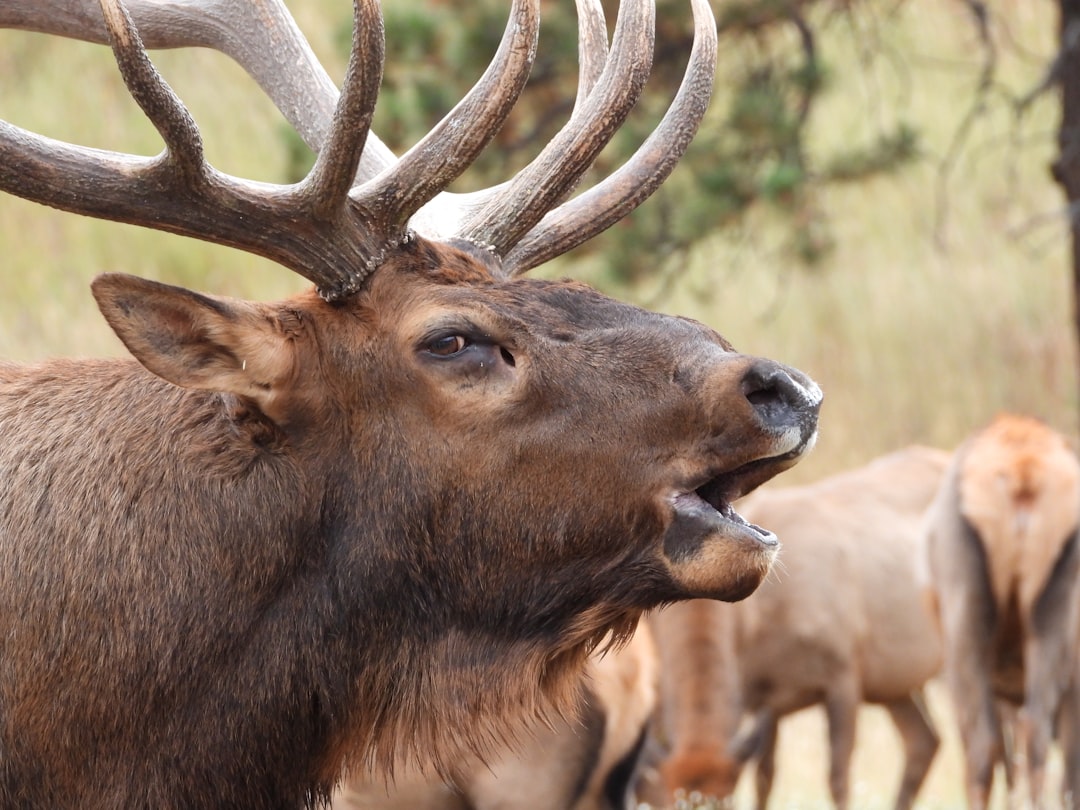
You've glassed a heavy-antlered 6x6 tending cows in a dark timber pocket. He's clearly the herd bull, clearly rutting, but he hasn't bugled once in 20 minutes of observation. You try a location bugle — nothing. A second bugle with more aggression — still nothing. The bull just keeps his cows moving through the timber, silent as a ghost.
Silent bulls frustrate more bowhunters than any other rut behavior. These mature animals have learned that silence keeps them alive, especially in pressured units where vocal bulls get hammered in the first 72 hours of the season. But silent doesn't mean unresponsive. The right calling strategy will pull these bulls into bow range if you understand what triggers them and how to set up.
Why Mature Bulls Go Silent
Bulls don't bugle for entertainment. They bugle to advertise dominance, warn off rivals, and keep cows grouped. A mature herd bull with a tight group of cows in thick cover has little reason to make noise. He's already won. Broadcasting his location only invites challengers or draws hunter pressure.
Pressure accelerates this behavior. In Colorado OTC units or Idaho general-season zones, vocal bulls get killed early. By mid-September, the survivors have figured out that bugling gets you spotted. These bulls still breed, still fight, still respond to competition — they just do it quietly.
Age also plays a role. A 5.5-year-old herd bull has survived multiple seasons. He knows the difference between a real threat and a hunter 400 yards away ripping bugles from a ridge. Younger satellite bulls bugle constantly because they're trying to steal cows. Herd bulls only vocalize when they have to.
Cow Calls Over Bugles
When a bull won't bugle, switch to cow talk. Herd bulls are hyper-focused on keeping cows together during peak rut. A lost cow call 80 to 100 yards away sounds like part of his harem drifting off, which he can't allow.
Use a diaphragm or external reed to make soft mews and whines — the sounds a cow makes when she's separated and looking for the herd. Don't overcall. Two or three mews, wait two minutes, repeat. If the bull has cows, he's listening for exactly this.
If you get no response after three sequences, add a second cow voice. Have your partner call from 30 yards to your side, or move and call from a different spot yourself. Two cows calling from different locations suggests his herd is scattering, which creates urgency. This tactic works especially well in timber where bulls rely on sound to track cow movement.
TAGZ maps show terrain features like timber pockets and wallows where elk concentrate during the rut. Use these to position yourself between the bull and his likely travel route before you start calling.
The Soft Challenge Sequence
Some silent bulls won't respond to cow calls because they're confident in herd control. But they will respond to a perceived threat — if it's presented correctly. The key is subtlety.
Start with a single location bugle from 150+ yards. Make it medium intensity, not aggressive. You're announcing presence, not declaring war. Wait five minutes. If the bull doesn't bugle back but you hear him raking or moving, he's paying attention.
Next, move 40 to 60 yards toward the bull and give a soft grunt-chuckle followed by light raking on a tree. This says another bull is in the area and comfortable — confident enough to thrash branches. Don't bugle yet. Just grunt and rake. Wait another five minutes.
If the bull still doesn't vocalize but continues moving or raking harder, he's engaged. Now you can close distance and set up for a shot. Many silent bulls will come in without ever making a sound. They investigate threats visually, especially in timber, rather than bugling back and forth.
Reading the Herd's Movement
Silent bulls still move their cows predictably. If you can pattern the herd, you can set up ahead of them rather than trying to call them backward.
Watch for feeding and bedding transitions. Elk typically feed in meadows or parks at first light, then move to dark timber to bed by mid-morning. A herd bull will push cows along this route. Find the trail between feed and bed, set up along it, and use soft cow calls as the herd approaches.
Wallows are high-percentage setups during peak rut. Bulls bring cows to water and wallow sites throughout the day. TAGZ terrain layers highlight drainage features and water sources. If you've identified a wallow with fresh mud and tracks, set up 60 yards downwind in the afternoon and call sparingly. Let the bull's routine bring him to you.
This approach works best in units where you've scouted or where TAGZ unit research shows concentrated elk activity in specific drainages or basins. Montana and Wyoming general units with defined migration routes are ideal for ambush setups.
The Patience Test
Calling silent bulls requires discipline most hunters don't have. You'll sit in position for 30 to 45 minutes without hearing a response, wondering if the bull is even there. The temptation is to call more, move closer, or give up and look for a vocal bull.
Don't. Silent bulls operate on their timeline, not yours. If you've made contact — heard raking, seen movement, or watched him reposition his cows — he knows you're there. Now it's a waiting game. He may circle downwind. He may hold position and watch. He may push his cows away and then loop back alone to investigate.
Set up with shooting lanes already cleared, wind in your favor, and your release on your bow. When a silent bull commits, he often comes fast and quiet. You won't get long to draw. Hunters who set up sloppy or keep fiddling with gear blow these encounters.
Calling in Pressured Units
Colorado OTC elk units and heavily hunted Idaho zones produce more silent bulls than anywhere else. These animals have heard every bugle sequence, every cow call, every aggressive challenge. Standard calling doesn't work.
In pressured areas, go even softer. Use mews and chirps instead of loud cow calls. Skip bugles entirely unless you're trying to locate from long distance. Focus on ambush setups near water, trails, and bedding edges where you've found fresh sign.
One effective tactic: set up on a wallow or trail at mid-day and don't call at all. Just wait. Pressured bulls move during midday to avoid morning and evening hunter activity. If you're sitting quiet in the right spot, you'll see elk that other hunters push around with aggressive calling.
TAGZ helps hunters identify lower-pressure units within a state by showing draw odds and application trends. If you're tired of overcalled elk, consider applying for a limited-entry unit where fewer hunters mean more responsive bulls.
When to Move On
Not every silent bull will respond, and you can't waste an entire day on one animal. Give a setup 45 minutes to an hour. If the bull hasn't shown interest — no movement toward you, no raking, no vocalizations from other elk in the herd — it's time to relocate.
Move at least half a mile before calling again. Bumping the same bull repeatedly educates him and ruins future setups. Find new elk, or loop back to the same bull from a different approach in the evening.
Some bulls simply won't engage until conditions change. Wind shifts, hunting pressure moves them, or a satellite bull shows up and forces the herd bull to respond. Flexibility matters more than persistence on a single animal.
Combining Calling with Spot-and-Stalk
The most effective way to kill silent bulls is often not calling them at all — it's using calls to confirm their location, then making a spot-and-stalk approach.
Glass early morning meadows and parks. Once you locate a herd bull, watch his movement pattern for 20 to 30 minutes. Is he pushing cows uphill toward timber? Holding them in one spot? Moving laterally along a ridge?
Once you've confirmed his direction, plan a stalk route that puts you ahead of him with wind in your favor. Use soft cow calls only if you need to stop him for a shot or confirm he's still coming. Otherwise, let him move naturally and intercept him.
This hybrid approach works best in open country or semi-open timber where you can glass effectively. Units in Montana, Wyoming, and New Mexico with mixed terrain let you glass and stalk during the same hunt. TAGZ unit maps show elevation and terrain breakdowns that help you identify glassing points and stalk routes before you even arrive.
Gear Adjustments for Silent Bulls
When you're hunting bulls that won't bugle back, you need gear that lets you hunt quietly and set up fast.
Carry a diaphragm call in your mouth at all times. External reed calls and tubes are great, but if a bull appears suddenly, you need to stop him with a cow mew instantly. A diaphragm lets you call hands-free while holding your bow at ready.
Use a lightweight rangefinder with angle compensation. Silent bulls often come in from unexpected angles, and you won't have time to range multiple landmarks. One quick range when he steps into the open has to be enough.
Keep your shooting lanes clear before you start calling. Trimming branches and clearing ground debris after a bull responds creates noise and movement that spooks him. Do this work before the first call goes out.
FAQ — Calling Silent Bull Elk
Why won't a herd bull bugle back when I call?
Mature herd bulls with cows don't need to bugle. They've already claimed their breeding group, and bugling only attracts rivals or hunters. Silence keeps them safe and in control.
Do cow calls work better than bugles on silent bulls?
Yes. Cow calls mimic herd members and create urgency without triggering the defensive silence that bugles can cause. A lost cow call suggests his harem is scattering, which forces a response.
How long should I wait after calling to a silent bull?
Give it 30 to 45 minutes. Silent bulls investigate slowly and often circle downwind. They may not respond vocally but will reposition or move closer. Patience is critical.
Will a silent bull respond to aggressive calling?
Rarely. Aggressive bugles and raking work on vocal satellite bulls, but herd bulls in pressured areas ignore or avoid overt challenges. Soft challenges and cow talk are more effective.
Can you kill a silent bull without calling at all?
Absolutely. Spot-and-stalk setups near trails, wallows, and bedding areas often work better than calling. If you know where the bull is moving, ambush him rather than trying to pull him off course.
Are silent bulls more common in high-pressure units?
Yes. Colorado OTC units, Idaho general zones, and heavily hunted areas produce more silent bulls because vocal animals get killed early in the season. Survivors learn that silence improves survival.
Continue Planning Your Hunt
Calling silent bulls is one piece of a complete hunt strategy. TAGZ helps you identify which units hold mature bulls, when to apply, and where to focus your scouting once you draw. The platform tracks preference points, bonus points, and draw odds across 11 western states so you're applying strategically instead of guessing.
Use TAGZ terrain maps to locate wallow sites, bedding areas, and transition zones where silent bulls move predictably. Filter units by weapon type, season dates, and species to find hunts that match your calling style and available time.
Whether you're chasing Colorado OTC elk or planning a limited-entry Montana hunt, TAGZ gives you the research tools to make smarter decisions and spend more time hunting instead of sorting through regulations.
Explore more elk hunting strategies on the TAGZ Insights page, compare draw odds and unit data on the TAGZ platform, or check out pricing options to start planning your next hunt. For hunters serious about western elk, TAGZ turns research into results.
Was this article helpful?
Previous
Calling Mature Herd Bulls: How to Pull a Dominant Elk Away from His Cows
Calling mature herd bulls during peak rut requires a different strategy than bugling at satellite bulls. Learn how to use cow calls, challenge bugles, and tactical positioning to pull a dominant bull away from his harem without spooking the entire group.
Next
Best Budget Elk Calls — Proven Options for Under $40
You do not need expensive gear to call in a bull. These budget elk calls under $40 deliver proven performance for bugle tubes, diaphragms, and cow calls without breaking the bank.