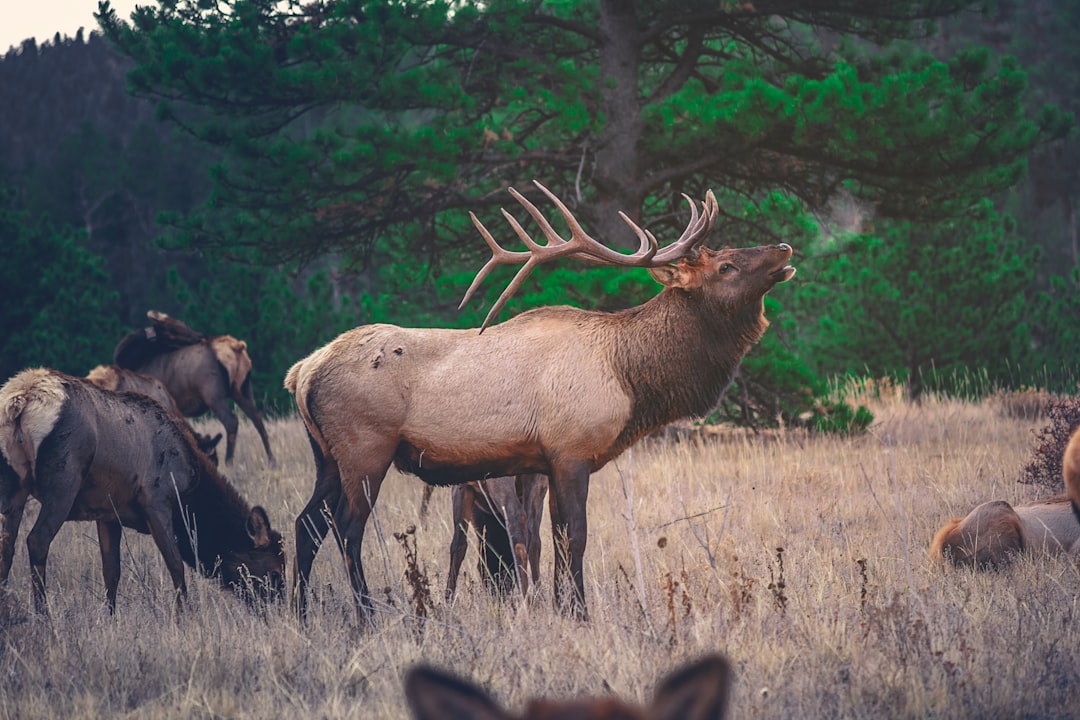
Guide-Proven Tactics for Closing the Final 100 Yards on Elk
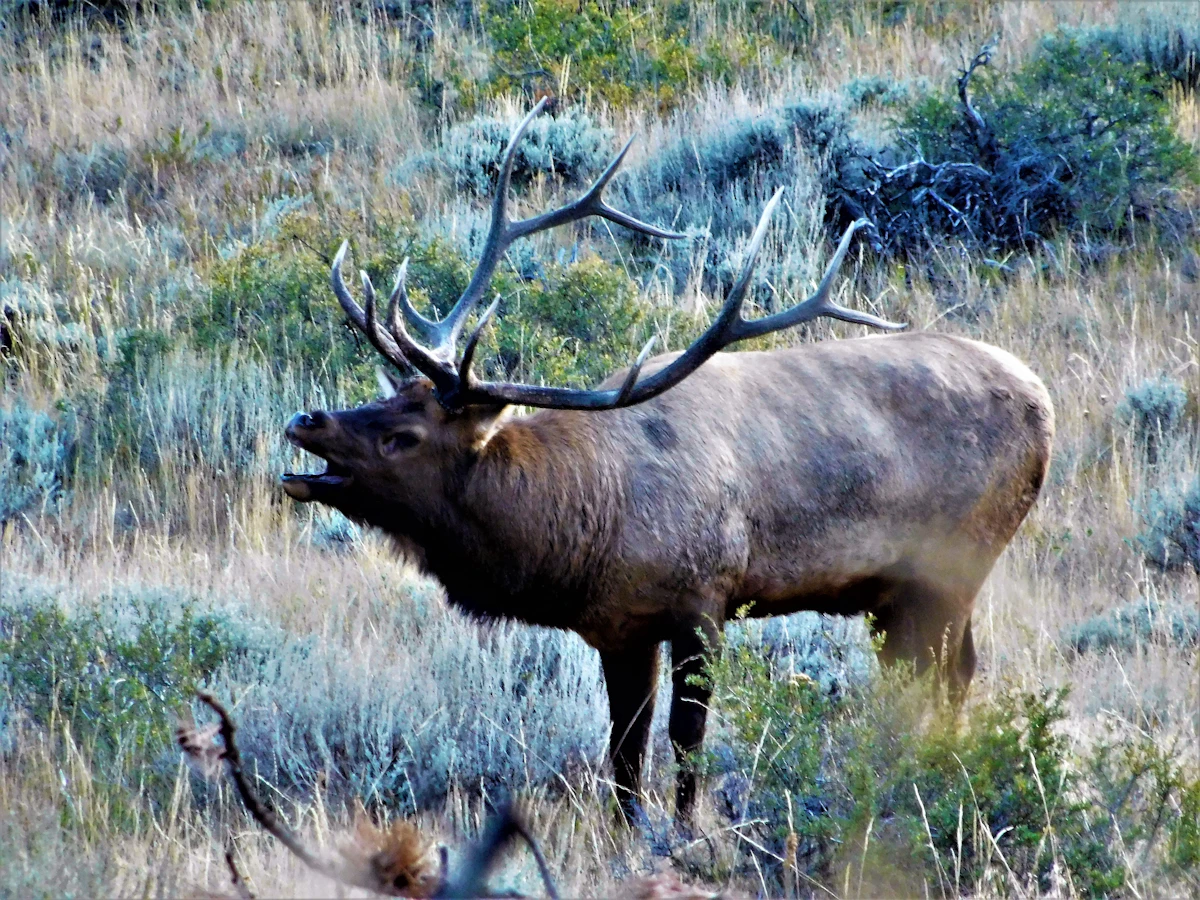
You have glassed the bull. You have closed 400 yards through thick timber without making a sound. Now you are 100 yards out, and every step matters more than the last five miles combined. This is where most elk hunts fall apart — not from poor shooting or bad luck, but from mistakes made in the final approach that send a mature bull vanishing into the next drainage before you ever see his antlers through your scope.
The final 100 yards demands a completely different approach than the initial stalk. Wind becomes your primary concern, movement becomes measured in inches per minute, and terrain selection determines whether you get a shot or watch your bull melt into the timber. After guiding hundreds of elk hunters through this exact scenario, I can tell you the difference between success and failure comes down to mastering three critical elements: wind discipline, controlled movement, and strategic final positioning.
Master Wind Management in the Final Approach
Your wind-checking routine from 400 yards out means nothing if you ignore thermal shifts in the final 100. Thermals change every 20 to 30 yards as you move through drainage bottoms, across ridgelines, and into pockets where cool air settles. I carry unscented milkweed fluff in a small container clipped to my bino harness and release a pinch every 15 to 20 yards during the final approach. Powder bottles and commercially treated wind checkers work, but milkweed floats longer and shows you exactly where your scent cone travels — not just where the wind is blowing at head height.
Pay attention to micro-terrain features that funnel scent in unexpected directions. A small saddle that looks flat can create a venturi effect that pushes your scent sideways. A shallow draw funnels scent downhill even when the prevailing wind blows upslope. During morning thermals, cooler air settles into these low spots and flows downhill like water, carrying your scent with it. I have watched elk bust from bedded positions 80 yards below me because I assumed the uphill thermal would hold — it did not, and the draw I was crossing dumped my scent straight into their bedroom.
When you detect a wind shift, stop moving immediately. Do not try to power through it hoping the elk have not picked up your scent yet. If the wind turns against you, back out slowly and reposition for a different approach angle. I have circled an entire mountain to come at a bull from the opposite side rather than push through a bad wind situation. That extra hour of hiking beats blowing out the only shooter bull you have found in three days.
Move Like You Are Hunting Alone — Because the Elk Think You Are
The final 100 yards requires movement so slow it feels ridiculous. I tell clients to cut their normal stalking pace in half, then cut it in half again. Your goal is one deliberate step every 30 to 60 seconds, depending on cover and noise conditions. Elk process visual information differently than deer — they key on movement patterns more than shapes. A human walking at normal stalking speed creates a movement signature that mature bulls recognize instantly, even through thick cover.
Step placement becomes critical. Look three steps ahead and plan each foot position before you shift your weight. Avoid stepping on anything that can snap, crunch, or roll. I place the outside edge of my boot down first, then slowly roll my weight onto the ball of my foot, feeling for anything unstable before committing my full weight. This technique takes longer but eliminates 90 percent of the noise you would make from a standard heel-to-toe step. In dry conditions, I sometimes spend two full minutes taking a single step when closing the final 30 yards on a bedded bull.
Use available cover to break up your outline and movement. Thick brush, tree trunks, and terrain folds allow you to move faster when you are concealed, then slow to a crawl when crossing openings. I never cross an opening in one continuous motion — I move to the edge, stop completely for 20 to 30 seconds to let the area settle, then cross in one smooth motion before stopping again on the far side. This start-stop pattern prevents elk from locking onto continuous movement, which triggers their flight response faster than almost anything else.
Position for the Shot Before the Elk Know You Exist
Your final position determines shot quality, shooting lanes, and whether you can react if the elk move before you are ready. I plan my final setup point from 150 yards out, identifying the exact tree, rock, or terrain feature where I will take the shot. This position needs three things: a clear lane to the kill zone, solid rest options, and an escape route if the wind shifts or the elk move toward you.
Ranging during the final approach prevents last-second movement that can spook elk. I range three reference points at my planned shooting position: the expected location of the elk, a backup position if they move, and a maximum-distance landmark that defines my ethical shooting limit. When I reach my final position, I already know the range and can settle into the shot without pulling out my rangefinder. That single motion — lifting your arm to range — has blown more setups than any other mistake in the final moments.
Commit to your final position completely. Once you decide this is where you will shoot from, do not second-guess and try to improve it by moving closer. I have watched hunters ruin perfect 60-yard setups by deciding they wanted to get to 40 yards, only to snap a branch or kick a rock that sent the bull running. If you have a clear shot and solid rest at 80 yards, take it. An 80-yard shot from a stable position beats a theoretical 40-yard shot you never get because you pushed too hard.
Adapt Your Approach to Bedded vs. Feeding Bulls
Bedded bulls require a completely different final approach than feeding bulls. A bedded bull has chosen his position specifically because it gives him security — usually with good visibility downhill and thick cover behind him. I approach bedded bulls from above whenever possible, moving with agonizing slowness and stopping for full minutes between steps. Bedded elk are relaxed but hyper-aware of their surroundings, and they are not distracted by feeding.
Feeding bulls offer more flexibility but present their own challenges. They move constantly, which means your final position needs to account for where they will be in five minutes, not where they are now. I watch feeding patterns for several minutes before starting the final approach, noting whether the bull is feeding toward me, away from me, or working parallel to my position. If he is feeding away, I move more aggressively to close the gap before he walks out of range. If he is feeding toward me, I find a solid position and let him come.
Use Terrain to Control the Final Moments
The landscape becomes your most valuable tool in the final 100 yards. Ridgelines, creek bottoms, and thick timber each require specific approaches. When working a ridgeline, stay just below the crest on the downwind side. This keeps you concealed while allowing you to peek over the top to verify elk positions. I have crawled 75 yards on my hands and knees along a ridgeline rather than risk skylining myself for even a second.
Creek bottoms create natural sound barriers that mask your movement, but they also create wind funnels that can betray your scent. When following a drainage toward elk, I stay 20 to 30 yards up the slope on the downwind side rather than walking directly in the bottom. This gives me quieter footing on pine duff or grass instead of noisy creek cobbles, and it keeps me above the scent-funnel effect that drainages create.
Thick timber requires the slowest movement but offers the best concealment. I use tree trunks as waypoints, moving from one to the next and stopping behind each trunk to assess before continuing. This technique keeps a solid object between me and the elk at all times, breaking up my outline and giving me instant concealment if the bull looks my direction.
Manage Your Mind as Much as Your Body
The mental game matters as much as wind and movement in the final approach. Your breathing and heart rate affect your steadiness when the shot presents. I focus on deep, controlled breaths during the final stalk, keeping my heart rate down and my hands steady. Adrenaline will spike the moment you see antlers, but if you have maintained calm during the approach, you will settle faster when it is time to shoot.
Visualize the shot sequence before you get into position. Know exactly where you will place your rifle, how you will settle into your rest, and where your reticle needs to be when the trigger breaks. This mental rehearsal eliminates decision-making in the critical seconds when the bull steps into your shooting lane. You have already made every decision — now you just execute.
FAQ — Closing the Final 100 Yards on Elk
How often should I check the wind during the final approach?
Every 15 to 20 yards. Thermals and micro-terrain create wind shifts that your initial wind check from 400 yards will not predict. Use milkweed or powder to verify scent direction constantly.
What is the biggest mistake hunters make in the final 100 yards?
Moving too fast. Hunters who successfully close 400 yards often rush the final stretch because they see the bull and want the shot. Slow down to half speed, then slow down again.
Should I use a cow call during the final approach?
Rarely. Calling works before the final approach to locate or move elk, but once you are inside 100 yards, calls can pin down your position and trigger the bull's escape response if he did not expect another elk that close.
How do I know when to commit to a shooting position?
When you have a clear lane, solid rest, and known range, commit. Do not second-guess a good 60- to 80-yard setup by trying to close to 40 yards. More hunts fail from pushing too close than from shooting from a stable position at moderate range.
What should I do if the elk move during my final approach?
Stop immediately and assess. If they are feeding or moving slowly, wait to see where they settle. If they show alert behavior, freeze completely until they relax. Never chase moving elk during the final approach.
Does closing distance differ between archery and rifle hunters?
Yes. Bowhunters need to close to 40 yards or less, requiring even slower movement and more aggressive use of cover and calling to manipulate elk positions. Rifle hunters can commit to final positions at 60 to 100 yards, reducing the need to push into the danger zone where one mistake ends the hunt.
How do I practice final-approach skills before the hunt?
Stalk mule deer, whitetails, or even cows in pastures during the off-season. Practice ultra-slow movement, wind checking every 20 yards, and committing to final positions. The skills transfer directly to elk and build the muscle memory you need when a bull is 80 yards away.
Continue Planning Your Hunt
The final approach on elk demands precision that only comes from experience and deliberate practice. TAGZ helps you find units with high bull-to-cow ratios and quality public land access, giving you more opportunities to practice these tactics on mature bulls. Compare terrain maps and unit boundaries side by side to identify areas where thermals and wind patterns work in your favor during prime hunting hours.
Track your preference points and bonus points across multiple states so you can draw tags in units where bulls give you second chances at close-range stalks. Whether you are chasing OTC opportunities or planning a limited-entry hunt for a 350-inch bull, TAGZ gives you the research tools to make smarter decisions before you step into the field. Visit TAGZ Insights for more tactical hunting articles, explore unit research tools, or check out membership options to start planning your next hunt.
Was this article helpful?
Previous
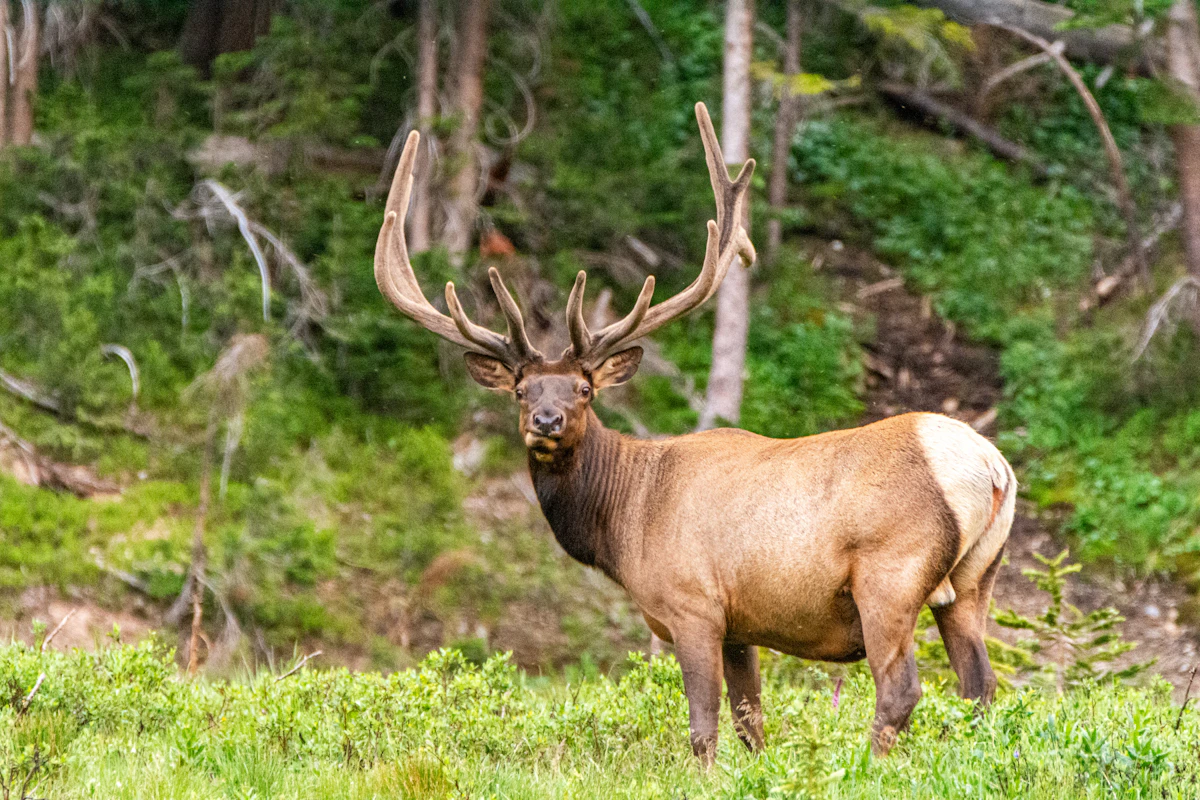
How Mature Bull Elk Avoid Hunting Pressure — Tactics That Keep Them Alive
Mature bull elk survive by shifting terrain, going nocturnal, and exploiting hunter patterns. Learn how pressure changes their behavior and where to find them when other hunters push them deep.
Next
How Wind Dictates Every Elk Hunt
Wind is the single most important factor in elk hunting success. Understanding thermal patterns, prevailing winds, and how to position yourself downwind of bedding areas will make or break your hunt.