What to Wear for September Elk Hunting: Layering for Early-Season Backcountry Success
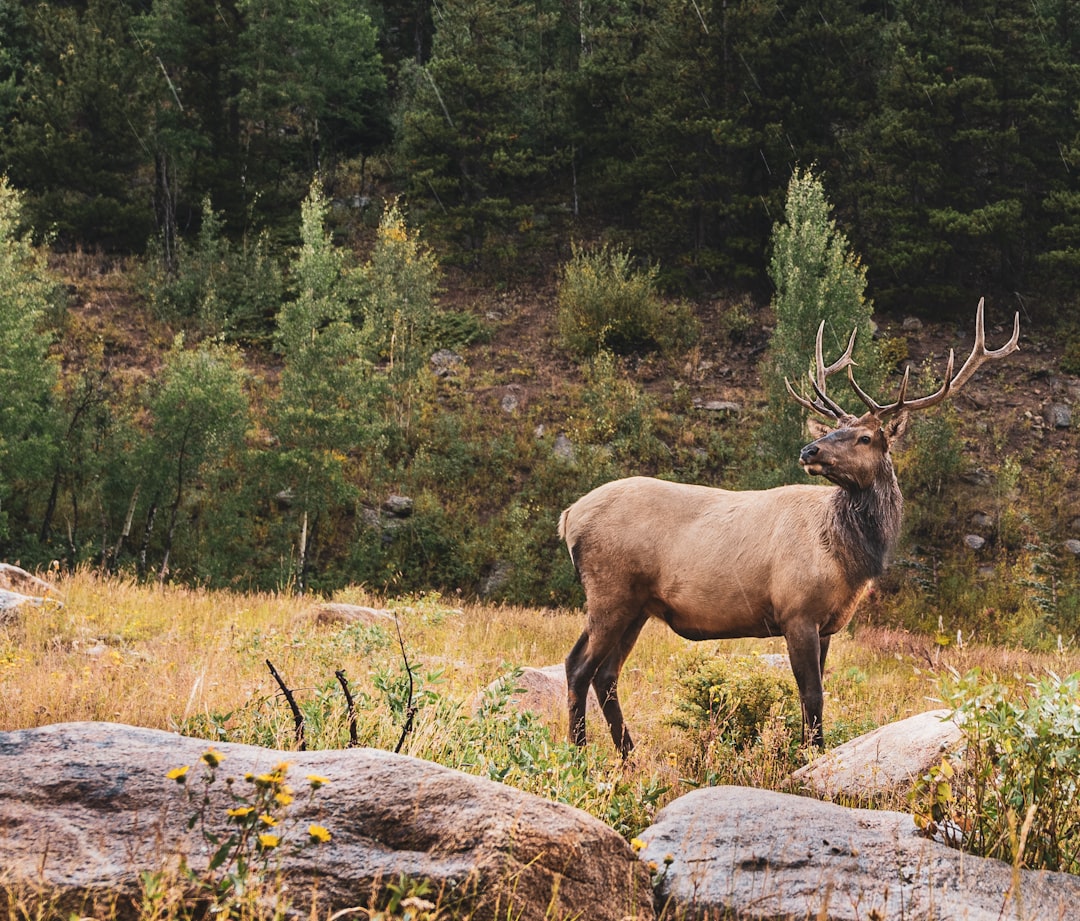
September elk hunting sits at the intersection of summer heat and early winter cold. You might glass in a t-shirt at 2 PM and wake to frost at 5 AM. The clothing you choose determines whether you capitalize on bugling bulls or spend the hunt managing discomfort.
Successful September clothing systems balance three priorities: temperature regulation across 40-degree daily swings, mobility for steep terrain, and silence when a bull closes the distance. Packing too heavy leaves you soaked in sweat. Packing too light leaves you shivering through prime calling hours.
The Three-Layer System for September Elk
The foundation of any September elk kit is a proven three-layer approach: base layer for moisture management, mid-layer for insulation, and outer layer for weather protection. Each layer serves a distinct role and must work together as conditions shift throughout the day.
Base layer — Merino wool or synthetic fabric that wicks moisture away from skin. Avoid cotton at all costs. Bring two sets so you can rotate clean layers every 2-3 days on extended hunts. Lightweight merino works well for September, but midweight merino handles early mornings better if you run cold.
Mid-layer — Lightweight fleece or insulated jacket for early mornings and glassing sessions. A puffy vest or lightweight synthetic jacket packs small and deploys fast when you stop moving. Quarter-zip fleece gives you ventilation options without removing layers entirely.
Outer layer — Waterproof, windproof shell for afternoon thunderstorms and high-elevation wind. September storms move fast in elk country. A quality rain jacket lives in your pack every single day, even when skies look clear at dawn.
Morning Clothing Strategy: Moving to Bugles
September mornings in elk country typically range from 25 to 40 degrees. You will move hard in the dark to reach calling positions before first light, then sit motionless as bulls sound off at dawn.
Start cool. Wear your base layer and a lightweight mid-layer as you hike in. If you overdress, you will sweat through your base layer before you even start hunting. Wet base layers lose all insulating value when you stop moving.
Carry your puffy jacket in your pack. The moment you stop moving and set up to call, throw on insulation. Your body temperature drops fast when you transition from hiking to glassing or calling. Bulls often respond in the first 30 minutes of light — you cannot afford to shiver through that window.
Midday Layering: Managing Heat and Exertion
By 10 AM, temperatures in September elk units routinely hit 60 to 70 degrees, especially below 9,000 feet. Bulls bed down, and you will either chase bugles into dark timber or move between glassing points.
Strip down to your base layer or a lightweight shirt. If you are covering ground, less is more. Overheating causes more problems than cold during midday September hunts. Keep your mid-layer and shell accessible in your pack.
Pants choice matters here. Lightweight, breathable hunting pants with some stretch handle steep sidehills better than heavy brush pants. Look for fabrics that dry quickly if you cross creeks or push through wet vegetation.
Afternoon Storm Preparation
September thunderstorms build fast in the Rockies. Clear skies at 1 PM can turn into lightning, hail, and driving rain by 3 PM. Always carry a waterproof shell, even on bluebird mornings.
When clouds build, throw on your rain jacket before the storm hits. Once your mid-layer gets soaked, it loses insulating ability and adds dead weight. A good rain shell keeps your insulation dry and cuts wind during temperature drops that follow storms.
Pack a lightweight rain pant if you hunt above treeline or plan to sit glassing points during afternoon storms. Wet legs sap heat fast, and hypothermia risk increases when you are sitting still in wind and rain.
Free to join
Download mobile app
- Detailed draw odds
- Point tracking
- Deadline reminders
- 18 states covered

Free to join
Download mobile app
- Detailed draw odds
- Point tracking
- Deadline reminders
- 18 states covered
Free to join
Download mobile app
- Detailed draw odds
- Point tracking
- Deadline reminders
- 18 states covered
Evening Setups: Staying Warm and Silent
Evening hunts require the opposite approach from mornings. You will hike to a calling setup or glassing knob while it is still warm, then sit as temperatures plummet toward freezing.
Bring your puffy jacket and wear it the moment you stop moving. Evening is prime time for bulls to respond to calls, and you need to stay motionless and warm for extended periods.
Pay attention to fabric noise. Stiff rain shells and synthetic puffy jackets crackle when you move. If a bull is closing the distance, that noise will spook him. Soft-shell outer layers or fleece mid-layers stay quieter when you need to draw or shift position.
Accessories That Matter in September
Gloves, hats, and neck gaiters make the difference between tolerable and miserable on September elk hunts.
Beanie or lightweight cap — Mornings and evenings demand head insulation. A merino beanie packs small and provides outsized warmth. Avoid bulky winter hats that interfere with shooting or calling.
Lightweight gloves — Merino or synthetic liner gloves keep your hands functional during cold mornings without adding bulk. You need dexterity for calling, glassing, and shooting. Heavy gloves cost you speed when a bull appears.
Neck gaiter or buff — Seals the gap between your base layer and jacket. A merino or synthetic gaiter adds warmth, cuts wind, and deploys in seconds.
Extra socks — Wet feet destroy morale on backcountry hunts. Carry one or two extra pairs of merino socks. Rotate them daily or change immediately after creek crossings.
Boot Selection for September Conditions
September hunts see dry trails, wet meadows, and occasional snow above 10,000 feet. Your boots need to handle all three without causing blisters or soaking through.
Uninsulated or lightly insulated boots work best for September. Heavy winter boots overheat your feet during midday miles. Look for boots with good ankle support, aggressive tread, and waterproof membranes. Break them in completely before the hunt — blisters end September hunts faster than bad weather.
Gaiters prevent debris, moisture, and snow from entering your boots when you push through wet timber or cross scree fields. Lightweight gaiters add minimal weight and solve multiple problems.
Free to join
Download mobile app
- Detailed draw odds
- Point tracking
- Deadline reminders
- 18 states covered
Free to join
Download mobile app
- Detailed draw odds
- Point tracking
- Deadline reminders
- 18 states covered
Free to join
Download mobile app
- Detailed draw odds
- Point tracking
- Deadline reminders
- 18 states covered
Pack Weight and Clothing Choices
Backcountry September hunts mean every ounce counts. You cannot carry a full wardrobe, but you also cannot afford to leave critical layers behind.
Prioritize multi-use pieces. A lightweight puffy jacket works as both a mid-layer and a pillow. A rain shell doubles as a windbreaker. Merino base layers can be worn multiple days without developing odor.
Cut redundancy. You do not need three mid-layers. One solid fleece and one insulated jacket cover the range of September conditions. Skip the extra pairs of pants. One good pair of hunting pants and one lightweight backup pair handle a week in the backcountry.
Fabrics That Perform in September Elk Country
Fabric choice separates functional clothing from gear that fails when it matters.
Merino wool — Naturally odor-resistant, wicks moisture, insulates when wet, and stays quiet. Ideal for base layers and accessories. Downside: slower to dry than synthetics and more expensive.
Synthetic fabrics — Dry faster than merino, often more affordable, and durable. Good for mid-layers and outer shells. Downside: retains odor faster than merino and can feel clammy in humid conditions.
Down insulation — Unmatched warmth-to-weight ratio for puffy jackets. Compresses well for packing. Downside: loses insulating value when wet. Bring a waterproof shell to protect down layers.
Synthetic insulation — Retains warmth when wet, dries faster than down, and costs less. Downside: bulkier and heavier than down for equivalent warmth.
How TAGZ Helps You Prepare for September Hunts
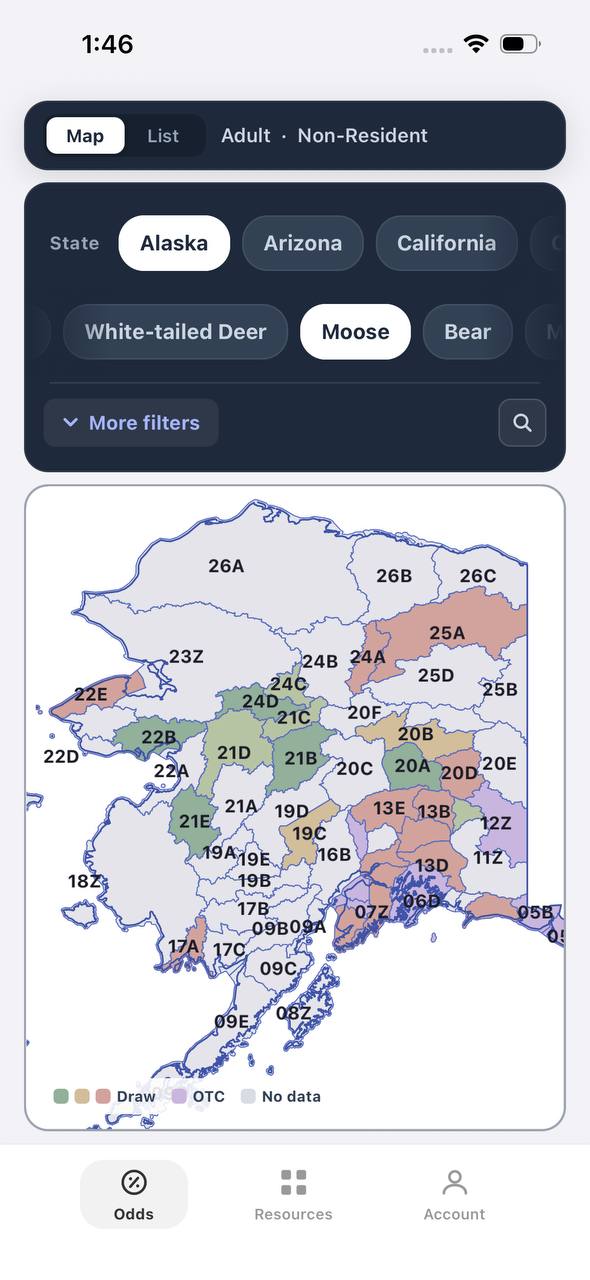
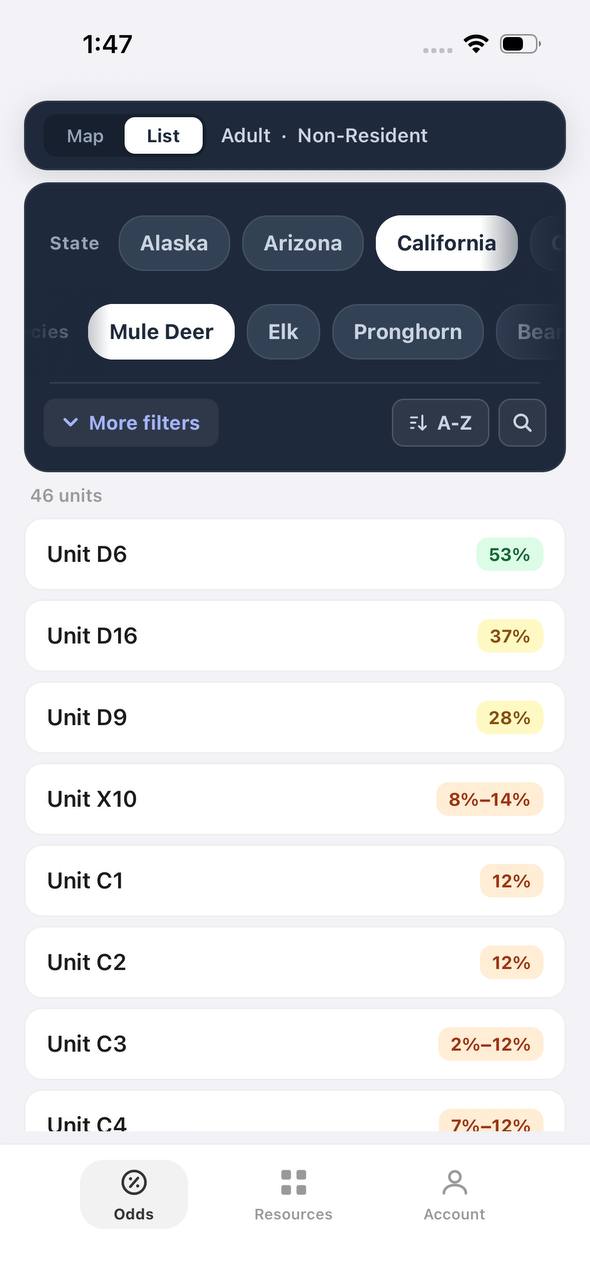
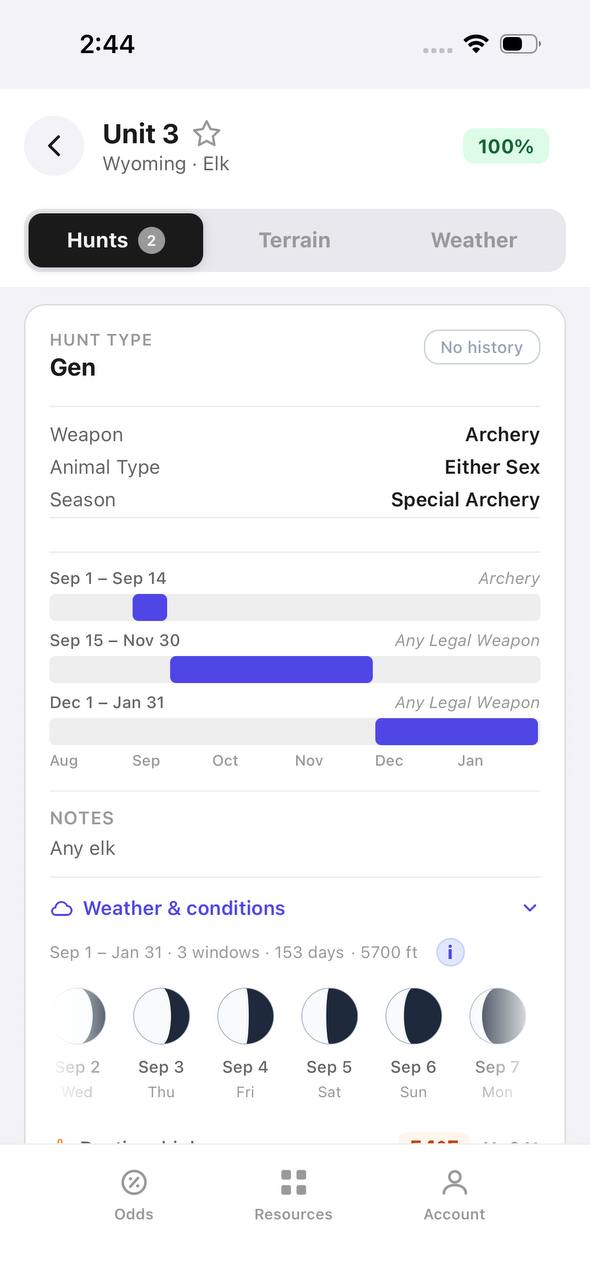
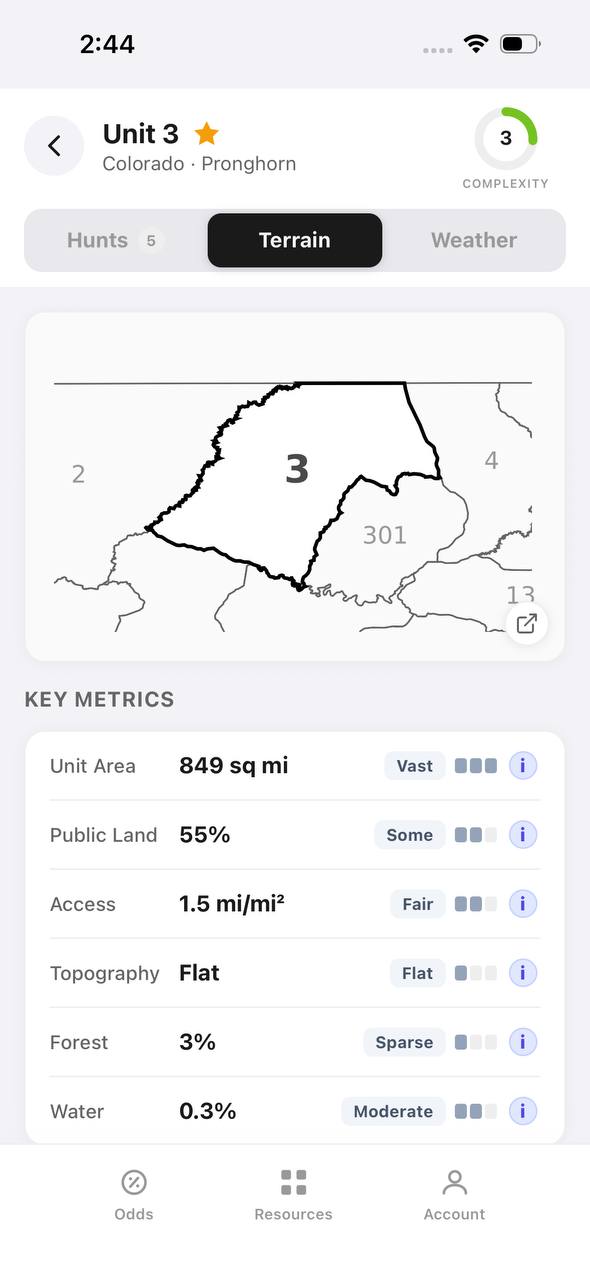
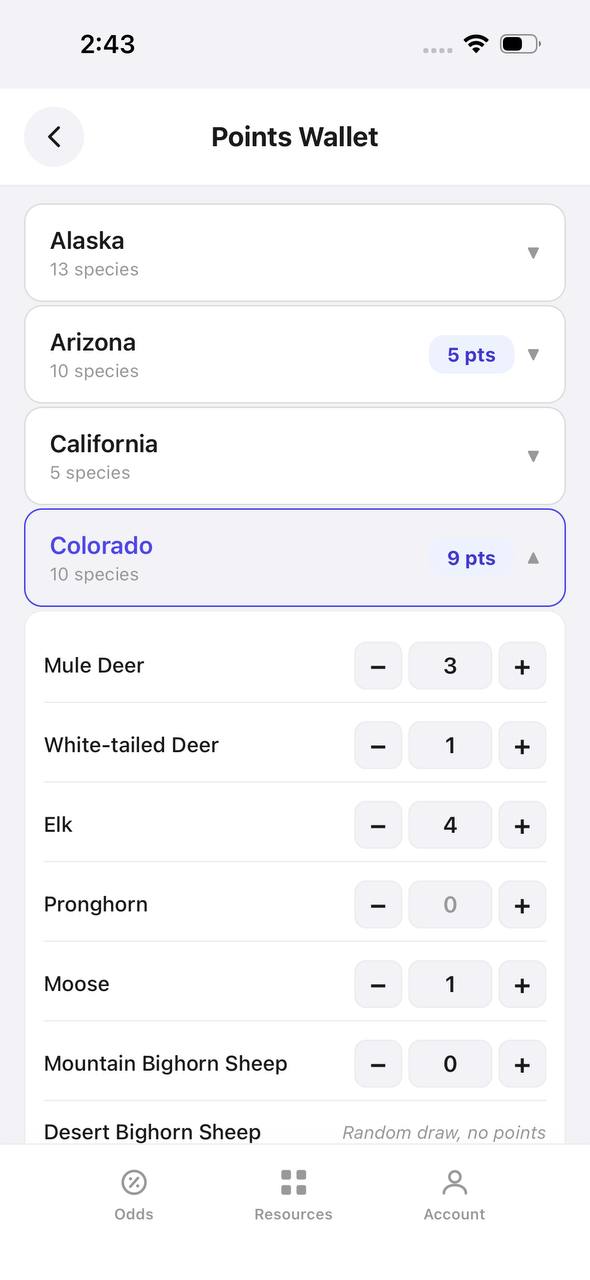
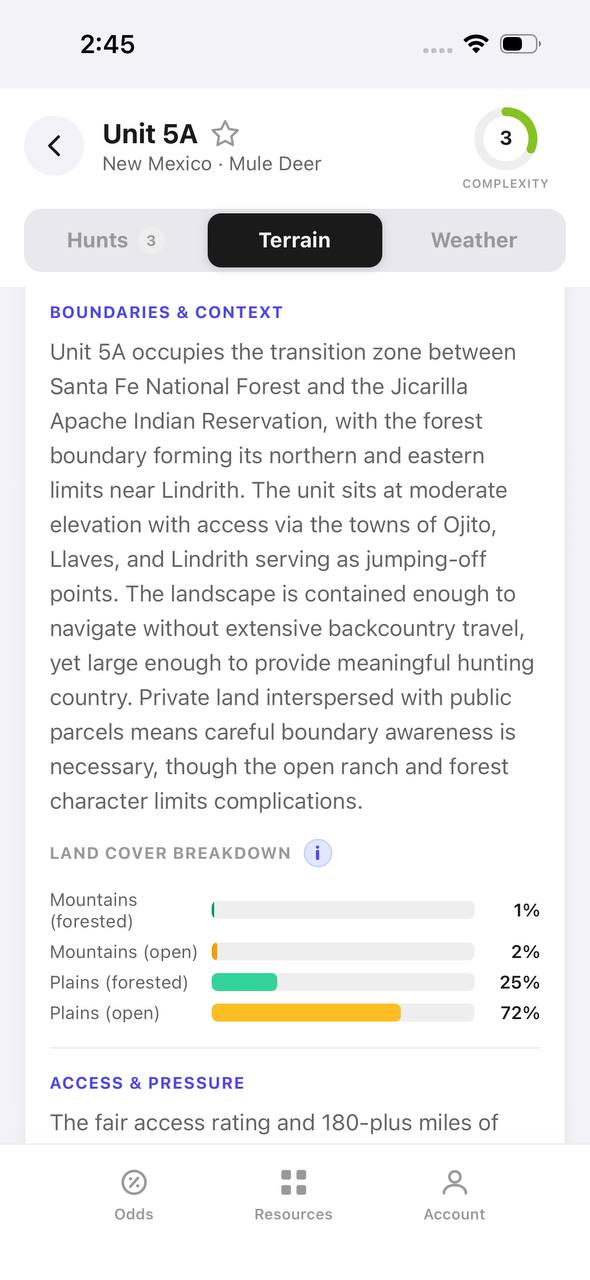
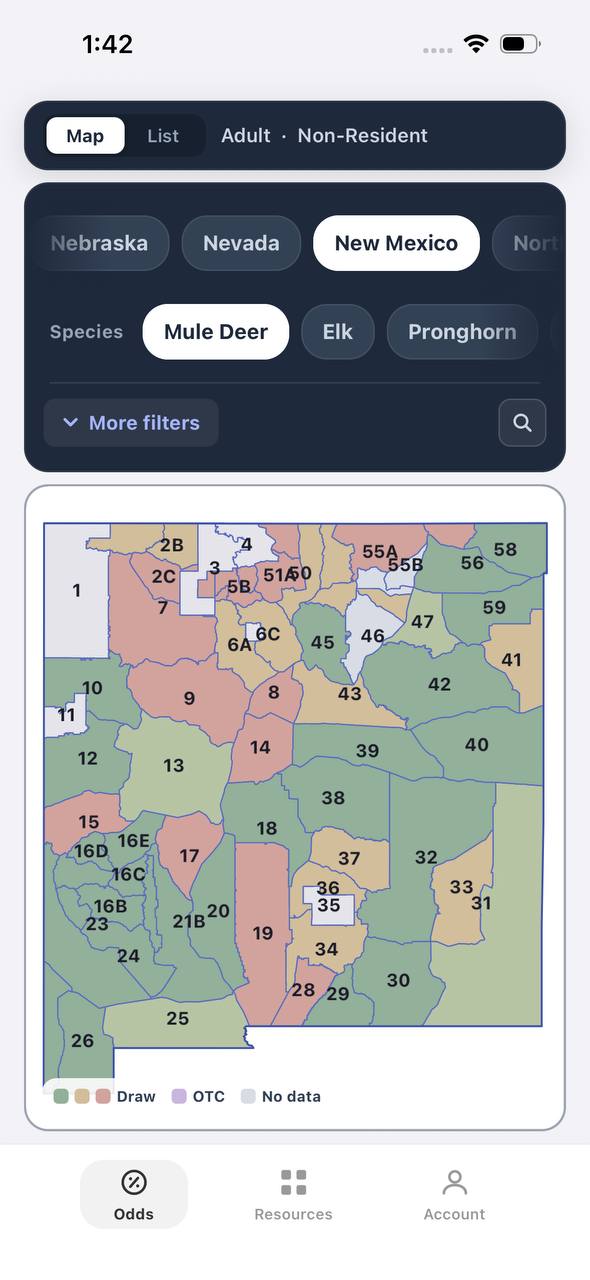
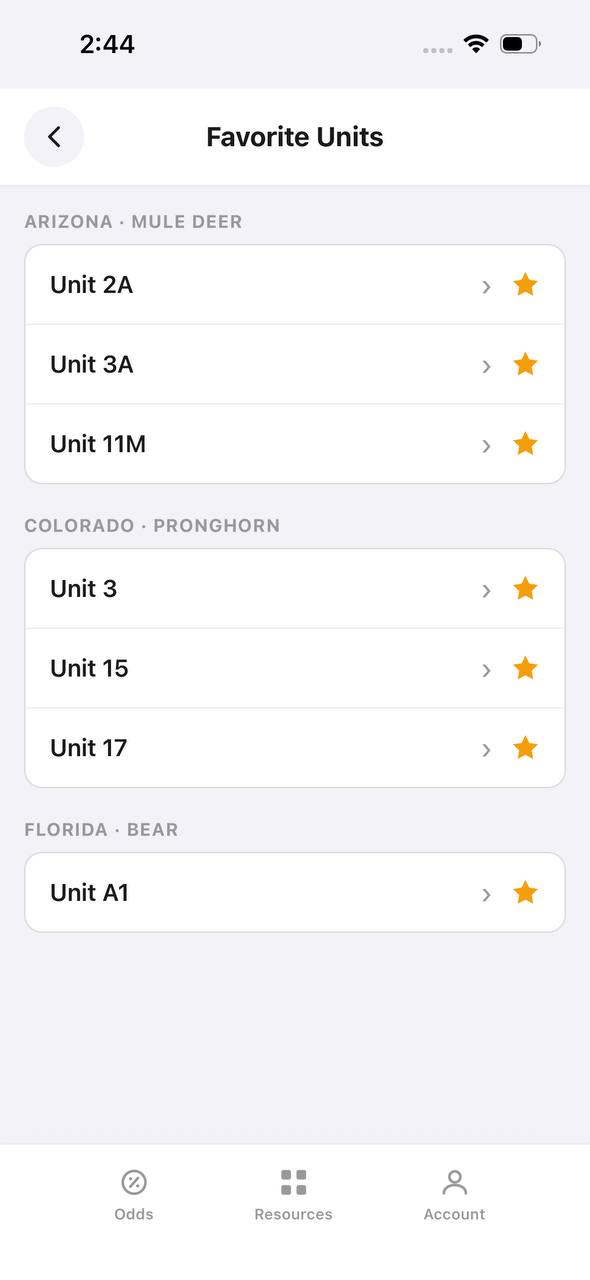
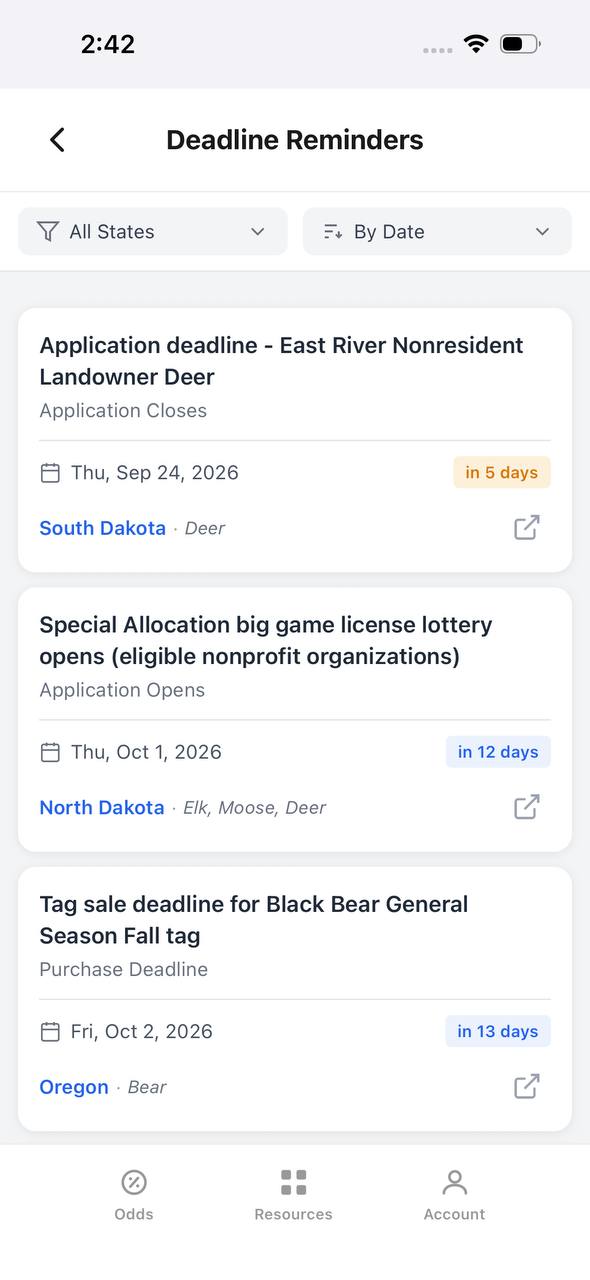
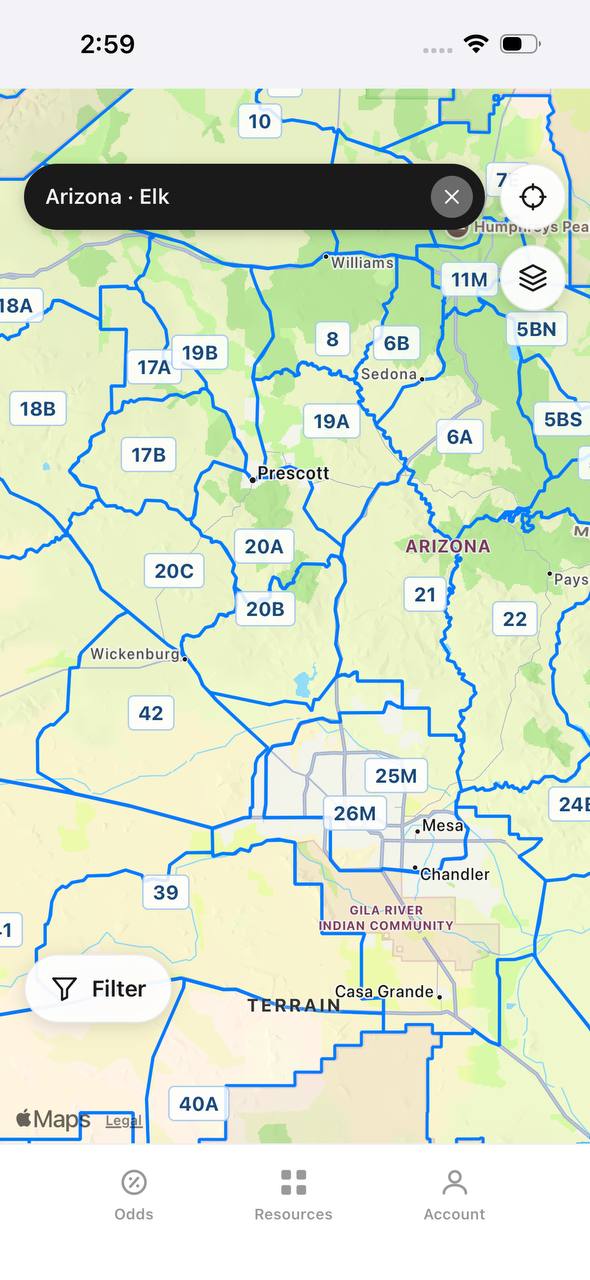
TAGZ simplifies the planning process so you can focus on gear and strategy instead of hunting draw data manually. The platform helps you compare units side by side using terrain maps, unit boundaries, and historical draw data. Track your preference points and bonus points across multiple states so you never miss a draw deadline.
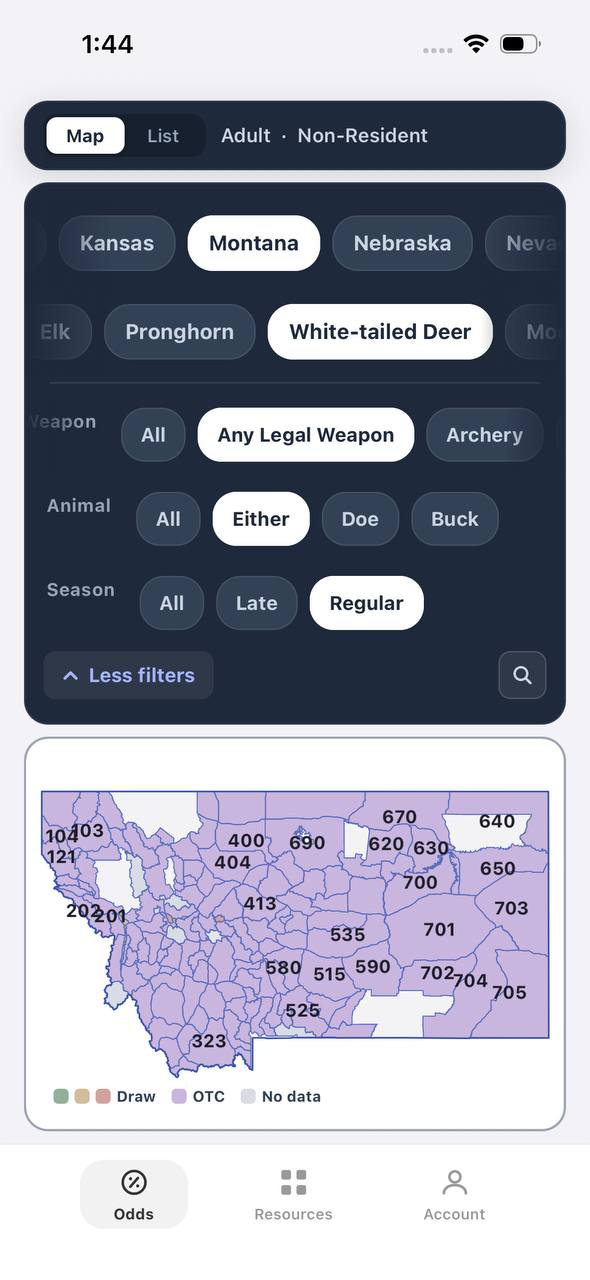
Whether you are chasing OTC tags or planning a trophy limited-entry hunt, TAGZ gives you the tools to make smarter decisions before you ever step into the field. Use the unit filtering tools to identify high-elevation September units where weather swings demand the layering strategies outlined here. Understanding your unit's elevation range, typical weather patterns, and terrain difficulty lets you pack exactly what you need — nothing more, nothing less.
Free to join
Download mobile app
- Detailed draw odds
- Point tracking
- Deadline reminders
- 18 states covered
Free to join
Download mobile app
- Detailed draw odds
- Point tracking
- Deadline reminders
- 18 states covered
Free to join
Download mobile app
- Detailed draw odds
- Point tracking
- Deadline reminders
- 18 states covered
Common September Clothing Mistakes
Avoid these errors that trip up even experienced elk hunters.
Overdressing on the hike in — Sweating through your base layer before first light leaves you cold and miserable when you stop moving. Start cool and add layers when you set up.
Leaving rain gear in camp — September storms hit fast. A wet insulated jacket becomes dead weight and provides zero warmth. Always carry your shell.
Wearing cotton — Cotton absorbs moisture, dries slowly, and loses all insulating value when wet. It has no place in a September elk clothing system.
Ignoring fabric noise — Loud outer layers spook bulls during close encounters. Test your clothing at home. If it crackles when you move, find quieter alternatives.
Packing too heavy — Excess weight slows you down and limits your range. Every piece of clothing in your pack should serve a clear purpose.
Final Clothing Checklist for September Elk
Use this list as a starting point and adjust based on your unit's elevation, typical weather, and hunt duration.
- Two sets of merino or synthetic base layers (tops and bottoms)
- One lightweight fleece or mid-layer jacket
- One insulated puffy jacket or vest
- One waterproof rain shell (jacket)
- One pair of lightweight, breathable hunting pants
- One backup pair of pants (optional for hunts over 5 days)
- One merino beanie
- One pair of lightweight gloves
- One neck gaiter or buff
- 3-4 pairs of merino socks
- One pair of uninsulated or lightly insulated waterproof boots
- Lightweight gaiters
Pack this system, adjust layers throughout the day as conditions change, and you will stay comfortable from first light bugling to evening setups.
FAQ — September Elk Clothing
What temperature range should I prepare for in September elk hunting? Expect morning lows between 25 and 40 degrees and afternoon highs between 60 and 75 degrees, especially in units between 8,000 and 10,000 feet. Weather swings of 40 degrees in a single day are common.
Do I need insulated boots for September elk hunts? No. Uninsulated or lightly insulated waterproof boots work best for September. Heavy winter boots cause overheating during midday miles and are unnecessary unless you are hunting above 11,000 feet where snow is likely.
How many base layers should I pack for a week-long backcountry hunt? Two complete sets. Merino wool base layers can be worn 2-3 days before needing a wash, so two sets cover a week. Rotate them to keep one set dry while the other is in use.
Should I choose merino wool or synthetic base layers for September? Merino wool offers better odor resistance and comfort across temperature swings, making it ideal for multi-day hunts. Synthetic base layers dry faster and cost less but retain odor more quickly. Both work — choose based on budget and personal preference.
What type of rain jacket is best for September elk hunting? A lightweight, packable waterproof shell with a hood. Look for jackets with pit zips for ventilation and quiet fabrics that do not crackle during close encounters with bulls. The shell should fit over your insulated mid-layer without restricting movement.
How do I prevent sweating through my clothes on steep morning hikes? Start cool. Wear only your base layer and a light mid-layer during the hike in, even if it feels cold initially. Carry your insulated jacket in your pack and put it on the moment you stop moving to call or glass.
Continue Planning Your Hunt
Once you have your clothing dialed in, the next step is selecting the right unit and understanding your draw odds. TAGZ provides the tools to compare units across multiple states, track application deadlines, and analyze terrain so you can make confident decisions. Explore the full platform at TAGZ Product or dive into more hunt planning strategies on the TAGZ Insights page. Ready to get started? Check out pricing options that fit your hunting goals, or return to the home page to see how TAGZ simplifies western hunting applications and research.
Was this article helpful?
Previous
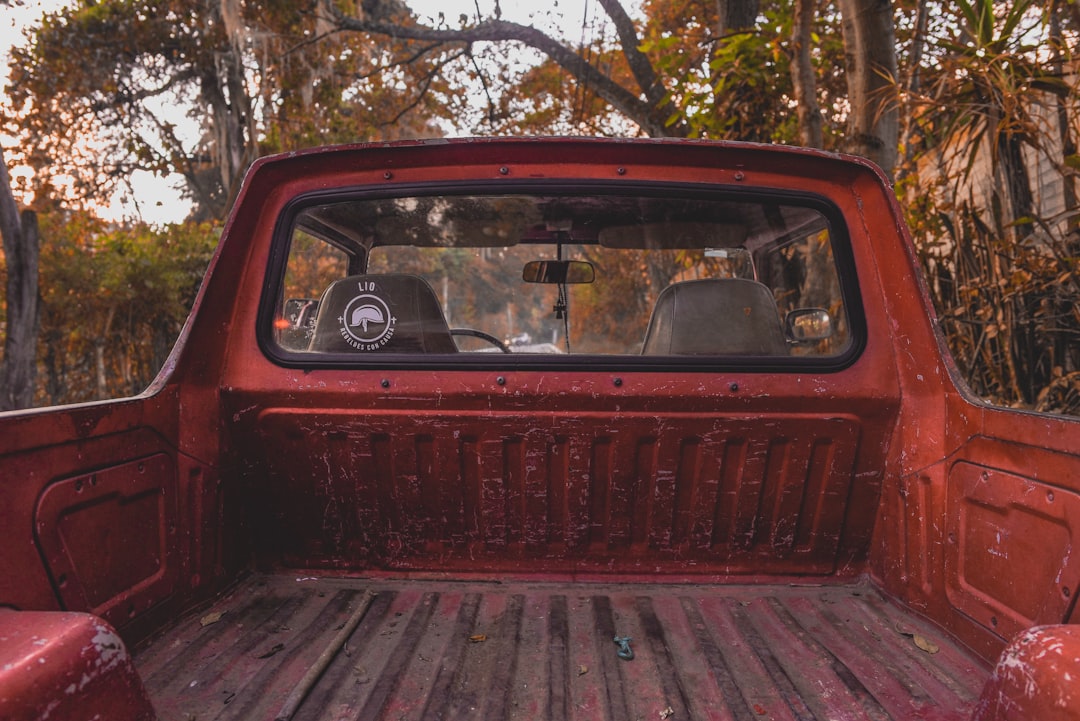
How to Recover a Stuck Hunting Truck: Field-Tested Extraction Methods
Getting stuck on remote hunting roads is a rite of passage for Western hunters. Learn proven recovery techniques, essential gear to carry, and prevention strategies that work when you're miles from help.
Related
Best Fire Starters for Hunters: Reliable Options for Backcountry Camps
From waterproof matches to ferrocerium rods, choosing the right fire starter can mean the difference between a warm meal and a cold night in elk camp. Here's what actually works when conditions turn against you.

Next
Choosing the Right Bullet for Every Big Game Species
Selecting the correct bullet for your hunt matters as much as shot placement. This guide breaks down bullet construction, weight, and performance for elk, deer, pronghorn, moose, and bear so you can match your ammunition to the animal and the shot.