Best Fire Starters for Hunters: Reliable Options for Backcountry Camps
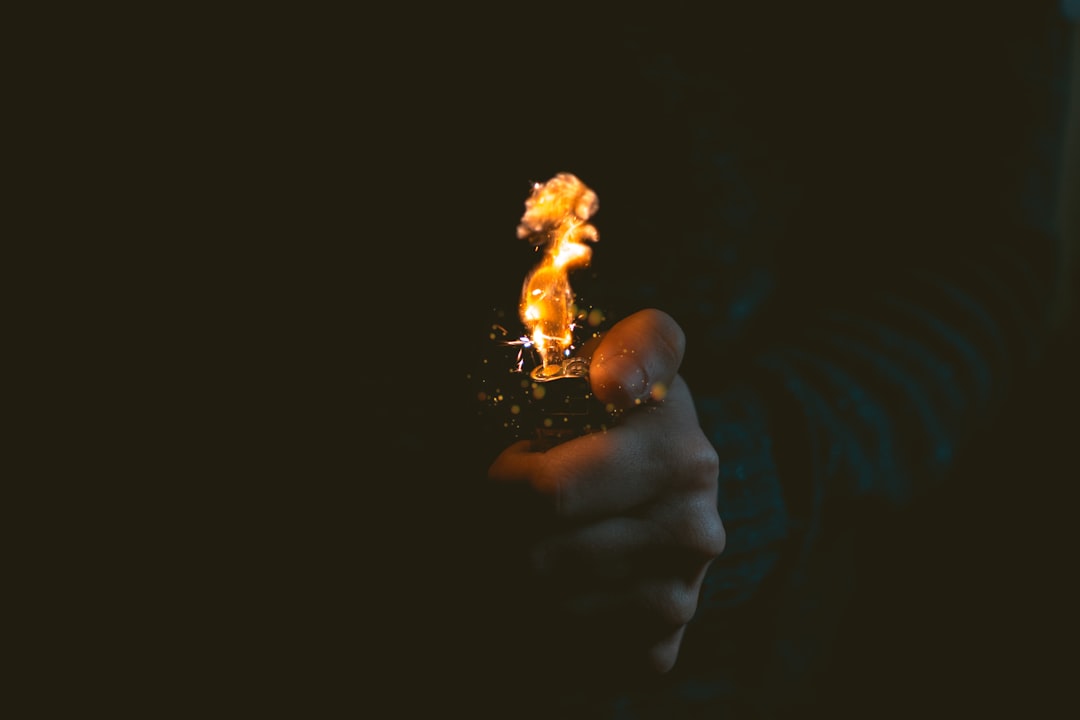
You are three days into a Colorado elk hunt when the weather turns. Rain soaks your gear, temps drop to freezing, and you need fire. Not for ambiance — for survival, for drying boots, for keeping meat cool enough to handle but warm enough to process. The fire starter you packed either works or it does not. There is no third option.
The best fire starters for hunters share three qualities: they ignite in wet conditions, they work at high elevation where oxygen is thin, and they are light enough to justify the pack space. Everything else is preference. Some hunters swear by ferrocerium rods. Others carry waterproof matches as primary and a lighter as backup. What matters is having a system you have tested before the hunt, not gear you bought the week before season.
Ferrocerium Rods — The Backcountry Standard
Ferrocerium rods throw sparks at 5,400 degrees Fahrenheit. They work wet, they work cold, and they work at 11,000 feet when butane lighters sputter. A quality ferro rod will start thousands of fires before it wears out. The trade-off is skill. You need dry tinder, proper scraping technique, and patience. In a rainstorm with numb fingers, that patience runs thin.
Look for rods at least 3/8 inch in diameter and four inches long. Smaller rods are harder to grip with gloves on. The striker matters as much as the rod itself — a sharp 90-degree spine on your knife works, but a dedicated striker with a bottle opener or gut hook adds function without weight. Exotac nanoSTRIKER XL and Light My Fire Swedish FireSteel are proven options. Both include lanyards so you can secure them to your pack.
Practice before the hunt. Scrape the rod at a 45-degree angle with firm, deliberate strokes. Aim sparks at a tinder bundle of birch bark, dry grass, or commercial fire starter. If you cannot get a coal within 10 scrapes in your backyard, you will not get one in a September storm at treeline.
Waterproof Matches — Simple and Dependable
Waterproof matches eliminate the skill gap. Strike, shelter the flame, and light your kindling. They work in wind if you cup your hand correctly, and they work wet if you buy true stormproof matches — not just water-resistant. UCO Stormproof Matches burn for 15 seconds even after submersion. That is long enough to ignite damp twigs or a commercial fire starter cube.
Carry matches in a waterproof case with a striker surface. The UCO Stormproof Match Kit includes 25 matches, three strikers, and a waterproof case that floats. Total weight is two ounces. Keep one kit in your pack and a backup in your kill kit. Matches do not care about elevation, finger dexterity, or how many days you have been in the field. They just work.
The downside is quantity. Twenty-five matches means 25 fires, maybe fewer if you waste strikes. Ferro rods outlast matches by orders of magnitude, but matches are faster when speed matters — like when you are racing daylight to quarter an elk and need hot water to rinse blood off your hands.
Butane Lighters — The Everyday Backup
A mini Bic lighter weighs half an ounce and lights hundreds of fires. It is the most convenient fire starter you can carry, which is exactly why it should never be your only option. Butane lighters fail above 10,000 feet. They fail in cold weather when fuel pressure drops. They fail when the flint gets wet or the fuel runs out mid-hunt.
Carry a lighter anyway. Use it for the easy fires — evening camp, morning coffee, daytime glassing breaks when conditions are mild. Save your ferro rod or matches for when conditions turn or elevation climbs. A Bic Mini fits in a chest pocket or lid pouch without adding measurable weight. Wrap it in duct tape for a few feet of emergency repair material and waterproofing for the striker wheel.
Some hunters upgrade to windproof torch lighters. These work better at elevation and in wind, but they burn through fuel faster and cost more to replace. If you go this route, carry two — one in your pack, one in your kill kit.
Fire Starter Cubes and Tinder — The Force Multiplier
Even the best ignition source is useless without dry tinder. Birch bark is ideal if you hunt where birch grows. Dry grass works if you can find it. Fatwood — resin-rich pine heartwood — ignites with a single spark and burns hot enough to dry out damp kindling. Carry a few pieces in a ziplock bag.
Commercial fire starter cubes are more reliable. WetFire cubes burn at 1,300 degrees for five minutes and ignite even when soaked. They weigh nothing, crush down flat, and work as well on day one as day seven. Toss three cubes in your pack and two in your kill kit. Light one cube, build a teepee of small sticks over it, and you have fire in under two minutes.
Cotton balls soaked in petroleum jelly are the budget alternative. Pack a dozen in a small tin. They catch sparks easily and burn long enough to dry out wet twigs. Total cost is under two dollars. The trade-off is mess — petroleum jelly gets on everything if the tin opens in your pack.
Free to join
Download mobile app
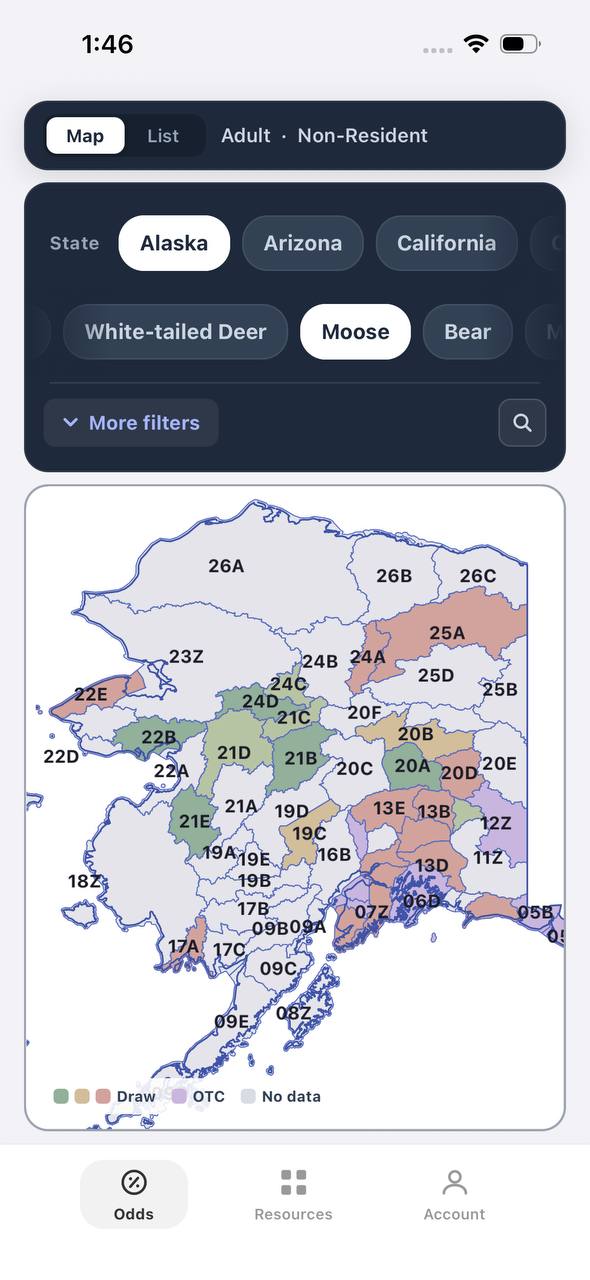
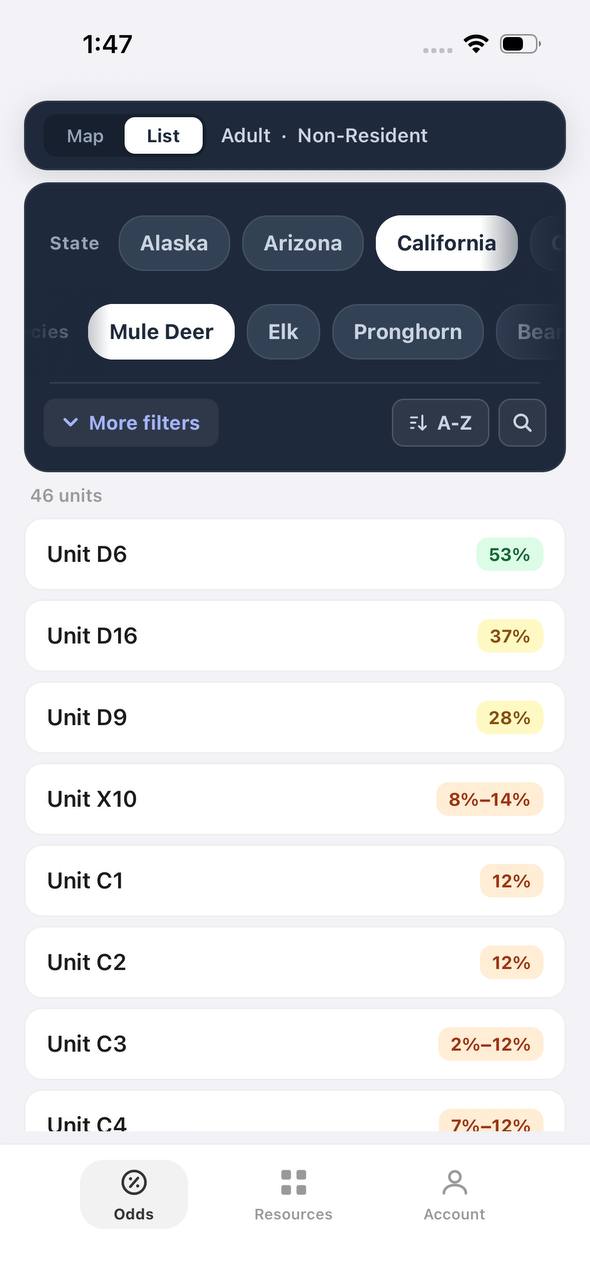
- Detailed draw odds
- Point tracking
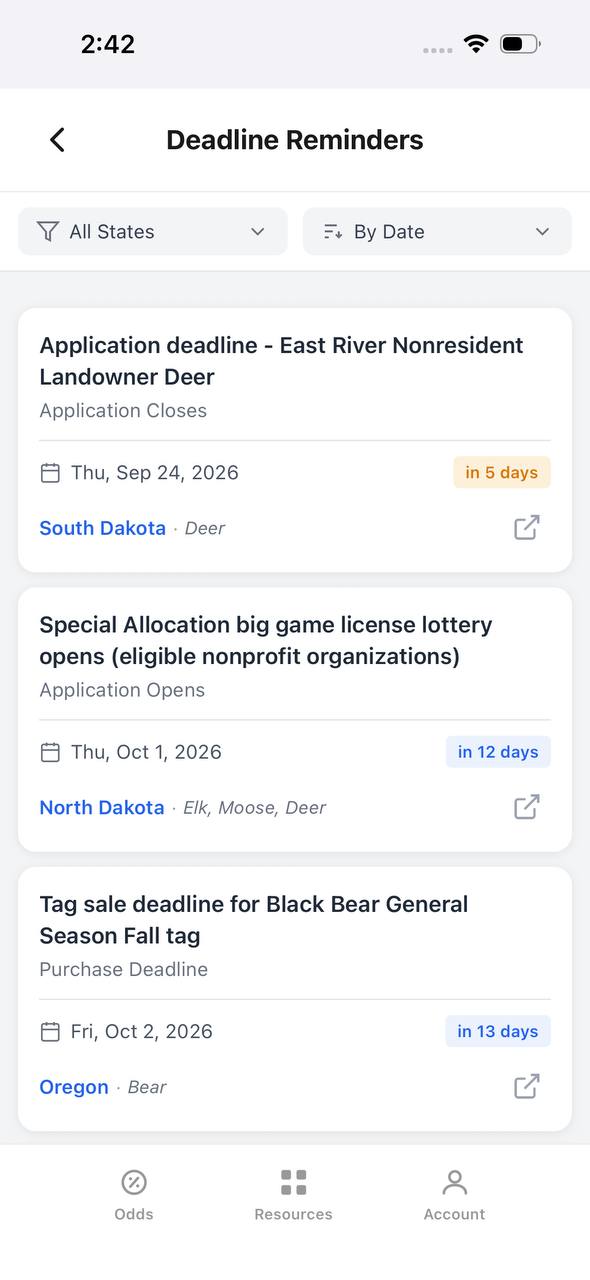
- Deadline reminders
- 18 states covered

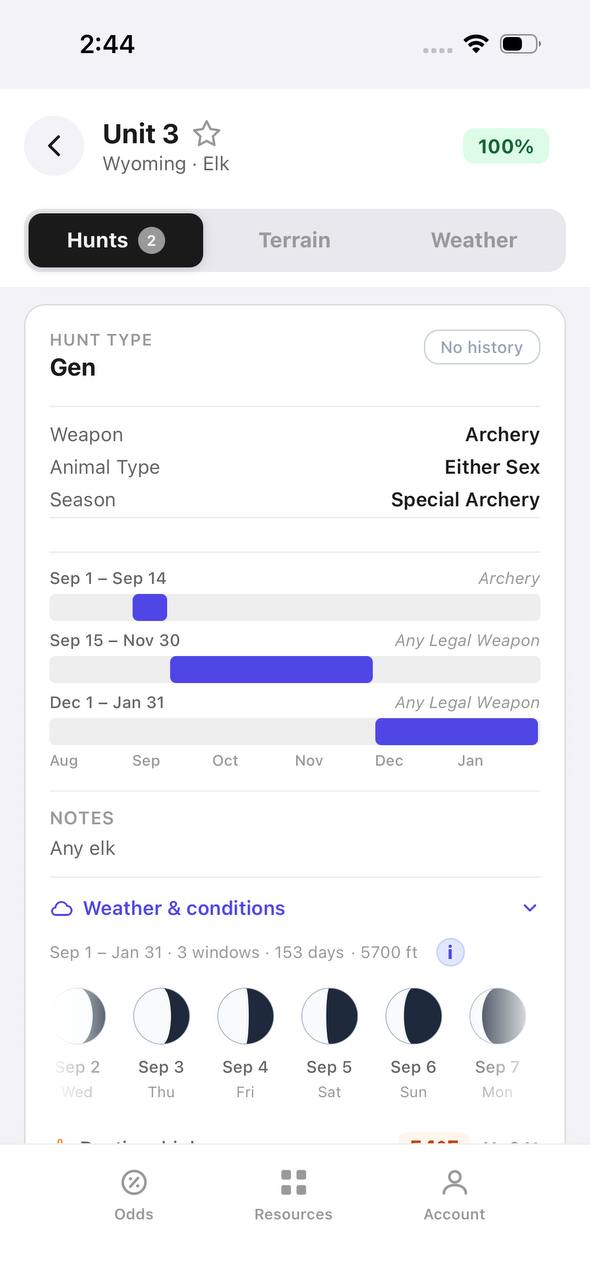
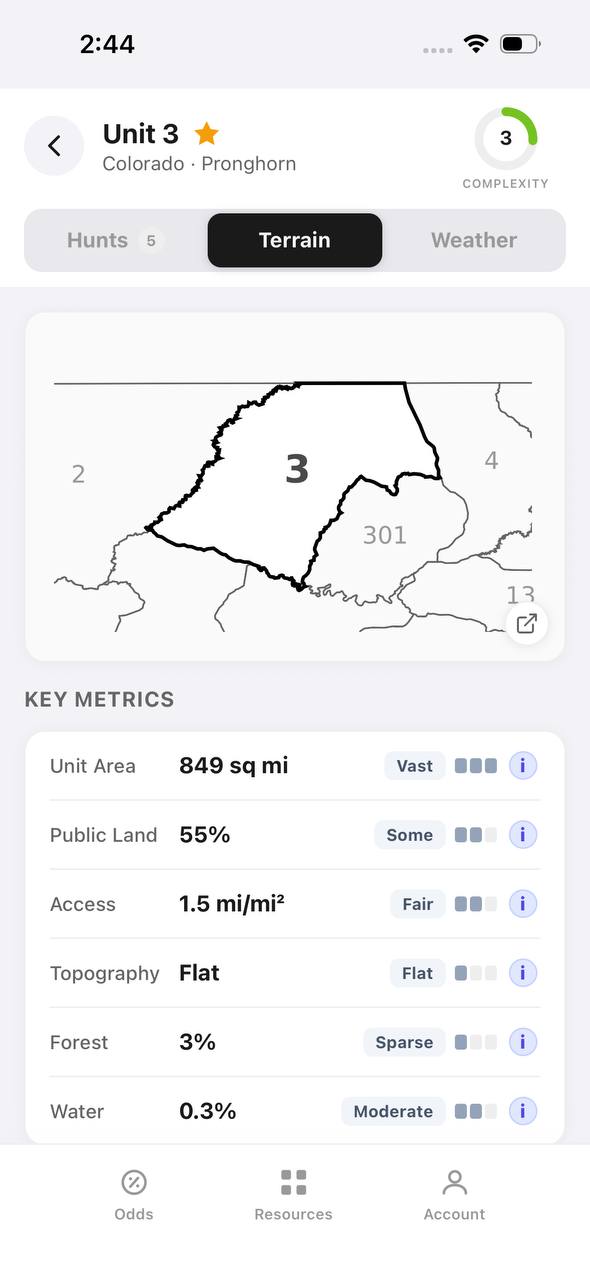
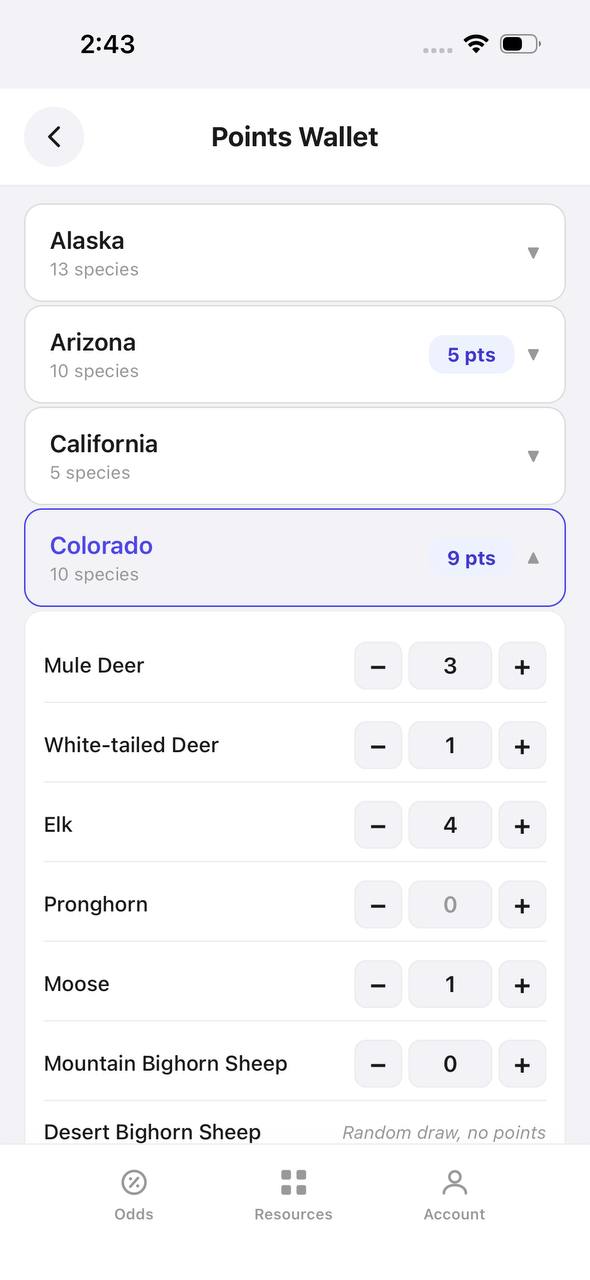
Free to join
Download mobile app
- Detailed draw odds
- Point tracking
- Deadline reminders
- 18 states covered
Free to join
Download mobile app
- Detailed draw odds
- Point tracking
- Deadline reminders
- 18 states covered
Redundancy — Why One Fire Starter Is Not Enough
You do not plan to get lost, injured, or stuck in a whiteout. You do not plan to drop your pack crossing a creek or lose your headlamp batteries the same night your lighter dies. Plans are irrelevant when conditions shift. Redundancy is not paranoia. It is preparation.
Carry two ignition sources that work on different principles. Ferro rod and waterproof matches is a solid pairing. Matches and a lighter works if you hunt lower elevations. Always pack commercial tinder as a backup to natural tinder. Store one fire starter in your main pack, one in your kill kit, and one in a jacket pocket. If you lose your pack, you still have fire.
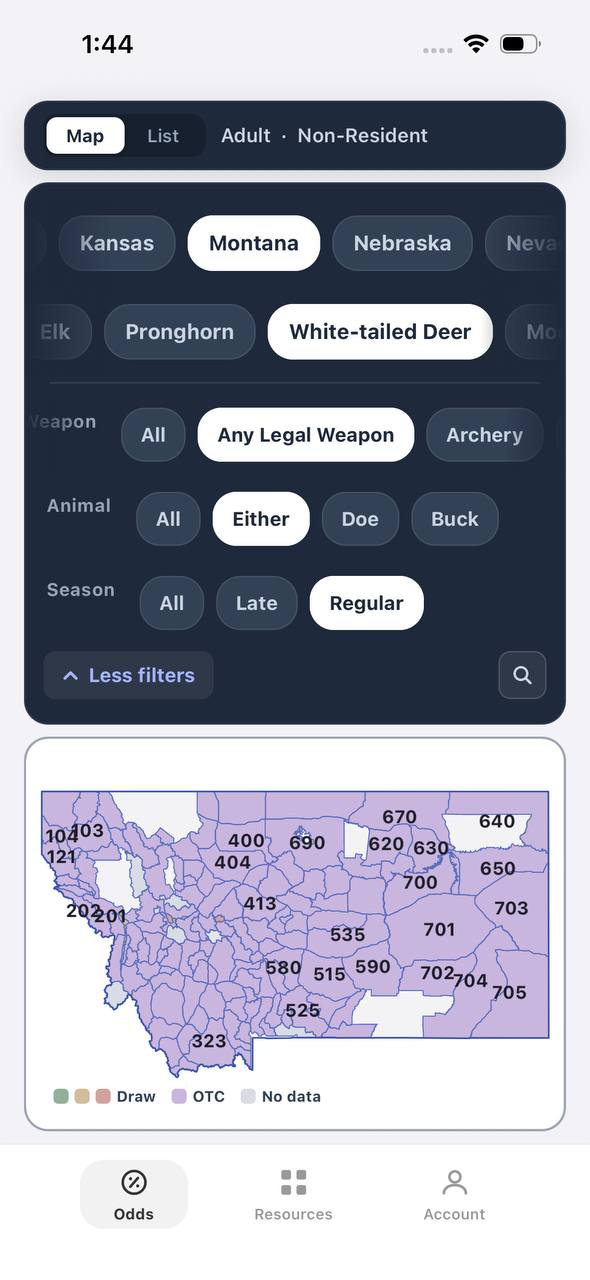
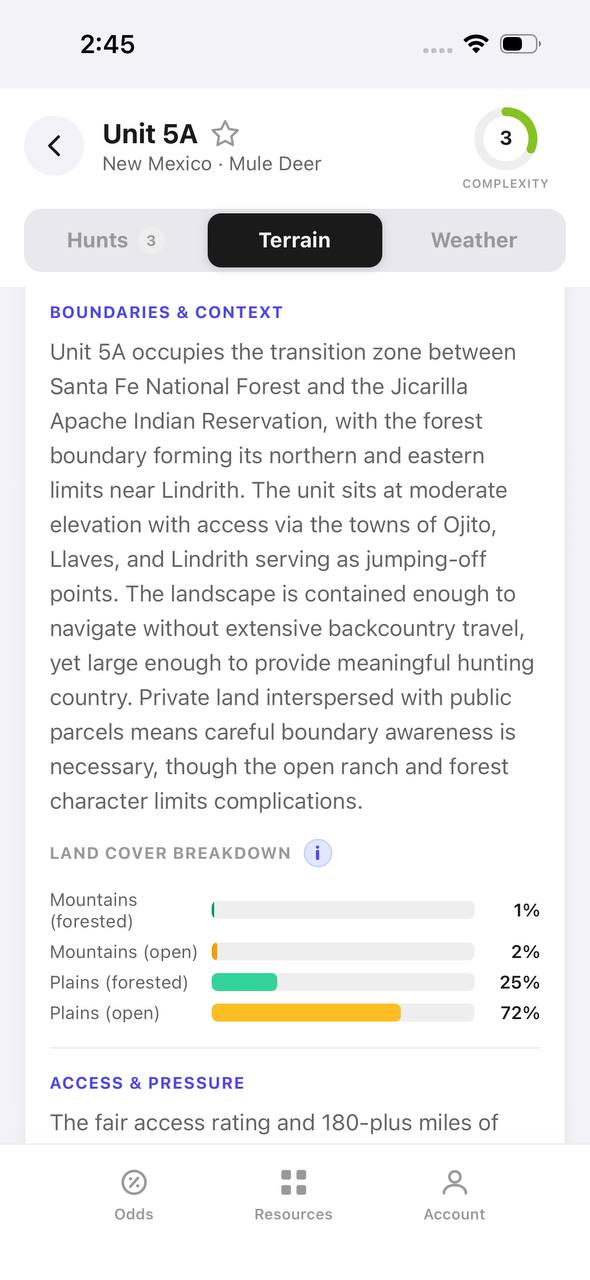
TAGZ helps you plan hunts by filtering units by terrain, elevation, and access — but no amount of planning replaces the fundamentals. Whether you are chasing Colorado elk in September or late-season mule deer in Montana, reliable fire makes the difference between a hunt you remember and a hunt you survive.
Testing Your System Before Season
Buy your fire starters in May, not August. Spend an evening in your backyard running drills. Light five fires with your ferro rod. Light five with matches. Light five with your lighter. Time yourself. Note what works and what slows you down. Wet your tinder with a hose and try again. Wear gloves and try again. This is not overkill. This is basic competence.
If you hunt high country, test your gear at elevation. Drive to a trailhead, hike to 9,000 feet, and see if your lighter still sparks. Try your ferro rod in wind. Try your matches in a drizzle. Find the failures now, not the first night of your hunt when you are two hours from the truck and the temperature is dropping.
Pack your fire kit the same way every trip. Same pocket, same pouch, same order. When your hands are cold and your headlamp is dim, muscle memory matters. You should be able to reach into your pack and pull out your fire starter without thinking.
What TAGZ Hunters Carry
Hunters using TAGZ to plan limited-entry and OTC hunts across the West share a common fire-starting philosophy: light weight, maximum reliability, tested systems. Most carry a ferro rod as primary, waterproof matches as backup, and a Bic lighter for convenience. Commercial fire starter cubes go in the main pack and the kill kit. Fatwood or petroleum jelly cotton balls add a third layer of redundancy.
TAGZ filters units by weapon season, terrain type, and public land access — but once you draw that tag and step into the backcountry, your gear determines whether you stay warm, stay safe, and stay in the field. Fire is not optional. Neither is the ability to make it when conditions turn.
FAQ — Fire Starters for Hunters
What is the most reliable fire starter for wet conditions?
Ferrocerium rods and UCO Stormproof Matches both work when soaked. Ferro rods require skill and dry tinder, while stormproof matches burn 15 seconds even after submersion.
Do butane lighters work at high elevation?
Standard Bic lighters struggle above 10,000 feet due to low oxygen and cold temperatures. Carry them as a backup but rely on ferro rods or matches for high-country hunts.
How many fire starters should I carry on a backcountry hunt?
Carry at least two ignition sources using different methods — ferro rod plus waterproof matches, or matches plus a lighter. Store one in your pack, one in your kill kit, and one on your person.
What is the best commercial fire starter for hunters?
WetFire cubes burn 1,300 degrees for five minutes and ignite even when wet. They weigh almost nothing and work faster than gathering natural tinder in poor conditions.
Can you start a fire with a ferro rod in the rain?
Yes, but you need dry tinder. Carry WetFire cubes, fatwood, or petroleum jelly cotton balls as backup tinder that ignites from sparks even in wet weather.
Should I practice with my fire starter before a hunt?
Absolutely. Light at least 10 fires with each ignition source before season. Test them wet, test them with gloves on, and test them at elevation if you hunt high country.
Continue Planning Your Hunt
Reliable fire starters are one piece of a complete backcountry system. TAGZ helps you plan the hunt before you ever pack your bag — filtering units by terrain, public land access, and draw odds so you spend less time researching and more time preparing.
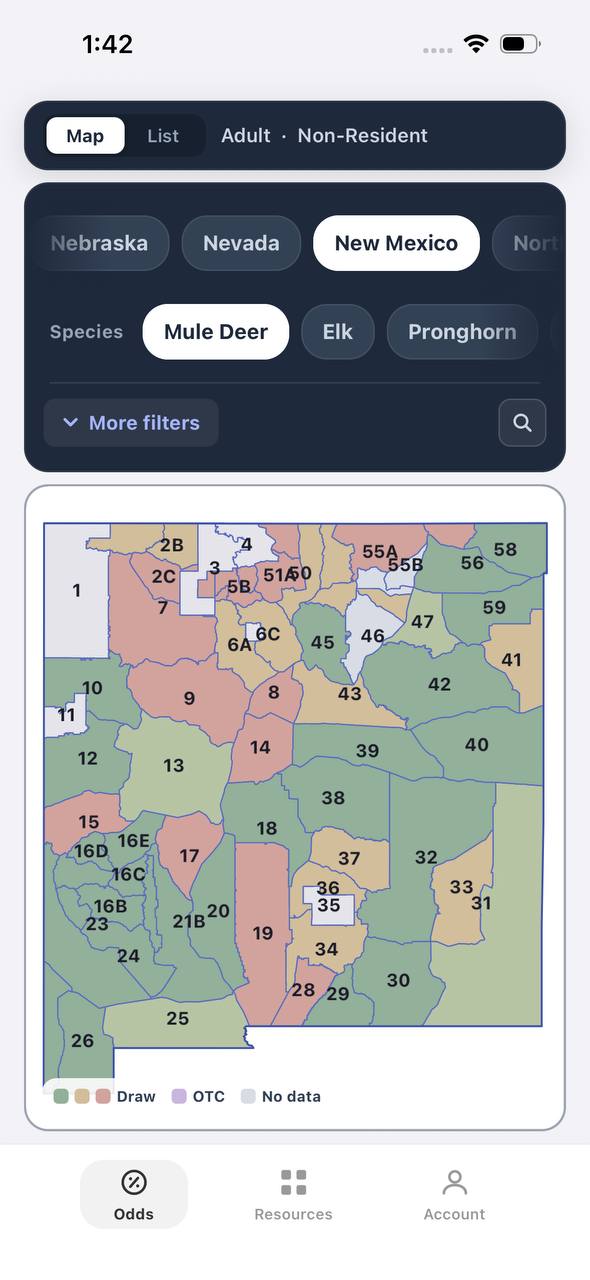
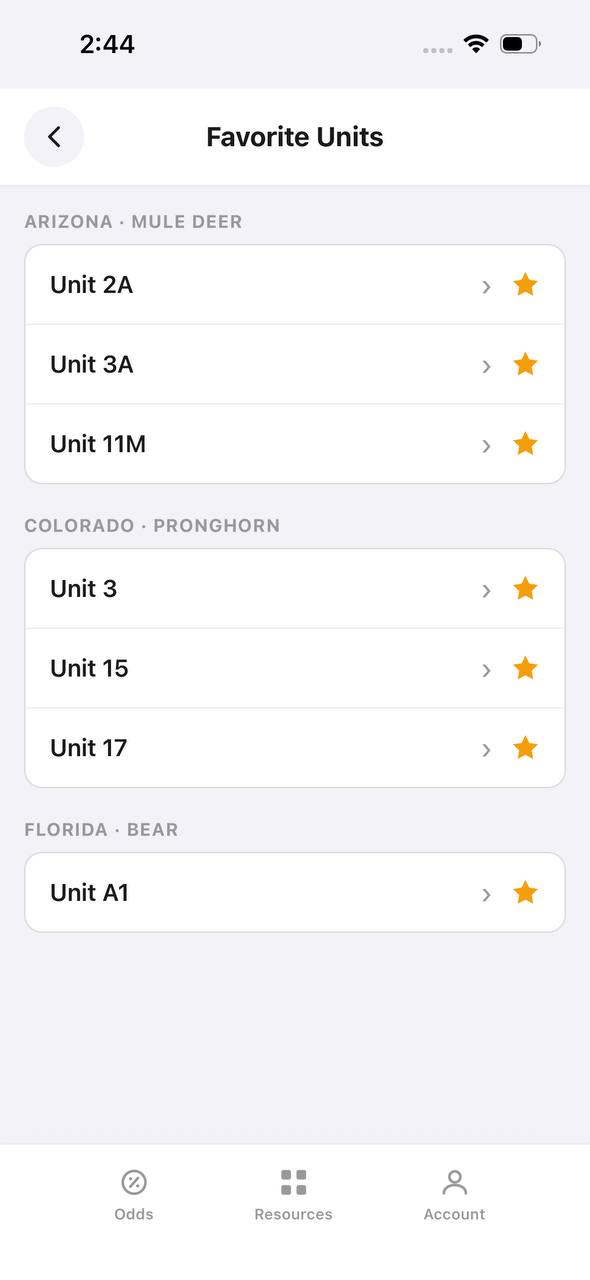
Whether you are applying for limited-entry elk in Colorado or chasing OTC mule deer in Idaho, TAGZ tracks your preference points, bonus points, and draw deadlines across every western state. Compare units side by side using terrain maps and historical draw data. See which hunts match your points, your weapon choice, and your season preferences.
The platform shows you public land boundaries, unit borders, and elevation breakdowns so you know what you are getting into before you apply. No more guessing whether a unit is accessible or whether your points are enough. TAGZ gives you the data to make confident decisions from application season through the hunt itself.
Explore more hunt planning strategies and gear breakdowns on the TAGZ Insights blog, compare your draw odds on the TAGZ platform, or see how a membership simplifies your western hunting applications on the pricing page.
Was this article helpful?
Previous
What to Wear for September Elk Hunting: Layering for Early-Season Backcountry Success
September elk hunting demands versatile clothing that handles 70-degree afternoons and freezing mornings. Learn the layering system that keeps you mobile, quiet, and ready for bugling bulls in unpredictable alpine weather.
Related
Hornady ELD-X Review: Real-World Performance on Western Big Game
The Hornady ELD-X delivers consistent long-range accuracy and reliable expansion on elk, deer, and antelope from 200 to 600+ yards. This deep-dive review covers ballistic performance, terminal results, and how it compares to similar hunting bullets.
Next
How to Recover a Stuck Hunting Truck: Field-Tested Extraction Methods
Getting stuck on remote hunting roads is a rite of passage for Western hunters. Learn proven recovery techniques, essential gear to carry, and prevention strategies that work when you're miles from help.