How to Recover a Stuck Hunting Truck: Field-Tested Extraction Methods
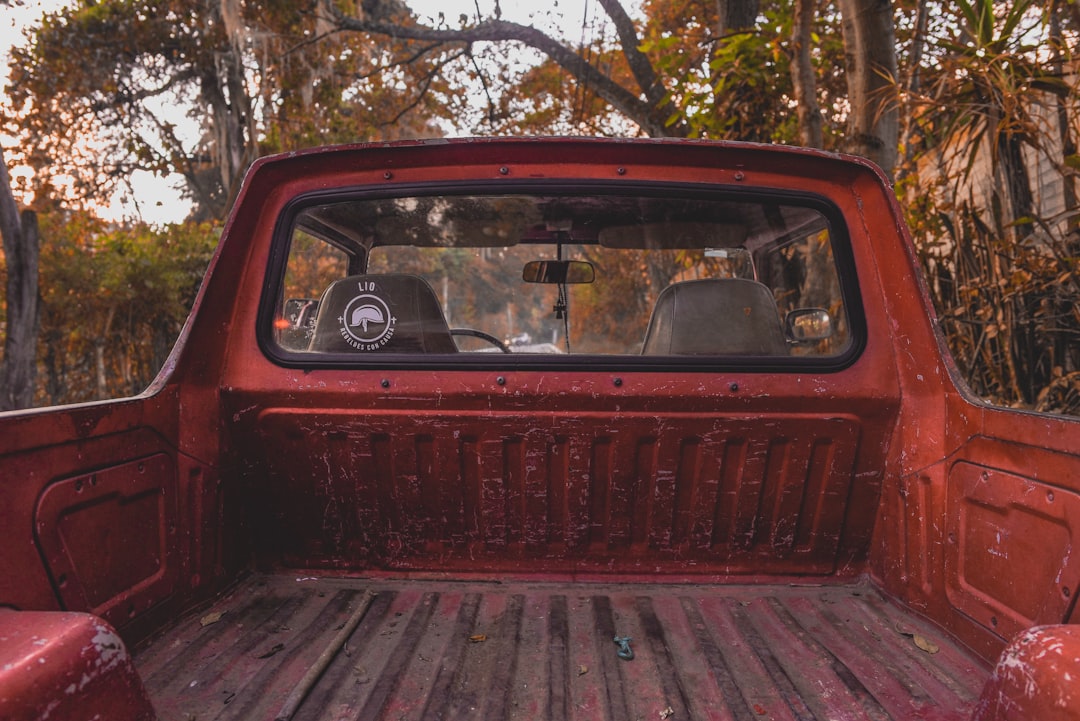
You're five miles down a two-track in Unit 76, glassing country looks perfect, and then you feel it—that sickening loss of momentum as your rear tires sink into a hidden mud hole. Your elk tag burns in your pocket, but right now, getting unstuck is the only thing that matters.
Every Western hunter who chases public land eventually faces this moment. Whether it's October mud in Colorado, spring snow in Montana, or Wyoming gumbo that grabs like cement, knowing how to self-recover can mean the difference between salvaging your hunt and watching your tag go unfilled while you wait for a tow truck that may not arrive until the next day.
Assess the Situation Before You Dig Deeper
The worst mistake is panic-throttling. Spinning tires only digs you deeper and generates heat that turns mud into soup or polishes ice until it's glass. Before you touch the gas pedal again, get out and walk a full circle around your truck.
Look at all four tires. Are you high-centered on the frame or differential? Is one wheel completely off the ground? Are you in a rut, or is the surface just slick? Check what's ahead—sometimes you're only stuck going backward, and fifteen feet forward puts you on solid ground. If you're truly stuck in all directions, you'll need to build traction or change the physics of the situation.
Take photos of your position from multiple angles before you start. If you do need help later, those images give a tow service or fellow hunter crucial information. They also document the scene if you're on the edge of private property or near a closure boundary.
Maximize Traction with What You Have
Before breaking out specialized gear, use the materials around you. Tire traction is about surface area and grip—anything that gets between your tire and the slick surface helps.
Floor mats are the simplest tool. Shove them under the drive wheels as far as you can reach, textured side down. They'll give you enough bite for three to five feet of movement, which is often enough to reach firmer ground. Once you start moving, don't stop until you're on solid footing—you won't get a second chance with the same mats.
Sticks, branches, and sagebrush work when you're stuck in sand or soft dirt. Pile them densely in front of the drive wheels—you're building a temporary road. Flat rocks do the same thing in mud. If you're in deep snow, pack it down in front of your tires by walking on it or using a shovel. Compressed snow supports weight better than loose powder.
Airing down tires increases your contact patch and improves flotation. Drop to 20 PSI for mud, 15 PSI for sand, and as low as 12 PSI for deep snow if you have bead-lock wheels or are moving slowly. Carry a portable compressor so you can air back up before hitting pavement—driving on underinflated tires at highway speeds destroys sidewalls.
Traction Boards: The Most Reliable Self-Recovery Tool
If I could only carry one piece of recovery gear, it would be traction boards. MAXTRAX and similar systems have pulled me out of situations where nothing else would have worked. They're lightweight, stack flat in your bed, and create an instant high-friction surface under your tires.
Place boards as far under the drive wheels as possible, angled slightly upward in the direction you want to move. If you're in deep mud or snow, dig out the space in front of the tire first so the board can lie flat. Engage 4WD, put the transmission in low range, and ease onto the throttle—steady pressure, not wheel spin.
The truck will climb onto the boards and roll forward. Keep momentum but don't floor it, or you'll spit the boards out behind you. Once you're moving, don't stop until you reach firm ground. If the boards kick out, you'll need to reposition them, which means getting stuck again first.
Carry two boards minimum—one per axle. Four boards give you options for really deep trouble, letting you leapfrog them as you advance. I keep mine in a weatherproof bag with a small shovel and heavy gloves. Digging frozen mud bare-handed at 9,000 feet teaches that lesson fast.
Winching Basics for Backcountry Recovery
A quality winch is permanent insurance on your front bumper. An 8,000 to 10,000-pound synthetic-rope winch handles most hunting trucks and weighs less than steel cable. Synthetic rope is safer—if it breaks under load, it falls instead of whipping back like a guillotine.
The physics are simple: you need an anchor point strong enough to support pulling force. Living trees 8 inches in diameter or larger work if you use a tree saver strap, which distributes load and protects bark. Wrap the strap low on the trunk and attach your winch hook to the strap, not the tree itself. Dead trees aren't reliable—I've seen them snap at the base and come down on hoods.
Rocks, boulders, and root systems work if they're genuinely immovable. Test them first. If the truck weighs 6,000 pounds and you're buried axle-deep, you're pulling significantly more than that. A rock that shifts under tension solves nothing.
Run the winch slowly in controlled pulls. Use a winch damper—a heavy blanket or bag draped over the middle of the rope. If the rope or anchor fails, the damper absorbs energy and stops the rope from snapping back into the operator. Keep everyone at least 1.5 times the rope length away from the pull path. I've seen a failed D-ring punch through a plastic toolbox like a bullet.
If no anchor exists within your winch rope's reach, carry a ground anchor like a Deadman or a Pull-Pal. These screw or drive into soil and create an artificial anchor point. They work best in sand and soft dirt, less reliably in rocky or frozen ground.
Free to join
Download mobile app
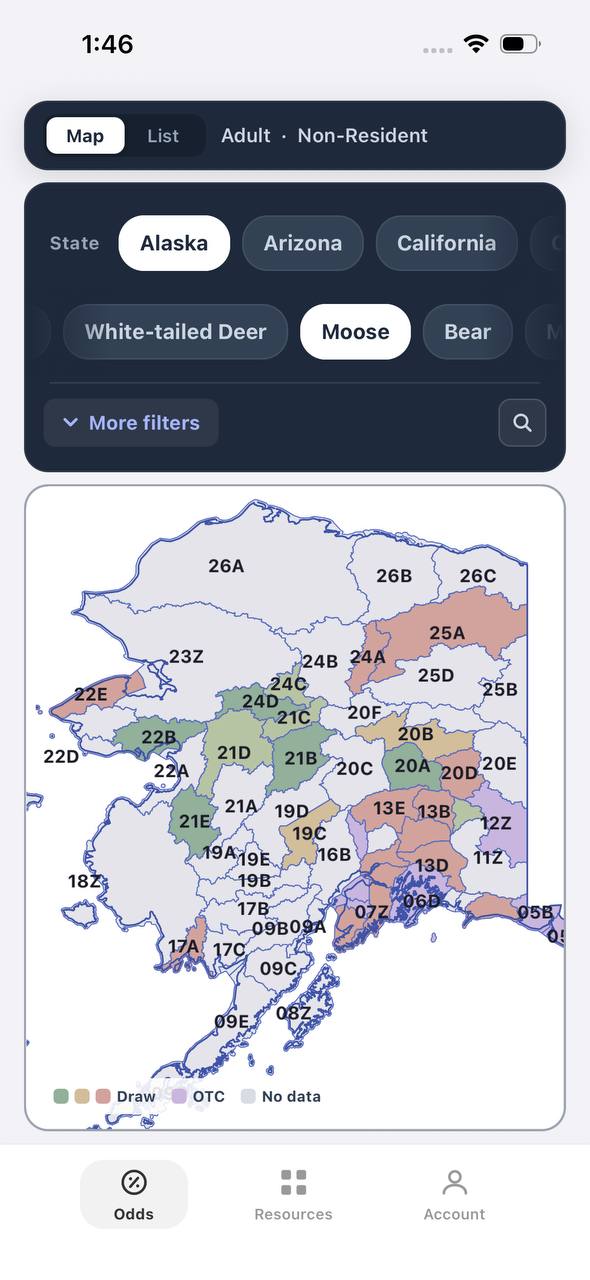
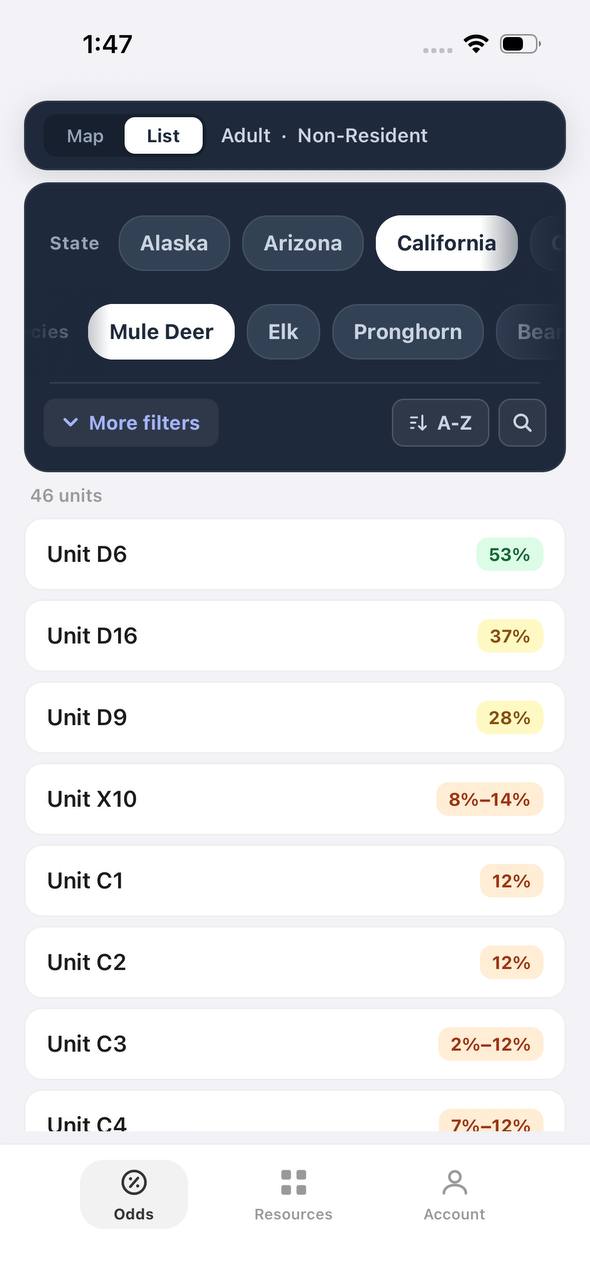
- Detailed draw odds
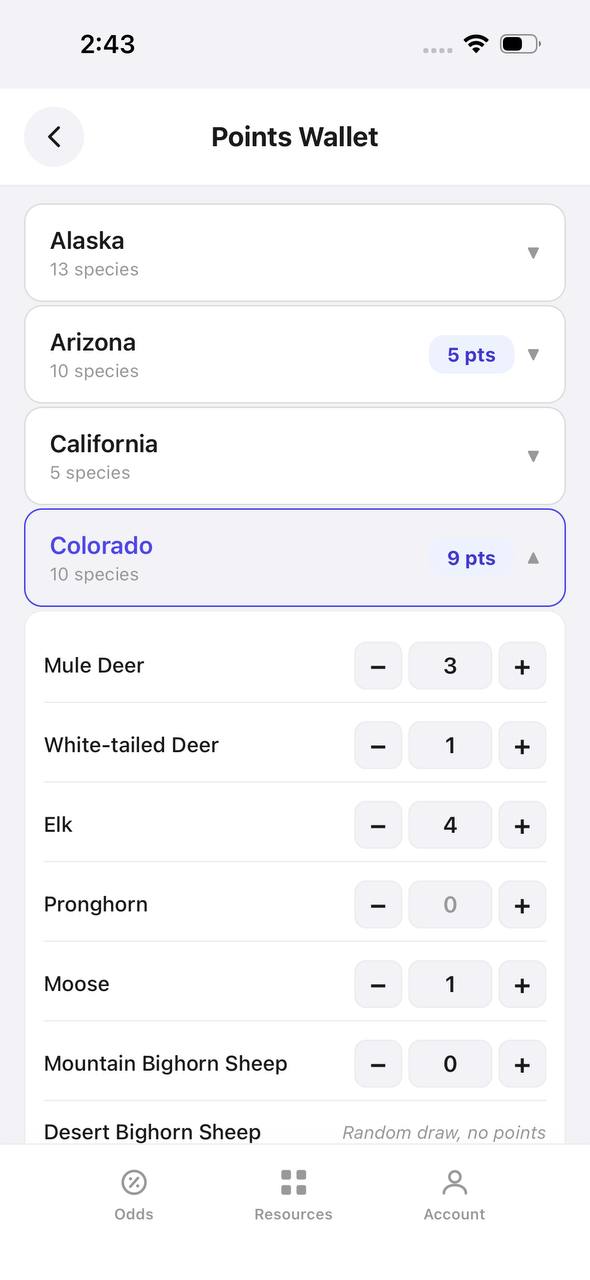
- Point tracking
- Deadline reminders
- 18 states covered

Free to join
Download mobile app
- Detailed draw odds
- Point tracking
- Deadline reminders
- 18 states covered
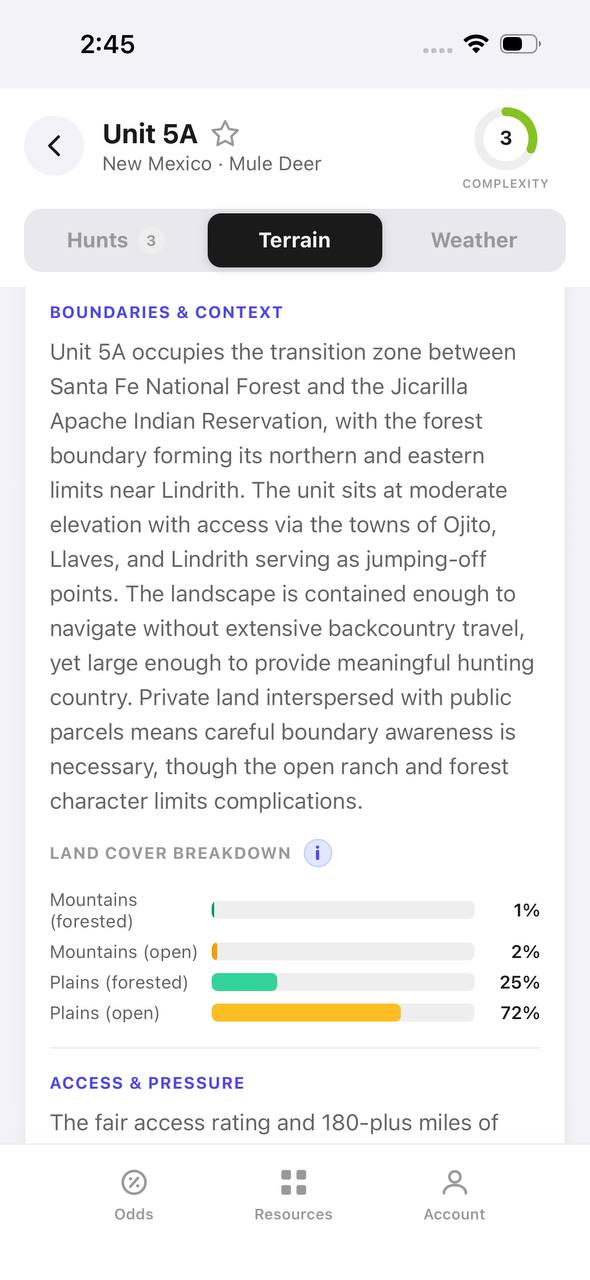
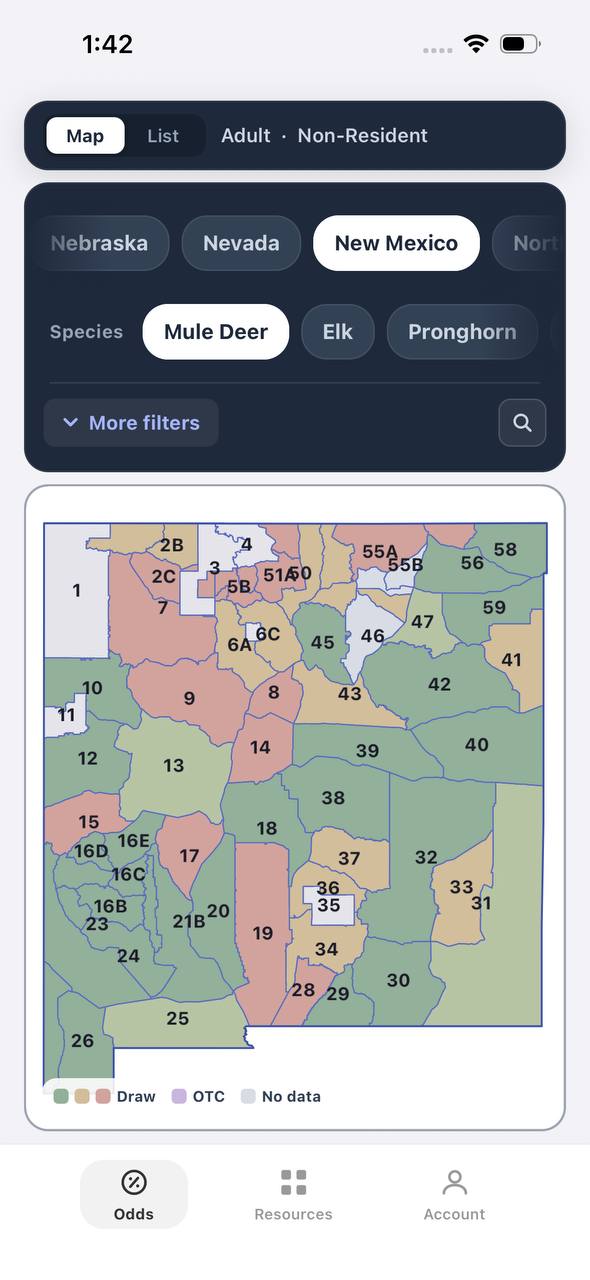
Free to join
Download mobile app
- Detailed draw odds
- Point tracking
- Deadline reminders
- 18 states covered

Hi-Lift Jacks and Kinetic Recovery Straps
Hi-Lift jacks are multipurpose tools that every truck hunter should understand. They're jacks, winches, and clamps depending on how you rig them. The classic use is jacking the truck high enough to fill the rut beneath your tires with rocks or wood, then lowering the vehicle onto a more solid base.
Place the jack base on firm ground—use a wide board or flat rock to prevent sinking. Lift slowly and stabilize the truck as it rises. Never get under a Hi-Lift-supported vehicle. Wheels can shift and the jack can kick out violently. Once the tire is off the ground, pack the hole underneath, lower the truck onto the new surface, and attempt to drive out.
You can also use a Hi-Lift as a hand winch with a chain or strap attachment, though it's slow and physically demanding. The leverage it provides can move a truck inches at a time when no other option exists.
Kinetic recovery straps—also called snatch straps—use elasticity to extract stuck vehicles when another vehicle is available. Unlike tow straps, kinetic straps stretch under load and use that stored energy to yank the stuck truck free. Both vehicles need recovery points rated for the pull. Soft shackles or rated D-rings work—never use a trailer hitch ball, which can snap off and kill someone.
The recovery vehicle backs up to create slack, then accelerates smoothly forward. The strap stretches, loads, and releases that energy into the stuck truck. Done correctly, it's a single clean pull that frees you without the stuck vehicle needing to move its own wheels. It's the fastest way to get moving again, but it requires a second rig and open space for the run-up.
When to Call for Help Instead
Some situations require professional extraction. If you're high-centered on a rock with a punctured oil pan, winching forward only makes it worse. If you're stuck on a steep side-slope and the truck is tipping, attempting recovery can roll you. If you're on ice over water or near a cliff edge, the risk isn't worth it.
Recognize when you're stuck beyond your gear and experience. A $500 tow bill is cheaper than a totaled truck or an injury that ends your season. If you're in cell range, call for help before your battery dies from winching attempts. If you're beyond cell service, your InReach or Zoleo satellite communicator becomes your lifeline.
If you're staying with the truck overnight while waiting for help, conserve fuel. Run the engine for fifteen minutes every hour to stay warm, not continuously. Keep your high-vis vest or orange visible from the air. I always carry extra food, water, and a sleeping bag behind the seat for exactly this scenario—October nights in elk country drop fast.
Prevention: The Recovery You Don't Need
The best recovery is the one you avoid. Walk questionable sections before you drive them. Mud, snow, and standing water hide ruts, rocks, and soft spots. If it looks sketchy on foot, it's worse in the truck.
Carry tire chains for snow and mud. Install them before you need them—putting chains on after you're stuck is ten times harder. Modern ladder chains install in minutes and transform capability on steep, icy two-tracks.
Know your truck's breakover angle, approach angle, and departure angle. Your rear bumper dragging on a rise means you're high-centered before your wheels even lose traction. Lifting a truck two inches and running slightly larger tires makes an enormous difference in clearance—more than most hunters realize.
Travel with a second vehicle on remote hunts when possible. Solo recovery is always harder, slower, and riskier. A hunting partner with a winch and a tow strap turns a potential disaster into a ten-minute inconvenience.
Essential Recovery Gear Checklist
Pack this gear before you leave pavement:
- Two to four traction boards
- Folding shovel or GI entrenching tool
- Heavy-duty work gloves
- Rated recovery straps and soft shackles
- Portable air compressor and tire gauge
- Hi-Lift jack and solid base plate
- Winch with tree saver strap and damper blanket
- Full-size spare tire, inflated and accessible
- Tire chains for conditions
- Headlamp and extra batteries
- Satellite communicator if hunting beyond cell range
Store it in a weatherproof box or bag that stays in the truck year-round. You won't have it when you need it if it's sitting in the garage because you were in a hurry to leave.
Practice Recovery Techniques Before You Need Them
Don't learn winching under pressure at 8 PM with a snowstorm rolling in. Practice in a safe area before season. Get stuck on purpose in a field or mud pit where a buddy can pull you out if your attempts fail. Learn what your traction boards feel like under load. Learn how fast your portable compressor works. Test your winch and confirm your anchor points hold.
Muscle memory matters. The more familiar you are with your gear, the faster and safer your recovery will be when it counts. I practice every summer before archery season, and I discover something new every time—a better technique, a faster setup, a piece of gear that's worn out and needs replacing.
FAQ — Stuck Hunting Truck Recovery
What is the most important recovery tool to carry on hunting trips?
Traction boards. They're lightweight, foolproof, and work in mud, snow, sand, and ice without requiring an anchor point or second vehicle. A $200 set of MAXTRAX or similar boards will recover you from 90 percent of backcountry stuck situations.
Should I keep spinning my tires if I'm stuck?
No. Wheel spin digs you deeper and generates heat that makes mud slicker and polishes ice. If you're not moving forward after two seconds of steady throttle, stop immediately, assess, and try a different approach.
How low can I safely air down my tires for recovery?
Depends on your wheels and speed. On standard rims, 15 PSI is safe for slow off-road recovery. With bead-lock wheels, you can go to 10 PSI. Always carry a portable compressor to air back up before highway driving—underinflated tires overheat and fail at speed.
Do I need a winch if I hunt solo?
Not required, but highly valuable. A winch lets you self-recover using trees, rocks, or a ground anchor when no help is available. If you hunt deep backcountry alone regularly, a winch and satellite communicator are the two most important safety investments.
Can I use a regular tow strap for recovery?
No. Tow straps are for pulling vehicles that can roll freely. Use a kinetic recovery strap (snatch strap) for stuck vehicles—it stretches and stores energy to break suction and inertia. Using a non-elastic tow strap for recovery can snap it or damage recovery points.
What should I do if I'm stuck and losing daylight?
Stop attempting recovery if you're making it worse. Secure the vehicle, mark your location with GPS and visible markers, and settle in for the night if you're safe. Run your engine intermittently to stay warm, conserve fuel, and use your satellite communicator to update someone on your status. Attempting a risky nighttime recovery often creates bigger problems.
Continue Planning Your Hunt
Getting stuck is part of hunting public land, but it doesn't have to end your hunt. The right gear, practiced skills, and smart decisions keep you moving and focused on filling your tag instead of waiting for a tow.
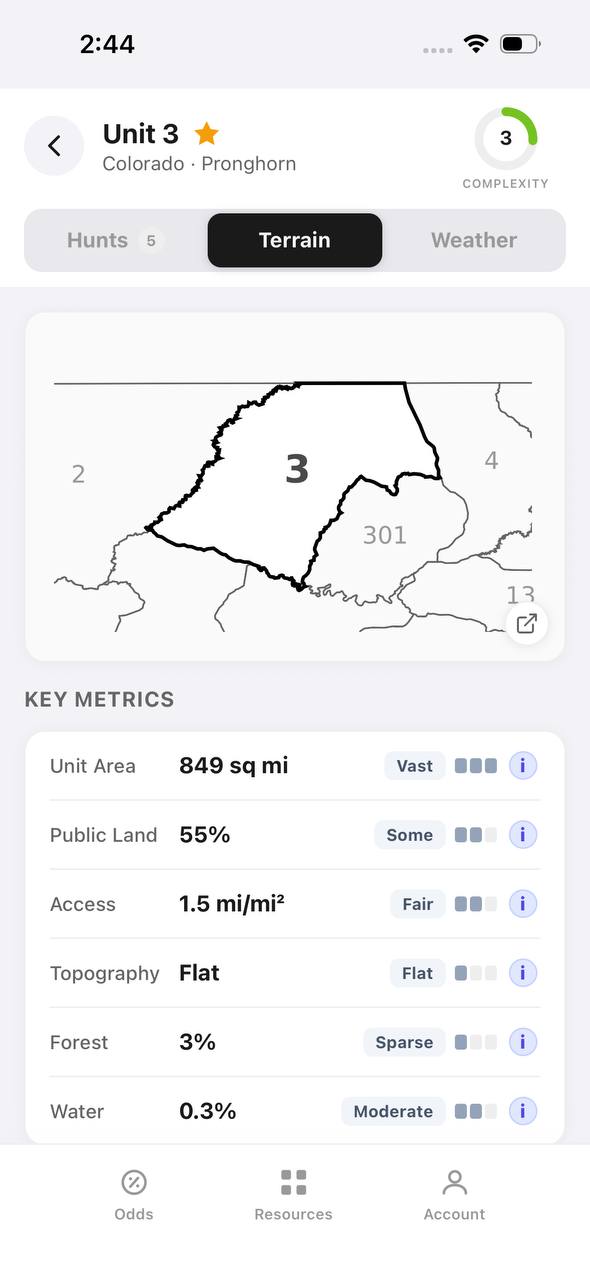
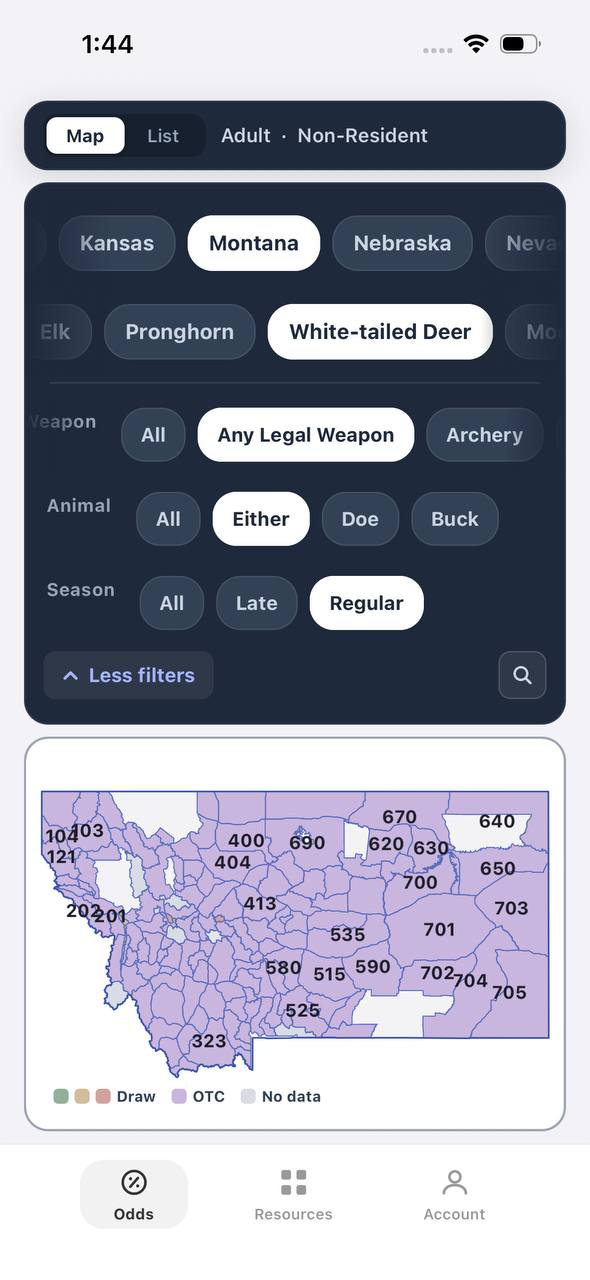
If you're planning a Western hunt and want to research units with better road access, terrain details, and hunt conditions before you commit, TAGZ helps you compare GMUs side by side using detailed maps, historical draw data, and public land boundaries. Filter by weapon type, season, and species to find hunts that match your vehicle's capability and your access comfort level. Whether you're chasing OTC elk tags in Colorado or applying for limited-entry mule deer in Wyoming, TAGZ gives you the unit intelligence to make smarter decisions before you ever leave the pavement. Check out our full hunt planning tools at TAGZ Product or explore more backcountry hunting strategies on the TAGZ Insights page.
Was this article helpful?
Previous
Choosing the Right Bullet for Every Big Game Species
Selecting the correct bullet for your hunt matters as much as shot placement. This guide breaks down bullet construction, weight, and performance for elk, deer, pronghorn, moose, and bear so you can match your ammunition to the animal and the shot.

Related
What to Wear for September Elk Hunting: Layering for Early-Season Backcountry Success
September elk hunting demands versatile clothing that handles 70-degree afternoons and freezing mornings. Learn the layering system that keeps you mobile, quiet, and ready for bugling bulls in unpredictable alpine weather.
Next
Complete Mountain Goat Hunting Guide: Planning, Draws, and Strategy
Mountain goat hunting demands meticulous planning, physical conditioning, and strategic draw management. This comprehensive guide covers application strategies, unit selection, gear essentials, and field tactics for one of North America's most challenging alpine hunts.