What Every Hunter Should Keep in Their Truck During Elk Season
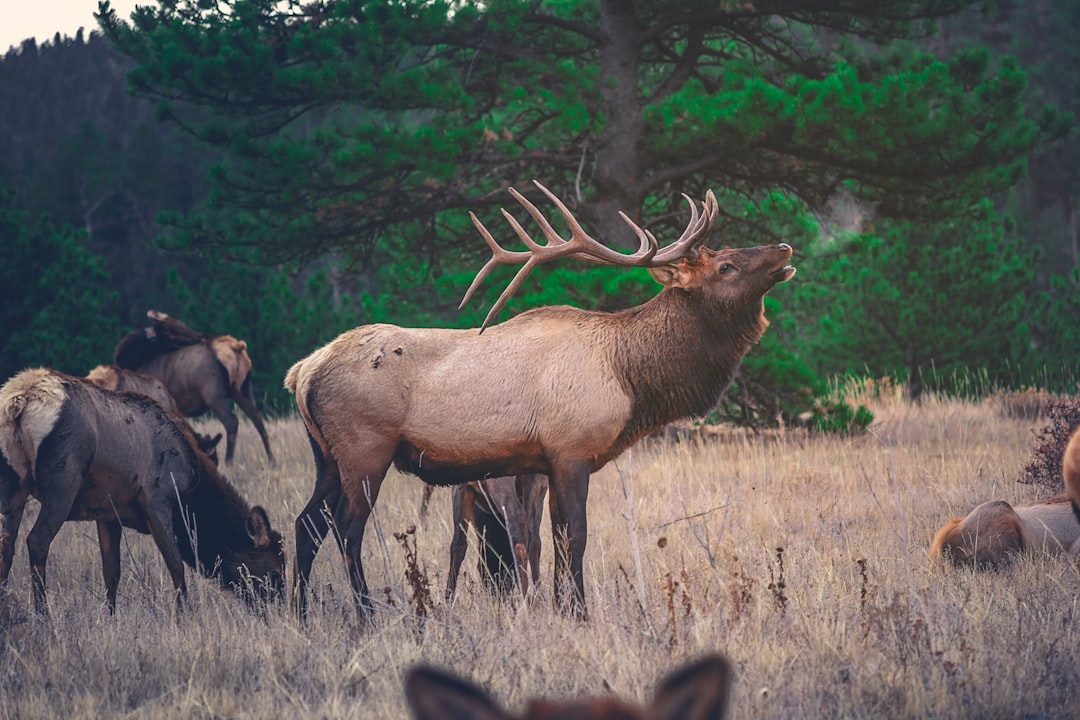
Your truck becomes base camp during elk season. Whether you are glassing from ridgelines or packing meat three miles from the trailhead, having the right equipment staged in your vehicle can save a hunt, a trophy, or even your life. This goes beyond throwing a spare jacket in the back seat. A properly outfitted truck means you are ready for weather shifts, equipment failures, successful kills, and emergencies without racing back to town.
Recovery and Vehicle Equipment
Western elk country means rough roads, steep grades, and conditions that change by the hour. Start with a full-size spare tire and the tools to change it — not the compact spare that came with your truck. Add a heavy-duty jack, lug wrench, and tire pressure gauge. Many hunters run lower tire pressure on forest roads for better traction, then air back up before hitting pavement.
Keep a tow strap rated for your vehicle's weight, a high-lift jack if you hunt solo in remote areas, and a shovel. Not a folding camp shovel — a real digging tool with a fiberglass handle. You will use it to clear mud, snow, or dig out from soft ground. Add traction aids like MaxTrax boards or tire chains depending on your region. Montana and Wyoming hunters deal with early snow; Colorado and New Mexico hunters face monsoon mud in September.
A good set of jumper cables or a portable jump starter is non-negotiable. Cold mornings kill batteries. So do leaving your headlamp plugged into the 12V outlet overnight.
Game Care Essentials
The moment you squeeze the trigger, the clock starts. Meat care separates successful hunts from wasted animals. Keep a complete game processing kit in your truck at all times: multiple sharp knives, a knife sharpener, game bags (enough for an entire elk — at least eight bags), paracord or rope for hanging quarters, and disposable gloves.
A bone saw speeds up quartering. Havalon replaceable-blade knives work well for caping and detail work, but carry a fixed-blade for heavy work like splitting the pelvis. Bring twice as many game bags as you think you need. Dirt happens, bags tear, and you might help a buddy pack out his bull.
Coolers make a massive difference. Two large coolers with block ice keep meat cold for days if you are camping or hunting far from home. Drain plugs are your friend — melting ice needs somewhere to go. If you draw a tag in a unit with no cell service and a six-hour drive home, proper coolers are the difference between keeping or losing several hundred pounds of meat.
Weather and Clothing Backup
Elk season spans August heat to November snow, sometimes in the same week. Stage extra clothing in your truck regardless of the forecast: an insulated jacket, rain gear, extra socks, gloves, and a warm hat. Wet cotton kills. Synthetic or wool layers save hunts.
Keep a space blanket or emergency bivy in the cab along with waterproof matches and fire starter. If you twist an ankle five miles from the truck at dusk, that $8 emergency blanket becomes priceless. Add hand warmers and a small stove with fuel if you hunt late season. Hot coffee at 5 AM in single-digit cold is not a luxury; it is a mental health requirement.
Navigation and Communication Tools
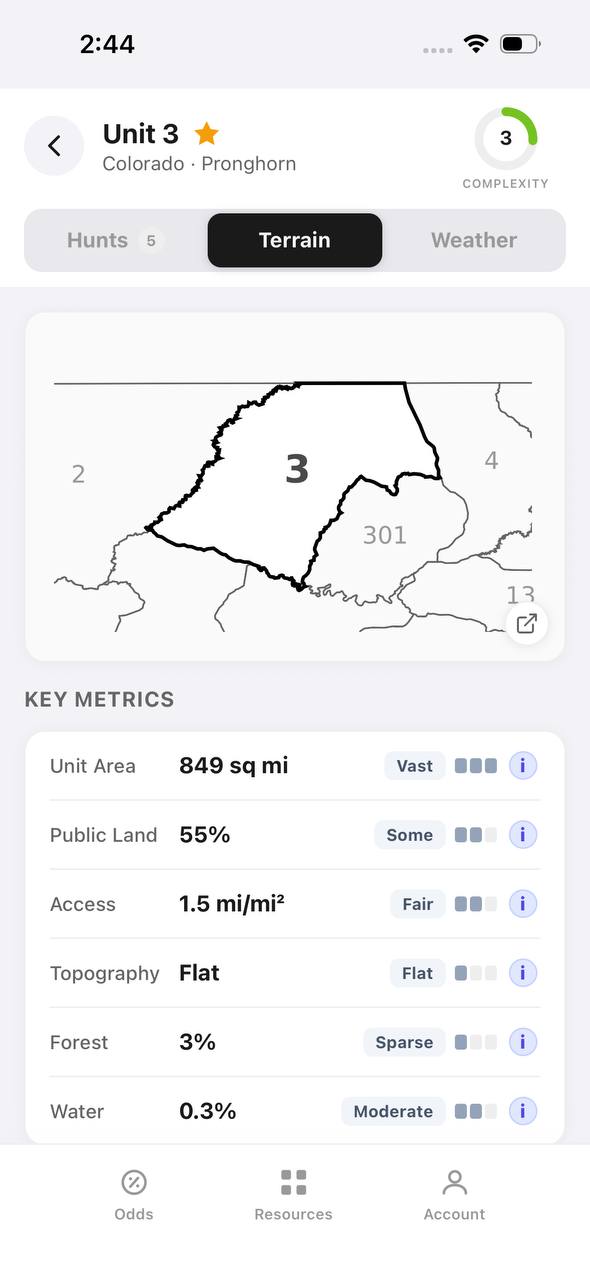
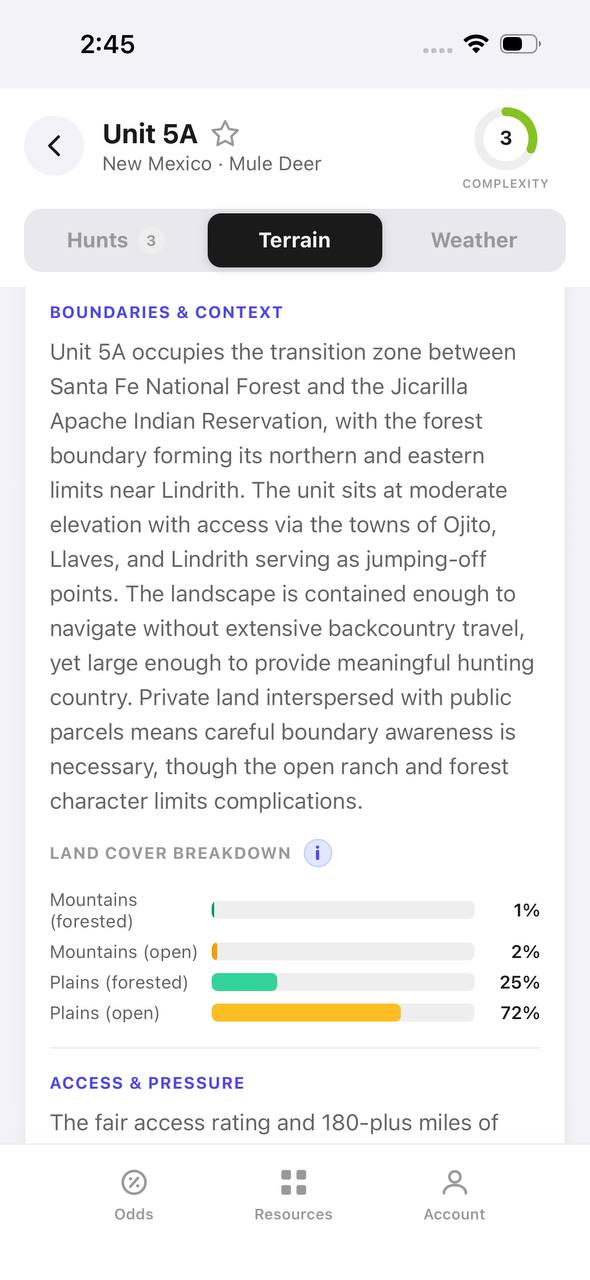
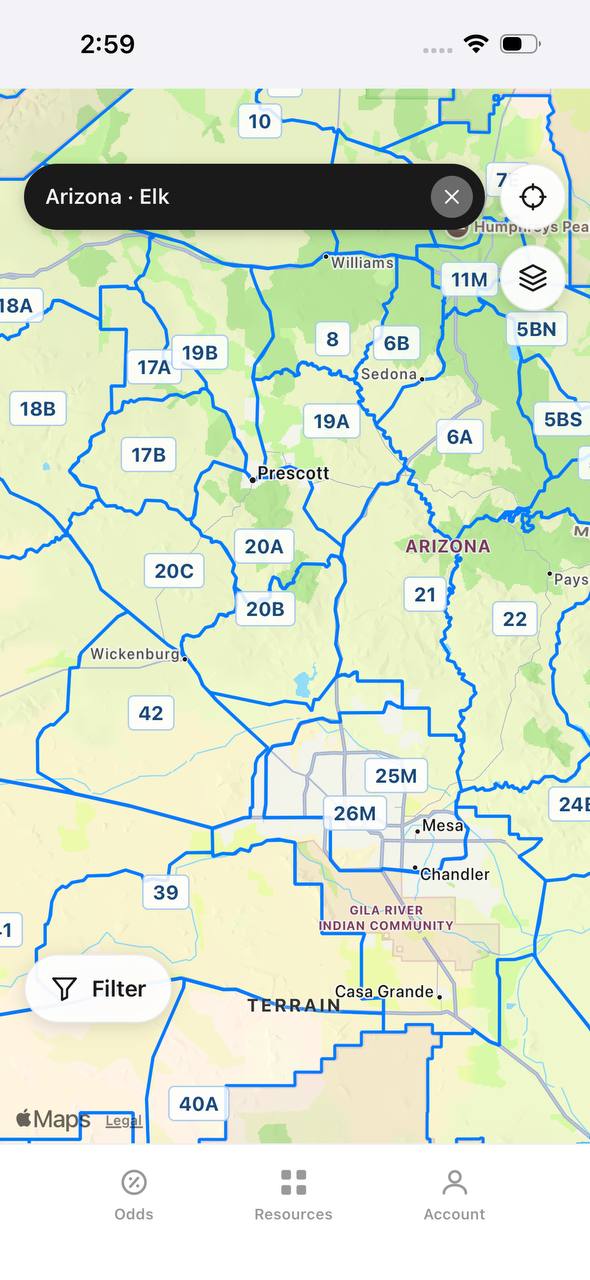
Your phone will die. Your GPS will glitch. Paper maps and a compass live in your glove box as backups. Print unit maps before leaving home — TAGZ provides unit boundaries and terrain breakdowns that help you pre-scout and mark waypoints. Laminate them or keep them in waterproof map cases.
Carry a portable phone charger or a solar charger if you are camping for a week. A handheld GPS with fresh batteries is worth the weight if you hunt thick timber or above treeline where landmarks disappear in fog. Mark your truck location as a waypoint before you leave it. It sounds basic until you are trudging back after dark in unfamiliar country.
Two-way radios help if you hunt with a partner and split up. Cell service is a coin flip in elk country. Satellite communicators like a Garmin inReach cost money but provide two-way messaging and SOS capability anywhere. They also let you tell your family you are okay when you decide to camp another night instead of hiking out.
Free to join
Download mobile app
- Detailed draw odds
- Point tracking
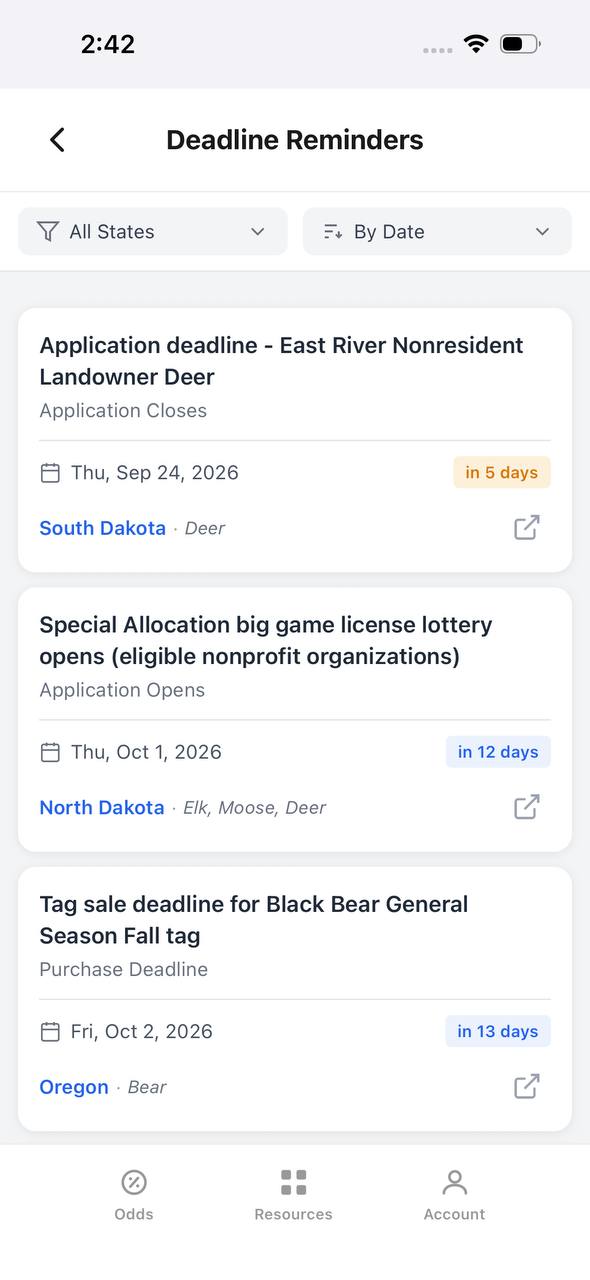
- Deadline reminders
- 18 states covered

Free to join
Download mobile app
- Detailed draw odds
- Point tracking
- Deadline reminders
- 18 states covered
Free to join
Download mobile app
- Detailed draw odds
- Point tracking
- Deadline reminders
- 18 states covered
Medical and Emergency Supplies
A serious first aid kit belongs in every hunting truck. Not a drugstore kit with twelve bandaids — a real trauma kit with tourniquets, Israeli bandages, hemostatic gauze, and trauma shears. Gunshot wounds and knife accidents happen. So do falls, broken bones, and getting gored by a wounded bull.
Add basics like pain relievers, blister treatment, medical tape, antibiotic ointment, and prescription medications if you need them. Snakebite kits if you hunt rattlesnake country. An EpiPen if you are allergic to bee stings. Check expiration dates every season.
Keep an emergency food stash — energy bars, nuts, dried fruit, something calorie-dense that does not spoil. Dehydration kills faster than hunger, so store water or a filtration system. A Sawyer Mini filter weighs almost nothing and turns any creek into drinking water.
Hunting-Specific Gear Backups
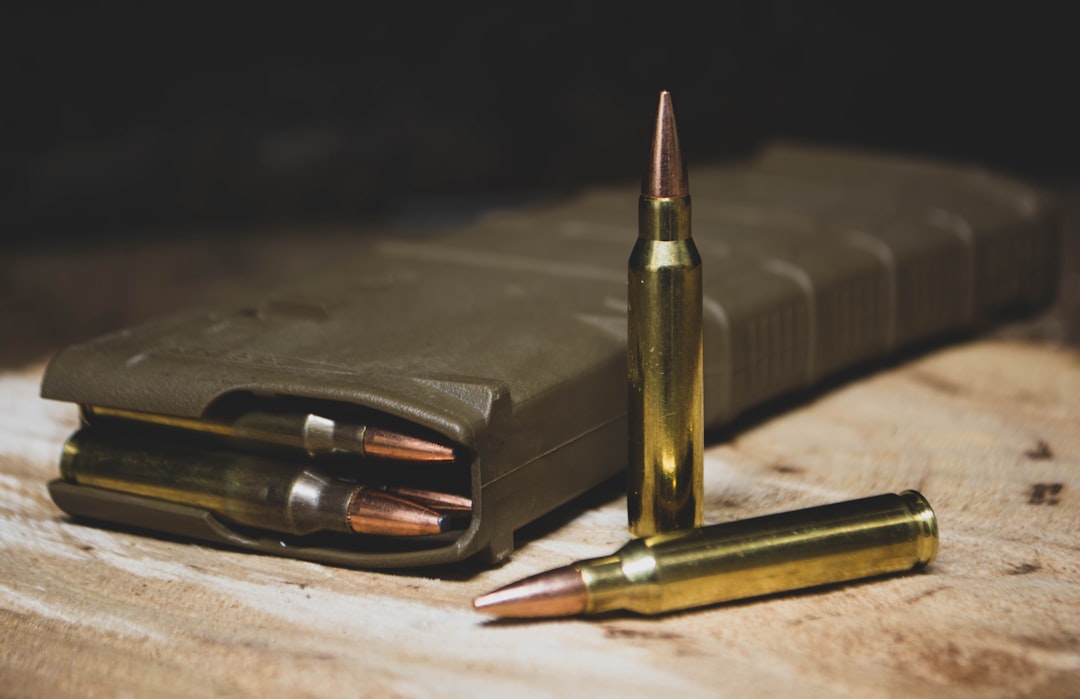
Even if you pack light into the backcountry, your truck should hold backups for critical equipment. Extra ammunition — at least one full box. A backup rangefinder or binoculars if yours break. Spare batteries for everything electronic. Paracord, duct tape, zip ties, and a multi-tool fix 90% of field repairs.
Keep shooting sticks or a bipod in the truck even if you usually shoot freehand. You might get a shot across a canyon that demands a rest. A drag rope or game cart helps move meat in flat country. A headlamp with fresh batteries and a backup flashlight live in your console — fumbling with a dead light while quartering an elk in the dark is a nightmare.
If you bowhunt, stage a backup release, extra arrows, broadheads, and bowstring wax. Strings fray. Releases fail. Arrows break on rocks. Murphy's Law applies double during elk season.
Sanitation and Comfort Items
Hunting is dirty work. Keep wet wipes, hand sanitizer, paper towels, and trash bags in your truck. A separate bag for bloody clothes and gear keeps your cab cleaner. A small camp chair makes glassing or waiting out weather far more tolerable.
Toilet paper and a small shovel (yes, another shovel) handle bathroom needs when you are miles from a vault toilet. Add sunscreen, lip balm, and bug spray depending on when you hunt. September elk hunters deal with mosquitoes and flies. November hunters deal with chapped lips and windburn.
Free to join
Download mobile app
- Detailed draw odds
- Point tracking
- Deadline reminders
- 18 states covered
Free to join
Download mobile app
- Detailed draw odds
- Point tracking
- Deadline reminders
- 18 states covered
Free to join
Download mobile app
- Detailed draw odds
- Point tracking
- Deadline reminders
- 18 states covered
Tools and Repair Supplies
A basic tool kit covers most vehicle issues: socket set, screwdrivers, pliers, adjustable wrench, electrical tape, and zip ties. Fuses for your truck's electrical system live in a small plastic case in your console. Headlight bulbs and taillight bulbs are cheap insurance — getting pulled over for a burned-out light on the way home from a hunt wastes time and money.
Bungee cords, ratchet straps, and rope secure loads. If you are hauling meat, gear, or a cape, load security matters for safety and game laws. A small air compressor plugs into your 12V outlet and reinflates tires after airing down for traction.
Why TAGZ Helps You Hunt Smarter
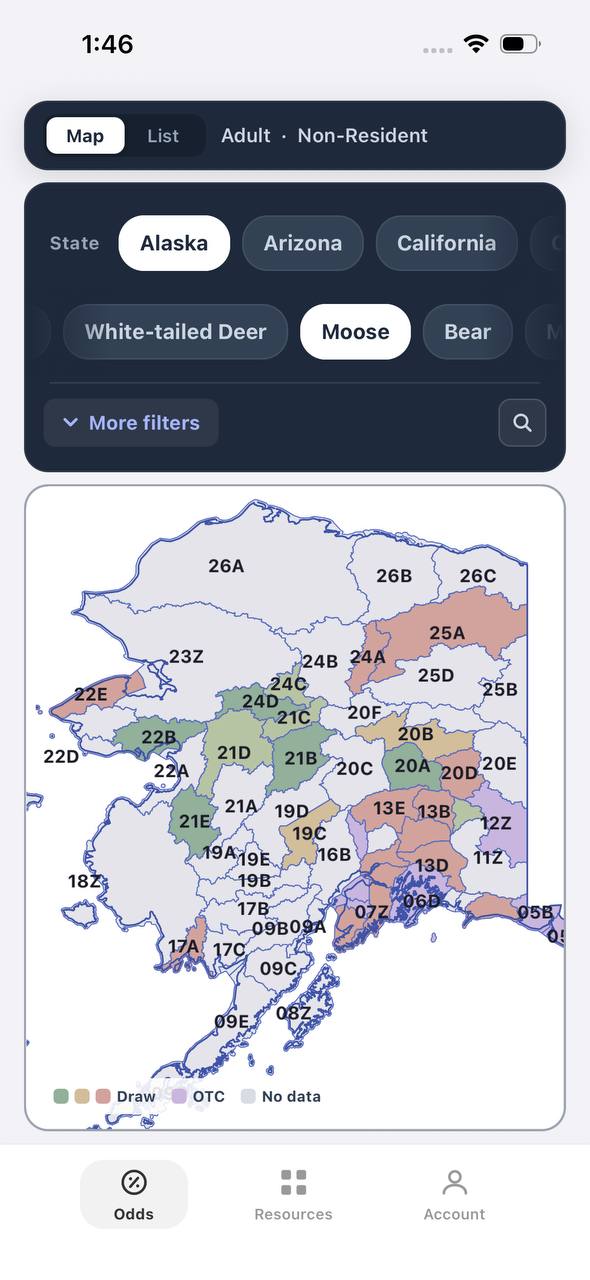
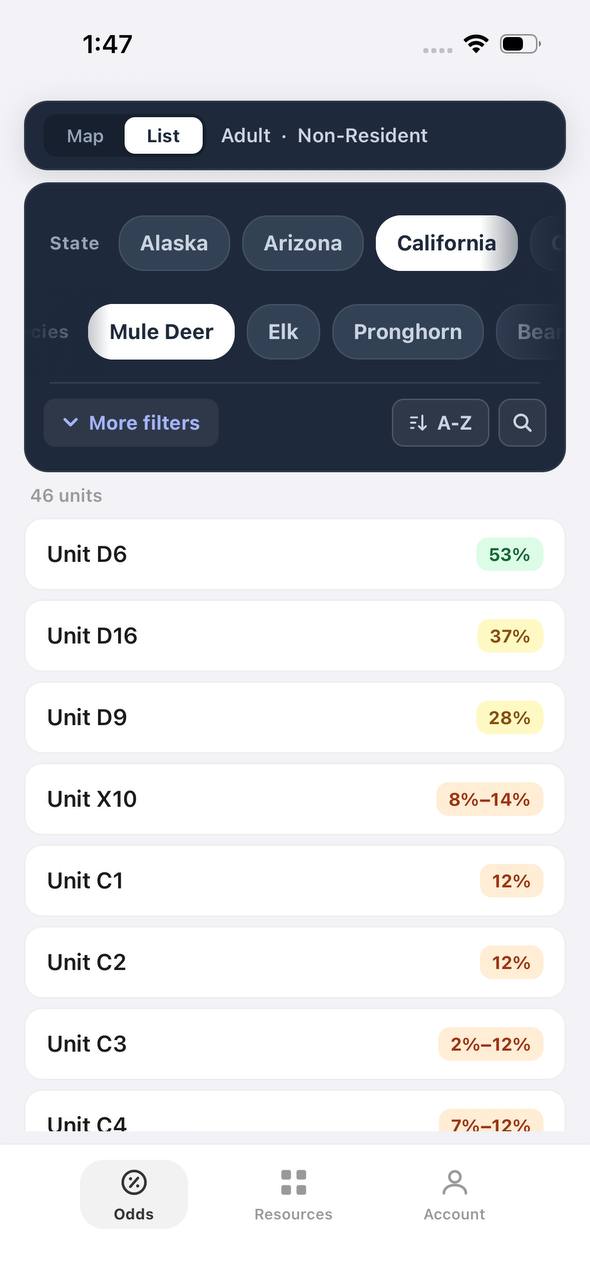
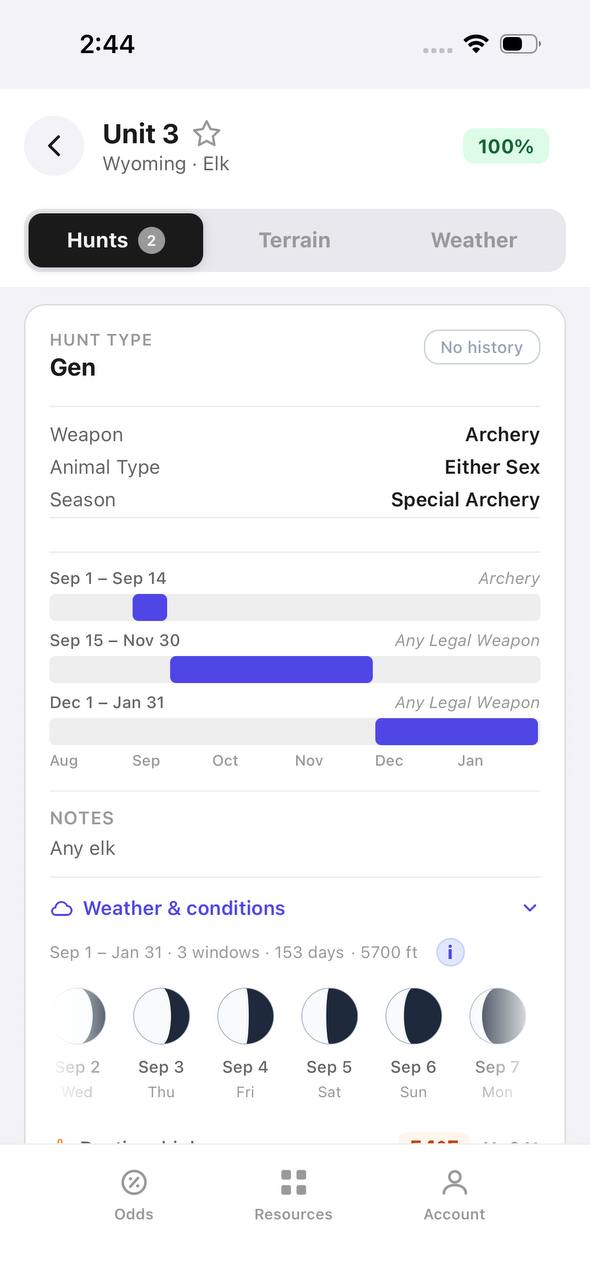
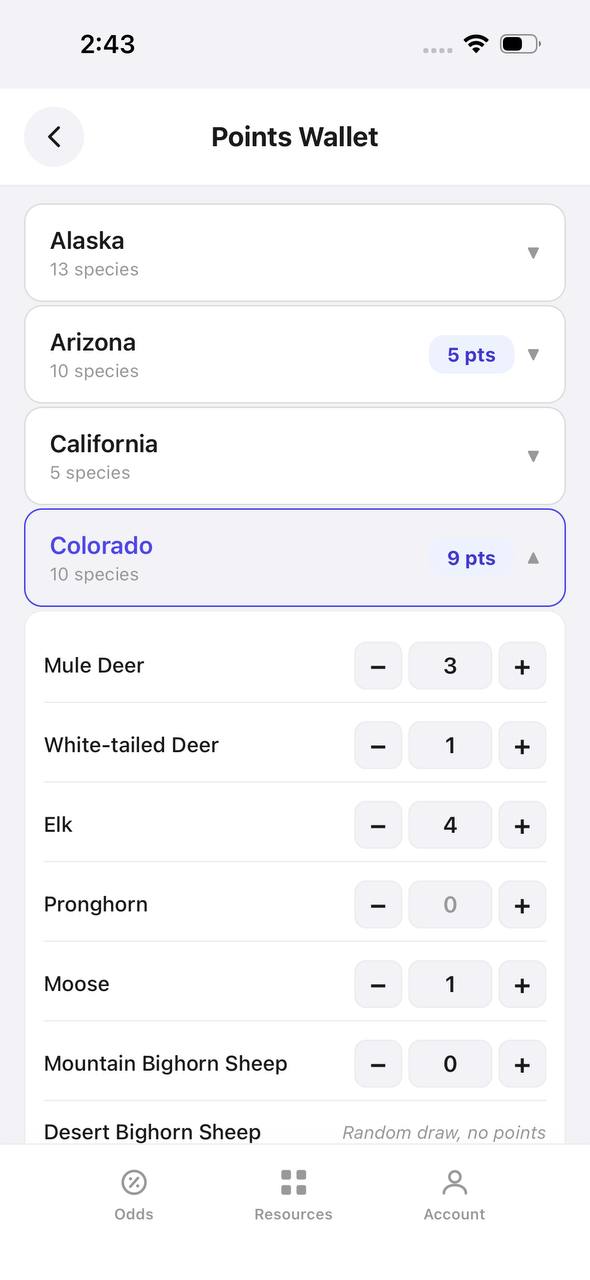
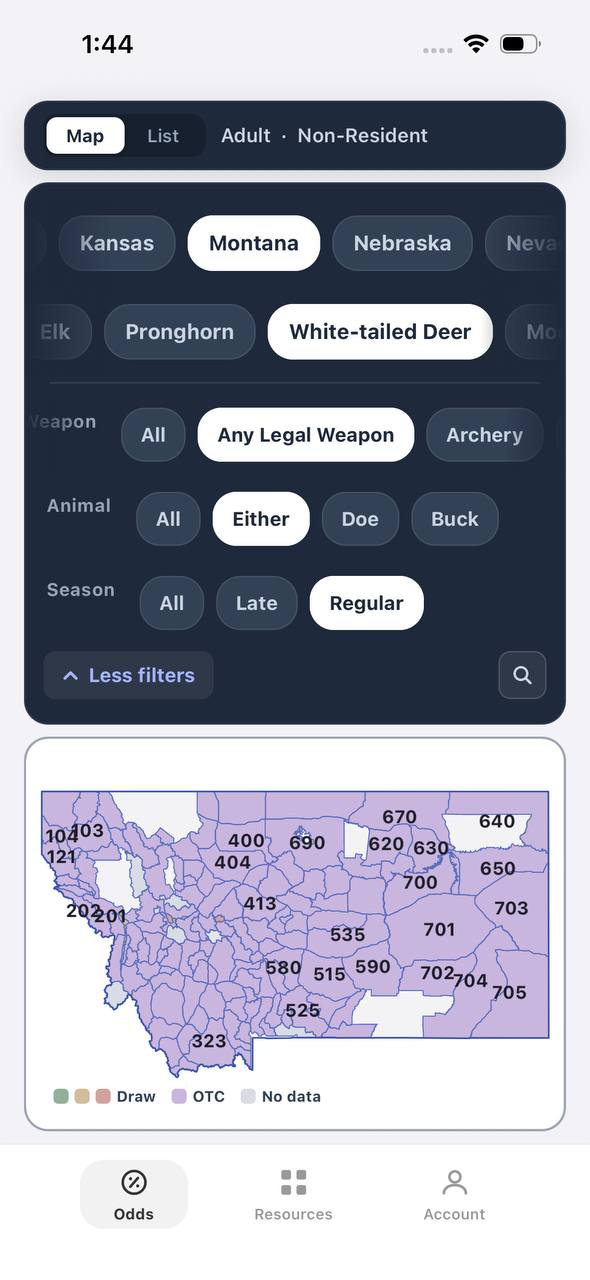
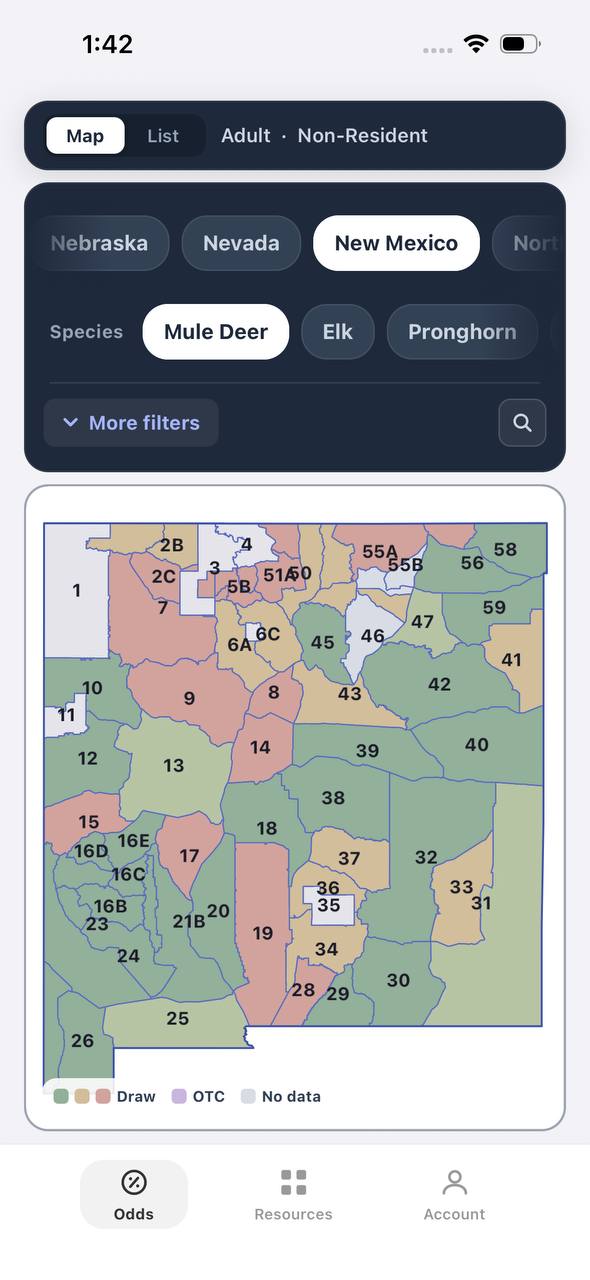
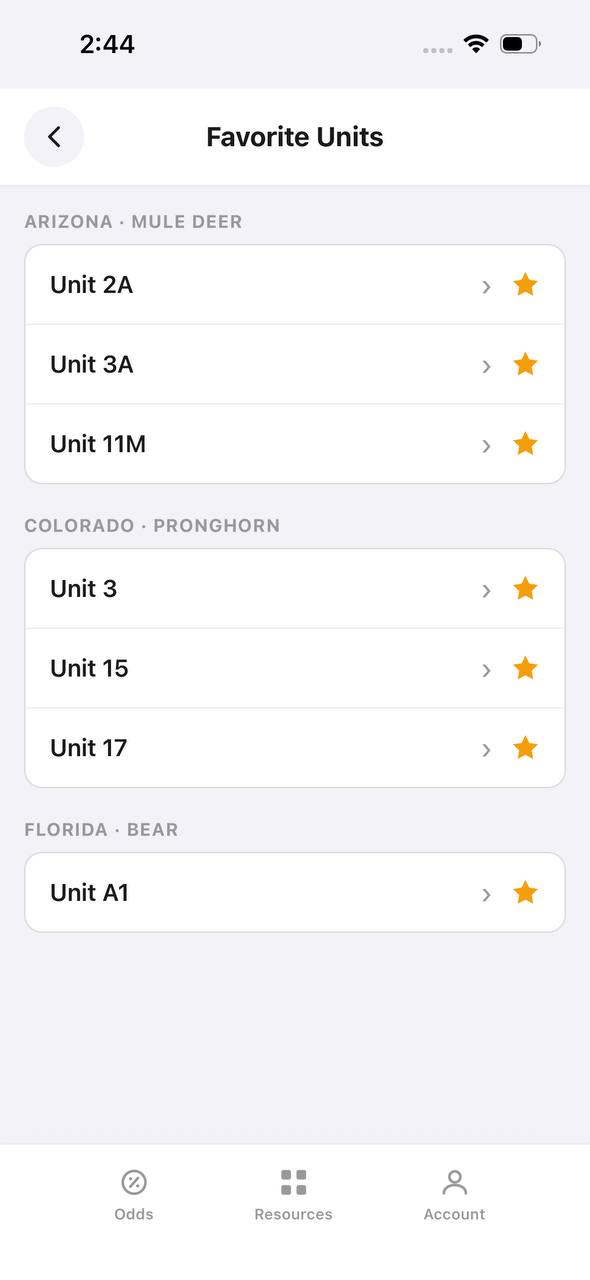
Once your truck is outfitted, the next step is knowing where to go. TAGZ helps elk hunters compare units side by side using terrain maps, unit boundaries, and historical draw data. Track your preference points and bonus points across multiple states so you never miss a draw deadline. Whether you are chasing Colorado OTC tags or planning a limited-entry hunt in Nevada, TAGZ gives you the tools to make smarter decisions before you ever load the truck.
Filter hunts by weapon type, season dates, and draw odds. See which units offer the best combination of access, public land, and harvest success. The platform breaks down terrain so you understand what you are getting into before you burn points or cash on a tag.
Free to join
Download mobile app
- Detailed draw odds
- Point tracking
- Deadline reminders
- 18 states covered
Free to join
Download mobile app
- Detailed draw odds
- Point tracking
- Deadline reminders
- 18 states covered
Free to join
Download mobile app
- Detailed draw odds
- Point tracking
- Deadline reminders
- 18 states covered
Organization Systems That Work
Gear does no good if you cannot find it. Use plastic totes or action packers to organize by category: one for game care, one for tools, one for emergency supplies. Label them. Keep frequently used items like knives, headlamps, and fire starters in a smaller bag that moves from truck to pack easily.
Mount a truck bed toolbox or drawer system if you have the budget. Keeping gear dry and organized in a covered storage system beats digging through a jumbled pile in the back seat. Cabela's, Decked, and TruckVault all make systems designed for hunters.
Restock after every hunt. Game bags get used. Batteries die. Snacks disappear. A mid-season inventory check keeps you ready instead of scrambling the night before opening day.
Regional Considerations
Colorado and Wyoming hunters need snow chains or traction devices by late October. Arizona and New Mexico hunters prioritize extra water and shade — August heat in Unit 10 hits triple digits. Montana and Idaho hunters deal with grizzly country, which means bear spray accessible in the cab, not buried in a tote.
If you hunt public land near wilderness boundaries, consider a satellite communicator mandatory. Cell towers are sparse. If you hunt close to roads in heavily trafficked units, a simple cell phone charger suffices.
Continue Planning Your Hunt
Building the right truck kit is part of serious hunt preparation, but choosing the right unit and timing your applications makes or breaks your season. TAGZ helps western hunters make smarter decisions with tools that simplify draw odds, point tracking, and hunt planning across multiple states.
Explore detailed unit information and draw data on the TAGZ platform. Compare terrain, filter by weapon and season, and track your points in one place. For more hunt planning strategies and unit breakdowns, check out the TAGZ Insights blog. If you are ready to take control of your western hunting applications, start your free trial at TAGZ Pricing.
FAQ — Elk Season Truck Gear
What is the most important item to keep in your truck during elk season?
A complete game care kit including sharp knives, game bags, rope, and gloves. The moment you harvest an elk, proper meat care becomes critical, and you cannot drive to town for supplies without risking spoilage.
How many game bags should I carry for elk?
At least eight large game bags for an entire elk — four quarters, two front shoulders, two backstraps, and loose meat. Carry extras because bags tear, get dirty, or you might help another hunter pack out.
Do I really need a satellite communicator for elk hunting?
If you hunt remote units with no cell service, yes. Satellite communicators provide two-way messaging, weather updates, and SOS capability. They are essential in true backcountry but overkill if you hunt near roads with reliable cell coverage.
What kind of cooler setup works best for keeping elk meat cold?
Two large coolers with block ice keep meat cold for several days. Drain plugs are critical as ice melts. If you are camping or driving long distances, proper coolers are the difference between keeping or losing hundreds of pounds of meat.
Should I carry extra ammunition in my truck?
Yes, at least one full box. Ammunition gets lost, and rifles can lose zero after a hard hike or vehicle ride. Having backup ammo means you can re-sight your rifle in the field if needed.
What recovery equipment do I need for mountain roads?
A full-size spare tire, heavy-duty jack, tow strap, shovel, and traction aids like MaxTrax or chains. Western forest roads turn into mud pits or snowpack quickly, and getting stuck without recovery gear ends your hunt.
How often should I restock my truck gear?
After every hunt. Check batteries, replace used game bags, refill snacks and water, and verify first aid supplies. A mid-season inventory in October keeps you ready through November without last-minute scrambling.
Was this article helpful?
Previous
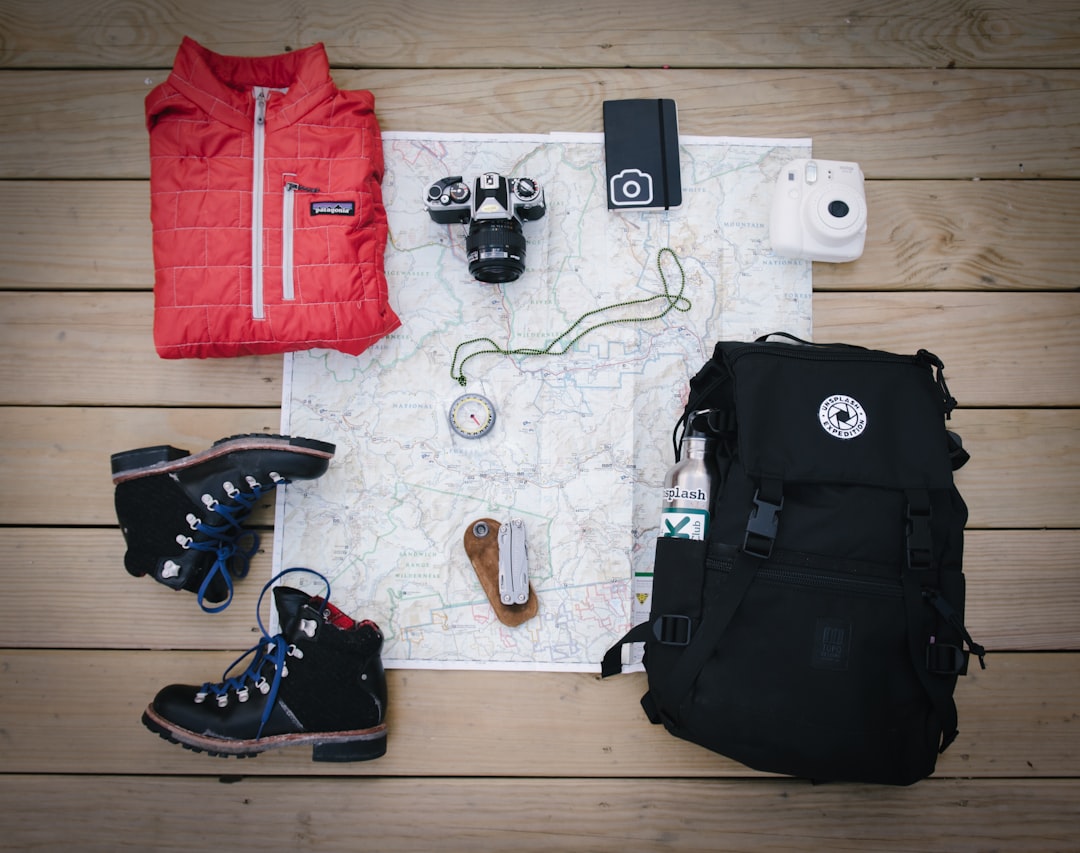
Essential Gear Guide for Western Big-Game Hunters — What You Actually Need
From layering systems to optics and packs, this gear guide breaks down what serious western hunters need in the field. Focus on proven equipment that performs when it matters most.
Related
Best Cow Calls for Elk Hunting: Field-Tested Picks That Actually Work
The right cow call can mean the difference between filling your tag and watching bulls ghost past out of range. We break down the best elk cow calls for every hunting style, from aggressive September bugling setups to late-season coaxing.

Next
Best 7mm-08 Mule Deer Ammo: Top Loads for Western Hunts
The 7mm-08 Remington delivers excellent performance on mule deer with the right ammunition. This guide covers the best factory loads and bullet weights for western hunting situations, from open sagebrush to timber.