Best Cow Calls for Elk Hunting: Field-Tested Picks That Actually Work

Walk into any hunting shop in September and you'll find a wall of elk calls promising to bring bulls charging in. The reality? Most hunters grab the wrong call for their skill level or hunting situation, then wonder why nothing responds. Cow calls are the backbone of elk communication — bulls hear them constantly during the rut, which makes them less suspicious than bugles. But not all cow calls perform the same in the field.
After two decades guiding elk hunts across Montana, Colorado, and Idaho, I've watched hundreds of hunters fumble with calls that either require too much skill or sound flat when it matters. The best cow call for you depends on three things: your experience level, the hunting pressure in your unit, and whether you're calling solo or with a partner. Here's what actually works when a bull is inside 200 yards and deciding whether to commit.
Why cow calls outperform bugles in pressured units
Bulls in heavily hunted areas hear bad bugles all season. Every truck hunter with a mouth call tries to sound like a six-point screaming challenge, and by mid-September, mature bulls have learned to avoid those sounds. Cow calls trigger a different response — bulls instinctively move toward feeding herds, especially when they hear relaxed mews and chirps that suggest receptive cows.
In units with significant hunting pressure, I've watched bulls that completely ignored bugles walk straight toward soft cow calling. The key is sounding natural, not aggressive. A single cow mew carries less risk than a full bugle sequence, and you can call more frequently without educating bulls to your presence. This matters most during mid-rut when herd bulls are already vocal — adding more cow sounds to the mix keeps you under the radar while still triggering curiosity.
Diaphragm calls: maximum versatility for experienced callers
Diaphragm calls sit on the roof of your mouth and produce sound using latex reeds vibrated by air pressure. They're hands-free, which means you can call while drawing your bow or shouldering your rifle. The learning curve is steep — expect a week of practice before you sound remotely like an elk — but once you dial them in, diaphragms offer the widest tonal range of any call type.
The Phelps Signature Series AMP remains my top pick for hunters who've mastered diaphragm fundamentals. The three-reed design produces clean cow mews and estrous chirps without the raspy overtones that spook educated bulls. It's thick enough to handle aggressive calling when you need volume, but responsive enough for soft contact mews at close range. The frame is slightly smaller than budget models, which helps if you have a narrow palate or gag easily.
For beginners, the Primos Hyper Lip Single offers a gentler entry point. Single-reed calls are far easier to control than multi-reed designs, and this model's thin latex produces realistic mews with minimal air pressure. You won't get the volume for long-distance calling, but it excels at 100 yards and closer where tone matters more than decibels. I hand these to first-time elk hunters and have them sounding passable within two days of practice.
Diaphragms shine when you're moving fast through timber or calling in tight quarters where you need both hands free. The downside is maintenance — latex reeds dry out and split, especially if you leave them in a hot truck or don't rinse them after each hunt. Carry a backup, and replace reeds every season even if they look fine. A split reed mid-setup has cost me more shot opportunities than I care to admit.
External reed calls: instant results for any skill level
External reed calls use a plastic or wood barrel with an exposed latex reed that vibrates when you blow across it. They require almost zero learning curve — most hunters produce elk-quality sounds within five minutes — and they're nearly indestructible. The trade-off is that they're not hands-free, which matters when a bull appears suddenly and you need to grab your weapon.
The Primos Hoochie Mama has been the standard for external reed calls since the 1990s, and for good reason. The single-reed design produces authentic cow mews and estrous whines that sound identical to wild elk, even in the hands of a complete novice. The open reed responds to subtle changes in breath pressure, which lets you add emotion to your calls — anxious chirps, contented mews, or aggressive whines — without changing hand position. At 40 yards, bulls can't tell the difference between a Hoochie and a real cow.
For hunters who want more volume, the Rocky Mountain Hunting Calls Micro Amp pushes sound farther without sacrificing realism. The barrel design amplifies your breath, which helps when you're trying to locate bulls across a canyon or pull them out of thick timber. I keep one in my bino harness for long-distance prospecting, then switch to a softer call once bulls commit. The flip side is that it's louder than you think — practice volume control before you blast a call at a bull standing 50 yards downwind.
External reeds work best when you're set up in a stationary position and can afford to have one hand occupied. They're also ideal for hunters who struggle with diaphragms due to gag reflex or mouth shape. The main weakness is reaction time — if a bull appears while you're glassing, you'll need precious seconds to grab the call and get it to your mouth. In thick timber where bulls materialize at 30 yards, that delay can end the encounter before it starts.
Tube calls: foolproof communication for close-range setups
Tube calls use a flexible corrugated hose and an internal reed, activated by blowing into the tube while flexing it with your hand. They're the easiest elk call to operate — if you can blow air through a straw, you can make elk sounds — and they produce remarkably authentic cow mews with almost no practice required. The downside is bulk and the fact that they're exclusively one-handed tools, which limits your mobility.
The Phelps Tube Tech EZ Amp solves the traditional tube call's biggest problem: inconsistent tone. Earlier tube designs required precise hand pressure to sound right, which meant they performed differently in cold weather or when your hands were sweaty. The Tech EZ uses a dual-chamber design that stabilizes tone across a wider range of hand positions, so you get the same cow mew whether you're relaxed or amped on adrenaline. It's the call I hand to hunters who've never called elk but need to sound competent on day one of their hunt.
Tube calls excel in two specific situations: calling with a partner where one hunter operates the call while the shooter stays ready, and extreme close-range encounters where you need to stop a bull at 20 yards but your hands are already on your weapon. I've had bulls walk past my setup, then stopped them with a single tube call mew while my bow was at full draw — the call was already hanging from my bino harness and required only one hand to activate.
The weakness is distance. Tube calls lack the projection of diaphragms or external reeds, which makes them poor choices for locating bulls or calling across open parks. They also take up space — a tube call doesn't fit in a pocket, so you'll need to secure it to your pack or bino harness where it stays accessible but won't bang against branches. For pressured public land where subtle, close-range communication matters most, that trade-off is worth it.
Free to join
Download mobile app
- Detailed draw odds
- Point tracking
- Deadline reminders
- 18 states covered

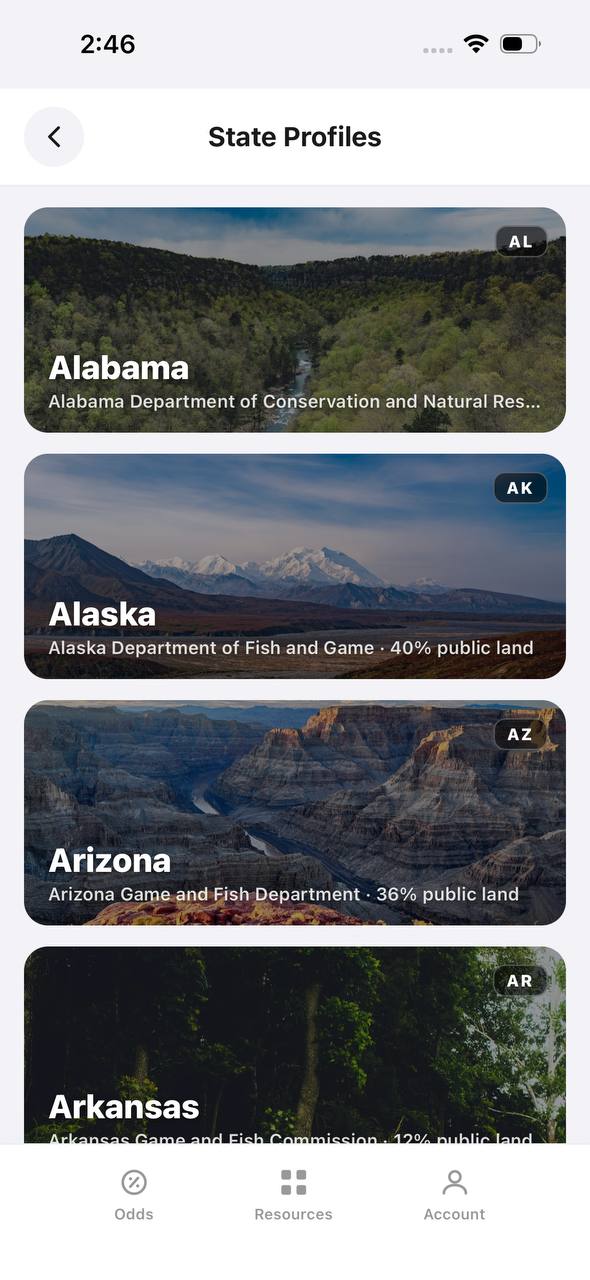
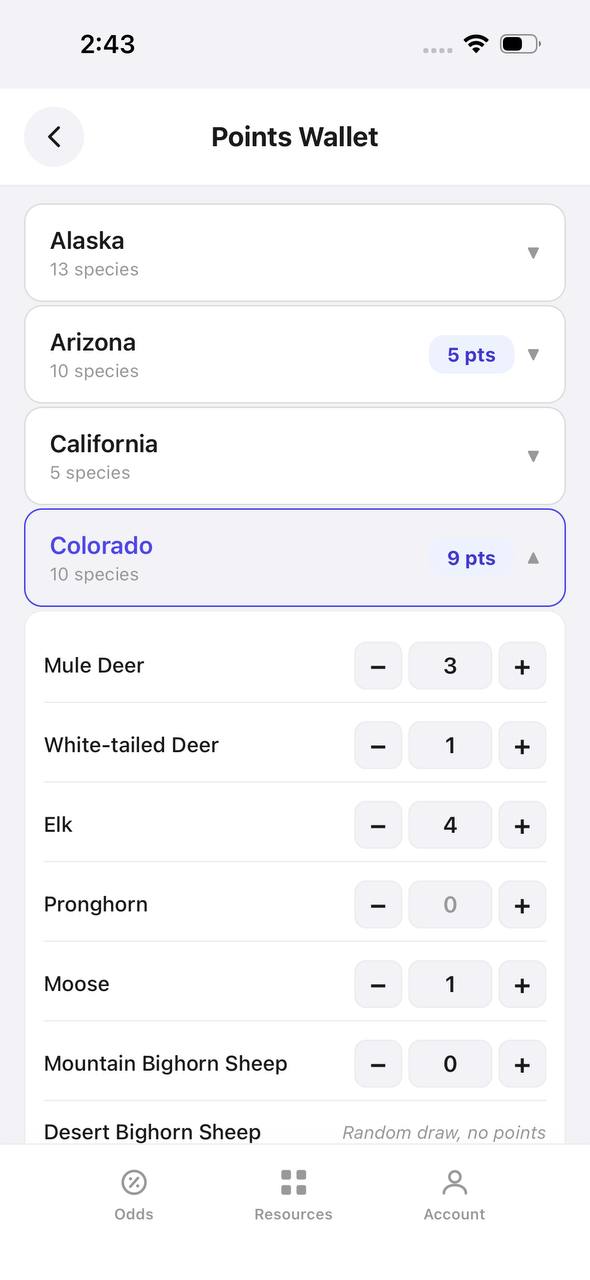
Free to join
Download mobile app
- Detailed draw odds
- Point tracking
- Deadline reminders
- 18 states covered
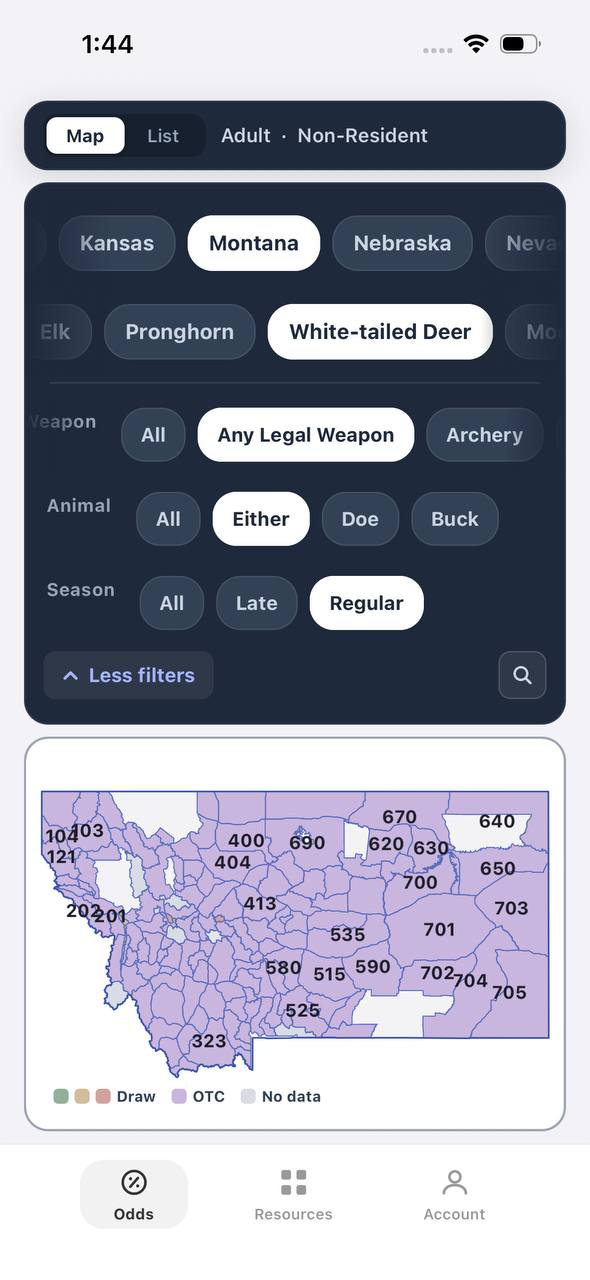
Free to join
Download mobile app
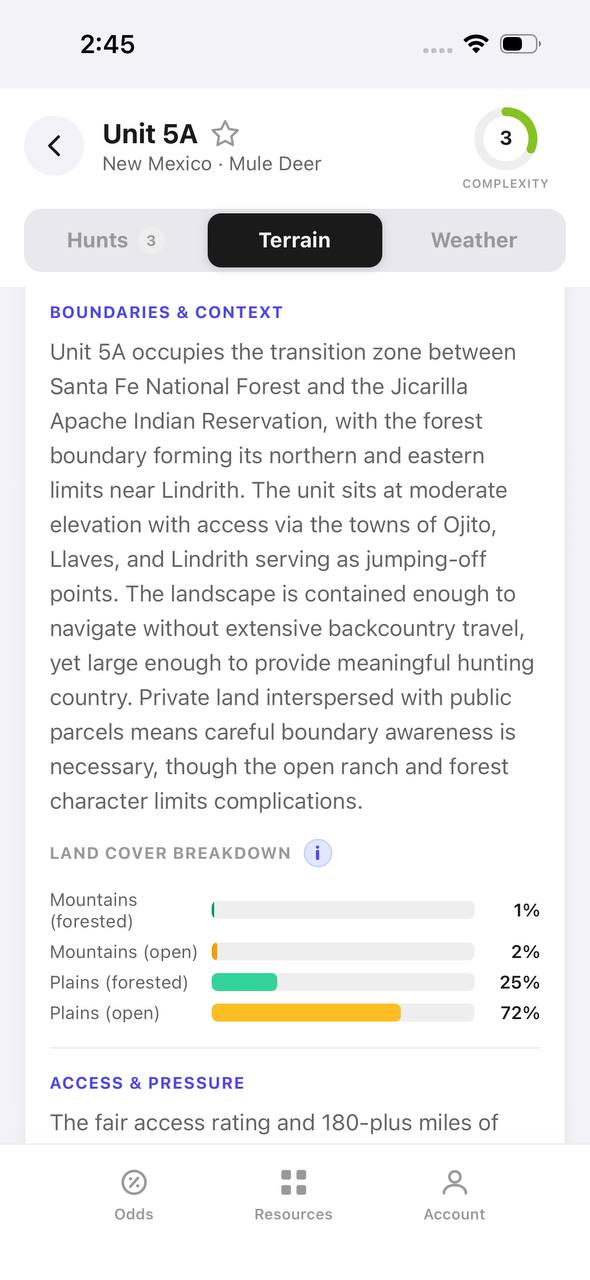
- Detailed draw odds
- Point tracking
- Deadline reminders
- 18 states covered

When to use aggressive calling versus soft contact mews
Most blown elk setups come from overcalling, not from using the wrong call. Bulls respond to different tones depending on rut phase, hunting pressure, and whether they're with cows or alone. Aggressive calling — loud, frequent, emotional — works during peak rut when bulls are actively gathering harems and competing for dominance. Soft contact mews work better early season, late season, and in pressured areas where bulls have learned to avoid obvious calling sequences.
Aggressive calling means estrous whines, anxious chirps, and overlapping cow sounds that mimic multiple animals. Use this approach when you've located a bugling bull that's clearly fired up, or when you're trying to pull a herd bull away from his cows by convincing him that another group of elk is nearby. The Phelps AMP diaphragm and Rocky Mountain Micro Amp external reed both handle aggressive sequences well because they project volume and let you layer multiple calls rapidly without losing tone quality.
Soft contact mews are single, relaxed cow sounds spaced 30 seconds to two minutes apart. This approach works when bulls are henned up and silent, or when you're working pressured public land where every other hunter is hammering bugles and aggressive cow sequences. I've called in more mature bulls using nothing but occasional soft mews than I ever have with loud, emotional calling. The trick is patience — one mew, then wait. If the bull doesn't respond, move 200 yards and try again. You're not trying to fire him up; you're trying to sound like a lone cow he can investigate without risk.
Read the bull's response. If he bugles back but doesn't move, go quiet for five minutes, then hit him with a single soft mew. If he's coming but slows down, let him. If he hangs up at 80 yards, give him soft, spaced mews rather than hammering calls that reveal your exact position. Bulls that commit are the ones that think they're making the decision, not responding to obvious manipulation.
How TAGZ helps you plan elk hunts around calling strategies
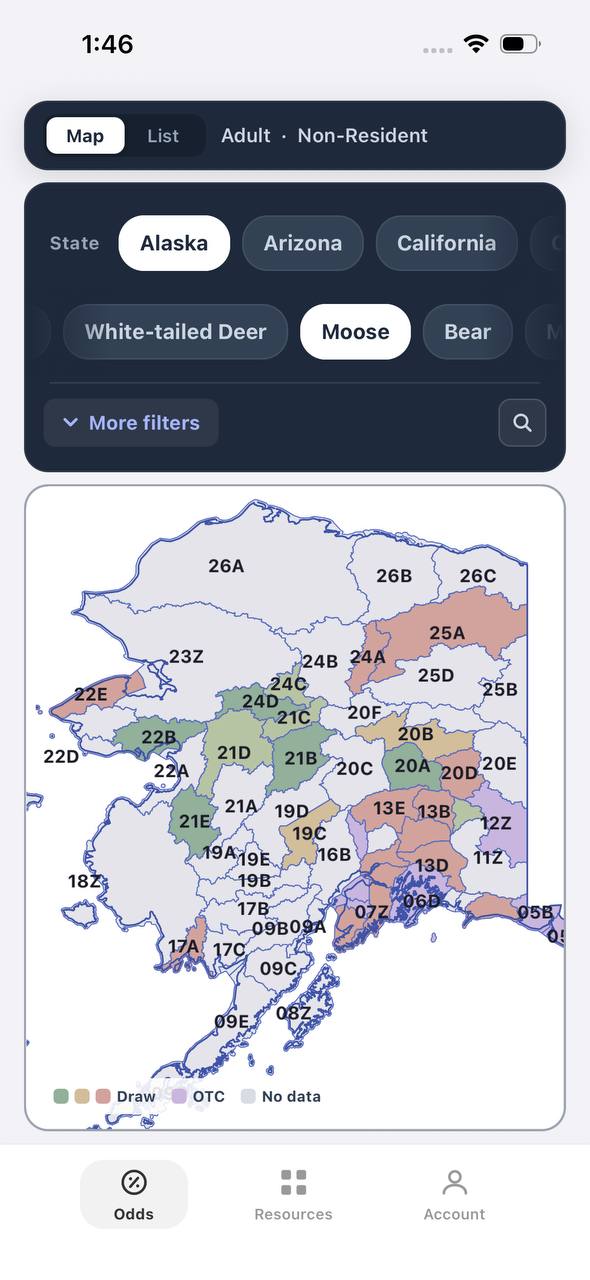
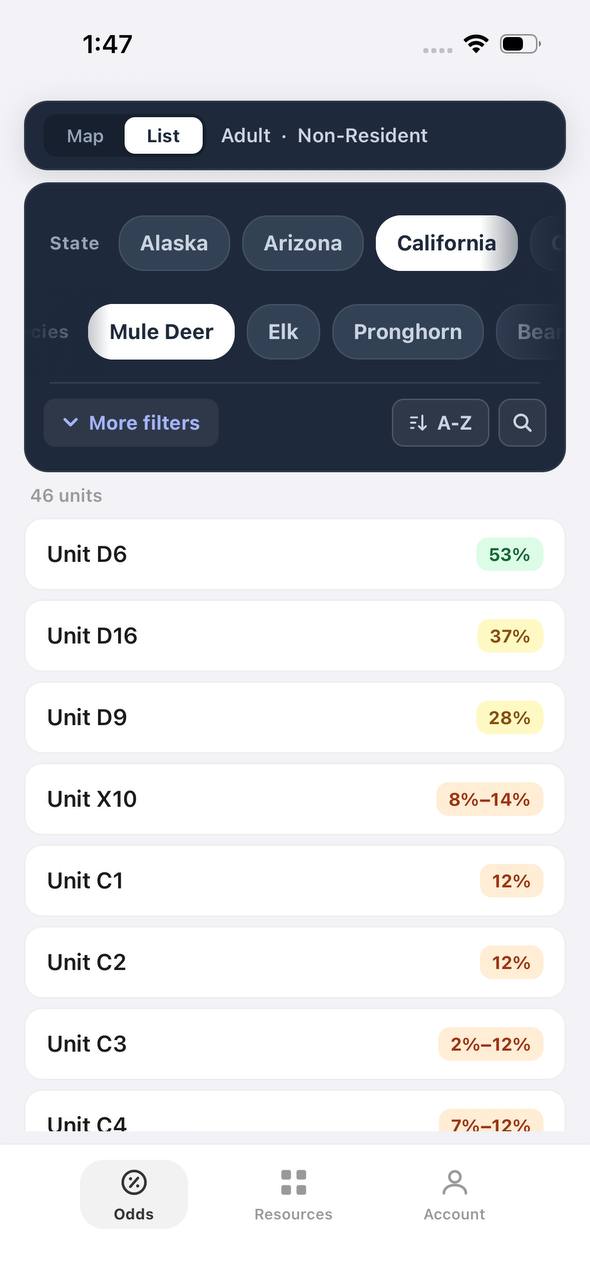
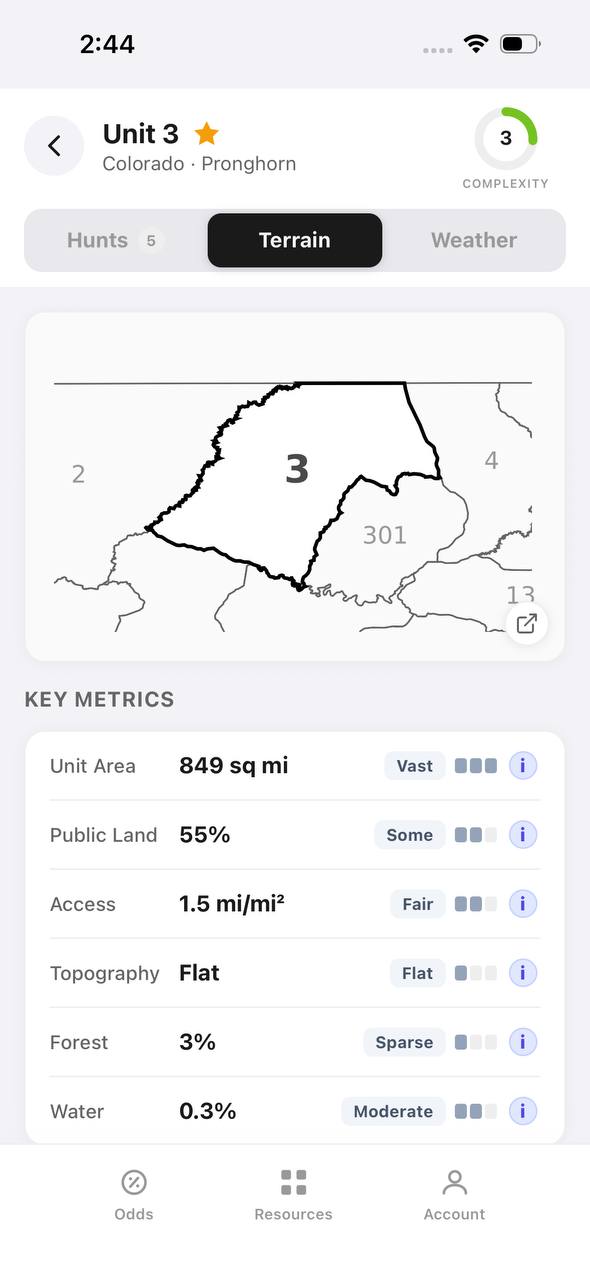
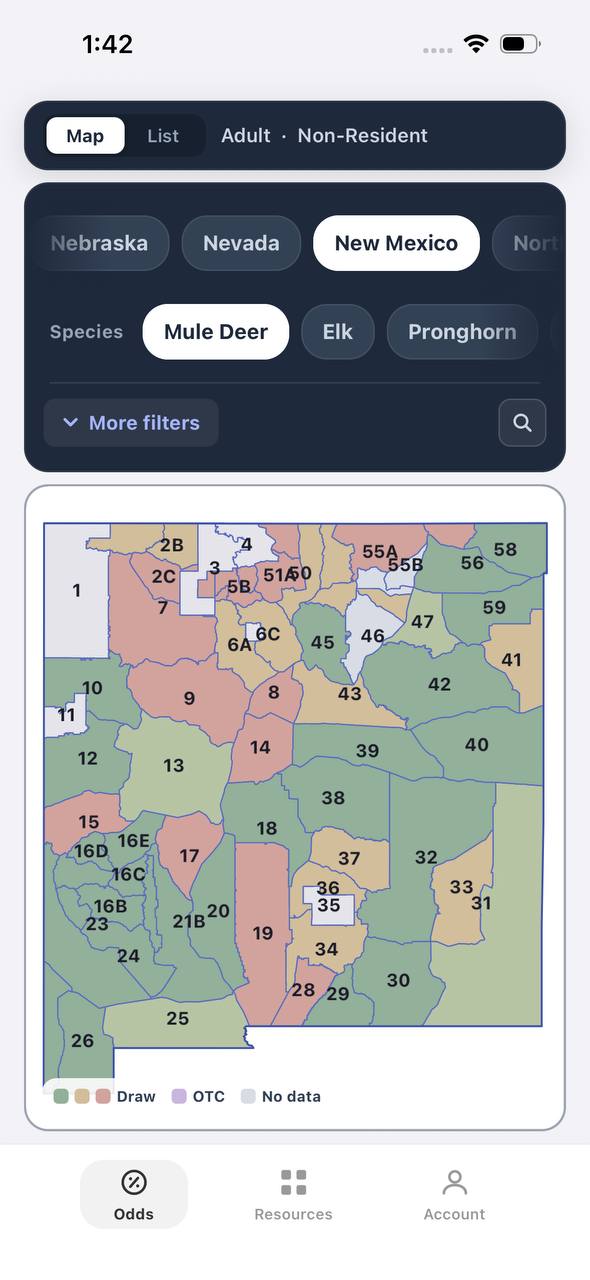
Unit selection determines whether your calling will even work. High-pressure OTC units in Colorado and Idaho often hold bulls that respond poorly to any calling by mid-September, while limited-entry tags in Montana and Wyoming offer bulls that haven't been educated by constant hunter contact. TAGZ lets you filter elk units by draw odds, preference points, season dates, and historical success rates, then compare terrain and public land access before you apply.
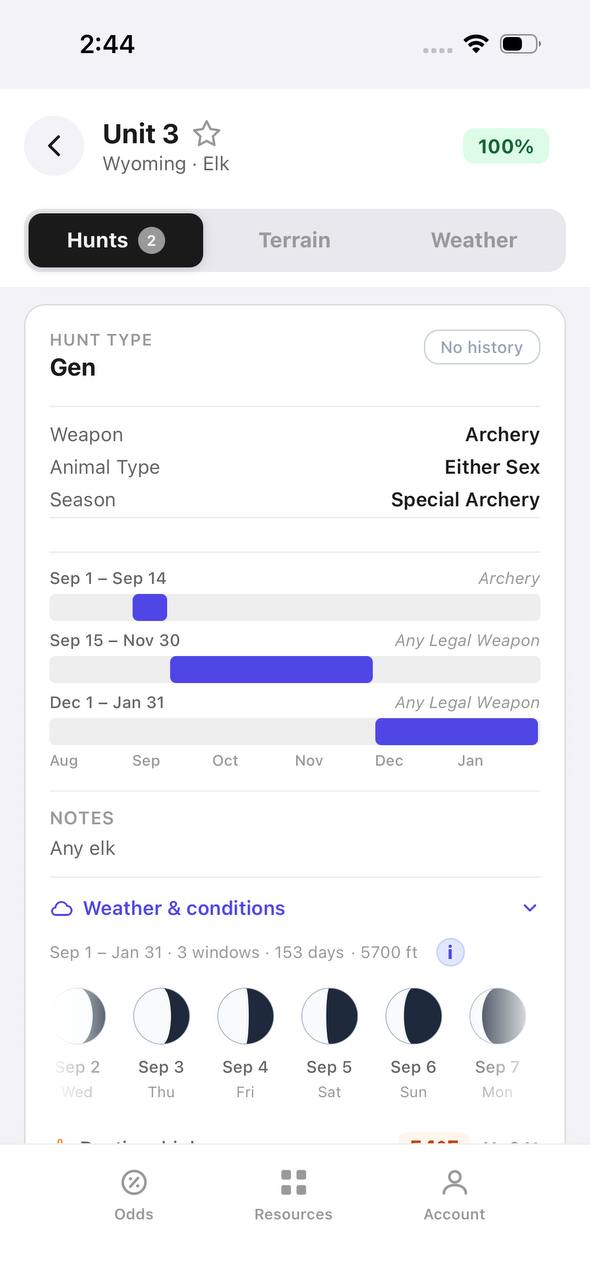
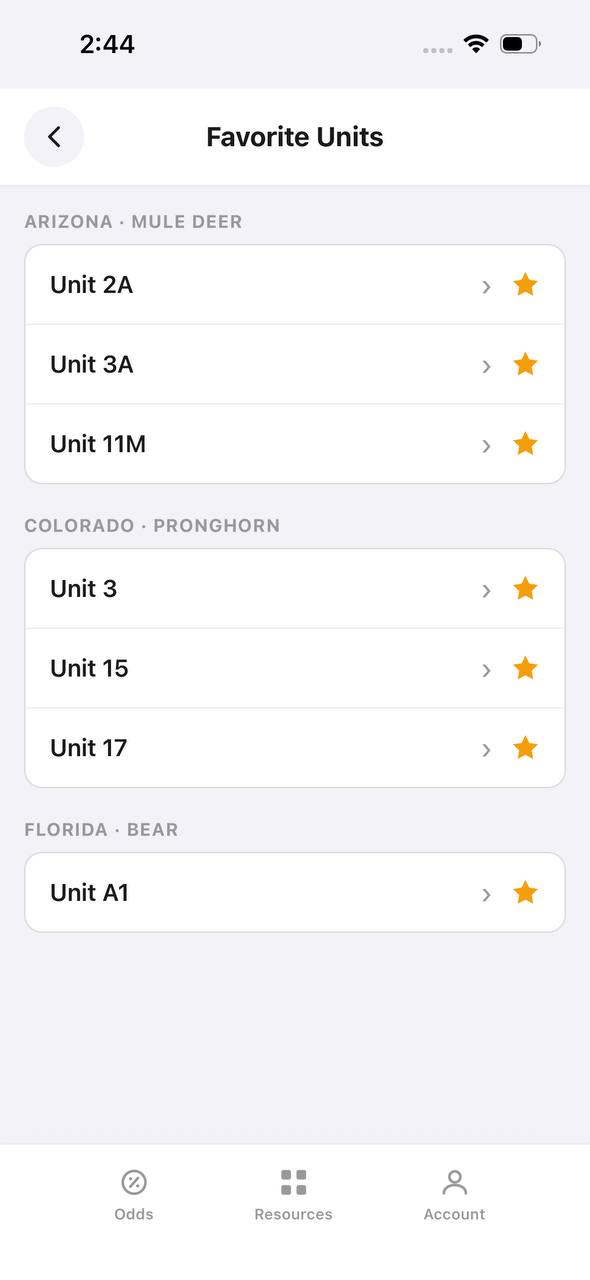
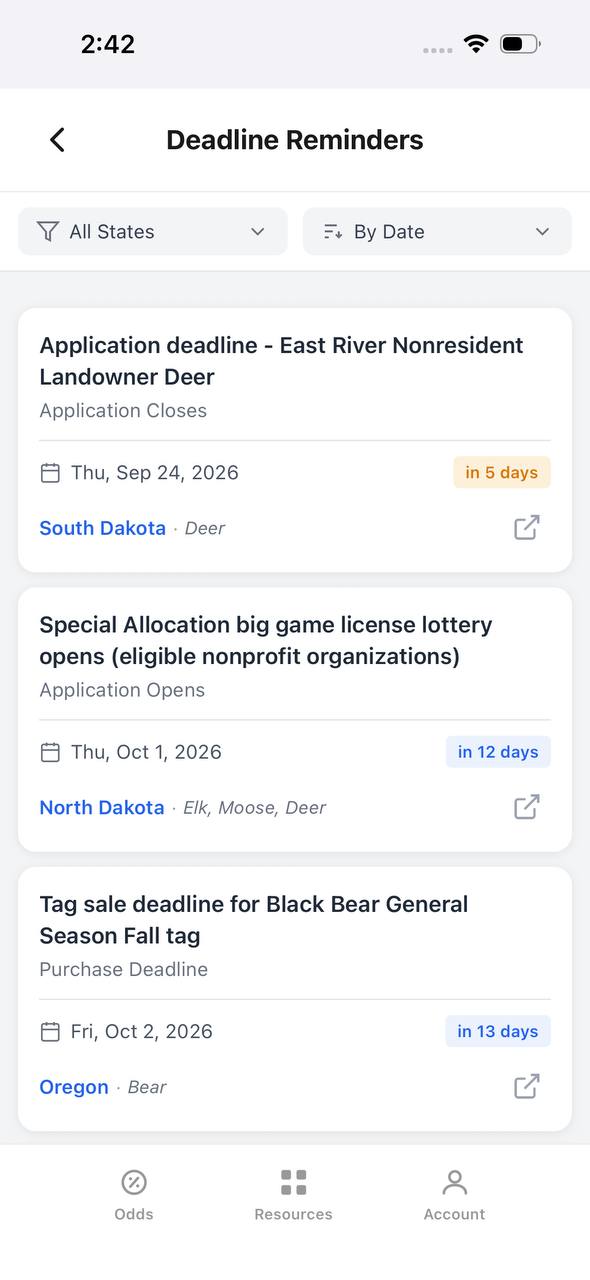
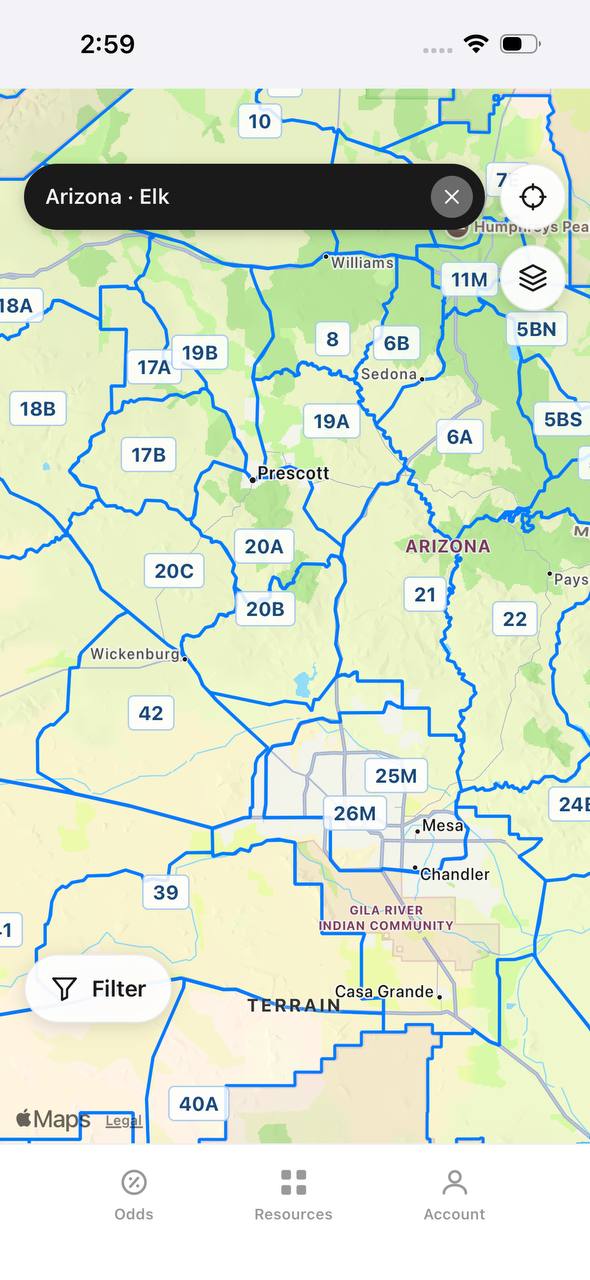
If you're targeting archery-only units where calling is your primary tactic, TAGZ shows you which hunts overlap with peak rut dates when bulls are most vocal. For rifle hunters planning late-season hunts, the platform highlights units where calling shifts from aggressive bugling to soft cow communication as bulls transition out of breeding mode. You can track your preference points across multiple states, set draw deadline reminders, and research unit boundaries using topographic overlays — all before you buy a single call or book time off work.
The difference between a successful elk hunt and a frustrating week in the mountains often comes down to unit research. TAGZ gives you the data to avoid overcrowded units where calling pressure has made bulls nocturnal, and to target hunts where your calls will actually get responses. Whether you're burning points on a trophy limited-entry tag or applying for your first OTC archery hunt, the platform helps you make smarter decisions before you ever step into the field.
Practice before the season — not in elk country
Every fall I watch hunters show up to camp with brand-new calls still in the package, then spend opening morning trying to figure out how to use them. Bulls don't wait while you practice. If you can't produce consistent cow mews at home, you won't magically master them when a bull is screaming 200 yards uphill.
For diaphragms, commit to 10 minutes of daily practice starting two months before your hunt. Stand outside so your neighbors don't think you're dying, and focus on single cow mews before you attempt chirps or whines. Record yourself, then compare your sounds to actual elk — YouTube has hundreds of videos of wild cow elk vocalizing. If your calls sound harsh, raspy, or robotic, you're using too much air pressure or your tongue placement is wrong.
External reeds and tube calls require less practice time, but you still need to learn volume control and cadence. Practice soft mews, medium-volume mews, and loud locator calls. Learn how much breath pressure each requires, then practice transitioning between them. The worst mistake is hitting a bull with a scream when you meant to deliver a soft mew because you misjudged your breath.
Practice in realistic scenarios. Wear your pack, walk uphill until you're breathing hard, then try calling. Can you still produce clean sounds when your diaphragm is heaving? Practice calling while moving through brush, while crouched behind a tree, while sitting against a deadfall. Bulls don't appear only when you're standing relaxed in your driveway. The more you practice under field conditions, the less you'll fumble when it matters.
FAQ — Elk Cow Calls
What is the easiest elk cow call for beginners?
External reed calls like the Primos Hoochie Mama or tube calls like the Phelps Tube Tech EZ Amp require almost no practice and produce realistic cow sounds immediately. Most hunters can use them effectively within five minutes.
Do diaphragm calls work better than external reeds?
Diaphragms offer more versatility and are hands-free, but they require significant practice. External reeds produce equally realistic sounds with less skill, but they occupy one hand. Choose based on your experience level and hunting style.
When should I use aggressive calling versus soft mews?
Use aggressive calling during peak rut when bulls are actively bugling and competing for cows. Use soft, spaced mews in pressured units, early season, late season, or when bulls are henned up and silent.
How often should I replace diaphragm reeds?
Replace diaphragm reeds every season even if they appear intact. Latex degrades over time, and split reeds mid-hunt will ruin your setup. Rinse them after each use and store them in a cool, dry place.
Can you call in a bull using only cow sounds?
Yes. Many mature bulls respond better to cow calls than bugles, especially in pressured units where they've heard bad bugles all season. Cow calls sound less threatening and more natural to wary bulls.
What call works best for close-range encounters under 50 yards?
Soft diaphragm mews or tube calls work best at close range because they let you communicate without large movements. External reeds also work but require bringing the call to your mouth, which can spook bulls at tight distances.
Continue planning your hunt
Choosing the right cow call is only one piece of a successful elk hunt. Unit selection, draw strategy, and understanding terrain dictate whether you'll ever get close enough to use that call. TAGZ helps you compare elk units side by side using historical draw odds, terrain maps, unit boundaries, and public land data. Track your preference points and bonus points across multiple states so you never miss a draw deadline. Whether you're chasing OTC tags or planning a trophy limited-entry hunt, TAGZ gives you the tools to make smarter decisions before you ever step into the field.
Explore more elk hunting strategies and unit breakdowns on the TAGZ Insights page, compare draw odds and hunt details using the TAGZ platform, or review membership options that fit your hunting goals. The more time you invest in research before applications open, the better your odds of drawing tags in units where your calling will actually produce results.
Was this article helpful?
Previous
What Every Hunter Should Keep in Their Truck During Elk Season
A well-stocked truck can mean the difference between salvaging a hunt and watching opportunity slip away. Here's the essential gear every elk hunter should carry from opening day through the end of the season.
Related
Mule Deer Rut Explained: Timing, Behavior & Hunting Strategies
The mule deer rut peaks in mid-November across most of the West, when bucks chase does, compete for dominance, and become more vulnerable to hunters who understand rut behavior and timing.
Next
Essential Gear Guide for Western Big-Game Hunters — What You Actually Need
From layering systems to optics and packs, this gear guide breaks down what serious western hunters need in the field. Focus on proven equipment that performs when it matters most.