Weatherby Vanguard vs Tikka T3x: Which Rifle Wins for Western Hunting?
The Weatherby Vanguard and Tikka T3x represent two of the most popular bolt-action rifles among western hunters, and for good reason. Both deliver sub-MOA accuracy out of the box, smooth actions, and proven reliability in the backcountry. But they approach the hunt from different angles — the Vanguard leans on American manufacturing and budget-friendly configurations, while the Tikka prioritizes refined ergonomics and a legendary trigger at a slightly higher entry price. If you're choosing your next elk, mule deer, or pronghorn rifle, here's what separates them.
Action and Reliability
The Weatherby Vanguard uses a two-lug push-feed action built on Howa tooling in Japan. It's strong, simple, and proven across hundreds of thousands of rifles. The bolt runs smooth with minimal slop, though not quite as silk as the Tikka. Field stripping is straightforward, and the Vanguard tolerates dirt and weather without drama — critical when you're packing into public land for a week-long archery elk hunt.
Tikka's T3x employs a cold-hammer-forged barrel and a controlled-feed action made in Finland. The bolt feels noticeably smoother and lighter to cycle, especially when you're working the action quickly to chamber a follow-up on a running bull. Tikka's metalwork and machining are excellent, and the rifle's reputation for running flawlessly in snow, rain, and dust is well-earned among DIY hunters.
Both rifles feed and extract reliably. The Tikka edges ahead in smoothness, but the Vanguard has never let me down when it mattered.
Accuracy and Barrel Performance
Weatherby guarantees sub-MOA accuracy with premium ammo, and most Vanguards shoot closer to 0.75 MOA once you find the load they like. The barrels are free-floated and button-rifled, and they break in quickly. I've shot multiple Vanguards in .300 Win Mag and 6.5 Creedmoor that consistently stacked three-shot groups under an inch at 100 yards with factory Hornady ELD-X.
Tikka also guarantees MOA, but the cold-hammer-forged barrels often deliver tighter groups right out of the gate. The T3x is famous for being accuracy-ready with minimal load development — you can grab a box of Federal Premium or Nosler and expect half-MOA performance within the first magazine. For hunters who don't handload or want a rifle that shoots lights-out immediately, the Tikka is hard to beat.
Both rifles handle heavy magnums well, but Tikka's lighter recoil lug design and slimmer stock profile make magnums slightly snappier. The Vanguard's heavier stock absorbs recoil better if you're running a .300 Win Mag for moose or elk.
Trigger Quality
The Tikka T3x trigger is exceptional. It's a single-stage design that breaks clean between 2 and 4 pounds with minimal creep and a crisp reset. Out of the box, it rivals aftermarket triggers that cost $200-plus on other platforms. For long-range shooting or making precise shots on bedded mule deer at 400 yards, the Tikka trigger inspires confidence.
Weatherby's trigger on the Vanguard is good but not great. It's adjustable down to about 2.5 pounds and breaks cleanly, but there's noticeable creep compared to the Tikka. Most hunters will shoot the Vanguard trigger just fine for field work, but if you're used to high-end triggers, you'll notice the difference. Upgrading to a Timney or TriggerTech is common among Vanguard owners who want match-grade performance.
Ergonomics and Stock Design
Weatherby offers the Vanguard in multiple stock configurations — from basic synthetic (Series 2) to higher-end Monte Carlo designs with better palm swells and cheek welds. The synthetic stocks are functional but nothing special. They're bulkier than the Tikka and don't fit smaller-framed hunters as naturally. The length of pull is standard at 13.5 inches, which works for most shooters but isn't adjustable without adding spacers or cutting the stock.
Tikka's T3x stock is slimmer, lighter, and shaped for faster shouldering. The grip angle and cheek weld feel more natural, especially when you're shooting offhand or from improvised rests. The modular stock design allows you to swap spacers to adjust length of pull, which is a huge advantage for hunters who wear heavy layers in late-season rifle hunts or who share rifles with family members. The T3x also balances better when you add a scope — it doesn't feel front-heavy like some Vanguard configurations.
If you plan to upgrade to an aftermarket stock, both rifles have strong options. The Vanguard fits most Howa-compatible stocks, and the Tikka has excellent chassis and precision stock options from companies like KRG and MDT.
Free to join
Download mobile app
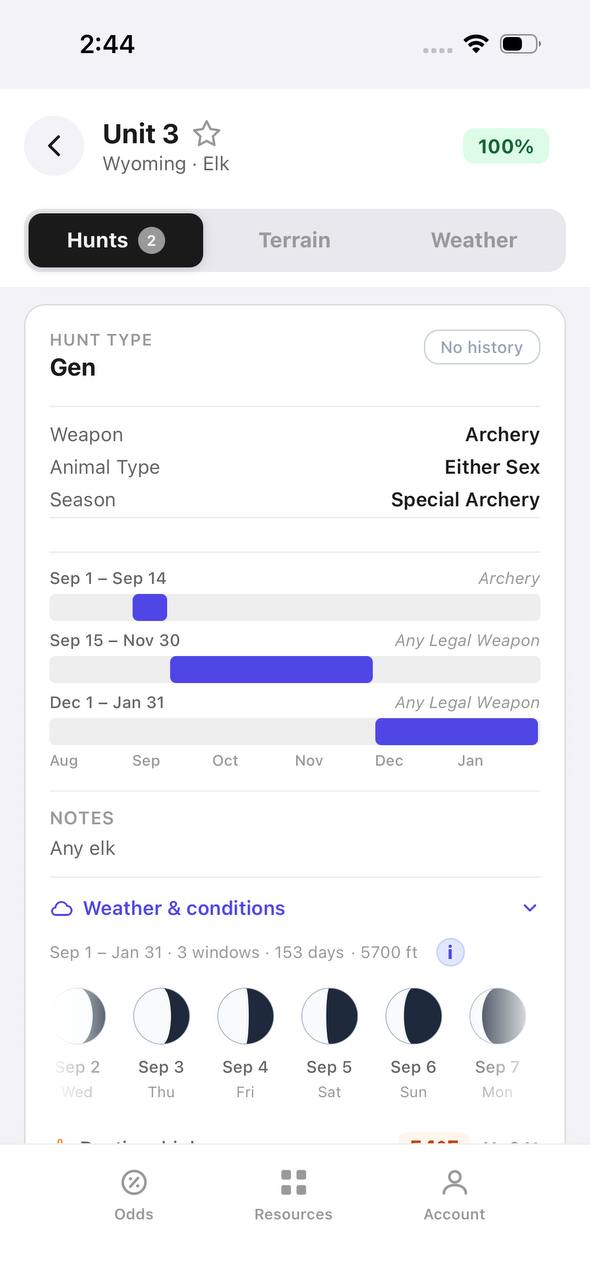
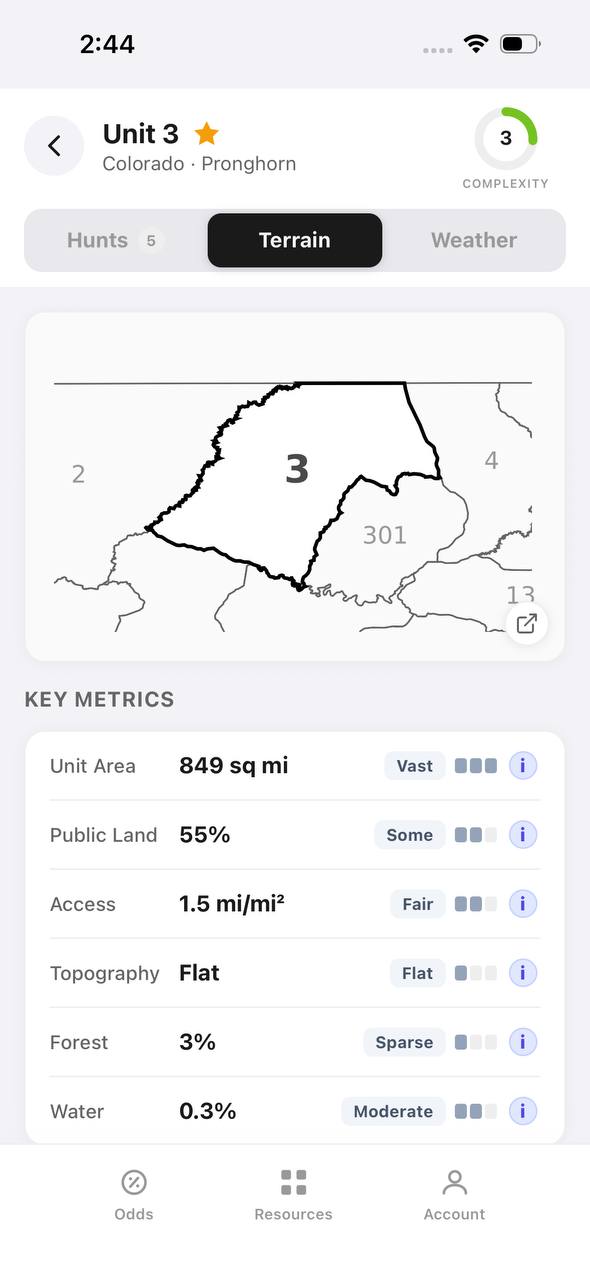
- Detailed draw odds
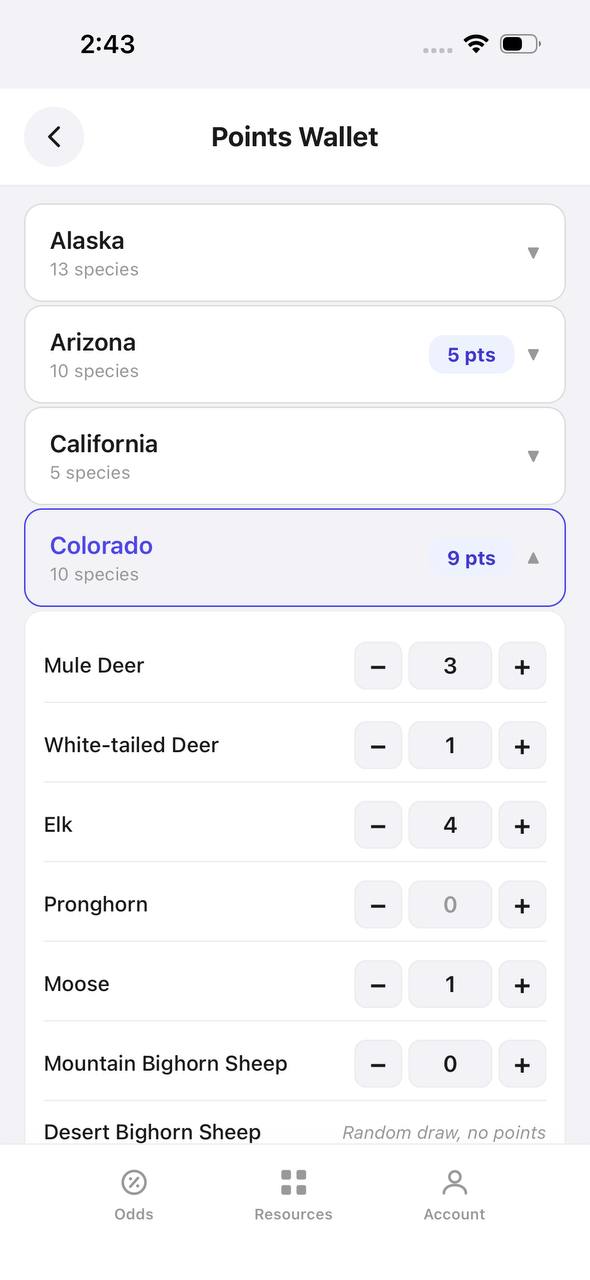
- Point tracking
- Deadline reminders
- 18 states covered


Free to join
Download mobile app
- Detailed draw odds
- Point tracking
- Deadline reminders
- 18 states covered

Free to join
Download mobile app
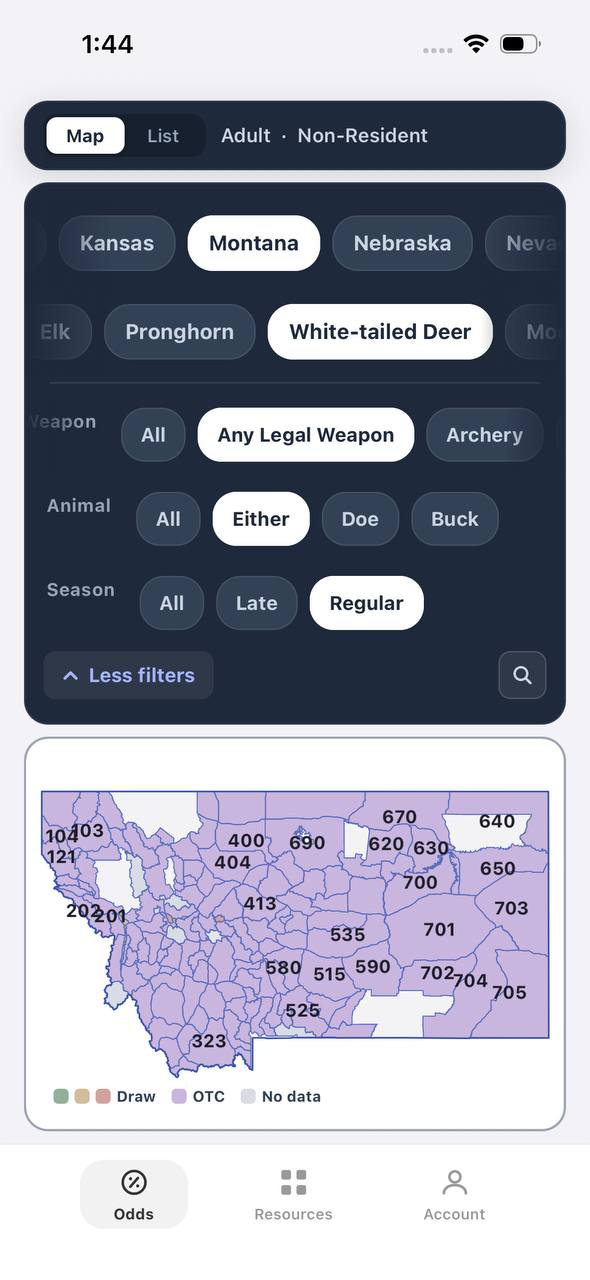
- Detailed draw odds
- Point tracking
- Deadline reminders
- 18 states covered

Magazine and Loading
The Vanguard uses a traditional hinged floorplate on most models, though some variants offer detachable box magazines. The internal magazine holds three to five rounds depending on caliber. It's reliable but slower to reload than a detachable mag, and you can't carry spare magazines for quick swaps.
Tikka's detachable box magazine is one of the rifle's standout features. It's single-stack, which keeps the action narrow, and it feeds flawlessly. You can carry spare mags and reload in seconds — valuable if you're hunting pressured public land where follow-up opportunities happen fast. The magazine release is well-placed and easy to operate with gloves.
For hunters who value quick reloads or want the option to unload the rifle quickly at the truck without cycling rounds through the action, the Tikka wins.
Weight and Portability
The Tikka T3x in standard synthetic configuration weighs around 6.3 to 6.5 pounds before glass. It's one of the lightest factory rifles in its class, which makes a noticeable difference when you're covering miles in the backcountry scouting mule deer or packing into steep elk country. The Vanguard typically runs 7 to 7.5 pounds in synthetic trim, which isn't heavy but adds up over long days.
Both rifles balance well enough for offhand shooting, but the Tikka's lighter weight and slimmer profile make it easier to carry all day. If you're a spot-and-stalk pronghorn hunter or you log serious elevation gain during rifle season, the Tikka's weight advantage matters.
Caliber and Configuration Options
Weatherby chambers the Vanguard in over 20 calibers, including Weatherby's proprietary magnums and standard cartridges from .223 to .338 Win Mag. You'll find budget-friendly synthetic models, wood-stocked variants, and premium configurations with upgraded stocks and cerakote finishes. The Series 2 starts around $500, while higher-end models push past $1,000.
Tikka offers the T3x in fewer calibers — mostly popular hunting rounds like 6.5 Creedmoor, .308, .30-06, 7mm Rem Mag, and .300 Win Mag. The lineup is simpler, and Tikka focuses on doing a few things extremely well rather than offering every configuration imaginable. Base models start around $650 to $750, with upgraded stocks and stainless options running higher.
If you want a wildcat cartridge or a specific magnum that Tikka doesn't chamber, the Vanguard gives you more options. If you're sticking to mainstream calibers and want a rifle that's ready to hunt immediately, Tikka's tighter focus works in your favor.
Value and Long-Term Cost
The Weatherby Vanguard offers the better entry-level value. You can get into a sub-MOA rifle for under $600, and even after upgrading the trigger, you're still under the cost of a base Tikka. For hunters on a budget or those who plan to customize the rifle with an aftermarket stock and trigger anyway, the Vanguard makes financial sense.
Tikka costs more upfront, but you get a better trigger, smoother action, and superior ergonomics out of the box. You won't feel the need to upgrade anything immediately, which saves money in the long run. If you plan to shoot the rifle as-is for years, the Tikka delivers more value per dollar spent.
Both rifles hold resale value well, though Tikkas tend to move faster on the used market due to their strong reputation.
Which Rifle Fits Your Hunting Style?
Choose the Weatherby Vanguard if you want maximum caliber selection, lower upfront cost, and don't mind upgrading the trigger down the road. It's a workhorse rifle that handles hard use without complaint, and it's a smart choice for hunters who already know they'll swap stocks or triggers to build their ideal setup. The Vanguard also makes sense if you're hunting from a blind or tree stand where weight isn't a concern.
Choose the Tikka T3x if you value a refined out-of-the-box experience, lighter weight for backcountry hunts, and a world-class trigger. The Tikka is ready to hunt the day you mount glass, and it excels for spot-and-stalk hunters, mountain hunters, and anyone who logs serious miles glassing mule deer or pronghorn. The detachable magazine and smoother action make it easier to run fast when opportunities arise.
Both rifles will kill elk, mule deer, pronghorn, and anything else you point them at. The Vanguard is the blue-collar workhorse. The Tikka is the precision tool that feels better in your hands from the first shot.
FAQ — Weatherby Vanguard vs Tikka T3x
Which rifle is more accurate — Weatherby Vanguard or Tikka T3x? Both deliver sub-MOA accuracy with quality ammo, but the Tikka T3x typically shoots tighter groups out of the box due to its cold-hammer-forged barrel and superior trigger. Most Tikkas shoot half-MOA with minimal load development.
Is the Tikka T3x worth the extra cost over the Vanguard? Yes if you value a refined trigger, lighter weight, and better ergonomics without upgrades. The Tikka costs $150-$200 more upfront but saves you from needing an aftermarket trigger, making it competitive on total cost if you plan to keep it stock.
Can you upgrade the Weatherby Vanguard trigger? Yes. The Vanguard fits most aftermarket triggers designed for Howa rifles, including Timney and TriggerTech models that drop in easily and cost $150-$250. Most hunters who shoot the Vanguard long-term upgrade the trigger.
Which rifle is better for backcountry elk hunting? The Tikka T3x wins for weight and portability. It weighs about a pound less than the Vanguard in comparable configurations, which matters when you're covering steep terrain at altitude. Both rifles handle magnums well, but the Tikka's lighter profile is easier to carry all day.
Does the Tikka T3x come with a detachable magazine? Yes. The T3x uses a single-stack detachable box magazine that feeds reliably and allows fast reloads. The Vanguard typically uses a hinged floorplate, though some models offer detachable mags.
Which rifle has better aftermarket stock options? Both have strong aftermarket support. The Vanguard fits Howa-compatible stocks from Boyd's, Bell & Carlson, and others. The Tikka has excellent chassis and precision stock options from KRG, MDT, and GRS, plus traditional hunting stocks from multiple manufacturers.
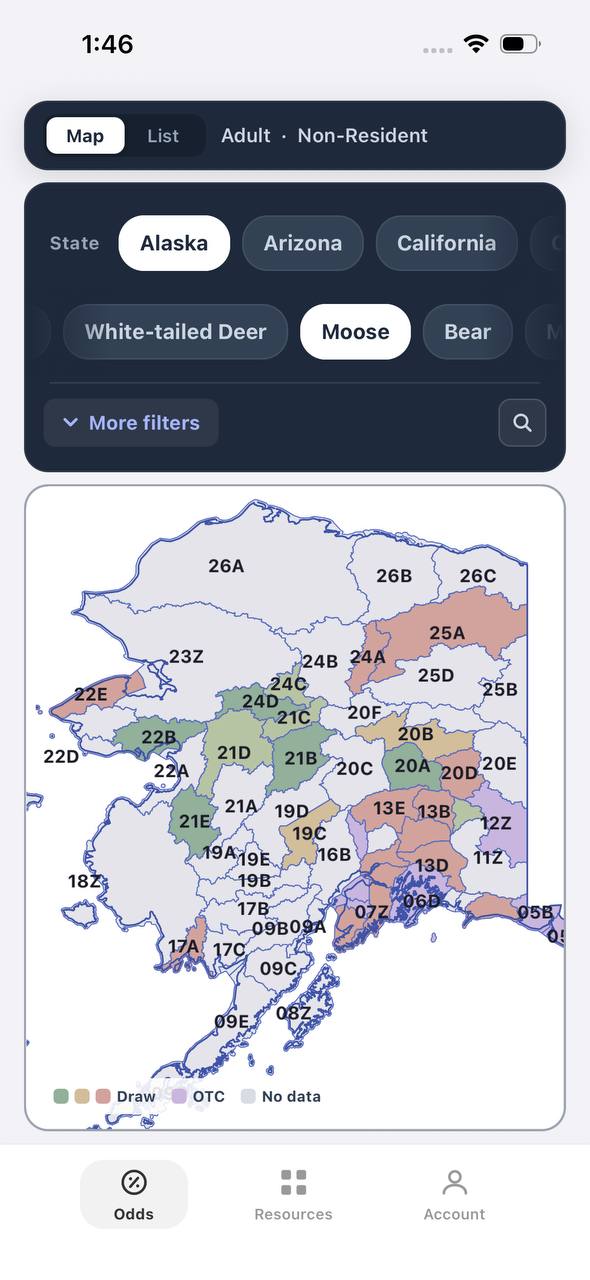
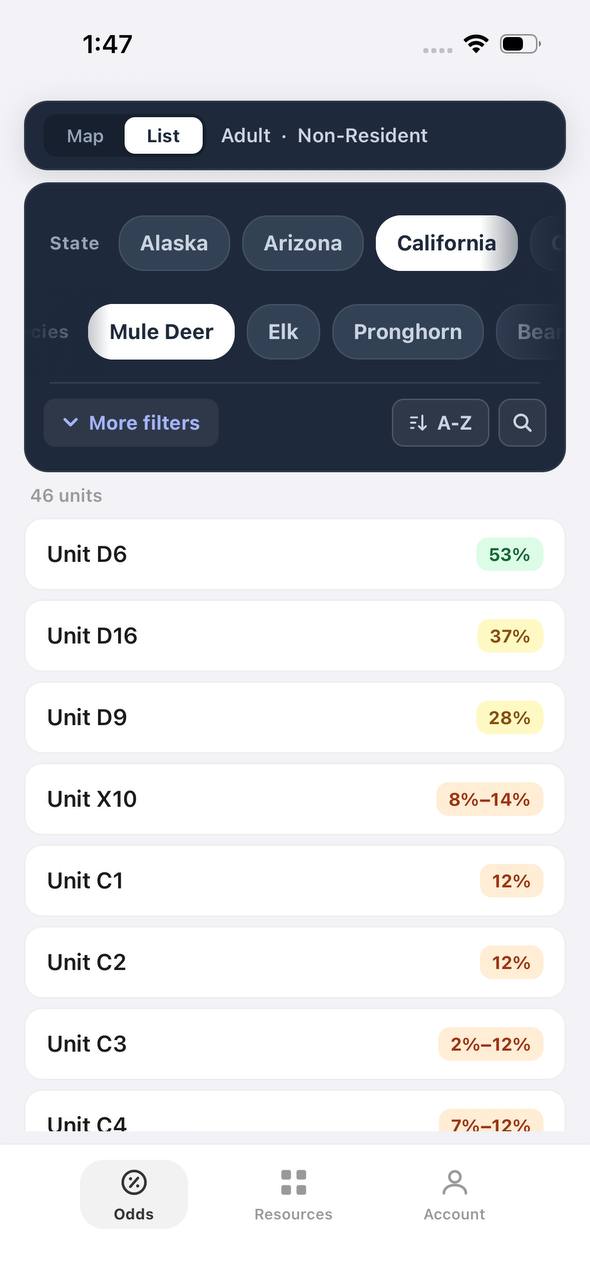
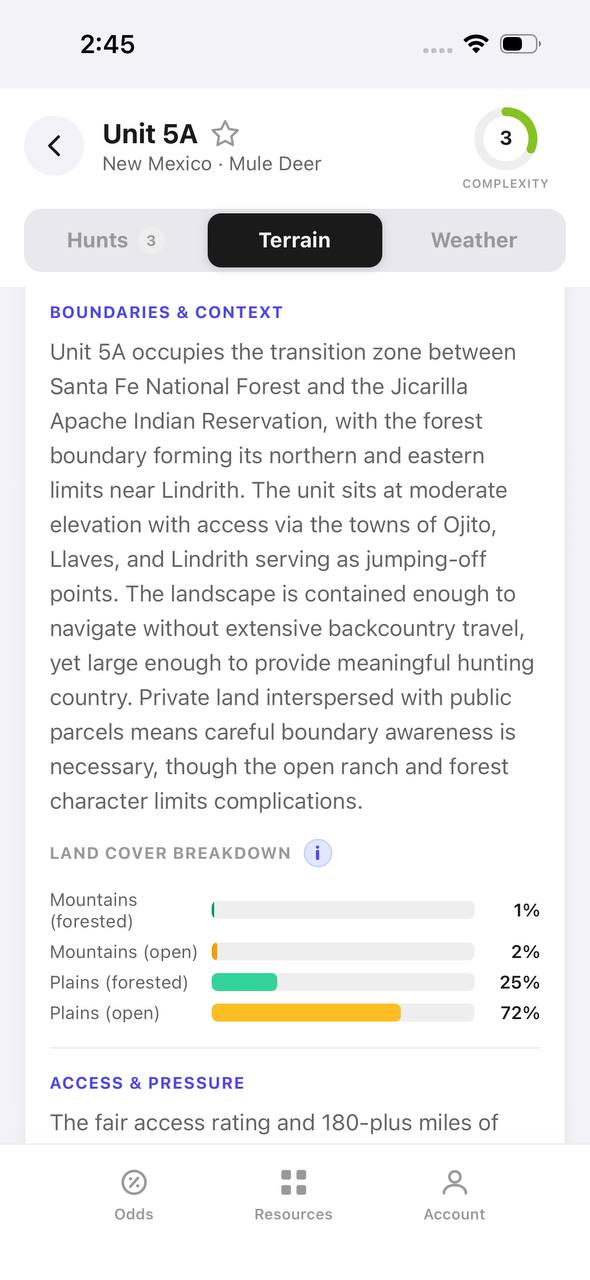
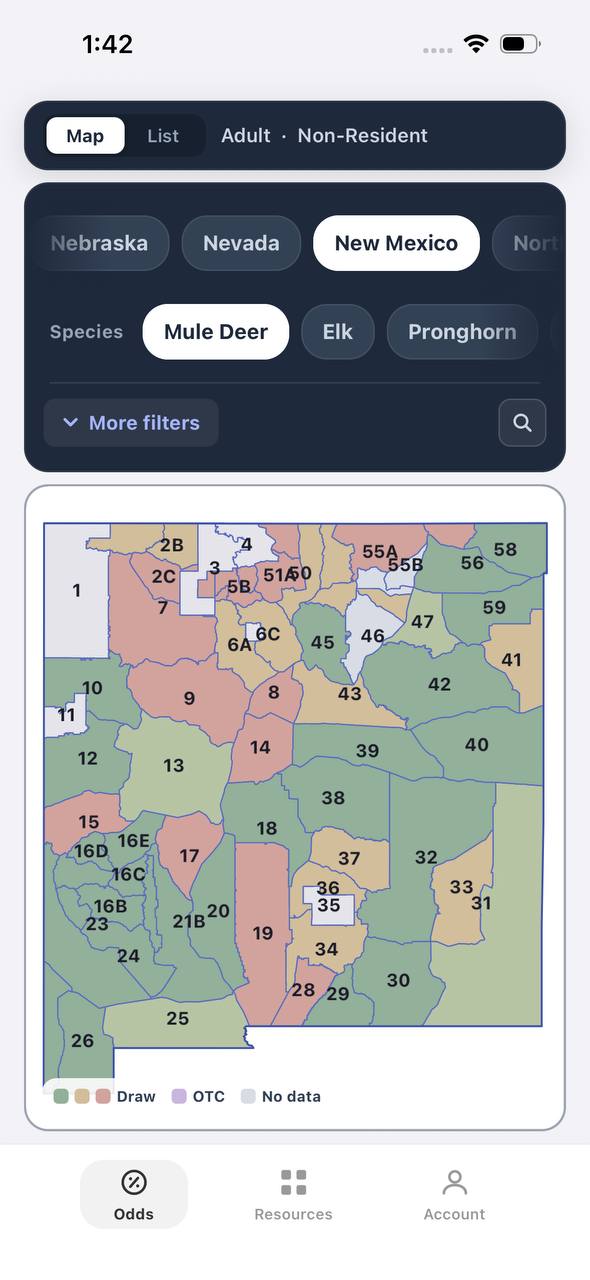
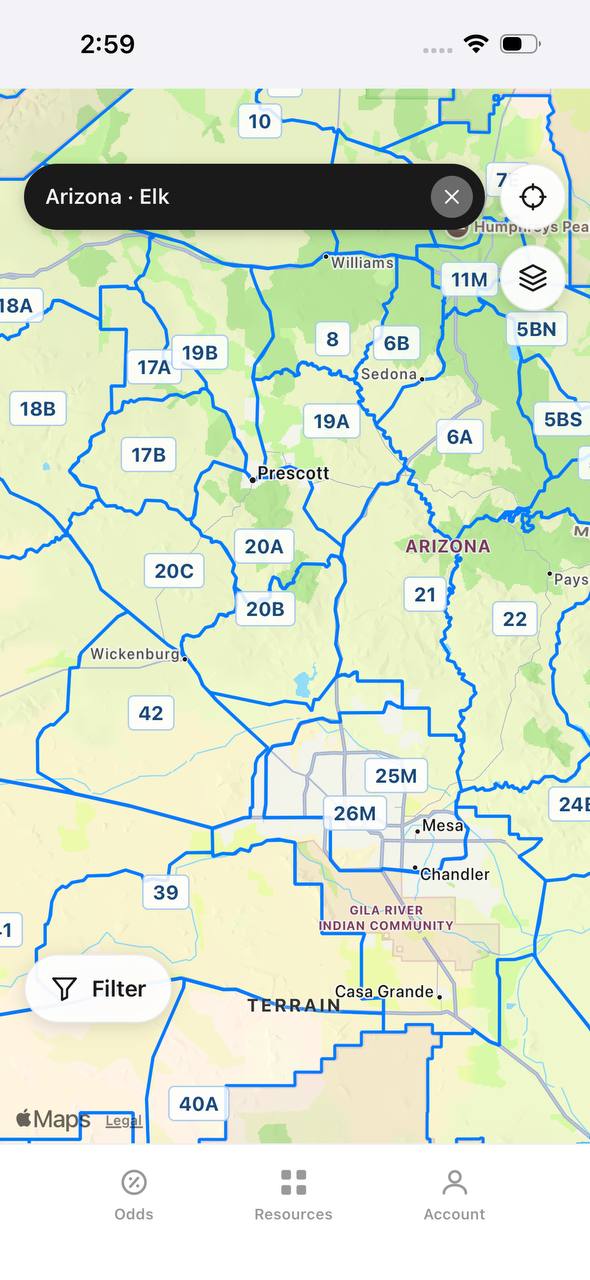
How does TAGZ help you prepare for your next hunt? TAGZ helps you compare draw odds, track preference points and bonus points across multiple states, and research units using terrain maps and historical data. Whether you're planning an OTC Colorado elk hunt or applying for limited-entry mule deer tags, TAGZ gives you the tools to make smarter decisions before you ever step into the field. Track draw deadlines, filter hunts by weapon and season, and build a multi-state application strategy that maximizes your odds of punching a tag.
Continue Planning Your Hunt
Once you've chosen the rifle that fits your style, the next step is drawing the tag. TAGZ simplifies western hunting applications by helping you compare units side by side, track your points, and plan hunts across multiple states. Explore our insights library for unit breakdowns, draw strategy, and gear advice, or dive into the TAGZ platform to start filtering hunts by species, weapon, and season. Check out pricing options to see how TAGZ fits your hunt planning needs, or head to the home page to learn how we help thousands of hunters make confident application decisions every year.
Was this article helpful?
Previous
Sierra GameChanger Review: Performance on Western Big Game
An honest field test of Sierra's GameChanger bullets on elk, mule deer, and pronghorn across five seasons. We cover terminal performance, accuracy at distance, and whether they justify the price tag for serious western hunters.

Related
Best Premium Hunting Optics for Western Big Game in 2025
Premium hunting optics deliver unmatched clarity, durability, and low-light performance when it matters most. This guide breaks down the best binoculars, spotting scopes, and rangefinders for serious western hunters pursuing elk, mule deer, and sheep across demanding terrain.
Next
Bergara vs Howa: Which Rifle Wins for Western Hunting?
Bergara and Howa both deliver sub-MOA accuracy at accessible price points, but they take different approaches. This head-to-head comparison breaks down barrel quality, stock design, trigger performance, and real-world field reliability to help you choose the right platform for your next elk or mule deer hunt.