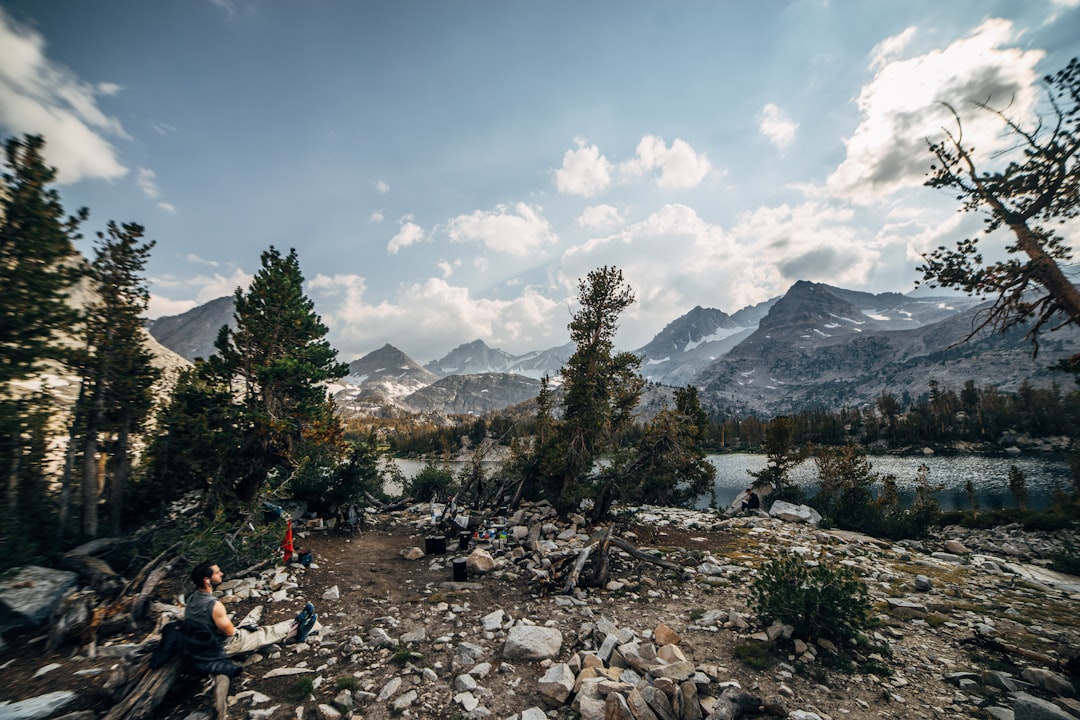
Best Premium Hunting Optics for Western Big Game in 2025
Premium hunting optics separate successful western hunters from those who walk away empty-handed. When you're glassing alpine basins at first light or judging a bull at 800 yards, optical quality isn't a luxury — it's the difference between opportunity and regret.
The right glass lets you identify animals faster, judge trophy quality with confidence, and hunt effectively through the challenging light conditions that define western terrain. Budget optics fog, fail in cold weather, and lack the resolution to distinguish antler points at distance. Premium glass performs when conditions turn harsh and stakes run high.
What Makes Premium Optics Worth the Investment
Premium optics use ED (extra-low dispersion) or fluorite glass that virtually eliminates chromatic aberration — the color fringing that plagues cheaper glass. This means sharper images, better contrast, and accurate color reproduction when you're judging whether that bull is 320 inches or 340.
Coatings matter as much as glass quality. Fully multi-coated lenses with proprietary coatings from brands like Swarovski, Leica, and Zeiss maximize light transmission. You'll notice the difference immediately in low light — that critical first and last 20 minutes when western animals move most actively.
Build quality determines whether your investment survives a decade of mountain hunting. Premium optics feature robust magnesium or aluminum chassis, nitrogen or argon purging for true waterproofing, and armor coatings that handle impacts without damage. When you're 8 miles from the trailhead and your binocular takes a fall against granite, construction quality matters.
Best Premium Binoculars for Western Hunting
For all-around western hunting, 10x42 or 12x50 configurations dominate. The 10x42 format balances magnification, field of view, and weight for hunters covering miles of country daily. The 12x50 setup provides extra magnification for open-country glassing where you're sitting longer and scrutinizing distant ridgelines.
Swarovski EL Range 10x42 combines world-class optics with an integrated laser rangefinder. The FieldPro package includes ballistic data display and Bluetooth connectivity to your phone. At $3,900, it's expensive — but eliminates the need to carry separate rangefinding binoculars. The EL Range glass rivals pure alpha binoculars, delivering exceptional edge-to-edge sharpness and color fidelity.
Leica Noctivid 10x42 represents pure optical performance without rangefinding. These binoculars excel in low light with 92% light transmission and field flattener lenses that eliminate distortion at the edges. The Noctivid focuses down to 10 feet — useful when you're picking apart dense timber for bedded animals. Price runs around $2,800.
Zeiss Victory SF 10x42 prioritizes field of view and ergonomics. The 336-foot field of view at 1,000 yards is among the widest in class, helping you track moving animals and scan more country efficiently. The open-bridge design balances beautifully in hand during long glassing sessions. Expect to pay $2,900.
For hunters wanting 12x magnification, Swarovski NL Pure 12x42 redefines what's possible in a compact package. The unusually wide field of view (289 feet at 1,000 yards) makes 12x magnification feel closer to traditional 10x glass while providing extra reach. The forehead rest design enhances stability during extended glassing. These run $3,500 but deliver unmatched performance for their size.
Premium Spotting Scopes That Deliver
Spotting scopes let you judge trophy quality from distances that would otherwise require risky approaches. For western hunting, an 85mm objective lens provides the best balance of light-gathering ability, resolution, and packability. Straight or angled eyepiece comes down to preference — angled scopes work better when glassing uphill or sharing views with partners, while straight scopes feel more intuitive when tracking moving animals.
Swarovski ATS 85 HD sets the standard for premium spotting scopes. The modular design lets you swap eyepieces based on conditions — wide-angle zoom for scanning, fixed power for maximum resolution. The HD fluorite glass delivers exceptional clarity and color accuracy even at high magnification. The complete package with 25-60x eyepiece runs $3,600.
Kowa TSN-883 offers comparable optical quality to European alpha glass at a more accessible price point. The pure fluorite crystal objective produces sharp, contrasty images with minimal color fringing. The 88mm objective gathers slightly more light than 85mm scopes, helping during marginal shooting hours. Complete setup with 25-60x eyepiece costs around $2,900.
Leica APO-Televid 82 HD prioritizes packability without sacrificing performance. The 82mm objective shaves weight compared to 85mm scopes while maintaining excellent resolution. The dual-focus system (coarse and fine) helps you dial in perfect sharpness quickly. At $3,400 with eyepiece, it's premium-priced but significantly lighter than larger alternatives.
Rangefinders Built for Mountain Hunting
Modern rangefinders do far more than measure distance — they calculate angle-compensated shooting solutions, account for atmospheric conditions, and integrate with ballistic apps. For western hunting where shots often exceed 400 yards and elevation changes dramatically, these features transform rangefinders from nice-to-have tools to essential equipment.
Leica Rangemaster CRF 3500.COM ranges to an honest 3,500 yards on reflective targets and reliably hits deer-sized animals at 2,000+ yards. The equivalent horizontal range (EHR) function provides angle-compensated distances instantly. Bluetooth connectivity syncs with the Leica Hunting App for custom ballistic curves. Built-in atmospheric sensors adjust for temperature, barometric pressure, and angle. Price sits at $1,100.
Sig Sauer Kilo10K-ABS HD represents the cutting edge of rangefinding technology. This 10,000-yard rangefinder includes Applied Ballistics Elite software with custom drag curves for your exact load. The onboard Kestrel sensor suite measures weather conditions, and the unit pairs with your phone for detailed ballistic solutions. At $1,800, it's expensive — but for long-range hunters making precision shots in variable mountain conditions, the investment makes sense.
Vortex Fury HD 5000 AB combines quality 10x42 binoculars with a powerful rangefinder and Applied Ballistics solver. You get premium glass for general glassing plus ranging capability to 5,000 yards on reflective targets. The built-in ballistic calculator accounts for angle, temperature, and pressure. At $1,700, it's a serious investment that eliminates the need for separate binoculars and rangefinder.
Free to join
Download mobile app
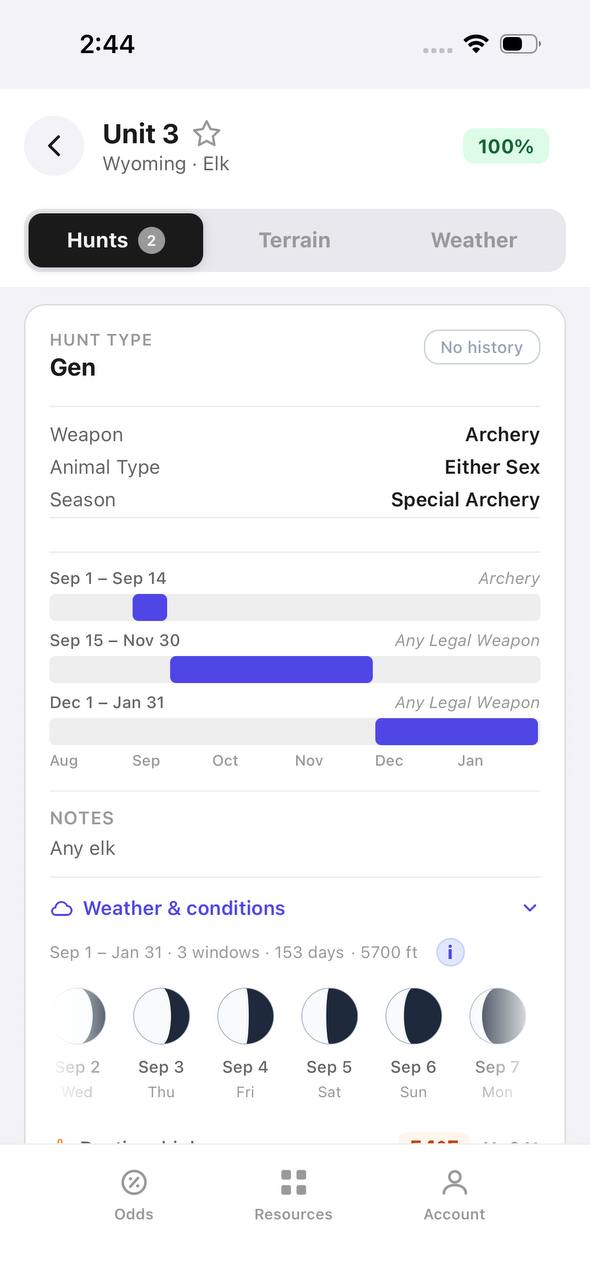
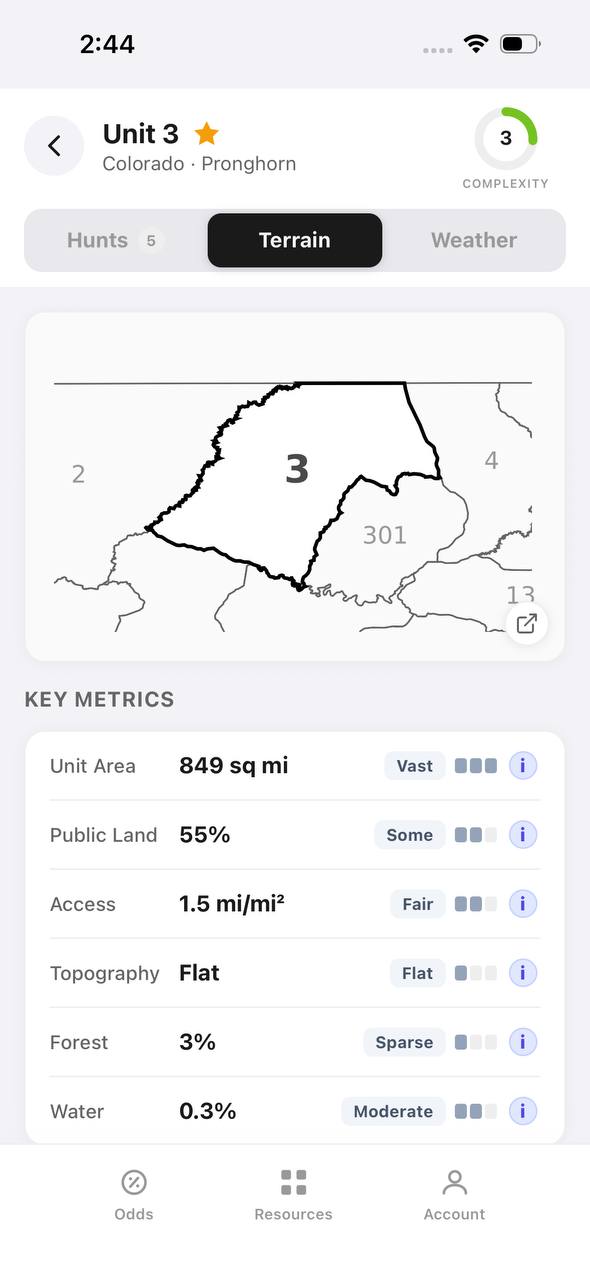
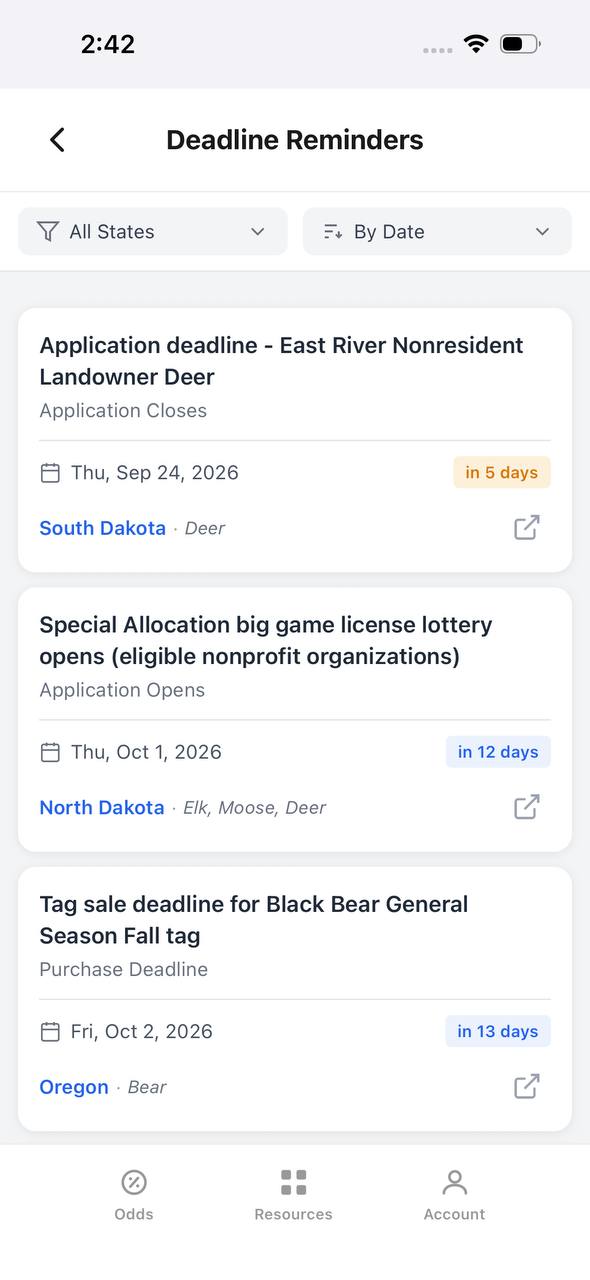
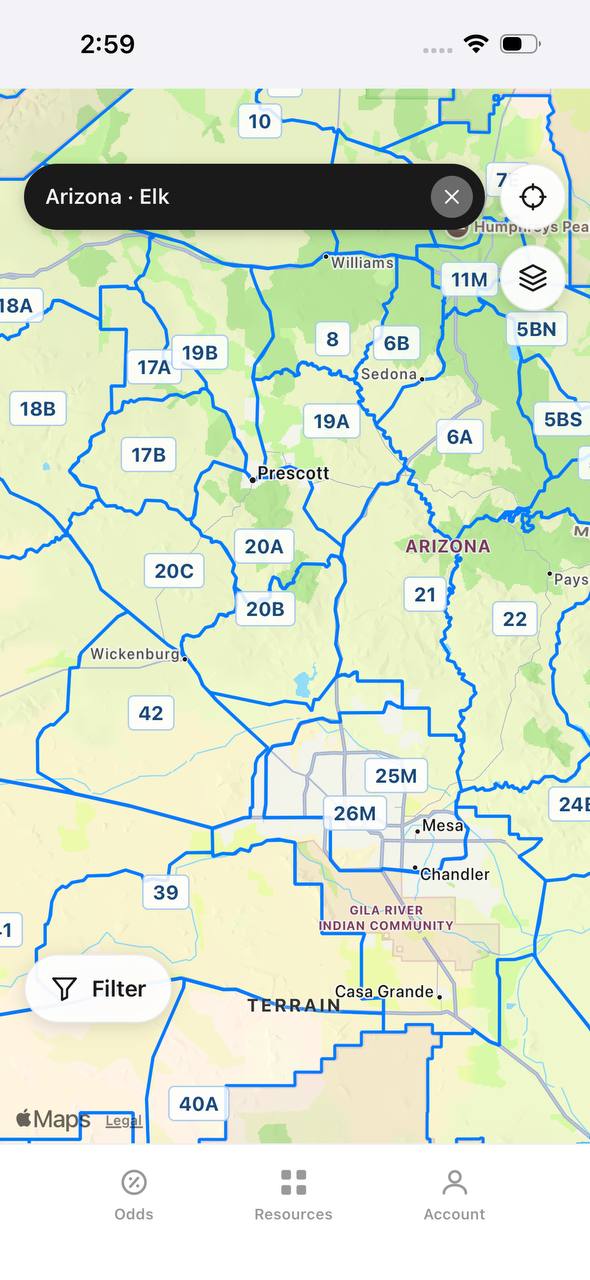
- Detailed draw odds
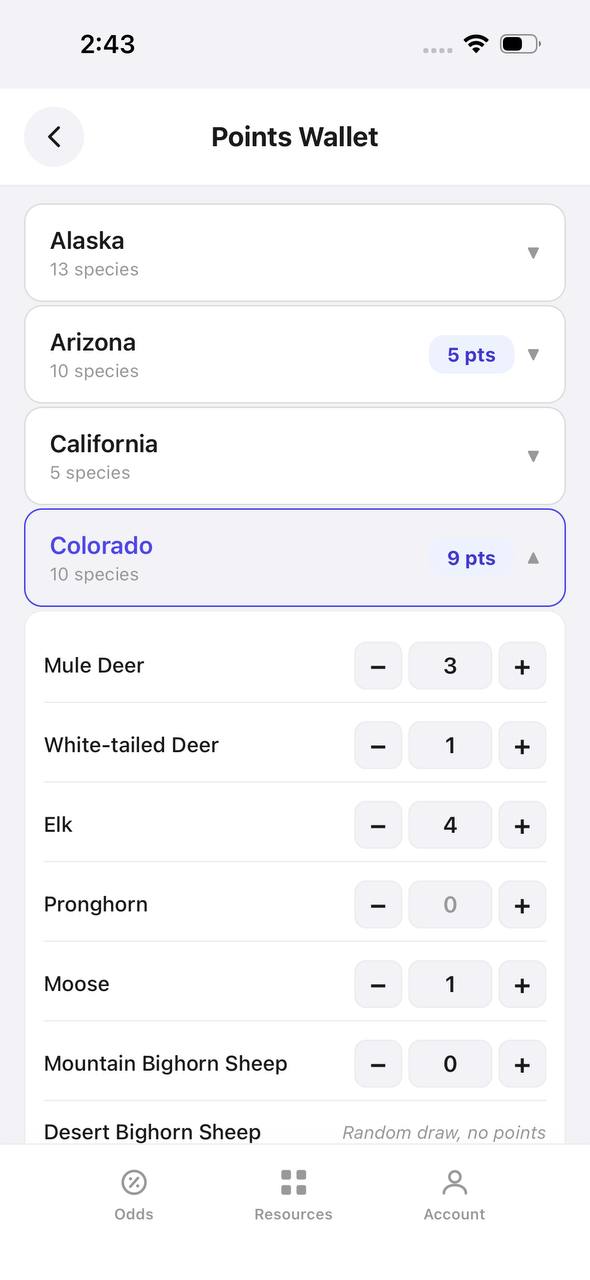
- Point tracking
- Deadline reminders
- 18 states covered

Free to join
Download mobile app
- Detailed draw odds
- Point tracking
- Deadline reminders
- 18 states covered
Free to join
Download mobile app
- Detailed draw odds
- Point tracking
- Deadline reminders
- 18 states covered
Glass Quality Versus Magnification Trade-offs
Higher magnification sounds appealing until you experience how it amplifies hand shake and narrows field of view. For handheld glassing, 10x represents the practical upper limit for most hunters. Beyond that, image shake becomes distracting and you'll miss animals moving through your narrowed field of view.
Twelve-power binoculars work when you're glassing from stable positions — sitting against a rock with elbows braced on knees, using a tripod adapter, or leaning against a tree. The extra magnification helps when you're scrutinizing distant basins or counting points on a bull at 1,200 yards. But if you're constantly on the move or glassing while standing, 10x provides better real-world performance.
Glass quality matters more than magnification. A premium 10x42 binocular will outperform a mediocre 12x50 every time. You'll see more detail through superior resolution, better color rendition, and improved contrast. The extra 20% magnification means nothing if the image is soft, washed out, or unclear.
How Premium Optics Change Your Hunt
Premium optics extend your effective glassing time by hours each day. When you can see clearly 20 minutes before sunrise and 20 minutes after sunset, you gain 40 extra minutes daily of prime animal movement. Over a week-long hunt, that's nearly five additional hours of productive glassing time.
The confidence factor matters more than most hunters realize. When you find a bull through premium glass, you can accurately judge trophy quality without needing to cut the distance in half for a second look. This saves time, reduces pressure on the animal, and lets you make decisive calls about whether to pursue or keep searching.
Premium optics also reduce eye fatigue dramatically. Cheaper glass forces your eyes to work harder to resolve images, leading to headaches and reduced effectiveness as the day progresses. Quality optics let you glass longer and more comfortably, which directly translates to finding more animals.
Caring for Premium Glass in the Field
Premium optics demand proper care to maintain performance. Always use lens caps when not actively glassing — alpine sun and blowing dust destroy coatings faster than most hunters realize. Carry a quality microfiber cloth and lens pen in an accessible pocket, not buried in your pack.
Never wipe lenses dry. Use lens cleaning solution or at minimum your breath to create moisture before wiping. Dragging a cloth across a dry lens with embedded dust particles scratches coatings permanently. Take 15 seconds to do it right rather than rushing and damaging $3,000 glass.
Store optics in protective cases when moving through thick timber or scrambling over talus. A chest harness keeps binoculars secure and accessible while protecting them from impacts. For spotting scopes, a padded case designed for your specific model prevents damage during the rough handling that's inevitable during mountain hunting.
When to Upgrade Your Current Glass
If you're hunting western country more than once or twice per season, premium optics justify their cost within a few years. The performance difference becomes obvious the first time you compare your current glass to alpha-level equipment. Animals you couldn't identify with budget glass suddenly become clear, trophy judgment becomes confident rather than uncertain, and low-light performance extends your effective hunting time.
Hunters chasing once-in-a-lifetime tags — sheep, goat, moose, or premium limited-entry elk permits — should consider premium glass non-negotiable. When you've invested years of preference points and thousands of dollars in the tag itself, guide fees, and travel, the optics that help you locate and judge animals represent a minor additional expense with enormous return on investment.
The used market offers opportunities to acquire premium glass at reduced prices. Swarovski, Leica, and Zeiss hold value exceptionally well, and their warranties often transfer to second owners. Check classified sections on Rokslide and HuntTalk for deals from hunters upgrading or liquidating gear.
Tripod Mounting Makes Premium Glass Perform Better
A quality tripod transforms both binoculars and spotting scopes from good tools into great ones. Image stability matters more than magnification — a rock-solid 10x image on a tripod beats handheld 12x every time. You'll spot more animals, judge trophy quality more accurately, and glass longer without fatigue.
For binoculars, an Outdoorsmans tripod adapter plate attaches to the center hinge and mounts to any Arca-Swiss compatible head. The system adds minimal weight to your pack but lets you sit and glass effectively for hours. A fluid head like the Outdoorsmans Micro Pan Head provides smooth movement while tracking animals or scanning ridgelines.
Spotting scope tripods need greater stability than photography tripods. Look for models with spiked feet, a center hook for hanging weight, and legs that lock securely without creep. Carbon fiber reduces pack weight dramatically compared to aluminum while providing excellent rigidity. Budget $400-600 for a serious tripod setup that'll last decades.
FAQ — Premium Hunting Optics
Are premium optics really worth three times the price of mid-range glass?
Yes, if you hunt western country regularly. The performance gap in low light, resolution, and durability directly impacts how many animals you find and how confidently you can judge them. For casual hunters or those in heavily wooded eastern terrain, mid-range glass may suffice.
What magnification binocular is best for all-around western hunting?
Ten-power in a 42mm objective diameter balances magnification, brightness, field of view, and weight for most situations. Twelve-power works better for dedicated glassing from stationary positions but becomes harder to use effectively when covering ground or glassing without a tripod.
Do I need a rangefinding binocular or separate rangefinder?
Separate units provide more flexibility — you can upgrade one without replacing both. Rangefinding binoculars save weight and keep everything in one system. For hunters who already own quality binoculars, adding a separate premium rangefinder makes more sense than replacing everything with an integrated unit.
How much should I spend on a spotting scope?
Plan on $2,500-3,500 for a truly premium scope with eyepiece. Less expensive scopes sacrifice resolution, low-light performance, or build quality. For western hunters judging animals at long distances, this represents money well spent. If you're only using a scope occasionally, renting for specific hunts may make more sense.
What's the most important feature in premium hunting glass?
Low-light performance matters most for western hunting. Animals move during marginal light conditions at dawn and dusk. Glass that extends your effective glassing time by even 15 minutes on each end of the day dramatically increases your odds of success over the course of a hunt.
Should I buy used premium optics?
Yes, if buying from reputable sources and the warranty transfers. Premium brands hold value exceptionally well, and their build quality means used units often perform like new. Always inspect thoroughly for scratches on lenses, smooth focus operation, and no internal dust or moisture.
Was this article helpful?
Previous
Weatherby Vanguard vs Tikka T3x: Which Rifle Wins for Western Hunting?
The Weatherby Vanguard and Tikka T3x dominate the mid-tier hunting rifle market, but they take different approaches to accuracy, ergonomics, and value. Here's how they stack up for western big-game hunters.
Related
How Florida Wildlife Draws Compare to Western Big Game Draws
Florida's alligator and turkey draws operate on a simpler lottery system with no preference points, shorter application windows, and lower tag costs compared to Western big-game states. Understanding these key differences helps hunters maximize opportunities in both regions.
Next
Sierra GameChanger Review: Performance on Western Big Game
An honest field test of Sierra's GameChanger bullets on elk, mule deer, and pronghorn across five seasons. We cover terminal performance, accuracy at distance, and whether they justify the price tag for serious western hunters.