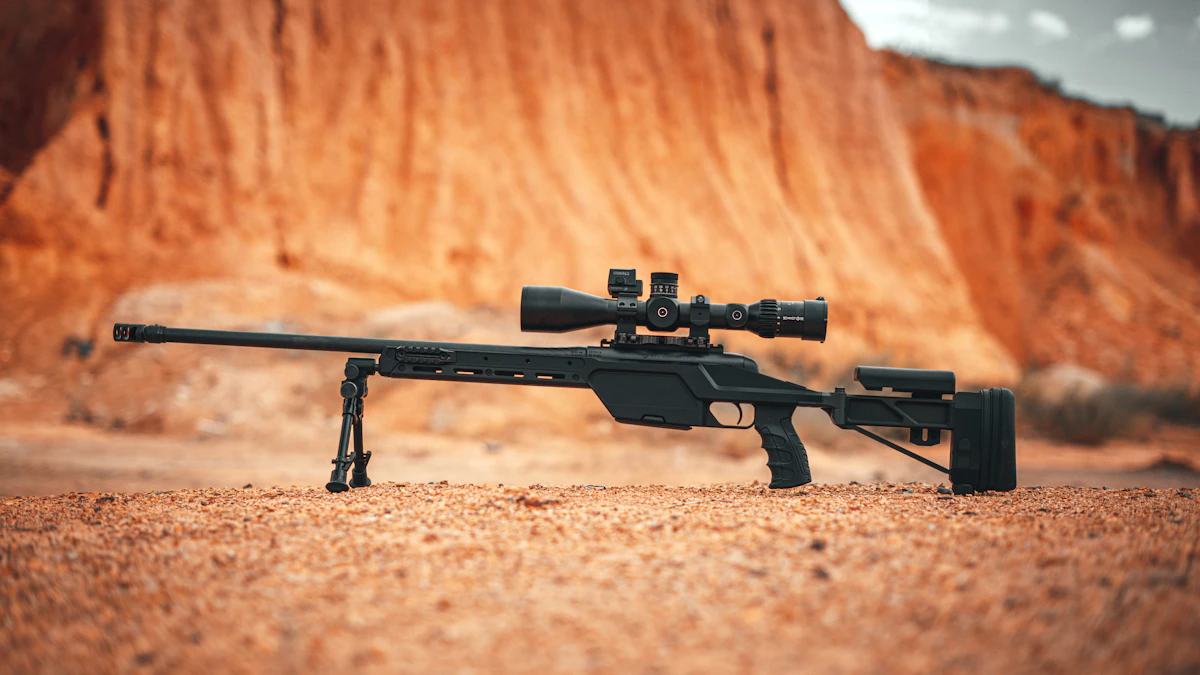
When you're shopping for a hunting rifle that balances precision, durability, and value, Bergara and Howa consistently rise to the top of the list. Both manufacturers have earned reputations for sub-MOA accuracy out of the box, and both offer platforms that serious western hunters trust in the backcountry. But they approach rifle design differently, and those differences matter when you're hauling a rifle up a ridgeline or making a cold-bore shot at first light.
This comparison breaks down barrel construction, stock ergonomics, trigger systems, and aftermarket support so you can make an informed decision before your next hunt.
Barrel Quality and Accuracy Potential
Bergara built its reputation on precision-grade barrels. The company started as a barrel manufacturer supplying high-end custom rifle builders, and that expertise shows in their hunting rifles. Bergara barrels are cold-hammer-forged using proprietary steel formulas, then hand-lapped and individually tested. Most Bergara rifles ship with a sub-MOA guarantee, and many shooters report consistent half-MOA groups with quality ammunition.
Howa barrels are also cold-hammer-forged and carry a sub-MOA accuracy guarantee. The Japanese manufacturing process emphasizes tight tolerances and consistent bore dimensions. Howa rifles have a long track record of delivering reliable accuracy, though the barrels are not hand-lapped like Bergara's. In practice, both manufacturers produce barrels capable of making ethical shots well beyond typical hunting distances.
The real-world difference comes down to consistency. Bergara barrels tend to be less finicky about ammunition — they often shoot multiple factory loads well without extensive load development. Howa barrels generally need more experimentation to find their preferred diet, but once you identify the right ammunition, they deliver repeatable performance season after season.
Stock Design and Field Ergonomics
Bergara offers several stock configurations across its lineup. The B-14 Hunter features a traditional sporter-style stock with a straight comb and minimal palm swell, while the B-14 Ridge and Wilderness models use more aggressive designs with vertical grips and adjustable comb heights. Bergara stocks are typically made from fiberglass-reinforced synthetic materials that handle weather well and add minimal weight. The Ridge and Wilderness stocks incorporate additional rigidity through internal bedding blocks.
Howa rifles ship in a wider variety of stock options depending on the model and distributor. The standard Howa 1500 comes in a basic synthetic stock that's functional but unremarkable. The GamePro and Alpine models step up to more ergonomic designs with better grip textures and cheek weld geometry. Howa also partners with aftermarket stock makers like Hogue, offering barreled actions in HOGUE overmolded stocks that provide excellent grip in wet conditions.
For backcountry hunting, Bergara's Ridge and Wilderness stocks offer better ergonomics straight out of the box. The vertical grip angles and adjustable combs make it easier to maintain proper shooting form when you're taking awkward shots from hillsides or behind glassing positions. Howa's GamePro and Alpine stocks are competitive in this category, but the entry-level synthetic stock lags behind.
Both manufacturers use aluminum pillars and free-float their barrels, which contributes to consistent accuracy across temperature swings and rough handling.
Trigger Performance Out of the Box
Bergara rifles ship with a two-stage trigger that breaks cleanly between 2.5 and 3.5 pounds depending on the model. The trigger is user-adjustable down to about 2 pounds, though most hunters leave it in the factory range. The break is crisp with minimal overtravel, and the reset is short and tactile. Bergara triggers do not feel like budget components — they compete with aftermarket triggers that cost $200 or more as standalone upgrades.
Howa's HACT (Howa Activ Trigger) is a two-stage design adjustable from 2.5 to 4 pounds. The trigger breaks cleanly and has a similar tactile reset to Bergara's system. Earlier Howa triggers had a reputation for being acceptable but unremarkable, but the current HACT design is a significant improvement. It's not quite as refined as Bergara's trigger straight from the factory, but it's more than adequate for hunting applications.
Neither trigger requires immediate replacement, which is a meaningful cost savings. If you're planning a precision rifle build or long-range shooting beyond hunting applications, you might eventually swap either trigger for a TriggerTech or Timney, but for backcountry hunting, both factory triggers perform well.
Action Smoothness and Reliability
Bergara uses a Remington 700-footprint action, which means the bolt face, receiver threads, and scope base mounting pattern follow the most common standard in the industry. Bergara's actions are machined in Spain with tight tolerances, and the bolt runs smoothly with a 90-degree throw. Primary extraction is strong, and the action feeds cartridges reliably from the internal magazine. Some hunters report the bolt requires a brief break-in period to reach peak smoothness, but after a few hundred rounds, the action cycles as smoothly as custom rifles costing twice as much.
Howa 1500 actions are legendary for their smoothness straight out of the box. The Japanese manufacturing process produces an action that cycles effortlessly with minimal bolt lift effort. The bolt face is recessed, which adds support to the cartridge head and improves extraction reliability. Howa actions use a push-feed design with a two-lug bolt and a full-diameter firing pin. Controlled-round-feed purists prefer Mauser-style extractors, but Howa's push-feed system has proven itself reliable across decades of hard use in all conditions.
The Howa action is also built on a proprietary footprint, though many aftermarket stock and chassis manufacturers support it. If you plan to upgrade your rifle over time, Bergara's Remington 700 compatibility gives you access to a larger aftermarket ecosystem.
Free to join
Download mobile app
- Detailed draw odds
- Point tracking
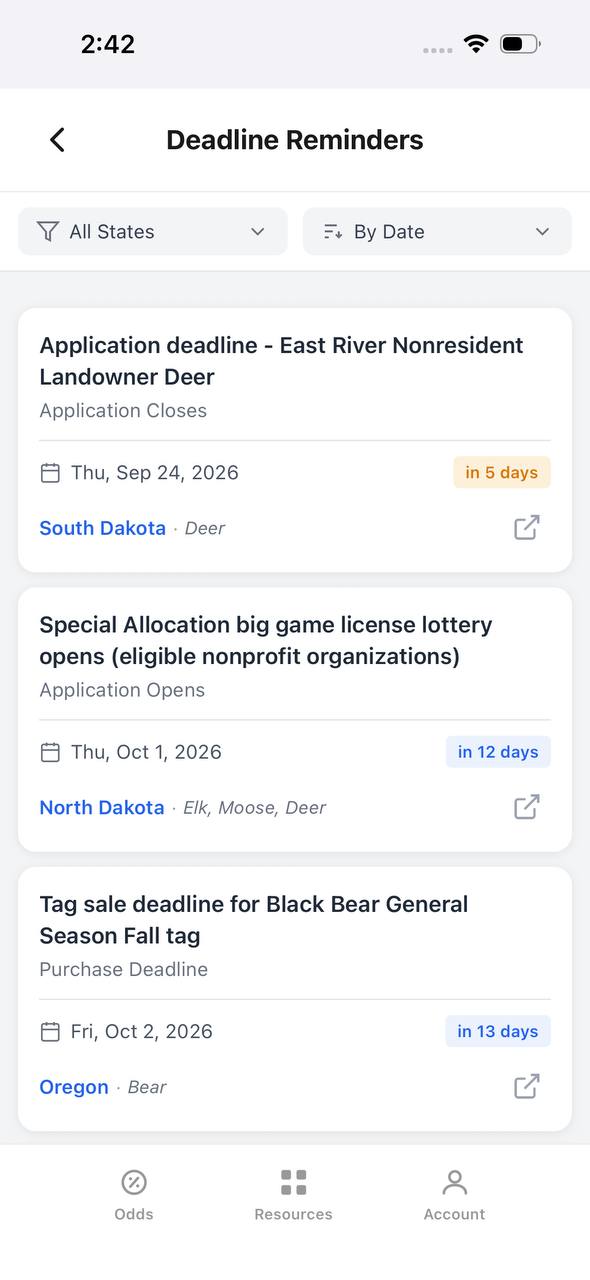
- Deadline reminders
- 18 states covered

Free to join
Download mobile app
- Detailed draw odds
- Point tracking
- Deadline reminders
- 18 states covered
Free to join
Download mobile app
- Detailed draw odds
- Point tracking
- Deadline reminders
- 18 states covered

Chambering Options and Caliber Selection
Bergara offers its rifles in common hunting calibers like 6.5 Creedmoor, .308 Winchester, .270 Winchester, .30-06 Springfield, 7mm Remington Magnum, and .300 Winchester Magnum. They also chamber several long-range precision cartridges like 6.5 PRC and .300 PRC, which are increasingly popular for western hunting. Bergara's barrel twist rates are optimized for modern high-BC bullets, making them well-suited for longer-range shooting.
Howa chambers an even wider range of cartridges, including everything Bergara offers plus older classics like .243 Winchester, .25-06 Remington, and .338 Winchester Magnum. Howa also produces rifles in less common chamberings like 6.5 Grendel and .223 Remington for predator hunters. If you want a rifle in a specific cartridge that's not mainstream, Howa is more likely to offer it.
Both manufacturers use appropriate twist rates for their chamberings, and both produce magnum-length actions for longer cartridges.
Weight and Portability for Backcountry Hunts
Bergara's B-14 Hunter weighs around 7.2 pounds in a standard magnum caliber with a 24-inch barrel. The Ridge model adds slight weight due to the more rigid stock design, coming in around 7.5 to 8 pounds depending on barrel length. The Wilderness model, designed specifically for mountain hunting, drops down to approximately 6.7 pounds by using a slimmer barrel contour and a lighter stock.
Howa 1500 rifles in standard synthetic stocks weigh about 7.5 to 8 pounds with a 24-inch barrel in magnum calibers. The Alpine model, which features a lightweight stock and a thinner barrel, weighs closer to 6.5 pounds. Howa's Carbon Fiber models drop weight further, coming in under 6 pounds for some configurations.
For hunters who prioritize weight savings on long backpack hunts, both manufacturers offer competitive lightweight options. Howa's Carbon Fiber rifles are among the lightest factory rifles available without stepping into custom builds, while Bergara's Wilderness model balances weight reduction with barrel stiffness for better accuracy.
Magazine Capacity and Feeding Reliability
Bergara rifles use a hinged floorplate magazine system with a capacity of 3+1 or 4+1 depending on the caliber. The magazine is internal and flush with the stock, which keeps the rifle's profile clean and reduces snag points in dense cover. The hinged floorplate opens from the front, allowing you to unload the rifle quickly without cycling rounds through the action. Some hunters prefer detachable box magazines for faster reloads, but for hunting applications where you rarely fire more than one or two shots, the hinged floorplate is reliable and low-profile.
Howa 1500 rifles also use an internal hinged floorplate magazine with similar capacity. The floorplate release is located at the front of the trigger guard, and it operates smoothly. Howa's feeding system has a reputation for reliability — the cartridges strip cleanly from the magazine and chamber without hang-ups.
Neither rifle offers a detachable box magazine in standard hunting configurations, though some Howa barreled actions are sold separately and can be installed in aftermarket chassis systems that accept detachable magazines. For hunters who want that option, Bergara's Remington 700 footprint makes it easier to swap into a chassis or stock that supports AICS-pattern magazines.
Free to join
Download mobile app
- Detailed draw odds
- Point tracking
- Deadline reminders
- 18 states covered
Free to join
Download mobile app
- Detailed draw odds
- Point tracking
- Deadline reminders
- 18 states covered
Free to join
Download mobile app
- Detailed draw odds
- Point tracking
- Deadline reminders
- 18 states covered
Aftermarket Support and Customization Options
Bergara rifles are built on the Remington 700 footprint, which is the most widely supported action pattern in the industry. If you want to upgrade your stock, install a new trigger, mount a custom barrel, or drop the barreled action into a precision chassis, you have virtually unlimited options. Companies like AG Composites, Manners, KRG, and MDT all manufacture components that fit Bergara actions without modification. This makes Bergara rifles excellent platforms for hunters who want to upgrade components over time or build a versatile rifle that serves double duty for long-range precision shooting.
Howa actions are also well-supported in the aftermarket, though not to the same extent as Remington 700-pattern rifles. Stock manufacturers like Bell and Carlson, Boyd's, and Hogue offer direct-fit options for Howa 1500 actions. Trigger manufacturers like Timney and TriggerTech produce aftermarket triggers specifically for Howa rifles. Barrel manufacturers like Criterion and Shilen offer pre-fit barrels for Howa actions, though the selection is smaller than for Remington 700-pattern rifles.
If you plan to keep your rifle stock or make only minor upgrades, Howa's aftermarket support is sufficient. If you want maximum flexibility for future modifications, Bergara's Remington 700 compatibility gives you more options.
Price Comparison and Overall Value
Bergara rifles typically start around $900 to $1,000 for the B-14 Hunter model, with the Ridge and Wilderness models ranging from $1,100 to $1,400 depending on the retailer and chambering. These prices reflect Bergara's focus on premium barrel quality and refined triggers. You're paying for hand-lapped barrels and factory accuracy guarantees that many custom rifles struggle to match.
Howa rifles start lower, with the standard 1500 model often available for $600 to $700. The GamePro and Alpine models range from $800 to $1,000, and the Carbon Fiber models push closer to $1,500. Howa delivers excellent value at every price point, and the entry-level models compete with rifles that cost significantly more.
For hunters on a budget who want sub-MOA accuracy without spending four figures, Howa offers better bang for the buck. For hunters who want a rifle that feels more refined out of the box and plan to shoot long-range or compete occasionally, Bergara justifies the higher price with better barrels and triggers.
Both rifles will last a lifetime with proper care, and both will consistently put you in a position to make ethical shots at game.
Free to join
Download mobile app
- Detailed draw odds
- Point tracking
- Deadline reminders
- 18 states covered
Free to join
Download mobile app
- Detailed draw odds
- Point tracking
- Deadline reminders
- 18 states covered
Free to join
Download mobile app
- Detailed draw odds
- Point tracking
- Deadline reminders
- 18 states covered
Which Rifle Fits Your Hunting Style?
Choose Bergara if you want a rifle that feels premium out of the box, shoots a wide variety of ammunition accurately without extensive load development, and gives you maximum flexibility for aftermarket upgrades. Bergara rifles are the better choice for hunters who shoot year-round, participate in precision rifle matches during the off-season, or plan to build a do-everything rifle that handles both hunting and long-range target shooting.
Choose Howa if you want proven reliability at a lower price point, prefer an action that's smooth from day one, or need a chambering that Bergara doesn't offer. Howa rifles are the better choice for hunters who primarily use their rifle for hunting and don't need extensive customization options. The money you save on the rifle can go toward quality optics, which often matter more in the field than marginal differences in barrel quality.
Both manufacturers build rifles that western hunters trust in the mountains. The decision comes down to whether you value Bergara's refinement and Remington 700 compatibility or Howa's proven track record and lower entry price.
TAGZ Helps You Plan Your Hunt Before Rifle Season Opens
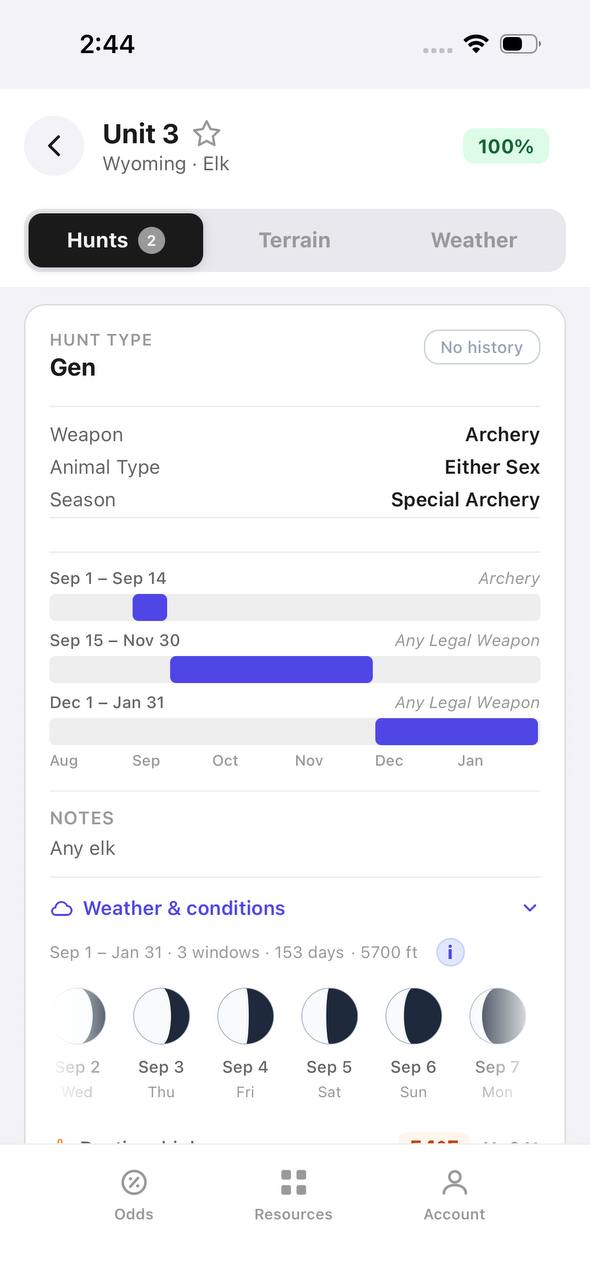
Whether you're planning an elk hunt in Colorado or a mule deer hunt in Montana, choosing the right rifle is only part of the equation. You also need to draw the right tag, scout the right unit, and time your application to maximize your odds.
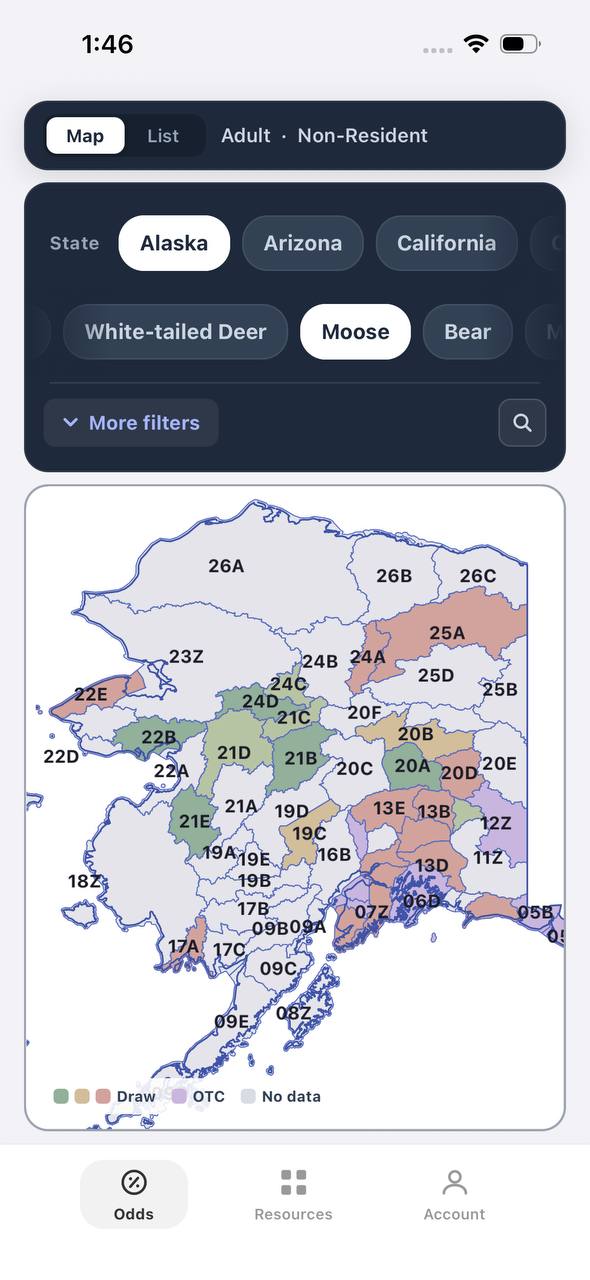
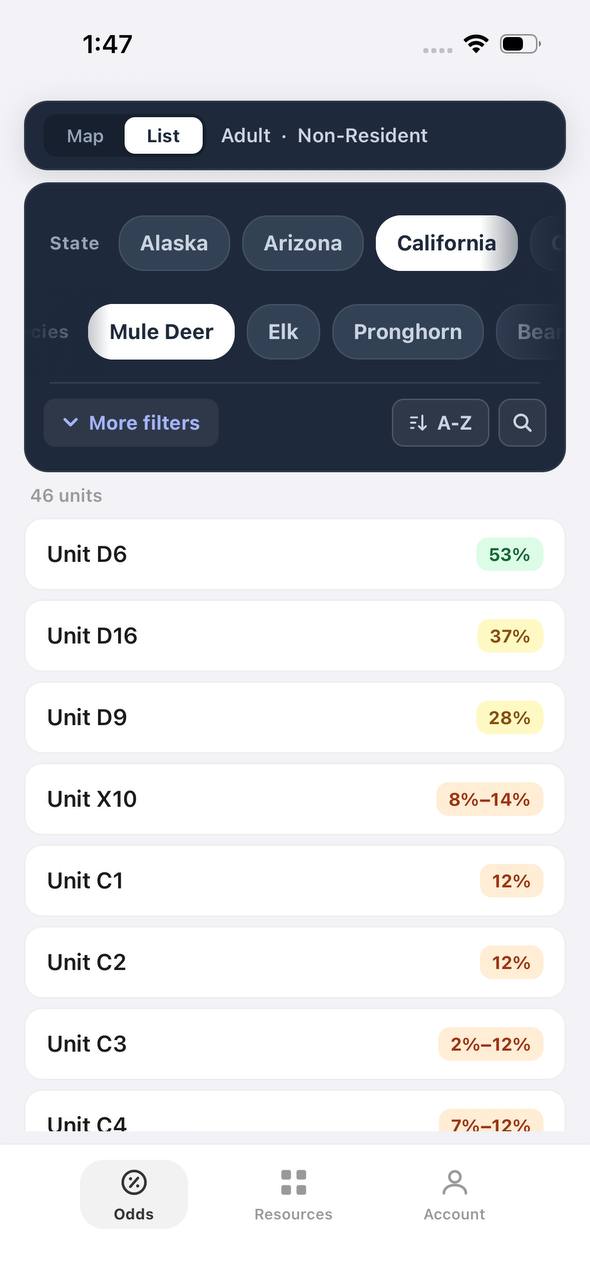
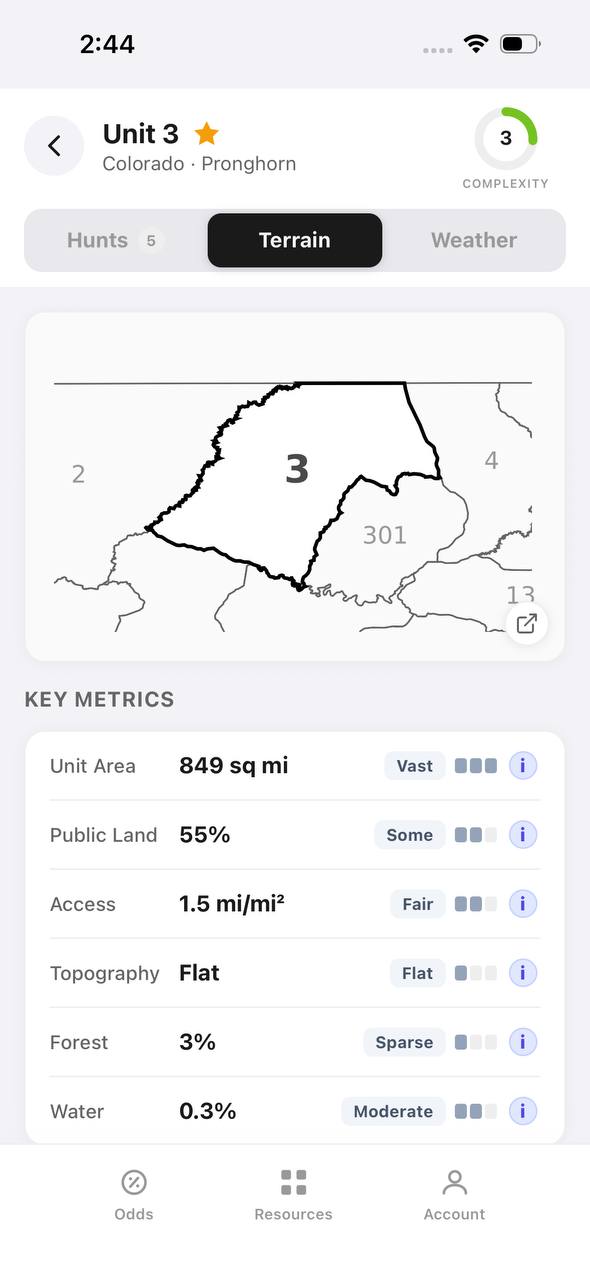
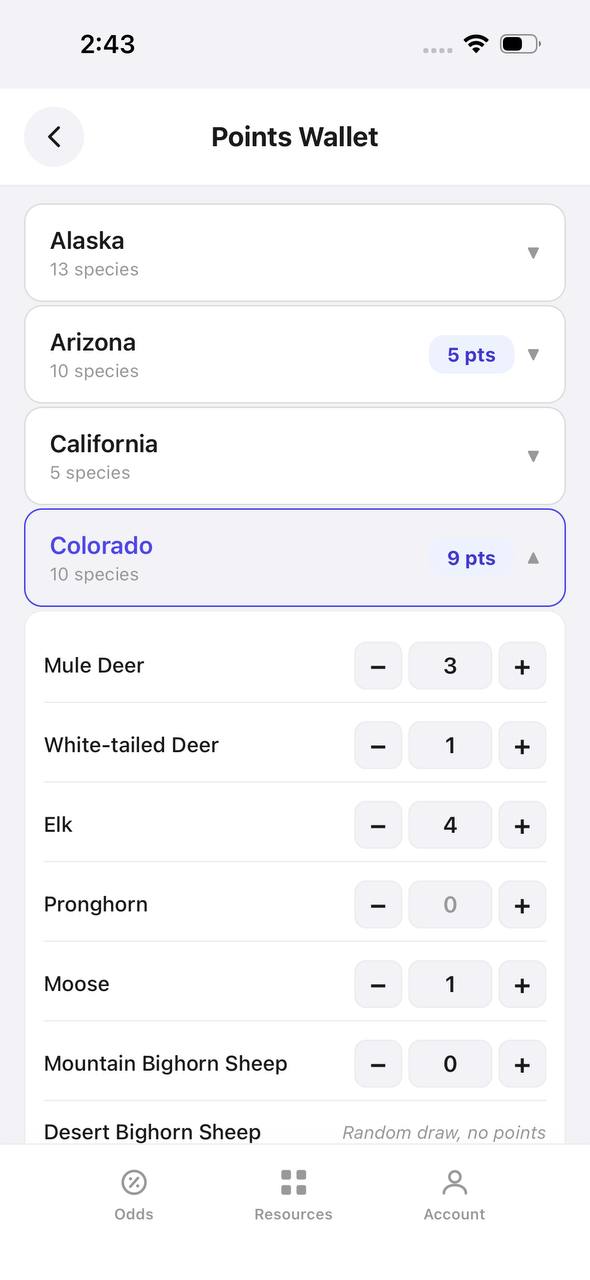
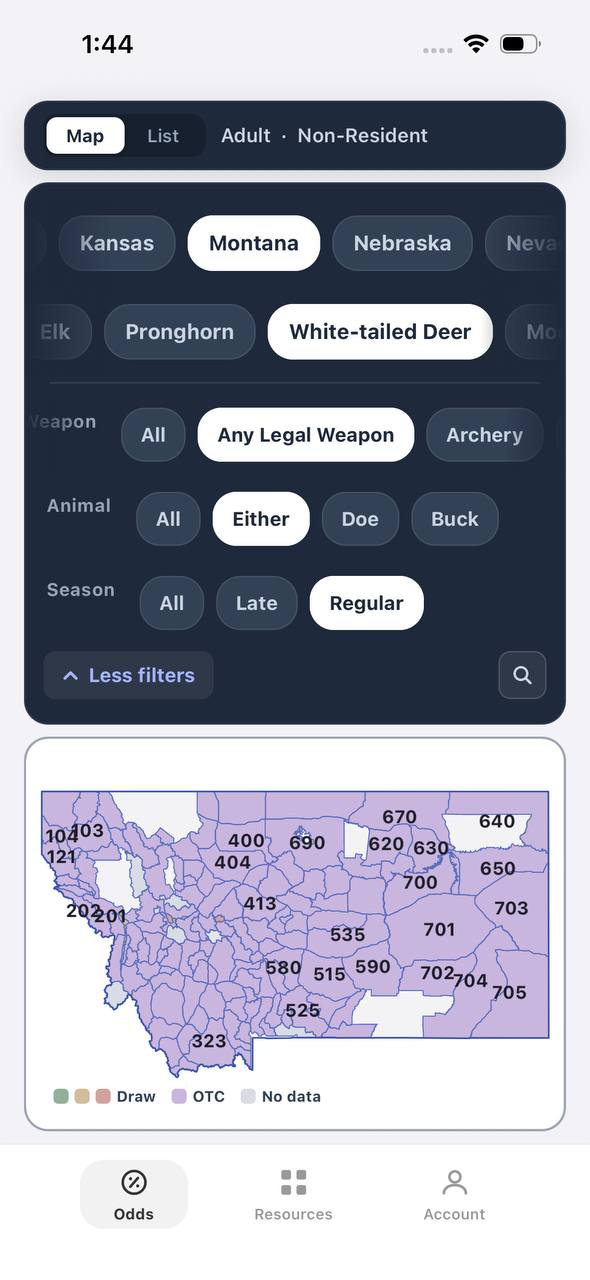
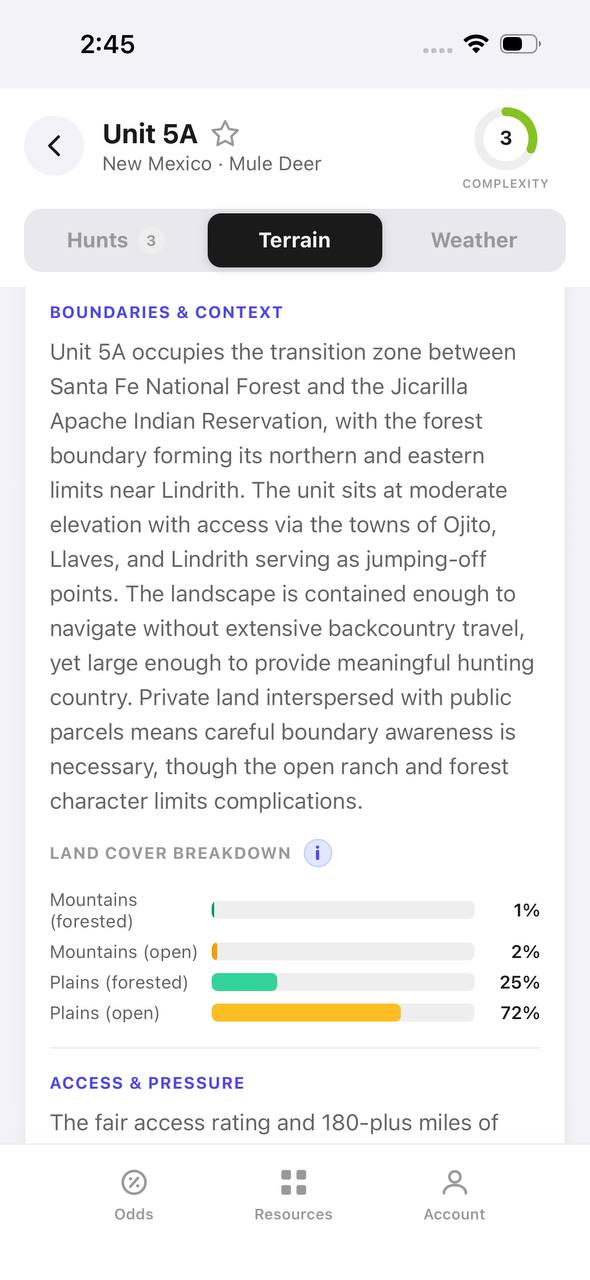
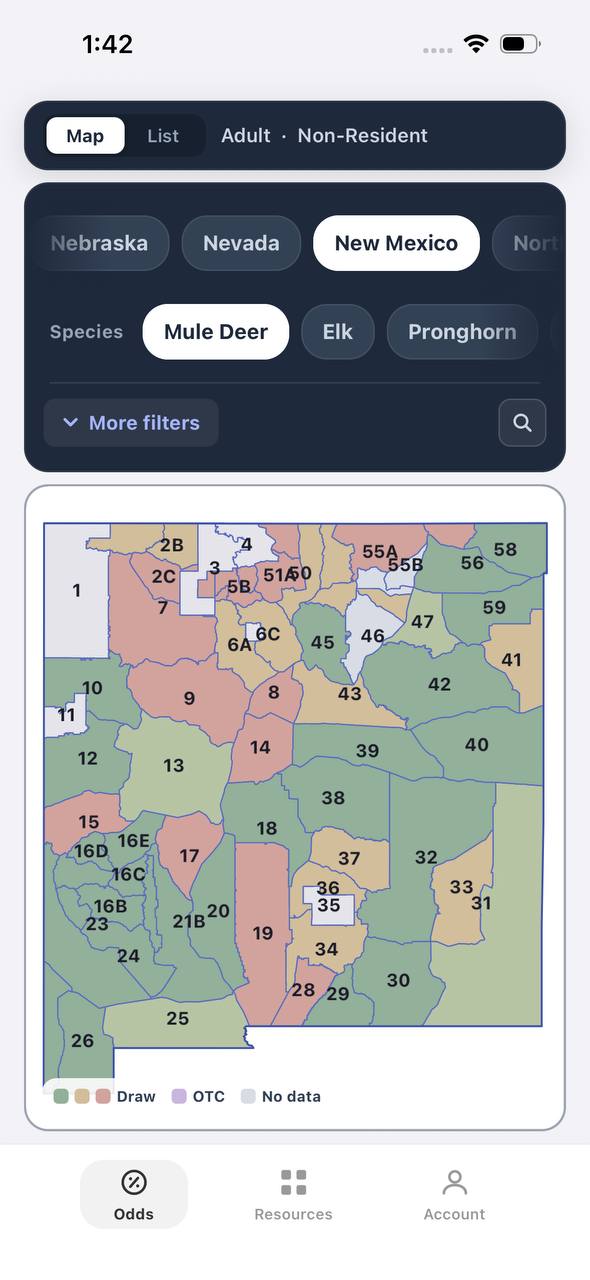
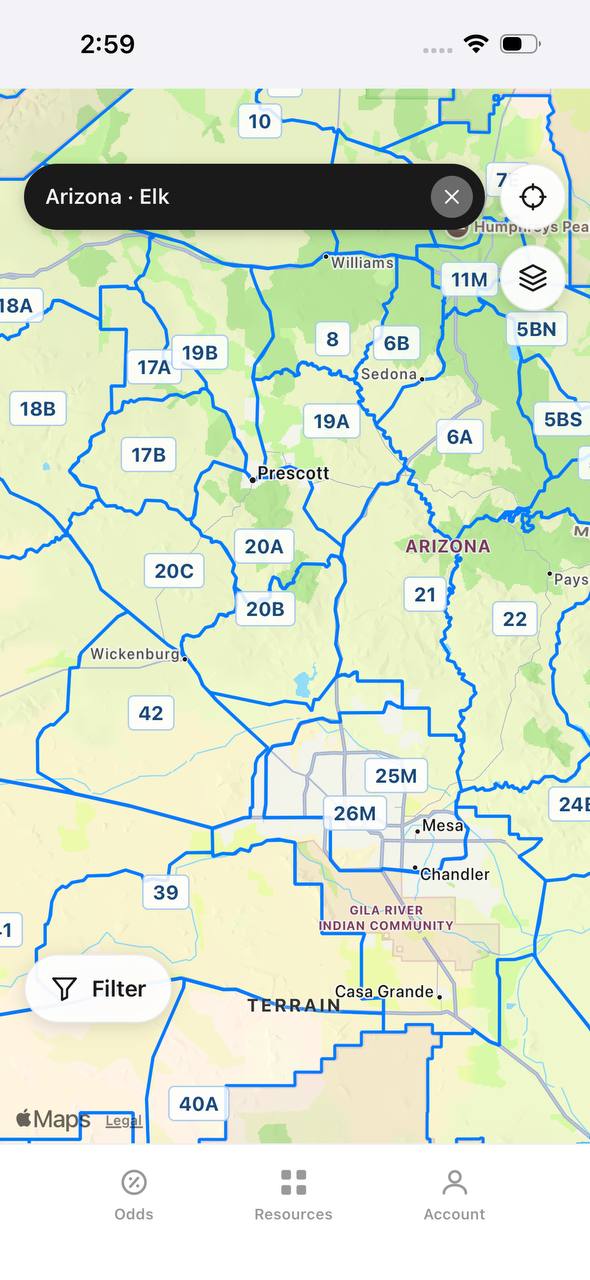
TAGZ helps you compare units side by side using terrain maps, unit boundaries, and historical draw data. Track your preference points and bonus points across multiple states so you never miss a draw deadline. Whether you're chasing OTC tags or planning a trophy limited-entry hunt, TAGZ gives you the tools to make smarter decisions before you ever step into the field.
Filter hunts by weapon type, season dates, and species. See which units require zero points and which units take a decade to draw. Access public land boundaries and elevation breakdowns to identify glassing ridges and migration corridors before you apply. The platform shows you exactly where your points position you in each state's draw system, so you can plan multi-year strategies that stack tags and maximize your time in the field.
FAQ — Bergara vs Howa Rifles
Which is more accurate, Bergara or Howa? Both rifles guarantee sub-MOA accuracy, and both deliver in real-world testing. Bergara barrels tend to shoot more factory loads accurately without load development, while Howa barrels often require more experimentation to find their preferred ammunition. In practice, the difference is marginal for hunting applications.
Is Bergara worth the extra cost over Howa? If you value hand-lapped barrels, a more refined trigger, and Remington 700 aftermarket compatibility, Bergara justifies the $300 to $500 price premium. If you primarily hunt and don't plan extensive upgrades, Howa delivers excellent value at a lower entry price.
Which action is smoother out of the box? Howa actions are legendary for their smoothness straight from the factory. Bergara actions cycle cleanly but often require a brief break-in period to reach peak smoothness. After a few hundred rounds, both actions feel comparable.
Can I upgrade either rifle with aftermarket parts? Yes. Bergara rifles are built on the Remington 700 footprint, giving you access to the largest aftermarket ecosystem in the industry. Howa rifles are also well-supported with aftermarket stocks, triggers, and barrels, though the selection is smaller.
Which rifle is better for backpack hunting? Both manufacturers offer lightweight models designed for backcountry hunting. Howa's Carbon Fiber models are among the lightest factory rifles available, while Bergara's Wilderness model balances weight savings with barrel stiffness for better accuracy. The difference comes down to personal preference and budget.
Do Bergara or Howa rifles require trigger upgrades? No. Both rifles ship with quality two-stage triggers that are more than adequate for hunting. Bergara's trigger is slightly more refined out of the box, but Howa's HACT trigger performs well and is user-adjustable. Most hunters never replace either trigger.
Continue Planning Your Hunt
Ready to apply for your next western hunt? Head to the TAGZ Insights page to explore draw odds breakdowns, unit strategy guides, and application deadline calendars for every western state. Learn how TAGZ simplifies multi-state applications and helps you maximize your draw odds on the Pricing page. Create a free account and start filtering hunts by species, weapon, and point requirements on the TAGZ Product page.
Was this article helpful?
Previous
Best Sheep Bows: Ultralight Setups for Alpine Hunts
Sheep hunting demands ultralight gear that performs at elevation. The best sheep bows balance packability, accuracy at steep angles, and reliability in harsh alpine conditions—discover which models guide outfitters trust most.

Related
Complete Western Hunting Clothing Guide: Layering, Materials & Strategies for Mountain Hunts
Master western hunting clothing systems with proven layering strategies, material choices, and gear recommendations for alpine conditions. Learn how to stay comfortable from September archery hunts through late-season rifle seasons.
Next
Mountain Weather for Western Hunters: Reading Conditions, Staying Safe, and Timing Your Hunt
Mountain weather shapes every western hunt — from elk movement to your safety margin. Learn how to read rapid shifts, time your hunt around fronts, and prepare gear for alpine conditions that can swing 50 degrees in hours.