Weatherby Mark V Backcountry Review: Ultralight Rifle for Western Hunters
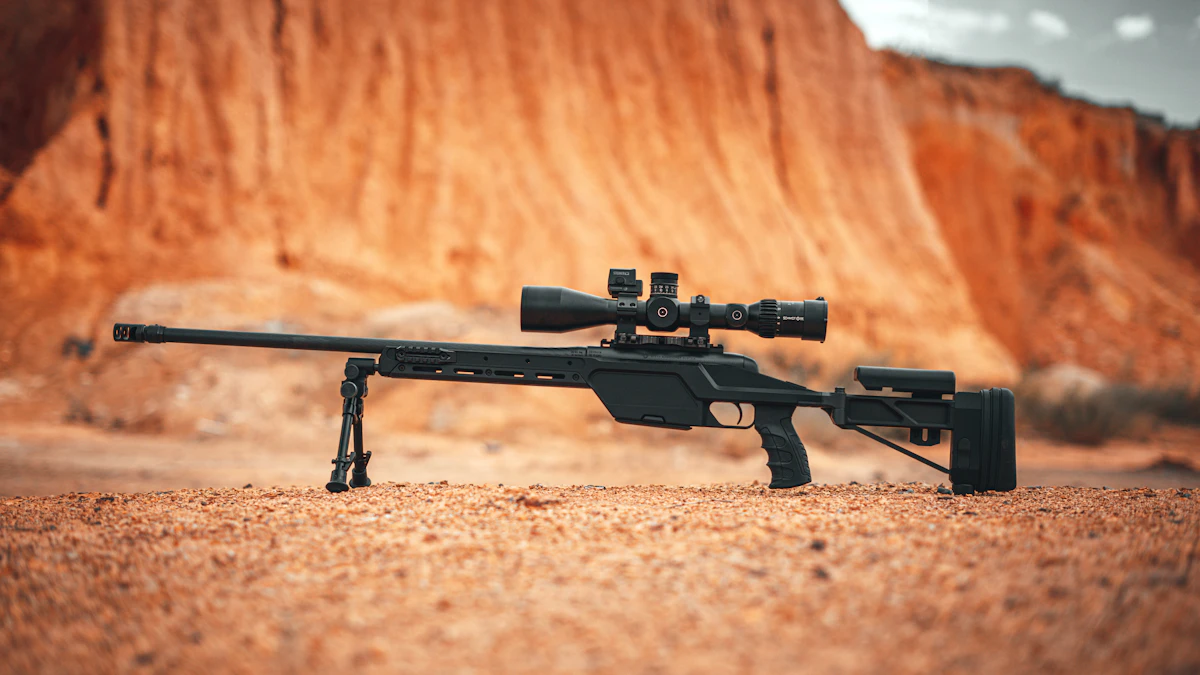
The Weatherby Mark V Backcountry was built for hunters who measure success in vertical feet, not truck miles. At 5 pounds 12 ounces in most calibers, this ultralight rifle eliminates ounces without sacrificing the bone structure needed for consistent accuracy across long alpine shooting lanes. Whether you are chasing September elk above treeline or glassing mule deer in Utah's high desert, the Backcountry handles like a mountain rifle should — light enough to forget until the shot matters.
Weatherby's Mark V action has anchored their rifle lineup since 1957. The Backcountry variant strips weight through a carbon-fiber stock, fluted bolt, and spiral-fluted barrel while keeping the action's nine locking lugs and 54-degree bolt throw. The result is a rifle that balances fast on shooting sticks and holds steady during the breath control that matters most at 400 yards.
Stock and ergonomics
The carbon-fiber stock uses an Accuguard coating that sheds moisture and resists the dings that come with scrambling through blowdown timber. Palm swells are minimal — this is a mountain rifle, not a benchrest gun — and the stock's straight comb supports a neutral cheek weld behind low-mounted scopes. Length of pull measures 13.5 inches, which works for most hunters in base layers or a mid-weight puffy.
Sling studs are installed front and rear. The forend is slim enough to grip naturally during offhand shots but wide enough to stabilize on a trekking pole or pack frame. Texturing is subtle and effective — enough grip in wet gloves without the aggressive checkering that snags on pack fabric during long sidehills.
Barrel and accuracy
Weatherby installs a #2 contour barrel with spiral fluting that removes material without compromising rigidity. Most calibers use a 24-inch barrel, though magnums like .300 Weatherby Magnum come with 26 inches to maximize velocity. The 1:8 twist in 6.5 Creedmoor stabilizes 140-grain bullets, and the 1:10 twist in .280 Ackley Improved handles 160-grain pills without issue.
Sub-MOA accuracy is standard across the Backcountry line. Expect three-shot groups under one inch at 100 yards with quality ammunition once the barrel is broken in. Cold-bore accuracy — the shot that matters most in the field — stays consistent if you let the barrel cool between groups during sight-in.
The muzzle is threaded 5/8-24 for suppressors or brakes. Weatherby includes a thread protector, but most western hunters will thread on a brake to manage recoil in the lighter magnums. A suppressor adds weight but cuts noise and recoil enough to justify the trade-off if you hunt multiple states where they are legal.
Caliber options and chambering strategy
The Mark V Backcountry is available in a dozen calibers ranging from 6.5 Creedmoor to .300 Weatherby Magnum. Popular choices for western hunters include .280 Ackley Improved, 6.5 PRC, and .300 Winchester Magnum. The 6.5 Creedmoor handles mule deer and pronghorn efficiently with minimal recoil. The .280 Ackley Improved bridges the gap between deer cartridges and true elk rounds, while the .300 Win Mag delivers authority on bull elk at any reasonable range.
Weatherby's proprietary magnums — .257 Weatherby Magnum, .300 Weatherby Magnum, and 6.5-300 Weatherby Magnum — offer higher velocities than standard magnums but require handloading or Weatherby factory ammo. If you reload or hunt where Weatherby ammunition is stocked reliably, the ballistic advantage is real. If you depend on shelf ammo in small-town sporting goods stores, stick with .300 Win Mag or 6.5 PRC.
Trigger and action
The LXX trigger breaks cleanly between 2.5 and 3.5 pounds depending on caliber. There is minimal take-up and a crisp wall before the break. Overtravel is short. The trigger is not adjustable from the factory, but the factory setting works for most field shooting where gloves and adrenaline are part of the equation.
The Mark V action uses nine locking lugs arranged radially around the bolt face. This distributes pressure evenly and allows a 54-degree bolt throw — shorter than most hunting rifles but not as short as a 60-degree custom action. The bolt operates smoothly with minimal friction. Ejection is positive without launching brass into the next drainage.
Magazine capacity is three rounds in magnum calibers and four rounds in standard calibers like 6.5 Creedmoor and .280 Ackley Improved. The internal magazine uses a hinged floorplate that can be opened for unloading without cycling rounds through the action.
Free to join
Download mobile app
- Detailed draw odds
- Point tracking
- Deadline reminders
- 18 states covered


Free to join
Download mobile app
- Detailed draw odds
- Point tracking
- Deadline reminders
- 18 states covered
Free to join
Download mobile app
- Detailed draw odds
- Point tracking
- Deadline reminders
- 18 states covered

Weight and balance
Weight varies by caliber and barrel length. A 6.5 Creedmoor with 24-inch barrel weighs 5 pounds 12 ounces before scope and rings. A .300 Weatherby Magnum with 26-inch barrel tips the scale closer to 6 pounds 4 ounces. Add a Leupold VX-5HD 3-15x44 in lightweight rings and the complete rifle weighs 7.5 to 8 pounds — light enough to carry all day without the whippiness that makes ultralight rifles hard to shoot accurately.
Balance point sits just forward of the magazine. The rifle shoulders naturally and tracks smoothly during follow-through. Recoil is sharp in magnum calibers without a brake, but the stock design and barrel weight keep muzzle jump manageable if you press into the shot.
Field performance
The Backcountry shines in terrain where you cover five to ten miles a day and take one or two shots when opportunities appear. It does not excel as a truck rifle where weight does not matter or as a dedicated long-range rig where a heavier barrel would improve consistency. It is purpose-built for hunters who prioritize mobility and accept the trade-offs that come with ultralight rifles.
Carry comfort is excellent. The slim profile does not dig into your shoulder during steep climbs, and the carbon-fiber stock does not telegraph cold through layers the way aluminum or steel chassis rifles do during October mornings above 10,000 feet. The rifle rides quietly in a scabbard and does not shift weight dramatically when you transition from hiking to glassing.
Shooting from field positions — sitting, kneeling, or prone over a pack — reveals the rifle's strengths. It stabilizes quickly on improvised rests and holds steady during trigger press. The straight comb keeps your eye aligned with the scope without requiring awkward head position adjustments. Follow-up shots are fast if you manage recoil and stay behind the scope through the break.
How it compares to other ultralight rifles
The Mark V Backcountry competes directly with the Kimber Mountain Ascent, Christensen Arms Ridgeline, and Proof Research Elevation. All four rifles target western hunters willing to pay for weight savings and reliable accuracy.
The Kimber Mountain Ascent weighs slightly less — closer to 5 pounds bare — but uses a shorter action that limits magazine capacity and can be finicky with handloads. The Christensen Ridgeline offers a carbon-fiber barrel that sheds more weight than the Weatherby's fluted steel barrel, but the Ridgeline's stock shape does not fit all shooters. The Proof Elevation uses a full carbon-fiber barrel and action, but the price climbs above $5,000 depending on configuration.
The Backcountry balances weight, accuracy, and price better than most competitors. It costs less than a Christensen or Proof while delivering comparable accuracy and better stock ergonomics than a Kimber. If you want an ultralight rifle without stepping into full custom territory, the Backcountry belongs on the short list.
Free to join
Download mobile app
- Detailed draw odds
- Point tracking
- Deadline reminders
- 18 states covered
Free to join
Download mobile app
- Detailed draw odds
- Point tracking
- Deadline reminders
- 18 states covered
Free to join
Download mobile app
- Detailed draw odds
- Point tracking
- Deadline reminders
- 18 states covered
Scope and optic pairing
Pairing an ultralight rifle with a heavy scope defeats the purpose. Most hunters mount a 3-15x or 4-16x scope in the 16- to 20-ounce range. Popular choices include the Leupold VX-5HD 3-15x44, Trijicon Credo HX 2.5-15x42, and Maven RS.1 2.5-15x44. These scopes deliver enough magnification for 500-yard shots without adding pounds that negate the rifle's weight advantage.
Ring height depends on scope objective diameter and stock comb height. Most 44mm scopes work with medium-height rings. Larger objectives require high rings, which raises your cheek weld and can slow target acquisition. Test the setup before a hunt to confirm comfortable head position and consistent eye relief.
A lightweight scope and ring combo keeps the complete rifle under 8 pounds. This threshold matters on day-five of a backcountry hunt when every ounce compounds over miles of elevation gain. Saving a pound on your rifle means carrying an extra pound of water or a spotter without increasing pack weight.
Ammunition recommendations
The Backcountry's 24-inch barrel maximizes velocity in most calibers. In 6.5 Creedmoor, expect 2,700 fps with 143-grain ELD-X and 2,750 fps with 140-grain Ballistic Tip. The .280 Ackley Improved pushes 162-grain ELD-X to 2,900 fps, and the .300 Win Mag delivers 2,950 fps with 200-grain Accubond.
Factory ammunition recommendations by caliber:
- 6.5 Creedmoor: Hornady Precision Hunter 143 ELD-X
- .280 Ackley Improved: Nosler Trophy Grade 160 Accubond
- 6.5 PRC: Hornady Precision Hunter 143 ELD-X
- .300 Win Mag: Federal Premium Terminal Ascent 200-grain
Handloaders can fine-tune accuracy and velocity. The rifle responds well to moderate powder charges and premium bullets. Start with published load data for your caliber and work up carefully — ultralight rifles show pressure signs earlier than heavier rifles due to thinner barrel contours and lighter overall mass.
Maintenance and reliability
The Mark V action is overbuilt by ultralight standards. The nine locking lugs provide redundancy, and the controlled-round feed ensures reliable cycling even when the rifle is canted during field positions. The action has a reputation for lasting decades with minimal maintenance.
The carbon-fiber stock requires less care than traditional wood or laminate stocks. Wipe it down after wet hunts to remove mud and moisture. The Accuguard coating resists most solvents and oils used during barrel cleaning. Avoid leaving the rifle in a hot truck cab for extended periods — carbon fiber tolerates temperature swings better than wood, but it still benefits from stable storage conditions.
Barrel life varies by caliber and shooting habits. The 6.5 Creedmoor should deliver 2,500 to 3,000 rounds of accurate barrel life. Magnums like .300 Weatherby Magnum lose accuracy sooner — expect 1,000 to 1,500 rounds before groups open up. Most hunters shoot fewer than 100 rounds per year through a hunting rifle, so barrel life spans multiple seasons even in hard-recoiling calibers.
Free to join
Download mobile app
- Detailed draw odds
- Point tracking
- Deadline reminders
- 18 states covered
Free to join
Download mobile app
- Detailed draw odds
- Point tracking
- Deadline reminders
- 18 states covered
Free to join
Download mobile app
- Detailed draw odds
- Point tracking
- Deadline reminders
- 18 states covered
Who should buy the Backcountry
The Weatherby Mark V Backcountry makes sense for hunters who cover serious terrain on foot and value mobility over bench-rest accuracy. It fits western elk hunters who hunt September backcountry units in Colorado, Montana, or Idaho. It works for mule deer hunters glassing across Utah or Nevada drainages where shooting opportunities appear suddenly after hours of hiking. It suits pronghorn hunters who stalk across Wyoming basins where the next shot might happen at 200 yards or 500 yards depending on wind and animal movement.
It does not fit hunters who prioritize maximum accuracy over weight savings or who hunt from fixed stands or trucks where portability does not matter. If you rarely hike more than two miles from the trailhead, a heavier rifle with a thicker barrel will shoot tighter groups and handle recoil more smoothly. If you want a dedicated long-range rifle for shooting past 600 yards, a 10-pound rig with a heavy barrel and adjustable chassis delivers better consistency.
The Backcountry occupies the middle ground between featherweight rifles that sacrifice too much and standard hunting rifles that weigh too much for all-day carries. It is the rifle for hunters who accept that the best rifle is the one you are carrying when the shot appears — and who know that the shot appears more often when you can hike farther and higher without exhaustion dragging down performance.
TAGZ helps you plan hunts where the Backcountry shines
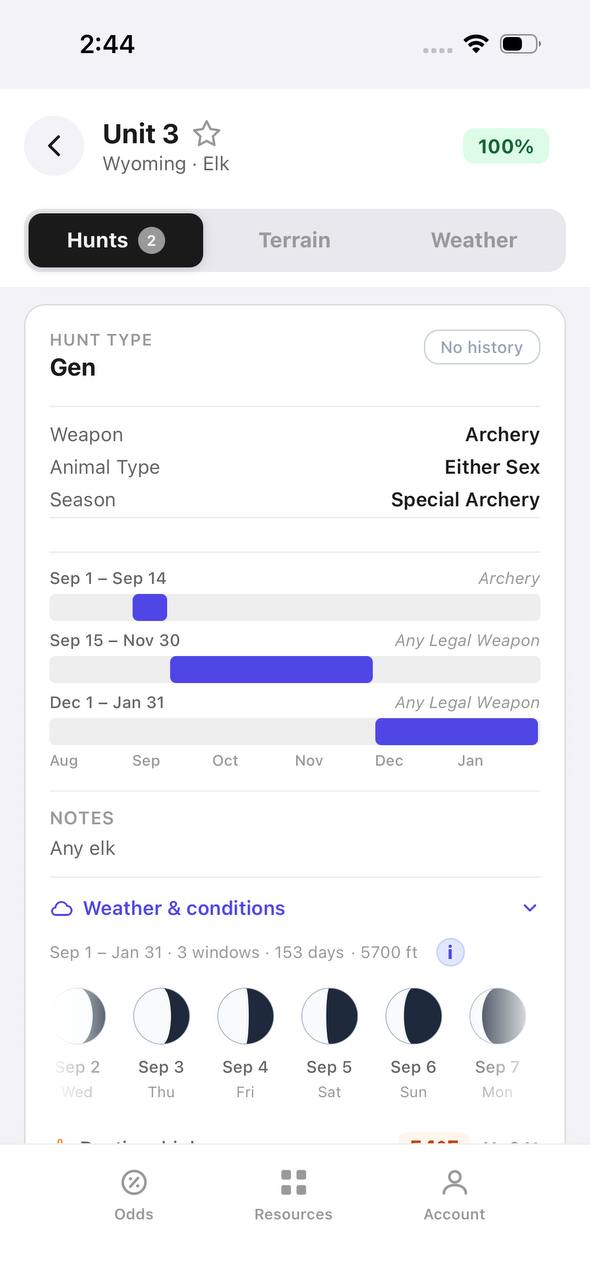
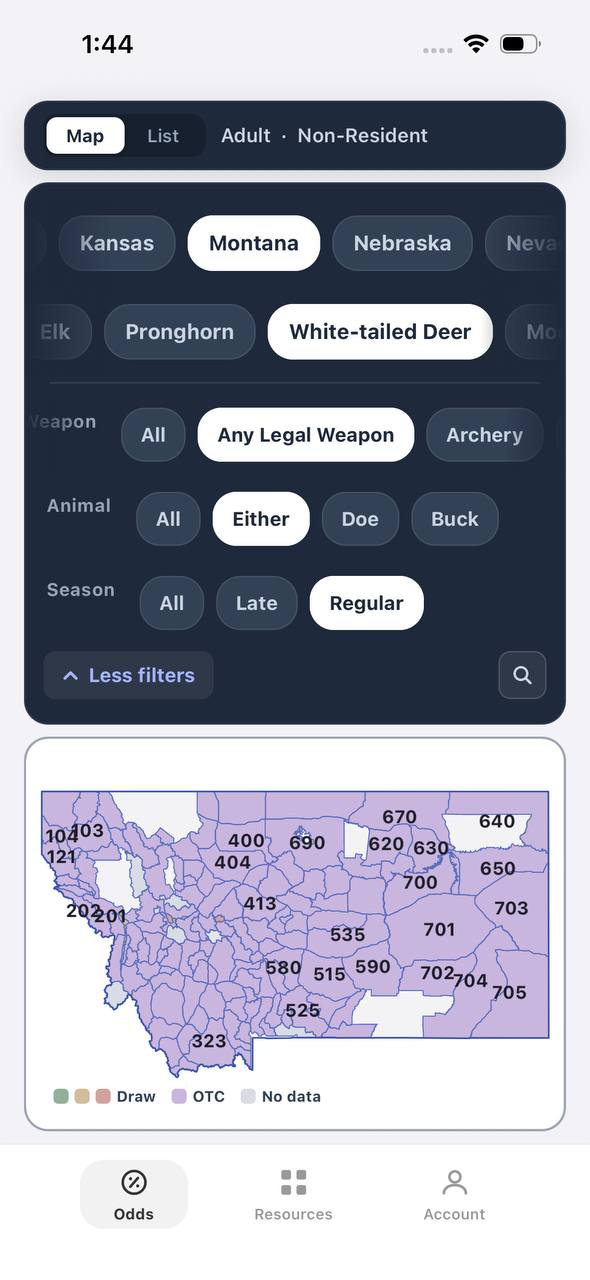
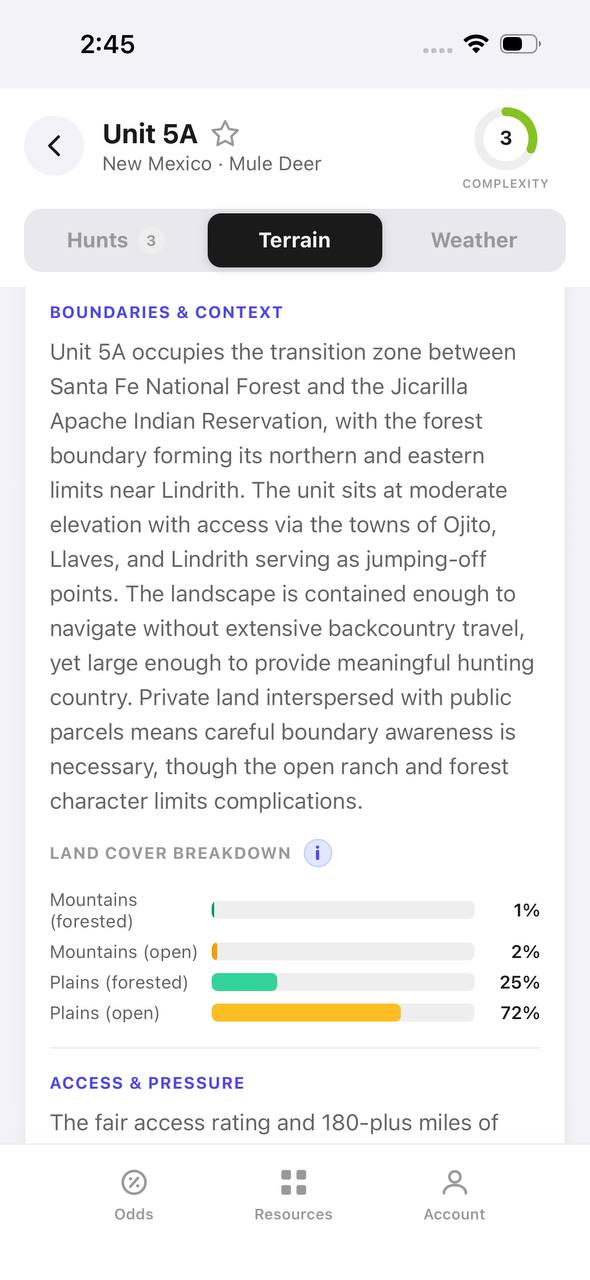
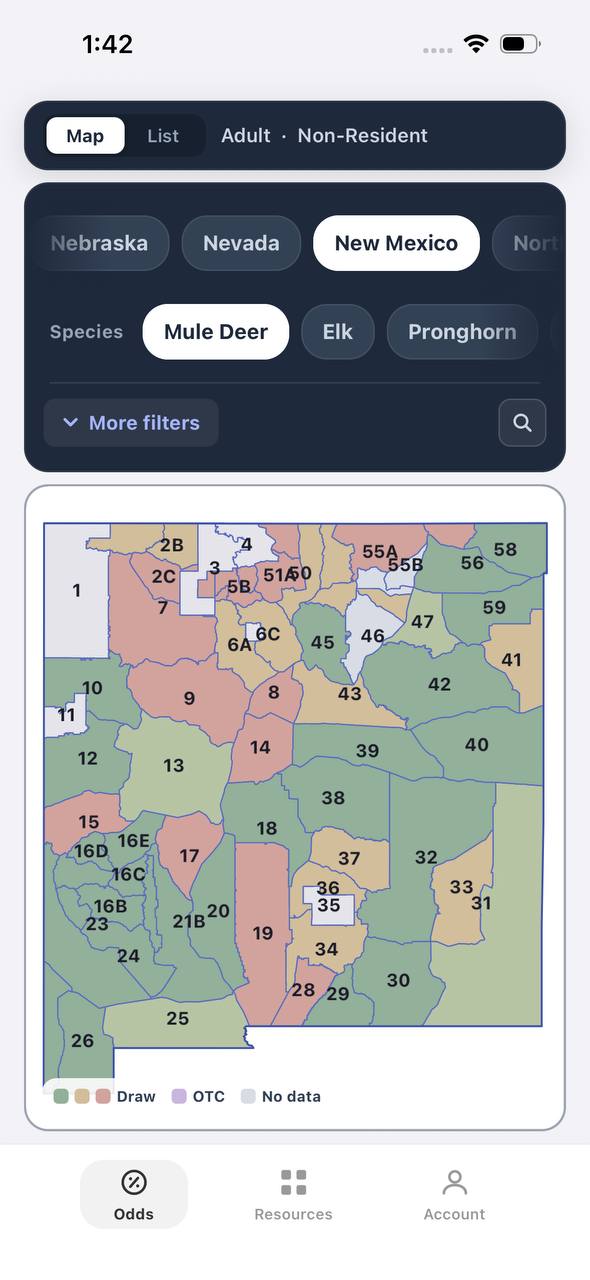
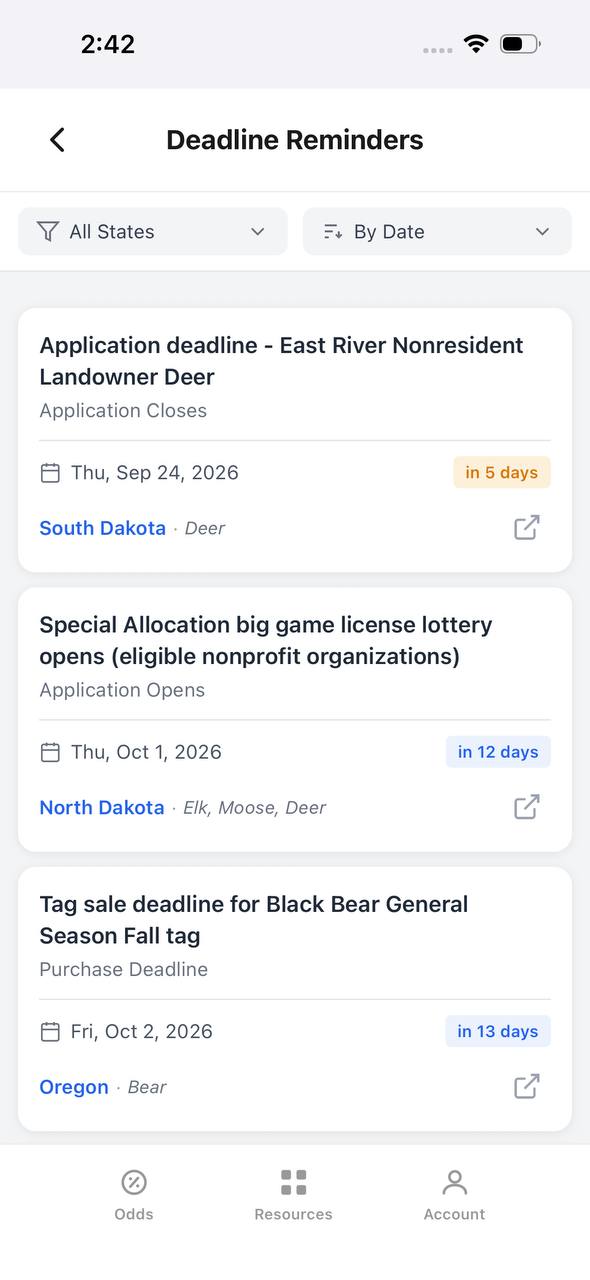
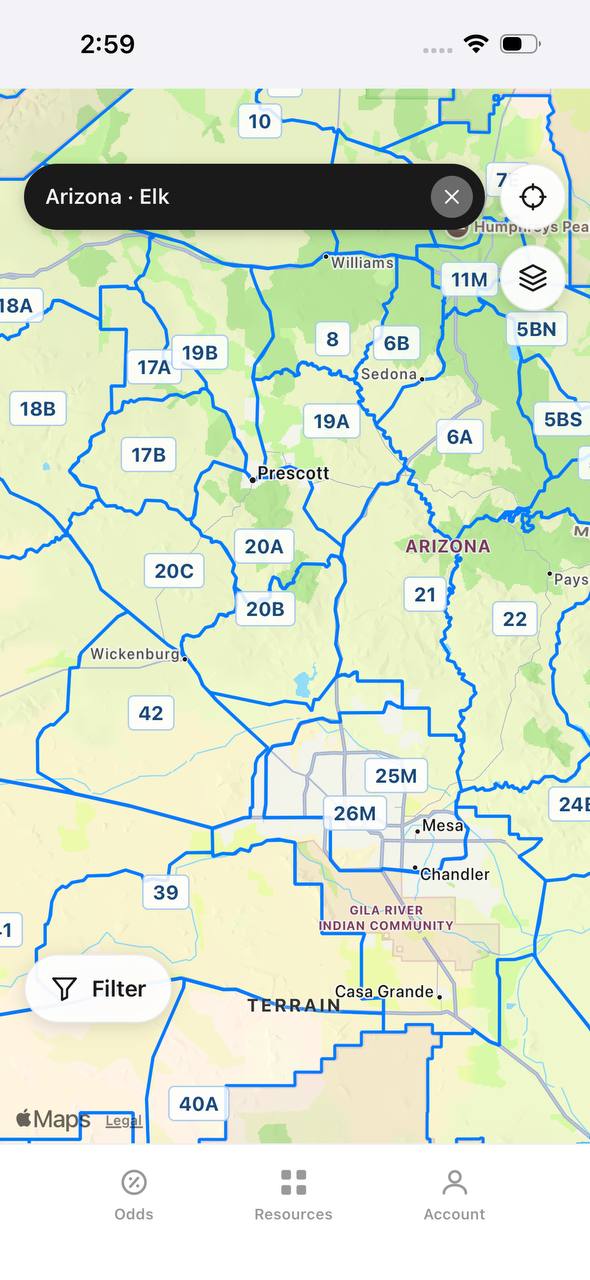
Choosing the right rifle matters, but drawing the tag that gets you into elk country matters more. TAGZ gives you the tools to research units, compare draw odds, and track application deadlines across multiple western states. Whether you are chasing Colorado OTC elk, planning a Nevada mule deer hunt, or building preference points for a Wyoming wilderness area, TAGZ shows you which units match your hunting style and how to maximize your draw odds before the application deadline closes.
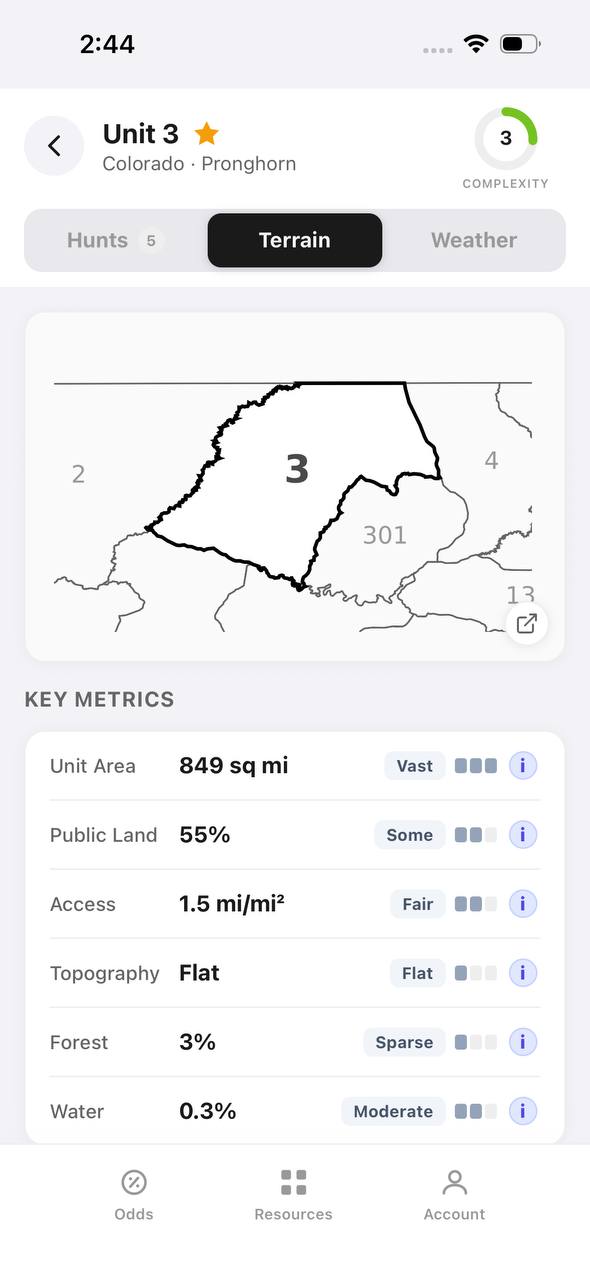
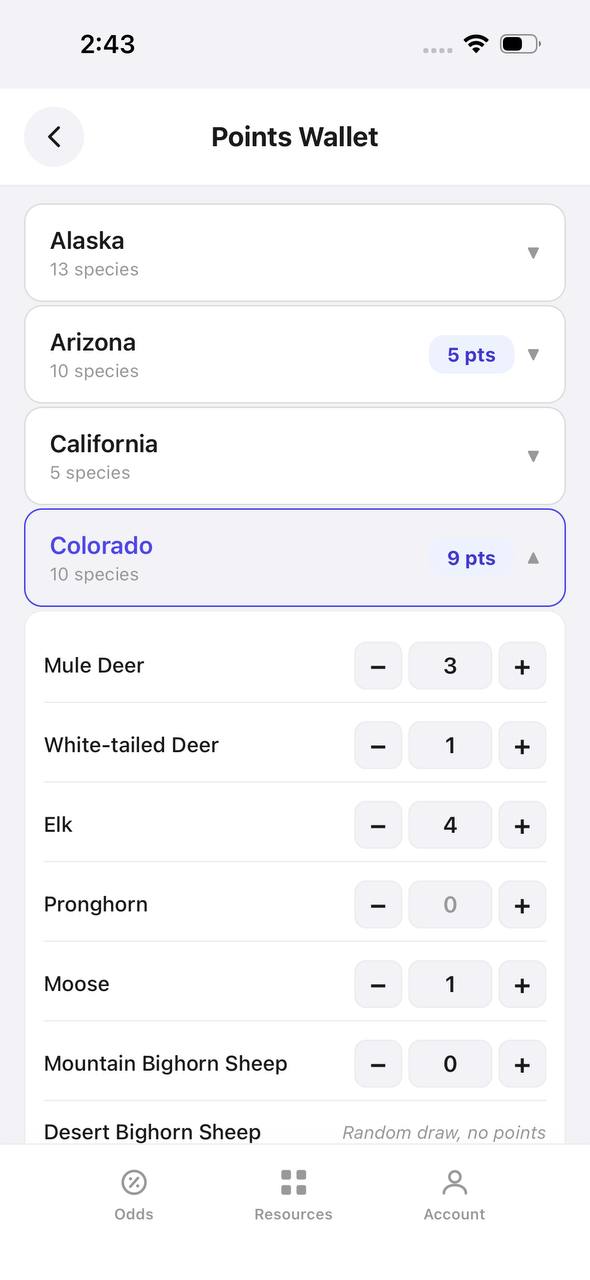
Use TAGZ terrain maps to identify high-country units where an ultralight rifle pays dividends. Compare historical draw data to find limited-entry units with realistic odds. Track your preference points and bonus points across states so you never miss a deadline or waste points on a unit that does not align with your strategy. TAGZ simplifies the research that turns hunting dreams into tags in your pocket.
FAQ — Weatherby Mark V Backcountry
What is the lightest caliber available in the Mark V Backcountry? The 6.5 Creedmoor is the lightest-recoiling option and weighs 5 pounds 12 ounces with a 24-inch barrel. It handles mule deer and pronghorn efficiently with 140- to 143-grain bullets.
Does the Backcountry shoot sub-MOA out of the box? Yes. Weatherby guarantees sub-MOA accuracy with premium ammunition. Most rifles shoot three-shot groups under one inch at 100 yards after barrel break-in.
Is the Mark V Backcountry worth the price compared to a Tikka T3x? The Backcountry costs nearly double a Tikka T3x but saves 1.5 to 2 pounds through the carbon-fiber stock and fluted barrel. If weight matters for your hunting style, the Backcountry justifies the cost. If you rarely hike more than two miles, the Tikka delivers better value.
Can you mount a suppressor on the Backcountry? Yes. The barrel is threaded 5/8-24 and includes a thread protector. A suppressor adds 8 to 12 ounces but reduces recoil and noise significantly in magnum calibers.
How does the Backcountry compare to the Christensen Ridgeline? The Ridgeline uses a full carbon-fiber barrel and weighs slightly less, but the Backcountry's stock fits more shooters and costs $500 to $800 less depending on caliber. Both rifles deliver sub-MOA accuracy.
What scope should you pair with the Mark V Backcountry? A 3-15x or 4-16x scope in the 16- to 20-ounce range balances magnification and weight. The Leupold VX-5HD 3-15x44, Trijicon Credo HX 2.5-15x42, and Maven RS.1 2.5-15x44 are proven options for western hunting.
Continue planning your hunt
The Mark V Backcountry is the tool. Drawing the tag is the challenge. TAGZ helps you navigate western draw systems, compare units side by side, and track deadlines so you never miss an opportunity. Whether you are building points or ready to burn them on a dream hunt, start your research at the TAGZ home page.
Explore more gear reviews, unit breakdowns, and draw strategy articles on the TAGZ Insights blog. Learn how TAGZ simplifies hunt planning on the product page, or compare membership options on the pricing page to find the plan that matches your hunting goals.
Was this article helpful?
Previous
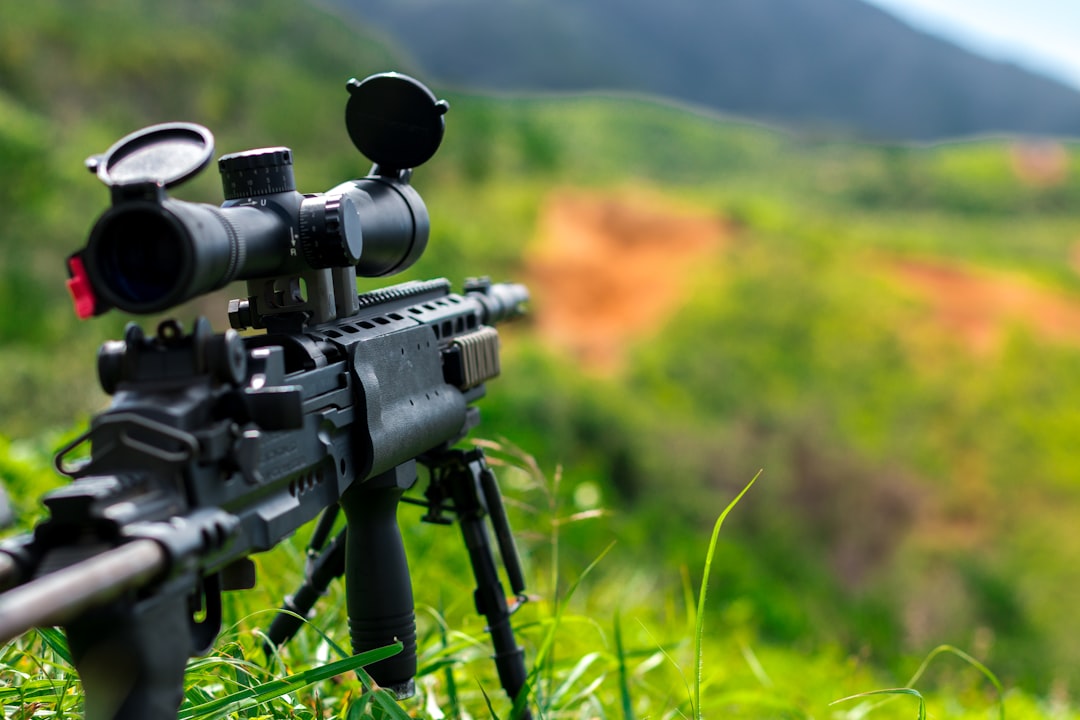
Best Custom Rifle Actions for Western Big-Game Hunting in 2026
Custom rifle actions transform accuracy and reliability for western hunters pursuing elk, mule deer, and other big game at distance. We break down the top precision actions—Defiance, Curtis, Bighorn, Impact, and Lone Peak—and explain which builds match your hunting style and budget.
Related
Best Hunting Rifles Under $2,000 for Western Big Game 2026
From Colorado elk to Wyoming pronghorn, these six rifles deliver accuracy and reliability without breaking the bank. We break down what to look for and which models consistently perform in the field.
Next
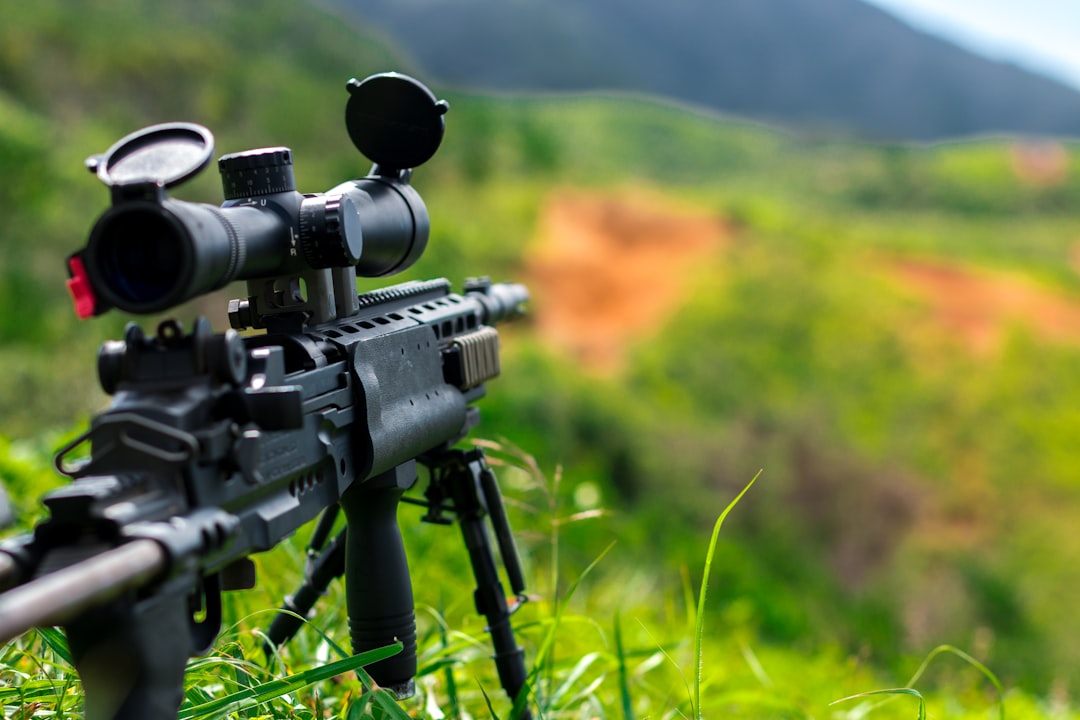
Cooper Firearms Review: Precision Bolt-Action Rifles for Western Hunters
Cooper Firearms builds premium bolt-action rifles in Montana using match-grade barrels and hand-fitted actions. This review covers their model lineup, accuracy performance, customization options, and whether the price justifies the upgrade for western big-game hunting.