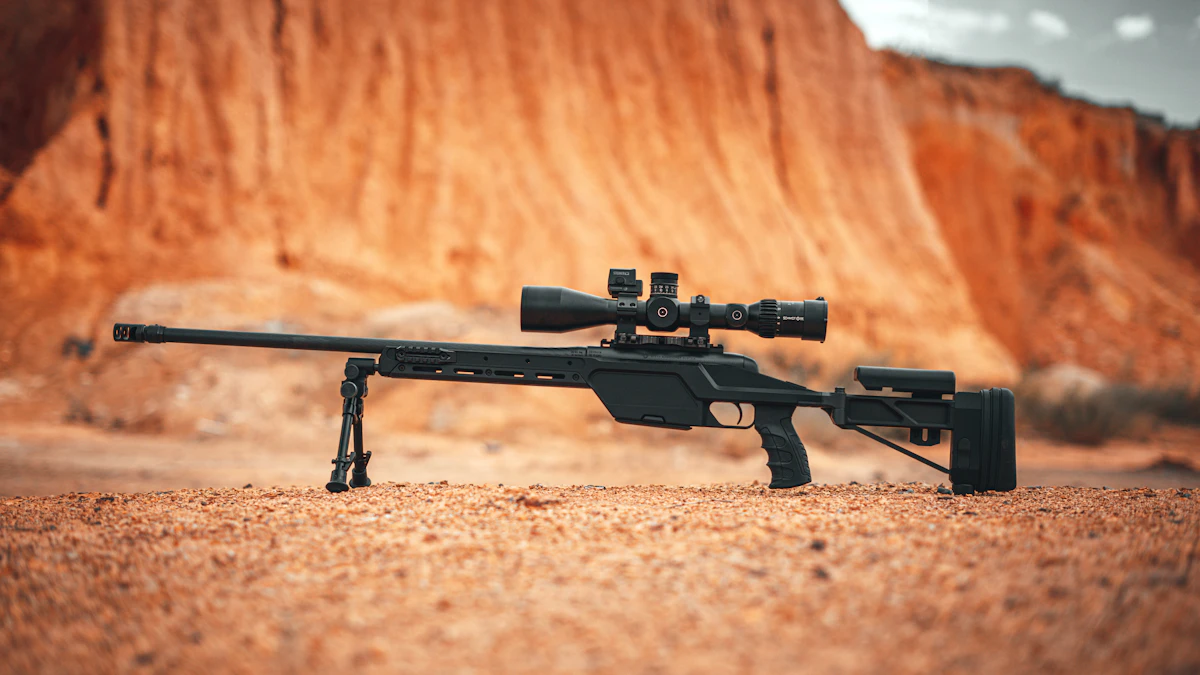
Best Hunting Rifles Under $2,000 for Western Big Game 2026
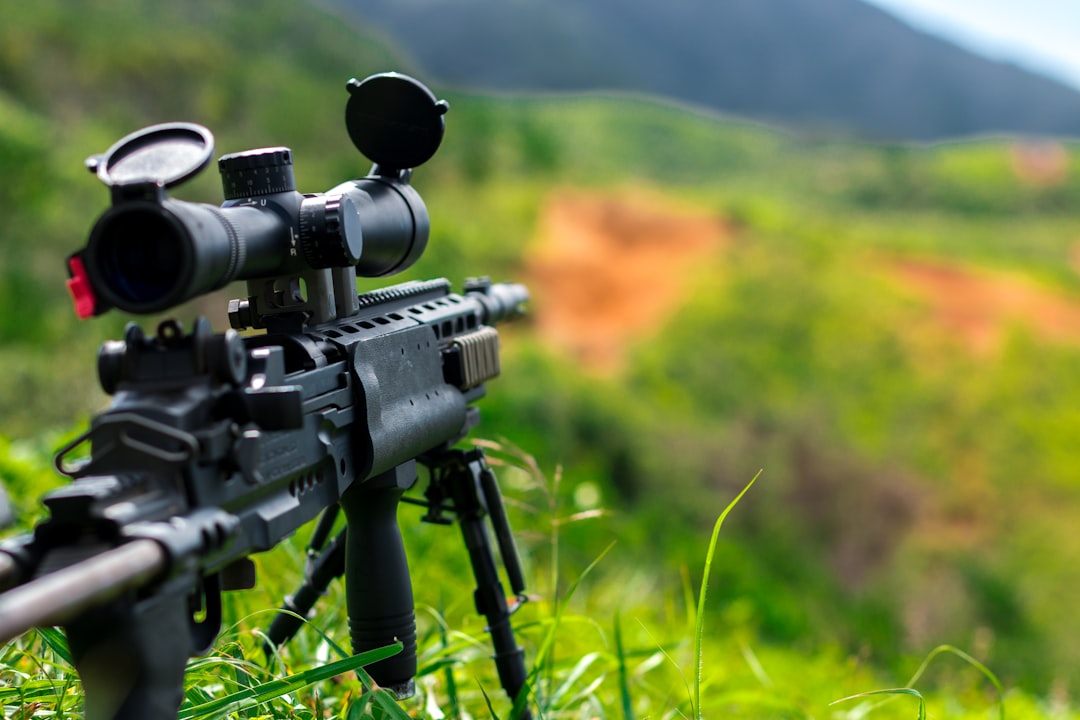
You do not need a $4,000 custom rifle to kill elk at 400 yards. What you need is a platform that groups consistently, handles mountain weather, and fits your shooting style. The rifles below all check those boxes and leave budget for quality glass, ammo, and tag fees.
The sub-$2,000 category has improved dramatically in the last five years. Factory rifles now ship with sub-MOA guarantees, adjustable triggers, and carbon-fiber or fluted barrels that used to require custom work. You are choosing between proven designs, not compromising.
What Separates Budget Rifles from Premium Builds
A $1,200 rifle and a $3,500 rifle both launch the same bullet. The difference shows up in consistency across temperature swings, how the action cycles under pressure, and whether the stock flexes when you load a bipod. Premium rifles use tighter tolerances, better barrel steel, and bedding that holds zero through abuse.
For western hunting, prioritize these features: a barrel that stays cool enough for a second shot if you miss, a stock that does not crack when you drop it on talus, and an action smooth enough to chamber a round without taking your eye off the scope. If the rifle groups under an inch at 100 yards with factory ammo and holds zero after a day in a truck bed, it will kill game.
Most factory rifles in this price range ship with triggers between 2.5 and 4 pounds. Anything under 3 pounds is workable. Anything over 4 should be replaced or adjusted. A bad trigger costs you more accuracy than a mediocre barrel.
Bergara B-14 Hunter — $950 to $1,100
The Bergara B-14 Hunter delivers custom-rifle accuracy at a mid-tier price. The Spanish-made barrel is the reason—Bergara builds barrels for other manufacturers, and they keep the best for their own rifles. This gun consistently shoots half-MOA groups with quality ammo.
The stock is basic fiberglass, not fancy, but it is stiff and does not flex. The action is a Remington 700 footprint, so aftermarket triggers, stocks, and bottom metal all fit. The factory trigger breaks clean at 3 pounds. In 6.5 Creedmoor or .308, this rifle is light enough to pack all day and stable enough to shoot prone off a pack.
Bergara offers a Ridge model with a carbon-fiber stock for $1,400. The extra $300 saves a pound and adds adjustable comb height. If you are glassing all day and shooting once, the weight savings matter. If you are sitting in a blind or shooting from a truck, save the money.
Downside: The bolt lift is stiffer than a Tikka, and the magazines seat with a firm click that spooks deer if you are not careful. Otherwise, this is the accuracy standard under $1,200.
Tikka T3x Lite — $750 to $900
The Tikka T3x is the most recommended rifle on hunting forums for a reason. The action is glass-smooth, the trigger adjusts down to 2 pounds without creep, and the cold-hammer-forged barrel shoots lights-out with cheap ammo. You can find these used for $600, and they still group.
The stock is plastic and feels cheap, but it does not affect accuracy. Most hunters upgrade to a Boyd's wood stock or a KRG Bravo chassis later. The factory stock works fine if you are not chasing ounces. Tikka chambers the T3x in every caliber western hunters need—6.5 Creedmoor, .308, .270, .300 Win Mag, 7mm Rem Mag.
The detachable magazine holds three rounds, which is annoying if you are used to five-round boxes, but most states limit you to three in the field anyway. The short bolt throw and smooth cycling make follow-up shots faster than most rifles at twice the price.
Best use: This is the rifle to buy if you want something reliable that you will not baby. It handles abuse, shoots well dirty, and costs less than most scopes.
Christensen Arms Ridgeline — $1,600 to $1,900
Christensen rifles sit at the top of this budget category. The Ridgeline uses a carbon-fiber-wrapped barrel and a carbon-fiber stock to drop weight below 6.5 pounds in most calibers. This is the rifle sheep and backcountry elk hunters carry when they are covering 10 miles a day.
The accuracy guarantee is sub-MOA with Christensen ammo, and most owners report consistent half-MOA groups with handloads. The barrel heats up faster than steel, so let it cool between strings at the range. In the field, you are shooting once, maybe twice, and the light weight is worth the trade-off.
The trigger is adjustable and breaks clean around 2.5 pounds. The action is a Christensen-modified Remington 700 clone with a spiral-fluted bolt and a 70-degree throw. The bolt lift is smooth but requires more effort than a Tikka. The carbon stock has a textured grip and adjustable length of pull.
Downside: At $1,800, you are paying for weight savings. If you hunt from a stand or cover less than three miles a day, a Bergara or Tikka delivers the same accuracy for $800 less. If you are climbing mountains, this rifle is worth every dollar.


Free to join
Download mobile app
- Detailed draw odds
- Point tracking
- Deadline reminders
- 18 states covered





Free to join
Download mobile app
- Detailed draw odds
- Point tracking
- Deadline reminders
- 18 states covered






Free to join
Download mobile app
- Detailed draw odds
- Point tracking
- Deadline reminders
- 18 states covered

Weatherby Vanguard Series 2 — $650 to $900
The Vanguby Vanguard is the budget option that still shoots. It is built on a Howa 1500 action, which is one of the strongest and most reliable designs available. The factory trigger adjusts down to 2.5 pounds and breaks clean with no take-up. The cold-hammer-forged barrel groups around MOA with factory ammo—not match-grade, but hunting-accurate.
The Vanguard comes in synthetic, wood, and laminate stocks. The synthetic model weighs 7.5 pounds and costs around $650. The wood stock adds a pound and $100. The action is smooth, the bolt lift is easy, and the three-position safety is one of the best factory designs.
Weatherby chambers the Vanguard in everything from .243 to .300 Weatherby Magnum. For western hunting, stick with 6.5 Creedmoor, .308, .270, or 7mm Rem Mag. The barrel is 24 inches, which adds velocity but makes the rifle longer in a scabbard.
Best use: This is the rifle to buy if you want a proven action, smooth bolt, and hunting accuracy without spending more than $700. It will not turn heads, but it kills game.
Browning X-Bolt Hell's Canyon Speed — $1,200 to $1,400
The X-Bolt is Browning's modern hunting rifle, and the Hell's Canyon Speed model adds a Cerakote finish, fluted barrel, and composite stock with palm swell. The rifle weighs around 6.5 pounds and balances well for offhand shots. The three-lever Feather Trigger adjusts between 3 and 5 pounds and has no creep.
The action uses a short 60-degree bolt throw with three locking lugs. The bolt unlocks smoothly, and the top-tang safety is easy to reach. Browning guarantees MOA accuracy, and most shooters report consistent sub-MOA groups with quality ammo. The detachable rotary magazine holds four rounds and sits flush with the stock.
The Hell's Canyon Speed comes with a muzzle brake, which cuts recoil but adds noise. If you are hunting elk in timber, remove it. If you are shooting long-range mule deer in open country, leave it on.
Downside: At $1,300, this rifle competes with Bergara and Christensen models that offer better barrels or lighter weight. The X-Bolt is a solid choice if you want a balanced all-arounder, but it does not excel in one category.
Ruger American Predator — $450 to $550
The Ruger American Predator is the best rifle under $600. It shoots MOA groups out of the box, uses AR-style magazines, and weighs 6.6 pounds. The action is not smooth, the stock is flimsy, and the bolt handle feels cheap, but the rifle works.
The factory trigger adjusts between 3 and 5 pounds and breaks clean with minimal take-up. The cold-hammer-forged barrel is 22 inches with a threaded muzzle for a suppressor or brake. The stock has sling studs and a textured grip. Ruger chambers the Predator in 6.5 Creedmoor, .308, .223, and .243.
This rifle is popular with coyote hunters and new western hunters who want something affordable to learn on. It handles recoil well, and the short barrel makes it easy to maneuver in thick cover. The biggest advantage is the price—you can buy the rifle, a scope, rings, and 200 rounds of ammo for less than $1,000.
Best use: If you are new to western hunting and not sure what caliber or style you prefer, buy this rifle. Shoot it for a season, then upgrade if you want something nicer. If you never upgrade, you still have a rifle that kills elk.
Caliber Recommendations for Western Big Game
Most western hunters overthink caliber. A .308, .270, or 6.5 Creedmoor will kill any animal in the lower 48 if you put the bullet in the right spot. Magnum calibers add 100 yards of effective range and 10 pounds of recoil. Unless you are shooting past 500 yards, you do not need a magnum.
6.5 Creedmoor — Best all-around choice for new hunters. Low recoil, flat trajectory, cheap ammo, and effective on deer, pronghorn, and elk out to 400 yards. Factory ammo shoots sub-MOA in most rifles. Barrel life is 2,500 to 3,000 rounds.
.308 Winchester — Proven everywhere. More energy than 6.5 Creedmoor at close range, slightly more recoil. Ammo is available in every gas station in the West. Works for everything from deer to elk. Barrel life is 5,000 rounds.
.270 Winchester — Fast, flat-shooting, and hits harder than 6.5 Creedmoor. More recoil than .308 but less than magnums. Good choice for open-country mule deer and pronghorn. Barrel life is 3,000 rounds.
7mm Remington Magnum — Step up in power and recoil. Adds 150 to 200 fps over .270 and extends effective range to 600 yards. More expensive ammo and barrel life around 1,500 rounds. Overkill for most hunting but useful in big mountains.
.300 Winchester Magnum — Heavy-hitting magnum for elk at long range. Recoil is stout, and barrel life is 1,200 rounds. Only worth it if you are shooting past 500 yards or hunting Alaska.
If you hunt multiple states and species, buy a rifle in 6.5 Creedmoor or .308. You can load light bullets for pronghorn and heavy bullets for elk. If you only hunt elk and mule deer in open country, step up to .270 or 7mm Rem Mag.
What About Scope Budget?
A $1,000 rifle with a $600 scope outperforms a $1,600 rifle with a $200 scope. Plan to spend at least 50 percent of your rifle budget on glass. For western hunting, prioritize a scope with reliable turrets, clear glass at dawn and dusk, and a reticle that helps you estimate range.
Good scopes in the $400 to $700 range include the Vortex Viper PST, Leupold VX-3i, and Trijicon Huron. All three handle recoil, hold zero, and offer enough magnification for 400-yard shots. If you can spend $1,000, the Leupold VX-5HD or Nightforce SHV are worth it.
Avoid cheap scopes with names you do not recognize. A scope that loses zero after 50 rounds costs you more than buying the right one from the start. If your budget is tight, buy a Tikka T3x for $750 and put the remaining $1,250 toward a Leupold VX-3i and a case of ammo.
Final Thoughts — Match the Rifle to Your Hunt
The best rifle under $2,000 is the one that fits your hunting style. If you are climbing 3,000 vertical feet a day, buy the Christensen Ridgeline and save your knees. If you are sitting in a blind or hunting from a truck, the extra weight of a Weatherby Vanguard does not matter.
If you are new to western hunting, start with a Tikka T3x or Bergara B-14. Both rifles shoot better than most hunters can, and you will spend more time worrying about wind calls and shot placement than equipment. Save the money for better glass, a rangefinder, and extra tags.
If you already own a rifle that groups under 1.5 inches, you do not need an upgrade. Spend your time shooting from field positions, practicing wind calls, and learning the terrain. A $700 rifle in the hands of a hunter who practices beats a $2,000 rifle in the hands of someone who shoots twice a year.
TAGZ helps you track draw odds and plan hunts across multiple states so you spend less time researching and more time in the field. Whether you are chasing OTC tags or planning a limited-entry hunt, TAGZ gives you the tools to make smarter decisions before you ever step into the mountains.
FAQ — Best Hunting Rifles Under $2,000
What is the most accurate factory rifle under $2,000? The Bergara B-14 Hunter consistently shoots sub-MOA groups and often hits half-MOA with quality ammo. The Christensen Ridgeline also delivers match-grade accuracy but costs $800 more.
Is a Tikka T3x good enough for elk hunting? Yes. The Tikka T3x in .308 or 7mm Rem Mag will kill elk at any reasonable range. The smooth action and reliable accuracy make it one of the best values in hunting rifles.
Should I buy a lightweight rifle or a heavier one? If you hike more than five miles a day, buy a lightweight rifle like the Christensen Ridgeline. If you hunt from a stand or vehicle, extra weight helps with recoil and stability.
What caliber should I choose for mule deer and elk? 6.5 Creedmoor or .308 Winchester work for both. If you hunt open country and shoot past 400 yards, step up to .270 or 7mm Rem Mag.
Can I upgrade a budget rifle later? Yes. Most rifles in this price range use Remington 700 or Howa 1500 footprints, so you can swap triggers, stocks, and bottom metal. A $200 trigger and $300 stock transform a Weatherby Vanguard.
How much should I spend on a scope? Plan to spend at least 50 percent of your rifle budget on glass. A $1,000 rifle with a $600 scope outperforms a $1,600 rifle with a $200 scope. Good options include the Vortex Viper PST, Leupold VX-3i, and Trijicon Huron.
Was this article helpful?
Previous
Best Custom Rifle Actions for Western Big-Game Hunting in 2026
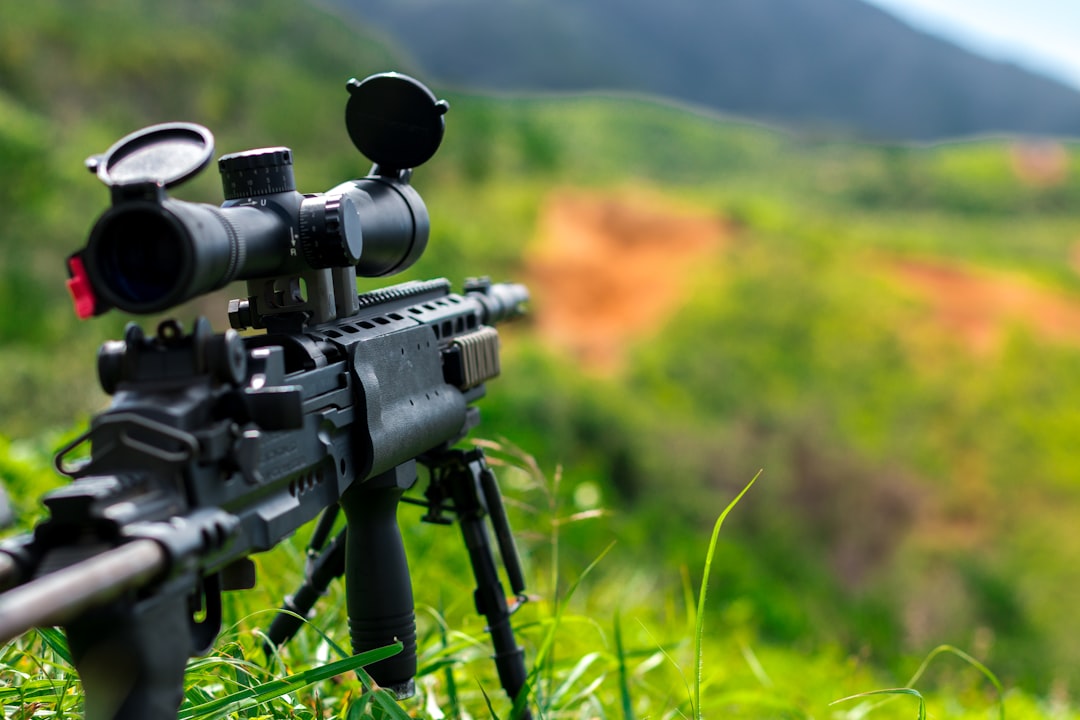
Custom rifle actions transform accuracy and reliability for western hunters pursuing elk, mule deer, and other big game at distance. We break down the top precision actions—Defiance, Curtis, Bighorn, Impact, and Lone Peak—and explain which builds match your hunting style and budget.
Related
Cooper Firearms Review: Precision Bolt-Action Rifles for Western Hunters
Cooper Firearms builds premium bolt-action rifles in Montana using match-grade barrels and hand-fitted actions. This review covers their model lineup, accuracy performance, customization options, and whether the price justifies the upgrade for western big-game hunting.
Next
Weatherby Mark V Backcountry Review: Ultralight Rifle for Western Hunters
The Weatherby Mark V Backcountry delivers sub-6-pound performance in calibers from 6.5 Creedmoor to .300 Weatherby Magnum. This ultralight rifle combines carbon-fiber stock, fluted barrel, and proven Mark V action for hunters who cover serious miles in alpine terrain.