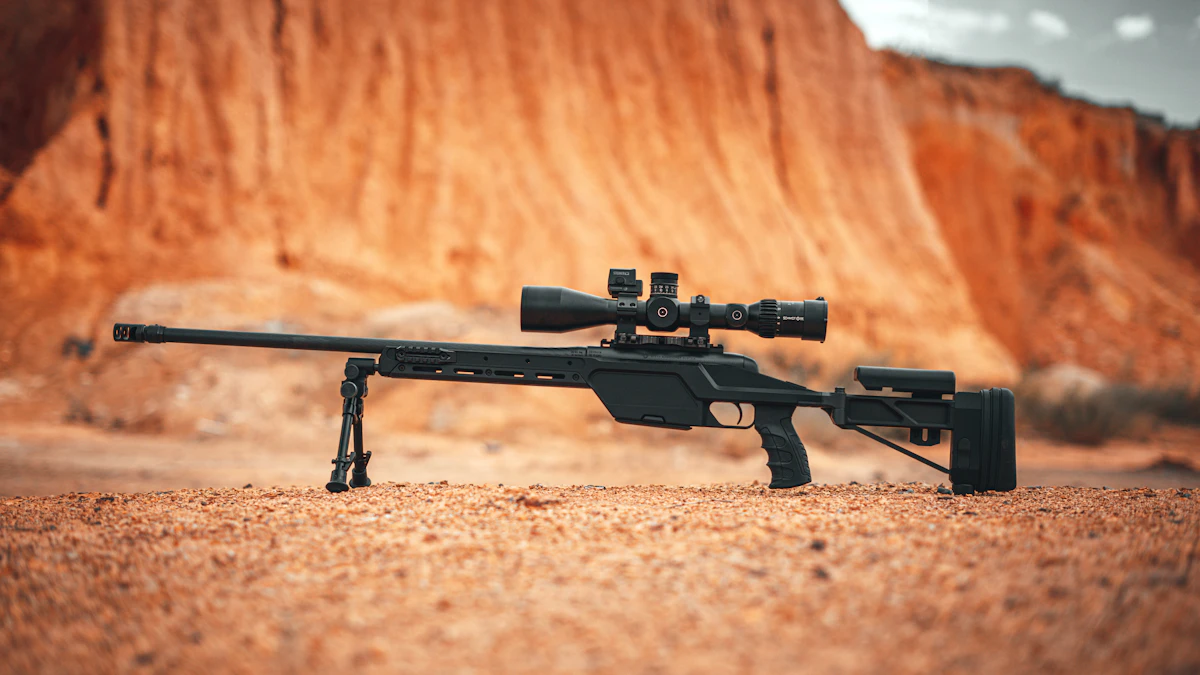
Cooper Firearms Review: Precision Bolt-Action Rifles for Western Hunters
Cooper Firearms has built premium bolt-action rifles in Stevensville, Montana since 1990. The company specializes in match-grade accuracy and hand-fitted craftsmanship across centerfire and rimfire platforms. For western hunters weighing a significant rifle investment, Cooper represents a step above factory production rifles but below full custom builds. This review examines their current lineup, real-world accuracy, customization depth, and whether the premium pays off in the field.
Cooper rifle models and action sizes
Cooper organizes their centerfire rifles around three core actions. The Model 21 uses a small action optimized for cartridges like .223 Remington, .204 Ruger, and .17 Hornet. The Model 52 runs a short action for rounds including .308 Winchester, 6.5 Creedmoor, and 7mm-08 Remington. The Model 54 covers standard-length cartridges like .30-06 Springfield, .270 Winchester, and 6.5 PRC.
Each action platform offers multiple stock configurations. The Classic stock features traditional lines with a raised cheekpiece and shadowline cheekpiece. The Varminter uses a heavy barrel and wide forend for prone shooting. The Montana Varminter splits the difference with a lighter profile suitable for carry. The Excalibur adds adjustable features and target geometry. The Jackson Game Rifle emphasizes packability with a slimmer profile and Schnabel forend.
Cooper also produces the TRP-3 tactical platform and several rimfire models including the Model 57M for .22 WMR and .17 HMR. Western hunters typically focus on the centerfire hunting configurations.
Accuracy performance and barrel quality
Cooper guarantees sub-MOA accuracy with factory ammunition across their hunting rifles. Most owners report three-shot groups between 0.5 and 0.75 MOA with quality handloads. The barrels are button-rifled by several premium makers including Krieger, Lilja, and Shilen depending on configuration and availability.
The match-grade barrel commitment shows in consistency. Five-shot groups at 100 yards routinely stay under one inch with rifles properly bedded and using appropriate ammunition. Cold-bore shot placement tracks predictably, which matters more in hunting than aggregate group size.
The single-shot bolt locking mechanism and hand-lapped bolt raceways contribute to accuracy. Cooper fits each bolt to its receiver individually rather than using batch-produced components. This results in smooth cycling and minimal slop between the bolt body and action walls.
Barrel break-in follows typical match-grade protocols. Clean after every shot for the first five rounds, then clean after every five-shot string for the next 25 rounds. Most Cooper barrels settle into their best accuracy by round 50.
Stock options and fit customization
Cooper offers walnut stocks in several grades — Claro walnut as standard, AA-grade and AAA-grade as upgrades. Synthetic stock options include a standard composite and a carbon fiber version for weight savings. All stocks feature hand-rubbed oil finishes on wood models and matte textures on synthetics.
Length of pull runs 13.5 inches as standard but Cooper will adjust to custom dimensions at the factory. Cast and drop can be modified during the build process. Hunters with non-standard dimensions should specify requirements at order time rather than attempting aftermarket alterations.
Checkering is hand-cut at 24 lines per inch on wood stocks. The pattern provides secure grip without snagging gloves. Recoil pads are Pachmayr Decelerators on most hunting models. The combination of stock geometry and pad material makes magnum-caliber Coopers manageable for extended range sessions.
Bedding uses pillars and epoxy on walnut stocks, aluminum bedding blocks on some synthetic models. The metal-to-wood interface is stress-free and consistent. Field disassembly for cleaning does not require re-bedding.
Triggers and safety systems
Cooper uses a single-stage trigger adjustable from 2.5 to 3.5 pounds. The pull is crisp with minimal creep and a clean break. Overtravel is adjustable. The trigger blade is wider than many factory rifles, distributing pressure across a larger finger surface.
The safety is a three-position design mounted on the right rear of the receiver. The rear position locks the bolt and firing pin. The middle position allows bolt operation with the firing pin blocked. The forward position is fire. The middle setting lets hunters chamber or extract a round while the rifle remains mechanically safe.
Trigger weight ships set around three pounds. Most hunters leave it unchanged. Lighter settings are possible but require familiarity with the mechanism and careful adjustment. Cooper does not recommend trigger work by anyone unfamiliar with their specific design.
Free to join
Download mobile app
- Detailed draw odds
- Point tracking
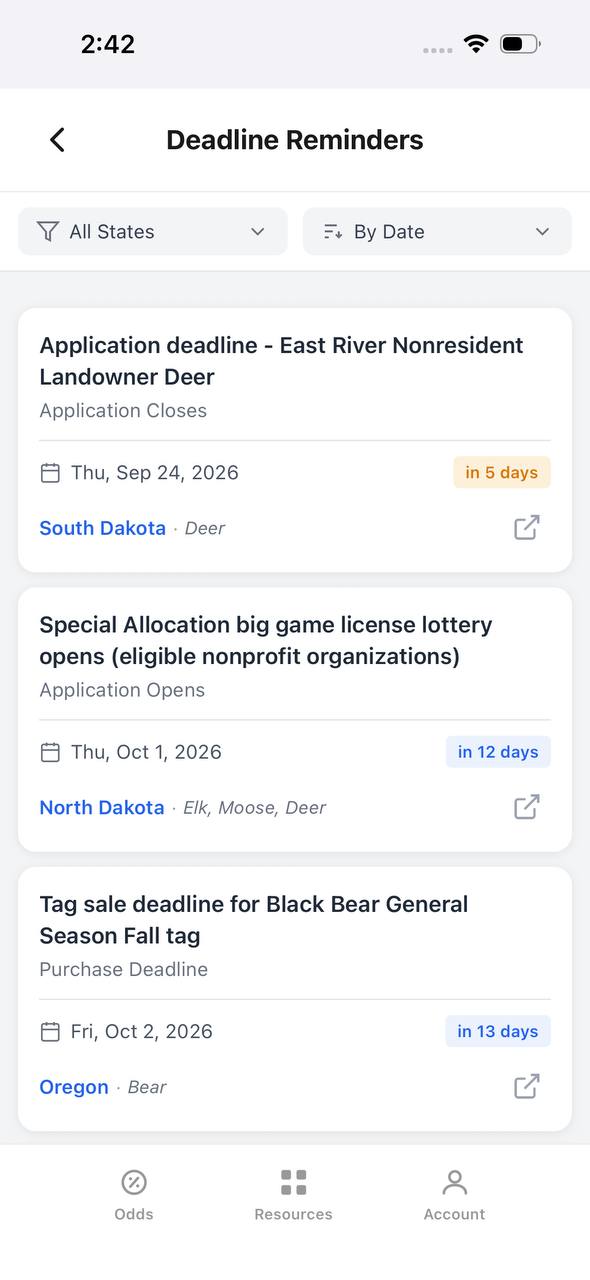
- Deadline reminders
- 18 states covered


Free to join
Download mobile app
- Detailed draw odds
- Point tracking
- Deadline reminders
- 18 states covered
Free to join
Download mobile app
- Detailed draw odds
- Point tracking
- Deadline reminders
- 18 states covered

Chambering options for western hunting
Cooper chambers their rifles in over 40 cartridges. For elk and moose, popular choices include .30-06 Springfield, .300 Winchester Magnum, 7mm Remington Magnum, and 6.5 PRC. Mule deer and pronghorn hunters often select .270 Winchester, 6.5 Creedmoor, or .25-06 Remington. Bear hunters favor .338 Winchester Magnum or .375 H&H Magnum on the Model 54 action.
Lead times for common chamberings run 12 to 18 months. Specialty cartridges or wildcat builds can extend to 24 months. Hunters planning a specific season should order well in advance. Cooper does not rush production and backlogs fluctuate based on demand.
Barrel length varies by model and cartridge. Standard hunting configurations use 22-inch or 24-inch barrels. Magnum chamberings typically receive 24-inch or 26-inch tubes. Varmint models may feature 26-inch heavy-contour barrels. Barrel length affects velocity, balance, and carrying comfort.
Weight and carrying characteristics
A Cooper Model 52 Classic in 6.5 Creedmoor with a walnut stock and 24-inch barrel weighs approximately 7.5 pounds bare. Add a scope, rings, bases, and sling, and the rig reaches 9 to 9.5 pounds ready to hunt. This sits in the middle of the western hunting rifle spectrum.
The Montana Varminter configuration shaves a few ounces with a slimmer barrel profile. Carbon fiber stocks reduce weight by up to eight ounces compared to walnut. Hunters prioritizing packability for backcountry hunts should specify lightweight components at order time.
Balance tends forward due to the heavy barrel and action. This steadies offhand shooting and reduces muzzle jump but makes the rifle feel heavier during long carries. Shorter barrels shift the balance point rearward but sacrifice some velocity.
Sling swivel studs are standard. Cooper does not install flush cups or other mounting systems unless specified. Aftermarket stock modifications void the warranty in most cases.
Price comparison and value assessment
Cooper rifles start around $2,400 for a Model 21 or Model 52 with a Claro walnut Classic stock. AA-grade walnut adds $600. AAA-grade walnut adds $1,200. Custom options like specialty chamberings, engraving, or non-standard dimensions increase the base price. A fully configured Model 54 in .300 Winchester Magnum with AAA walnut and custom stock dimensions can exceed $4,500 before optics.
This places Cooper above production rifles from Tikka, Bergara, and Browning but below full custom builders like Shultz & Larsen or Hill Country Rifles. The value proposition depends on accuracy requirements and aesthetic preferences.
Hunters who handload and shoot frequently benefit most from Cooper's match-grade barrels and tight tolerances. Factory ammunition shooters see less advantage since many production rifles now deliver sub-MOA accuracy with quality loads. The stock fit, finish, and resale value justify the premium for some buyers.
Used Cooper rifles hold value well. A five-year-old Model 52 in good condition typically sells for 70 to 80 percent of its original price. Rare chamberings or upgraded wood stocks can command near-original pricing.
Field durability and maintenance
Cooper rifles handle field conditions well but require more care than utilitarian hunting rifles. The hand-rubbed oil finish on walnut stocks shows scratches and dings. Synthetic stocks are more forgiving. The blued or matte finishes on barrels and actions resist corrosion with proper cleaning but are not as tough as Cerakote or stainless finishes available from other makers.
Bolt disassembly for cleaning is straightforward. The three-lug bolt head and plunger ejector are simple to remove and reinstall. The firing pin assembly requires no tools for field stripping. Cooper includes a manual with detailed disassembly instructions.
Barrel life depends on chambering and shooting volume. A 6.5 Creedmoor barrel will maintain match accuracy for 3,000 to 4,000 rounds. Magnum chamberings like .300 Winchester Magnum may drop below sub-MOA performance after 1,500 to 2,000 rounds. Most hunters will never shoot enough to wear out a Cooper barrel.
Cooper offers factory rebarreling and stock refinishing. Turnaround times run six to nine months. Costs for rebarreling start around $800 including labor and a new match-grade barrel.
How Cooper compares to custom and semi-custom builders
Cooper occupies the semi-custom category. The rifles use hand-fitted actions and match-grade barrels but are built on production timelines with standardized components. Full custom builders like Surgeon, Defiance, or Stiller offer modular action designs, custom bottom metal, and more extensive personalization but cost $5,000 to $10,000 or more.
Semi-custom competitors include Christensen Arms, Proof Research, and Seekins Precision. These makers use carbon fiber barrels, adjustable stocks, and modern materials to hit similar accuracy levels at comparable prices. Cooper differentiates through traditional craftsmanship and walnut stock options rather than cutting-edge materials.
Production rifles from Tikka, Bergara, and Sauer now deliver accuracy approaching Cooper's guarantees at one-third the cost. The gap has narrowed over the past decade as CNC machining and quality control have improved across the industry. Cooper's advantages lie in fit, finish, resale value, and the option for true custom dimensions.
TAGZ helps you plan hunts after you choose your rifle
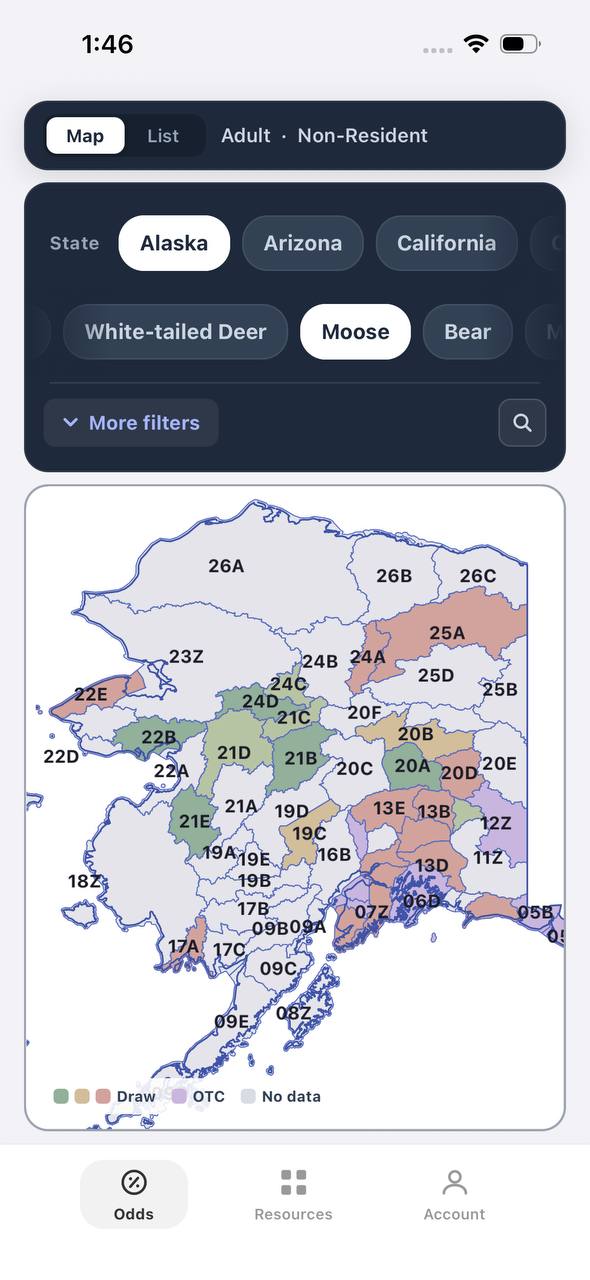
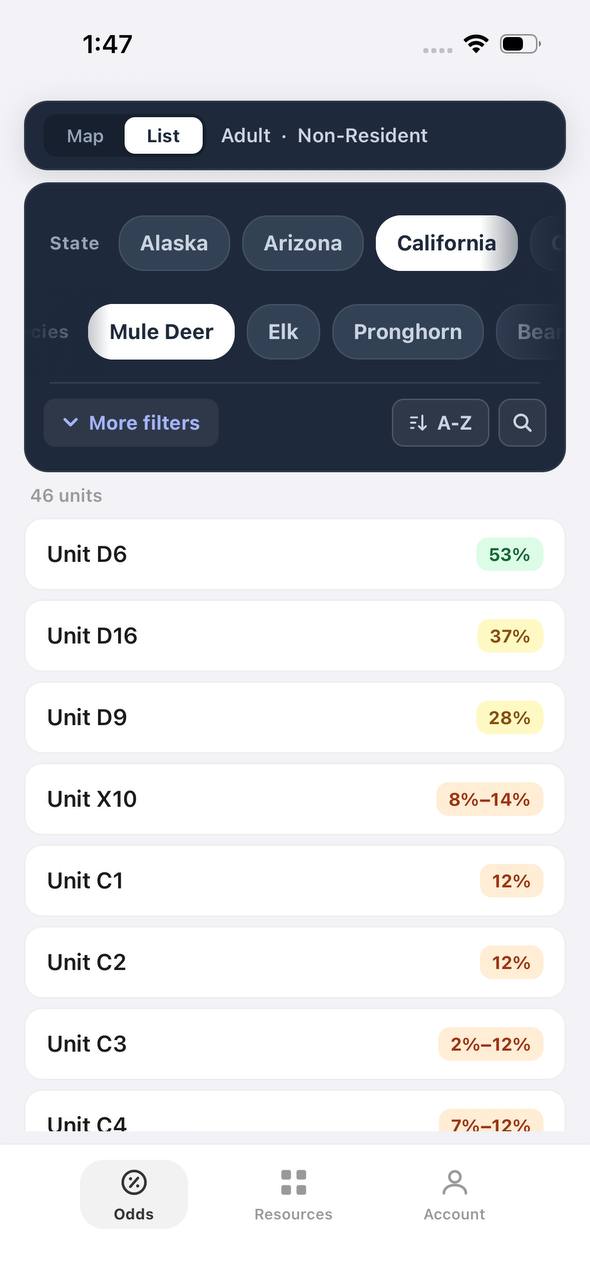
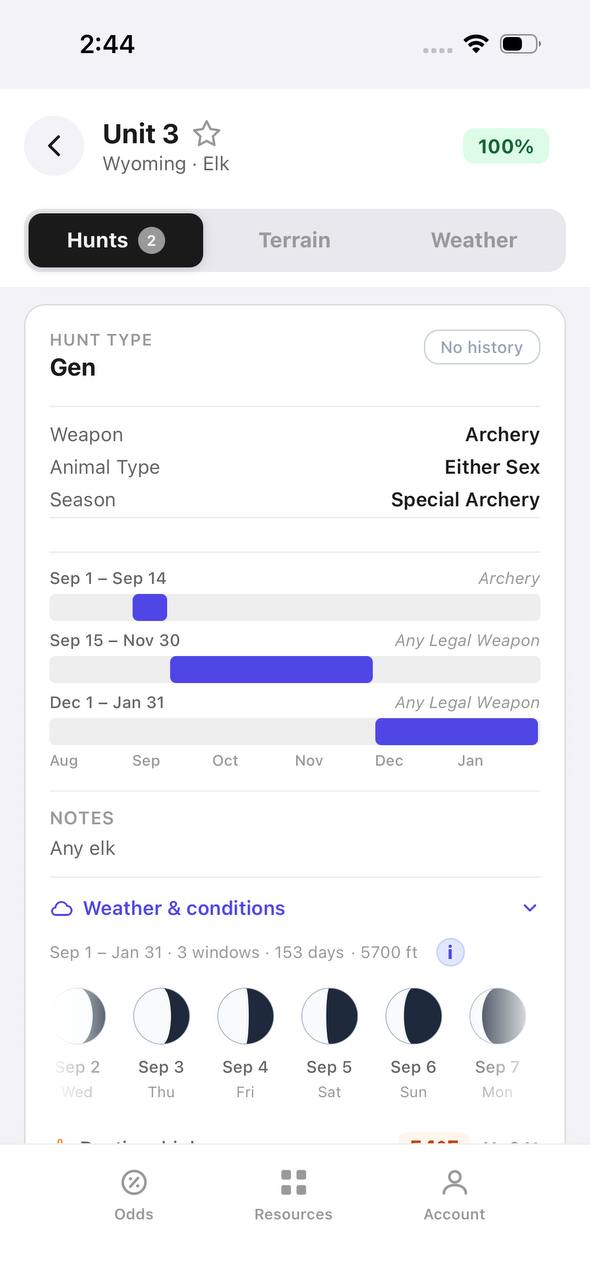
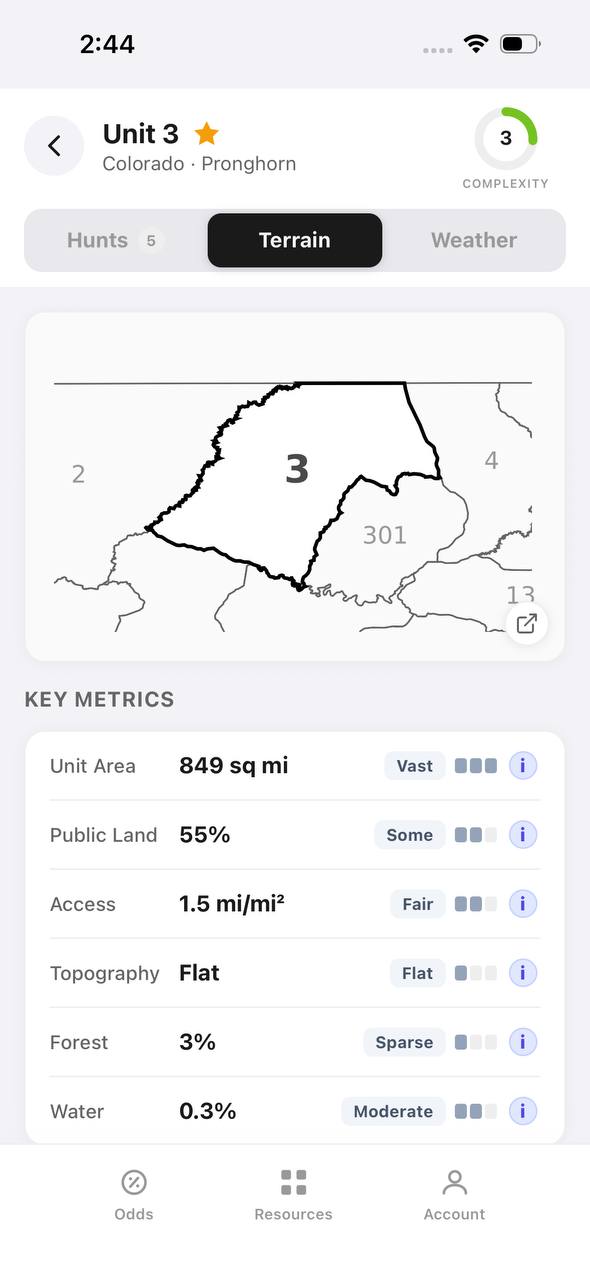
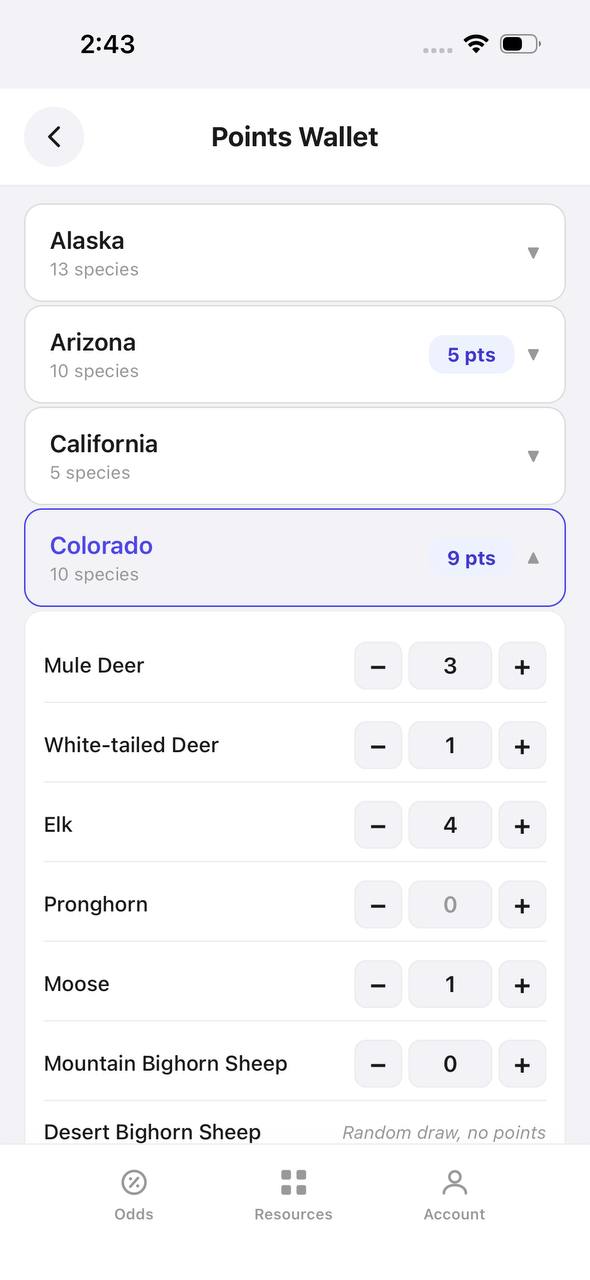
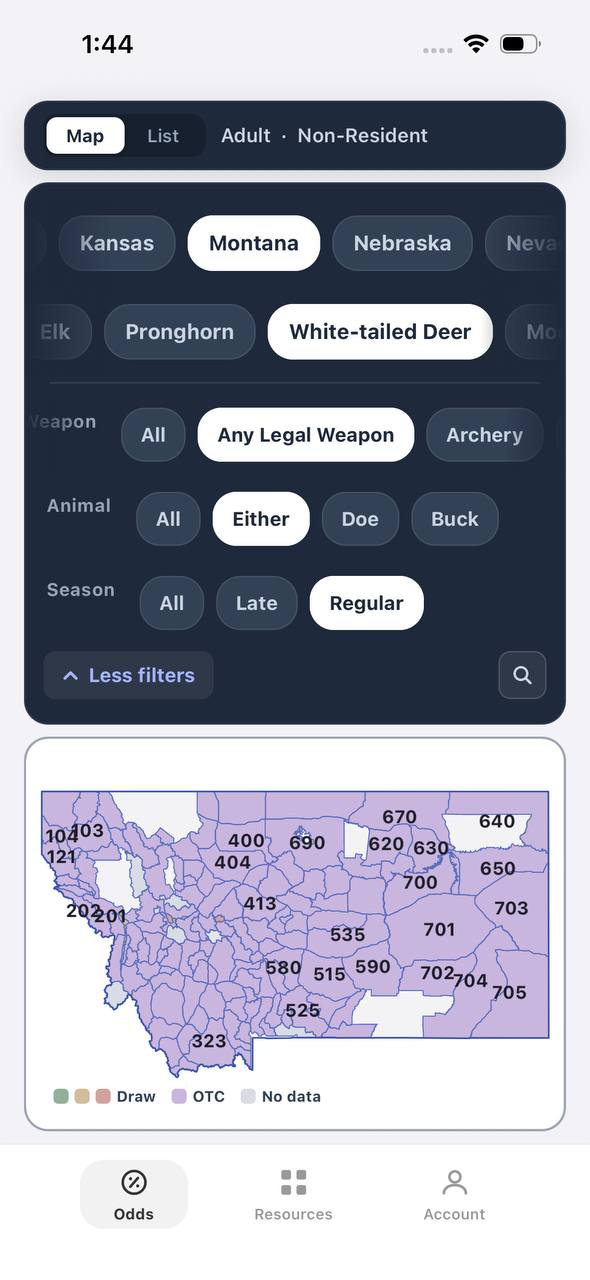
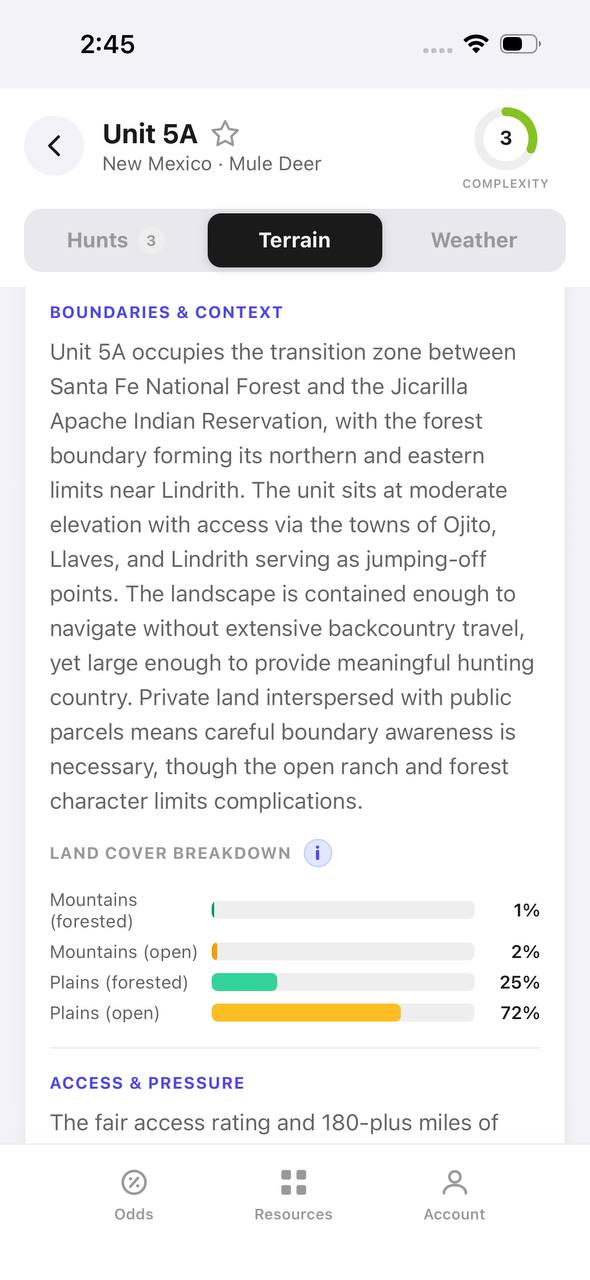
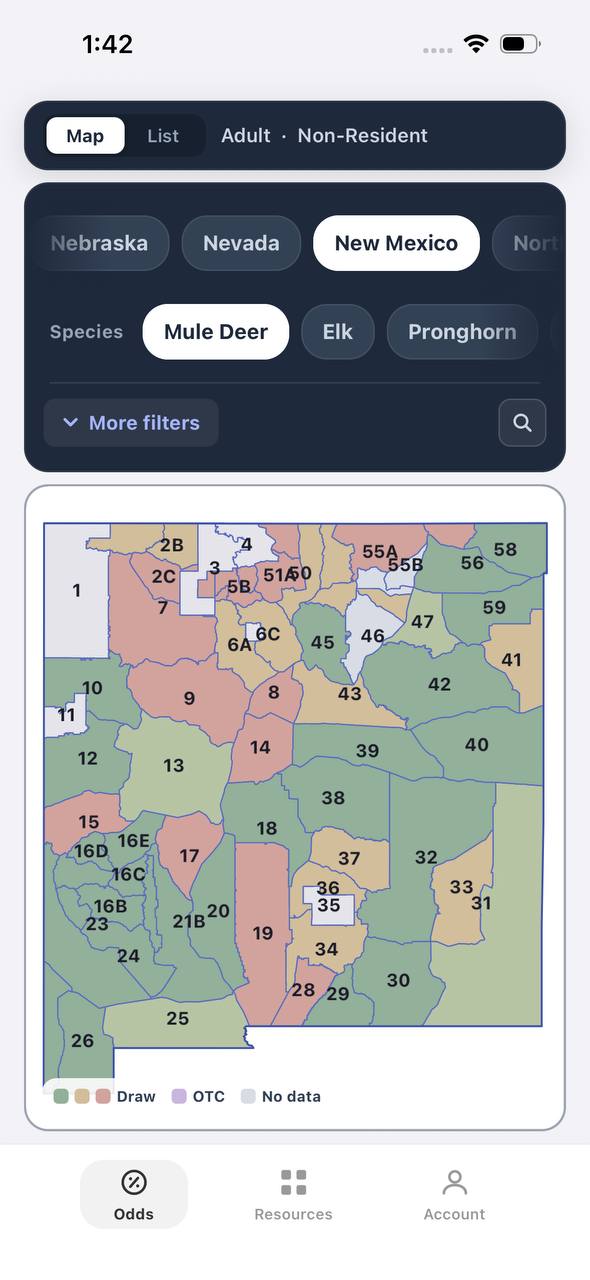
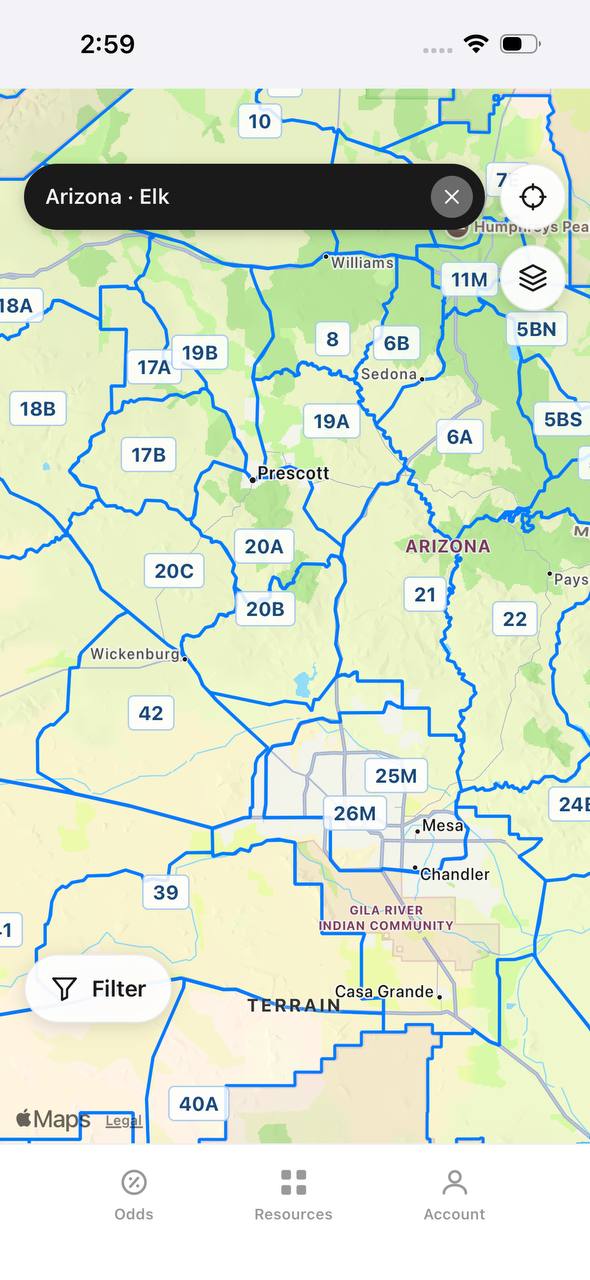
Once you have selected a rifle and chambering, TAGZ simplifies the hunt planning process. The platform lets you compare draw odds across western states and filter units by terrain, public land access, and weapon restrictions. Whether you are chasing OTC Colorado elk or planning a limited-entry mule deer application in Nevada, TAGZ consolidates unit boundaries, draw statistics, and deadline tracking in one system. Preference points and bonus points are tracked automatically so you never miss an application window or waste points on a hunt that does not match your rifle's capabilities.
FAQ — Cooper Firearms
Are Cooper rifles worth the price for hunting? Yes if you handload, shoot frequently, and value fit and finish. No if you shoot factory ammo sparingly and prioritize utility over aesthetics. Accuracy alone does not justify the premium since many $1,000 rifles now shoot sub-MOA.
What is the lead time for a Cooper rifle? Expect 12 to 18 months for standard configurations. Custom builds or specialty chamberings can extend to 24 months. Order well ahead of your planned hunt season.
Do Cooper rifles come with a warranty? Yes. Cooper offers a limited lifetime warranty to the original owner covering defects in materials and workmanship. Accuracy is guaranteed sub-MOA with quality ammunition.
Can I order a left-handed Cooper rifle? Yes. Left-handed actions are available on most models at no additional charge. Specify handedness when ordering.
What scope bases fit Cooper rifles? Cooper drills and taps actions for standard Remington 700 footprint bases. Leupold, Talley, and Warne bases fit directly. Cooper does not include bases or rings with the rifle.
How do Cooper barrels compare to factory Remington or Browning barrels? Cooper uses match-grade barrels from premium makers like Krieger and Lilja. These consistently outperform factory barrels in accuracy and throat consistency. Expect tighter groups and longer accuracy life.
Was this article helpful?
Previous
Best Custom Rifle Actions for Western Big-Game Hunting in 2026
Custom rifle actions transform accuracy and reliability for western hunters pursuing elk, mule deer, and other big game at distance. We break down the top precision actions—Defiance, Curtis, Bighorn, Impact, and Lone Peak—and explain which builds match your hunting style and budget.
Related
Best Hunting Rifles Under $2,000 for Western Big Game 2026
From Colorado elk to Wyoming pronghorn, these six rifles deliver accuracy and reliability without breaking the bank. We break down what to look for and which models consistently perform in the field.
Next
Weatherby Mark V Backcountry Review: Ultralight Rifle for Western Hunters
The Weatherby Mark V Backcountry delivers sub-6-pound performance in calibers from 6.5 Creedmoor to .300 Weatherby Magnum. This ultralight rifle combines carbon-fiber stock, fluted barrel, and proven Mark V action for hunters who cover serious miles in alpine terrain.