Best Custom Rifle Actions for Western Big-Game Hunting in 2026
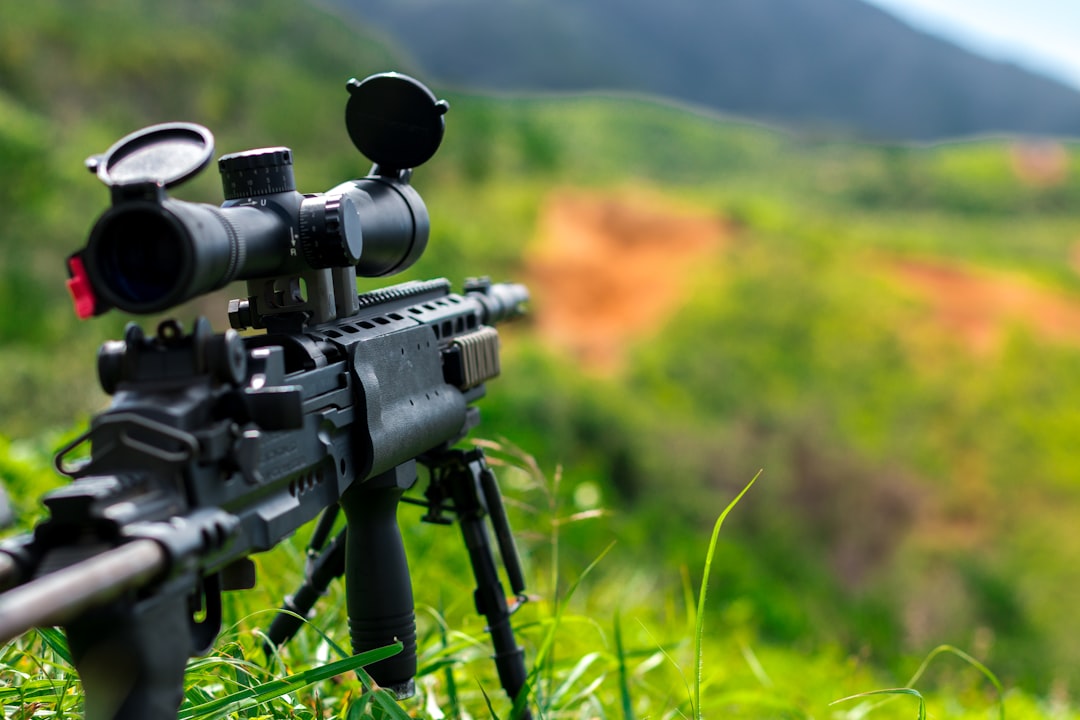
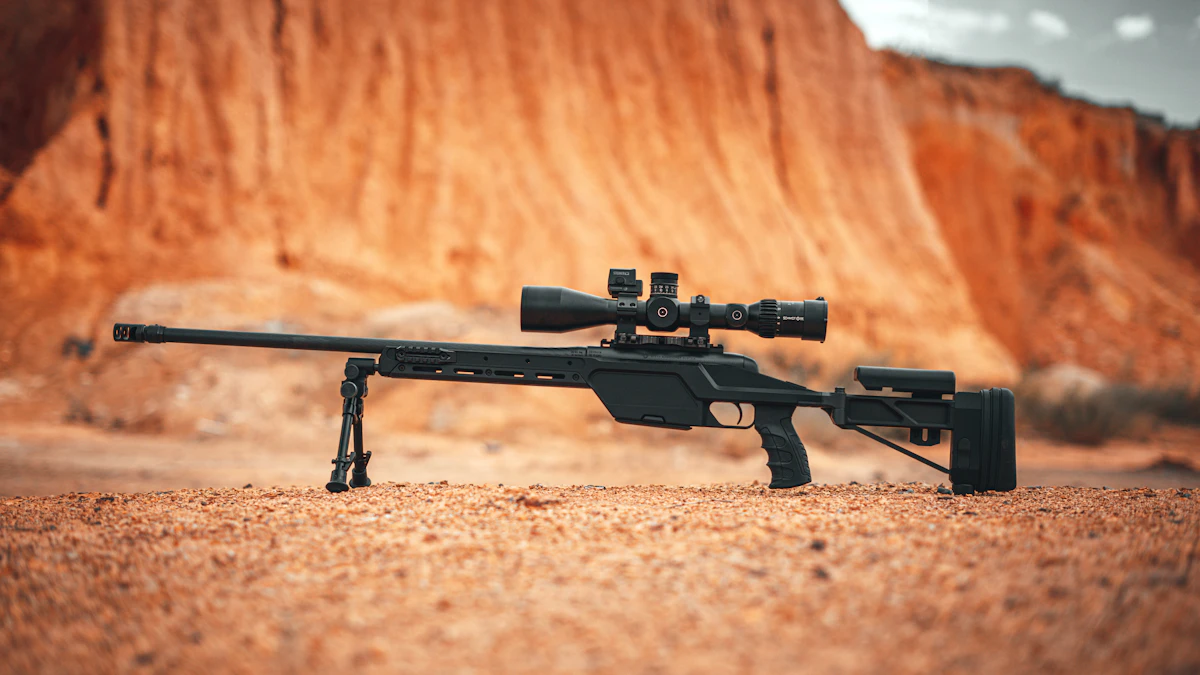
Custom rifle actions have moved from benchrest competitions into the backcountry. Western hunters chasing elk across Colorado ridgelines or glassing Nevada mule deer at 600 yards demand rifles that shoot tight groups when it counts. Factory actions work, but precision-machined customs deliver tighter tolerances, smoother bolt cycles, and consistent accuracy that turns marginal shots into clean kills.
The market is crowded. Defiance, Curtis, Bighorn, Impact, and Lone Peak all claim superior machining and field performance. Choosing the right action depends on whether you prioritize weight savings for mountain hunts, absolute precision for long-range setups, or durability for rough public-land hunts. This guide compares the leading custom actions, explains what separates good from great, and helps you match an action to your next custom build.
Why Custom Actions Matter for Western Hunters
Factory actions from Remington, Tikka, and Savage get the job done. Custom actions close the gap between acceptable and exceptional. Tighter bore alignment, precision-ground raceways, and hand-lapped bolt lugs reduce group sizes by half an inch or more at 100 yards. That difference compounds at distance—a half-MOA rifle at 100 yards stays inside 5 inches at 1,000 yards, while a one-MOA factory gun spreads groups to 10 inches.
Western hunting demands first-shot confidence. You scout a Montana unit all summer, draw a limited-entry elk tag after waiting five years, and finally glass a 340-class bull at first light. The shot is 450 yards across a canyon. A custom action built with tight tolerances and blueprinted components removes mechanical variables. Your rifle becomes the constant—wind, elevation, and shooter error are the only wildcards.
Custom actions also future-proof your rifle. You can swap barrels in 15 minutes with a barrel vise and action wrench. Burn out a 6.5 PRC barrel after 1,500 rounds? Thread on a new one without a gunsmith. Switch from a lightweight hunting contour in 7mm RemMag to a heavier 300 PRC barrel for long-range practice. One action handles multiple calibers and hunting scenarios across a lifetime.
Defiance Machine — Precision Standard for Trophy Builds
Defiance Machine pioneered the controlled-round-feed custom action market. The Defiance Deviant and Ruckus models dominate high-end hunting rifles. The Deviant Tactical uses integral recoil lugs and precision-ground bolt raceways for consistent lockup. Tolerances measure in tenths of a thousandth—tight enough to stack five-shot groups under half an inch at 100 yards with quality barrels and handloads.
The Ruckus weighs 26 ounces stripped and uses a spiral-fluted bolt to shave ounces without sacrificing strength. Hunters building lightweight mountain rifles for sheep, goat, or high-country mule deer choose the Ruckus when every ounce counts. Despite the weight savings, the action handles magnum cartridges like 300 Win Mag and 7mm RemMag without stress.
Defiance actions cost $1,200 to $1,400 depending on the model. That price includes Cerakote finish and a pinned 20-MOA rail. Gunsmiths praise Defiance for thread quality and blueprinting—barrels headspace precisely without custom fitting. If you are building a once-in-a-decade rifle for a Wyoming general elk tag or Arizona limited-entry mule deer hunt, Defiance actions deliver the precision that justifies the cost.
Curtis Custom — Value Without Compromise
Curtis Custom actions compete with Defiance on quality but undercut on price. The Curtis Axiom and Vector models run $900 to $1,100 and deliver similar tolerances and features. The Axiom uses a three-lug bolt design for a 60-degree throw—faster cycling in tight shooting positions when you are wedged against a rock glassing mule deer or tracking a bull through dark timber.
The Vector weighs 32 ounces and handles short-action cartridges like 6.5 Creedmoor, 6.5 PRC, and 308 Winchester. Long-action Vectors accommodate 300 Win Mag and 7mm RemMag. Both models use integral recoil lugs and accept Remington 700 triggers, scope bases, and bottom metal—keeping aftermarket support broad and costs manageable.
Curtis actions shine for hunters building their first custom rifle. The quality matches higher-priced competitors, but the $300 savings funds better glass or a precision barrel. Pair a Curtis Axiom with a Bartlein or Proof Research barrel in 6.5 PRC, and you have a sub-MOA elk rifle that costs $2,500 to $3,000 complete. That leaves budget for a Leupold VX-5HD or Vortex Razor scope—critical for making ethical shots on public land where shooting lanes close fast.
Bighorn Arms — Toolless Barrel Changes for Multi-Caliber Setups
Bighorn Arms (now owned by Zermatt Arms) introduced the TL3 action—a switch-barrel design that eliminates gunsmiths from caliber changes. The action uses a barrel nut system. Loosen the nut with a wrench, unscrew the barrel, thread on a new pre-chambered barrel, torque the nut, and you are shooting a different cartridge in 15 minutes.
The TL3 weighs 38 ounces and costs $1,050. Hunters running multiple hunts across seasons benefit most. Use a lightweight 6.5 Creedmoor barrel for early-season Colorado archery elk when shots stay under 300 yards. Swap to a 300 PRC barrel for late-season Wyoming rifle hunts when wind and distance demand heavier bullets. One action supports both setups without paying a gunsmith $200 per barrel swap.
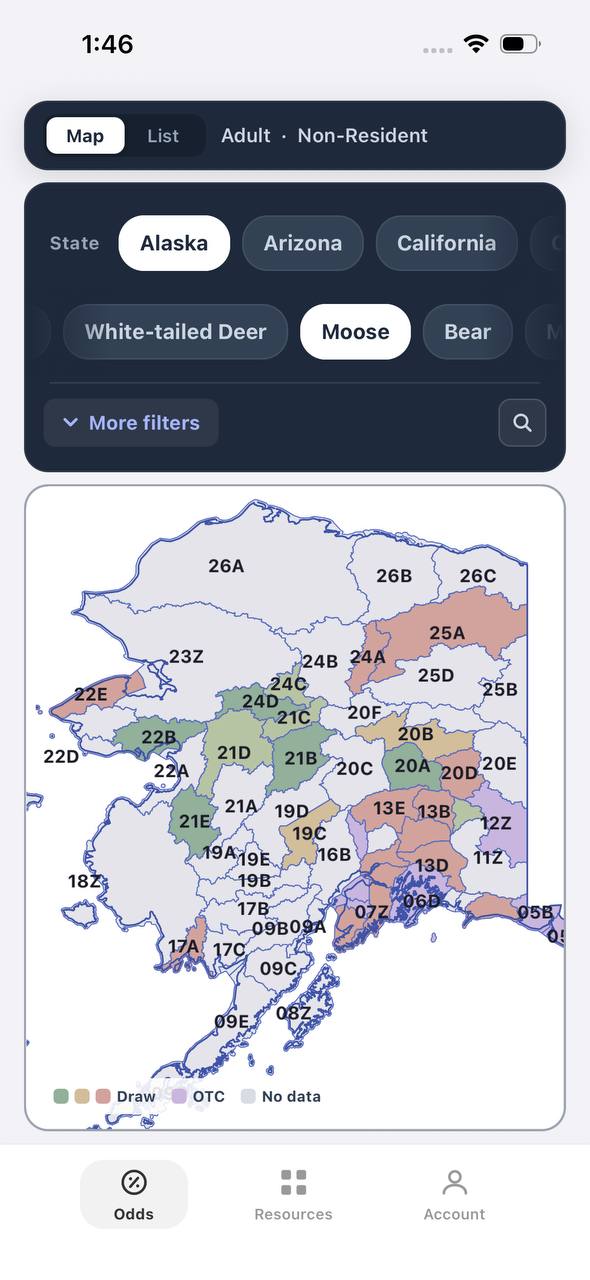
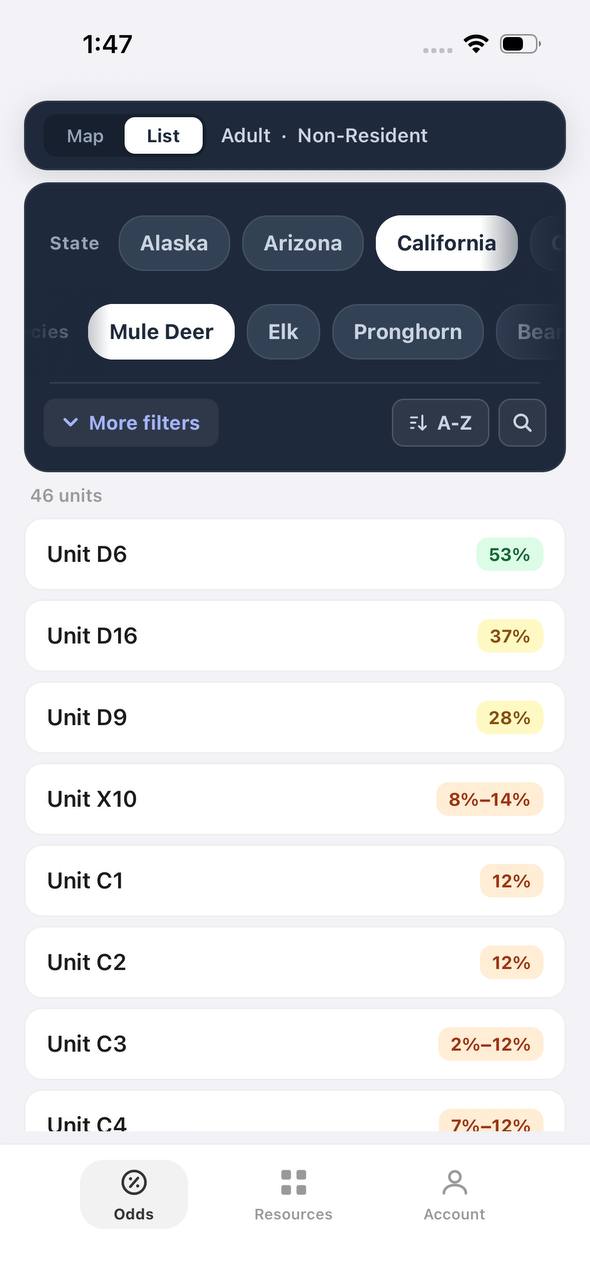
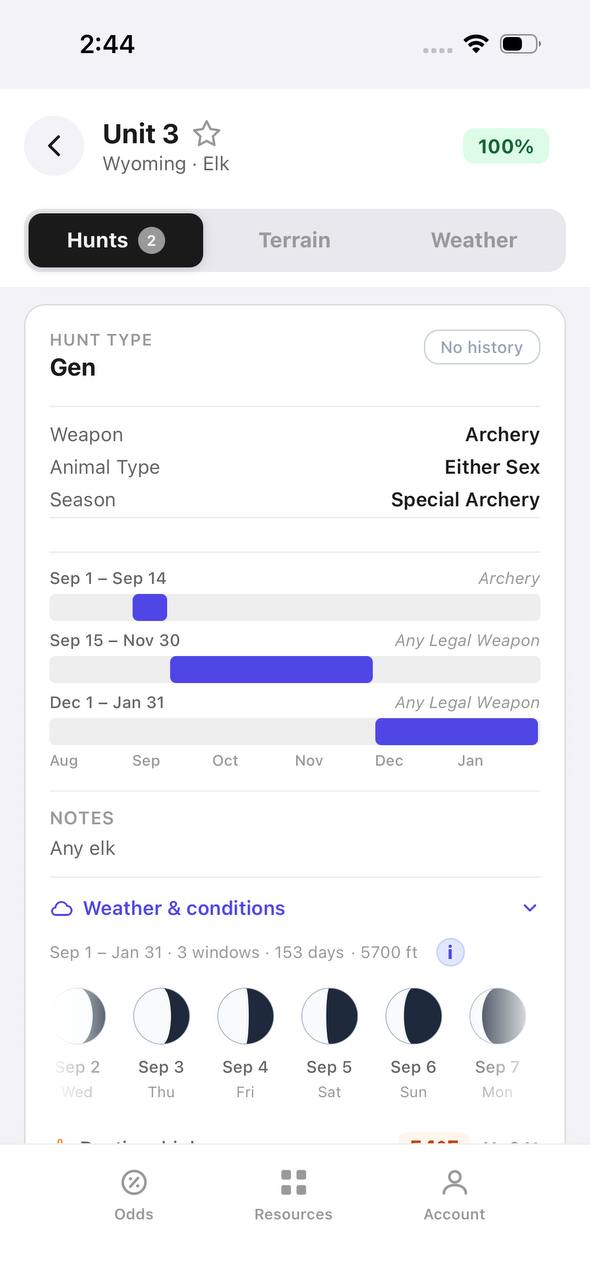
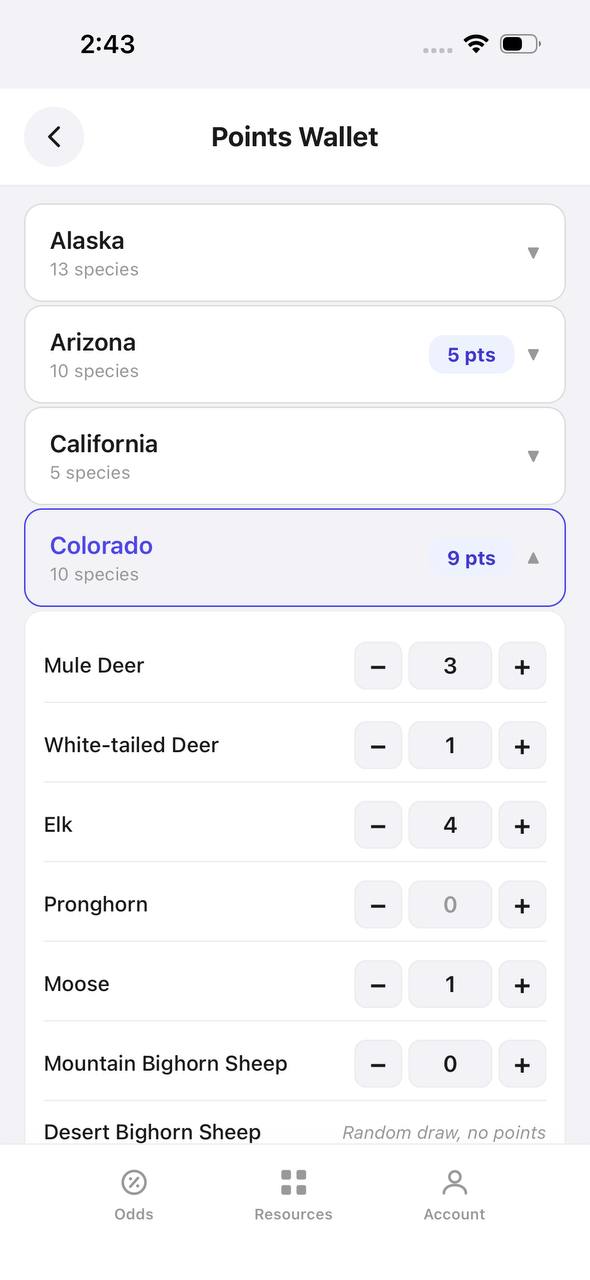
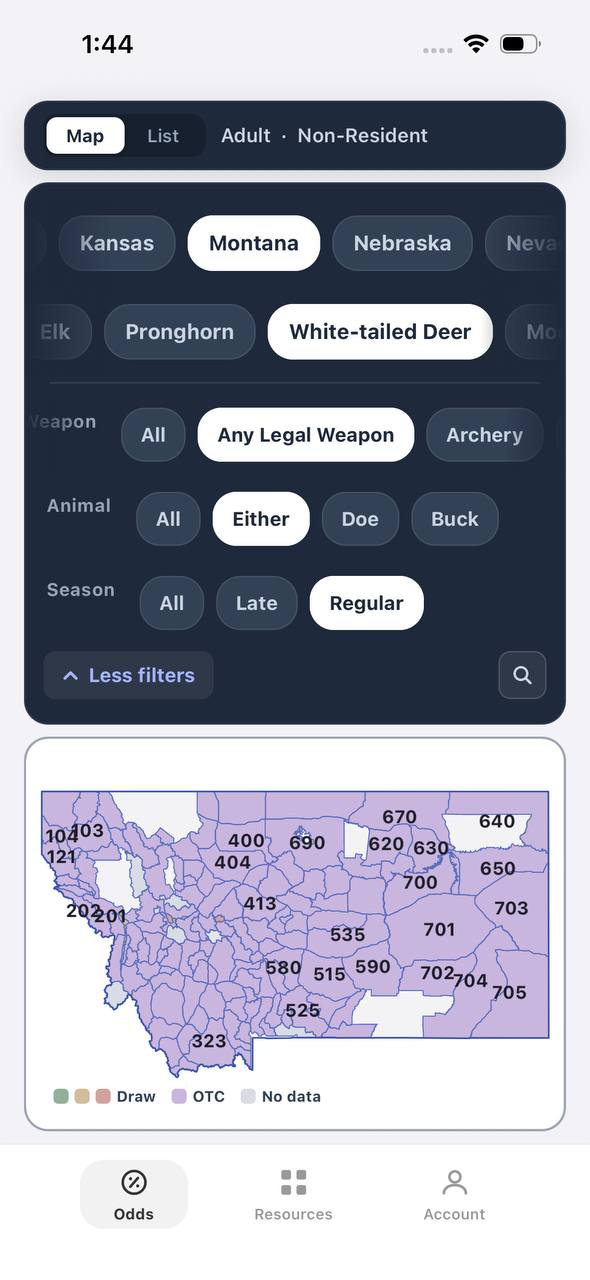
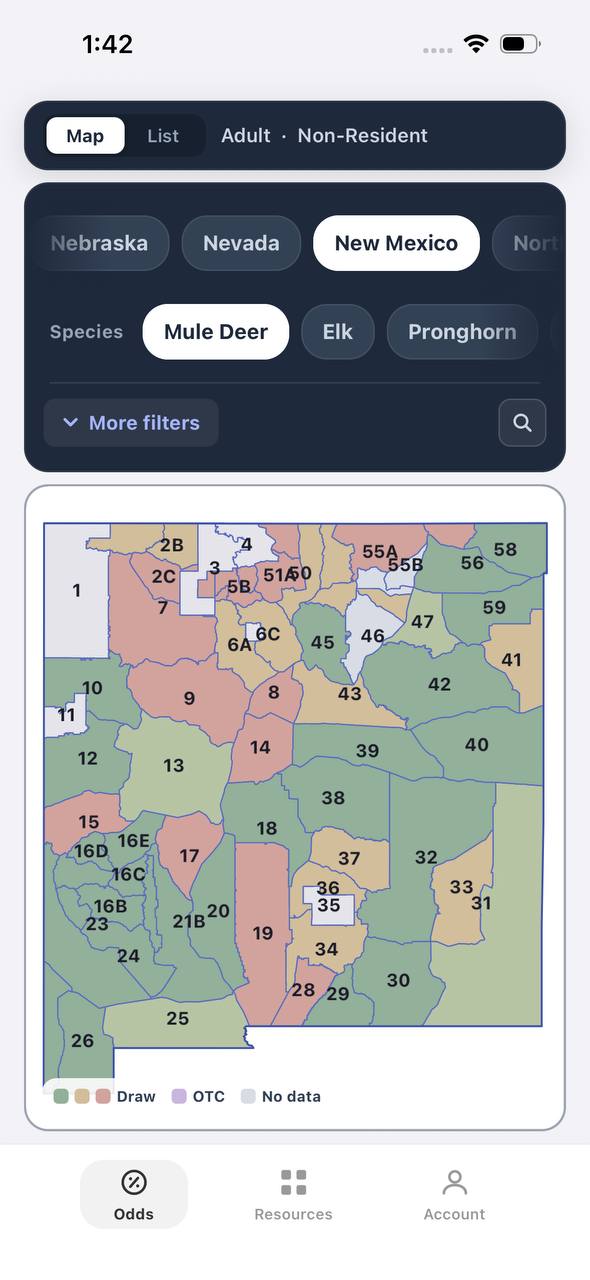
Bighorn actions use a push-feed design and accept Remington 700 footprints. The bolt cycles smoothly, and the action handles magnum cartridges without complaint. Hunters who reload and experiment with different wildcats or want the flexibility to chase multiple species across multiple states prefer Bighorn's modular approach. TAGZ helps you plan those multi-state hunts—track your preference points in Colorado, Montana, and Wyoming, compare draw odds for elk and mule deer across units, and build an application strategy that maximizes your odds of drawing tags in states where you already own the perfect barrel.
Free to join
Download mobile app
- Detailed draw odds
- Point tracking
- Deadline reminders
- 18 states covered

Free to join
Download mobile app
- Detailed draw odds
- Point tracking
- Deadline reminders
- 18 states covered
Free to join
Download mobile app
- Detailed draw odds
- Point tracking
- Deadline reminders
- 18 states covered
Impact Precision — Durability for Hard-Use Public-Land Hunts
Impact Precision builds actions for shooters who punish their rifles. The Impact 737 and Precision actions use thick-walled receivers and oversized bolt lugs. The 737R (short action) and 737L (long action) weigh 42 ounces—heavier than ultralight mountain guns but bulletproof for hunters who hike 10 miles into Idaho wilderness, camp for a week, and need a rifle that functions after getting dropped, soaked, or packed through blowdown timber.
Impact actions cost $1,100 to $1,250 and use a two-lug bolt with a 90-degree throw. The bolt knob is oversized for gloved hands—useful when you are glassing elk at dawn in Montana during November rifle season and temperatures drop below zero. The extractor and ejector are robust enough to cycle dirty magnum cases without failures.
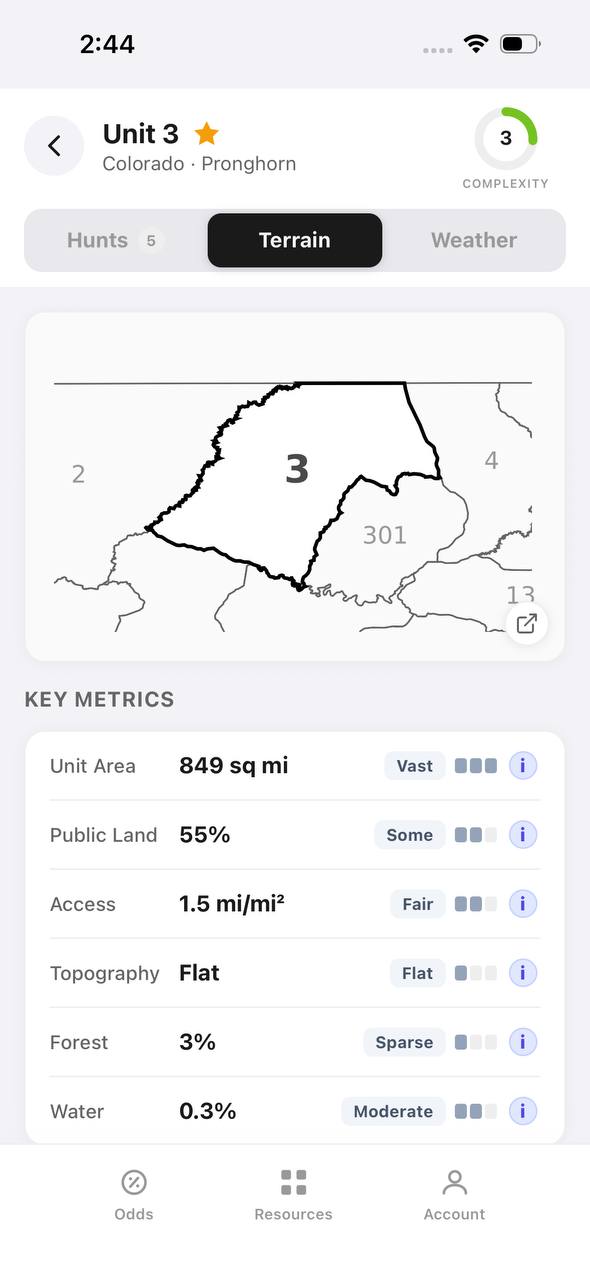
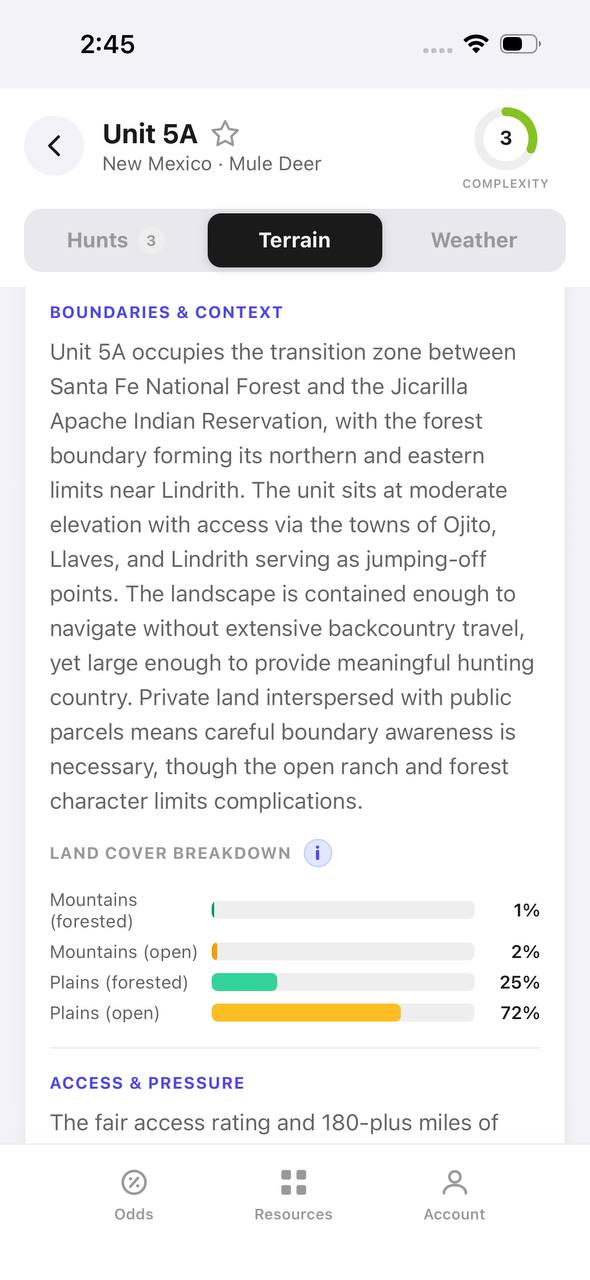
Hunters building do-it-all rifles for mixed public-land hunts choose Impact. The action handles abuse, pairs well with hardy barrels like Bartlein or Krieger, and still shoots sub-MOA groups. If you draw a general Colorado elk tag and plan to hunt OTC units the following year, Impact actions provide the durability to last decades without babying the rifle. TAGZ filters public-land units by terrain type, draw odds, and harvest success so you can find the best Colorado elk units for your points and hunting style, then build a rifle tough enough to handle the country.
Lone Peak Arms — Lightweight Mountain Specialists
Lone Peak Fuzion and Razor actions target hunters who count ounces. The Fuzion Ti (titanium receiver) weighs 18 ounces stripped—the lightest production action available. Pair it with a Proof Research carbon-fiber barrel and a McMillan Edge stock, and you build a 5.5-pound rifle chambered in 6.5 PRC. That weight matters when you are chasing Wyoming pronghorn across open sagebrush or climbing 2,000 vertical feet to glass Montana mule deer before sunrise.
Lone Peak actions cost $1,300 to $1,600 depending on material. Steel versions weigh 26 ounces and cost less. All models use a three-lug bolt with a 60-degree throw and integral recoil lugs. The machining is precise—expect half-MOA groups with quality barrels and ammunition. Gunsmiths appreciate Lone Peak's thread quality and consistent headspacing, which speeds up builds and reduces fitting time.
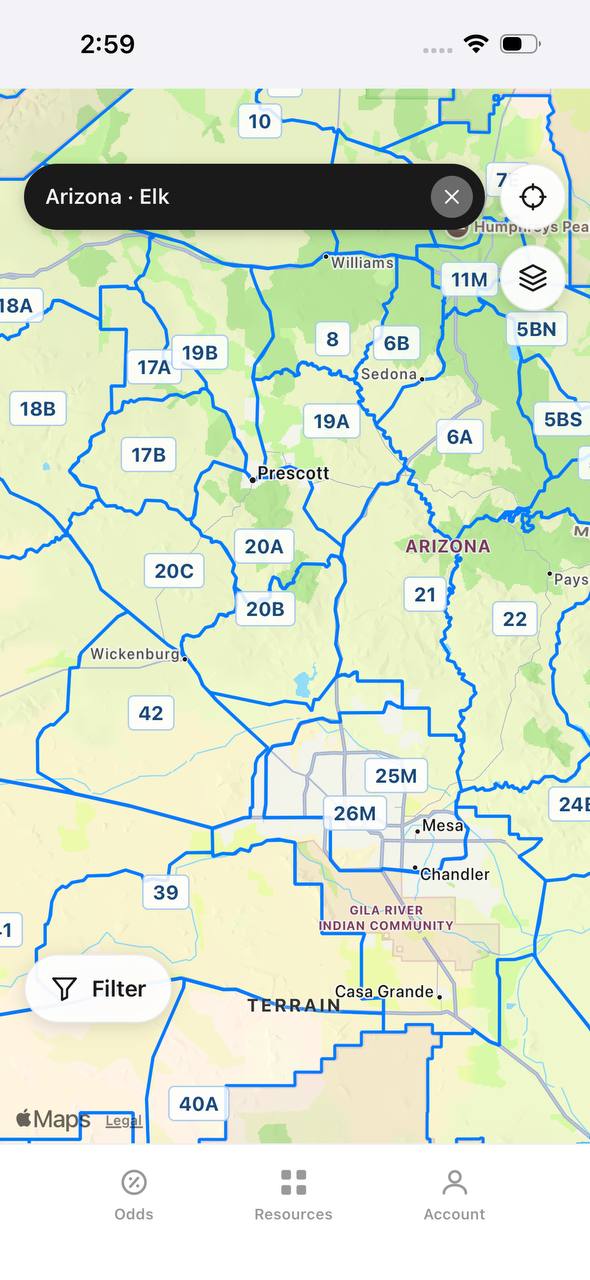
Lone Peak shines for hunters drawing limited-entry sheep, goat, or high-country mule deer tags. These hunts demand lightweight rifles you can carry all day without fatigue. A heavy rifle tempts you to leave it in camp when you should glass distant ridgelines. Lone Peak actions let you build a rifle light enough to carry everywhere, accurate enough to anchor game at distance, and durable enough to handle mountain weather. If you are planning a once-in-a-lifetime Montana or Wyoming hunt, TAGZ helps you analyze draw odds for limited-entry units, track bonus points across states, and compare terrain maps so you know which units demand lightweight rifles versus all-around builds.
Choosing the Right Action for Your Build
Start with the hunt. Mountain sheep or goat hunts demand lightweight actions like Lone Peak Fuzion or Defiance Ruckus. General-season elk hunts in Colorado or Montana OTC units favor durable, mid-weight actions like Curtis Axiom or Impact 737 that handle daily use without failures. Long-range mule deer hunts in Nevada or Wyoming benefit from precision actions like Defiance Deviant that deliver consistent sub-MOA accuracy at 500-plus yards.
Next, consider caliber flexibility. If you hunt multiple species across multiple states, Bighorn TL3 switch-barrel actions make sense. Hunters who commit to one cartridge and one rifle save money with fixed-barrel actions like Curtis or Lone Peak. TAGZ tracks your preference points and bonus points across states, maps draw odds by unit and species, and helps you plan multi-year application strategies. Knowing which tags you will chase over the next five years guides whether you build one specialized rifle or a modular system that adapts to different hunts.
Budget matters. Custom actions range from $900 (Curtis) to $1,600 (Lone Peak Ti). Add a precision barrel ($600–$900), stock ($400–$800), trigger ($200–$300), and gunsmithing ($300–$500), and you are building a $2,500 to $4,000 rifle. Compare that investment against the tags you draw. If you are hunting OTC Colorado elk every year, a $2,500 Curtis or Impact build makes sense. If you are waiting 10 years for a Montana limited-entry elk tag, investing $4,000 in a Defiance or Lone Peak build feels justified for a once-in-a-decade hunt.
Free to join
Download mobile app
- Detailed draw odds
- Point tracking
- Deadline reminders
- 18 states covered
Free to join
Download mobile app
- Detailed draw odds
- Point tracking
- Deadline reminders
- 18 states covered
Free to join
Download mobile app
- Detailed draw odds
- Point tracking
- Deadline reminders
- 18 states covered
Building Versus Buying Complete Rifles
Custom actions let you control every component. Choose your barrel contour, stock geometry, trigger pull weight, and caliber. Gunsmiths blueprint the action, chamber the barrel, and bed the stock for maximum accuracy. The process takes 6 to 12 months depending on the builder's backlog, but the result is a rifle tailored to your hunting style and physical build.
Factory custom rifles from Gunwerks, Seekins, or Christensen Arms use quality actions and barrels but standardize configurations. You save time and sometimes money, but you sacrifice customization. If you want a specific stock design, barrel length, or caliber twist rate, building around a custom action is the only option.
Most hunters building their first precision rifle start with a factory custom gun, shoot it for a season, and then build a custom rifle once they understand their preferences. TAGZ helps you identify which hunts justify custom builds. Filter elk units by draw odds and terrain type, compare Colorado OTC opportunities versus Montana limited-entry tags, and plan a multi-year strategy. Knowing you will draw a premium tag in three years gives you time to plan a custom build that matches the terrain and shooting distances you will face.
Common Custom Action Features Explained
Integral recoil lugs eliminate the separate lug found in Remington 700 actions. Machining the lug into the receiver improves alignment and removes a potential point of failure. All modern custom actions use integral lugs.
Controlled-round-feed versus push-feed describes how cartridges enter the chamber. Controlled-round-feed actions (Defiance, Lone Peak) grab the cartridge rim as the bolt moves forward, preventing double-feeds. Push-feed actions (Bighorn, Curtis) push cartridges into the chamber without capturing the rim until the bolt closes. Both designs work—controlled-round-feed offers slightly better reliability with magnum cartridges under recoil.
Bolt fluting reduces weight without weakening the bolt. Spiral flutes look cleaner and remove more material than straight flutes. Lone Peak and Defiance offer fluted bolts on lightweight models.
Barrel thread pitch matters for compatibility. Most custom actions use 1-16 threads for short-action barrels and 1-16 or 1.062-16 for long-action barrels. Shouldered barrels require precise headspacing by a gunsmith. Barrel nut systems (Bighorn TL3) let you swap barrels without a gunsmith but sacrifice some accuracy potential.
Aftermarket Support and Trigger Compatibility
Custom actions use Remington 700 footprints for triggers, scope bases, and bottom metal. This compatibility keeps costs down and options broad. TriggerTech, Timney, and Jewell triggers all fit custom actions without modification. Hawkins Precision, Area 419, and Badger Ordnance make scope rails and rings. Accurate Mag, Hawkins Hunter DBM, and Wyatt's Outdoor supply bottom metal and magazines.
This ecosystem matters when building or upgrading a rifle. You are not locked into proprietary parts or limited options. If you want to upgrade from a hunting trigger to a competition trigger, you swap it in 10 minutes. If you switch from a hinged floorplate to a detachable box magazine for faster reloads, you buy the bottom metal and inlet the stock. Custom actions give you control over every component for the life of the rifle.
TAGZ gives you the same control over your hunt planning. Compare draw odds across Colorado, Montana, Wyoming, and other western states. Track your preference points and bonus points so you know which units are within reach this year versus five years from now. Filter units by public land percentage, terrain type, and weapon restrictions. Whether you are chasing OTC Colorado elk tags or planning limited-entry mule deer applications in Nevada, TAGZ helps you make smarter decisions before you ever step into the field.
Free to join
Download mobile app
- Detailed draw odds
- Point tracking
- Deadline reminders
- 18 states covered
Free to join
Download mobile app
- Detailed draw odds
- Point tracking
- Deadline reminders
- 18 states covered
Free to join
Download mobile app
- Detailed draw odds
- Point tracking
- Deadline reminders
- 18 states covered
Barrel and Caliber Pairing for Custom Actions
Custom actions deliver precision only when paired with quality barrels. Bartlein, Krieger, Proof Research, and Brux dominate the precision barrel market. Bartlein 5R rifling reduces fouling and extends barrel life—important for magnums like 300 Win Mag or 7mm RemMag that burn powder fast. Proof Research carbon-wrapped barrels save 2 to 3 pounds versus steel barrels of the same contour and stiffness, making them ideal for mountain rifles built on Lone Peak or Defiance Ruckus actions.
Calibер choice depends on game and distance. Elk hunters shooting 300 to 500 yards gravitate toward 6.5 PRC, 7mm RemMag, or 300 Win Mag. Mule deer hunters who glass and stalk in open country choose flatter-shooting cartridges like 6.5 PRC or 28 Nosler. Pronghorn hunters favor light-recoiling, high-velocity rounds like 6.5 Creedmoor or 25 Creedmoor that handle wind well and allow fast follow-up shots.
Match the barrel contour to the hunt. Sendero or M24 contours balance stiffness and weight for general hunting. Sporter contours save weight but heat up faster—fine for single-shot opportunities on elk but limiting for prairie dog or coyote hunting where you shoot multiple rounds in succession. Heavy varmint contours add weight but stay cool and stiff—useful for long-range practice or shooting competitions where you fire 20 rounds in a session.
Custom Action Maintenance for Field Reliability
Custom actions require minimal maintenance but benefit from periodic cleaning. Wipe bolt lugs and raceways with a dry cloth after every hunt to remove dust, dirt, and powder residue. Avoid heavy lubrication—a thin film of high-quality gun oil on the bolt lugs is sufficient. Excess oil attracts dirt and can freeze in cold weather, slowing bolt cycling when you need fast follow-up shots on elk or mule deer.
Inspect the firing pin spring every 5,000 rounds or five years, whichever comes first. Weak springs cause light primer strikes and misfires. Replacement springs cost $15 and install in minutes. Check extractor tension annually. A worn extractor fails to eject cases cleanly, causing feeding issues during critical moments in the field.
Store rifles in climate-controlled environments when possible. Humidity causes rust on steel actions; temperature swings stress bedding compound and stock materials. Use a safe with a dehumidifier or store rifles in hard cases with desiccant packs. Before season, verify zero at 100 yards and recheck after air travel or long drives on rough roads. Custom actions hold zero better than factory actions, but impacts and vibration can shift point of impact by several inches.
FAQ — Custom Rifle Actions
What makes custom rifle actions more accurate than factory actions? Custom actions use tighter tolerances, precision-ground raceways, and hand-lapped bolt lugs. Factory actions have looser fits to ensure mass production reliability. Tighter tolerances reduce mechanical variables, keeping the barrel aligned consistently shot-to-shot. That consistency tightens groups by half an inch or more at 100 yards.
Are custom actions worth the cost for western big-game hunting? Yes, if you hunt regularly and prioritize accuracy beyond 300 yards. A $1,200 custom action paired with a quality barrel delivers sub-MOA accuracy for decades. Factory rifles in the $1,000 range shoot one to 1.5 MOA on average. For hunters drawing limited-entry tags after waiting years, custom actions provide the precision and confidence needed for one-shot opportunities at distance.
Which custom action is best for lightweight mountain rifles? Lone Peak Fuzion Ti weighs 18 ounces and dominates the lightweight category. Defiance Ruckus at 26 ounces offers a balance of light weight and strength for magnum cartridges. Both actions pair well with carbon-fiber barrels and lightweight stocks to build sub-6-pound rifles ideal for sheep, goat, or high-country mule deer hunts.
Can I swap barrels on custom actions without a gunsmith? Bighorn TL3 actions use a barrel nut system that allows toolless barrel changes in 15 minutes. Other custom actions require a gunsmith to install and headspace barrels. The trade-off is convenience versus absolute precision—shouldered barrels headspaced by a gunsmith typically deliver tighter accuracy than barrel nut systems.
Do custom actions fit Remington 700 stocks and triggers? Yes. Most custom actions use Remington 700 footprints for triggers, scope bases, bottom metal, and stocks. This compatibility keeps aftermarket support broad and costs manageable. You can use TriggerTech, Timney, or Jewell triggers, and nearly every precision stock manufacturer offers inlets for Remington 700 clones.
How long do custom rifle actions last? Custom actions last 50,000-plus rounds with proper maintenance. Steel actions outlast titanium actions, which can show wear after 20,000 rounds in hard-use scenarios. Most hunters fire 200 to 500 rounds per year including practice and hunting. A custom action easily lasts a lifetime and can be rebarreled multiple times as barrels wear out or you switch calibers.
Continue Planning Your Hunt
Custom actions give you control over accuracy, weight, and caliber for the hunts that matter most. TAGZ gives you the same control over your application strategy. Compare draw odds across western states, track your preference points and bonus points, and filter elk and mule deer units by terrain type, public land access, and harvest success. Whether you are chasing Colorado OTC elk tags or planning a limited-entry Montana mule deer application, TAGZ helps you make smarter decisions before you ever apply.
Explore TAGZ pricing to see how our platform simplifies western hunting applications and maximizes your odds of drawing the tags you want. Use TAGZ product features to compare units side by side, visualize terrain with boundary maps, and plan multi-year strategies that match your points and hunting goals. Build the rifle. Draw the tag. Make the shot count.
Was this article helpful?
Previous
Best Hunting Rifles Under $2,000 for Western Big Game 2026
From Colorado elk to Wyoming pronghorn, these six rifles deliver accuracy and reliability without breaking the bank. We break down what to look for and which models consistently perform in the field.
Related
Cooper Firearms Review: Precision Bolt-Action Rifles for Western Hunters
Cooper Firearms builds premium bolt-action rifles in Montana using match-grade barrels and hand-fitted actions. This review covers their model lineup, accuracy performance, customization options, and whether the price justifies the upgrade for western big-game hunting.
Next
Weatherby Mark V Backcountry Review: Ultralight Rifle for Western Hunters
The Weatherby Mark V Backcountry delivers sub-6-pound performance in calibers from 6.5 Creedmoor to .300 Weatherby Magnum. This ultralight rifle combines carbon-fiber stock, fluted barrel, and proven Mark V action for hunters who cover serious miles in alpine terrain.