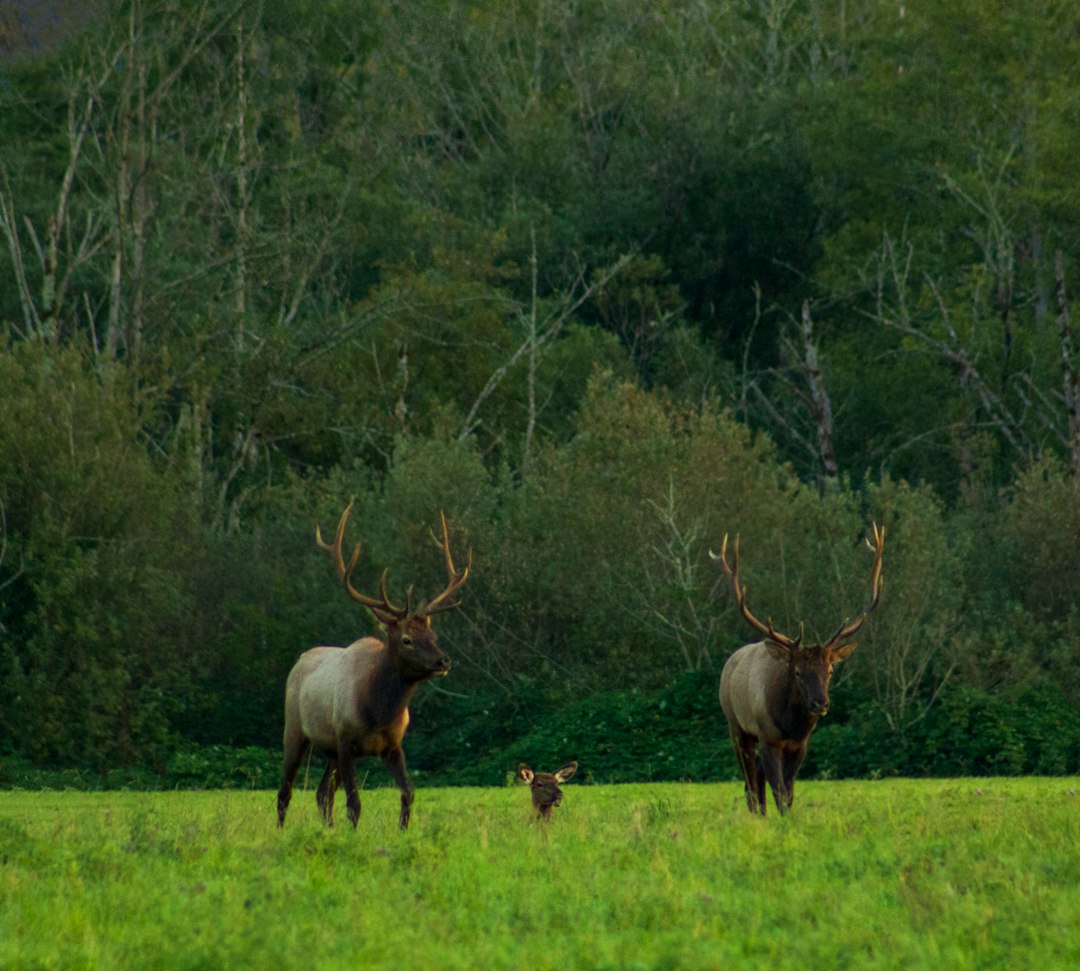
Washington Mule Deer Hunting Guide 2027: Draw Odds, Best Units & Application Strategy
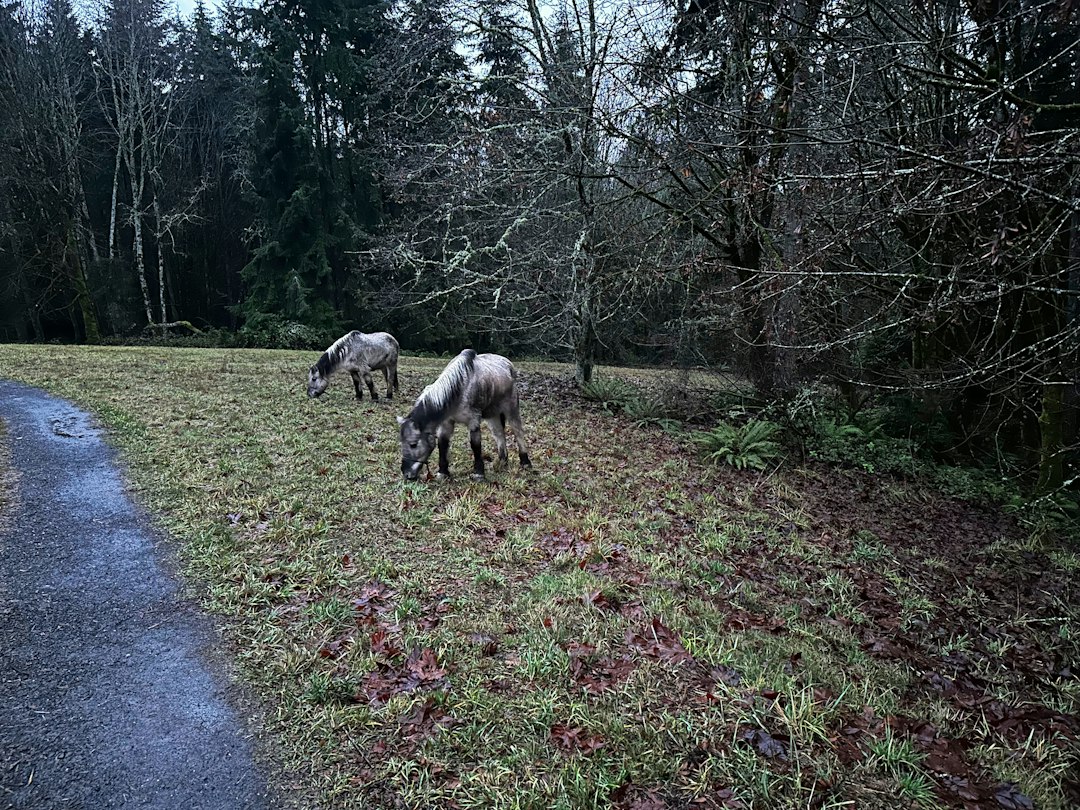
Washington mule deer hunters face a highly competitive draw system with strict nonresident caps and limited high-quality units. Unlike general whitetail opportunity across much of the state, mule deer are concentrated in eastern units where controlled hunts determine access. Success in 2027 requires understanding preference points, unit performance, and strategic application choices. This guide breaks down the system, identifies top units, and provides tactics for drawing your first tag or upgrading to a trophy hunt.
Washington Mule Deer Draw System
Washington uses a preference-point system for controlled hunts, where points accumulate each year you apply without drawing. When you draw a tag, your points reset to zero. The system prioritizes applicants with the most points, though random drawing occurs within point tiers. Both residents and nonresident applicants earn points and compete for tags, but nonresident opportunity is capped at 10 percent of available permits for most hunts.
Applications open in early May and close in late May each year. For 2027, expect the application period to run May 1–31, though WDFW publishes exact dates in the spring hunting pamphlet. The draw occurs in June, with results posted online by mid-to-late June. Applicants may submit up to three choices ranked by preference. If you are unsuccessful on all three choices, you earn a preference point for the species.
Preference Points and Draw Strategy
Preference points directly determine draw odds in Washington. Units requiring zero or one point often draw out at 100 percent, while premium hunts may require five to ten points or more. WDFW publishes annual draw statistics showing the number of applicants, available permits, and minimum points required to draw each hunt. Reviewing these stats is essential before applying.
Strategic applicants use their three choices to balance risk. A common approach is to list a trophy unit as the first choice (even if you lack the points to draw), a mid-tier unit as the second choice (where your points fall within range), and a high-draw-odds unit as the third choice to increase your chance of hunting. If you draw your second or third choice, your points reset, so only chase a trophy if you are prepared to burn points on a lesser unit or to build points further by applying for impossible tags and skipping your second and third choices.
Nonresident applicants face additional challenges. The 10 percent cap means fewer tags are available, and high point totals often climb faster for nonresidents than residents. Some units may draw with three resident points but require five or more nonresident points. Always check draw odds separately for resident and nonresident categories.
Top Mule Deer Units for 2027
Washington mule deer units cluster in the east-central and northeast portions of the state, where shrub-steppe, forest transitions, and agricultural edges create habitat. Quality varies widely, and unit choice should match your point total and goals.
GMU 101 (Okanogan) is a premier mule deer destination, offering large bucks and rugged terrain. This unit consistently requires high point totals for rifle hunts—often eight to twelve points for residents and even higher for nonresidents. Archery hunts are slightly easier to draw but still demand five or more points. The rut-timed rifle hunts produce the best trophy opportunities, though success rates hover around 30 to 50 percent due to challenging terrain and low deer densities.
GMU 108 (Wenatchee) and GMU 121 (Naches) provide mid-tier opportunity with moderate point requirements. Expect to invest three to six points for rifle hunts and two to four for archery. These units hold healthy buck populations and offer better hunter-success rates than trophy units, often reaching 60 to 70 percent. Terrain is accessible, with public land interspersed among private agricultural lands.
For applicants with zero to two points, GMU 142 (Cowiche) and GMU 162 (Steptoe) frequently offer easier draws. Success rates vary, and mature bucks are less common, but these units provide valuable experience and meat hunts. Many hunters use these as third-choice insurance while building points for better units.
Archery hunts generally require fewer points than rifle hunts in the same unit, but seasons overlap the rut less consistently, reducing buck visibility. Early archery seasons in September target bachelor groups, while October dates may catch the tail end of rutting activity depending on weather.
Nonresident Opportunity and Caps
Nonresident hunters face the 10 percent cap on most controlled hunts, though WDFW guarantees a minimum of one nonresident tag if at least ten total permits are available in a hunt. This means small-quota hunts may still offer a slim nonresident draw chance. High-demand units like GMU 101 see heavy nonresident competition, while lower-demand units occasionally draw with fewer points than resident averages suggest.
Nonresidents must purchase a Washington hunting license before applying, along with the controlled-hunt application fee. Licenses go on sale in March, and applying without a valid license disqualifies your application. Budget approximately $200 for the nonresident license, $10 for the application fee, and $680 for the deer tag if drawn. These costs are non-refundable once the draw occurs.


Free to join
Download mobile app
- Detailed draw odds
- Point tracking
- Deadline reminders
- 19 states covered





Free to join
Download mobile app
- Detailed draw odds
- Point tracking
- Deadline reminders
- 19 states covered






Free to join
Download mobile app
- Detailed draw odds
- Point tracking
- Deadline reminders
- 19 states covered

Application Timeline and Deadlines
Washington's controlled-hunt application period is short and strict. For 2027, anticipate the following timeline based on historical patterns:
- March: Hunting licenses go on sale. Nonresidents must purchase before applying.
- May 1–31: Controlled-hunt application period opens and closes. No late applications are accepted.
- Mid-to-late June: Draw results posted online. Successful applicants receive tag confirmation via email and postal mail.
- July–October: Mule deer seasons run, depending on weapon type and unit.
Missing the May deadline eliminates your opportunity for 2027 controlled hunts. WDFW does not offer over-the-counter mule deer tags. All mule deer hunting in Washington requires a controlled-hunt permit.
Public Land and Access
Washington mule deer units overlap significant public land, including Colville National Forest, Okanogan-Wenatchee National Forest, and large WDFW wildlife areas. Public access is generally good in northeast and north-central units, though private agricultural lands dominate some lower-elevation zones. E-scouting tools like TAGZ reveal public-private boundaries, road access, and terrain features, allowing hunters to identify glassing points and stalk routes before arrival.
Some WDFW wildlife areas require a vehicle access pass in addition to your hunting license and tag. Check the hunting pamphlet for specific area regulations. National forest lands are open to dispersed camping, but high-use areas may require advance campsite planning during archery and rifle openers.
Rut Timing and Season Selection
Mule deer rut timing in Washington peaks in mid-to-late November, well after most controlled-hunt rifle seasons close. Rifle hunts typically occur in October, targeting pre-rut and early-rut activity when bucks are still in bachelor groups or beginning to rub and spar. This limits rut-related advantages but concentrates deer in predictable feeding and transition areas.
Archery seasons run earlier, from September into mid-October. Early September hunts catch bucks in velvet and bachelor groups, often at higher elevations near alpine feeding zones. October archery dates overlap increasing rutting behavior, though true peak activity occurs after seasons close.
Hunters chasing mature bucks should focus rifle hunts in late October or early November slots when available, as these dates maximize rut activity within legal seasons. Bucks are more visible, more vocal, and less cautious as breeding approaches.
Gear and Preparation
Eastern Washington mule deer country demands long-range optics and shooting capability. Terrain is open, and bucks often hold on opposite ridges or in distant basins. Quality binoculars (10x42 or 12x50) and a spotting scope (15-45x65 minimum) are essential for glassing mornings and evenings. Shooting skills should extend to 400 yards or more, though many ethical opportunities occur closer.
Weather varies from hot and dry in early September to cold and snowy in late October. Layering systems, rain gear, and insulated clothing are necessary. Snow can arrive in high-elevation units by mid-October, closing roads and changing deer distribution.
Physical conditioning matters. Units like GMU 101 and GMU 108 feature steep ridges, deep canyons, and thousands of vertical feet between roads and productive glassing points. Expect 5 to 10 miles of hiking daily when hunting public land.
FAQ — Washington Mule Deer
Does Washington have over-the-counter mule deer tags?
No. All mule deer hunting in Washington requires a controlled-hunt permit awarded through the draw system. No OTC or leftover tags are available.
How many preference points do I need to draw a good mule deer unit?
Mid-tier units like GMU 108 or GMU 121 typically require three to six resident points for rifle hunts. Premium units like GMU 101 demand eight to twelve resident points or more. Archery hunts draw with slightly fewer points.
What is the nonresident tag cap for Washington mule deer?
Nonresidents are limited to 10 percent of available permits for most controlled hunts. This cap applies per hunt, not statewide, so nonresident draw odds vary by unit and weapon type.
Can I apply for both mule deer and whitetail in the same year?
Yes. Washington allows separate applications for mule deer and whitetail controlled hunts. Drawing one does not disqualify you from the other.
What happens if I don't draw any of my three choices?
You earn one preference point for the species and may apply again next year. Points accumulate until you draw a tag, at which time they reset to zero.
Are Washington mule deer hunts worth the wait?
Yes for hunters seeking quality bucks and low hunter density. Units like GMU 101 produce mature bucks in wild country, though success rates are moderate. Mid-tier units offer better success and faster draws while still holding respectable bucks.
Was this article helpful?
Previous
Washington Archery Elk Hunting 2027: Complete Guide to Units, Draws, and OTC Options
Washington offers both general and limited-entry archery elk opportunities across diverse terrain, from coastal rainforests to eastern pine slopes. Understanding which units require draws versus OTC tags is essential for 2027 planning.
Related
Public Land Elk Hunting in Arizona: 2027 Guide to Units, Tags & Strategy
Arizona offers exceptional public-land elk hunting through a draw system with no preference points. Success hinges on unit research, understanding resident versus nonresident odds, and timing your application correctly.
Next
Rifle Elk Hunting in Washington: Tags, Units, and Strategies for Success
Washington offers rifle elk hunters a mix of general and controlled-hunt opportunities across diverse terrain. Modern firearm seasons run mid-October through November, with top units concentrated in the northeast Selkirk Mountains and south-central Cascade foothills.