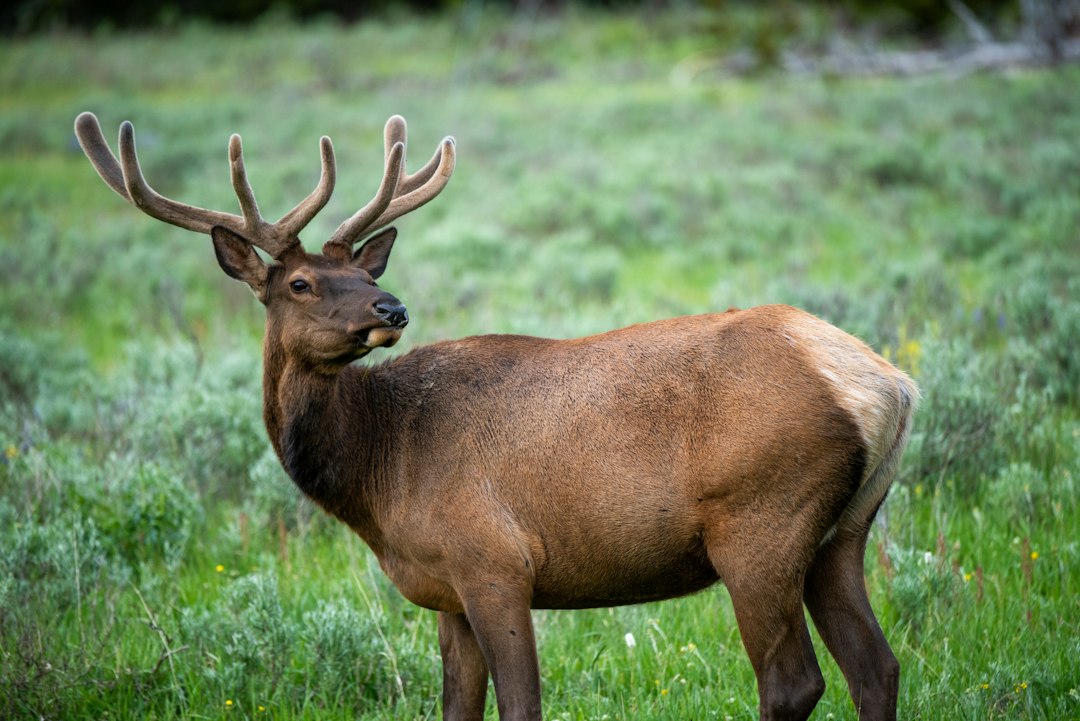
Washington Guided Blacktail Deer Hunts 2027: Tags & Outfitters
Washington's guided blacktail deer hunts target Columbian blacktail in the dense forests and logged slopes of Western Washington. For 2027 hunts, both residents and nonresidents can purchase general-season tags over the counter — no draw required — making blacktail accessible to first-time visitors and experienced coastal hunters alike. Most guided blacktail hunts run during the modern firearm general season (typically mid-October through November), when bucks are transitioning into rut behavior and visibility improves on logged hillsides and edge habitat.
Tag Options for Guided Blacktail Hunts
Washington offers a general modern firearm deer tag valid statewide, which covers both Columbian blacktail in Western Washington and mule deer or whitetail in Eastern Washington. This tag is available over the counter and does not require entering a draw or accruing preference points. Residents can purchase the tag through WDFW's licensing system, and nonresidents can do the same. The modern firearm general season typically opens in mid-October and runs through late November, with exact dates set annually by WDFW. Hunters working with an outfitter should confirm the specific season dates for their hunt area, as some Game Management Units (GMUs) in Western Washington have slight variations in opener and closer dates.
Archery hunters targeting blacktail during the early archery season (typically September) also use a general archery tag available over the counter. Guided archery blacktail hunts are less common than rifle hunts due to lower success rates in thick timber, but some outfitters offer combination archery/rifle packages or dedicated bow hunts for hunters willing to work hard for close encounters. Muzzleloader hunters can participate during a dedicated muzzleloader season in select GMUs, though this season is less frequently used for guided blacktail hunts than the modern firearm season.
Applying for Your 2027 Washington Deer Tag
Because Washington's general deer tags are over the counter, there is no application deadline or draw process for the modern firearm tag used on most guided blacktail hunts. Hunters can purchase their tag anytime after they become available in the spring (typically late March or April) through WDFW's online licensing portal or at authorized license dealers. Many nonresident hunters purchasing guided hunts buy their tags several months in advance to secure their spot and confirm all licensing requirements with their outfitter.
Washington does require all deer hunters to complete Hunter Education (or possess a Hunter Education card from another state or province). Nonresidents must also purchase a nonresident hunting license before buying the deer tag. WDFW's licensing system walks hunters through each requirement step by step, and most outfitters provide detailed pre-hunt checklists to ensure clients arrive with the correct tags and licenses. There is no wait period or point system for general deer tags, so hunters booking a 2027 guided blacktail hunt can secure their tag as soon as the license year opens.
What to Expect from Washington Blacktail Outfitters
Guided blacktail hunts in Washington focus on the coastal mountains, logged timberlands, and steep ridgelines of Western Washington GMUs. Outfitters typically operate in units with good blacktail densities and a mix of mature timber and recently logged areas that create edge habitat and feeding zones. Common hunt areas include the Willapa Hills, Cascade foothills west of Interstate 5, and coastal units near the Olympic Peninsula. Blacktail are creatures of dense cover, and guided hunts often involve glassing logged hillsides at first light, then moving into the timber for still-hunting or spot-and-stalk opportunities as deer bed down.
Most outfitters offer 3- to 5-day rifle hunts during the modern firearm season, with lodging ranging from rustic cabins to more comfortable lodges. Physical fitness is important — Western Washington blacktail country is steep, brushy, and often wet, and hunters should expect to hike several miles per day over uneven terrain. Some outfitters use 4x4 access roads to reach glassing points, while others incorporate boat or ATV access to remote tracts of private or leased timber company land. Success rates for guided blacktail hunts vary by outfitter, unit, and season conditions, but mature blacktail bucks (3.5 years or older) are the primary target, and realistic hunters should plan for a challenging hunt rather than a guaranteed harvest.
Outfitter services typically include guided hunting, field transportation, game care and basic field processing, and lodging. Most do not include tag fees, hunting licenses, or final meat processing, and hunters should clarify what is included in the package price before booking. Washington blacktail outfitters may also offer combination hunts targeting Roosevelt elk, black bear, or mountain goat in the same region, which can be an attractive option for nonresidents traveling from out of state.
Choosing the Right Guided Hunt for 2027
When evaluating Washington blacktail outfitters for a 2027 hunt, ask about the specific GMUs they operate in, recent success rates, and the mix of public versus private or leased land. Some outfitters have exclusive access to large blocks of timber company land, which reduces hunting pressure and improves the quality of bucks available. Others operate primarily on public land and rely on local knowledge and aggressive hunting to find undisturbed pockets of deer. Both models can produce successful hunts, but the experience and effort required differ.
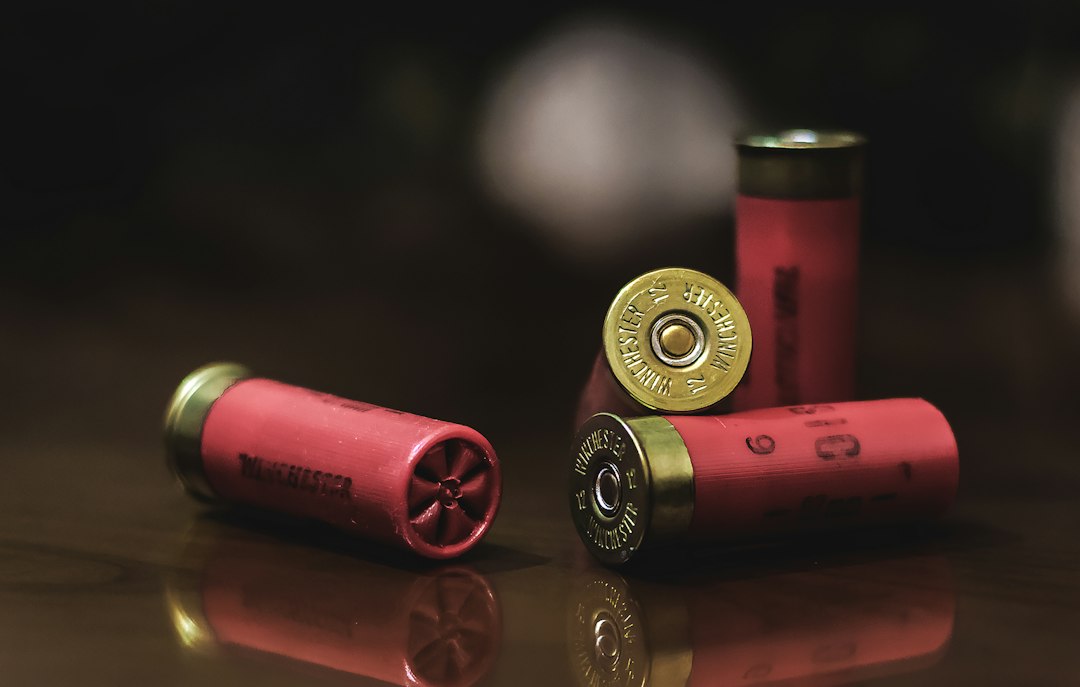
Hunters should also ask about weapon restrictions and shooting distances. Blacktail habitat is brushy, and most shots occur inside 150 yards — sometimes much closer. A scoped rifle in a common caliber (.243 Winchester, .270 Winchester, .308 Winchester, or 6.5 Creedmoor) is ideal, and hunters should be comfortable shooting offhand or from improvised rests. Outfitters may provide feedback on preferred rifle setups and ammunition choices based on the terrain and typical shot opportunities in their area.
Finally, confirm the outfitter's cancellation policy, weather contingency plans, and what happens if the hunt is unsuccessful. Western Washington weather in October and November can be wet and unpredictable, and some seasons see heavy rain that limits glassing opportunities and deer movement. Understanding the outfitter's refund or rebook policy before putting down a deposit is important.


Free to join
Download mobile app
- Detailed draw odds
- Point tracking
- Deadline reminders
- 19 states covered





Free to join
Download mobile app
- Detailed draw odds
- Point tracking
- Deadline reminders
- 19 states covered






Free to join
Download mobile app
- Detailed draw odds
- Point tracking
- Deadline reminders
- 19 states covered

Public-Land DIY Alternative to Guided Hunts
Washington's public-land blacktail hunting is accessible to DIY hunters willing to scout and hunt independently. The same general modern firearm tag used on guided hunts is valid on state wildlife areas, national forest land, and Department of Natural Resources (DNR) tracts throughout Western Washington. DIY hunters should focus on units with good road access, recent timber harvest activity, and lower elk hunting pressure, as heavy elk hunting traffic can push blacktail into thicker cover. WDFW's Public Land Access and Hunt Planning resource can help hunters identify productive public-land units and plan a self-guided hunt as an alternative to hiring an outfitter.
For hunters targeting other species in Washington, WDFW's controlled hunt system allocates limited tags for premium elk, deer, and other big-game hunts through a draw process. Learning how that system works can open additional opportunities beyond general-season blacktail. Check WDFW's Draw Odds and Application Strategy for a breakdown of Washington's controlled hunt system and how to apply for 2027 draws.
Timing and Physical Preparation
Blacktail rut activity peaks in November in most Western Washington units, and bucks become more visible as they search for does and move between bedding and feeding areas. Early-season hunts in October can be productive, but bucks are more likely to be in bachelor groups and feeding heavily on the edges of clearcuts at dawn and dusk. Mid- to late-season hunts (late October through November) coincide with increasing rut activity and often see better buck movement throughout the day, but weather deteriorates and hunting pressure increases as general elk seasons open and overlap with deer hunting.
Physical preparation for a guided blacktail hunt should focus on hiking stamina, leg strength, and balance on steep, slippery terrain. Western Washington forests are often muddy, and logging roads can be brushy and uneven. Hunters should be comfortable hiking 3–5 miles per day with a daypack and rifle, and able to navigate steep slopes without losing balance or becoming winded. Cardiovascular fitness and core strength are more important than raw speed — blacktail hunting rewards steady, deliberate movement and the ability to stay alert and ready for quick shooting opportunities.
Gear and Clothing Considerations
Western Washington blacktail hunts require rain-ready gear and clothing suited to wet, brushy conditions. Waterproof outerwear, wool or synthetic base layers, and durable pants that shed moisture and resist snags are essential. Leather boots with good ankle support and aggressive tread perform better than lightweight hiking shoes, and waterproofing should be reapplied before the hunt. Hunters should pack extra socks and gloves, as wet feet and hands are common in November coastal hunts.
Optics for blacktail hunting should prioritize low-light performance and a wide field of view. A quality binocular in the 8x42 or 10x42 class is ideal for glassing logged hillsides at dawn and spotting movement in the timber. A rangefinder is useful but less critical than in open country, as most shots occur at close range. A rifle scope in the 3-9x or 2-7x range with a wide objective lens (40mm or larger) provides enough magnification for the rare longer shot while maintaining a bright sight picture in low light and thick cover.
After the Hunt: Meat Care and Taxidermy
Blacktail venison is excellent table fare, and hunters should plan for proper meat care and processing after a successful hunt. Most outfitters provide basic field care (gutting, quartering, and cooling) and can recommend local processors for final butchering and packaging. Hunters flying home should coordinate with the outfitter to freeze and pack meat in checked coolers or arrange for meat shipping services. Washington regulations require that edible meat from harvested deer be salvaged, and hunters should plan accordingly.
For hunters interested in mounting a blacktail buck, taxidermy options include shoulder mounts, European skull mounts, or antler plaques. Blacktail antlers are typically smaller and darker than mule deer antlers, with 3x3 or 4x4 frames common on mature bucks. Outfitters can recommend local taxidermists familiar with blacktail mounts, and hunters should take care to preserve the cape by making proper field cuts and keeping the hide cool and clean. Saltwater baths or borax applications can prevent spoilage if the hunt occurs during warm weather.
Internal Resources for Washington Hunters
Hunters planning Washington blacktail hunts should explore TAGZ's full library of Western big-game resources. For nonresidents evaluating multiple species, Western State Big Game Licensing Guide compares tag costs and application systems across Washington and neighboring states. For hunters interested in Washington's controlled hunt system for elk or other species, Washington Draw System Explained breaks down preference points, application deadlines, and unit selection strategy. DIY hunters should consult Public Land Scouting and E-Scouting Tips to identify productive blacktail units and plan an unguided hunt.
FAQ — Washington Guided Blacktail Hunts
Do I need to enter a draw for a Washington blacktail tag?
No. Washington's general modern firearm deer tag is available over the counter to residents and nonresidents without entering a draw or accruing preference points.
When is the best time to hunt blacktail in Washington?
Mid-October through November during the modern firearm season. Late October and November coincide with increasing rut activity and better buck movement, though weather is wetter and hunting pressure increases.
What is the average cost of a guided blacktail hunt in Washington?
Guided blacktail rifle hunts typically range from $2,500 to $5,000 for 3–5 days, depending on lodging quality, exclusive land access, and whether the hunt includes other species. Tag and license fees are usually separate.
Can nonresidents hunt blacktail in Washington without a guide?
Yes. Nonresidents can purchase the general modern firearm deer tag and hunt independently on public land or with permission on private land. A guide is not required.
What kind of rifle is best for blacktail hunting?
A scoped rifle in a common caliber (.243 Winchester, .270 Winchester, .308 Winchester, or 6.5 Creedmoor) with a 3-9x or 2-7x scope. Most shots occur inside 150 yards in brushy conditions, so a lightweight, quick-handling rifle is ideal.
How physically demanding are guided blacktail hunts?
Moderately demanding. Expect to hike 3–5 miles per day over steep, brushy, and often muddy terrain. Cardiovascular fitness, leg strength, and balance are more important than speed or endurance for long distances.
Was this article helpful?
Previous
DIY vs Guided Whitetail Deer Hunting: How to Choose Your Hunt
Deciding between a DIY whitetail hunt and a guided experience comes down to your budget, skill level, available time, and what you want from the hunt. Both approaches can produce great bucks if you choose the path that matches your resources and hunting goals.
Related
Washington Deer Point Strategy 2027: How to Build Points and Draw Quality Mule Deer Tags
Washington uses preference points for controlled deer hunts, but most quality mule deer tags require 10-20+ points. Here's how to build points strategically and what to expect in 2027.
Next
Montana Elk Draw Odds 2027: What Hunters Need to Know
Montana's 2027 elk draw system favors combination license applicants with 1-2 preference points for general units, while limited-entry permits remain highly competitive with odds under 5% for nonresidents in premier units.