DIY vs Guided Whitetail Deer Hunting: How to Choose Your Hunt
The choice between a DIY whitetail hunt and a guided hunt is less about which is "better" and more about matching the approach to your situation. A guided hunt offers local expertise, scouting, and often private-land access, but typically costs $2,000–$10,000 or more. A DIY hunt on public land can cost under $500 if you're strategic, but demands significant time investment in research, scouting, and learning new terrain. Your budget, experience level, and what you actually want from the hunt should drive the decision.
What a DIY Whitetail Hunt Really Means
DIY whitetail hunting means you handle every aspect yourself: researching units or properties, obtaining access, scouting, planning logistics, field care, and meat processing. Public-land DIY hunts are the most common approach for nonresidents targeting whitetail states like Iowa, Kansas, Wisconsin, or Illinois. The costs are relatively low — often just a nonresident tag ($300–$600), fuel, lodging, and food. If you camp and process your own deer, a week-long DIY trip can stay under $1,000.
The tradeoff is time and knowledge. You'll spend hours studying maps, reviewing harvest data, calling public land managers, and potentially making multiple scouting trips before the season. Many DIY hunters scout in spring or summer to locate bedding areas, travel corridors, and food sources. OnX Hunt or similar mapping tools are essential for identifying public parcels, understanding boundaries, and finding overlooked spots with less pressure. Success on public land often comes down to walking farther than other hunters, hunting weekdays instead of weekends, or targeting smaller, overlooked tracts.
DIY hunts also give you complete control over the experience. You pick the terrain, the hunting method, the pace, and the level of challenge. For many hunters, that self-reliance is the entire point.
What a Guided Whitetail Hunt Includes
A guided whitetail hunt typically includes lodging, meals, professional guiding, and access to private land that has been actively managed for deer. Guides handle scouting, trail camera data, stand placement, and field care. Some outfitters offer fully equipped camps with heated cabins, home-cooked meals, and meat processing. Others provide basic lodging and guiding only, with hunters responsible for their own meals and trophy care.
Prices vary widely. A semi-guided hunt in Texas or the Midwest might cost $2,000–$4,000, where you have stand access and occasional guide support but hunt independently most of the time. Fully guided fair-chase hunts in premier Iowa or Kansas destinations often run $5,000–$10,000 or more, especially if you're targeting mature bucks on managed properties with strict age-class standards. High-fence operations can reach $15,000+ for trophy-class whitetails, though that model is controversial and illegal in some states.
The main advantages are efficiency and local knowledge. A good outfitter has spent years learning the property, patterning deer, and adapting to hunting pressure. You show up, hunt hard, and let the guide make real-time decisions based on current conditions. For hunters with limited time or no experience in a particular region, a guided hunt compresses the learning curve dramatically.
Cost Breakdown: DIY vs Guided
A DIY public-land whitetail hunt in a top-tier state typically breaks down as follows: nonresident tag ($300–$600), fuel ($200–$500 depending on distance), lodging ($0–$400 if camping or using budget motels), food ($100–$200), and incidentals like maps or access fees ($50–$100). If you already own gear and process your own deer, the total can stay under $1,500 for a week-long hunt. Adding a second scouting trip in summer increases costs but improves success odds.
Guided hunts start around $2,000 for basic semi-guided experiences and climb quickly. A $5,000 fully guided hunt typically includes five days of hunting, lodging, meals, stand access, and guiding. Premium operations may include in-field transportation via ATV, trail camera photos of specific bucks, and help with meat processing. You'll still pay for your tag separately, plus travel to the outfitter, taxidermy if you're successful, and tips (usually 10–20% of the hunt cost).
Budget is often the deciding factor. If you can't comfortably spend $3,000–$5,000 on a hunt, DIY is the clear choice. If you can, the question becomes whether the guided experience is worth the premium.
Skill Level and Learning Curve
DIY hunts reward experience, adaptability, and comfort with uncertainty. If you've hunted whitetails for years in your home state, you likely understand rutting behavior, wind patterns, and how to read sign. Applying that knowledge in unfamiliar terrain is challenging but doable, especially with modern mapping tools and online research. New whitetail hunters or those with limited big-woods or agricultural-landscape experience may struggle on unfamiliar public land, especially under pressure.
Guided hunts are ideal for hunters who are competent shooters and understand basic deer behavior but lack specific knowledge of a region. The guide narrows the variables — where to sit, when to move, how to approach a setup — so you can focus on executing the hunt. Guides also provide real-time coaching, which is valuable if you're hunting a new weapon type or trying tactics you haven't used before.
That said, not all guides are equal. Research the outfitter's reputation, ask for references, and review recent harvest photos. A good guide should be able to describe their property's age structure, recent trail camera intel, and hunting pressure levels. Vague answers or reluctance to provide references are red flags.
Free to join
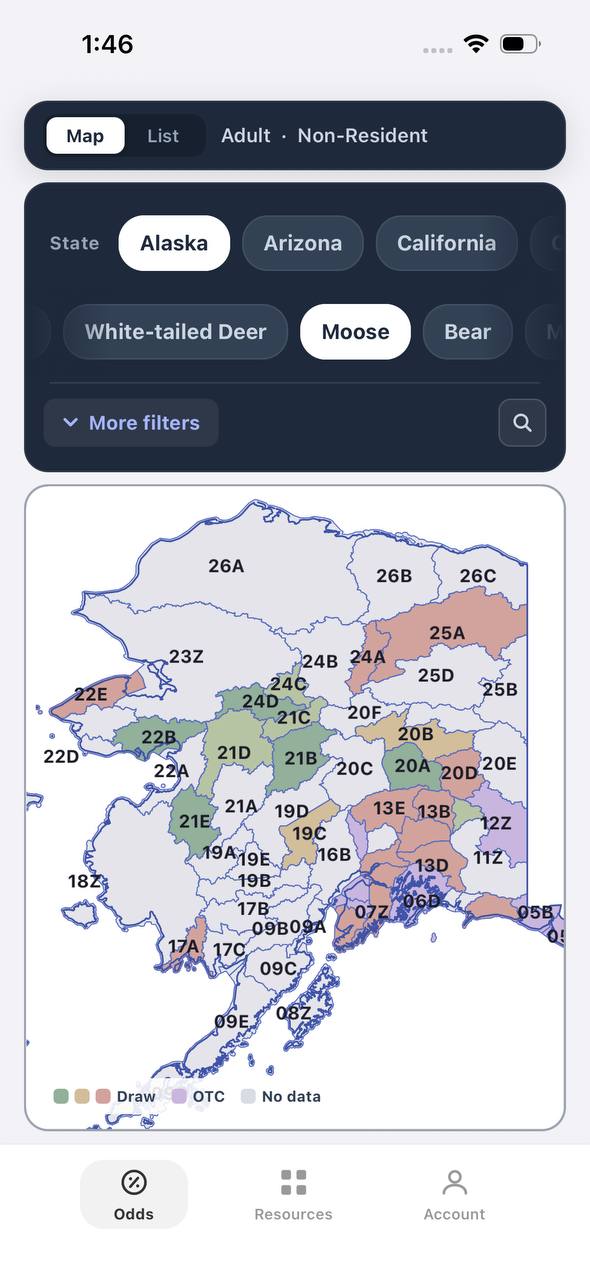
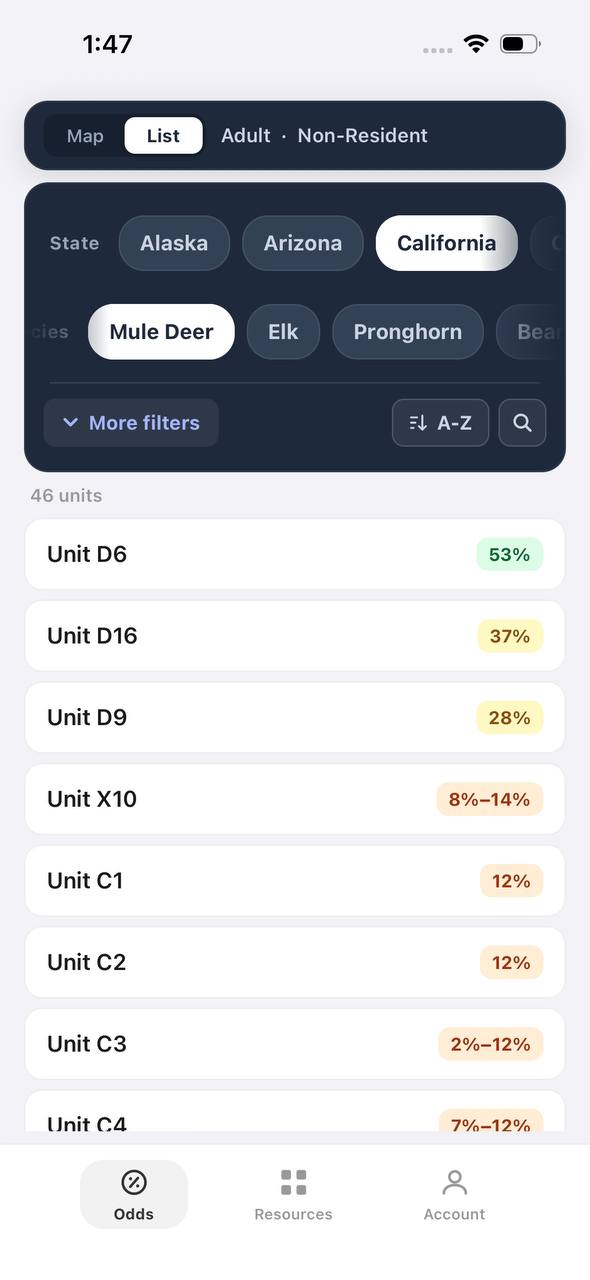
Download mobile app
- Detailed draw odds
- Point tracking
- Deadline reminders
- 19 states covered

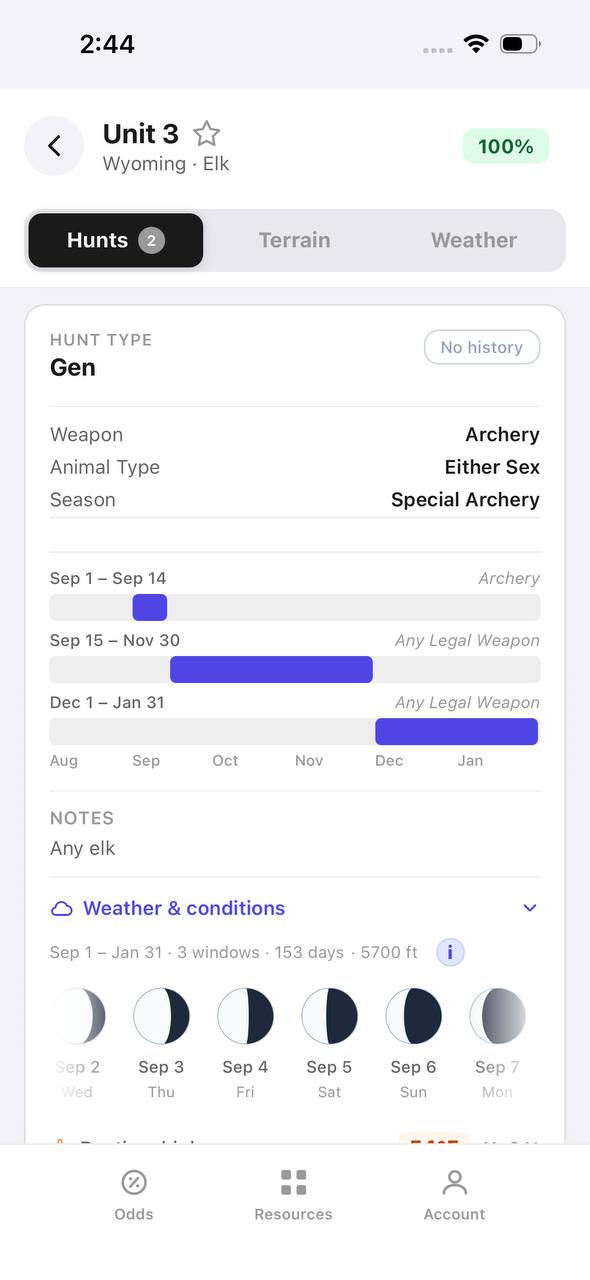
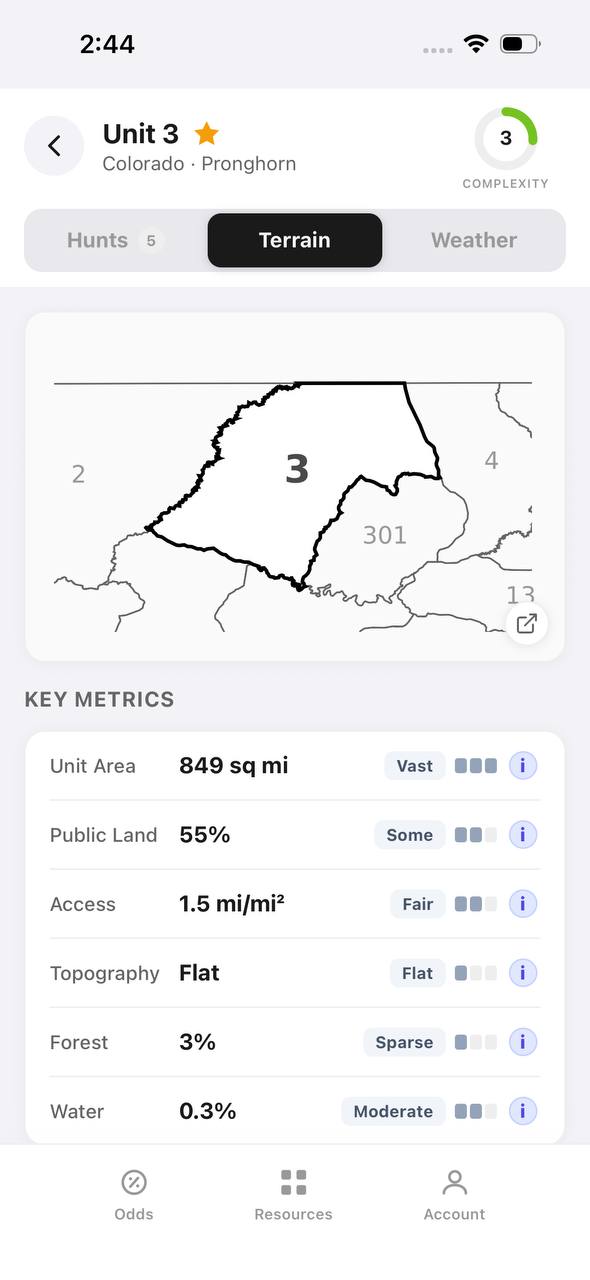
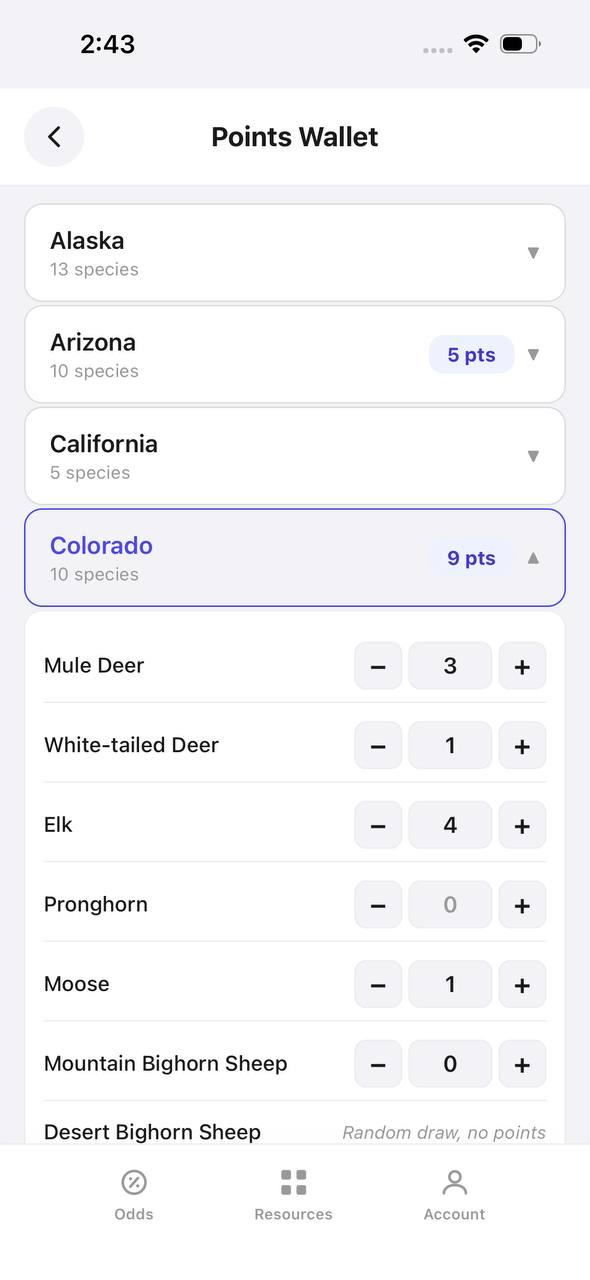
Free to join
Download mobile app
- Detailed draw odds
- Point tracking
- Deadline reminders
- 19 states covered
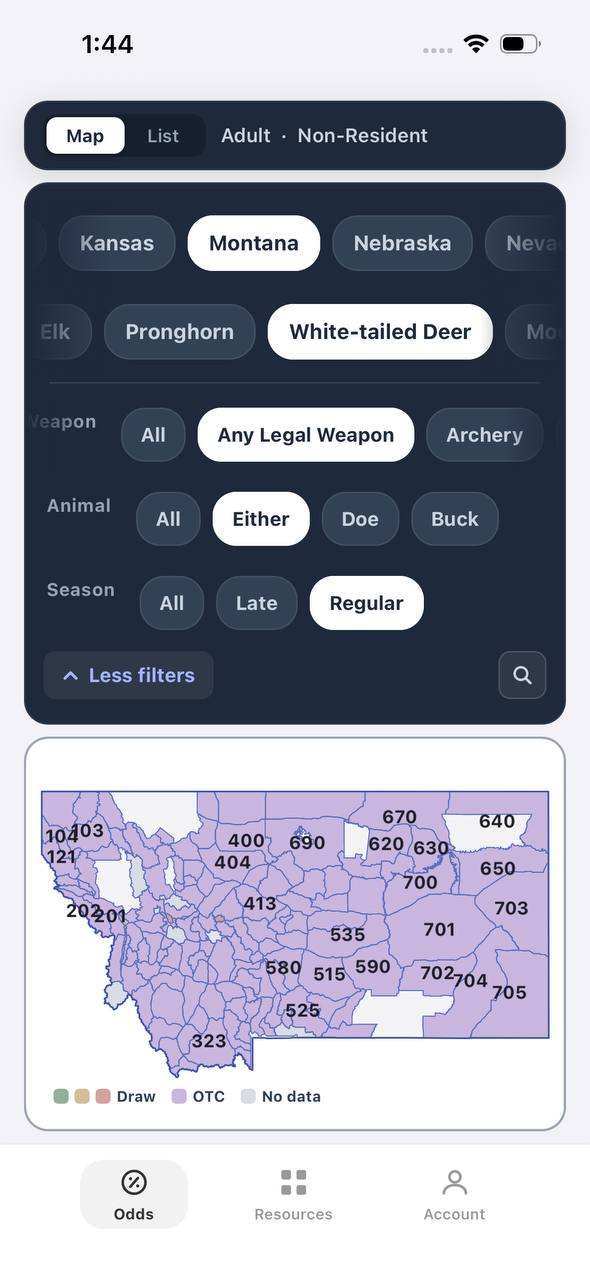
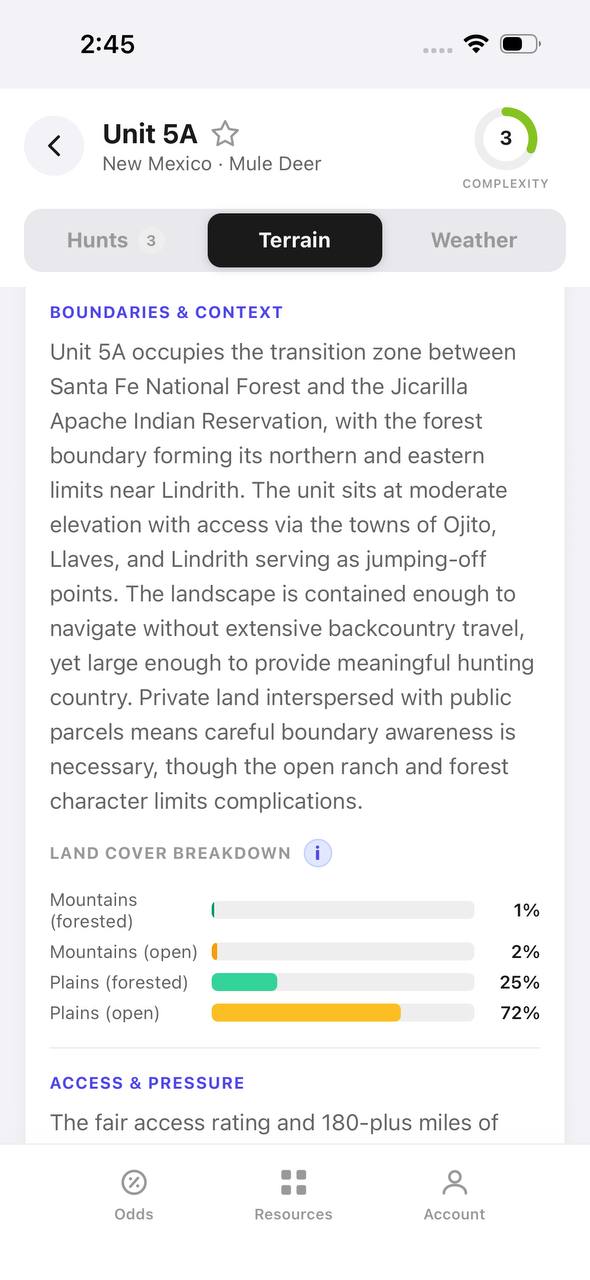
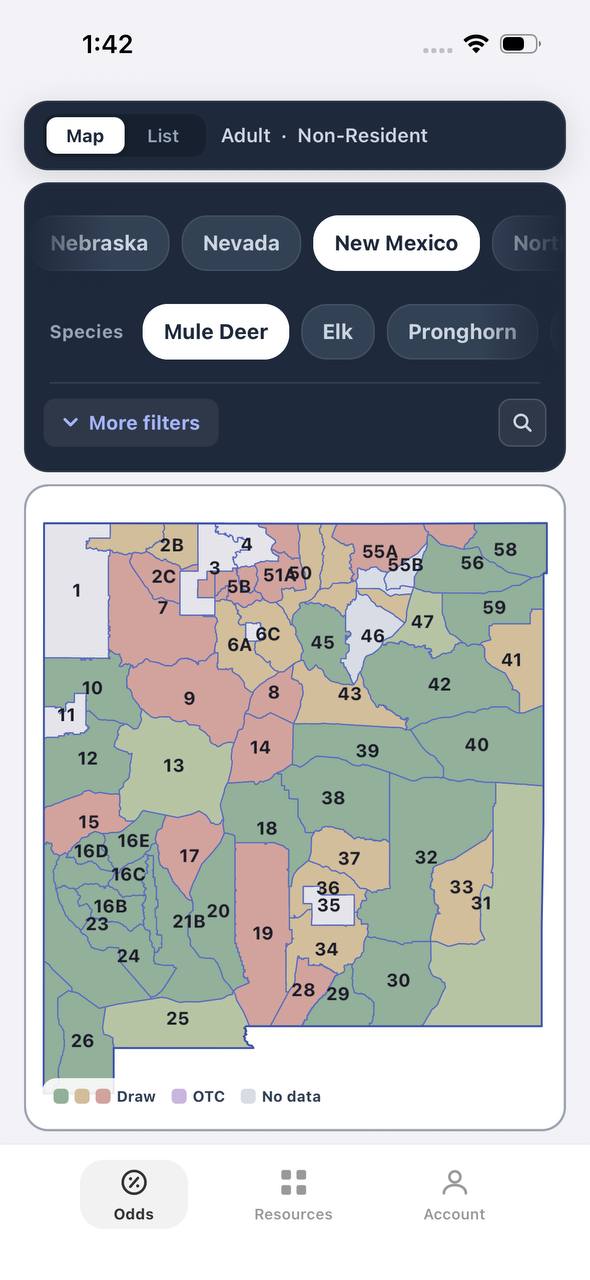
Free to join
Download mobile app
- Detailed draw odds
- Point tracking
- Deadline reminders
- 19 states covered
Success Rates and Expectations
Guided hunts generally produce higher success rates, especially on private land with limited pressure and active management. Outfitters in Iowa, Kansas, or Illinois often report 80–100% opportunity rates (seeing shooter bucks) and 50–70% harvest rates on mature deer, though those numbers vary by property, season timing, and hunter skill. You're paying for access to ground that has been carefully hunted and often supplemented with food plots, controlled doe harvest, and age-class management.
DIY public-land success rates are lower but still realistic. In states with strong whitetail populations, a well-prepared DIY hunter can expect a 30–50% success rate on any legal buck, with mature bucks (3.5+ years) being significantly harder. Public-land hunting often involves more encounters with other hunters, less predictable deer movement, and limited control over the landscape. However, public-land bucks that survive to maturity are typically highly educated, making them extremely rewarding to harvest.
Expectations matter. If your goal is simply to hunt whitetails in a new state, enjoy the outdoors, and potentially fill a tag, DIY is entirely viable. If your goal is a specific age-class or trophy-quality buck, and you have limited time to make it happen, a guided hunt increases your odds substantially.
Time Investment and Logistics
DIY hunts require significant time before, during, and after the season. Research might take 20–40 hours spread over several months: studying draw odds (if applicable), reviewing public land maps, calling biologists or land managers, watching trail camera forums, and planning access routes. A dedicated scouting trip in summer adds several days and additional costs but dramatically improves your odds. During the hunt, you're responsible for all setup, strategy adjustments, and problem-solving.
Guided hunts compress that timeline. You typically book 6–12 months in advance, communicate with the outfitter about your goals and weapon choice, and then show up ready to hunt. The outfitter handles logistics, and you focus entirely on the hunt itself. For hunters balancing demanding careers or family responsibilities, that efficiency can justify the cost.
Post-hunt logistics also differ. On a DIY hunt, you'll need a plan for field care, meat transport, and either processing the deer yourself or finding a processor near your hunting area. Guided operations often include or arrange meat processing, and some will even ship meat or capes to your taxidermist.
Access to Quality Ground
Private-land access is the biggest advantage of guided hunts. In states like Iowa, Kansas, and Illinois, much of the best whitetail habitat is privately owned and either leased by outfitters or hunted exclusively by landowners and their guests. Without personal landowner connections, accessing that ground as a DIY hunter is nearly impossible. Guided hunts buy you into that ecosystem.
Public land isn't inherently inferior, but it's hunted harder. In popular nonresident states, accessible public parcels see heavy pressure during peak rut weeks, especially near towns or road access. Success on public ground often comes from targeting less convenient areas — walk-in parcels, landlocked tracts, or chunks of national forest far from parking areas. Midweek hunts and avoiding opening weekend also help.
Some DIY hunters invest in relationships with private landowners, offering to help with farm work, pest control, or fencing in exchange for permission. Building those relationships takes years, but it can produce access to lightly hunted private ground at no cost beyond sweat equity.
Which Approach Fits Your Goals?
Choose a DIY hunt if you value self-reliance, have time for research and scouting, want to minimize costs, and view the challenge of unfamiliar ground as part of the experience. Public-land DIY hunting teaches you to read terrain, adapt quickly, and work harder than the average hunter. It's also the best approach if you plan to hunt a state regularly over multiple years and want to build long-term knowledge.
Choose a guided hunt if you want to maximize efficiency, have limited time to scout or research, value professional expertise and local knowledge, or are targeting a specific caliber of buck within a fixed timeframe. Guided hunts also make sense if you're traveling a long distance and want to reduce the risk of an unsuccessful trip. Paying for a guide doesn't guarantee success, but it dramatically improves your odds of seeing mature deer.
Many serious whitetail hunters do both. They hunt public land DIY in their home state or nearby regions, building general skills and keeping costs low. When they want to hunt a premier destination state or target a specific age-class buck, they book a guided hunt every few years. That hybrid approach balances cost, experience, and trophy opportunities.
FAQ — DIY vs Guided Whitetail Hunting
How much does a DIY public-land whitetail hunt cost?
A DIY hunt typically costs $500–$1,500 for a week, including the nonresident tag, fuel, budget lodging or camping, and food. Costs increase if you make a dedicated scouting trip or hire a processor.
What is a realistic success rate on public land for whitetails?
Success rates vary widely by state, pressure, and hunter experience, but 30–50% on any legal buck is realistic for a prepared DIY hunter. Mature bucks (3.5+ years) are significantly harder and may require multiple trips.
Are guided whitetail hunts worth the cost?
Guided hunts are worth the cost if you value efficiency, have limited time, or want access to private land with quality age-class management. They're less compelling if you enjoy the research and scouting process or hunt on a tight budget.
Can a beginner hunt whitetails DIY on public land?
Yes, but it's challenging. Beginners should target states with high deer populations and ample public land, hunt during the rut for increased movement, and study mapping tools thoroughly. Consider starting with a semi-guided hunt or shadowing an experienced DIY hunter.
How far in advance should I book a guided whitetail hunt?
Book 6–12 months ahead for most quality outfitters, especially if you want to hunt during peak rut. Premium operations in Iowa, Kansas, or Illinois often fill a year or more in advance.
Do I need trail cameras for a DIY whitetail hunt?
Trail cameras help but aren't required. If you can scout in person during summer, you can identify sign, bedding areas, and travel routes without cameras. Cameras are most useful if you can leave them for weeks and check remotely.
Was this article helpful?
Previous
Montana Elk Draw Odds 2027: What Hunters Need to Know
Montana's 2027 elk draw system favors combination license applicants with 1-2 preference points for general units, while limited-entry permits remain highly competitive with odds under 5% for nonresidents in premier units.
Related
Washington Guided Blacktail Deer Hunts 2027: Tags & Outfitters
Washington's Columbian blacktail hunts combine dense coastal timber with challenging spot-and-stalk tactics. Here's how tags work for guided 2027 hunts and what to expect from Western Washington outfitters.
Next
Montana Big Game Combination Draw Odds 2027: Point Requirements & Success Rates by Region
Montana's 2027 big game combination licenses require 0-3 preference points for most nonresidents, with the best draw odds in Regions 2, 3, and 4. Elk-deer combos draw easier than deer-only licenses in high-demand districts.