Utah Guided Limited-Entry Elk Hunts 2027: Bonus Points, Draw Odds & Outfitter Guide
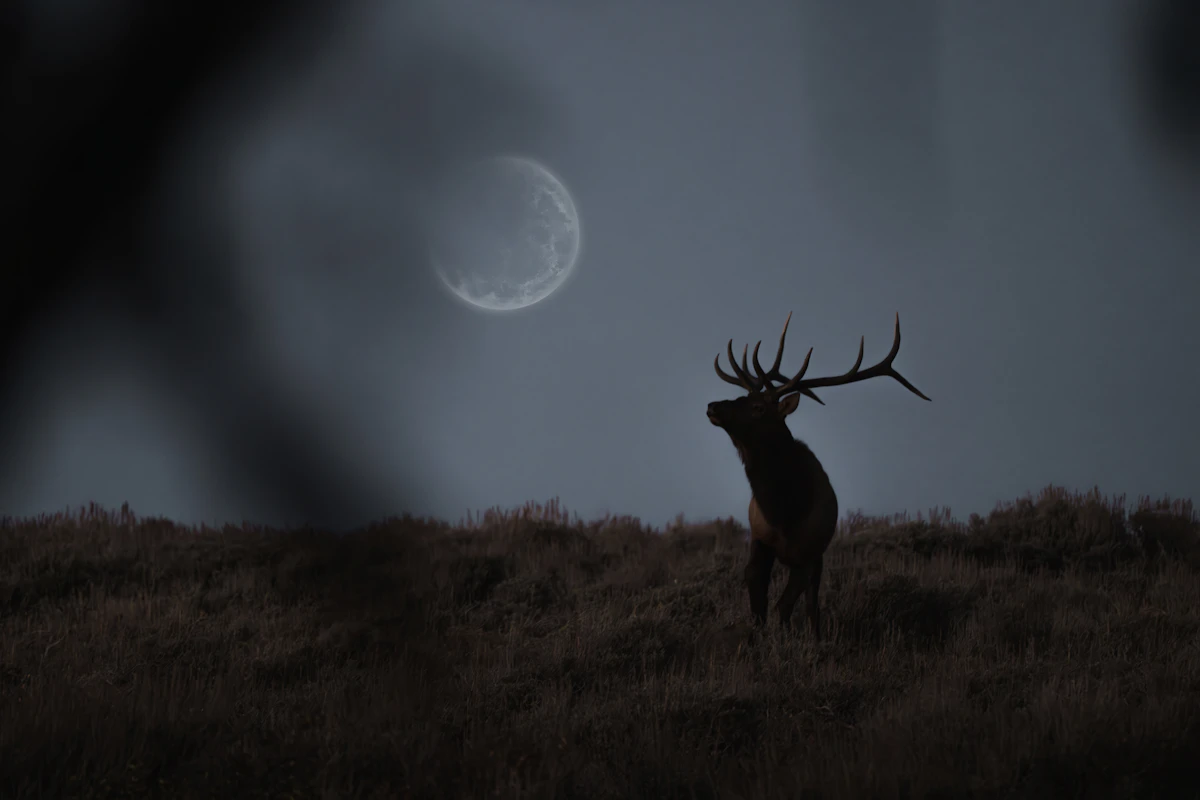
Utah ranks among the premier destinations for mature Rocky Mountain bull elk, from the rugged Book Cliffs to the San Juan Mountains and the well-known Pahvant unit. For nonresident hunters considering a guided elk hunt in 2027, finding an experienced outfitter is only part of the process. The greater challenge is often obtaining the license itself, because Utah's limited-entry elk system uses bonus points, a combination of preference-based and random permit allocation, and tightly controlled hunting quotas that can make drawing a permit difficult even for applicants who have accumulated points for years.
Professional outfitters help hunters understand the country, evaluate hunt options, and prepare for demanding terrain. Hiring a guide, however, does not automatically provide a limited-entry elk permit or improve a hunter's official drawing priority. That distinction matters, especially when hunters are considering expensive guided hunts advertised in some of Utah's most desirable trophy units. Whether you're starting with zero bonus points, have been building points for a decade, or are researching your first professionally guided elk hunt, understanding how Utah's 2027 limited-entry elk opportunities work is essential.
How Guided Limited-Entry Elk Hunts Work in Utah
A guided limited-entry elk hunt generally involves two separate arrangements: obtaining the appropriate hunting permit and hiring an outfitter to provide professional hunting services. The Utah Division of Wildlife Resources controls the allocation and issuance of limited-entry elk permits. A licensed outfitter or guide provides services such as scouting, camp preparation, transportation, navigation, calling, glassing, and assistance during the hunt. Those services may improve a hunter's preparation and field experience, but they do not automatically change the drawing rules.
For standard limited-entry elk hunts, nonresident applicants compete under the applicable drawing allocation. If successful, the hunter can arrange a guided hunt with an outfitter who operates legally in the relevant area. Some hunters select an outfitter before applying so they can develop a long-term strategy, while others wait until they draw before booking. Both approaches have advantages, but hunters should understand contract terms and permit uncertainty before paying substantial deposits.
Does Utah Have a Special Outfitter Draw?
Utah does not operate a general statewide limited-entry elk allocation that automatically reserves a fixed percentage of standard drawing permits for hunters who hire outfitters. That is an important distinction from states with dedicated outfitter-client drawing categories. For a standard Utah limited-entry elk permit, hiring an outfitter does not provide additional bonus points or a guaranteed permit. Separate opportunities involving conservation permits, landowner arrangements, or other authorized programs may exist, but they must be evaluated under their own rules. A hunter should never assume that an advertised guided elk hunt includes a legally valid hunting permit unless the outfitter clearly explains the permit source and transfer or eligibility requirements.
Utah's Limited-Entry Elk Bonus Point System
Utah uses a hybrid drawing system for limited-entry elk permits. Under the state's standard process, approximately half of the permits for a hunt are awarded to applicants with the highest bonus-point totals. The remaining permits are distributed through a random drawing in which bonus points improve an applicant's chances. The actual allocation depends on permit availability and applicable drawing rules. This system gives long-term applicants an advantage without making every limited-entry permit strictly preference-based.
The Bonus-Point Preference Portion
Approximately 50% of available limited-entry permits are allocated to hunters with the highest applicable bonus-point totals. For hunts with sufficient permits, this provides a pathway for applicants who have accumulated points over many years. However, a high point total does not guarantee a permit unless the applicant qualifies under the applicable preference allocation.
The Random Drawing Portion
The remaining permits are awarded through a random process. Hunters with more bonus points receive additional chances in this portion of the drawing. An applicant with zero bonus points can potentially draw, but only where the applicable permit allocation provides an opportunity. When a nonresident hunt has very few permits, the random portion may be the only meaningful opportunity available.
How to Earn Utah Elk Bonus Points
Hunters generally earn a bonus point when they submit an eligible limited-entry elk application and are unsuccessful. They can also apply for a bonus point without applying for an elk permit during the appropriate application period. A hunter cannot apply for both a limited-entry bull elk permit and a bull elk bonus point in the same drawing. Bonus points are accumulated by species rather than individual hunting unit.
Utah Nonresident Guided Elk Draw Odds for 2027
Final 2027 draw odds cannot yet be calculated because the 2027 drawing has not occurred. The best available planning information comes from historical drawing results, applicant point totals, and published permit allocations. Utah's official drawing reports show how hunters applied for different limited-entry opportunities, but those reports do not guarantee that the same drawing probabilities will apply in 2027. The state's reports also focus on first-choice applications rather than every possible later-choice outcome.
Why Are Nonresident Odds So Low in Premium Units?
Some of Utah's most desirable elk hunts receive very small nonresident allocations. A unit may have a healthy elk population and excellent trophy potential while still issuing only a handful of nonresident permits. When hundreds of hunters compete for a small number of permits, drawing becomes difficult regardless of the outfitter selected. The problem is particularly noticeable in premium units with established reputations for producing mature bulls.
Does Hiring an Outfitter Improve Draw Odds?
Hiring an outfitter does not directly improve draw odds. For standard limited-entry elk permits, the drawing is administered under Utah's rules. Hiring an outfitter does not add bonus points or provide an automatic preference. An experienced outfitter may help identify hunts that better match a client's points, expectations, and hunting abilities. That research can improve application decisions, but it does not change the probability assigned to an application for a particular hunt.
Best Utah Limited-Entry Elk Units for Guided Hunts in 2027
Utah offers several well-known limited-entry elk hunting areas worth researching for a guided hunt. However, the best unit is not necessarily the one with the biggest reputation. Terrain, access, season dates, hunting pressure, available permits, and an outfitter's familiarity with the country all matter.
San Juan
The San Juan region is one of Utah's best-known destinations for trophy elk hunting. Its rugged terrain, remote country, and history of mature bull production attract hunters seeking a premium limited-entry experience. A guided hunt can be valuable for hunters unfamiliar with the area's access routes and demanding terrain. However, nonresident permits can be extremely competitive. Hunters should research the exact hunt rather than assuming every San Juan opportunity has identical drawing odds.
Pahvant
The Pahvant unit has a strong reputation among trophy elk hunters. It attracts applicants interested in mature bulls and carefully managed limited-entry opportunities. Because demand is high, nonresidents should approach the unit as a potentially long-term application goal. A guide with experience in the Pahvant can provide useful knowledge of access, elk movements, and seasonal hunting conditions.
Book Cliffs
The Book Cliffs offer extensive elk habitat and large areas of remote hunting country. The terrain can make scouting and logistics particularly important. For hunters traveling from another state, professional assistance may reduce the challenges associated with learning unfamiliar country. However, the Book Cliffs include distinct hunt opportunities, and drawing odds vary by season, weapon, and hunt code.
Manti, Wasatch, and Monroe Mountain
The Manti region offers another option for hunters considering limited-entry elk opportunities. Its mix of mountain terrain, timber, and varied access can reward hunters who understand seasonal elk movements. Applicants should compare hunt-specific permit availability and historical results before choosing the Manti over another unit.
The Wasatch region offers diverse elk habitat and hunting conditions. Terrain, public access, recreation pressure, and seasonal elk movements can differ substantially across the area. A guide familiar with the particular hunt boundary can be useful, especially for nonresidents who have limited scouting time.
Monroe Mountain is another established Utah elk hunting destination. The area offers mountainous terrain and opportunities that can appeal to hunters seeking a guided limited-entry experience. As with Utah's other well-known elk areas, drawing difficulty depends on the specific permit.
Which Utah Elk Unit Is Best for a Guided Hunt?
The answer depends on the hunter. Someone seeking a once-in-a-lifetime trophy opportunity may prioritize a premium unit even if drawing odds are extremely low. A hunter whose primary goal is to hunt within the next several years may prefer a different unit or season. The best approach is to compare drawing probabilities, hunt quality, physical demands, access, and the outfitter's experience.


Free to join
Download mobile app
- Detailed draw odds
- Point tracking
- Deadline reminders
- 19 states covered





Free to join
Download mobile app
- Detailed draw odds
- Point tracking
- Deadline reminders
- 19 states covered






Free to join
Download mobile app
- Detailed draw odds
- Point tracking
- Deadline reminders
- 19 states covered

How Many Bonus Points Do You Need for a Guided Utah Elk Hunt?
There is no universal minimum. A hunter with zero points may potentially draw through a random allocation, while another hunter with many points may continue waiting for a highly competitive permit. The number of points needed for a meaningful preference advantage varies by hunt.
Zero to Five Bonus Points
Hunters with few points should understand that premium limited-entry hunts may be long shots. An application may still be worthwhile for someone comfortable with low odds. However, hunters whose primary goal is to hunt soon should research additional options, including general-season opportunities or legally available permits outside the standard draw. For more on zero-point strategies, see Utah elk draw odds with zero points.
Six to Ten Bonus Points
Hunters with six to ten bonus points should begin comparing point-level results across multiple units and weapon seasons. Some hunts may remain extremely difficult, while others may offer a different balance between trophy expectations and drawing probability. The key is not assuming that ten points automatically places a hunter close to obtaining a premium permit.
Eleven to Twenty Bonus Points
At higher point totals, the preference portion of the drawing becomes increasingly relevant. Hunters should review the historical point distribution and determine whether their total places them near the point levels that previously received permits. Point creep can complicate that analysis. A hunt that required a particular point total in an earlier year may require more points in the future.
More Than Twenty Bonus Points
Hunters with substantial point totals should carefully evaluate whether they want to continue pursuing a premium hunt or consider alternatives. Accumulating points for many years does not guarantee that a particular permit will become available. For some hunts, the nonresident allocation may remain too small to provide a predictable preference-based pathway. An experienced outfitter can help evaluate hunting opportunities, but official drawing data should remain the foundation of the decision.
Booking a Utah Guided Elk Hunt Without Bonus Points
A hunter with zero bonus points can arrange outfitter services, but that does not guarantee a standard limited-entry elk permit. There are also other legally authorized hunting opportunities that may not require accumulating points through the regular limited-entry drawing. These can include certain conservation permits, landowner-related permits, and Cooperative Wildlife Management Unit opportunities. Each operates under different rules.
Utah Conservation Permits
Utah issues certain conservation permits through authorized conservation programs. These permits can provide hunting opportunities outside the standard public drawing. However, they are limited, may involve substantial financial commitments, and are subject to specific conditions. Hunters should verify the permit's legitimacy, applicable hunt boundaries, season dates, and transfer requirements before purchasing or bidding.
Utah Landowner Permits
Utah has limited-entry landowner programs that provide qualifying landowners or associations with certain permit opportunities. Some authorized vouchers may be transferred or sold under the applicable rules. However, the permit's validity can depend on whether it is restricted to qualifying private land or authorizes hunting within a broader unit. A hunter should not assume that purchasing a landowner voucher automatically grants access to all public and private land within a unit.
Cooperative Wildlife Management Units
Utah's Cooperative Wildlife Management Unit program, commonly called CWMU, involves approved private-land hunting opportunities. These hunts operate under specific agreements and permit rules. They should not be confused with standard public limited-entry drawing permits. Hunters considering a CWMU hunt should confirm the property, permit terms, access arrangements, and applicable hunting dates.
How Much Does a Guided Limited-Entry Elk Hunt in Utah Cost in 2027?
The price of a guided Utah elk hunt can vary considerably. A hunt's total cost depends on the outfitter, location, length of the hunt, number of hunters, camp arrangements, and whether the package includes a separately authorized hunting permit. For budgeting purposes, a guided elk hunt after drawing a standard permit might range from $5,000 to $12,000 or more. Premium private-land or specialized guided opportunities could run $10,000 to $25,000 or higher. High-demand transferable or conservation permit packages can be substantially more expensive.
These estimates are not official state prices, and actual outfitter quotes may fall outside these ranges. Hunters should also account for the Utah hunting license, applicable elk permit, travel, lodging, gratuities, meat processing, and taxidermy. The most important question when comparing prices is whether the hunting permit is included. A $7,000 guided hunt that requires a difficult-to-draw permit is fundamentally different from a package that includes access to a legally authorized permit.
Free to join
Download mobile app
- Detailed draw odds
- Point tracking
- Deadline reminders
- 19 states covered
Free to join
Download mobile app
- Detailed draw odds
- Point tracking
- Deadline reminders
- 19 states covered
Free to join
Download mobile app
- Detailed draw odds
- Point tracking
- Deadline reminders
- 19 states covered
Choosing a Utah Elk Outfitter for 2027
Selecting an outfitter should involve more than looking at photographs of large bulls. A successful guided hunt depends on preparation, communication, realistic expectations, and familiarity with the hunting area. Hunters should ask about the outfitter's experience in the exact unit and season they plan to hunt. They should also understand whether the hunt is fully guided, semi-guided, or based primarily on access to private property. Camp accommodations, transportation, meat recovery, physical requirements, and refund policies should be discussed before signing a contract.
Verify the Outfitter's Registration
Utah changed its public-land hunting and fishing guide registration system effective July 1, 2025. Under the current framework, qualifying guides and outfitters operating on public land must obtain a certificate of registration through the Utah Division of Wildlife Resources. Hunters should verify that an outfitter has the appropriate authorization for the services being offered.
Questions to Ask Before Booking
Questions to ask before booking include whether the quoted price includes the hunting permit, what happens if you do not draw, whether the deposit is refundable or transferable to another season, how many hunters will be assigned to each guide, what the outfitter's experience is in this specific unit and season, whether the hunt is conducted primarily on public land, private land, or both, what physical condition you should be in, whether meat packing, transportation, lodging, and meals are included, and what the outfitter's policy is if weather or access conditions affect the hunt. Clear answers are more valuable than promises of a particular bull size.
Archery, Rifle, or Muzzleloader: Which Guided Elk Hunt Is Best?
Utah offers different limited-entry elk seasons and weapon opportunities. Choosing the right one depends on hunting preferences, physical ability, season timing, and drawing competition.
Guided Archery Elk Hunts
Archery elk hunting can provide a demanding and rewarding experience. Calling, wind management, terrain, and close-range encounters all become important. An experienced guide may help with scouting and understanding how elk use the country during the season. However, archery hunts are not automatically easier to draw.
Guided Rifle Elk Hunts
Rifle hunts are attractive to hunters who prefer longer-range opportunities and the ability to evaluate bulls before attempting a shot. Season timing can affect elk behavior, weather, access, and hunting pressure. Premium rifle permits can be highly competitive.
Guided Muzzleloader Elk Hunts
Muzzleloader hunts provide another opportunity for hunters comfortable with the equipment and applicable regulations. Depending on the unit and dates, they can offer a different hunting experience from archery or rifle seasons. The best drawing strategy is to compare individual hunt codes rather than assume one weapon type always has better odds.
Can Nonresidents Apply as a Group for a Guided Utah Elk Hunt?
Utah allows qualifying group applications for certain hunts. However, group applications can be particularly restrictive when nonresident permit numbers are low. If two nonresident hunters apply together for a hunt with only one available nonresident permit, the group may be unable to draw. Hunters planning a guided trip with friends or family should evaluate group eligibility before choosing a hunt. A group application should not be treated as a guaranteed way to hunt together.
Free to join
Download mobile app
- Detailed draw odds
- Point tracking
- Deadline reminders
- 19 states covered
Free to join
Download mobile app
- Detailed draw odds
- Point tracking
- Deadline reminders
- 19 states covered
Free to join
Download mobile app
- Detailed draw odds
- Point tracking
- Deadline reminders
- 19 states covered
Utah Guided Elk Hunt Application Dates for 2027
The final 2027 application deadline should be confirmed through the Utah Division of Wildlife Resources. Hunters should not rely on previous years' deadlines as guaranteed dates. The state publishes application instructions, hunt codes, fees, and permit information in its official big-game guidebooks. It is wise to begin researching outfitters before the application period, particularly for hunters considering premium limited-entry units. However, contracts should clearly address what happens if the hunter does not obtain the required permit.
Best Utah Guided Elk Strategy for 2027
The strongest strategy begins with deciding whether the priority is drawing a permit soon or pursuing a premium trophy opportunity. A hunter focused on a famous trophy unit may need to accept very low drawing probabilities and a potentially long wait. A hunter who wants to experience a guided elk hunt sooner may be better served by researching a wider range of hunts and permit pathways. Bonus points should inform the strategy, but they should not be the only consideration.
An outfitter's familiarity with a unit, the quality of the hunting experience, the hunter's physical preparation, and the available hunting dates can be just as important once a permit is obtained. Hunters should also consider whether a general-season guided hunt could provide the experience they want without the uncertainty of a premium limited-entry application. For those exploring opportunities in neighboring states, compare Wyoming guided elk hunts, South Dakota guided elk hunts, or Pennsylvania elk draw odds.
For a broader look at Utah's limited-entry system, see Utah limited-entry elk draw odds. Nonresidents can also explore Utah nonresident elk draw odds and Wyoming guided elk hunts for additional planning.
TAGZ Perspective: A Good Guide Cannot Replace a Good Draw Strategy
TAGZ was founded by hunters, guides, and outfitters, with its origins rooted in firsthand guiding experience in Idaho. That background provides an understanding of what professional guides bring to a hunt. An experienced outfitter can help a hunter understand unfamiliar country, manage difficult logistics, and make better decisions in the field. But even the best guide cannot guarantee a standard limited-entry permit or change the state's drawing rules.
For Utah, a successful long-term strategy starts with realistic draw expectations and a clear understanding of the available hunting opportunities. Hunters should choose an application based on the actual permit allocation, their bonus points, and the kind of hunt they want, not simply the reputation of a unit or the size of bulls shown in an outfitter's photographs. TAGZ helps hunters research supported hunting opportunities, compare available drawing information, track applications, and prepare for future seasons.
FAQ — Utah Guided Elk Hunts
Can a nonresident book a guided limited-entry elk hunt in Utah for 2027? Yes. Nonresidents can arrange guided hunts, but they must obtain a valid permit for the applicable hunt. Booking an outfitter does not guarantee a standard limited-entry elk license.
Does Utah have a special outfitter elk drawing pool? No general statewide outfitter-client pool exists for standard limited-entry elk permits. Separate conservation, landowner, and private-land opportunities operate under different rules.
How many bonus points do I need for a guided Utah elk hunt? There is no fixed requirement. The number of points needed for a meaningful drawing advantage depends on the hunt and available nonresident permits.
Can I draw a Utah limited-entry elk tag with zero points? Potentially, yes. Zero-point applicants can participate in eligible random allocations, but some hunts have extremely limited nonresident opportunities.
Does hiring a guide improve my draw odds? Not directly. A guide may help identify more realistic hunts, but hiring one does not increase official bonus points or provide a separate preference in the standard drawing.
How much does a guided Utah trophy elk hunt cost? Prices vary widely by outfitter, hunt type, and whether a permit is included. Hunters should obtain written quotes and confirm what services and authorizations are covered.
Was this article helpful?
Previous
Planning a Whitetail Hunt Around the Rut 2027: Best Dates, States & Strategies
The whitetail rut varies significantly across the United States, with northern states peaking in November while southern populations may breed in December, January, or February, requiring hunters to research local timing and regulations.
Related
California Big Game Draw Guide 2027: Deer, Elk, Antelope & Sheep Tags
California's big game draw awards most premium tags through accumulated preference points while preserving random draw opportunities, covering deer, three elk subspecies, pronghorn, and bighorn sheep with applications typically opening April 15 and closing June 2.
Next
How Wolves Affect Wisconsin Whitetail Deer Populations in 2027: Predation, Hunting & Management
Wolves are a major prey predator of whitetail deer in Wisconsin, particularly in northern forests, with predation impacts varying by location, winter severity, and habitat conditions, while black bears and coyotes are also significant fawn predators.