Understanding Elk Vocalizations: A Hunter's Guide to Bugling, Mews, and Barks
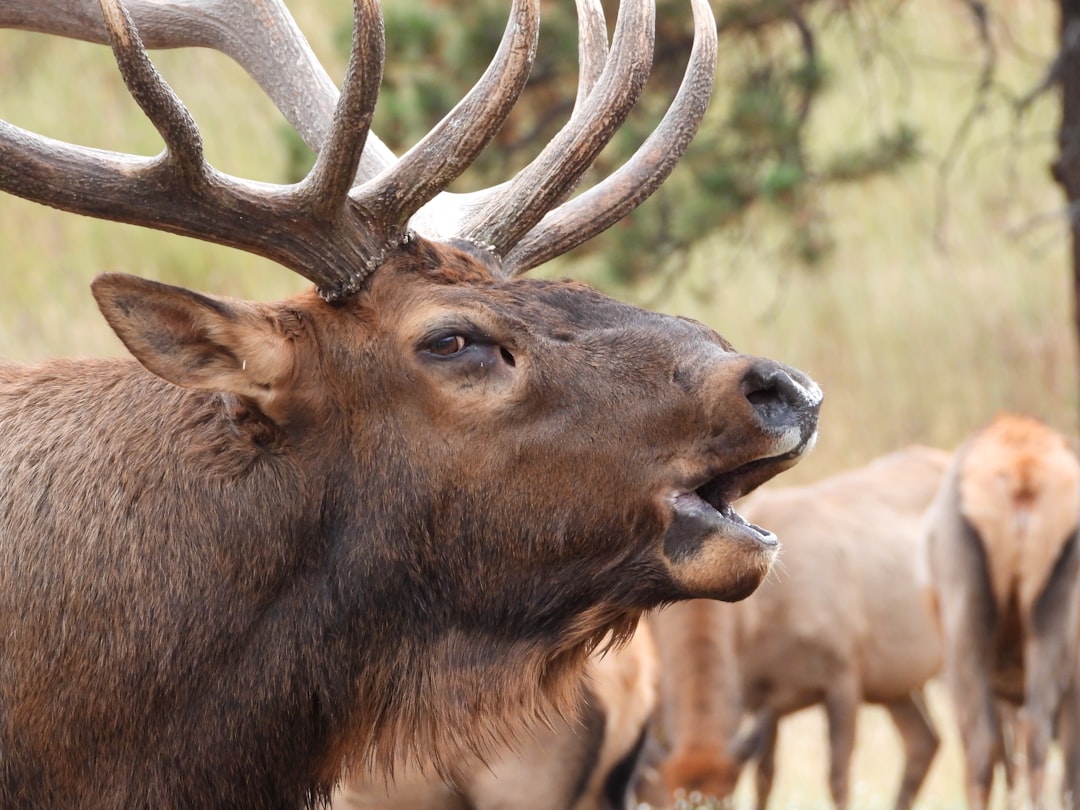
Elk talk constantly during September and early October, broadcasting their location, dominance, and reproductive status through a repertoire of vocalizations that carries for miles across mountain basins. Bulls bugle to announce their presence and challenge rivals. Cows mew to locate calves and signal receptiveness. Satellite bulls bark in frustration. Every sound carries tactical information that determines whether you close the distance or hold back.
Understanding what elk are saying separates hunters who stumble into occasional encounters from those who consistently position themselves within bow range. The same bugle that pulls one hunter uphill into a fruitless chase tells an experienced caller that the bull is henned up and unreachable. A bark that sounds aggressive might actually signal a subordinate bull you can call away from the herd. Recognizing these distinctions turns every vocalization into actionable intelligence.
The Bugle: Dominance, Location, and Vulnerability
A bugle is a high-pitched whistle that often starts low, climbs to a piercing scream, and finishes with grunts or chuckles. Bulls bugle primarily to advertise their presence to cows and warn competitors. The frequency and intensity reveal how aggressively a bull is defending his harem.
A single bugle every ten to fifteen minutes often indicates a herd bull with cows. He is confident and not actively searching. These bulls rarely respond to calling because they already have what they want. Approaching them requires patience and the ability to read cow movement rather than relying on bugle responses.
Rapid, aggressive bugling with multiple follow-up grunts signals a fired-up bull, either defending territory or searching for receptive cows. These bulls are vulnerable to calling because their testosterone overrides caution. A well-timed challenge bugle or cow call can pull them away from their herd or bring them charging in to investigate.
Satellite bulls often bugle sporadically from the edges of a herd, testing boundaries without directly challenging the dominant bull. Their bugles sound less aggressive and may lack the deep chuckles. These bulls respond well to soft cow calls or subdued bugles that promise an easy breeding opportunity without a fight.
Cow and Calf Mews: Herd Cohesion and Opportunity
Cow elk produce soft, nasal mews that sound like high-pitched squeaks or chirps. Calves make similar but higher-pitched sounds. These vocalizations maintain herd contact, especially in thick timber or broken terrain where visual contact is limited.
Cows mew constantly throughout the day, not just during peak rut activity. A distant chorus of mews tells you the herd is calm and feeding or moving without alarm. When mews suddenly stop, something has spooked the group, whether another hunter, a predator, or shifting wind.
Estrous cows produce a longer, more insistent mew that signals receptiveness. Bulls key in on this sound because it represents an immediate breeding opportunity. Replicating this call with a diaphragm or external reed can pull bulls away from herds, especially satellite bulls prowling the edges. The key is volume and persistence without overdoing it. Two or three mews every few minutes mimics a cow separated from the herd.
Listening to cow communication helps you track herd movement. If mews are getting louder, the herd is moving toward you. Fading mews mean they are drifting away. This gives you time to reposition or set up an ambush along their travel corridor.
Barks: Alarm, Frustration, and Deception
Elk bark for two reasons: alarm and frustration. Cows bark sharply when they detect danger, a single or double bark that freezes the entire herd. This bark is loud, abrupt, and often followed by the herd crashing away through timber. If you hear it, you have been busted, and your setup is compromised.
Bulls bark out of frustration, typically when a rival is nearby but out of sight or when they lose track of a cow. These barks are deeper and less sharp than alarm barks. They often come in clusters of three to five barks, sometimes mixed with grunts. A frustrated bull is often callable because he is already agitated and looking for something to focus on.
Distinguishing between alarm and frustration barks comes down to context and tone. Alarm barks are higher-pitched, singular, and followed by silence or crashing. Frustration barks are lower, repetitive, and often followed by more vocalizations. If you hear frustration barks, respond with a soft cow call or a subtle bugle to give the bull a target.
Some hunters intentionally use barks to stop a moving elk for a shot, but this is risky. Elk often bark back in alarm and bolt rather than freeze. It works best at very close range when the elk is already committed to investigating your position.
Grunts and Chuckles: Aggression and Proximity
Grunts are short, deep, guttural sounds bulls make during confrontations or when tending cows. Chuckles are rapid, staccato grunts that often follow a bugle. Both sounds indicate close proximity and heightened aggression.
When a bull finishes a bugle with a series of chuckles, he is announcing dominance and daring rivals to challenge him. Respond with aggressive calling only if you are confident in your setup and ready for a bull to close the distance fast. Chuckles often precede a charge, and bulls can cover ground quickly when fired up.
Grunts without bugles occur when bulls are tending cows or sparring with rivals at close range. If you hear grunting in thick timber, the herd is likely within one hundred yards. Move slowly, use terrain to stay concealed, and set up where you have clear shooting lanes. Bulls focused on cows or rivals often ignore subtle human sounds like a boot scrape or pack rustle.
Grunting while calling adds realism to sequences. A bugle followed by three or four grunts sounds like a bull posturing, not a hunter making noise. Timing matters: grunt during the approach, not when the bull is already committed. Over-grunting spooks bulls because it signals a larger, more aggressive rival than they want to fight.
Reading Vocalization Patterns to Predict Movement
Elk vocalization patterns reveal daily movement and rutting intensity. Early morning and late evening produce the most bugling because bulls are actively herding cows and defending territory. Midday often goes quiet as herds bed in timber, though cows continue soft mews to maintain contact.
If bugling increases in frequency and aggression over several days, peak rut is building. If it drops off suddenly, dominant bulls have likely claimed most receptive cows, and the peak window is closing. Satellite bulls remain active longer, especially in units with skewed bull-to-cow ratios.
Listening to how vocalizations move across terrain helps you predict where the herd will be later. A herd bugling from a ridge at dawn often drops into a drainage to feed and water by midmorning. Set up along that drainage and wait rather than chasing bugles uphill.
When bugles bounce between two locations, you are hearing two bulls with separate harems or a herd bull and a satellite challenging each other. Position yourself between them. Bulls focused on each other often ignore approaching danger, giving you a setup opportunity.
How TAGZ Helps You Time Elk Hunts Around Peak Vocalization
Knowing when elk are most vocal is critical for planning hunts during peak rut activity. TAGZ helps you compare archery and muzzleloader seasons across units to identify which hunts overlap with peak bugling. Draw odds filters let you narrow options by weapon type, so you can target September archery tags in Colorado or early rifle hunts in Montana that coincide with rutting activity.
Terrain maps show timbered ridges, open parks, and drainages where bugles carry and elk congregate. Public land layers help you avoid pressured areas where elk go silent after opening weekend. Preference point tracking ensures you apply strategically for units where vocal, aggressive bulls are accessible during your hunt window.
Whether you are chasing OTC tags or planning a trophy limited-entry hunt, TAGZ gives you the tools to make smarter decisions before you ever step into the field. Compare units side by side, track deadlines across multiple states, and filter hunts by season dates to maximize your chances of hunting elk when they are most vulnerable to calling.
FAQ — Elk Vocalizations
What does it mean when a bull bugles repeatedly without stopping?
Rapid, aggressive bugling signals a fired-up bull defending territory or searching for cows. These bulls are vulnerable to calling and often respond to challenge bugles or cow calls.
Can you call in a bull that is not bugling?
Yes. Silent bulls are often henned up or moving cautiously. Soft cow calls or subdued bugles can pull satellite bulls or curious younger bulls even when dominant bulls stay quiet.
What is the difference between a cow mew and an estrous call?
A standard mew is short and soft, used for herd contact. An estrous call is longer, more insistent, and signals receptiveness. Bulls respond more aggressively to estrous calls.
Should you bugle back at a distant bull?
It depends on the situation. If the bull is henned up, bugling may push him away. If he is searching or frustrated, a well-timed bugle can pull him closer. Read the context before responding.
Why do elk suddenly go silent during the rut?
Silence often means dominant bulls have claimed receptive cows, hunting pressure has increased, or weather has shifted. Satellite bulls remain active longer, so focus on subdued calling tactics.
How close should you be before calling to a bull?
Within three hundred yards is ideal. Calling from too far away gives bulls time to lose interest or circle downwind. Close the distance before engaging with aggressive sequences.
Continue Planning Your Hunt
Mastering elk vocalizations is only one part of a successful hunt. Choosing the right unit, timing your application, and understanding draw odds determine whether you are hunting vocal bulls during peak rut or sitting out another season.
TAGZ helps you compare draw odds, track preference points, and research units using terrain maps and public land boundaries. Filter hunts by weapon, season, and species to find opportunities that match your strategy. Whether you are applying in multiple states or targeting a specific trophy unit, TAGZ streamlines the planning process so you can focus on the hunt.
Explore more hunting strategies and state-specific insights at TAGZ Insights. Ready to take control of your western hunting applications? Check out TAGZ Pricing and see how the platform simplifies multi-state draw planning. Learn more about the tools and features that help hunters maximize draw opportunities at TAGZ Product.
Was this article helpful?
Previous
Best States for DIY Black Bear Hunting in the West
A breakdown of the top Western states for DIY black bear hunting, comparing tag availability, success rates, terrain, and what it takes to fill your tag on a budget.
Next
Best States for DIY Rocky Mountain Bighorn Sheep Hunting
Colorado, Montana, and Wyoming offer the best opportunities for DIY Rocky Mountain bighorn sheep hunters, each with distinct draw systems, tag quotas, and terrain challenges that demand years of preparation.