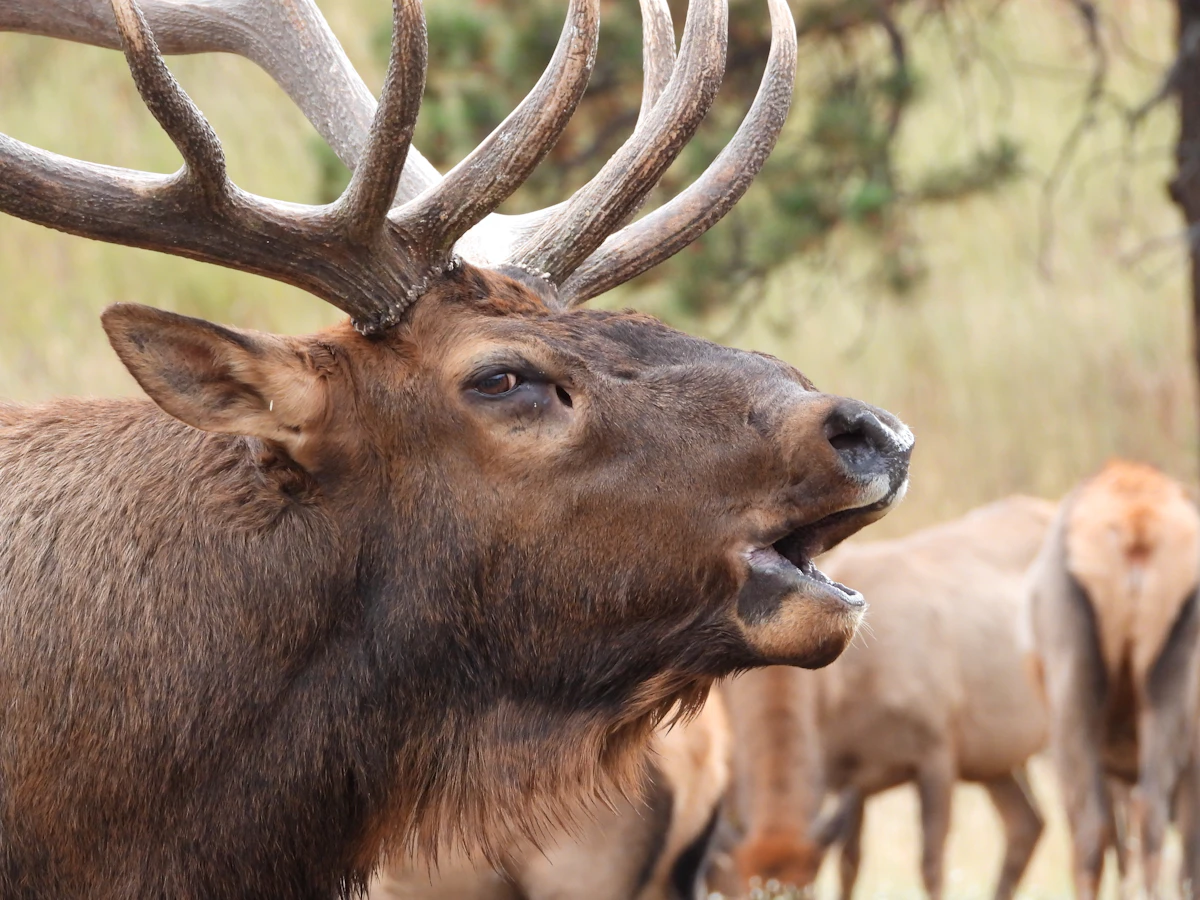
Understanding Elk Vocalizations: A Complete Guide to Bugling, Chirps, and Mews
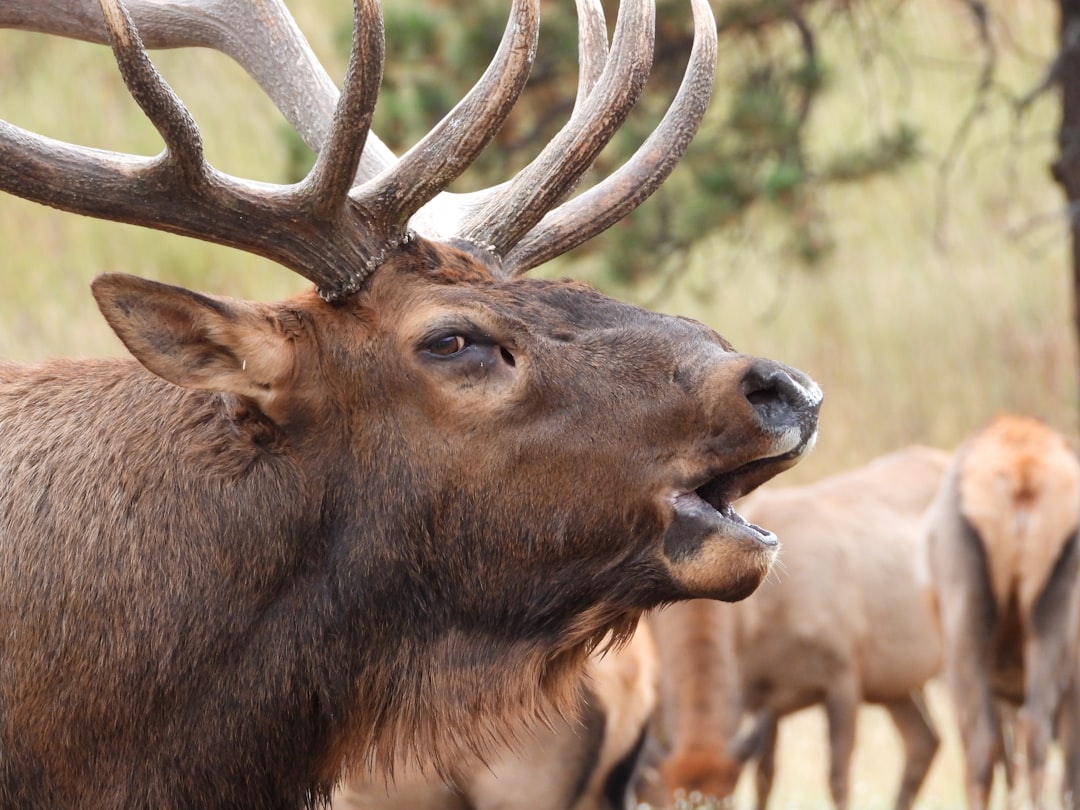
Elk are among the most vocal big-game animals in North America. From the piercing screams of a mature herd bull to the soft mews of a cow calling her calf, every sound carries meaning. Understanding what elk are saying and when they say it gives hunters a decisive edge during the rut and beyond.
This guide breaks down the most common elk vocalizations, what triggers them, and how to use that knowledge to locate bulls, read their mood, and time your approach.
The Bugle: Dominance, Challenge, and Location
The bugle is the signature sound of September elk hunting. Bulls bugle to announce their presence, advertise dominance, and challenge rivals. A mature herd bull bugles to keep satellite bulls at bay and reassure his cows that he is in control.
Bugles vary in tone, pitch, and intensity. A high-pitched, drawn-out scream often signals a confident bull that owns the area. Shorter, raspier bugles may indicate a younger or less dominant bull testing the waters. Bulls bugle most frequently during peak rut, typically mid-September in the Rockies, though timing varies by latitude and elevation.
Hunters use bugles to locate bulls at first light and again in the evening. A bull that bugles repeatedly from the same ridge is likely tending cows and worth pursuing. Bulls that bugle once and go silent may be moving or already locked down with cows.
Chuckles and Grunts: The Finishing Touches
The chuckle is a guttural, rhythmic vocalization that often follows a bugle. It sounds like rapid, descending grunts and signals aggression or excitement. Bulls chuckle when challenging rivals, herding cows, or responding to another bull's call.
Grunts are lower, single-note sounds bulls make while moving or feeding. They convey presence without broadcasting dominance. Satellite bulls often grunt as they circle a herd, testing the herd bull's tolerance.
Hunters can use chuckles sparingly to escalate a calling sequence or provoke a territorial response. Overdoing it risks spooking educated bulls or drawing unwanted attention from other hunters.
Cow Calls: Mews, Chirps, and the Social Glue
Cow elk are constantly communicating with soft mews and chirps. These high-pitched, nasal sounds keep the herd together, reassure calves, and signal contentment. Cows mew when feeding, moving between bedding and feeding areas, or calling to separated calves.
During the rut, cow calls are the most effective tool for bringing bulls into bow or rifle range. A single mew or a series of soft chirps mimics a receptive cow and triggers a bull's instinct to investigate. Bulls respond to cow calls because they represent breeding opportunity without the confrontation of another bull.
Cow calling works throughout the rut, even when bugling slows down. Bulls that ignore bugles often commit to realistic cow sounds, especially when combined with subtle movement or scent control. The key is patience and restraint. A few soft mews every five to ten minutes often outperforms aggressive calling sequences.
Barks: The Alarm Call You Need to Avoid
The bark is elk's alarm call. Both bulls and cows bark when they detect danger—whether it is a hunter, predator, or something out of place. A single, sharp bark alerts the herd to freeze and assess. Repeated barking signals immediate danger and often triggers a retreat.
Hunters who hear barking know they have been detected, either visually, through scent, or by sound. The best response is to freeze and wait. Elk may settle down if they do not see further movement or catch wind again. Attempting to close distance after a bark almost always ends the encounter.
Preventing barks comes down to scent control, slow movement, and terrain awareness. Stay downwind, move only when elk are feeding or distracted, and avoid silhouetting yourself on ridges.
Estrous Chirps: The High-Pitched Signal of Readiness
Cows in estrus emit a high-pitched, rapid chirping sound that signals breeding readiness. This vocalization is distinct from the softer, slower mews of contentment. Estrous chirps are short, repetitive, and often draw immediate attention from nearby bulls.
Hunters rarely need to replicate estrous chirps, as standard cow calls are usually sufficient. However, understanding this sound helps hunters identify when a cow is receptive and when a bull is likely to stay locked down rather than respond to calling.
Calf Mews: The Distress Call That Pulls Cows
Calves produce a higher-pitched, more urgent version of the standard mew when separated from their mothers. Cows respond aggressively to calf distress calls, often bringing the entire herd to investigate.
While calf calls can draw cows, they rarely bring bulls unless a bull is tending the herd closely. Hunters targeting cows during late hunts or anterless seasons can use calf mews effectively, but this tactic has limited application during bull-focused archery hunts.
When Elk Vocalize Most
Elk vocalize most during the rut, but timing and intensity vary by phase. Pre-rut bulls bugle sparingly and often at night. Peak rut bulls bugle aggressively from dawn through mid-morning and again in the evening. Post-rut bulls bugle less frequently but still respond to cow calls.
Weather and hunting pressure also influence vocalization. Cool mornings and calm evenings trigger more bugling. Heavy pressure pushes elk into silence, forcing hunters to rely on locator calls, terrain knowledge, and patience.
Understanding these patterns helps hunters decide when to call aggressively, when to go quiet, and when to rely on spot-and-stalk instead of calling setups.
How TAGZ Helps You Plan Your Elk Hunt
TAGZ helps hunters research elk units by comparing terrain maps, public land access, and historical draw odds side by side. Track your preference points and bonus points across multiple states so you never miss a draw deadline. Whether you are chasing OTC tags in Colorado or planning a limited-entry archery hunt in Utah, TAGZ gives you the tools to make smarter decisions before you ever step into the field. Filter hunts by weapon, season, and species, and identify units where elk activity peaks during your preferred hunt dates.
FAQ — Elk Vocalizations
What is the difference between a bugle and a chuckle?
A bugle is a high-pitched scream bulls use to announce dominance and challenge rivals. A chuckle is a rapid series of grunts that often follows a bugle and signals aggression or excitement.
When do elk bugle the most?
Elk bugle most frequently during peak rut, typically mid-September in the central Rockies. They are most vocal at dawn and dusk, with activity peaking on cool, calm mornings.
Do cow calls work better than bugles?
Cow calls often bring bulls into close range because they represent breeding opportunity without confrontation. Bulls that ignore bugles frequently respond to realistic cow mews, especially during mid to late rut.
What does an elk bark mean?
A bark is an alarm call. Elk bark when they detect danger through sight, scent, or sound. Repeated barking signals immediate threat and usually triggers the herd to leave the area.
Can you call elk outside the rut?
Yes. Cow calls work year-round because elk are social animals that constantly communicate. Bugles are less effective outside the rut, but locator calls and soft cow mews can still locate and position bulls.
How do you know if a bull is responding to your call?
A responding bull may bugle back, crash through brush toward you, or approach silently. Watch for movement, listen for breaking branches, and stay ready. Not all bulls bugle when they commit.
Continue Planning Your Hunt
Mastering elk vocalizations is just one piece of a successful western hunt. TAGZ helps you compare draw odds, track points, and research units so you can focus on hunting instead of spreadsheets. Create an account at https://www.getmytagz.com/ and start planning smarter hunts today.
Explore more hunting strategies and unit breakdowns on the TAGZ Insights blog. Check out pricing options to unlock advanced filtering and multi-state tracking. Learn more about how TAGZ simplifies western hunting at https://www.getmytagz.com/product.
Was this article helpful?
Previous
My Favorite Midday Elk Tactics When the Morning Hunt Goes Quiet
The midday lull doesn't mean your elk hunt is over. These proven tactics for glassing bedding areas, setting up ambushes, and hunting transition zones keep you in the game when other hunters head back to camp.
Next
Why Young Bulls Respond More Aggressively Than Mature Bulls During the Rut
Young bulls respond to calling because they lack experience and social status, making them eager to challenge and prove themselves. Mature bulls have learned that caution keeps them alive.