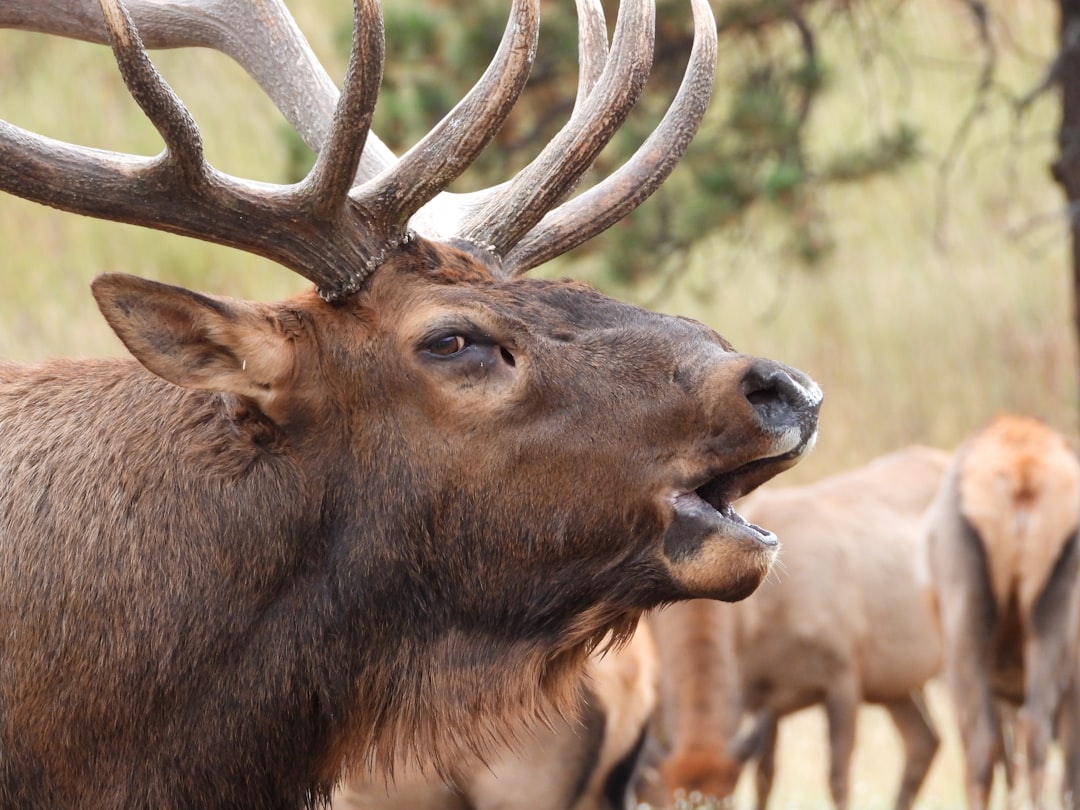
My Favorite Midday Elk Tactics When the Morning Hunt Goes Quiet
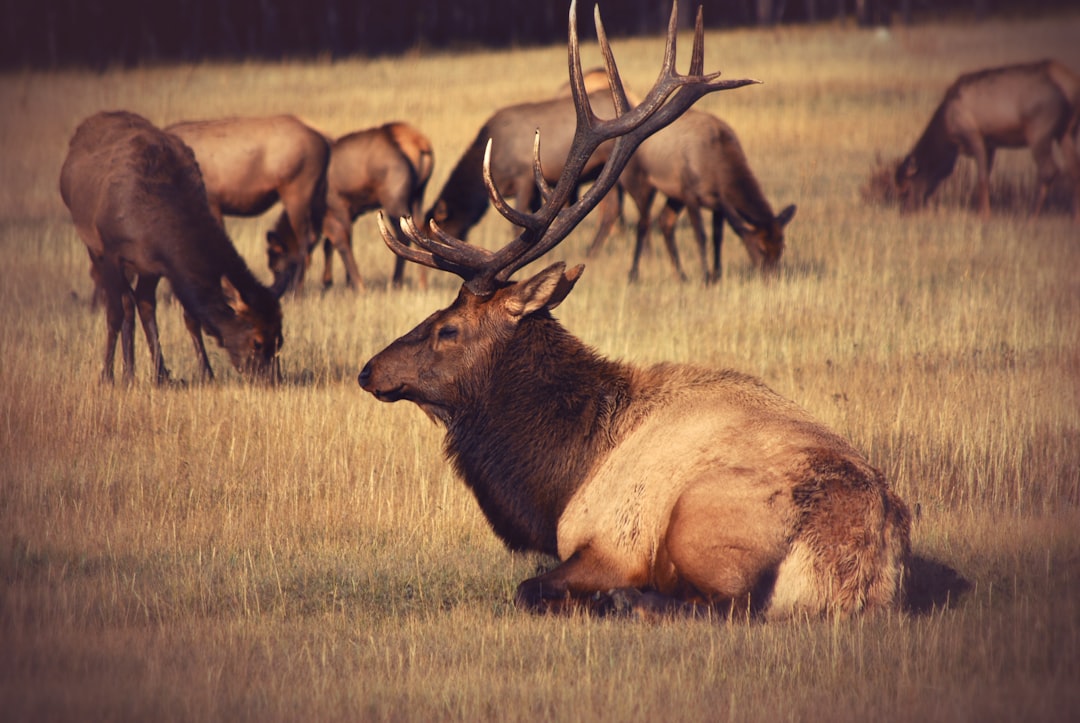
Most elk hunters pack it in by 10 a.m., convinced the action is over until evening. I used to do the same thing until a guide in Montana's Gravelly Range showed me what I was missing. We killed a 320-inch bull at 1:30 p.m. on a southwest-facing slope while every other hunter in camp was eating sandwiches at the trailhead.
The midday period between morning and evening activity isn't dead time. It's different time. Elk are bedded, but they're not comatose. They shift positions, move to water, and relocate to better thermal cover. If you know where to look and how to hunt the transition, midday can produce opportunities that morning and evening hunters never see.
Why Midday Matters More Than You Think
Elk are crepuscular — most active at dawn and dusk — but that doesn't mean they're motionless the rest of the day. Bedded elk still feed intermittently, especially in heavy timber where they feel secure. They move to water sources during the heat of the day. Bulls check cows. Satellite bulls cruise between herds.
The advantage of midday hunting is pressure. Most hunters are gone. Elk that were pushed hard at first light often settle into predictable midday patterns once the woods go quiet. I've watched bulls that were call-shy at dawn respond aggressively to a bugle at noon because they weren't expecting it.
Another factor is thermals. Morning thermals are unpredictable as air transitions from downslope to upslope. By midday, thermals are stable and rising, making scent control easier. You can hunt uphill into bedding areas with confidence your wind is climbing away from the elk.
Glassing Bedding Areas from a Distance
This is my number one midday tactic. Find a vantage point 800 to 1,200 yards from likely bedding cover and sit down with quality optics. I'm talking dark timber on north-facing slopes, pockets of quaking aspen, blowdown tangles, and brushy saddles just below ridgelines.
Elk don't bed in wide-open parks. They bed where they can see, hear, or smell danger while staying cool. Look for shaded pockets with scattered openings. A bedded elk often picks a spot where it can see downhill through small gaps in the canopy.
Glass slowly. I spend 10 to 15 minutes on each drainage, looking for horizontal lines, antler tines, an ear flick, or the flank of a bedded cow. Midday glassing is about patience. You're not looking for moving animals. You're looking for pieces of animals that don't belong.
Once you locate bedded elk, you have options. If they're in a position you can stalk without spooking them, mark the spot and plan a slow, careful approach using terrain and wind. If they're in heavy cover, note the location and return during the evening when they'll move to feed.
I've glassed up more midday bulls than I can count. Most were satellite bulls bedded alone or in small bachelor groups away from herds. These bulls are often less vocal but more responsive to calling because they're looking for cows without the competition of a herd bull.
Setting Up on Water Sources
Elk need water daily, and during warm September weather, midday is prime time for them to drink. Small seeps, springs, wallows, and creek crossings see steady traffic between 11 a.m. and 3 p.m.
I don't sit directly on the water. I set up 40 to 60 yards downwind in cover where I can see approaches and have a clear shooting lane. Elk approaching water are cautious. They'll hang up in cover, test the wind, and look for danger before committing. If you're sitting in the open next to the water, you'll get busted.
Pay attention to tracks. Fresh tracks in soft mud or dust tell you what time elk are using the water. If you see deep, wet prints in the morning, they're likely hitting that spot after feeding at first light. If the mud is dry but tracks are fresh in the afternoon, you're looking at midday or evening use.
Wallows are especially productive during the rut. Bulls wallow midday to cool off and scent-mark. I've sat on wallows where bulls came in silent, no bugling, just walked up and rolled in the mud. Set up with the wind in your face and stay still. If a bull hangs up out of range, a soft cow call can pull him in.
Water setups require patience. Bring a foam pad, stay hydrated, and be ready to sit for two to four hours. The payoff is often a relaxed, unalarmed elk that has no idea you're there.
Hunting Transition Zones Between Feeding and Bedding
Elk don't teleport from feeding areas to bedding areas. They walk, and the routes they use between the two are predictable. Saddles, benches, ridgelines, and timbered funnels all serve as transition zones.
Midday is when elk that fed late into the morning are still moving toward bedding cover. A mature bull might linger in a transition zone for an hour, feeding in scattered pockets of grass or resting in partial shade before committing to a bedding area.
I focus on the upper third of drainages where feeding areas transition into timber. Look for trails, fresh rubs, and sign that indicates repeated use. Elk are creatures of habit. If they're using a saddle to cross a ridge, they'll use it again.
Set up in cover along the trail with a shooting lane. Don't sit on the trail itself. Elk will wind you or spot movement. Position yourself 20 to 30 yards off the trail where you can see it clearly and have a backstop for a shot.
Calling in transition zones can work, but keep it subtle. A single cow call or light mew is often enough. If a bull is moving through and hears a cow, he'll investigate. Aggressive bugling can spook elk that are trying to bed.
Still-Hunting Timber During Peak Heat
This tactic is high-risk, high-reward. When thermals are rising and the wind is predictable, I'll still-hunt slowly through dark timber where I expect elk to be bedded. The key is moving at a pace so slow it feels ridiculous. I'm talking five to ten steps, then stop and glass for five minutes. Repeat.
Look for benches, blowdown piles, and thick patches of reproduction timber. Elk bed in spots where they can hear you coming. Your advantage is seeing them first. Use your binocular constantly. A bedded elk is just a brown lump in the shadows. You're looking for an ear, an antler, or the curve of a back.
If you spot a bedded elk, freeze. Don't move. Glass the area thoroughly to see if there are others. Elk rarely bed alone. If you see one cow, there are likely five more you haven't spotted.
The stalk from here depends on terrain and wind. Sometimes you can close the distance. Sometimes the best move is to back out and return during the evening when they'll stand up and feed.
I've blown this tactic more times than I've succeeded, but the successes have been some of my most memorable hunts. Still-hunting bedded elk is chess, not checkers. Every step matters.
Calling Strategies That Work Midday
Midday calling is different than morning calling. Bulls are less vocal, and cows are mostly silent. The goal isn't to fire them up. The goal is to sound like an elk that's supposed to be there.
I rely on soft cow calls and mews. Think contact calls, not excitement. A lone cow feeding into timber. A calf looking for its mother. These sounds don't alarm bedded elk, and they can pull a curious bull out of cover.
If I'm hunting alone, I'll set up in a spot with good visibility and call sparingly. One or two calls, then wait 20 to 30 minutes. If nothing happens, move 200 yards and repeat. The idea is to cover ground slowly while sounding like a single elk moving through.
Bugling midday can work, but it's situational. If you've located a bedded bull and know he's alone or with a small group, a challenge bugle can provoke a response. But if you're blind-calling into timber, bugling often does more harm than good. You'll push elk deeper into cover.
One tactic I've had success with is the herd setup. If you have a partner, one person moves 100 yards uphill and does soft cow calls while the other sits downwind in cover. Bedded elk sometimes stand up and move toward the calling, walking right past the stationary hunter.
How TAGZ Helps You Find Midday Opportunities
Planning a midday hunt strategy starts long before you step into the field. TAGZ gives you the terrain tools to identify bedding areas, water sources, and transition zones before you even arrive.
Use TAGZ terrain maps to find north-facing slopes, timbered benches, and saddles where elk are likely to bed. Layer unit boundaries with public land information so you know where you can legally hunt. Compare units side by side to see which ones have the mix of feeding and bedding habitat that makes midday hunting productive.
If you're applying for limited-entry tags, TAGZ tracks your preference points and bonus points across multiple states so you can maximize draw opportunities in units with quality midday terrain. Filter hunts by weapon, season, and species to find tags that align with your hunting style.
Whether you're chasing OTC tags or planning a once-in-a-lifetime limited-entry hunt, TAGZ gives you the decision-making platform to hunt smarter from application season through the moment you pack out.
Gear and Mindset for Midday Success
Midday hunting requires a different gear setup than morning hunting. You're not racing to beat first light. You're settling in for slow, methodical hunting in warmer conditions.
Bring a lightweight foam pad or cushion for sitting. Glassing and waiting require comfort. Bring more water than you think you need. Dehydration kills focus, and focus is everything when you're glassing for bedded elk or waiting on a water source.
Optics matter. I carry a 10x42 binocular for general glassing and a 15x56 on a tripod for picking apart distant timber. If you're serious about midday hunting, a spotting scope is worth the weight. Being able to identify antlers or confirm a bedded elk at 1,000 yards changes the game.
Mindset matters more than gear. Midday hunting is slow. It's boring. You'll sit for hours and see nothing. Then, in a span of 30 seconds, a bull will walk out and your hunt is over. The hunters who succeed midday are the ones who stay mentally engaged when it feels like nothing is happening.
I've killed bulls at 11 a.m., 1 p.m., and 2:30 p.m. Every one of those hunts required sitting still, glassing hard, and believing that the next 10 minutes might be the moment. If you pack it in at 10 a.m. because the bugling stopped, you'll never know what you missed.
FAQ — Midday Elk Hunting
What time is considered midday for elk hunting?
Midday runs roughly from 10 a.m. to 3 p.m., the period between morning feeding activity and evening movement. Elk are typically bedded or moving slowly during this window.
Do elk respond to calling during midday?
Yes, but they're less vocal. Soft cow calls and mews work better than aggressive bugling. Bulls are more likely to respond because hunting pressure has dropped and they don't expect calling midday.
Where do elk bed during the middle of the day?
Elk bed in shaded, secure cover like north-facing slopes, dark timber, aspen pockets, and brushy saddles. They choose spots where they can detect danger while staying cool.
Is midday hunting better during the rut or pre-rut?
Midday hunting works during both periods, but tactics differ. During the rut, focus on wallows and calling. During the pre-rut, focus on glassing bedding areas and water sources.
Can you stalk bedded elk successfully?
Yes, if you spot them from a distance and use terrain and rising thermals to your advantage. The stalk must be slow and deliberate. Bedded elk are alert and will hear or smell careless movement.
What's the biggest mistake midday elk hunters make?
Giving up too early. Most hunters assume the woods are dead by mid-morning and head back to camp. Elk are still there. They're just not moving or vocalizing. Patience and persistence win midday hunts.
Was this article helpful?
Previous
Cow Elk Calling During Rifle Season: Why It Works When Bulls Go Silent
Bull elk shut down during rifle season, but cow calling can still pull bulls and cows into range. Learn why rifle-season elk respond to contact calls, how to use location calls to scout pressure-heavy units, and when to skip calling entirely.
Next
Understanding Elk Vocalizations: A Complete Guide to Bugling, Chirps, and Mews
Elk vocalizations reveal their mood, location, and intentions. Learning to interpret bugles, chirps, barks, and mews helps hunters read the rut, locate bulls, and time their setups for success in September and beyond.